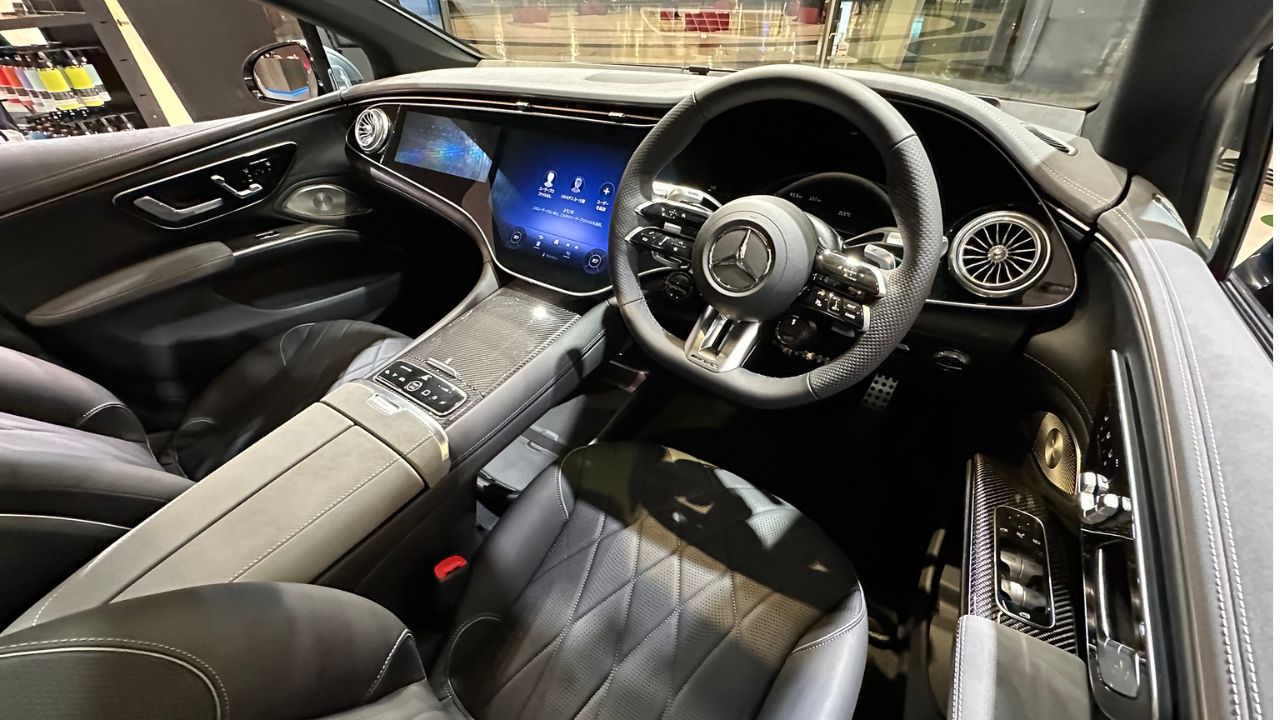
The automotive industry is rapidly evolving, with infotainment systems becoming a crucial aspect of the modern driving experience. As technology advances, the need for universal standards in infotainment systems is becoming increasingly apparent. The push for these standards brings into focus the benefits, challenges, and potential future of universal infotainment systems.
The Need for Universal Infotainment Standards
Consumers today expect a consistent and seamless user experience across various car brands and models. Imagine owning multiple vehicles from different manufacturers, each requiring you to learn a new interface. This inconsistency not only frustrates drivers but also diminishes the overall in-car experience. The demand for a unified system is evident as consumers increasingly prioritize user-friendly technology in their purchase decisions.
Safety is a paramount concern when discussing infotainment system standardization. Distracted driving is a significant issue, often exacerbated by drivers fumbling with complex, unfamiliar interfaces. A streamlined, consistent user interface could help mitigate these distractions, enhancing road safety. Furthermore, the intricacies of integrating smartphones and other personal devices with car systems underscore the need for interoperable solutions that work seamlessly across platforms.
Current State of Infotainment Systems
Today’s market offers a diverse array of infotainment systems, each with unique interfaces and features. From Tesla’s large, minimalist screens to BMW’s iDrive system, the variability is vast. However, this diversity often leads to consumer confusion and dissatisfaction. The lack of standardization means that what works well in one vehicle might be entirely absent or function differently in another, causing frustration.
Key players like Apple and Google have made significant strides with platforms like Apple CarPlay and Android Auto, aiming to provide a standardized experience across different vehicles. However, despite these efforts, the automotive industry still faces challenges in achieving full standardization. Consumer feedback often highlights dissatisfaction with laggy interfaces, confusing menus, and limited app compatibility, signaling areas ripe for improvement.
Benefits of Standardization
One of the primary benefits of standardizing infotainment systems is the enhanced user experience it offers. A uniform interface would mean drivers could easily transition between vehicles without the need to relearn controls and settings. Such consistency would make it easier for users to access navigation, music, and communication features, thereby reducing distractions and improving overall satisfaction.
For manufacturers, adopting universal standards could lead to significant cost savings. By utilizing shared technological platforms, they can reduce development costs, streamline production, and focus resources on innovation rather than reinventing the wheel for each model. Moreover, standardized systems could contribute to safer driving experiences by minimizing the cognitive load on drivers, potentially reducing the risk of accidents.

Challenges in Implementing Universal Standards
Despite the clear benefits, the path to universal standards is fraught with challenges. One major hurdle is industry resistance. Car manufacturers often view proprietary infotainment systems as a competitive advantage, differentiating their vehicles in a crowded market. This competitive mindset can hinder collaborative efforts toward standardization.
Technological and regulatory challenges also pose significant obstacles. Developing a universal standard requires overcoming technical disparities between existing systems and aligning with diverse regulatory frameworks across different regions. Moreover, balancing the need for standardization with the desire to foster innovation is a delicate task. While standard interfaces can enhance usability, they must also allow room for technological advancements and unique features that appeal to consumers.
The Future of Infotainment Systems
Looking ahead, the potential for a globally unified infotainment standard is an exciting prospect. Such a standard could revolutionize the driving experience, making it more intuitive and accessible worldwide. As the industry moves towards this goal, collaboration among car manufacturers, tech companies, and regulatory bodies will be crucial in shaping the future landscape.
Emerging technologies like artificial intelligence (AI) and augmented reality (AR) are poised to further transform infotainment systems. AI could enable smarter, more personalized user experiences, while AR might offer innovative ways to display navigation and other information. As these technologies develop, they will likely play a pivotal role in defining the next generation of in-car infotainment.
Consumer trends and expectations will also drive the evolution of infotainment systems. As younger, tech-savvy generations become the primary car buyers, their preferences for connectivity, convenience, and seamless integration will shape industry priorities. The challenge will be to meet these evolving demands while maintaining a focus on safety and usability.