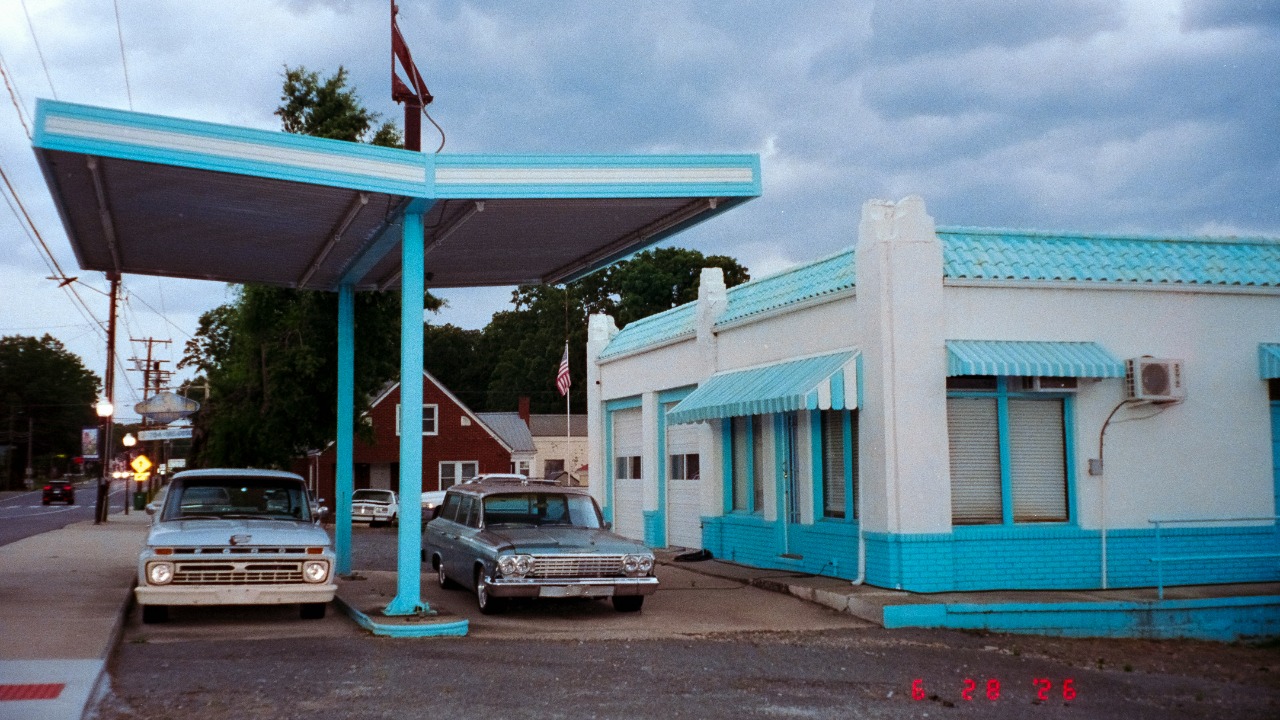
In 1925, the experience of filling up at a gas station was vastly different from today’s automated and self-service systems. The automobile was becoming an integral part of American life, leading to a unique culture around gas stations that served as more than just places to refuel. The technology, customer interactions, and cultural significance of these early gas stations paint a vivid picture of a transformative era in American history.
Historical Context of Gas Stations in the 1920s
The 1920s marked a significant shift in American society, with the rise of the automobile revolutionizing transportation. Prior to this decade, cars were a luxury item, but thanks to mass production techniques pioneered by companies like Ford, automobiles became accessible to the average American. The Model T, introduced in 1908, became the symbol of this change, as it was affordable for many families. By the mid-1920s, car ownership was on the rise, with the number of registered vehicles in the United States reaching over 23 million by 1925. This surge in automobile ownership fueled a growing demand for gasoline, creating a need for dedicated gas stations.
Initially, fuel was sold at general stores, pharmacies, and even hardware shops, where it was stored in barrels and dispensed using gravity-fed systems. However, as automobile culture grew, dedicated gas stations began to emerge. These establishments were designed specifically for the purpose of fueling vehicles, often featuring large signs and distinct branding to attract customers. The economic boom following World War I also played a crucial role in the proliferation of gas stations, as new roads and highways were built to accommodate the increasing number of vehicles on the road.
Technology and Equipment of 1925 Gas Stations
When I think about the technology of gas stations in 1925, I can imagine the hand-operated pumps that were the norm at the time. Unlike today’s electronic pumps, these manual devices required the attendant to physically pump the gasoline into the vehicle. The process involved a lot of physical labor, as the attendant would operate a lever to draw fuel from underground storage tanks. This method not only made the task more labor-intensive but also introduced a level of human interaction that is often absent in modern, self-service stations.
Gasoline was measured and dispensed using glass cylinders, often referred to as sight glasses, which allowed attendants and customers to see the amount of fuel being pumped. Gravity-fed systems were common as well, with fuel flowing from elevated tanks down into the vehicle’s gas tank. This method, while simple, had its drawbacks, including the potential for spills and waste. Safety measures were minimal at best; there were few regulations governing the storage and handling of gasoline, leading to a higher risk of accidents compared to the standards we have today.
Customer Experience and Service
The role of gas station attendants in 1925 was multifaceted. They weren’t just there to fill up tanks; they provided a range of services that enhanced the customer experience. Attendants would check oil levels, wash windshields, and even offer tire inflation services. This full-service model fostered a personal touch, allowing customers to engage in conversation with attendants while they waited for their vehicles to be serviced. It was common for people to visit gas stations not only for fuel but also for social interaction and local news.
Payment methods during this time were straightforward, typically involving cash transactions. Some gas stations began to experiment with credit systems, allowing customers to charge their purchases, but this was not yet widespread. The simplicity of cash payments contributed to a sense of community, as transactions were often accompanied by friendly conversation rather than the impersonal nature of modern credit card machines. Gas stations were community hubs, where people gathered to discuss everything from local gossip to the latest automobile models.
Cultural Significance of Gas Stations
Gas stations in the 1920s were more than just a practical necessity; they became cultural landmarks that shaped the American landscape. Their distinctive architecture and colorful signage contributed to the visual identity of many towns and cities. Brands like Standard Oil and Texaco used vibrant colors and eye-catching logos to attract customers, laying the groundwork for modern branding strategies that we still see today. These gas stations were often located along major highways, becoming essential stops for travelers and contributing to the rise of the American road trip culture.
In addition to fueling vehicles, gas stations also played a significant role in the growth of roadside attractions. As families began to travel more frequently, gas stations often served as gateways to local attractions, parks, and natural wonders. They provided not just fuel but also maps and information about nearby destinations, further cementing their role in the burgeoning tourism industry. This shift towards travel and exploration helped foster a sense of freedom and adventure that defined the era.
Comparison to Modern Gas Stations
When I reflect on the evolution of gas stations, it’s fascinating to see how technology has transformed the experience. Modern gas stations are equipped with electronic pumps that allow customers to fill their tanks with minimal human interaction. This shift to self-service has made the process faster and more efficient, but it has also led to a decrease in the personal touch that characterized earlier gas stations. Nowadays, many stations offer additional services, such as convenience stores and fast food outlets, which further change the nature of the experience.
The changes in customer interaction cannot be overstated. While full-service stations provided a unique opportunity for social engagement, today’s self-service model often leaves customers isolated as they pump their own gas. However, this has not entirely eliminated the community aspect; many modern gas stations have incorporated loyalty programs and rewards systems to encourage customer retention and engagement. Additionally, the rise of mobile apps has made it easier for customers to find gas stations, compare prices, and even pay for fuel without ever leaving their cars.
Environmental considerations have also influenced the evolution of gas stations. In response to growing concerns about climate change and pollution, many stations are now incorporating alternative fuel options, such as electric vehicle charging stations and biofuels. This shift reflects a broader societal change towards sustainability and responsible consumption, highlighting how gas stations are adapting to the times while still serving their fundamental purpose.
More from Fast Lane Only
- Unboxing the WWII Jeep in a Crate
- 15 rare Chevys collectors are quietly buying
- 10 underrated V8s still worth hunting down
- Police notice this before you even roll window down
*Research for this article included AI assistance, with all final content reviewed by human editors.