Pickup trucks have long been shorthand for power, size, and status, yet the latest models on sale tell a more complicated story about what buyers actually want. Comfort, digital convenience, and long term value are increasingly shaping purchase decisions, even in a segment once defined almost entirely by payload and towing numbers. The modern truck has become a rolling referendum on how drivers balance work, family life, technology, and cost.
From electrified drivetrains to luxury grade cabins and online purchasing journeys, the current crop of trucks reflects a shift in priorities that cuts across income brackets and regions. Shoppers are still drawn to capability, but they are now just as likely to interrogate software features, ownership costs, and financing tools as they are to compare axle ratios or bed lengths.
From workhorse to family flagship
The most striking change in the truck market is how thoroughly these vehicles have moved beyond their roots as job site tools. Trucks are no longer just single purpose work vehicles, and they are often used as day to day family haulers that shuttle children, groceries, and sports gear as readily as lumber. They now serve varied roles from commuting to weekend recreation, which means buyers expect them to be quiet, comfortable, and safe in addition to strong and durable.
This broader mission has pushed manufacturers to load trucks with advanced driver assistance, refined suspensions, and upscale interiors that rival premium SUVs. Trucks still need to deliver the highest towing and hauling capabilities for buyers who demand it, but the segment’s growth has been fueled by customers who may never max out the hitch and instead prioritize ride quality and cabin space. That dual identity, part workhorse and part family flagship, is the backdrop for nearly every design and marketing decision in today’s truck portfolios.
Luxury and tech move from options to expectations
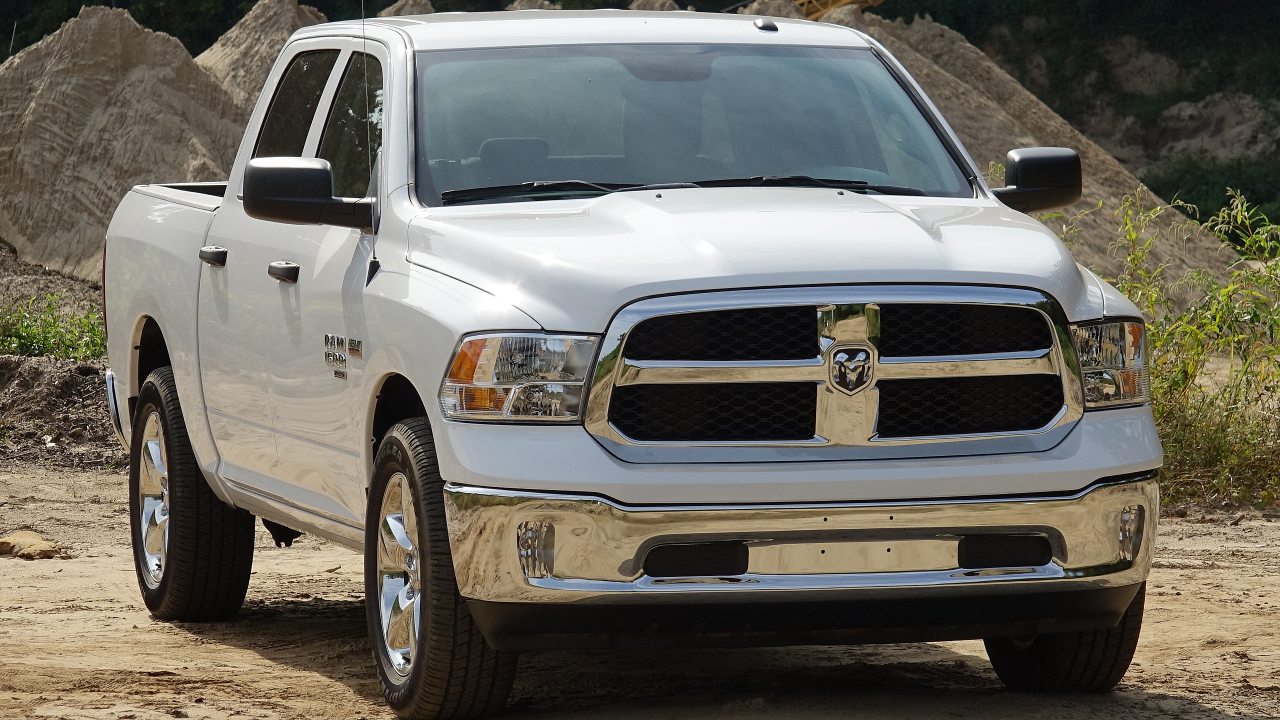
Nowhere is the shift in priorities more visible than in the cabins of full size pickups. THE 2025 RAM 1500 IS THE MOST LUXURIOUS RAM 1500 EVER, and the positioning of that truck illustrates how comfort and prestige have become central to the sales pitch. The All new 2025 Ram 1500 Tungsten model is marketed to raise expectations with high end materials, elaborate ambient lighting, and expansive screens, signaling that some buyers are willing to treat their trucks as luxury cars with beds attached.
That appetite for comfort is matched by a growing insistence on sophisticated in vehicle technology. Connectivity systems such as General Motors’ OnStar, Ford’s Sync and Toyota’s EnTune, along with advanced, adaptive navigation systems and telematics, are all high on consumers’ want list. A study that found 48 percent of car buyers prioritize in vehicle technology underscores how features like seamless smartphone integration, over the air updates, and integrated safety services have moved from novelty to necessity. In trucks, where owners often spend long hours behind the wheel, these systems are no longer optional extras but core components of perceived value.
Affordability, value seeking, and the “peak truck” question
Even as trucks grow more luxurious, affordability pressures are reshaping what shoppers will accept. A new report suggests customer tastes are changing after decades of booming truck sales, with America’s love affair with hulking trucks increasingly constrained by concerns over vehicle affordability. Rising transaction prices and higher interest rates are prompting some buyers to reconsider whether they truly need a full size pickup or whether a smaller truck or crossover can meet their needs at a lower monthly payment.
Broader research into Automotive consumer behavior reinforces this value seeking turn. With affordability pressures rising and brand loyalty softening, buyers are more willing to cross shop segments and switch nameplates if they perceive better long term value. That dynamic is visible in the truck market, where shoppers weigh the cost of high trim models against their actual usage patterns and sometimes step down to mid level configurations that still offer essential safety and tech. The question of whether America has hit “peak truck” is less about a sudden collapse in demand and more about a recalibration, as consumers balance desire for size and status with the realities of budgets and ownership costs.
Electrified pickups and a new kind of truck buyer
The rise of electrified pickups adds another layer to changing priorities, drawing in customers who might previously have ignored the segment. Expectations High for Electrified Trucks research shows that buyers of these models are not simply traditional truck owners swapping engines, but a distinct group that often comes from cars or SUVs. They said they expect it to perform the same or better than gas powered trucks in terms of acceleration, towing, and hauling, which sets a high bar for manufacturers and underscores how little compromise this audience is willing to tolerate.
These electrified truck shoppers also tend to be more focused on technology, environmental impact, and total cost of ownership. They scrutinize charging options, software features, and energy costs alongside traditional metrics like bed length. That profile aligns with broader findings that Vehicle reliability and costs have become more important to consumers compared to prior years, while styling and brand image have slipped slightly in relative importance. While some buyers still chase the most aggressive appearance packages, a growing share is drawn to trucks that quietly deliver efficiency, low maintenance, and robust digital ecosystems.
Digital retail and data driven decision making
How people buy trucks is changing almost as quickly as what they buy. It is not just buyers’ expectations and purchasing habits that are changing, as customers increasingly opt for digital retailing options and online only retailers like Carvana and Vroom. Platforms like Carvana, AutoTrader, and TrueCar have revolutionized the car shopping experience by offering end to end digital solutions, from browsing inventory to financing and delivery, which gives truck shoppers unprecedented transparency on pricing, incentives, and trade in values.
That digital shift dovetails with research showing that Leading findings in recent studies include a clear tilt toward Vehicle reliability and costs as key decision drivers, while vehicle aesthetics and brand loyalty play a somewhat smaller role than in the past. Shoppers armed with online tools can easily compare ownership costs, read long term reliability data, and explore alternatives if a favored truck model looks too expensive to run. In this environment, Consumer Reports Reveals 2026 Annual 10 Top Picks in New Cars, Trucks, and SUVs from COLCHESTER and similar rankings carry significant weight, because they distill complex data on safety, satisfaction, and durability into simple guidance that value conscious buyers can act on.
Those cross currents, from luxury interiors and advanced Connectivity to electrified drivetrains and digital retail Platforms, explain why today’s trucks look and feel so different from the bare bones pickups of the past. Trucks still project strength and utility, but the priorities behind the purchase have broadened to include comfort, software, and long term value in ways that would have been hard to imagine a generation ago. For manufacturers, the challenge is to keep satisfying traditional expectations of toughness while meeting a new set of demands that treat the truck as a family hub, a mobile office, and a connected device on wheels.
More from Fast Lane Only