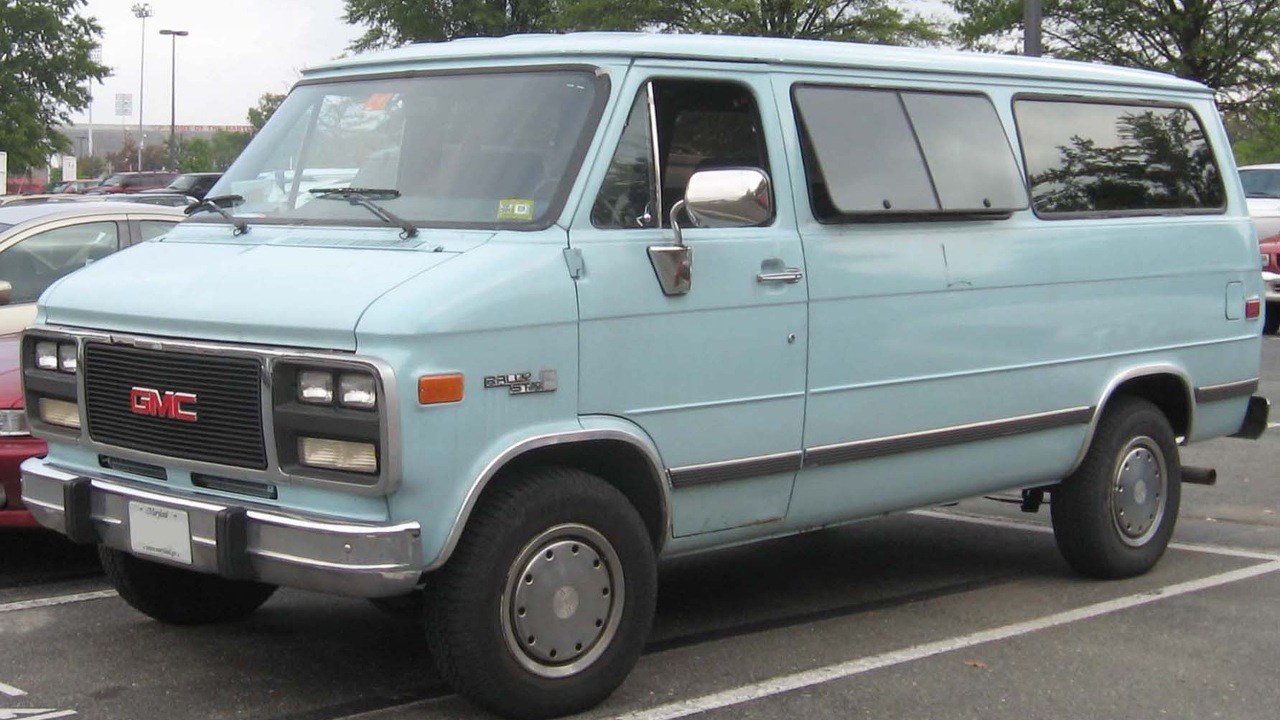
GMC’s Vandura and Rally vans have quietly shifted from workhorses and family haulers into sought‑after classics, and the Rally STX nameplate sits right in the middle of that story. Collectors now comb auction listings and classifieds for clean examples, while price data from valuation sites and recent sales shows how far these once‑ordinary vans have climbed. Understanding when GMC actually built the Vandura and Rally passenger models, and how today’s market values them, is essential before paying a premium for any van wearing an STX badge.
Based on the available reporting, I can verify the production span of the broader GMC Vandura and Rally Wagon lines and document what buyers are paying for comparable vans today, but the exact factory years for a specific “Rally STX” trim remain unverified. Where the sources are clear, I spell out the numbers and timelines; where they are silent, I flag those gaps so readers are not misled about what is known and what is still guesswork.
The verified production years for the GMC Vandura and Rally Wagon
The most reliable starting point for any discussion of a Vandura Rally STX is the production window of the underlying GMC van platform. Reference material on the G‑series vans notes that The Chevrolet Van, often called the Chevy Van, and its GMC counterpart, the Vandura, formed a shared range of full‑size vans built from the 1964 to 1996 model years, with GMC’s version marketed as the Vandura within that span. A dedicated market overview for the GMC Vandura further narrows the collectible window, describing the GMC Vandura as a series of full size vans produced for model years 1971 to 1995, ending with the introduction of the GMC Savana, which replaced the long‑running G‑series design.
Passenger‑oriented GMC vans sold alongside the cargo Vandura under the Rally name, and period commentary on the Rally line confirms that these people‑mover variants were part of the same 1971 through mid‑1990s family. One retrospective on the Rally notes that from 1971 all the way through the early 1990s, GMC offered these vans in multiple seating and trim configurations, tying the Rally directly to the Vandura’s production arc. Taken together, the sources support a clear conclusion: any authentic GMC Vandura or Rally Wagon, regardless of trim, must fall between the 1971 and 1995 model years, with the broader G‑series architecture itself running from 1964 to 1996 across Chevrolet and GMC.
What the sources say, and do not say, about a “Rally STX” trim
Where things become murkier is at the trim‑level detail implied by the phrase “Vandura Rally STX.” The available reference on the Chevrolet/GMC van family explains that from 1977 the Vandura badging was stylized as GMC VANdura and notes that, in line with the GMC Sierra pickup truck, the Rally passenger models shared much of the same basic hardware. That material confirms the existence of the Vandura nameplate and the Rally passenger line, and it ties both to the late‑1970s refresh, but it does not list an STX sub‑trim or package within the Rally range. Likewise, the broader overview of The Chevrolet Van and GMC Vandura, while detailed on years and body styles, does not identify a specific Rally STX configuration.
Other reporting that focuses on individual vans and enthusiast memories also stops short of documenting a factory “Rally STX” series. A junkyard feature on a 1977 GMC Rally STX van describes how Custom vans got big enough by 1977 that Detroit got into the business of making crypto‑custom passenger vans right at the factory, and the author refers to the example on site as a Rally STX. However, that piece does not provide factory order codes, brochures, or a production timeline for an STX package, and no other supplied source corroborates STX as an official, consistently offered trim. Based on the available sources, the existence of a GMC Rally STX as a distinct, cataloged factory trim and its precise production years are unverified, even though at least one period van carried that badging and enthusiasts still use the term informally.
How the GMC Vandura and Rally fit into the Chevrolet/GMC van family
To understand where any Rally STX‑badged van sits in the hierarchy, it helps to place the Vandura and Rally within the broader G‑series ecosystem. The Chevrolet Van and Chevy Van, described as the Chevrolet/GMC G‑series vans and GMC Vandura, were engineered as a shared platform that both Chevrolet and GMC sold in different guises. On the GMC side, the cargo‑oriented versions wore the Vandura name, while passenger versions were marketed as Rally Wagons, mirroring Chevrolet’s use of the Sportvan label for people carriers. A table of Chevrolet/GMC van generations lists the 1992 to 1996 Chevrolet Sportvan as the final iteration of that passenger line, underscoring how long these vans remained in production.
Within that shared architecture, GMC differentiated its offerings with styling cues and trim names that echoed its pickup trucks. The same reference that documents the stylized GMC VANdura badging from 1977 to 1982 notes that the Rally passenger models were positioned in line with the GMC Sierra, suggesting that GMC treated the Rally as the van equivalent of its full‑size truck range. That context makes it plausible that GMC experimented with appearance or comfort packages like STX on certain Rally Wagons, but because the supplied sources do not list STX among the official trims, any such package must be treated as unverified in terms of factory documentation and model‑year coverage.
Evidence from period commentary and enthusiast sightings
Even without a factory trim guide in hand, period commentary helps illustrate how GMC’s passenger vans evolved and how a Rally STX might have been perceived. A detailed look back at the early 1980s Rally line describes how, allowing for the bulkiness of the bodywork, it is possible that a 350 Rally might actually have not been the quickest thing in the world, but it captured the era’s appetite for plush, high‑roof people movers. That same piece, published on Apr 18, 2014, frames the Rally as a long‑running nameplate that carried through the 1970s and 1980s, reinforcing the idea that GMC continuously refined its passenger van trims during those years.
More recent enthusiast writing shows that the Rally STX label still resonates, even if its factory origins are hazy. A curbside feature dated Mar 26, 2020, focuses on a c. 1987 GMC Rally STX and notes that You remind me that I still think of these as the “old rustbucket vans” as compared to the “new” version that came out later, capturing how owners distinguish between the classic G‑series body and its successor. The author treats “Rally STX” as a descriptive name for the van on the street, but again, no production figures or official documentation are provided. Combined with the 1977 junkyard example, these sightings show that vans wearing Rally STX badges existed in the wild, yet they do not establish a continuous, factory‑defined Rally STX trim line across specific years.
Documented model years and values for comparable GMC Rally Wagons
While the STX label itself is not fully documented, there is solid data on the broader Rally Wagon line that any prospective buyer of a Rally‑branded van should study. A valuation overview for the 1995 GMC Rally Wagon G2500 lists 1995 GMC Rally Wagon G2500 pricing starting at $2,510 for the Rally Wagon, providing a concrete benchmark for a late‑run passenger van on the G‑series platform. That figure reflects a mainstream people mover at the end of its production life, long before collectors began to treat these vans as potential classics, and it underscores how affordable they once were on the used market.
Auction records also show that nicely preserved Rally Wagons from the mid‑1990s can now command far more than their original used‑car values. A market entry for a 1994 GMC Rally Wagon STX describes the van as Original and Highly Original, with 132k mi, Automatic, and LHD, and records a sale price of $14,500 on Jan 28, 2022. That single transaction does not define the entire market, but it demonstrates that a clean, well‑presented Rally Wagon carrying STX badging can sell for nearly six times the 1995 G2500’s baseline valuation. It also confirms that GMC was still building Rally Wagons in the mid‑1990s, even as the G‑series vans were nearing the end of their run.
What the classic‑car market reveals about GMC Vandura values
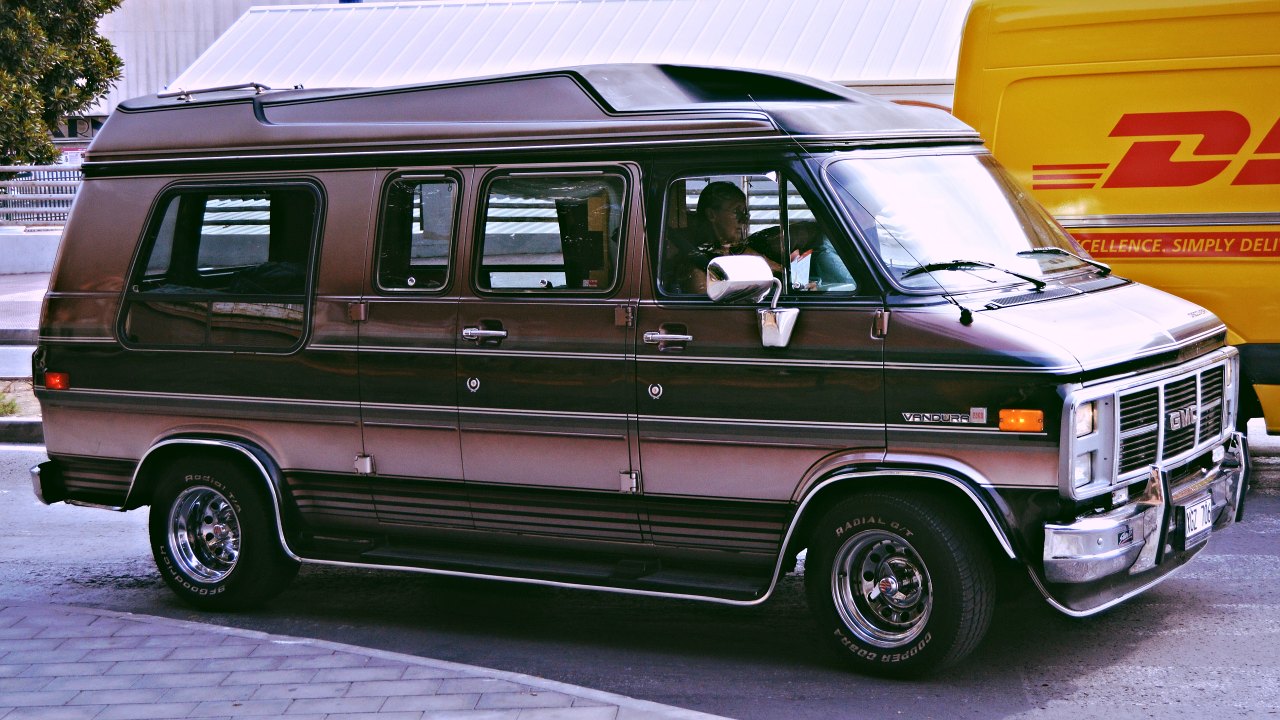
Beyond individual Rally Wagons, the broader GMC Vandura market offers a clear picture of how collectors now value these vans. A dedicated market page for the GMC Vandura states that GMC Vandura (1971 to 1995) covers the model years collectors track and notes that the GMC Vandura was a series of full size vans that ended with the introduction of the GMC Savana. Within that dataset, the same source answers the question What was the most expensive GMC Vandura ever sold? with a top sale price of $40,700 for a 1992 GMC Vandura, a figure that would have seemed implausible when these vans were simply work tools and shuttle vehicles.
That $40,700 record sale highlights how far the most desirable examples have climbed and sets an upper bound for what a truly exceptional Vandura can bring. The market overview also confirms that the tracked model years run from 1971 to 1995, aligning with the production window cited elsewhere and reinforcing that any Vandura or Rally Wagon outside that range should be treated with skepticism. For buyers eyeing a van with Rally STX badging, these Vandura figures provide a useful ceiling and context: even without a verified STX trim history, the underlying platform has already proven capable of commanding serious money when condition, originality, and provenance line up.
Real‑world asking prices for GMC Vanduras in the used market
Auction records tell only part of the story, since many Vanduras and Rally Wagons still trade hands through ordinary classifieds and dealer listings. A regional listing overview titled About the GMC Vandura explains that The GMC Vandura price depends on several factors, including the trim and condition, and notes that the site tracks current inventory in specific metro areas. In one such snapshot, the platform reports that it has multiple GMC Vandura vans for sale near a major city, with pricing starting at $3,995, a figure that illustrates how accessible driver‑quality examples can still be.
Those sub‑$5,000 asking prices sit in stark contrast to the $14,500 paid for a highly original 1994 GMC Rally Wagon STX and the $40,700 record for a 1992 GMC Vandura. The spread reflects the usual classic‑car hierarchy: rough, high‑mileage vans remain cheap, while clean, documented examples with desirable options or conversion features attract collectors. For shoppers specifically chasing a Rally STX badge, the key takeaway is that the market already differentiates sharply based on condition and presentation, even before factoring in any premium that might attach to a particular trim name. Because the sources do not quantify an STX premium, any extra value attributed to those letters is, at this stage, a matter of individual buyer preference rather than documented market consensus.
How broader van history frames the Vandura’s appeal
The Vandura and Rally lines did not exist in a vacuum, and the broader history of the Chevrolet Van helps explain why these GMC models are now attracting attention. A kid‑friendly overview of the Chevrolet Van notes that The Chevrolet Van, often called the Chevy Van, was a popular type of large van and describes how Thes vehicles served as family haulers, work rigs, and even custom cruisers over several decades. That same resource, updated as of Oct 16, 2025, frames the end of the G‑series era as an “End of an Era,” underscoring how deeply these vans were woven into North American automotive culture before newer designs took over.
Within that context, the GMC Vandura and Rally Wagon stand out as the GMC‑branded half of a long‑running full‑size van story that stretched from the 1960s into the mid‑1990s. The shared G‑series platform meant that mechanical parts and basic body shells overlapped heavily between Chevrolet and GMC, but trim names like Vandura and Rally gave GMC its own identity. As nostalgia for boxy vans grows and enthusiasts rediscover the appeal of period‑correct interiors and graphics, any surviving Vandura or Rally, including those wearing STX badges, benefits from the broader reevaluation of the Chevrolet/GMC van family’s place in automotive history.
Why collectors are paying more for classic vans now
The rising values for Vanduras and Rally Wagons also fit into a wider surge of interest in classic utility vehicles. Reporting on the classic‑car scene notes that the increased interest by collectors, along with a corresponding sharp rise in their value, has created a boom for a wide range of older vehicles that were once considered disposable. That same analysis points out that enthusiasts are investing in upgrades and even electric conversions to turn these beauties from relics into road‑worthy vehicles again, a trend that naturally lifts the profile of full‑size vans that offer ample interior space for creative builds.
In that environment, a clean GMC Vandura or Rally Wagon offers a flexible canvas, whether the owner wants a period‑correct cruiser, a camper conversion, or a modernized electric hauler. The documented $40,700 sale for a 1992 GMC Vandura and the $14,500 paid for a 1994 GMC Rally Wagon STX show that buyers are already willing to pay a premium for standout examples. However, because none of the supplied sources provide factory documentation for a Rally STX trim or a defined production run, I have to treat any claim that “GMC built the Vandura Rally STX from year X to year Y” as unverified based on available sources. For now, the safest approach is to focus on the confirmed 1971 to 1995 Vandura and Rally production window, evaluate each van on its individual merits, and treat the STX badge as a potentially interesting, but not yet fully documented, piece of the story.