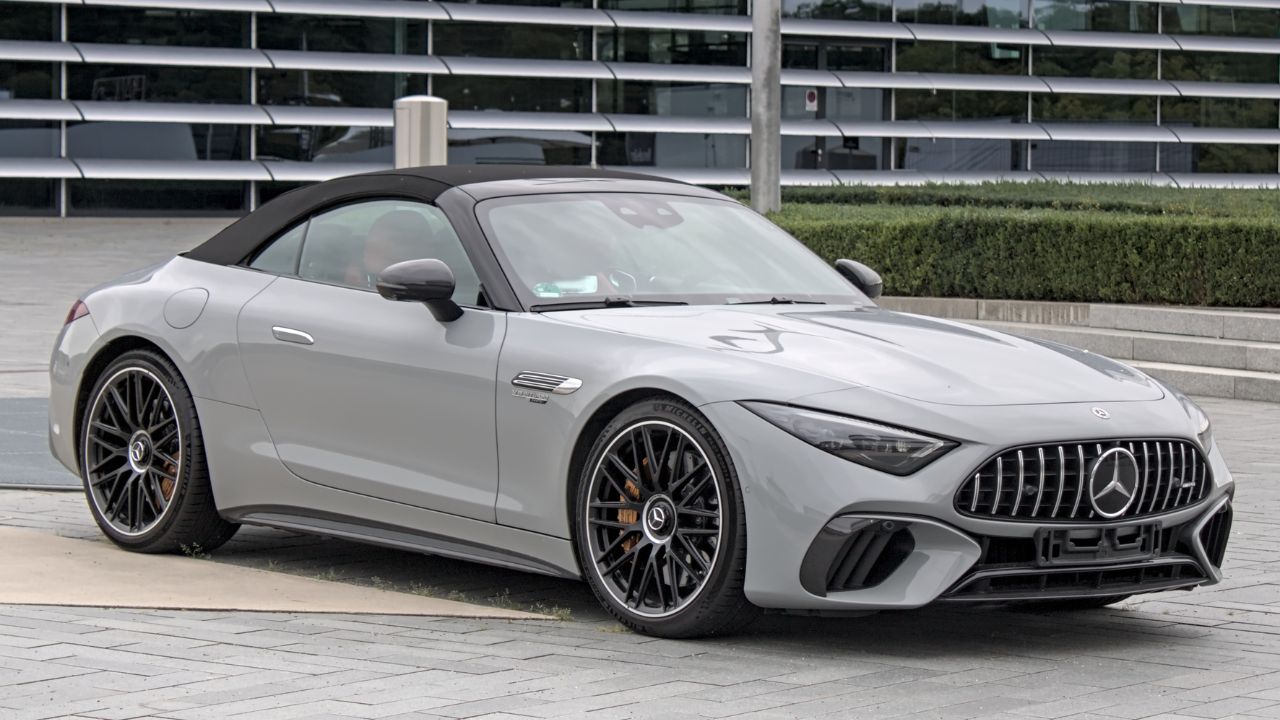
AMG has long been synonymous with high-performance driving, engineering some of the most exhilarating vehicles on the market. Known for their naturally aspirated engines, AMG vehicles have delivered raw power and thrilling experiences for enthusiasts worldwide. Let’s dive into the past to explore the era when AMG’s naturally aspirated engines were at the forefront of performance innovation.
The Birth of AMG: A Legacy of Performance

AMG’s journey began in the 1960s, founded by former Mercedes-Benz engineers Hans Werner Aufrecht and Erhard Melcher. Their vision was simple: to create high-performance versions of Mercedes-Benz cars. The company quickly gained a reputation for turning standard luxury vehicles into track-ready beasts, setting the stage for decades of performance excellence.
While AMG started as an independent tuner, its success led to a partnership with Mercedes-Benz in the late 1990s. This collaboration resulted in the development of officially branded AMG models, solidifying AMG’s role as the performance arm of Mercedes-Benz and marking the beginning of a new era in automotive engineering.
The Iconic M156 V8 Engine
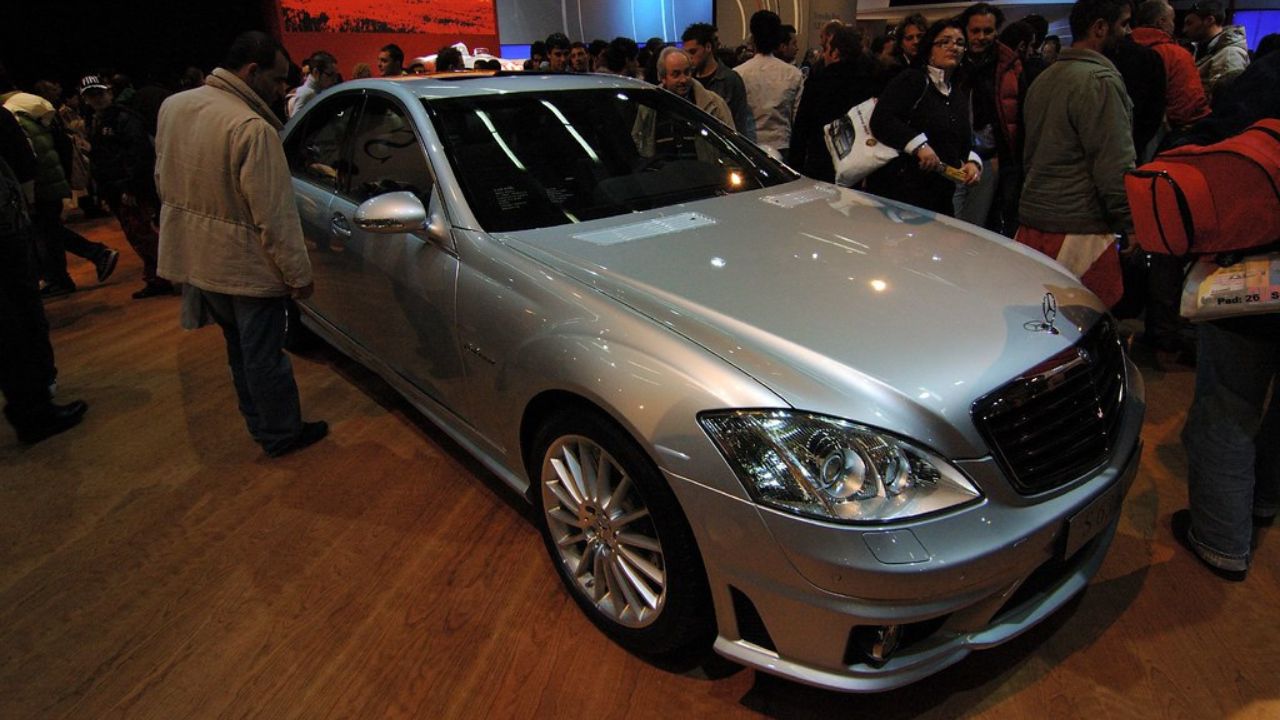
The M156 V8 engine is one of AMG’s most legendary powerplants. Introduced in 2006, this 6.2-liter naturally aspirated engine offered a perfect blend of power, torque, and sound. It was the first engine developed entirely in-house by AMG, showcasing their engineering prowess and commitment to performance.
With outputs ranging from 451 to 518 horsepower, the M156 was a versatile powerhouse that powered several AMG models. Its combination of high-revving nature and robust performance made it a favorite among enthusiasts, cementing its place in automotive history.
The C63 AMG: A Powerhouse on Wheels

The C63 AMG, first introduced in 2008, became one of the most popular models to feature the M156 engine. Known for its aggressive styling and dynamic performance, the C63 AMG quickly gained a loyal following. It offered a driving experience that was both exhilarating and refined, thanks to its naturally aspirated V8.
With a perfect balance of luxury and performance, the C63 AMG set new standards for what a compact luxury sedan could achieve. Its powerful engine, combined with precise handling and advanced technology, made it a standout in its class.
The SLS AMG: A Modern-Day Classic

The SLS AMG, launched in 2010, was a masterpiece that paid homage to the legendary 300 SL Gullwing. Featuring the M159 engine, a derivative of the M156, the SLS AMG delivered breathtaking performance with its 563 horsepower output. Its iconic gullwing doors and sleek design captivated car enthusiasts around the world.
Beyond its stunning looks, the SLS AMG was a performance beast. Its naturally aspirated V8 engine provided an intoxicating soundtrack, while its lightweight construction and agile handling made it a joy to drive on both road and track.
The Roar of the M159 Engine

The M159 engine, specifically developed for the SLS AMG, took the M156 to new heights. With enhancements such as a revised intake system and improved lubrication, the M159 offered even greater performance and reliability, ensuring the SLS AMG’s place as a modern supercar icon.
This engine was renowned for its distinctive roar, a sound that became synonymous with AMG’s naturally aspirated era. The M159 not only delivered exceptional power but also created an emotional connection with drivers, making every drive a memorable experience.
Naturally Aspirated Versus Turbocharged: The AMG Philosophy

AMG’s naturally aspirated engines were known for their immediate throttle response and linear power delivery, characteristics that appealed to driving purists. Unlike turbocharged engines, which often suffer from lag, naturally aspirated engines provided a direct and engaging driving experience.
While turbocharging offers advantages in efficiency and emissions, AMG’s naturally aspirated engines focused on delivering pure performance. This philosophy resonated with enthusiasts who valued the visceral connection between driver and machine, making AMG’s naturally aspirated era particularly special.
The Limited-Edition Black Series Models

The Black Series models represent the pinnacle of AMG performance, offering limited-edition versions of their most iconic cars. Featuring enhanced power, reduced weight, and track-focused technology, these models pushed the boundaries of what was possible with naturally aspirated engines.
From the CLK63 Black Series to the SLS AMG Black Series, these cars were engineered for ultimate performance. Each Black Series model was a showcase of AMG’s dedication to racing technology, providing an unmatched driving experience for those lucky enough to own one.
Racing Heritage: From Track to Road
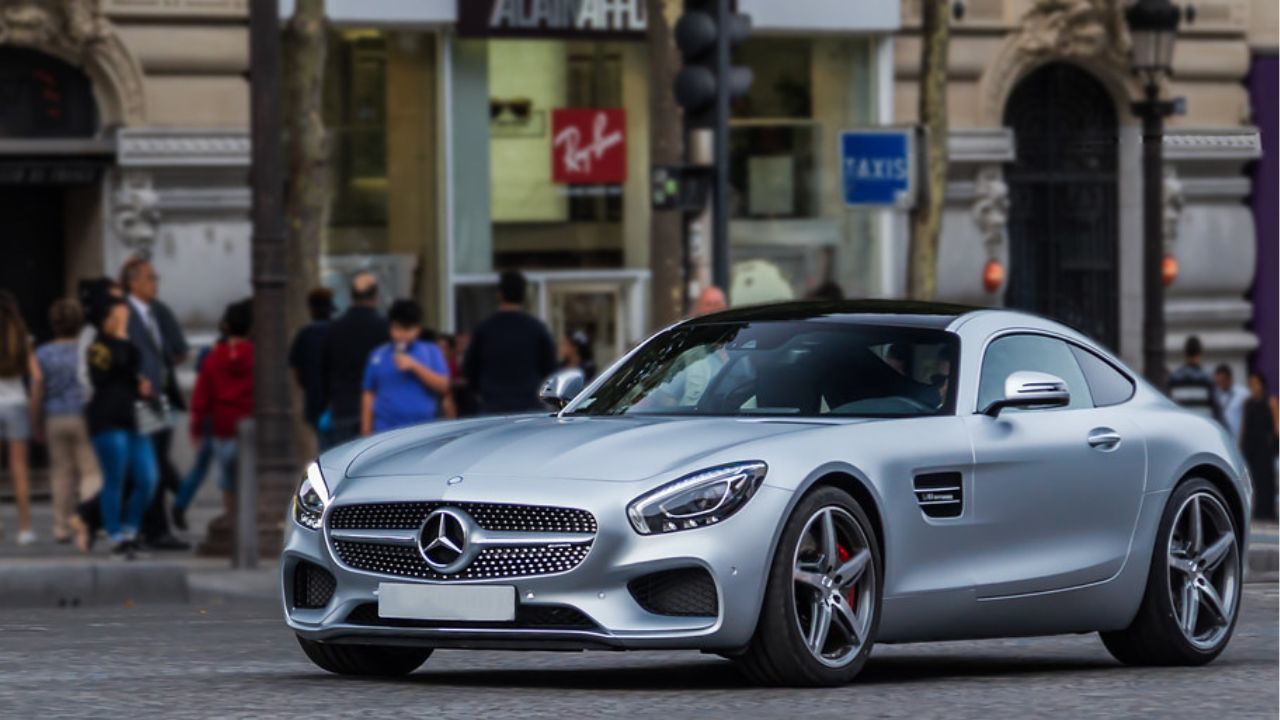
AMG’s racing heritage is deeply embedded in its DNA, with many of its road cars drawing inspiration from motorsport. The lessons learned on the track have been applied to production models, resulting in vehicles that offer exceptional performance and handling.
This connection between racing and road cars is epitomized by AMG’s naturally aspirated era, where technology and engineering from the racetrack were integrated into everyday vehicles. This heritage continues to influence AMG’s approach to performance vehicles today.
The End of an Era: Transition to Turbocharging

As environmental regulations tightened and the demand for improved efficiency grew, AMG transitioned from naturally aspirated engines to turbocharged units. The shift marked the end of an era, but it also opened new possibilities for performance and innovation.
While the move to turbocharging brought about significant advancements, the naturally aspirated engines remain a cherished part of AMG’s history. They represent a time when raw power and pure driving pleasure were at the forefront of automotive engineering.
The Legacy Lives On: AMG’s Influence on Modern Performance Cars
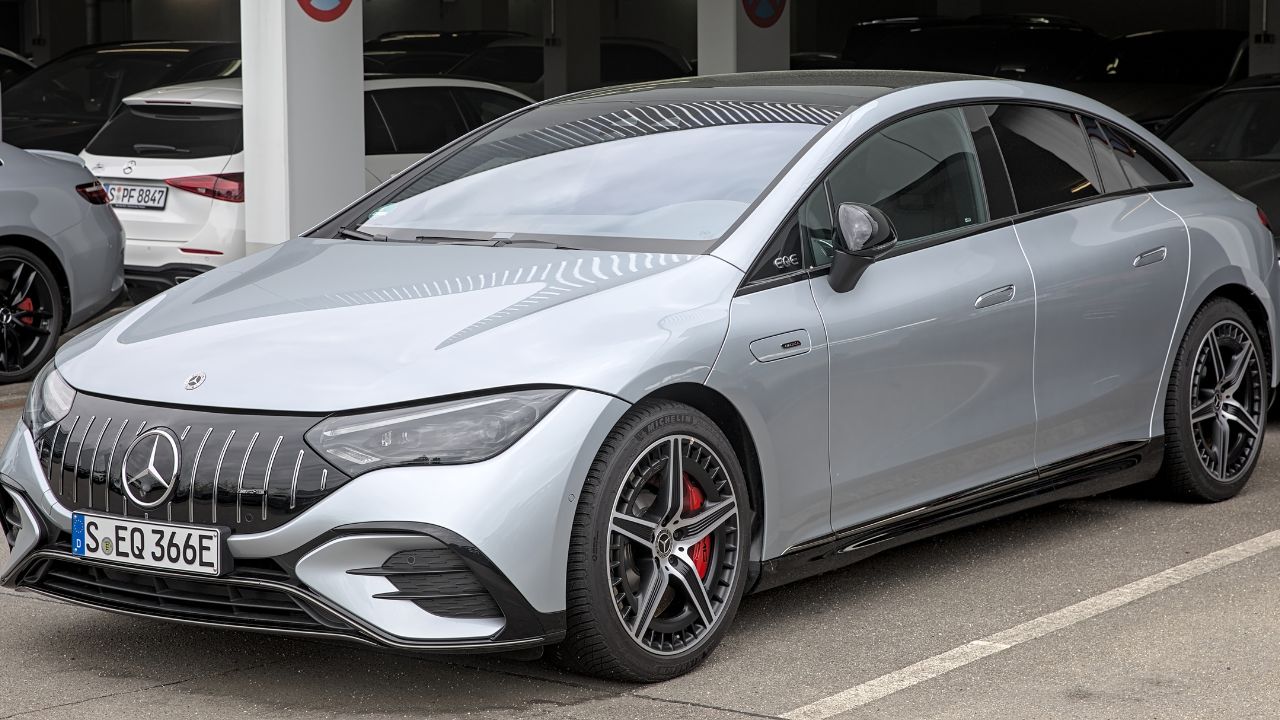
AMG’s naturally aspirated era has left a lasting legacy on the world of high-performance vehicles. The engineering principles and driving philosophies established during this time continue to influence modern AMG models, even as they embrace turbocharging and hybrid technology.
Today, AMG remains a leader in performance engineering, continually pushing boundaries and setting new standards. The naturally aspirated era may have ended, but its spirit lives on in the passion and innovation that define AMG’s current lineup. Enthusiasts can still feel the essence of those iconic engines in every AMG vehicle on the road today.
Like Fast Lane Only’s content? Be sure to follow us.
Here’s more from us:
*Created with AI assistance and editor review.