Not every muscle car needs stripes, scoops, or shaker hoods to make noise. Some of the best V8-powered machines looked like nothing special—until they lit up the tires or embarrassed the guy in the flashy paint job. These 10 muscle cars flew under the radar but had plenty of firepower under the hood.
1966 Plymouth Satellite 426 HEMI
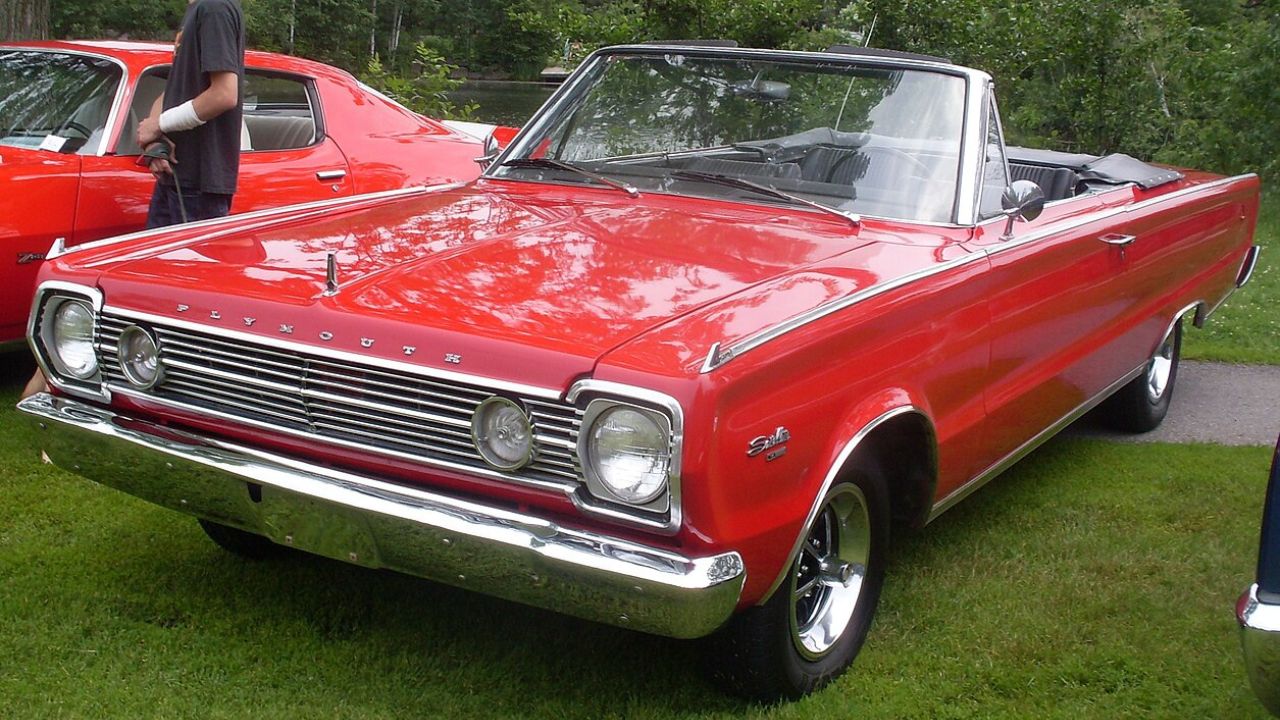
At first glance, the ’66 Satellite looked like something your uncle drove to work. But order it with the 426 HEMI, and it became a straight-line problem for just about anything on the road. The dual-quad monster made 425 hp and over 490 lb-ft.
Aside from discreet HEMI badges and slightly wider tires, there wasn’t much warning. Inside, it was all vinyl and steel dash. No frills, just speed. It could run mid-13s with a good driver—faster than most Corvettes of the day. Nobody expected it from a B-body coupe.
1970 Buick GS 455 Stage 1
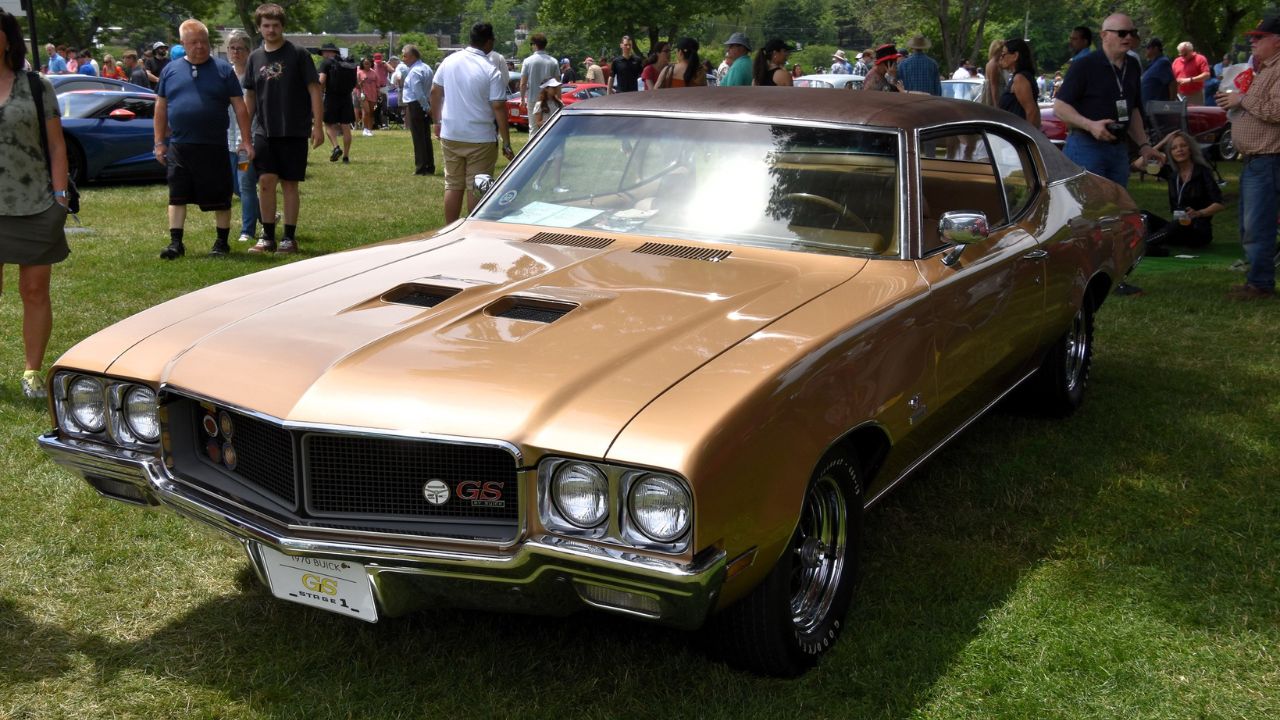
The GS 455 was all muscle under a gentleman’s suit. With subdued colors and minimal stripes, it looked tame compared to its A-body cousins. But the Stage 1 package changed everything—360 hp and a tire-melting 510 lb-ft of torque.
It came with larger valves, higher compression, and a special cam. Performance matched or beat nearly every big-block muscle car from the era. Inside, the GS leaned upscale with woodgrain trim and cushy seating, but it didn’t matter. Once the light turned green, it stopped being polite.
1969 Ford Fairlane Cobra 428 CJ
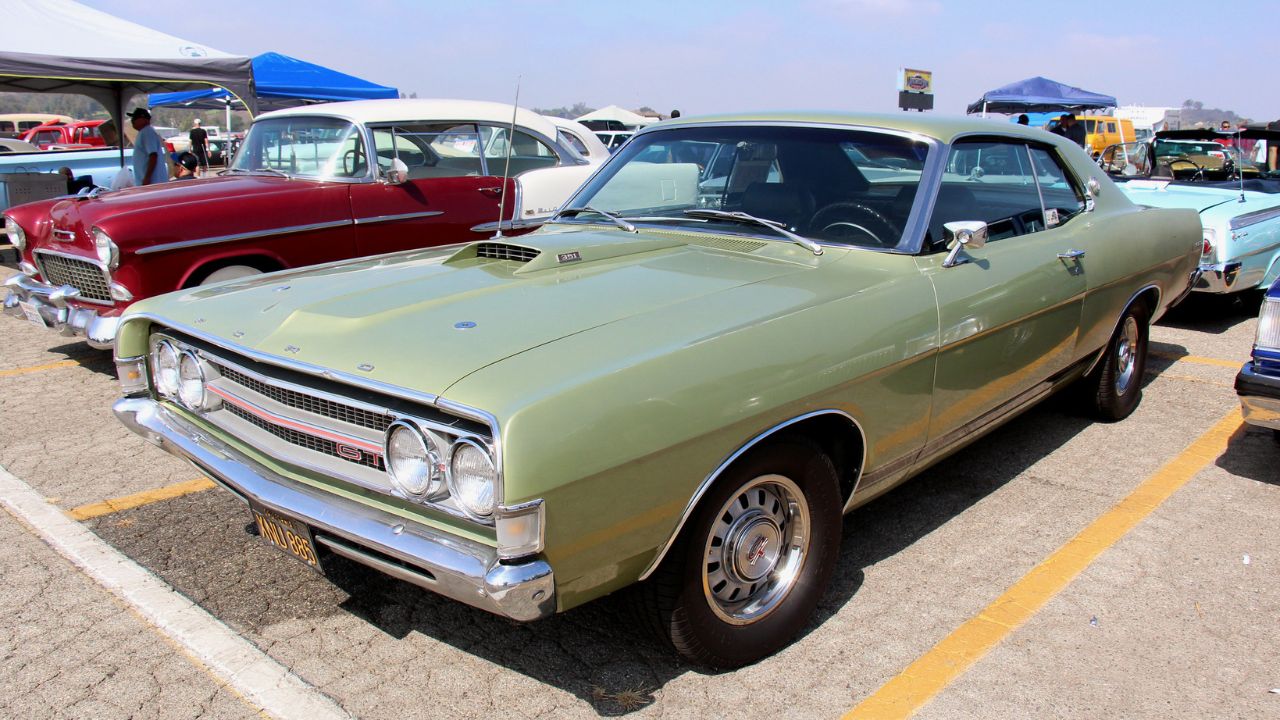
Forget flashy Mach 1s—Ford’s real sleeper was the Fairlane Cobra. It came with the 428 Cobra Jet engine standard, making 335 underrated horsepower, but everyone knew it pulled like a freight train. You could also option in a 4-speed and drag-pack rear.
From the outside, the Cobra looked like a plain mid-size coupe. Subtle badges, no wild stripes, and dog dish hubcaps gave it away to almost no one. But the moment it launched, the car’s priorities became obvious—and they didn’t include comfort or subtlety.
1970 Oldsmobile F85 W31
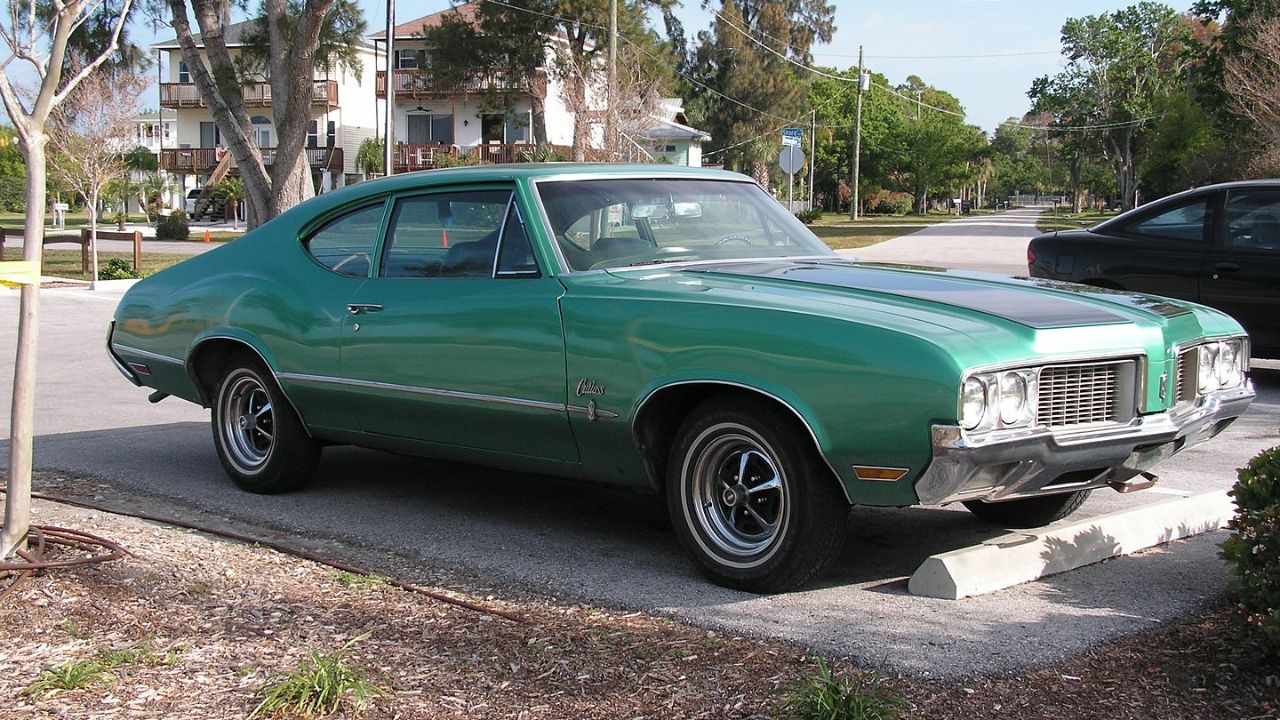
The W31 version of the Olds F85 was built for low-weight performance. It came with a high-winding 350 small block making 325 hp, solid lifters, and a 3.91 rear. All that in a plain wrapper that looked more rental fleet than race-ready.
Oldsmobile didn’t dress it up much—just a few emblems and dual-snorkel air cleaner. Bucket seats and a floor shifter were optional. Its real advantage was in the power-to-weight game, making it a quarter-mile surprise for anyone who underestimated it at a stoplight.
1964 Dodge 330 Max Wedge
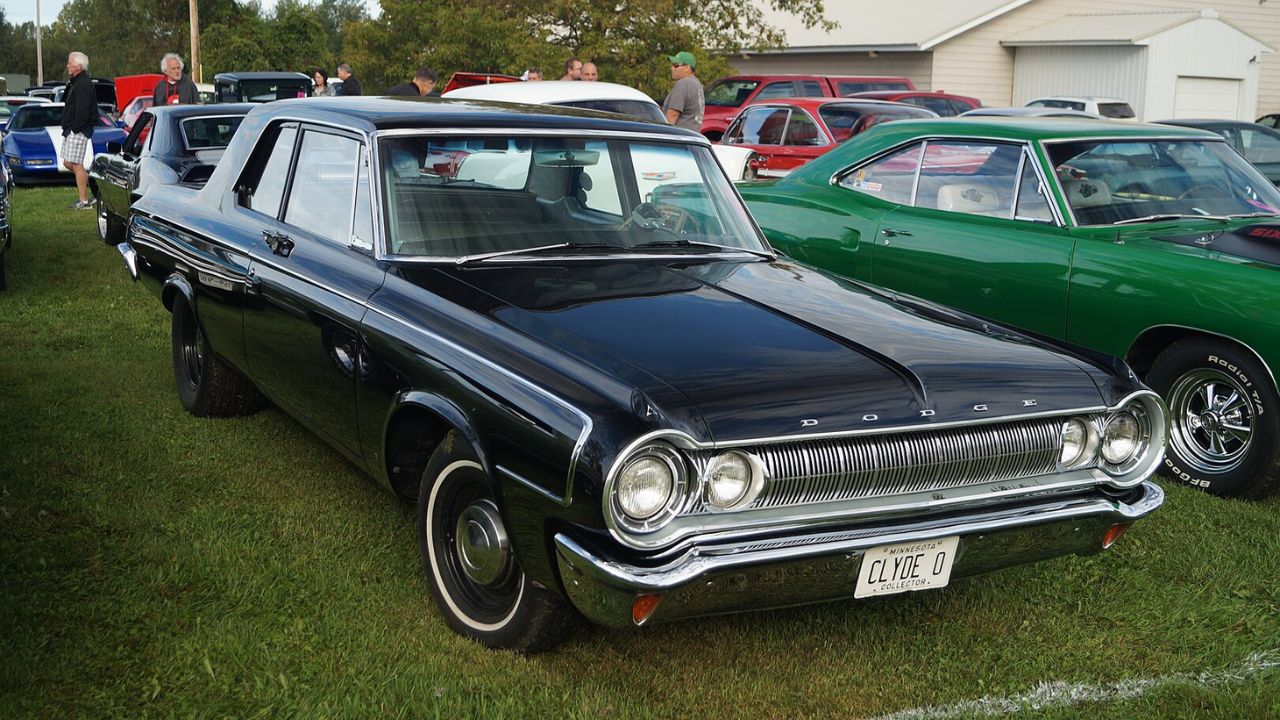
If a car looked like a taxi and ran 12s, it was probably a Max Wedge Dodge. The 1964 330 coupe was stripped down to nearly nothing—bench seats, rubber mats, no frills—but offered the 426 Max Wedge V8 in full drag trim.
The cross-ram intake, solid cam, and tuned headers pushed output past 425 hp, though NHRA tech inspectors knew it was more. These were built to win, not look pretty. Only a few hundred were made, and they were quick enough to take trophies right off the showroom floor.
1984 Chevy Monte Carlo SS
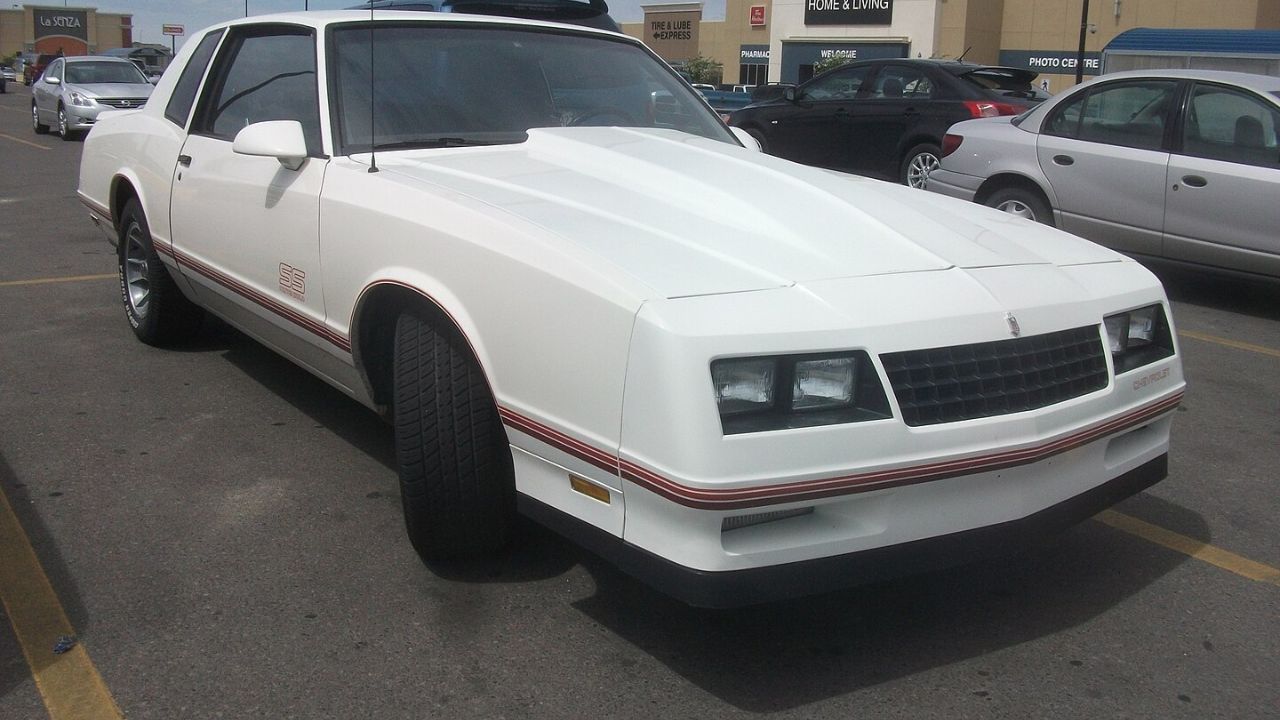
Most people saw the Monte SS as a sporty cruiser. But with a 5.0-liter HO V8 making 180 hp and a 3.73 rear axle, it could hustle better than it looked. Chevy also firmed up the suspension and gave it a TH200-4R with an aggressive shift map.
The SS package was understated—lower ride height, subtle stripes, and a tucked-in spoiler. Inside was G-body comfort: simple gauges, velour buckets, and a long dash. It wasn’t outrageous, but it was consistent, and that made it surprisingly good at highway pulls and late-night runs.
1968 Mercury Cougar 390 GT
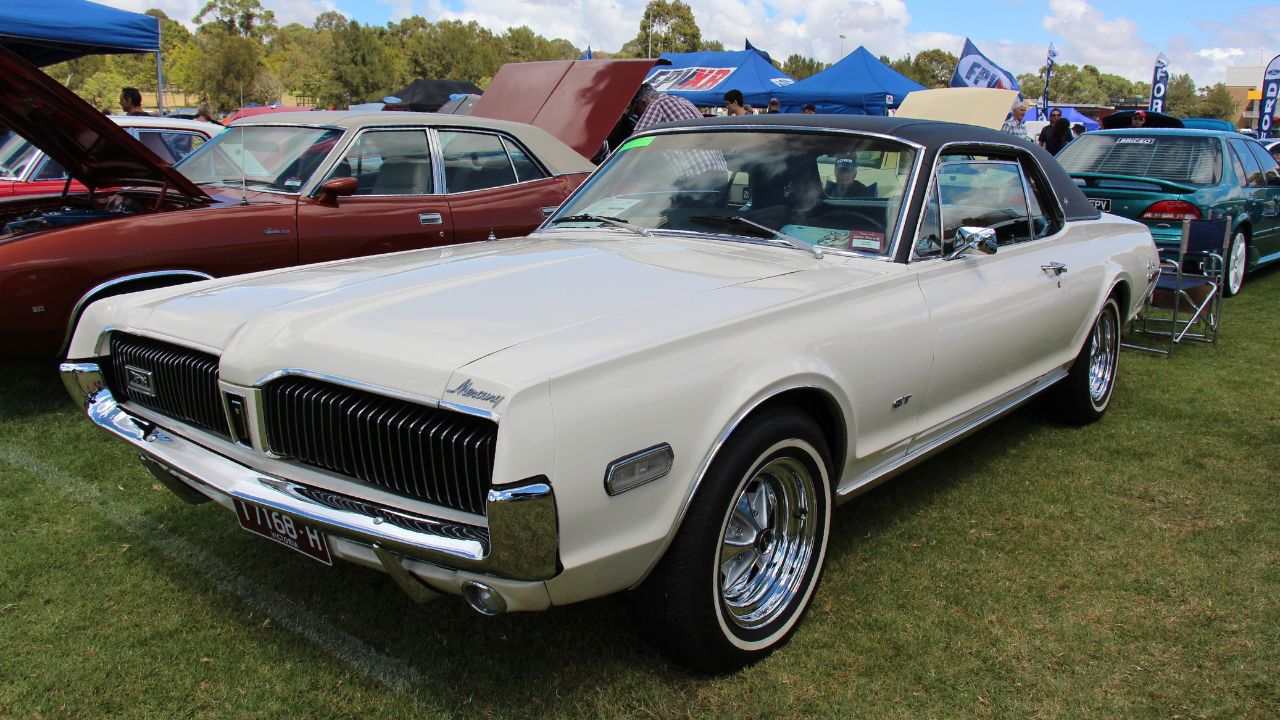
Most folks pegged the Cougar as a luxury Mustang—and they weren’t wrong. But if you ticked the 390 GT box, you got Ford’s big FE motor with 335 hp and loads of torque. With the GT suspension and dual exhausts, it didn’t just cruise—it moved.
The Cougar’s hidden headlights, clean lines, and upscale interior didn’t scream “muscle.” But behind the wheel, the GT option gave it more bite than its reputation suggested. It was refined enough to impress your boss, but rowdy enough to surprise a Chevelle at the next light.
1973 Pontiac Ventura SD
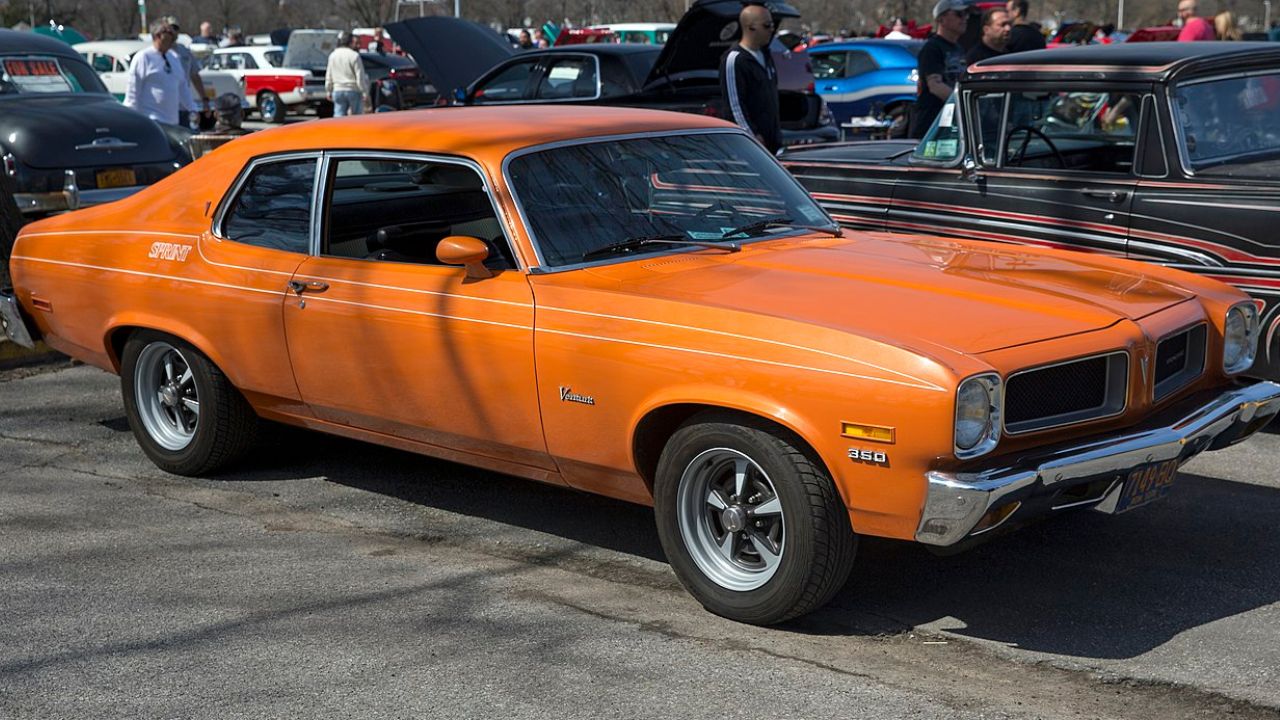
The Ventura was a Nova clone, but the SD package was anything but average. Pontiac slid in a 455 Super Duty V8—the same engine used in the Firebird SD—and gave it heavy-duty suspension and a functional hood scoop. Only a few prototypes were built.
If Pontiac had actually put it into production, it could’ve been one of the most unassuming muscle cars of the decade. Ventura badges, basic sheet metal, and full-size fury under the hood. It was the definition of a missed sleeper opportunity.
1991 GMC Syclone
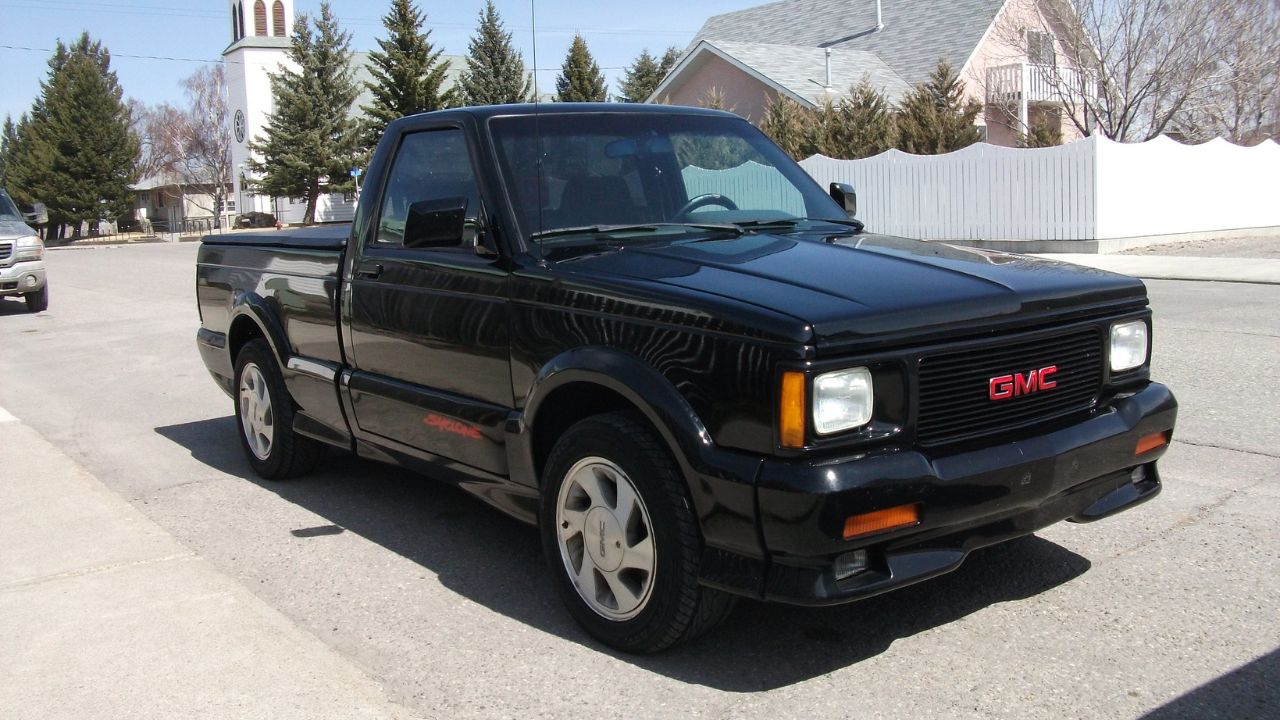
Technically a truck, but with supercar-level acceleration, the Syclone packed a turbocharged 4.3-liter V6 making 280 hp and 350 lb-ft of torque. All-wheel drive and a 4-speed auto made it a 13-second quarter-mile machine—faster than a Ferrari 348.
It looked like a lowered Sonoma with some cladding. No hood scoop, no big wing. But on the street, it embarrassed everything from IROC-Zs to Vipers. Only about 3,000 were built, and they still carry that reputation as one of the most effective street sleepers ever sold.
1978 Dodge Aspen Super Coupe
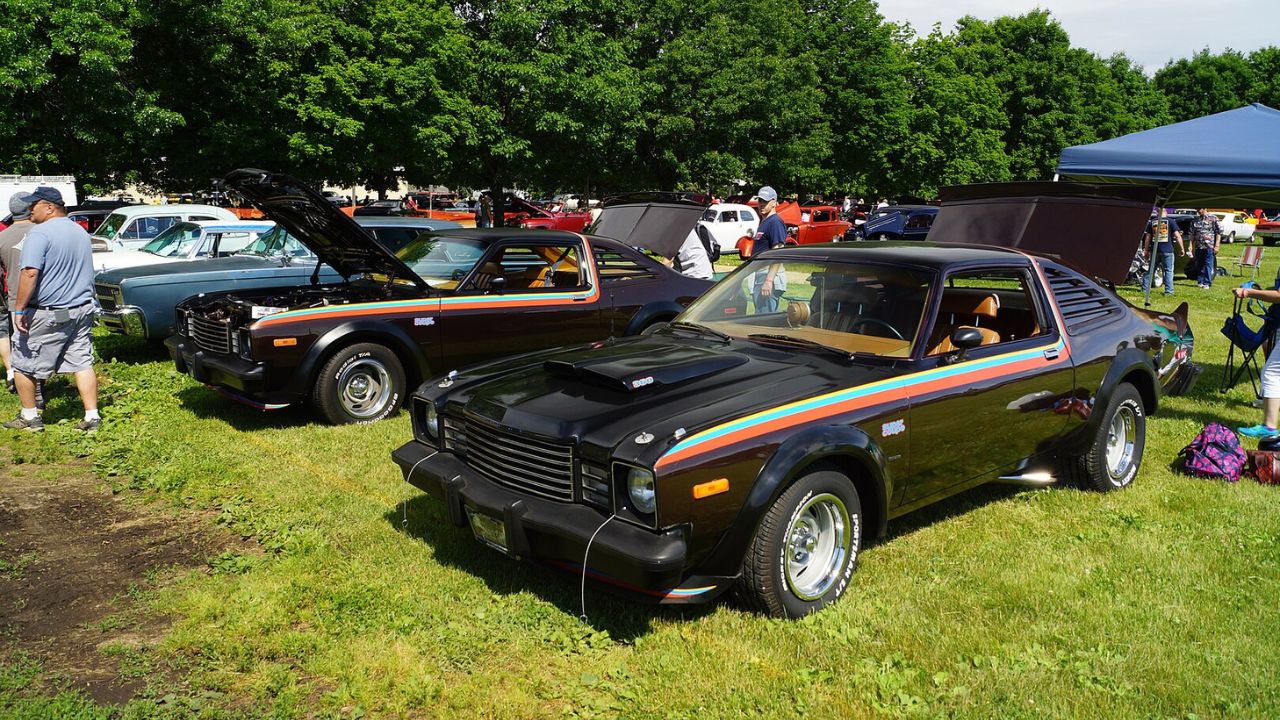
The Aspen didn’t exactly scream performance, but the Super Coupe option added a 360 V8, stiffer suspension, wider wheels, and a functional rear spoiler. Dodge built fewer than 600 of them, and most people never noticed.
Inside was all vinyl and square gauges, and the exterior looked like a rental spec with a tan-and-brown motif. But the power-to-weight ratio made it a decent performer, and the 360 small-block was easy to wake up with basic mods. Not flashy—but functional.
Like Fast Lane Only’s content? Be sure to follow us.
Here’s more from us:
*Created with AI assistance and editor review.