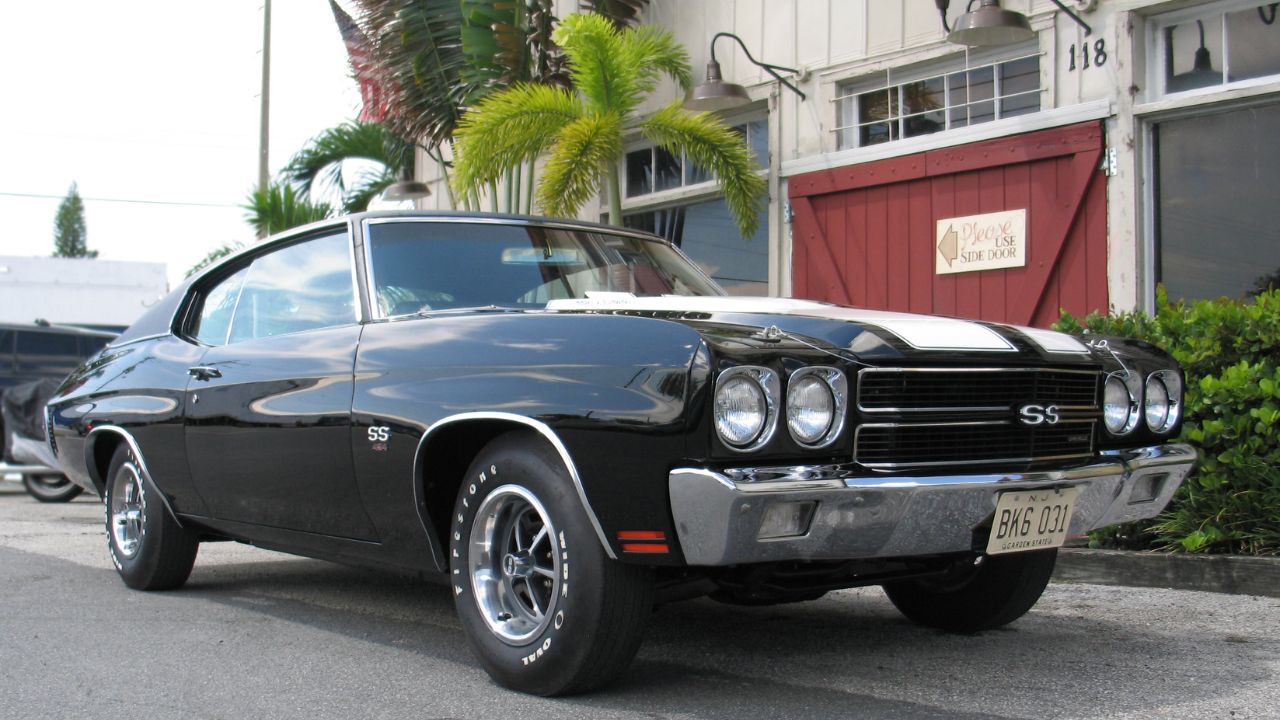
The Chevrolet LS6 Chevelle is a legendary muscle car that has captured the hearts of automobile enthusiasts for decades. Produced during a specific era, the LS6 Chevelle is renowned for its power and performance. This exploration delves into the history of the LS6 Chevelle, its production period, and its current market values.
The Birth of the LS6 Chevelle
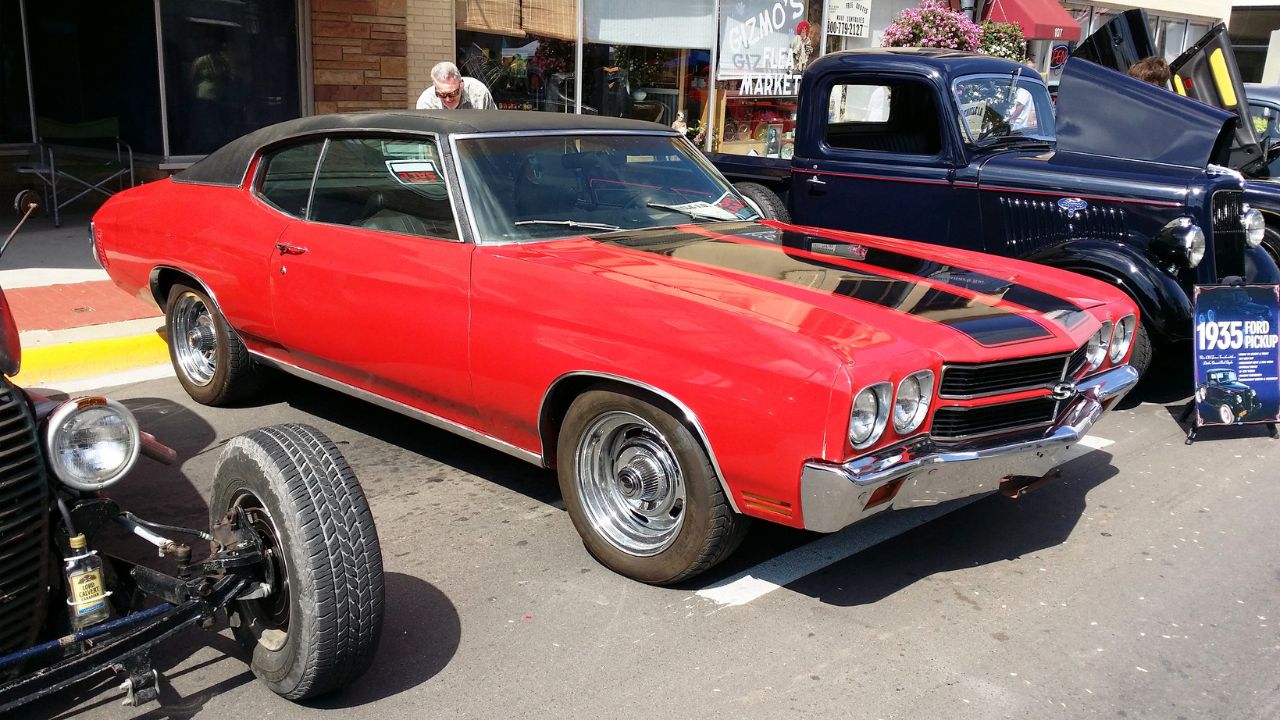
The late 1960s and early 1970s marked a golden era for muscle cars, a time when American automakers were in fierce competition to create the most powerful and exhilarating vehicles. Against this backdrop, Chevrolet sought to push the boundaries of performance and design. The LS6 Chevelle emerged as a response to this demand for high-performance vehicles, embodying the spirit of innovation and power. It was during this period that Chevrolet engineers focused on creating a car that would not only dominate the streets but also capture the imagination of car enthusiasts worldwide.
The development and design of the LS6 Chevelle were nothing short of an engineering marvel. The LS6 engine, a high-compression big-block V8, was at the heart of this iconic vehicle. It was meticulously designed to deliver unparalleled power and performance, boasting an impressive 450 horsepower and 500 lb-ft of torque. This made the LS6 Chevelle one of the most powerful cars of its time. The car’s design was equally captivating, with sleek lines and an aggressive stance that hinted at the power lurking beneath its hood.
Upon its release, the LS6 Chevelle was met with widespread acclaim from both the public and critics. Car enthusiasts were enthralled by its raw power and performance capabilities, while automotive journalists praised its engineering excellence. The LS6 Chevelle quickly became a symbol of American muscle car prowess, attracting attention and admiration wherever it went.
Production Years and Specifications
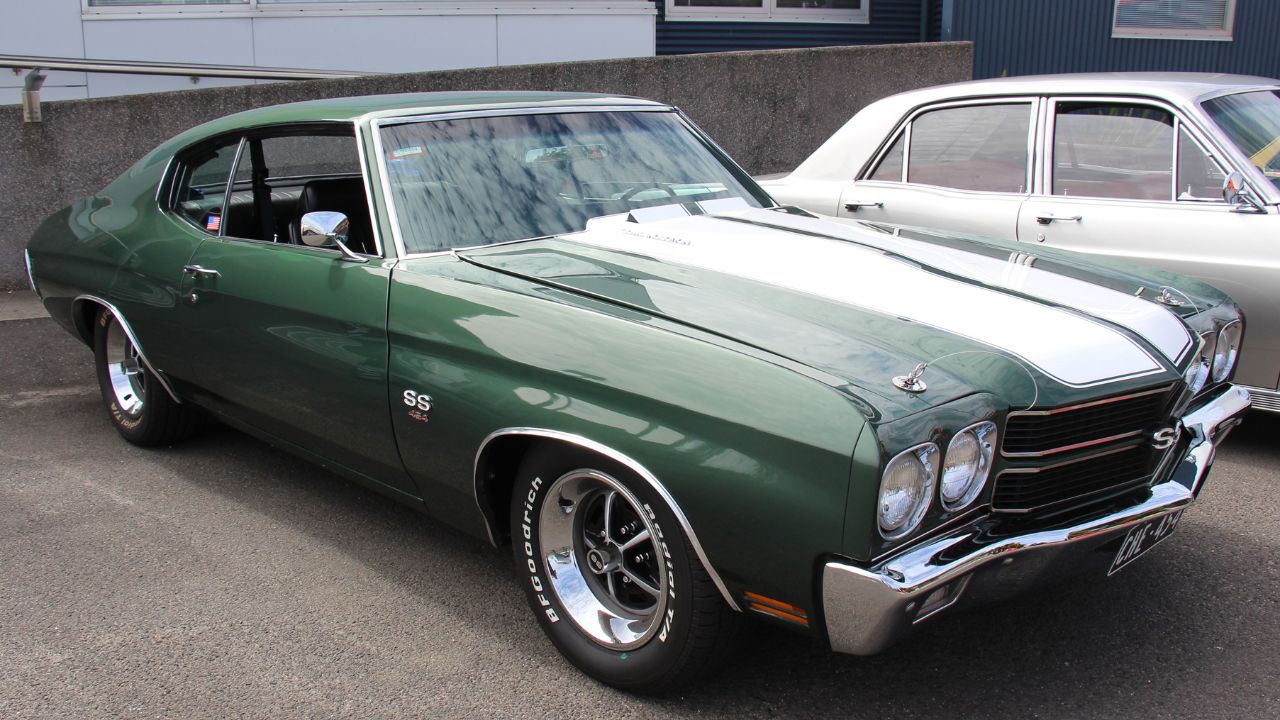
The Chevrolet LS6 Chevelle was produced for the 1970 model year, a time when muscle cars were at the height of their popularity. This specific model year was significant for Chevrolet, as the LS6 Chevelle took its place in the company’s lineup as a flagship performance vehicle. It was a car that epitomized the brand’s commitment to delivering high-performance vehicles to the market, and it quickly became a sought-after model among car enthusiasts.
The technical specifications of the LS6 engine were impressive. With its 454 cubic inch displacement, the LS6 was capable of producing 450 horsepower, making it one of the most powerful engines available in any production car at the time. This engine’s performance was further enhanced by a 4-barrel carburetor, solid lifter camshaft, and an aluminum intake manifold, all contributing to its remarkable output. The LS6 Chevelle’s performance metrics were equally impressive, with the ability to accelerate from 0 to 60 mph in just over 5 seconds.
Chevrolet offered several variants and options for the LS6 Chevelle, allowing buyers to customize their vehicles to suit their preferences. These options included different transmission choices, such as a 4-speed manual or a 3-speed automatic, as well as various trim levels and interior features. Additionally, buyers could opt for special editions and performance packages, further enhancing the car’s performance and aesthetic appeal.
Cultural Impact and Legacy

The LS6 Chevelle holds a significant place in the history of muscle cars, contributing to the cultural movement that celebrated speed, power, and automotive excellence. Its influence on muscle car culture is undeniable, as it became a benchmark for performance vehicles and a symbol of American automotive engineering. The LS6 Chevelle’s legacy continues to resonate with car enthusiasts, who regard it as a quintessential example of the muscle car era.
The LS6 Chevelle has also made numerous appearances in popular media, further cementing its iconic status. It has been featured in movies, television shows, and music videos, often depicted as the ultimate symbol of power and performance. These appearances have only added to its allure, making it a beloved figure in automotive culture.
Today, a passionate community of collectors and enthusiasts preserves and celebrates the LS6 Chevelle. These individuals dedicate themselves to maintaining the authenticity and legacy of this legendary vehicle, ensuring that its impact endures for future generations. Car clubs, forums, and events provide a platform for enthusiasts to connect, share knowledge, and showcase their meticulously restored LS6 Chevelles.
Current Market Values and Trends
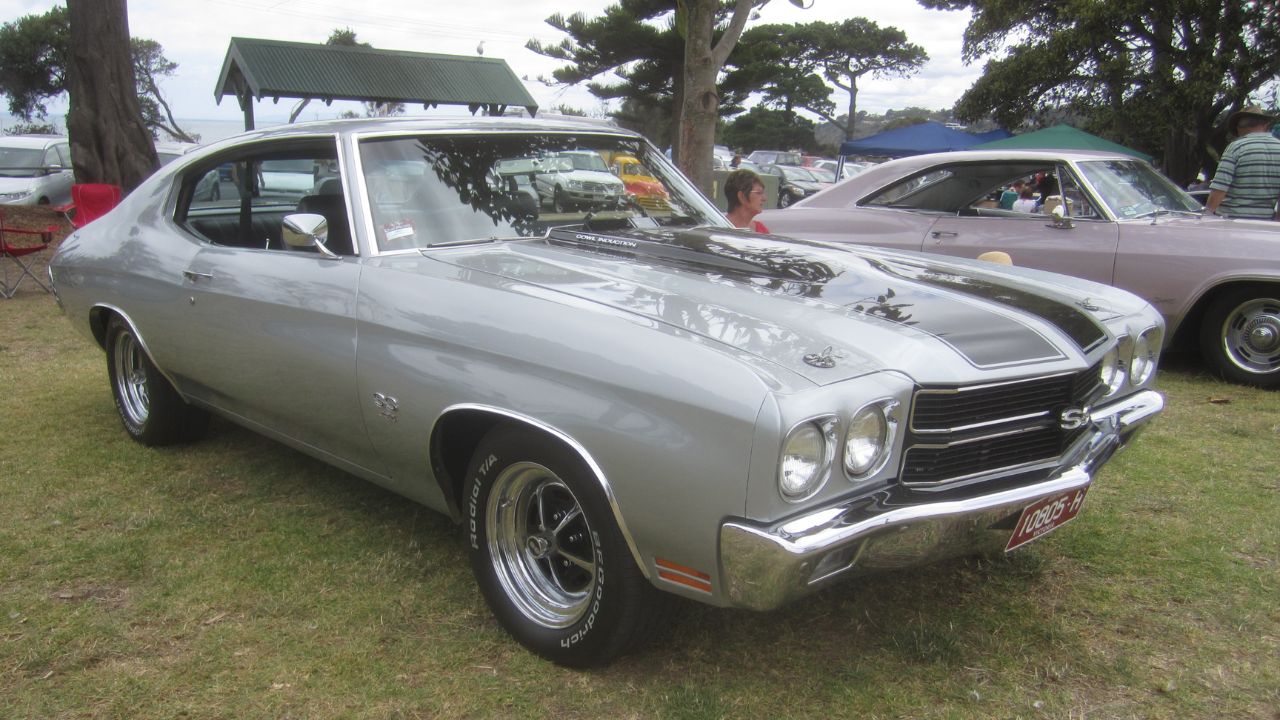
The market value of the LS6 Chevelle is influenced by several factors, including condition, rarity, and provenance. Well-preserved or fully restored LS6 Chevelles often command high prices at auctions, reflecting their status as collector’s items. The car’s originality, including matching numbers and factory specifications, significantly impacts its value, making these factors crucial for potential buyers and collectors.
Recent auction results provide valuable insights into the current market trends for the LS6 Chevelle. For instance, a meticulously restored LS6 Chevelle can sell for upwards of $150,000, while a well-maintained but less pristine example might fetch around $70,000 to $100,000. These figures highlight the strong demand for this iconic vehicle and its enduring appeal among collectors.
The LS6 Chevelle is also considered a solid investment, with historical appreciation trends suggesting that its value will continue to rise. As fewer well-preserved examples remain, the rarity of the LS6 Chevelle is likely to drive future increases in market value. Collectors and investors view the LS6 Chevelle as not only a piece of automotive history but also a valuable asset with significant potential for appreciation.
Preserving and Restoring the LS6 Chevelle

Restoring an LS6 Chevelle presents several challenges, particularly when it comes to sourcing original parts. Many components are no longer in production, making it necessary for restorers to seek out rare parts through specialty suppliers or salvage yards. Ensuring the authenticity of the restoration is paramount, as it directly impacts the car’s value and appeal.
Experts in the field offer valuable tips for maintaining the authenticity and value of the LS6 Chevelle during the restoration process. These tips include documenting the restoration work meticulously, using original or NOS (New Old Stock) parts whenever possible, and consulting with knowledgeable professionals who specialize in classic car restoration. By following these guidelines, owners can preserve the historical significance and market value of their LS6 Chevelles.
For those interested in preserving or restoring an LS6 Chevelle, a wealth of community resources is available. Car clubs, forums, and online communities provide a platform for enthusiasts to share their knowledge, exchange parts, and offer support. These resources are invaluable for both novice restorers and seasoned collectors, helping to ensure that the legacy of the LS6 Chevelle continues to thrive.
Like Fast Lane Only’s content? Be sure to follow us.
Here’s more from us:
*Created with AI assistance and editor review.