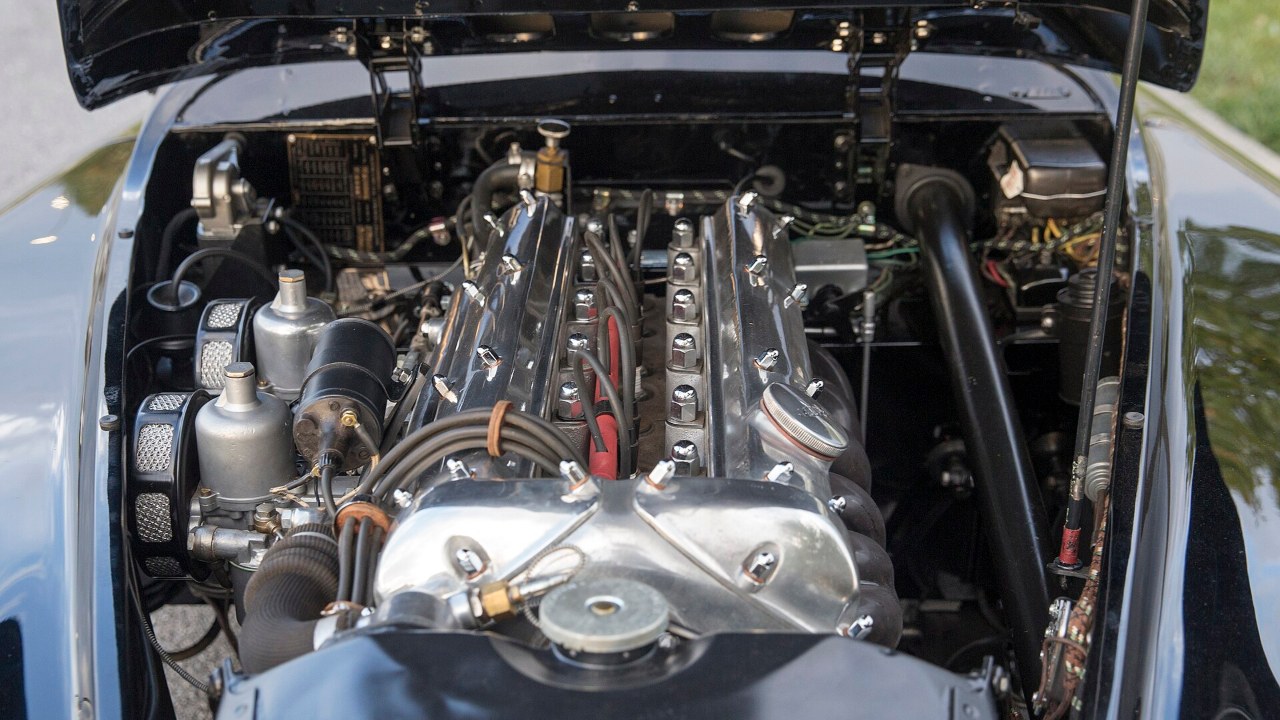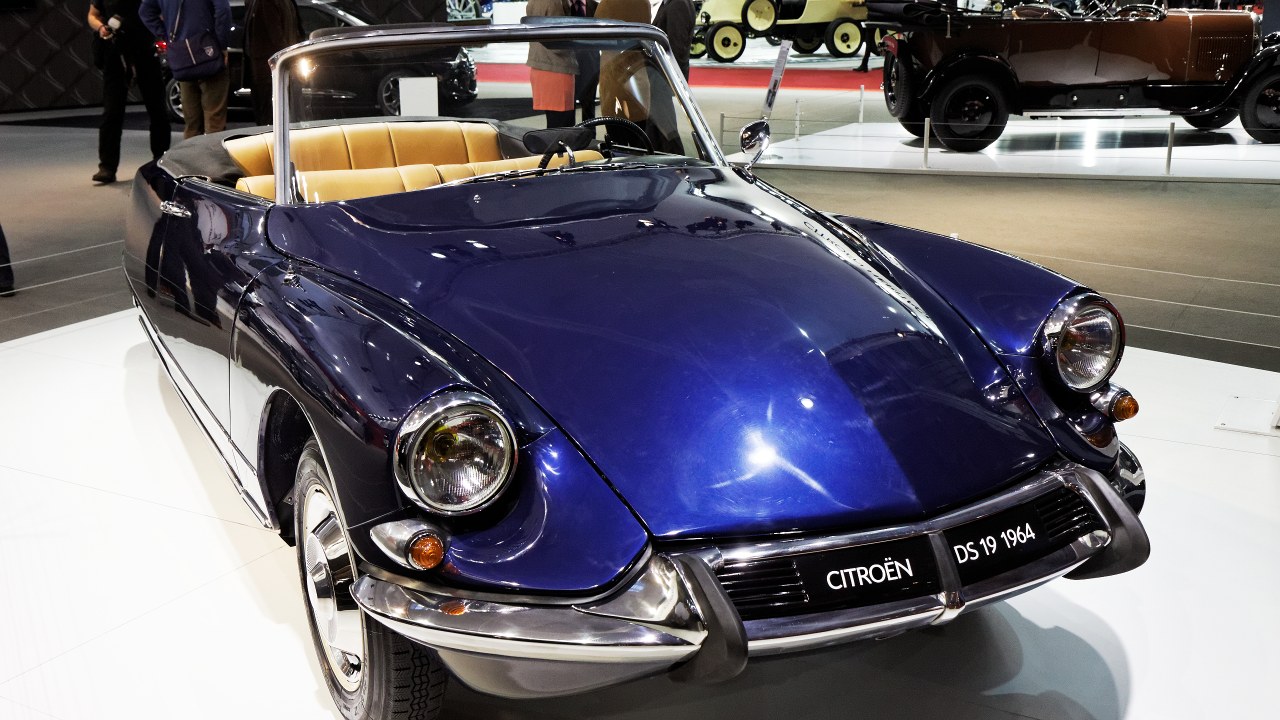
The 1964 Citroën DS arrived at a moment when styling and cylinder count seemed to matter more than the hard work of engineering. Yet this low, otherworldly saloon quietly proved that careful design of structure, suspension and controls could change what a family car was capable of. By the time its innovations were tested in public, from everyday roads to an assassination attempt on President Charles de Gaulle of France, the DS had shown that engineering was not a hidden detail but the main event.
What made that mid‑sixties DS so significant was not a single gadget but a complete system, from its lightweight body to its hydraulic brain, that treated comfort, safety and performance as engineering problems to be solved together. I see that holistic approach as the real legacy of the DS, and it is why the car still reads as modern long after its contemporaries have become museum pieces.
The strange shape that hid a structural revolution
At first glance the DS looked like a styling exercise, with its tapering tail, covered rear wheels and long, low nose. Underneath, however, the 1964 car embodied a structural rethink that put function ahead of ornament. The roof was a fireglass and polyester mix and the bonnet was aluminium, a combination that cut weight high up in the body and lowered the centre of gravity, which in turn improved stability and ride quality. Contemporary accounts of the DS highlight how these materials were chosen not as novelties but as part of a deliberate push for performance and efficiency, a point underlined in detailed walk‑throughs of the car’s construction that single out the composite roof and alloy panels as key contributors to its balance and poise.
This structural strategy also shaped the DS’s safety reputation. By concentrating strength in the passenger cell and using lighter outer panels, Citroën created a body that could absorb energy while preserving space for occupants, an idea that would later become mainstream in crumple‑zone design. The long wheelbase and low stance were not just visual signatures but engineering choices that improved straight‑line stability and allowed the suspension to work over a wide range of travel. When I compare the DS to other early‑sixties saloons, it is clear that what looked like a spaceship was really a carefully tuned machine, with its unusual materials and proportions serving the goal of keeping the car composed at speed and over rough surfaces, as period technical explainers on the DS’s body and chassis make clear.
Hydraulic genius and the end of ordinary controls
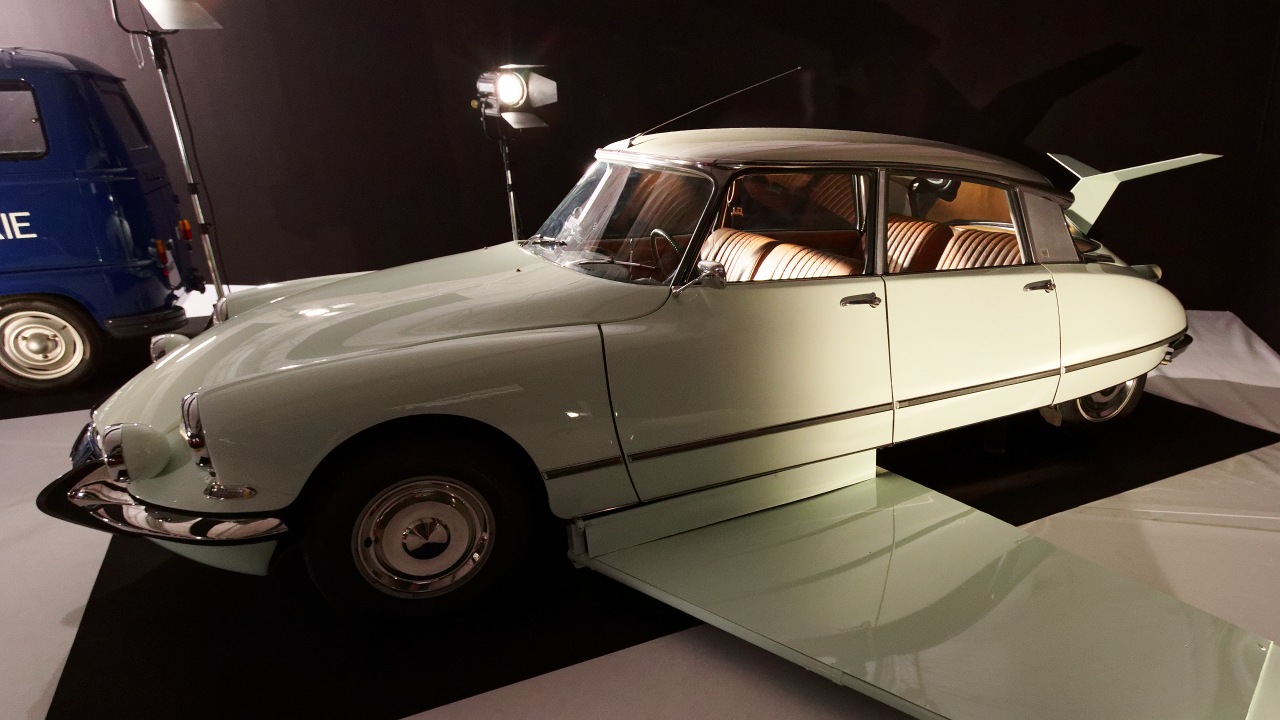
If the body set the stage, the DS’s hydraulic system delivered the real shock. Instead of treating steering, brakes, suspension and gear selection as separate problems, Citroën tied them together in a high‑pressure hydraulic network that powered self‑levelling suspension, power‑assisted steering and a semi‑automatic transmission. In practice this meant the car could rise to its driving height after start‑up, maintain a constant attitude regardless of load and offer light, precise controls that felt decades ahead of their time. Detailed demonstrations of surviving DS models show how the semi‑automatic gearbox removed the clutch pedal but still required the driver to change gear by hand, a compromise that preserved engagement while reducing fatigue and making smooth progress easier in traffic.
The effect on the driving experience was profound. Owners and testers described a sensation of gliding over broken surfaces while still maintaining control, a direct result of the hydraulic suspension’s ability to isolate the cabin from sharp impacts without losing composure in corners. The same system allowed the car to be raised or lowered for different tasks, from changing a wheel to tackling rough tracks, a level of adaptability that modern adjustable suspensions echo in electronic form. When I look at contemporary video breakdowns of the DS’s controls, what stands out is how integrated the system feels: the brakes, steering and ride height all respond with a consistency that comes from being engineered as parts of a single hydraulic organism rather than bolt‑on features.
How a presidential escape proved the engineering
The DS’s most famous test did not take place on a proving ground but on a suburban road when President Charles de Gaulle of France was targeted in an assassination attempt. On August 22, 1962, attackers opened fire on the presidential convoy, and the Citroën carrying President Charles de Gaulle and his wife was hit and had its tyres damaged. Despite the gunfire and the loss of tyre pressure, the driver was able to accelerate away and carry the president to safety, an outcome that contemporary accounts attribute in part to the DS’s suspension and stability. Reports on the incident describe how the car’s hydropneumatic system kept it controllable even as the tyres failed, allowing the driver to maintain speed and direction where a more conventional saloon might have spun or ground to a halt.
That escape turned the DS from an engineering curiosity into a symbol. The same self‑levelling suspension that made the car comfortable at speed also kept it drivable with damaged tyres, and the long, stable wheelbase helped it track straight under fire. Later analyses of the event, including detailed reconstructions of the route and the damage to the car, consistently point to the DS’s mechanical layout as a decisive factor in President Charles de Gaulle surviving the attack. I see that moment as the clearest possible demonstration that the DS’s innovations were not abstract: the structural strength of the cabin, the composure of the chassis and the responsiveness of the controls combined in a real emergency to protect its occupants, turning engineering decisions made in the early 1950s into a life‑saving advantage a decade later.
From DS to ID and Break: engineering for every role
The DS’s influence did not stop with the flagship saloon. Citroën developed a more affordable companion, the Citroen ID, which shared the basic body and many mechanical elements but simplified the hydraulic systems to cut cost and complexity. Enthusiast breakdowns of early‑sixties cars make clear that what can look like a DS at a glance is sometimes a 1962 Citroen ID, especially in French‑market specifications, underlining how the core engineering package was flexible enough to support different price points and equipment levels. This strategy allowed Citroën to spread the cost of its advanced platform while giving buyers a choice between full hydraulic sophistication and a more conventional, easier‑to‑maintain variant.
The same platform also supported the Citroën DS Station Wagon, known as the Break and the Safari, which turned the sleek saloon into a practical load carrier without abandoning its engineering principles. Period descriptions of the Break emphasise how the hydropneumatic suspension coped with heavy cargo, keeping the car level and stable even when fully loaded, and how the long roof and extended rear made it a favourite for families and commercial users. Later Curbside Classics pieces on ID 19 Break models, which identify examples built between 1962 and 1965, show how these cars brought the DS’s ride quality and structural cleverness to everyday work, from hauling goods to serving as ambulances. I find it telling that the same chassis could underpin a presidential limousine and a utilitarian wagon, proof that the underlying engineering was robust and adaptable rather than fragile or over‑specialised.
The DS legacy in modern car design
Looking back from today, it is easy to see the DS as a period piece, yet many of its solutions have become standard practice. The idea of using lightweight materials high in the body to lower the centre of gravity is now common in aluminium roofs and composite panels, a path the DS explored with its fireglass and polyester roof and aluminium bonnet. Modern adaptive suspensions, with their variable damping and ride height, echo the DS’s hydropneumatic system in spirit, even when they rely on electronics rather than central hydraulics. Detailed retrospectives on the DS’s cabin also highlight its thoughtful ventilation layout, where incoming air could be directed either straight into the interior or through an evaporator or heater core under the dashboard, a level of climate control sophistication that foreshadowed later multi‑zone systems.
The car’s cultural status has kept its engineering story alive. Enthusiast videos such as Classics Revealed: The Unmistakable Citroen DS and more recent deep dives into why the DS is still regarded as one of the all‑time great cars consistently return to the same themes: the way the car rides, the way its semi‑automatic gearbox changes the rhythm of driving, and the way its structure and suspension work together to make long journeys less tiring. When I weigh those accounts against modern expectations, I see the 1964 DS as the moment when a mainstream manufacturer proved that engineering could be the headline feature, not a footnote. Its survival in memory, from the Break wagons that still appear in Curbside Classics features to the presidential car that saved Charles de Gaulle, is a reminder that thoughtful design choices can outlast fashion and, in the DS’s case, even alter the course of history.
More from Fast Lane Only: