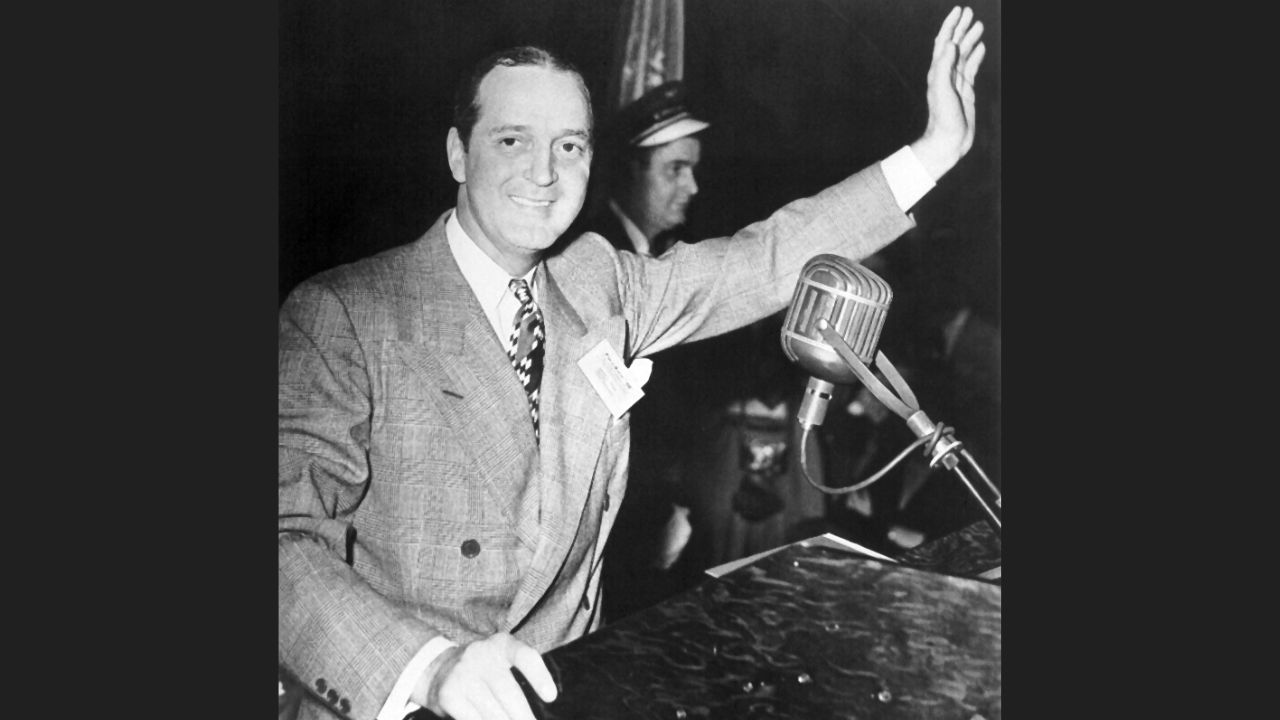
Preston Tucker’s vision for an innovative automobile in the post-World War II era was revolutionary, yet his ambitious plans ultimately fell victim to corporate sabotage and financial turmoil. By exploring Tucker’s legacy, it becomes evident why he remains one of the most intriguing “what-ifs” in automotive history.
The Visionary: Who Was Preston Tucker?
Preston Tucker was born on September 21, 1903, in Capac, Michigan. His early career began in the automotive industry, working with companies like Buick and Cadillac, where he developed a keen understanding of automobile design and engineering. Tucker’s fascination with cars was evident from a young age, and he was particularly influenced by the rapid advancements in technology that emerged during the war. This period of innovation sparked his ambition to create a vehicle that was not only luxurious but also safe and efficient.
Tucker envisioned a car that would revolutionize the industry with features that prioritized the driver’s experience, safety, and modern design. After serving as a lieutenant in the U.S. Navy during World War II, he set out to realize his dream of manufacturing the Tucker 48, a car that would embody his innovative ideas. The combination of his wartime experiences and a desire to break free from traditional automotive norms fueled his ambition to disrupt the market.
The Tucker 48: A Game-Changer
The Tucker 48, often referred to as the “Tucker Torpedo,” was unveiled in 1947 and featured several groundbreaking innovations, including a rear engine layout, a padded dashboard, and a unique safety feature known as the “Tucker Safety Chamber.” This design was revolutionary, as it aimed to protect passengers in the event of a collision, a concept not widely considered at the time. Additionally, Tucker’s use of a distinctive design language set the vehicle apart, showcasing a streamlined body that was both functional and aesthetically appealing.
When compared to contemporaneous vehicles such as the Ford Super Deluxe and the Chevrolet Fleetline, the Tucker 48 stood out not only for its innovative safety features but also for its overall engineering excellence. The reception of the Tucker 48 was initially positive, with many automotive enthusiasts and critics praising its advanced design and features. However, the initial excitement quickly waned as financial challenges and legal battles began to overshadow the vehicle’s potential.
The Challenges of Financing and Production
Launching an automotive company is never an easy endeavor, and for Tucker, the financial hurdles were particularly daunting. He struggled to secure the necessary funds to bring his vision to life, facing skepticism from investors who were wary of the post-war economy. The automotive industry was dominated by established giants like General Motors and Ford, making it difficult for a newcomer to gain traction. Despite his charisma and innovative ideas, Tucker found it challenging to convince investors of the viability of his plans for production.
The post-war boom had created a unique environment for automotive startups, but it was also marked by fierce competition. Many veterans returning from service were eager to invest in new ventures, yet they often lacked the industry-specific knowledge that Tucker possessed. The initial public offering (IPO) that Tucker pursued was crucial for funding production, but without strong backing, his ambitious plans began to falter, impacting not just the Tucker 48 but the entire company.
Corporate Sabotage: The Fight Against Big Auto
As Tucker sought to penetrate the automotive market, he faced intense competition from established manufacturers, particularly General Motors and Ford. These companies were not only industry leaders but also wielded significant political and economic influence. Allegations of collusion and sabotage emerged, suggesting that these giants were threatened by Tucker’s innovative approach and were willing to employ unethical tactics to undermine his efforts. Reports indicated that they spread negative propaganda about the Tucker 48, tarnishing its reputation before it even hit the market.
The influence of lobbyists and industry insiders played a significant role in Tucker’s downfall. With the power to shape public perception and create an environment of distrust, these forces worked to ensure that Tucker’s approach was discredited. This corporate sabotage not only hindered Tucker’s ability to secure funding but also stifled the potential growth of his company. The competition he faced was more than just economic; it was a battle for the soul of the automotive industry.
Legal Battles and Controversies
Tucker’s challenges did not end with financial struggles; he soon found himself embroiled in legal battles that further complicated his efforts to launch the Tucker 48. Accusations of fraud surfaced, primarily fueled by the negative media coverage surrounding his company. The lawsuits were relentless, and the media often portrayed Tucker as a reckless entrepreneur rather than a visionary. The public’s perception, influenced by sensationalist reporting, eroded investor confidence and made it increasingly difficult for Tucker to rally support for his innovative vehicle.
As lawsuits piled up, production was inevitably derailed. The legal troubles consumed valuable time and resources that could have been utilized to bring the Tucker 48 to market. With every setback, Tucker’s dream of revolutionizing the automotive industry seemed to slip further away. His journey became a cautionary tale of how legal and financial challenges can derail even the most promising innovations.
The Legacy of Innovation: What Could Have Been
Despite the challenges he faced, Tucker’s legacy is one of innovation and forward-thinking. He pioneered several technological advancements that later became standard in the automotive industry. Features such as the padded dashboard and advanced safety designs were far ahead of their time, and many of these ideas have been adopted and refined by modern manufacturers. His vision for a consumer-friendly automobile continues to resonate in today’s automotive landscape.
Had Tucker succeeded, the automotive industry might have evolved differently, with a stronger emphasis on safety and innovative design. The Tucker 48 could have set a precedent for future models, pushing manufacturers to adopt similar safety features and advanced engineering techniques. Comparisons can be drawn to modern vehicles, such as the Tesla Model S, which embodies a commitment to safety and innovation that echoes Tucker’s original vision. The influence of Tucker’s ideas can be seen in various aspects of automotive engineering today, highlighting the profound impact he could have had on the industry.
Cultural Impact and Mythology
The story of Preston Tucker has not only captured the imagination of car enthusiasts but has also been romanticized in popular culture. The 1988 film “Tucker: The Man and His Dream” brought his story to a wider audience, showcasing his innovative spirit and the challenges he faced. The film portrays Tucker as a misunderstood visionary fighting against the corporate giants of his time, further solidifying his status as an icon in automotive history.
Today, Tucker continues to fascinate historians and car enthusiasts alike. His story serves as a testament to the challenges faced by innovators and the relentless pursuit of a dream against overwhelming odds. The mythos surrounding Tucker has grown over the decades, inspiring a new generation of automotive visionaries who see in his journey the potential for change and innovation in an industry that often resists disruption.
Lessons Learned: The Risks of Innovation
The story of Preston Tucker offers critical lessons about the risks associated with innovation in a competitive industry. Innovators often face skepticism and resistance, particularly when their ideas challenge the status quo. Tucker’s experience highlights the importance of not only having a groundbreaking vision but also the need for robust support systems to navigate the complexities of launching a new venture. Industry insiders, investors, and public perception all play crucial roles in determining the success or failure of innovative projects.
Balancing ambition with practicality is essential for entrepreneurs. As Tucker learned, the path to innovation is fraught with challenges, and without a solid foundation of financial backing and public support, even the most brilliant ideas can falter. The automotive industry, in particular, presents a unique set of challenges that can deter potential disruptors, making it vital for startups to establish strong networks and secure the necessary resources to bring their visions to life.
More from Fast Lane Only