The allure of classic engines often comes with a sense of intimidation for enthusiasts and mechanics alike, especially when compared to their modern counterparts. This exploration delves into the complexities, nuances, and emotional connections that classic engines evoke, contrasting them with the advancements seen in today’s automotive technology.
The Complexity of Classic Engines vs. Modern Engines
Classic engines often feature simpler mechanical systems that can be less intimidating for some, yet pose unique challenges for others due to the absence of computerized diagnostics. For instance, an engine like the Ford Mustang (1965) relies on straightforward mechanical components that a skilled mechanic can assess with basic tools. However, for those not well-versed in traditional mechanics, diagnosing issues can become a guessing game without the help of modern diagnostic tools. In contrast, modern engines are packed with advanced technology, such as electronic fuel injection systems and complex engine management units that can confuse enthusiasts who have spent years honing their skills on older models.
The transition from analog to digital components illustrates a significant knowledge gap that leaves many classic car enthusiasts feeling overwhelmed by modern technology. For example, the Volkswagen Golf GTI introduced in the late 1970s was a game changer with its fuel-efficient engine and sporty design, yet the complexities of its electronic systems can baffle someone who primarily works with a Chevrolet Bel Air (1957). This confusion can lead to a reluctance to engage with modern vehicles, as the fear of making a mistake grows alongside the increasing sophistication of automotive technology.
Emotional Connections and Nostalgia
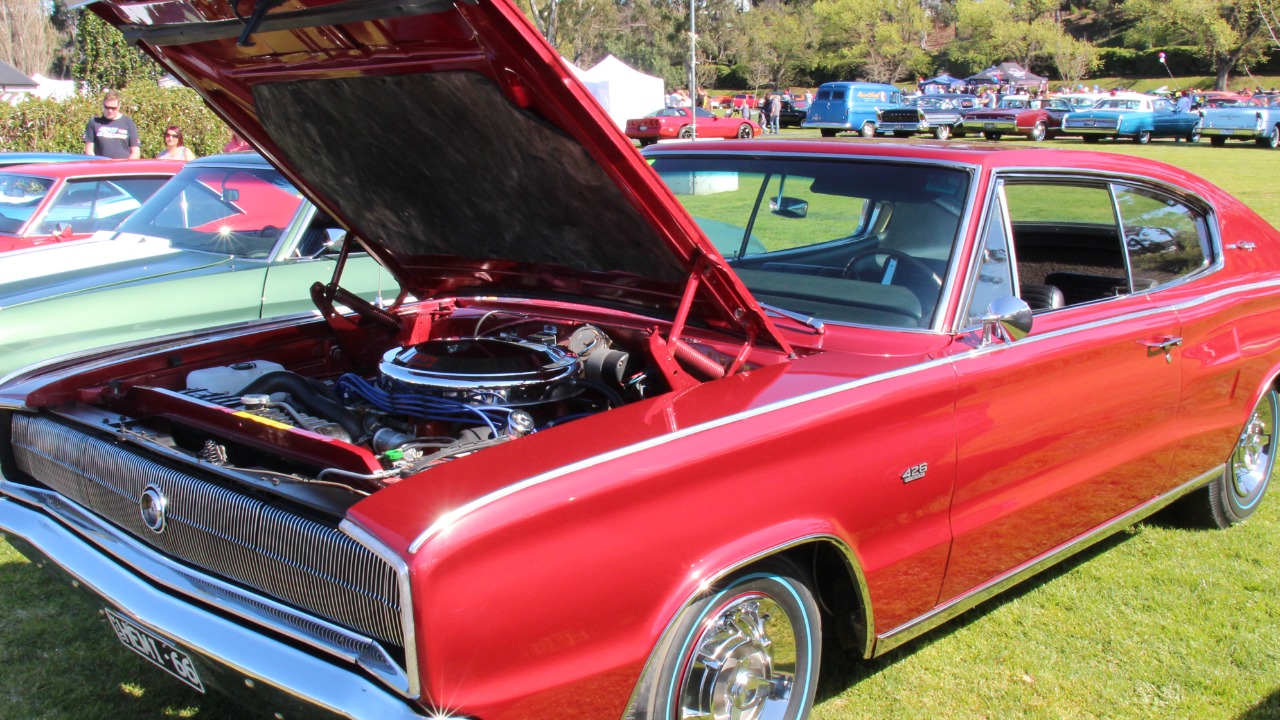
Classic engines often evoke a strong sense of nostalgia, creating emotional attachments that can amplify intimidation. Whether it’s the beauty of a Porsche 911 from the 1970s or the raw power of a Dodge Charger from the late 1960s, each vehicle carries its own stories and memories. The fear of damaging or altering a piece of automotive history can be daunting. For many, these cars symbolize cherished moments, whether it’s family road trips or the thrill of first-time ownership.
The stories tied to classic engines contribute significantly to their revered status. When I think of my father’s Chevy Camaro (1970), I’m reminded of summer nights spent working on it together, the smell of engine oil, and the excitement of hearing it roar to life. This emotional weight can make the idea of performing repairs or modifications feel like a significant responsibility, and thus more intimidating. Enthusiasts may feel an unspoken pressure to preserve the integrity of classic designs, adding another layer of complexity when considering any alterations.
Tools and Techniques: A Shift in Mechanics
The tools and techniques required to work on classic engines differ significantly from modern practices, presenting a learning curve for those unfamiliar with older technology. For example, working on a classic Chevrolet Corvette (1963) might require tools like a torque wrench and manual gauges, which can feel foreign to mechanics trained on the computerized setups found in newer models. The tactile, hands-on approach often required for classic engines can be a stark contrast to the sleek, digital interfaces dominating modern vehicles.
Mechanics who have spent years specializing in modern systems may find it challenging to adapt to the demands of classic engines. The challenges are compounded by the rarity of certain classic tools and replacement parts, which can deter individuals from attempting repairs or restorations. For example, sourcing parts for a MGB GT (1965) can be particularly difficult, and the fear of using substandard aftermarket components can lead to hesitation in tackling what might otherwise be a straightforward repair.
Market Dynamics and Supply Chain Issues
The classic car market is characterized by unique dynamics that can create intimidation, primarily stemming from the scarcity of parts and the rising costs associated with maintaining classic engines. The ongoing supply chain issues have made it increasingly difficult to source original components, which can lead to concerns regarding authenticity and the quality of aftermarket parts. As a result, classic car owners often grapple with the idea that sourcing a simple replacement part for a Ford Model T (1927) might turn into a lengthy and costly ordeal.
The perception that owning a classic engine is a financial burden can discourage potential enthusiasts from diving into the world of classic cars. With prices for classic models often escalating, many new enthusiasts may feel they cannot afford the investment needed for both the purchase and the necessary upkeep. This financial concern only amplifies the intimidation factor, as the fear of financial loss can loom large for those contemplating ownership in the classic car arena.
Education and Resources: Bridging the Knowledge Gap
The availability of educational resources for classic engines is often limited compared to modern vehicles, leaving enthusiasts feeling unsupported. While online forums and communities can provide valuable information, the quality and accuracy of advice can vary widely, adding to the intimidation. I’ve often turned to platforms like Reddit and various classic car forums, but navigating the vast sea of opinions and experiences can feel overwhelming. Finding reliable sources of information is crucial, yet sometimes elusive.
Workshops and hands-on training specifically focused on classic engine mechanics can significantly bridge this knowledge gap, empowering enthusiasts to overcome their fears. Many local car clubs and community colleges offer courses that delve into classic car restoration techniques, providing a supportive environment for learning. Engaging with fellow enthusiasts fosters a sense of community and can alleviate the intimidation associated with tackling classic engines. The more I invest time in understanding these vehicles, the more confident I become in my abilities to maintain and restore them.
Future of Classic Engines in a Modern World
As technology continues to advance, classic engines may face increasing challenges in terms of compliance with modern regulations and environmental standards. The rise of electric vehicles and hybrid technology introduces new complexities for classic engine enthusiasts, potentially intimidating those who feel unprepared for this shift. For instance, adapting a classic car to meet new emissions standards can feel like an insurmountable task, especially for those who cherish the original design and character of the vehicle.
However, the passion for classic engines remains strong, and efforts to preserve their legacy will continue to foster a community of dedicated enthusiasts willing to confront their fears. Organizations dedicated to classic car preservation are increasingly advocating for the rights of classic car owners, promoting legislation that allows for modifications while respecting the integrity of these vehicles. The resilience of the classic car community, coupled with a growing interest in automotive history, suggests that the future of classic engines is not only secure but vibrant.
More from Fast Lane Only
- Unboxing the WWII Jeep in a Crate
- 15 rare Chevys collectors are quietly buying
- 10 underrated V8s still worth hunting down
- Police notice this before you even roll window down
*Research for this article included AI assistance, with all final content reviewed by human editors.