The 1960s was a transformative decade in American history, marked by social upheaval, cultural shifts, and the rise of the automobile as a symbol of freedom and exploration. Driving across America during this era offered a unique experience shaped by the socio-political landscape, the evolution of infrastructure, and the burgeoning car culture.
Historical Context of the 1960s
The 1960s were defined by significant social movements, notably the Civil Rights Movement, which profoundly influenced travel and accessibility across the United States. As activists fought for equality and justice, the road became a space for protest and demonstration. The Freedom Rides of 1961, for instance, saw integrated groups traveling by bus into the Deep South to challenge segregation in public transport. This movement not only paved the way for greater civil rights but also fostered a spirit of adventure among young Americans who sought to experience the changing landscape of their country firsthand.
Simultaneously, the cultural revolution was reshaping youth culture, encouraging spontaneous road trips as a rite of passage. The music of the time, from Bob Dylan’s folk anthems to the surf rock of The Beach Boys, provided the soundtrack for these journeys, imbuing them with a sense of liberation. Young people hit the road in search of new experiences, challenging societal norms and exploring the vast, varied terrain of America, from the beaches of California to the jazz clubs of New Orleans.
Amidst this backdrop, the Vietnam War loomed large, influencing national sentiment and attitudes toward travel. Many young Americans were disillusioned by the conflict, which sparked protests and a counterculture movement advocating peace and love. The war not only impacted who traveled—many sought solace on the open road to escape the harsh realities of life—but also shaped the destinations they chose, often gravitating toward places that symbolized freedom and resistance.
Automotive Advancements
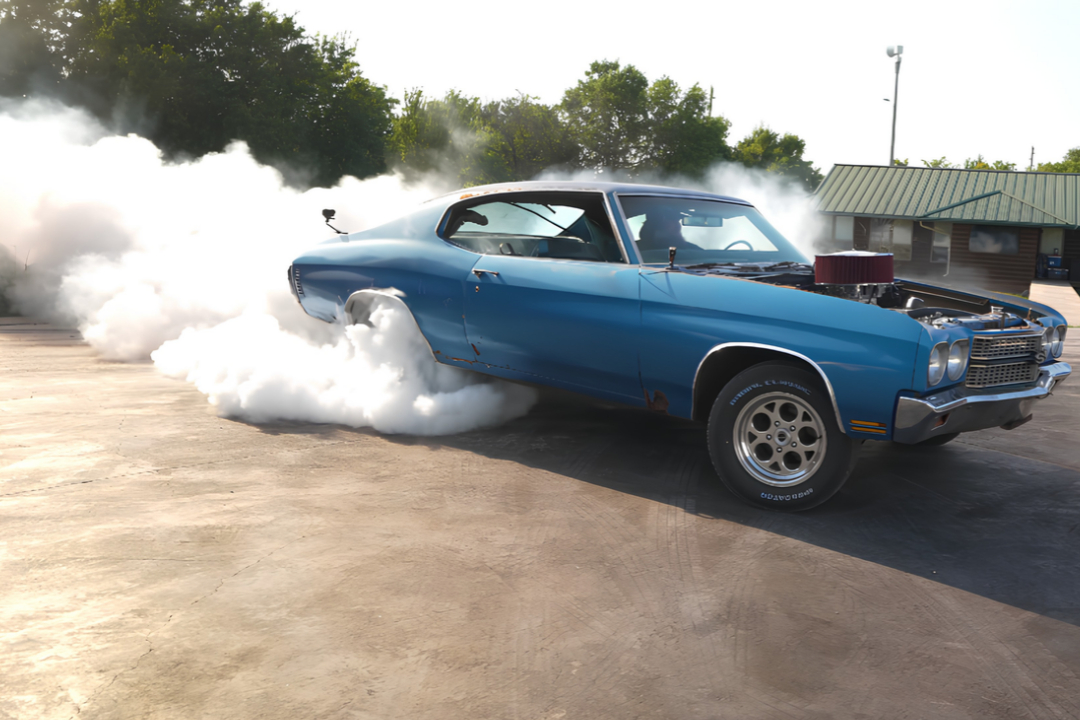
The 1960s witnessed remarkable advancements in automotive technology that transformed the driving experience. Iconic car models like the Ford Mustang, introduced in 1964, became symbols of American muscle and freedom. Its sleek design and powerful performance appealed to the youthful spirit of the decade, making it a popular choice for those embarking on cross-country trips. Similarly, the Chevrolet Camaro, released in 1967, captivated a generation with its sporty aesthetics and performance, fostering a culture of car enthusiasts eager to hit the open road.
Alongside these beloved models, safety features began to make their debut, changing how Americans viewed driving. The introduction of seat belts and the first federal safety standards in 1966 aimed to reduce fatalities on the road, reflecting a growing awareness of driver safety. Additionally, improvements in fuel efficiency allowed families to travel greater distances without the constant worry of gas prices, making road trips more accessible to the average American.
The establishment of the Interstate Highway System, initiated in 1956 but expanded throughout the 1960s, further revolutionized long-distance travel. This extensive network of highways not only connected major cities but also facilitated the movement of people and goods across the country. As I drove across sprawling landscapes and through bustling urban areas, the smooth, uninterrupted highways underscored a sense of progress and modernity, allowing for the possibility of spontaneous detours and adventures.
Roadside Attractions and Culture
Driving through America in the 1960s meant encountering a rich tapestry of roadside attractions that defined the travel experience. From quirky diners serving up classic American comfort food to motels with neon signs beckoning weary travelers, these establishments created a unique landscape that was both nostalgic and vibrant. The iconic “Motel 6,” founded in 1962, provided affordable accommodations, making it easier for families to explore the country without breaking the bank.
As I traveled, I marveled at the cultural landmarks that emerged during this era, embodying the spirit of the 1960s. Landmarks like the iconic Route 66, often referred to as the “Main Street of America,” became synonymous with the American road trip. Attractions like the World’s Largest Ball of Twine in Cawker City, Kansas, provided whimsical photo opportunities and a taste of Americana that resonated deeply with travelers. Additionally, the opening of Disneyland in 1955 paved the way for theme parks, attracting families eager for new experiences and adventures.
The influence of music, art, and literature permeated the road trip experience, with many drivers seeking out places immortalized in song. The folk music revival, led by artists like Joan Baez and Peter, Paul and Mary, often inspired travelers to visit locations that were symbolically significant, such as Greenwich Village in New York City or the Monterey Pop Festival in California. The intertwining of cultural milestones with travel deepened the emotional connection to each destination, allowing for a truly immersive experience.
Social Dynamics of Travel
The social dynamics of travel in the 1960s were deeply intertwined with family and community. Road trips often served as bonding experiences, bringing families together as they navigated the open road. Vacations were planned meticulously, with parents trying to balance the desires of children and the realities of travel logistics. The drive to national parks like Yellowstone or Yosemite became not just a getaway but a cherished tradition that fostered connections among family members.
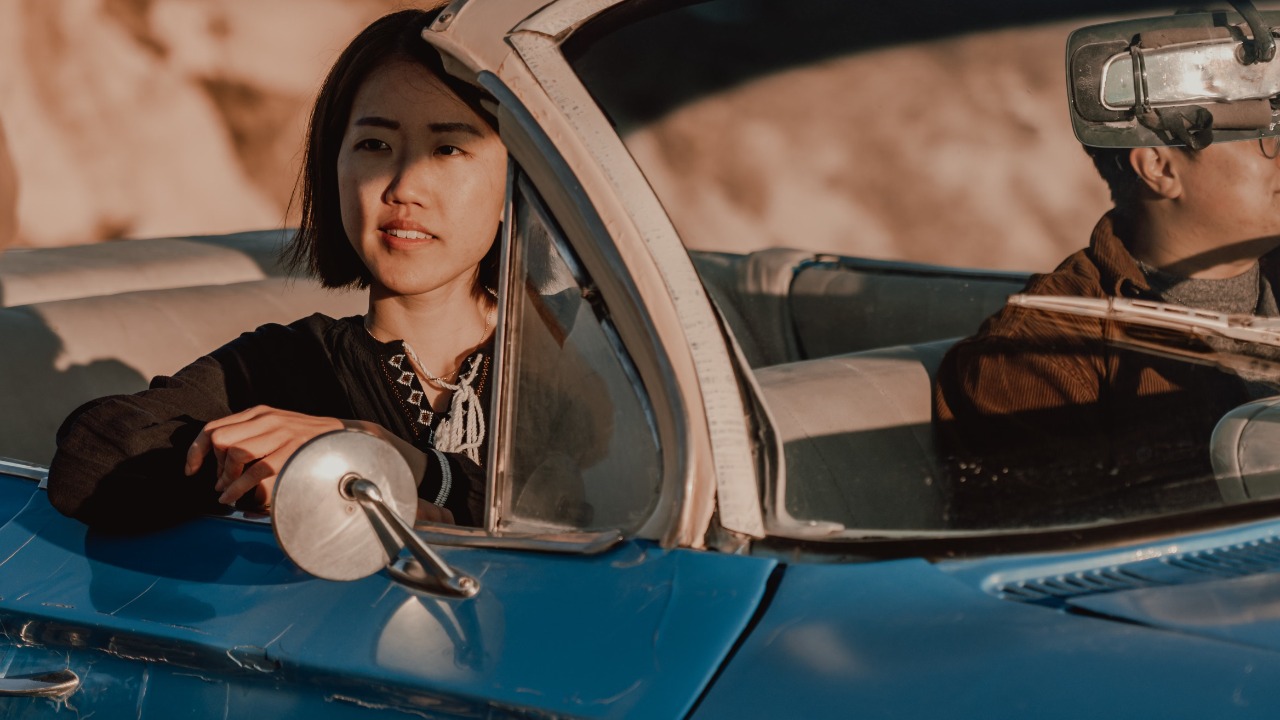
However, the decade also saw significant social changes that altered who traveled and how. The feminist movement began to challenge traditional gender roles, leading to an increase in women taking to the road independently. This shift was reflected in the popularity of women-centric travel narratives, such as “On the Road” by Jack Kerouac, which, while male-dominated, also inspired women to seek their own adventures. Racial tensions, too, influenced travel; the Green Book served as a vital resource for African Americans, highlighting safe spaces during a time of segregation and discrimination. Understanding these dynamics adds depth to the experience of travel in the 1960s, revealing the challenges and triumphs faced by those on the move.
The contrast between urban and rural travel experiences was also pronounced during the decade. Urban centers offered a vibrant tapestry of culture, art, and entertainment, while rural areas provided a slower pace and a connection to nature. A journey through the countryside often revealed small towns with unique histories and local charm, while cities like San Francisco and Chicago buzzed with energy and excitement. This duality enriched the travel experience, allowing for a diverse array of encounters and discoveries.
Environmental and Economic Factors
The post-war economic boom of the 1950s and 1960s had a profound effect on car ownership and travel habits across the country. With rising disposable incomes, more families could afford to buy cars, leading to a rapid increase in vehicle ownership. This newfound financial freedom enabled spontaneous road trips, as families ventured out to explore national parks, visit relatives, or simply enjoy the thrill of the open road. However, this surge in car ownership also brought about new challenges, particularly related to environmental concerns.
In the late 1960s, awareness of environmental issues began to gain traction, with rising concerns about air pollution and the long-term impact of automobile emissions. The publication of Rachel Carson’s “Silent Spring” in 1962 sparked conversations about the environment, prompting many to reflect on the sustainability of their travel habits. While the 1960s were characterized by a love for the automobile, there was a growing realization that the unchecked expansion of car culture could have dire consequences for the planet.
Economic factors also played a crucial role in shaping travel plans. Gas prices fluctuated during the decade, particularly in the wake of the 1973 oil crisis. As families planned their road trips, the cost of fuel became a significant consideration, influencing destination choices and travel frequency. Despite these challenges, the desire to explore remained strong, driving innovation in fuel efficiency and alternative energy sources in the decades that followed.
Legacy and Reflection
The driving experience of the 1960s left an indelible mark on subsequent decades, influencing travel culture and shaping American identity. The sense of freedom and exploration that characterized road trips during this era laid the foundation for a lasting love affair with the open road. As car culture continued to evolve, the spirit of the 1960s endured, inspiring new generations to hit the highways in search of adventure and self-discovery.
The legacy of 1960s road trips resonates in contemporary society, as people continue to embrace the joys of travel. Iconic routes like Route 66 remain popular destinations for those seeking to relive the nostalgia of yesteryear, while modern travelers often replicate the spontaneous spirit that defined the era. The cultural significance of the road trip endures, reminding us of the transformative power of travel and its ability to connect us to our history and each other.
Reflecting on the nostalgia of 1960s road trips evokes a sense of longing for simpler times, when the journey was just as important as the destination. As I reminisce about those carefree days on the road, I recognize that driving across America in the 1960s was not merely a means of transportation; it was a transformative experience that shaped the lives of countless individuals and left an enduring legacy that still influences our travels today.
More from Fast Lane Only
- Unboxing the WWII Jeep in a Crate
- 15 rare Chevys collectors are quietly buying
- 10 underrated V8s still worth hunting down
- Police notice this before you even roll window down
*Research for this article included AI assistance, with all final content reviewed by human editors.