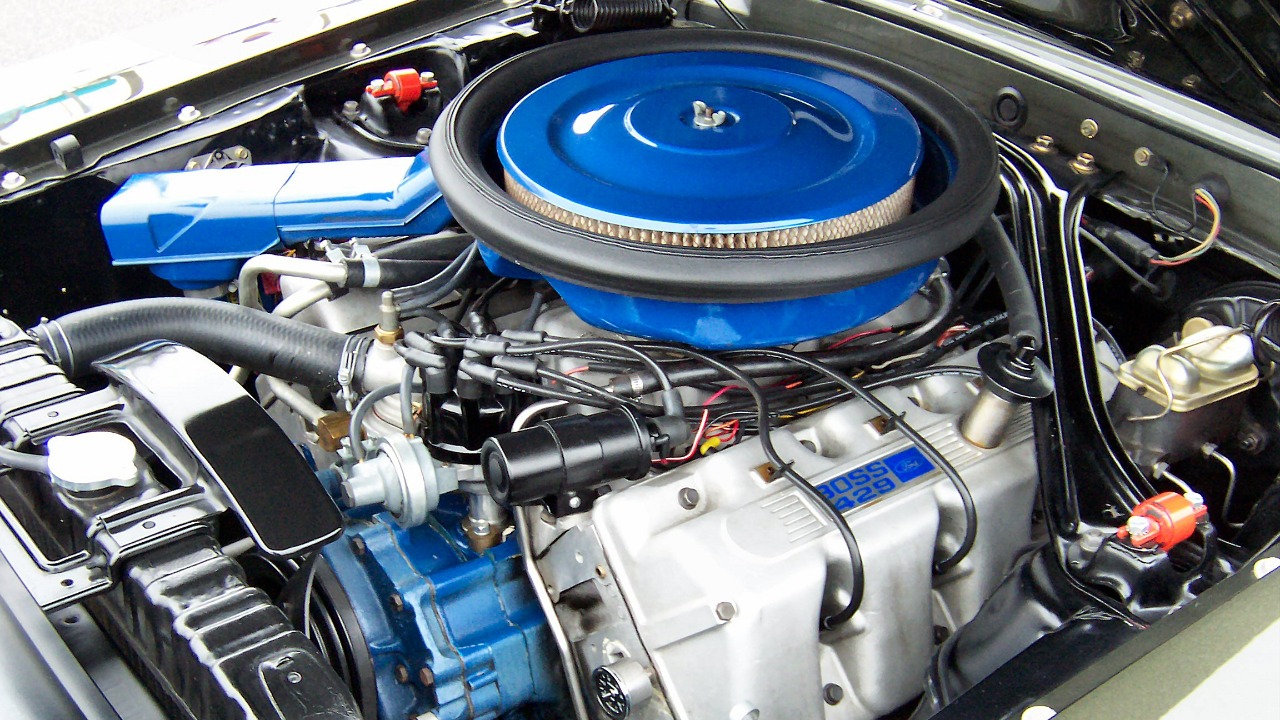
The decline of giant V8 engines in mainstream automotive production is a remarkable shift in the industry, driven by changing consumer preferences, stringent regulations, and advancements in technology. This shift reflects broader societal trends towards efficiency and sustainability, while also highlighting the challenges faced by traditional automotive giants. As I delve deeper into this topic, I aim to uncover the multifaceted reasons behind the near extinction of these powerful workhorses from modern vehicles.
1. The Rise of Fuel Efficiency Standards
Corporate Average Fuel Economy (CAFE) standards have played a pivotal role in reshaping vehicle design and engineering priorities within the automotive industry. Established in the 1970s, these regulations mandate that automakers achieve specified fuel efficiency levels across their fleets. With the rise of fuel prices and increasing environmental concerns, manufacturers found themselves compelled to innovate and adapt, moving away from large displacement engines like the V8. For instance, the Ford F-150, once available with robust V8 options, has increasingly leaned towards smaller engines and turbocharged variants to meet these standards.
As fuel prices surged, particularly in the early 2000s, consumer demand shifted dramatically towards more fuel-efficient vehicles. The automotive industry responded by investing heavily in smaller engines and hybrid technologies, which offered the promise of better fuel economy without sacrificing performance. The shift was evident with models like the Toyota Prius, which became synonymous with fuel efficiency. Automakers began to realize that to remain competitive, they needed to offer vehicles that appealed to environmentally-conscious consumers seeking to save money at the pump.
2. The Shift in Consumer Preferences
In recent years, there has been a noticeable shift in consumer preferences towards smaller, more efficient engines and hybrid technology. As awareness around climate change and sustainability grows, consumers are increasingly favoring vehicles that minimize their carbon footprint. This trend has led to the rise of compact cars, crossovers, and hybrids, with manufacturers like Honda and Toyota leading the charge with their popular models such as the Honda Insight and Toyota RAV4 Hybrid.
Moreover, lifestyle changes and urban living have further influenced vehicle choice and size preferences. As more people move to urban areas, where parking and space are at a premium, the demand for smaller, more maneuverable vehicles has surged. Consumers are also looking for vehicles that fit their evolving lifestyles, which often prioritize efficiency and practicality over sheer power. As a result, the traditional allure of the giant V8 engine, once a symbol of power and prestige, has diminished in favor of vehicles that align with contemporary values.
3. Advancements in Engine Technology
The development of turbocharging and direct injection technologies has provided alternatives to large displacement engines like the V8. These innovations allow smaller engines to deliver impressive power and torque figures, rivaling those of their larger counterparts while maintaining better fuel efficiency. For example, Ford’s EcoBoost technology has enabled the F-150 to offer a turbocharged V6 engine that not only delivers robust performance but also meets stringent fuel economy standards.
Additionally, the rise of electric vehicles (EVs) is reshaping the landscape of traditional combustion engines. With automakers like Tesla leading the charge, the market has seen a significant shift towards battery-powered vehicles that offer instant torque and impressive acceleration without the need for a large engine. As EV technology continues to advance, the relevance of traditional V8 engines is further challenged. The performance and efficiency comparisons between V8 engines and modern technologies highlight a growing divide, making it increasingly difficult for large displacement engines to compete.
4. Environmental Regulations and Emission Standards
Tightening emission regulations have made it increasingly difficult for automotive manufacturers to justify the continued production of giant V8 engines. Governments around the world are implementing stricter emission standards aimed at reducing pollutants and greenhouse gas emissions. For instance, the European Union’s stringent CO2 emission targets have prompted several manufacturers to rethink their engine offerings, resulting in a significant reduction in V8 options across their lineups.
Global initiatives aimed at reducing carbon footprints have also played a critical role in this transformation. The Paris Agreement and other environmental accords have set ambitious targets for reducing emissions, pushing automakers to invest heavily in cleaner technologies. Compliance costs associated with maintaining large displacement engines have become a financial burden for manufacturers, leading many to pivot towards more sustainable alternatives. This shift not only aligns with regulatory demands but also addresses the growing expectations of environmentally-conscious consumers.
5. The Changing Landscape of the Automotive Industry
The automotive industry is experiencing a significant shift towards global markets, with diverse vehicle offerings becoming increasingly important. As consumer preferences vary across regions, automakers are compelled to adapt their strategies accordingly. For instance, while the American market has historically favored larger vehicles with V8 engines, markets in Europe and Asia have shown a preference for smaller, more efficient cars. This shift has led many manufacturers to downsize their engine offerings, prioritizing fuel efficiency and performance over sheer power.
Automotive giants have recognized the need for innovation and adaptability in this evolving landscape. Companies like General Motors and Ford are investing in research and development to create engines that meet the demands of a changing market. The competition among manufacturers has driven a wave of innovation, leading to the development of new technologies that cater to consumer preferences for efficiency and sustainability. As a result, V8 engines are becoming less common, as automakers focus on meeting diverse consumer needs worldwide.
6. The Future of V8 Engines: A Niche or a Comeback?
Despite the decline in giant V8 engines, there remains a dedicated segment of the market that yearns for performance vehicles and muscle cars. Enthusiasts and collectors continue to appreciate the power and sound of V8 engines, with iconic models like the Chevrolet Camaro and Dodge Challenger still offering V8 options. While the mainstream market may be shifting towards smaller engines and hybrids, the performance segment may provide a niche for V8 engines to thrive.
Moreover, the potential for hybrid and electric V8 configurations in future models cannot be overlooked. Manufacturers are exploring innovative solutions that combine the traditional appeal of V8 engines with modern technology. For instance, the Ford Mustang has announced plans to integrate hybrid technology, potentially allowing for a performance-oriented V8 experience without compromising on efficiency. This blend of nostalgia and innovation may pave the way for a resurgence of V8 engines in a new form.
Nostalgia and cultural significance also play a crucial role in the future of V8 engines. For many, these engines represent an era of automotive history, evoking memories of classic muscle cars and exhilarating drives. While the industry may be moving towards electrification and sustainability, the emotional connection that enthusiasts have with V8 engines remains strong. As automakers navigate the balance between tradition and innovation, the giant V8 may find its place as a cherished relic that continues to resonate with car enthusiasts.
More from Fast Lane Only
- Unboxing the WWII Jeep in a Crate
- 15 rare Chevys collectors are quietly buying
- 10 underrated V8s still worth hunting down
- Police notice this before you even roll window down
*Research for this article included AI assistance, with all final content reviewed by human editors.