Pontiac has long been known for its bold designs and innovative engineering, making a significant impact on the automotive landscape. From the introduction of the iconic GTO to the revival of the roadster with the Solstice, each model pushed boundaries and set new standards. Here’s a look at ten Pontiacs that not only defined eras but also rewrote the rulebook for what a car could be.
1955 Pontiac Star Chief: The Rise of the Custom Car
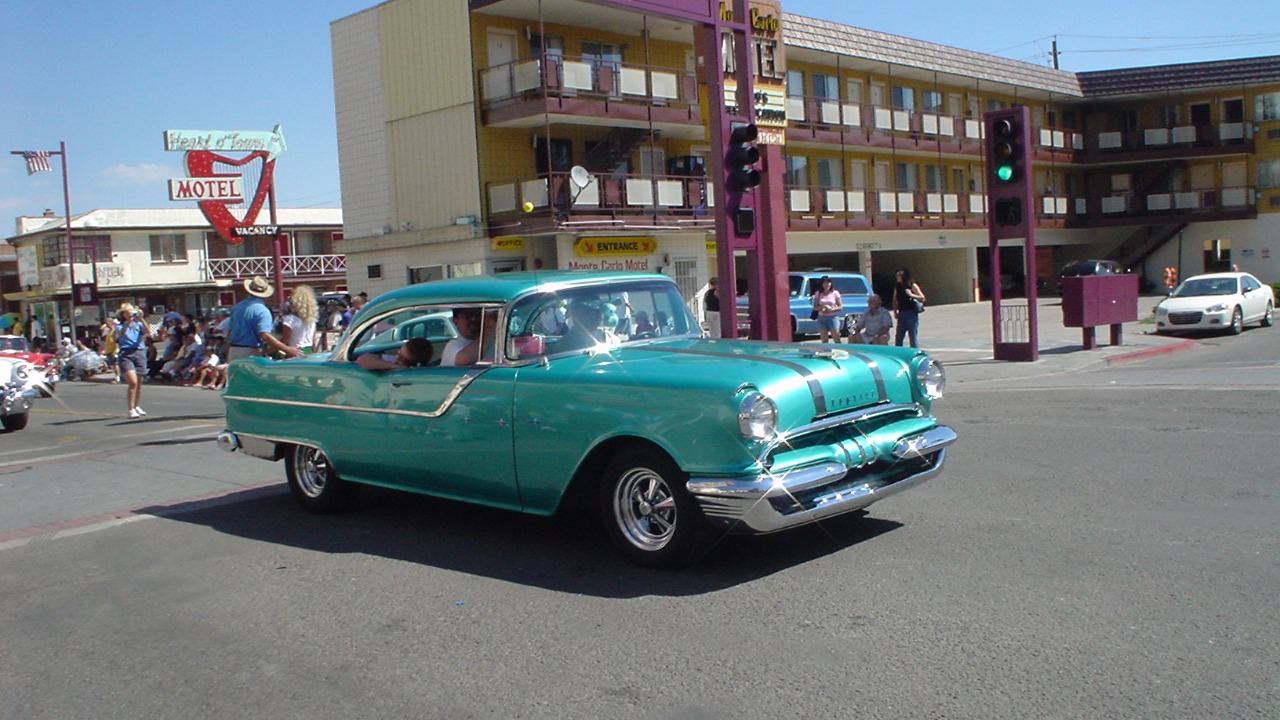
The 1955 Pontiac Star Chief was a landmark vehicle that helped usher in the era of custom cars. Featuring bold styling and a variety of options for buyers, it enabled personalization like never before. It was equipped with a powerful V8 engine, which not only improved performance but also made it a favorite among enthusiasts. The Star Chief’s design, with its chrome accents and sleek lines, captured the spirit of the 1950s and reflected the growing trend toward customization in the automotive world.
Moreover, the Star Chief was available in multiple body styles, including a hardtop coupe and a convertible, appealing to a wide range of customers. Pontiac’s marketing strategies also emphasized the Star Chief’s luxury features, highlighting its leather interiors and advanced radio options. This combination of performance and style set a precedent for future Pontiac models and for the entire industry. The Star Chief’s influence is evident in custom car culture today. For a deeper dive into how American cars have shifted the industry, visit this insightful article.
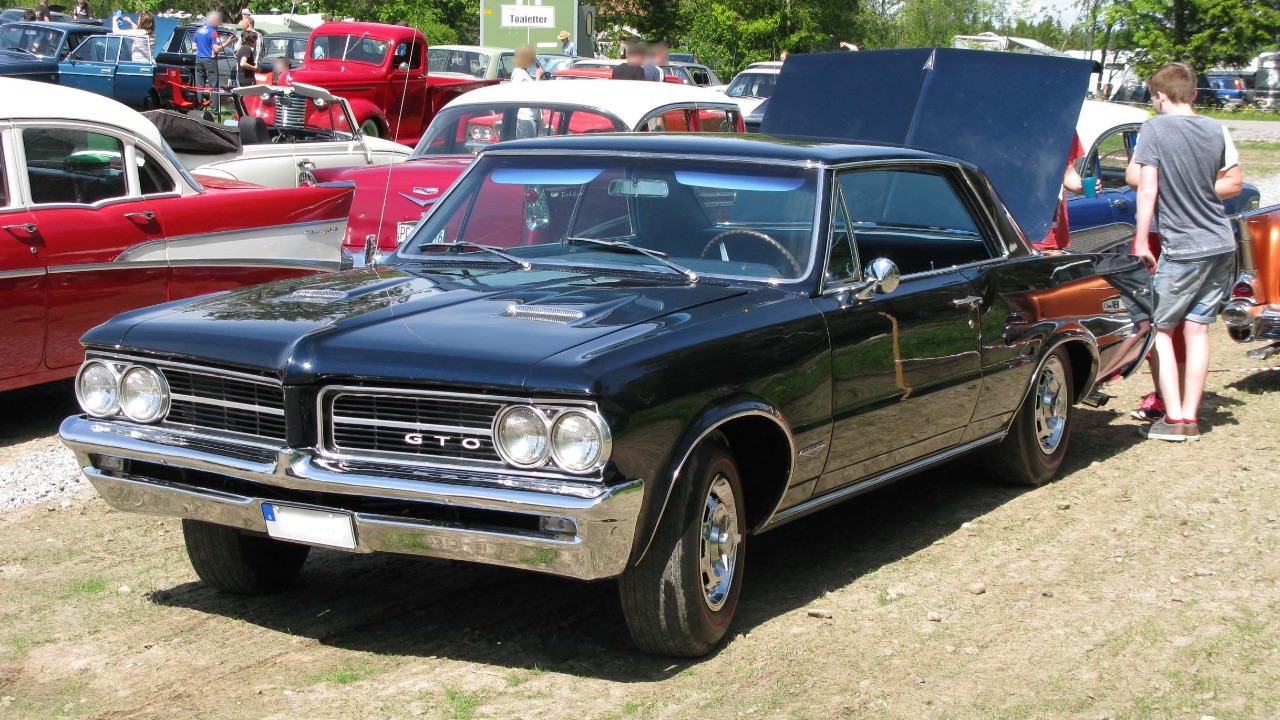
1964 Pontiac GTO: The Original Muscle Car
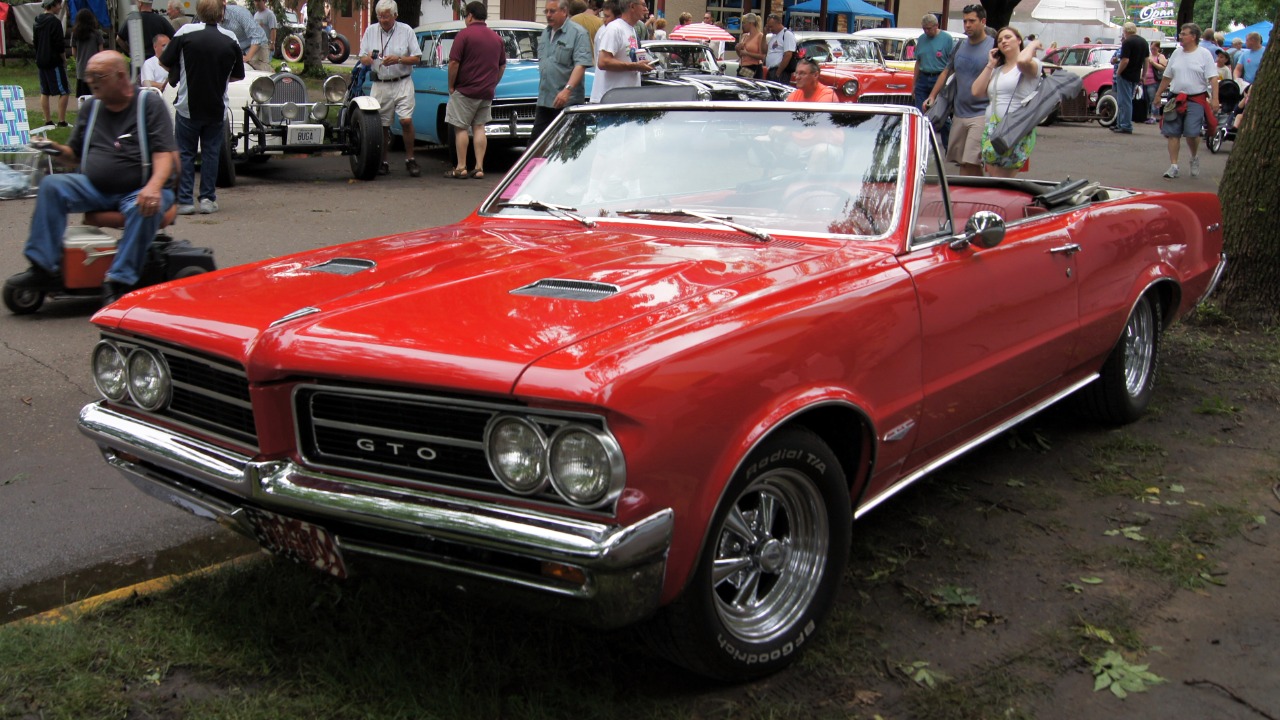
The 1964 Pontiac GTO is widely celebrated as the first true muscle car, blending performance and style in a way that had never been done before. It featured a powerful 389 cubic inch V8 engine, producing an impressive 325 horsepower, which made it a formidable opponent on the road. Its sleek design and aggressive stance captured the attention of car enthusiasts, and it quickly became a symbol of American automotive culture. The GTO’s success was further bolstered by its affordable price, which made it accessible to a younger demographic eager for performance.
The introduction of the GTO also sparked a revolution in the automotive industry, leading to the creation of numerous competitors. Other manufacturers scrambled to produce their muscle cars, eager to jump on the bandwagon. The GTO’s legacy continues to influence modern performance cars, and it remains a sought-after classic today
1967 Pontiac Firebird: A Bold Entry into the Pony Car Market
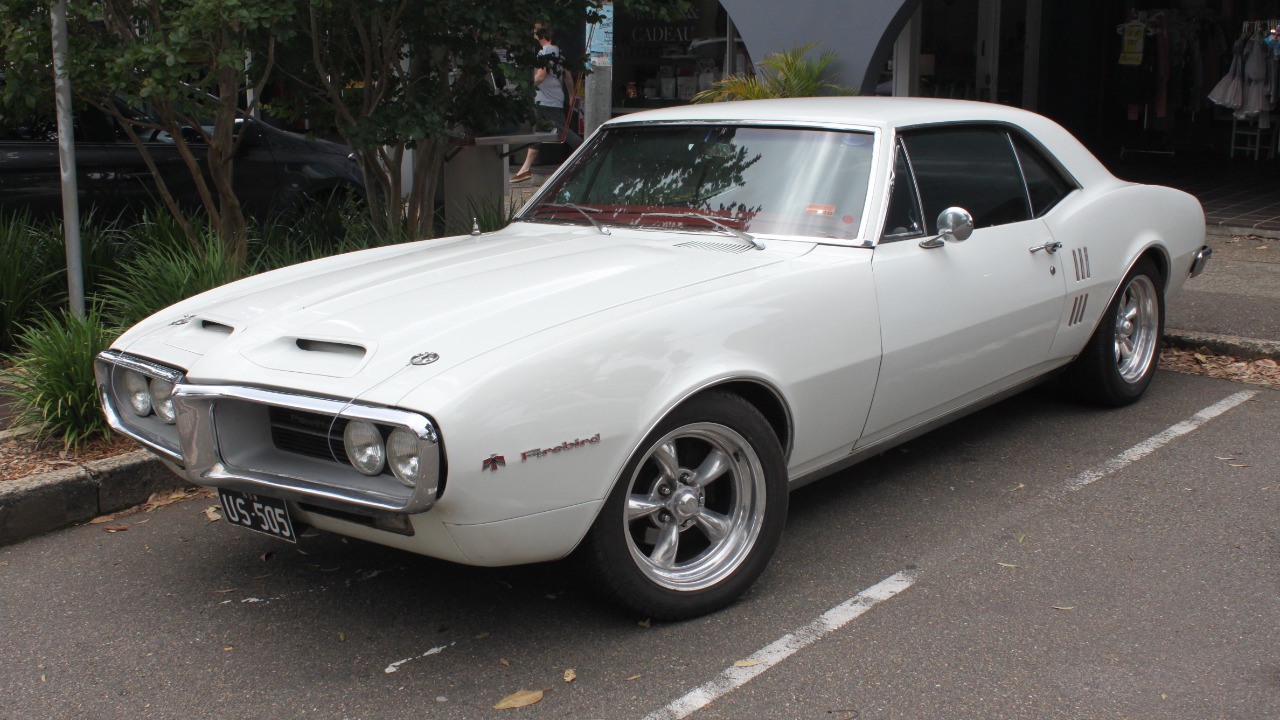
The 1967 Pontiac Firebird made a splash upon its debut, stepping into the competitive pony car market alongside the Ford Mustang and Chevrolet Camaro. With its sleek design and performance options, the Firebird quickly attracted attention and became a favorite among driving enthusiasts. Pontiac’s decision to offer multiple engine choices, including a powerful V8, ensured that there was a Firebird for every type of driver.
Moreover, the Firebird’s design featured unique styling cues, such as its long hood and short rear deck, which would become hallmarks of the pony car genre. The Firebird not only captured the essence of the era but also helped establish Pontiac as a serious contender in the muscle car segment. Its legacy continues to influence modern iterations of the model, showcasing how Pontiac redefined performance and style in the automotive world.
1970 Pontiac Firebird Trans Am: Performance Meets Style
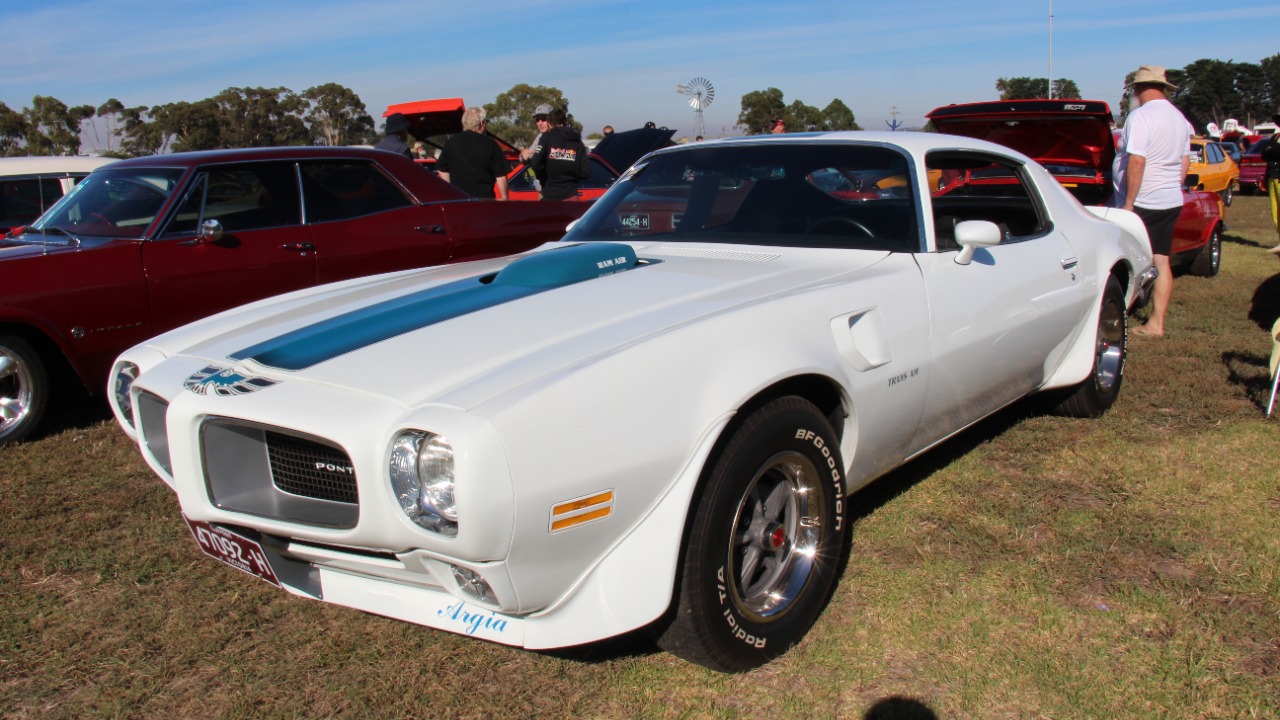
The 1970 Pontiac Firebird Trans Am took performance and style to new heights, solidifying its place in automotive history. With its iconic “screaming chicken” hood decal and aggressive exterior, it was designed to capture attention. Under the hood, it offered a choice of powerful engines, including the legendary 455 cubic inch V8 that delivered exhilarating performance. The Trans Am was not just about looks; it was engineered for speed and handling, making it a favorite among driving enthusiasts.
The Trans Am also had a significant impact on pop culture, appearing in various films and TV shows, which further enhanced its allure. Its racing pedigree was bolstered by its success in competitions, showcasing the blend of performance and style that Pontiac had mastered. The Firebird Trans Am remains a beloved classic, with a dedicated fan base and a lasting legacy in the world of American muscle cars.
1973 Pontiac Grand Am: The First True Personal Luxury Car
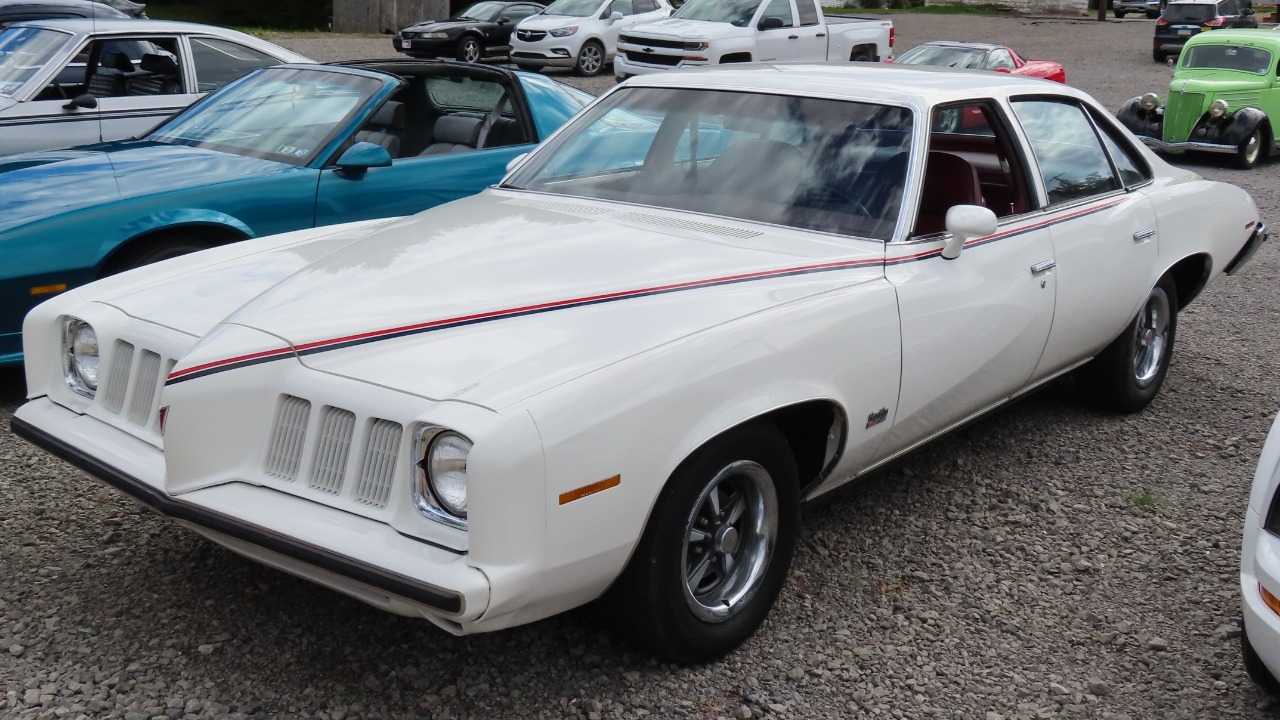
The 1973 Pontiac Grand Am was a pioneering model that bridged the gap between performance and luxury, becoming one of the first true personal luxury cars. It featured a spacious interior, high-quality materials, and a host of comfort options, appealing to buyers looking for more than just raw power. The Grand Am’s design emphasized elegance, with understated style elements that set it apart from other muscle cars of the time.
Incorporating advanced engineering and a refined ride, the Grand Am prioritized driver comfort without sacrificing performance. This model appealed to a demographic that sought sophistication and style, and it played a crucial role in shaping the future of personal luxury vehicles. As automotive trends evolved, the Grand Am continued to adapt, ultimately influencing the design and features of modern luxury sedans.
1982 Pontiac Firebird: The Return of the Sports Car

The 1982 Pontiac Firebird was a revival of the sports car segment, bringing performance back into the spotlight during a time when fuel efficiency was paramount. With its aerodynamic design and lightweight construction, it offered a thrilling driving experience. The Firebird was available with several engine options, including a turbocharged inline-four, which provided a balance of power and efficiency. The return of the Firebird was significant at a time when many manufacturers were scaling back on performance-oriented cars.
Moreover, the Firebird’s design was influenced by contemporary trends, featuring sharp lines and a more aggressive stance compared to its predecessors. This appeal helped Pontiac revive interest in the brand and attract a new generation of car enthusiasts. The 1982 Firebird also laid the groundwork for future models, reinforcing Pontiac’s commitment to performance and innovation. Its return signaled a shift back towards more exciting vehicles in the automotive market.
1984 Pontiac Fiero: America’s First Production Mid-Engine Car
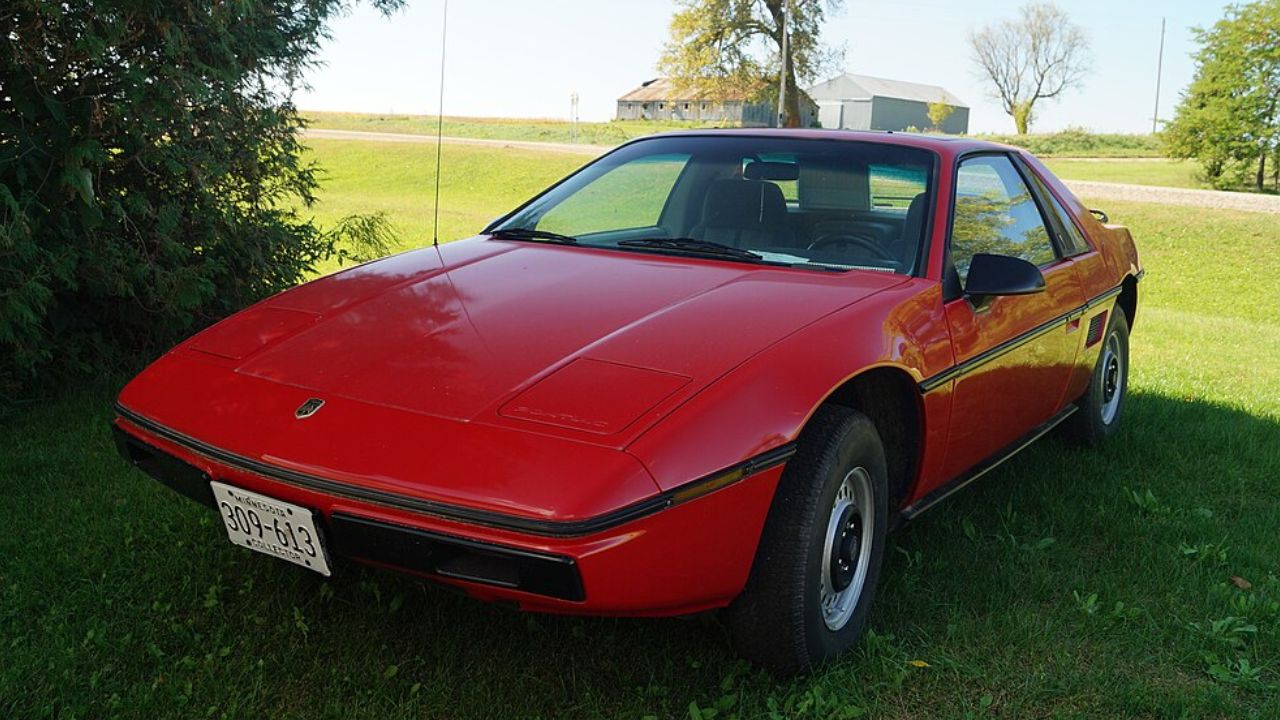
The 1984 Pontiac Fiero made waves as America’s first production mid-engine car, combining sporty performance with innovative design. Its unique layout not only improved handling but also provided a more engaging driving experience. The Fiero was equipped with a four-cylinder engine, offering a balance of efficiency and performance, which appealed to a wide range of consumers. Its stylish design and compact size made it a popular choice among drivers looking for something different.
The Fiero’s introduction helped to redefine what an affordable sports car could be, opening the door for future models in the segment. It also showcased Pontiac’s ability to innovate and take risks in a competitive market. Although production ended in 1988, the Fiero remains a unique chapter in Pontiac’s history and is still celebrated by enthusiasts today.
1990 Pontiac Trans Sport: The Minivan Redefined

The 1990 Pontiac Trans Sport redefined the minivan market with its futuristic design and innovative features. Unlike traditional boxy minivans, the Trans Sport boasted a sleek, aerodynamic shape that set it apart. It was equipped with a range of family-friendly features, including versatile seating configurations and ample cargo space. The Trans Sport also introduced advanced technology, such as a digital dashboard and optional rear video entertainment systems, catering to the needs of modern families.
This minivan was not just about practicality; it was also designed with a focus on performance. The Trans Sport offered a range of engine options, providing drivers with choices that balanced power and fuel efficiency. Its unique styling and features helped to elevate the minivan segment and influenced future models. The Trans Sport’s impact on family vehicles is a testament to Pontiac’s ability to innovate and respond to consumer demands.
2004 Pontiac GTO: The Modern Muscle Revival

The 2004 Pontiac GTO marked a significant revival of the muscle car era, combining classic styling with modern performance. With a robust 5.7-liter V8 engine, it delivered an exhilarating 350 horsepower, allowing it to compete with contemporary performance cars. The GTO’s design paid homage to its legendary predecessors while incorporating modern elements, creating a nostalgic yet fresh aesthetic. Its rear-wheel-drive layout and solid suspension offered an engaging driving experience, appealing to enthusiasts who craved power and handling.
This new iteration of the GTO helped reestablish Pontiac as a leader in performance vehicles during a time when muscle cars were making a comeback. The 2004 GTO quickly gained a dedicated following and solidified its status as a modern classic. Its legacy continues to influence the muscle car segment, demonstrating that Pontiac’s spirit of innovation was still alive and well. For more on the evolution of Pontiac and its models, you can check this resource.
2006 Pontiac Solstice: The Return of Roadsters
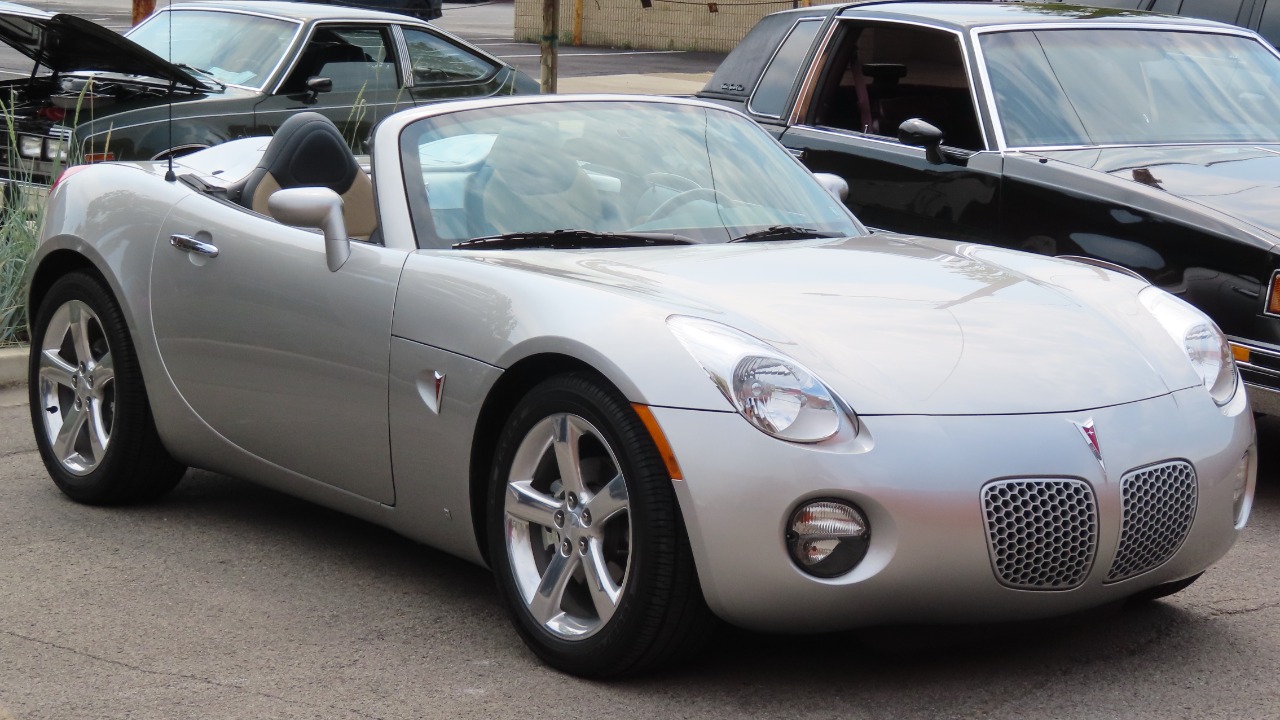
The 2006 Pontiac Solstice marked a triumphant return of the roadster to the Pontiac lineup, showcasing sleek design and spirited performance. With its lightweight body and rear-wheel-drive configuration, the Solstice offered an exhilarating driving experience that appealed to enthusiasts. It was powered by a 2.4-liter four-cylinder engine, providing a lively performance while maintaining impressive handling characteristics. The Solstice also featured a stylish exterior, with curves and lines that set it apart from other vehicles on the road.
This model helped reinvigorate Pontiac’s image as a manufacturer of fun and sporty cars, appealing to a younger demographic. The Solstice’s success led to the development of a turbocharged variant, further enhancing its performance capabilities. Its legacy as an affordable roadster remains significant, and it continues to be celebrated by car enthusiasts and collectors alike. The Solstice showcased Pontiac’s spirit of innovation and commitment to producing exciting vehicles, cementing its place in automotive history.
More from Fast Lane Only
- Unboxing the WWII Jeep in a Crate
- 15 rare Chevys collectors are quietly buying
- 10 underrated V8s still worth hunting down
- Police notice this before you even roll window down
*Research for this article included AI assistance, with all final content reviewed by human editors.