
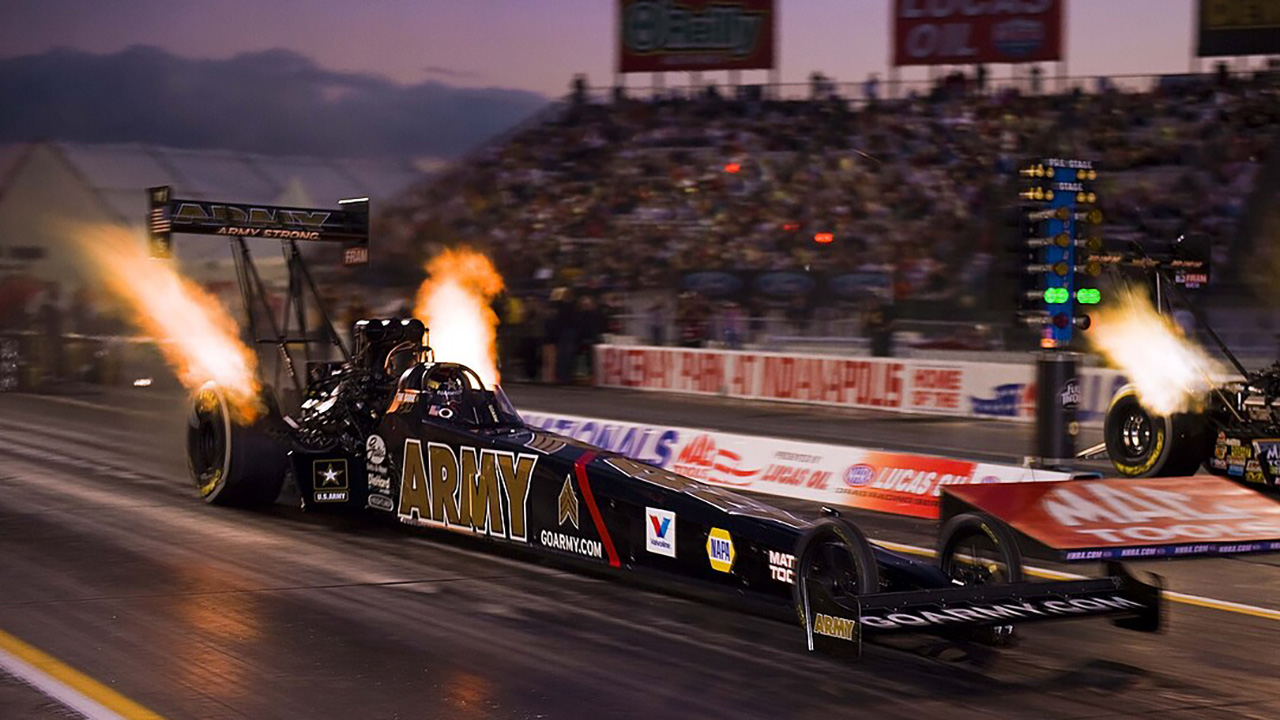
Nitromethane, commonly known as “nitro,” plays a crucial role in the high-octane world of drag racing, providing the intense power needed to propel cars down the strip at breakneck speeds. Its unique chemical properties make it an ideal fuel for the sport, allowing teams to push the limits of engineering and speed. Delving into the reasons why nitromethane is the preferred choice for drag racing enthusiasts and professionals alike reveals its indispensable role in the sport.
Chemical Properties of Nitromethane

Nitromethane stands out due to its high energy content, which is significantly higher than that of regular gasoline. This advantage comes from the oxygen content within the nitromethane molecule itself. Unlike gasoline, which relies on atmospheric oxygen to burn, nitromethane contains its own oxygen, allowing for a more efficient combustion process. This self-sufficiency in oxygen means that engines can burn more fuel and air, resulting in a greater power output. In the high-stakes environment of drag racing, this translates to faster speeds and more competitive runs.
Another essential feature of nitromethane is its unique combustion characteristics. Unlike the rapid burn of gasoline, nitromethane burns more slowly, providing a controlled and sustained release of energy. This slow-burning nature is particularly advantageous in drag racing engines, as it allows for smoother power delivery and less stress on engine components. The ability to maintain a consistent and controlled power output is crucial for achieving the highest speeds down the strip, making nitromethane an ideal choice for drag racers.
Advantages in Performance
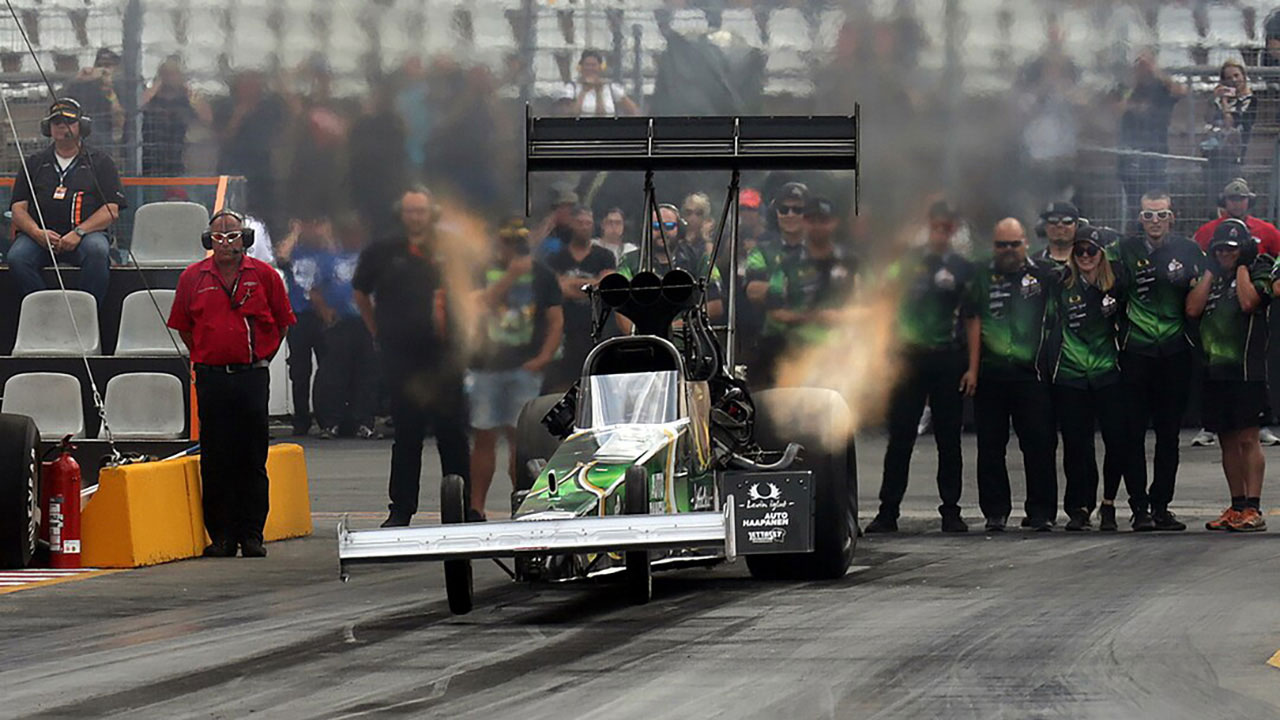
One of the most significant advantages of using nitromethane in drag racing is the immense power output it enables. Engines fueled by nitromethane can produce horsepower levels that far exceed those achievable with conventional fuels. In top fuel dragsters, it’s not uncommon to see engines producing over 10,000 horsepower. This incredible power is what allows these vehicles to accelerate from 0 to 330 mph in just a few seconds, a feat that is simply unattainable with other types of fuel.
In addition to power, nitromethane also plays a crucial role in torque generation. The fuel’s high energy content and combustion characteristics contribute to the creation of significant torque, which is essential for rapid acceleration. Torque is the force that propels the car forward, and the more torque an engine can produce, the faster the vehicle can accelerate. This characteristic is vital in drag racing, where the difference between winning and losing often comes down to fractions of a second.
Safety and Handling Considerations

While nitromethane offers impressive performance benefits, it also requires careful handling due to its volatile nature. Compared to standard fuels, nitromethane is more sensitive to temperature and pressure changes, making it essential for teams to adhere to strict safety protocols. Proper storage, transportation, and handling procedures are critical to minimize the risk of accidents or explosions. Safety measures include specialized fuel containers, controlled environments, and trained personnel to ensure that the fuel is used safely and effectively.
Moreover, the use of nitromethane in engines introduces additional maintenance and durability challenges. The intense stress placed on engine components due to the high power output and combustion characteristics of nitromethane can lead to increased wear and tear. Teams must invest in regular inspections, repairs, and replacements to keep their engines in peak condition. This maintenance is crucial to avoid catastrophic engine failures during races, which could jeopardize both performance and safety.
Economic and Regulatory Aspects

The use of nitromethane in drag racing also has significant economic implications. The cost of nitromethane is considerably higher than that of regular gasoline, which can have a substantial impact on team budgets. The financial strain of purchasing and maintaining nitromethane-fueled engines can be a barrier for some teams, especially those with limited resources. However, the performance benefits often justify the expense for teams seeking to compete at the highest levels of the sport.
Regulatory compliance is another critical aspect of nitromethane usage in drag racing. Organizations such as the National Hot Rod Association (NHRA) have established guidelines and rules to govern the use of nitromethane, ensuring fair competition and safety. These regulations cover various aspects, including the amount of nitromethane that can be used, engine specifications, and safety protocols. As the sport evolves, so too do the regulations, with recent changes allowing for new engine configurations and fuel combinations in the top alcohol classes.
Historical and Technological Evolution
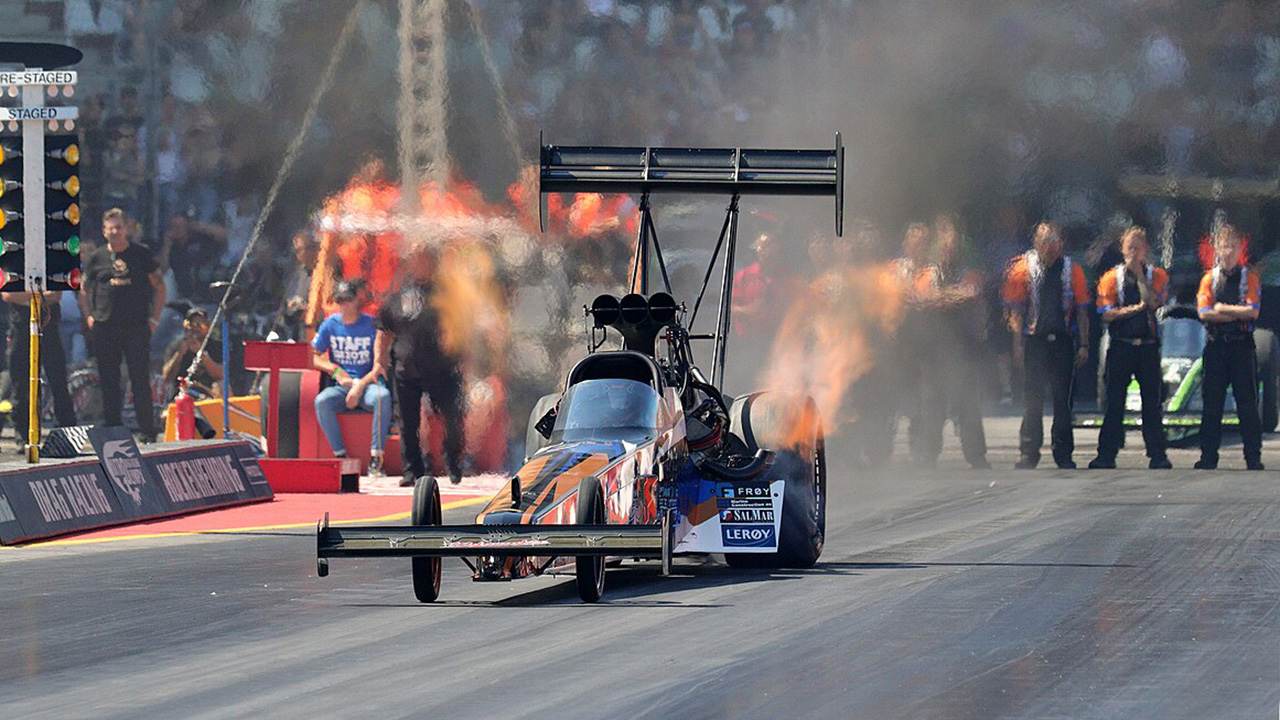
The history of nitromethane in drag racing is rich and storied, tracing back to its early adoption as a performance-enhancing fuel. Over the years, advancements in technology and engineering have allowed teams to harness the full potential of nitromethane, pushing the boundaries of what is possible on the drag strip. Innovations in engine design, fuel delivery systems, and safety measures have all contributed to the evolution of nitromethane usage in the sport.
Looking to the future, the role of nitromethane in drag racing is poised to evolve further. Emerging technologies and changing regulations will likely shape the way teams approach fuel and engine strategies. The ongoing development of alternative fuels and hybrid systems may introduce new possibilities for performance enhancement. As the sport continues to grow, nitromethane will remain a key player in the quest for speed and performance, adapting to meet the demands of a changing racing landscape.
Like Fast Lane Only’s content? Be sure to follow us.
Here’s more from us:
*Created with AI assistance and editor review.


Leave a Reply