
Racing fuel and pump gas may seem similar at first glance, but they serve distinct purposes and are engineered differently. Understanding these differences is crucial for anyone involved in motorsports or high-performance automotive activities. Delving into the core distinctions, benefits, and specific applications of racing fuel compared to pump gas reveals why they are not interchangeable.
The Chemistry of Racing Fuel vs. Pump Gas
Octane Rating Differences

One of the most significant differences between racing fuel and pump gas is the octane rating. Racing fuels typically have higher octane ratings, which play a crucial role in reducing the risk of engine knocking in high-performance engines. High-octane fuels are more resistant to pre-ignition, allowing engines to operate at higher compression ratios. This is essential for racing engines, which often run at extreme conditions to maximize power output.
The stability provided by high-octane fuels permits the use of aggressive ignition timing, enhancing performance without damaging engine components. In contrast, regular pump gas is designed to meet the needs of everyday vehicles, with octane ratings that align with standard engine compression ratios. Automakers like Ford and Chevrolet design their consumer vehicles to run efficiently on pump gas, ensuring reliability and longevity for the average driver.
Additive Packages

Another key difference lies in the additive packages used in racing fuels versus pump gas. Racing fuels contain specialized additives that enhance performance and provide additional engine protection. These additives can include oxygenators, anti-knock agents, and lubricants specifically formulated to withstand the rigors of racing conditions. For instance, racing fuels might use higher levels of lead or other compounds to improve performance in older engines.
On the other hand, pump gas additives are more focused on emissions reduction and engine cleanliness. Government regulations require these fuels to include detergents and other compounds that help maintain engine health and reduce harmful emissions. The emphasis is on minimizing environmental impact and ensuring that vehicles meet stringent emissions standards. This difference in focus reflects the divergent priorities of racing versus everyday driving.
Performance Implications
Engine Power and Efficiency

Racing fuel is expressly designed to maximize horsepower and torque in racing engines. The high-energy content and optimized combustion characteristics of racing fuels can significantly boost engine performance. High-performance engines, such as those used in NASCAR or Formula 1, rely on these fuels to achieve the extreme power levels necessary for competitive racing. For instance, the most powerful V8 crate engines available are often tested and tuned using racing fuels to ensure peak performance.
In contrast, pump gas is optimized for fuel efficiency and reliability in everyday vehicles. While it provides adequate performance for daily driving, it lacks the specialized formulations that racing fuels offer. Consumers benefit from the balance of performance and economy, making pump gas a practical choice for the majority of drivers. Automakers continuously refine their engine designs to achieve better fuel economy, often focusing on innovations that work in tandem with the chemical properties of pump gas.
Thermal Stability

Racing fuels are formulated to maintain stability under extreme temperatures and pressures, a critical requirement for high-intensity racing environments. The ability to withstand such conditions without degrading ensures that engines can perform consistently throughout a race. This stability is achieved through specific chemical compositions that resist breakdown and volatility, even when engines are pushed to their limits.
On the other hand, pump gas may degrade in performance under racing conditions due to lower thermal stability. The formulation of pump gas prioritizes cost-effectiveness and emissions compliance over extreme performance, making it less suitable for high-stress environments. As a result, using pump gas in racing conditions can lead to noticeable decreases in performance and potential engine damage.
Environmental and Health Considerations
Emission Profiles
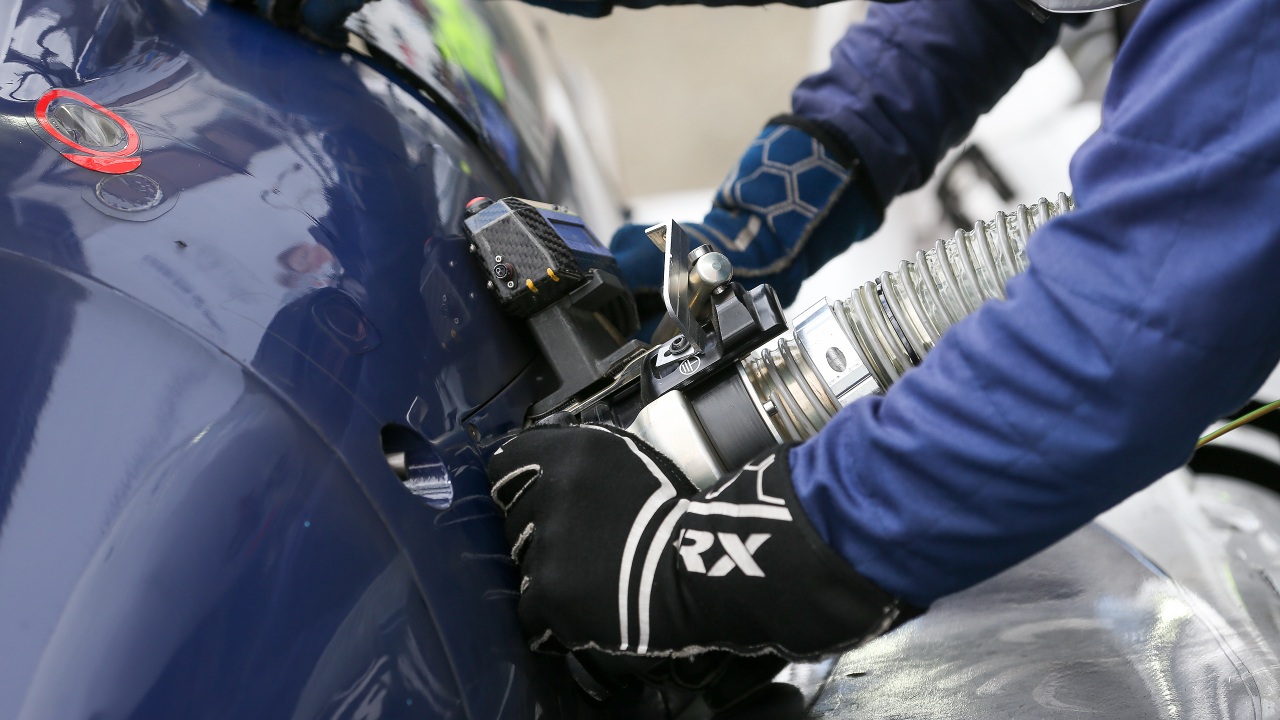
Racing fuels often produce higher emissions due to their formulation and combustion characteristics. The focus on maximizing power and speed means that emissions are a secondary concern in the racing industry. This can lead to higher levels of pollutants being released into the atmosphere during races, a factor that is closely monitored in professional motorsports.
In contrast, pump gas is strictly regulated to meet stringent emissions standards, ensuring that vehicles contribute minimally to environmental pollution. Automakers and fuel companies invest heavily in technologies that reduce emissions, such as catalytic converters and eco-friendly additives. The goal is to balance performance with environmental protection, a challenge that continues to drive innovation in the automotive industry.
Health Impacts
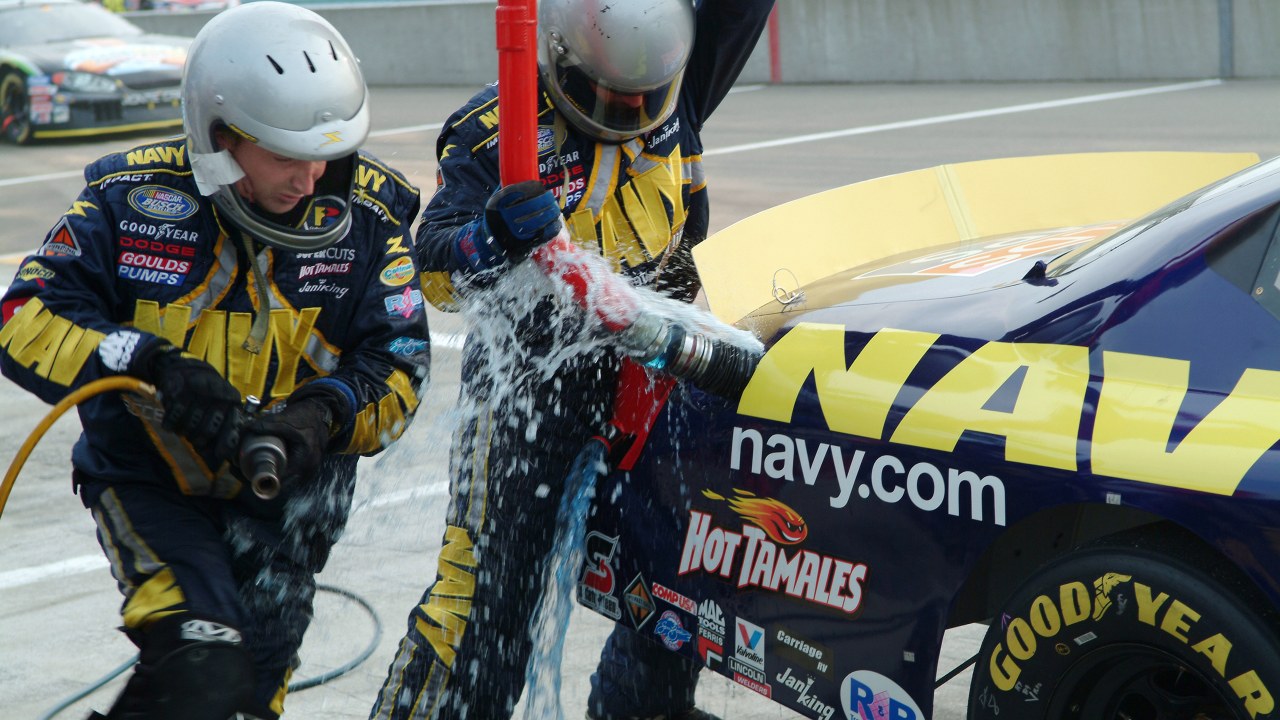
The combustion of racing fuels can produce more hazardous pollutants compared to pump gas. These pollutants can have serious health implications, particularly for those who are regularly exposed, such as race car drivers, pit crew members, and fans attending races. Studies have shown that exposure to certain emissions can lead to respiratory issues and other health concerns, highlighting the need for protective measures in racing environments.
Pump gas, on the other hand, is subject to regulations that minimize harmful emissions, reducing potential health risks for the general public. Continuous advancements in fuel technology and emissions control systems aim to make everyday driving safer for both individuals and the environment. This ongoing commitment is evident in the development of cleaner-burning fuels and more efficient engines.
Application-Specific Benefits and Drawbacks
Motorsport Applications
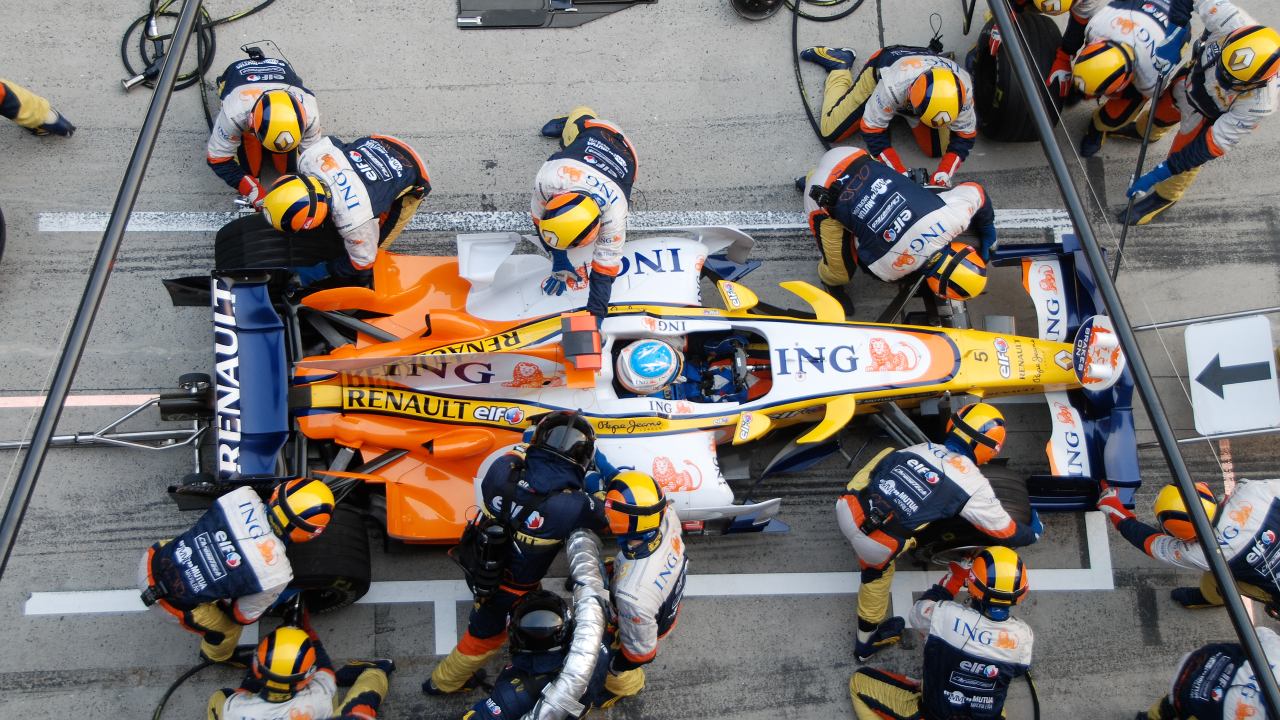
Racing fuel is tailored for specific racing conditions, providing a competitive edge that can make a significant difference in performance. The ability to fine-tune fuel properties for particular engines and racing scenarios is a major advantage for professional teams. However, the cost and complexity of racing fuels can be prohibitive for casual users, who may find it challenging to justify the expense without the corresponding benefits.
While specialized racing fuels can deliver crucial performance gains, they require careful handling and storage due to their unique chemical properties. This adds another layer of complexity for teams, who must ensure that their fuel is always in optimal condition for racing.
Everyday Driving

Pump gas is widely available and cost-effective for regular driving needs, making it the fuel of choice for the majority of consumers. Its availability and affordability are key factors in its widespread use, as drivers can easily refuel at countless locations without needing special arrangements. The convenience and practicality of pump gas make it an ideal option for everyday vehicles.
However, pump gas lacks the performance benefits needed for high-stress racing environments. For drivers looking to push their vehicles to the limit, the limitations of pump gas become apparent, leading some enthusiasts to explore alternatives such as E85 fuel. These alternatives can offer a middle ground between the performance of racing fuels and the convenience of pump gas.
Technological Advancements and Future Trends
Innovations in Fuel Formulation

Research and development continue to push the boundaries of racing fuel performance, with engineers constantly seeking ways to extract more power and efficiency from each drop of fuel. Advances in chemistry and material science are leading to new formulations that could redefine what is possible in motorsports. The ongoing quest for better fuels is a testament to the importance of innovation in maintaining a competitive edge.
Pump gas technology is also advancing, with a focus on creating more sustainable and efficient formulations. Efforts to reduce carbon footprints and improve fuel economy are driving significant changes in fuel composition and engine design. As environmental concerns become more pressing, the automotive industry is prioritizing the development of greener, more sustainable energy sources.
The Role of Alternative Fuels
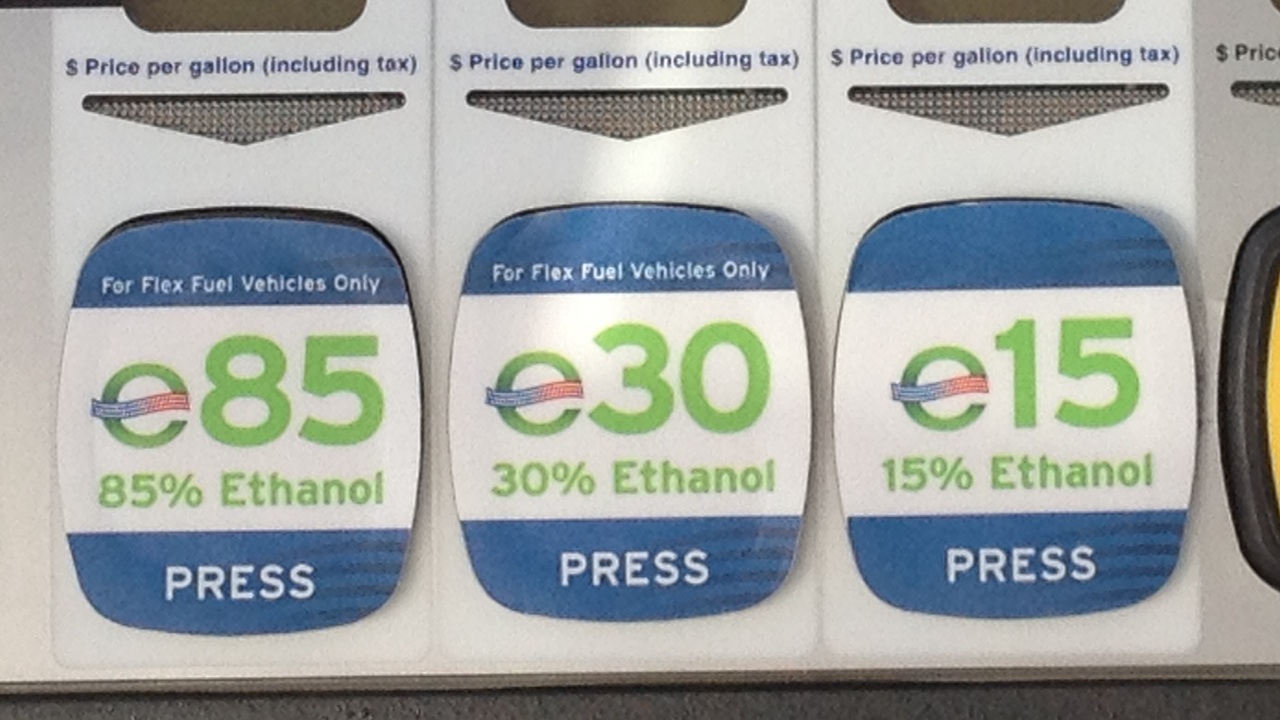
E85 and other alternative fuels are gaining popularity in both racing and consumer markets. These fuels offer a viable solution for those seeking to balance performance with environmental considerations. E85, for example, is known for its high octane rating and potential to deliver impressive power gains when used correctly. This makes it an attractive option for performance enthusiasts and environmentally conscious drivers alike.
Future trends may see a convergence of performance benefits and environmental considerations, as new technologies emerge to tackle the challenges of tomorrow. The interplay between innovation, regulation, and consumer demand will shape the direction of fuel development, with potential breakthroughs on the horizon that could transform both racing and everyday driving.
Like Fast Lane Only’s content? Be sure to follow us.
Here’s more from us:
*Created with AI assistance and editor review.