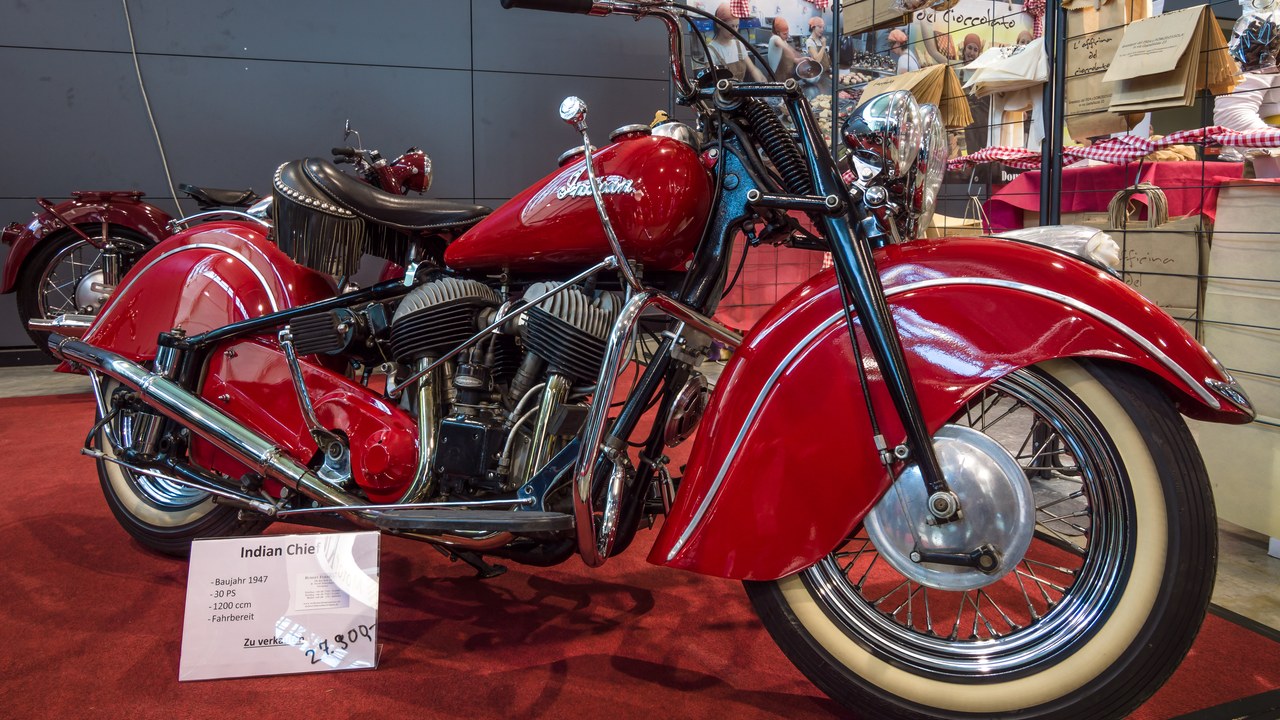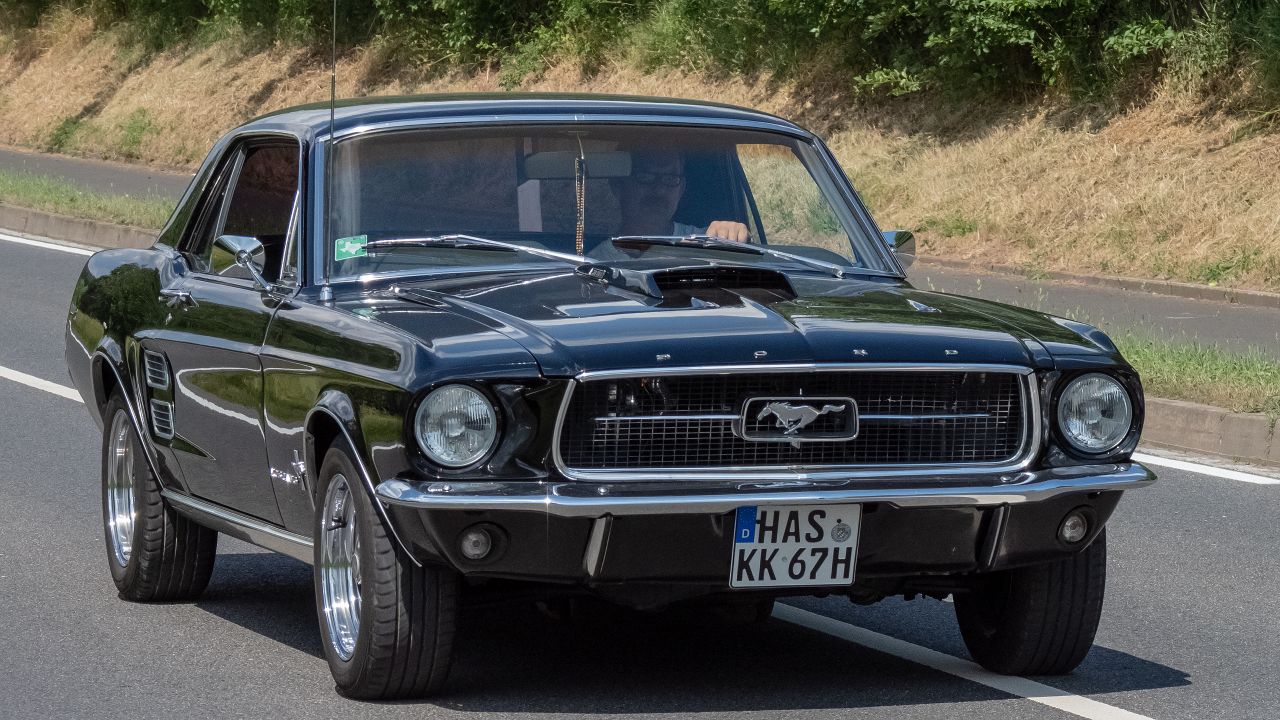
Car collectors worldwide have developed a deep appreciation for retro features that exude nostalgia and offer a glimpse into the past’s automotive ingenuity. From timeless design elements to iconic mechanical components, these features add unique character and allure to classic cars. These elements keep car enthusiasts captivated, offering not just a piece of history but a driving experience that connects past and present.
The Charm of Analog Instrumentation
Classic Gauges and Dials
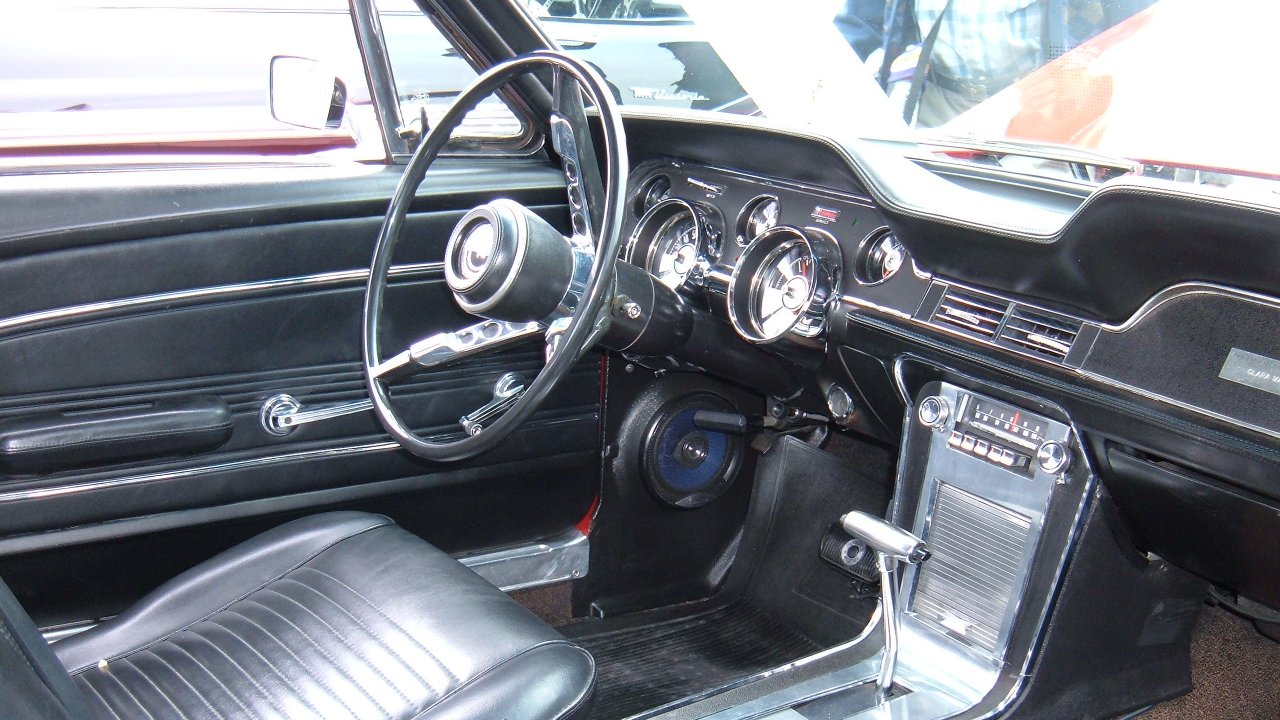
There’s something undeniably captivating about the classic gauges and dials that grace the dashboards of vintage cars. Traditional speedometers, tachometers, and fuel gauges offer a tactile and visual connection to the driving experience that modern digital displays often lack. These analog instruments provide a sense of craftsmanship and precision, with intricate needle movements and carefully calibrated dials that invite drivers to engage with their vehicles in a deeply personal way.
Consider the 1967 Ford Mustang, whose dashboard is adorned with a series of meticulously crafted gauges that not only provide essential information but also enhance the car’s aesthetic appeal. The sense of nostalgia is palpable, reminding drivers of an era when driving was as much about the journey as the destination.
Manual Controls
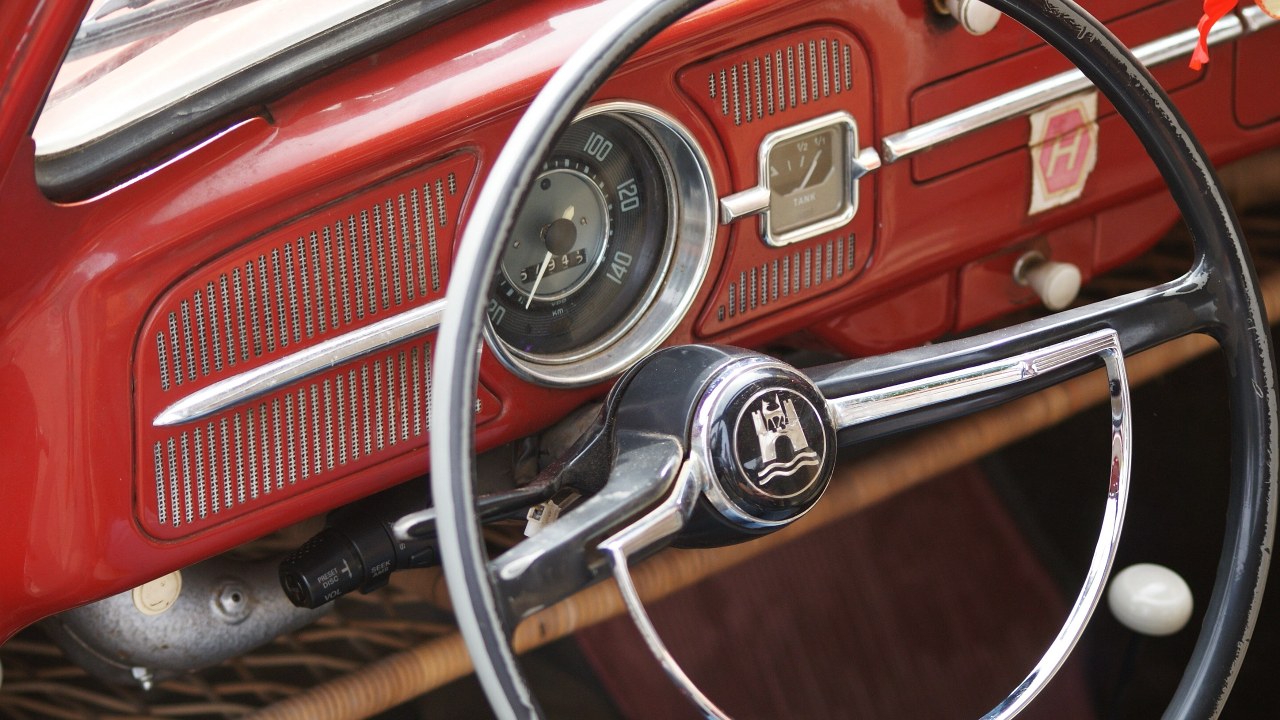
In an age of touchscreens and voice commands, the tactile feedback of manual controls holds a special place in the hearts of car collectors. The simple act of winding down a window with a crank or adjusting the climate using levers evokes a sense of nostalgia and engagement that modern convenience can’t replicate. These manual controls harken back to a time when drivers had a more intimate connection with their vehicles, fostering a deeper understanding of their car’s mechanics.
Cars like the Volkswagen Beetle from the 1960s exemplify this charm, with their straightforward and user-friendly interiors that invite drivers to interact with their vehicles in a hands-on manner. It’s this blend of simplicity and functionality that continues to endear manual controls to enthusiasts and collectors alike.
The Allure of Vintage Design Elements
Chrome Accents and Grilles
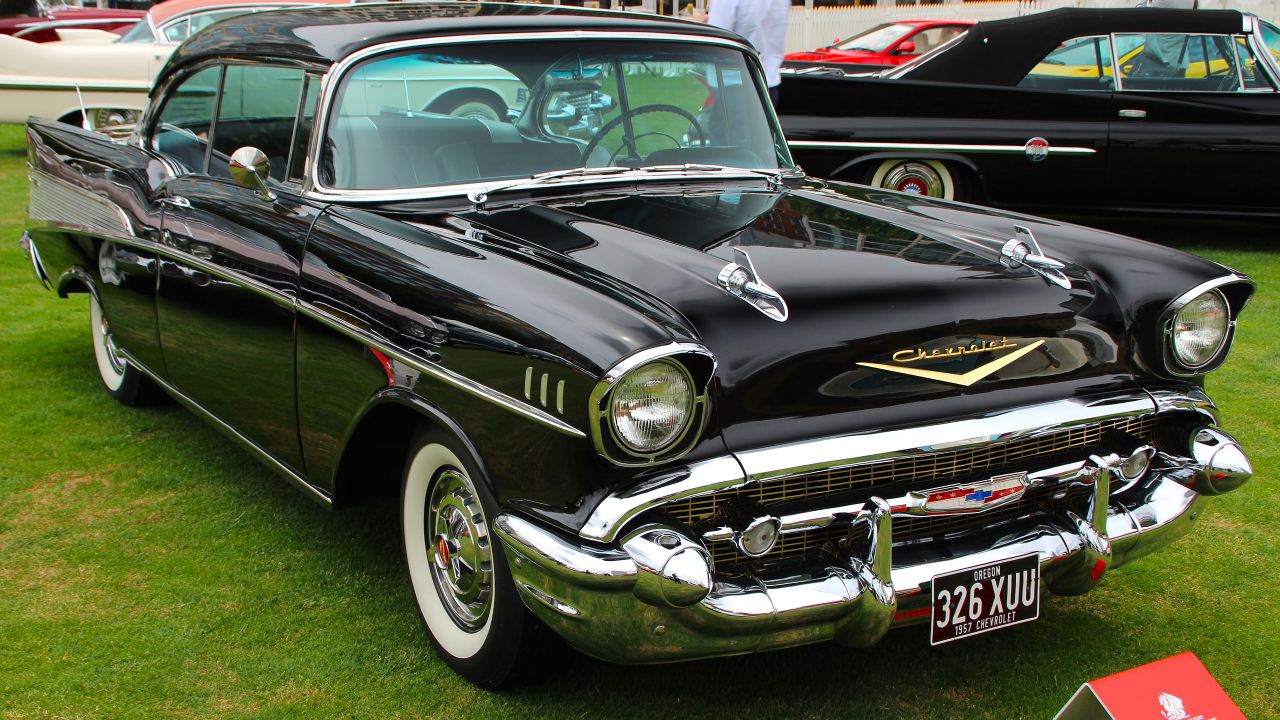
Chrome accents and distinctive grilles are integral to the allure of vintage cars, evoking a sense of luxury and timelessness. The gleaming chrome finishes of the 1957 Chevrolet Bel Air, for instance, highlight the car’s elegant lines and underscore its status as a symbol of mid-century opulence. These design elements not only reflect the aesthetics of their time but also stand as a testament to the craftsmanship and attention to detail that defined the era.
The use of chrome was not just about aesthetics; it also served a functional purpose, protecting the vehicle’s bodywork from the elements. Today, chrome detailing continues to captivate collectors, serving as a gleaming reminder of a bygone era where style and substance were in perfect harmony.
Tail Fins and Body Styling
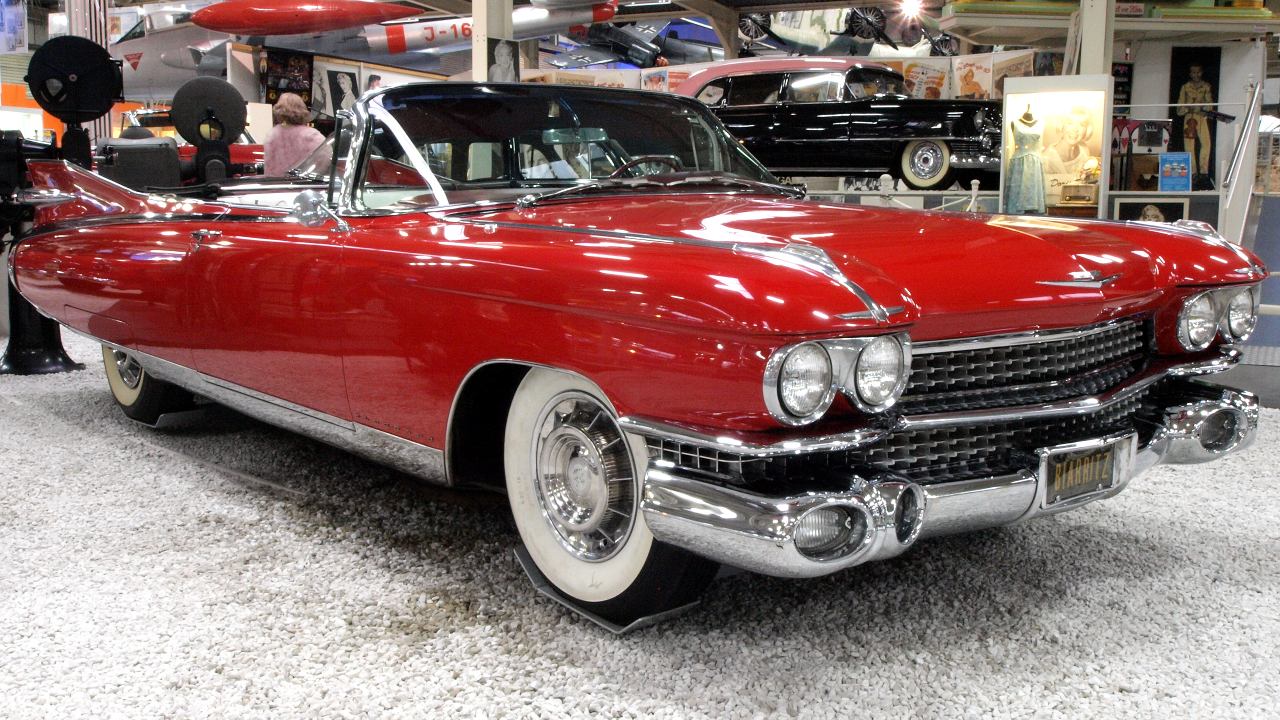
The mid-20th century was a time of bold experimentation in automotive design, and nowhere is this more evident than in the iconic tail fins and body styling of cars from this era. Vehicles like the 1959 Cadillac Eldorado, with its sweeping tail fins and dramatic lines, embody the optimism and innovation of the post-war period. These design choices were not just about aesthetics; they were a reflection of the cultural and technological aspirations of the time.
Tail fins, in particular, became a symbol of the space age, representing a fascination with flight and the future. They are a reminder of a time when cars were not just modes of transportation but expressions of freedom and possibility. This cultural impact remains a powerful draw for collectors, who see these design elements as a way to connect with an era of boundless imagination and creativity.
Mechanical Marvels of the Past
Manual Transmissions

Manual transmissions are cherished by car collectors for the level of driving engagement and skill they demand. Unlike modern automatic systems, a manual transmission requires the driver to be actively involved in gear selection, fostering a deeper connection between car and driver. The thrill of mastering the clutch and gearshift is a rite of passage for many enthusiasts, offering a sense of control and precision that is often absent in modern vehicles.
Classic sports cars like the Porsche 911 of the 1970s exemplify the appeal of the manual transmission. These vehicles offer a driving experience that is both challenging and rewarding, making them a favorite among those who appreciate the art of driving. Despite advancements in technology, the manual transmission remains a beloved feature among collectors who value the mechanical purity it represents.
Carbureted Engines
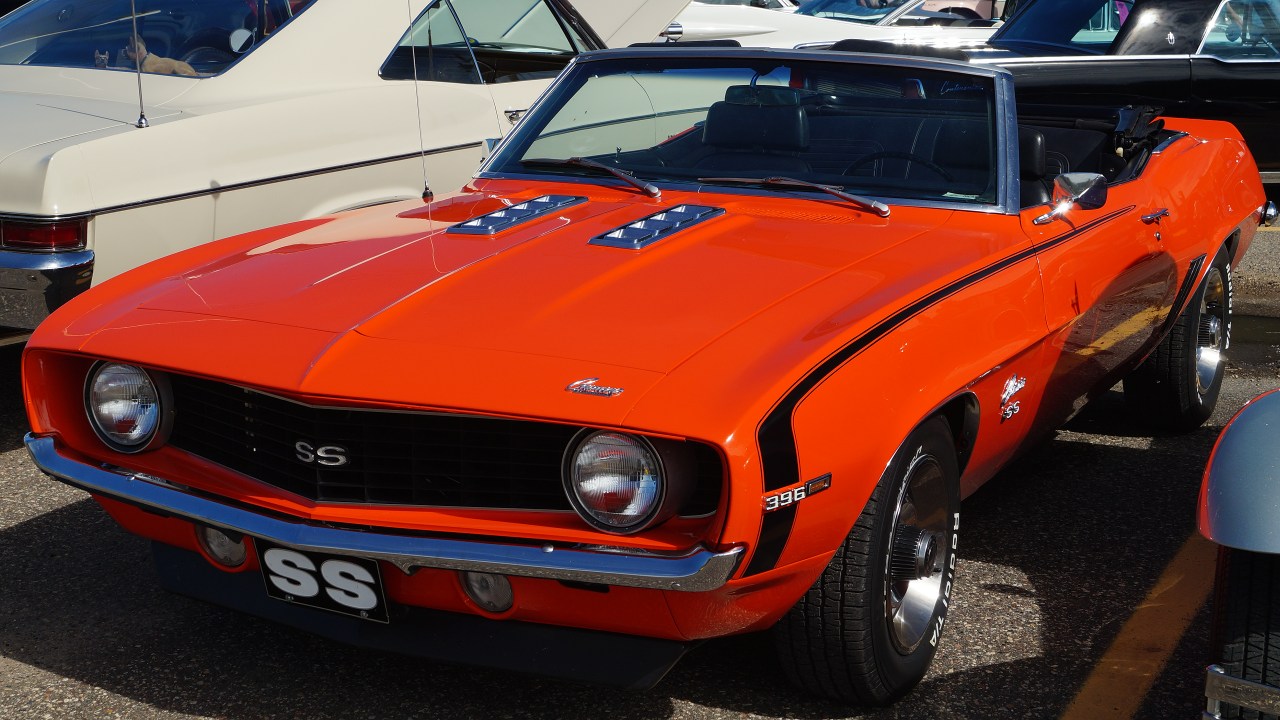
The simplicity and charm of carbureted engines continue to captivate car enthusiasts. Unlike modern fuel injection systems, carburetors offer a straightforward approach to fuel delivery, allowing for easy adjustments and repairs. This hands-on aspect appeals to collectors who enjoy tinkering with their vehicles and appreciate the direct connection between driver and machine.
Cars like the 1969 Chevrolet Camaro SS, with its robust carbureted engine, offer a visceral driving experience that is both powerful and nostalgic. The sound of a carbureted engine at full throttle is an auditory delight, a symphony of mechanical harmony that resonates with those who cherish the raw, unfiltered essence of vintage motoring.
Retro Interior Features and Materials
Bench Seats and Upholstery
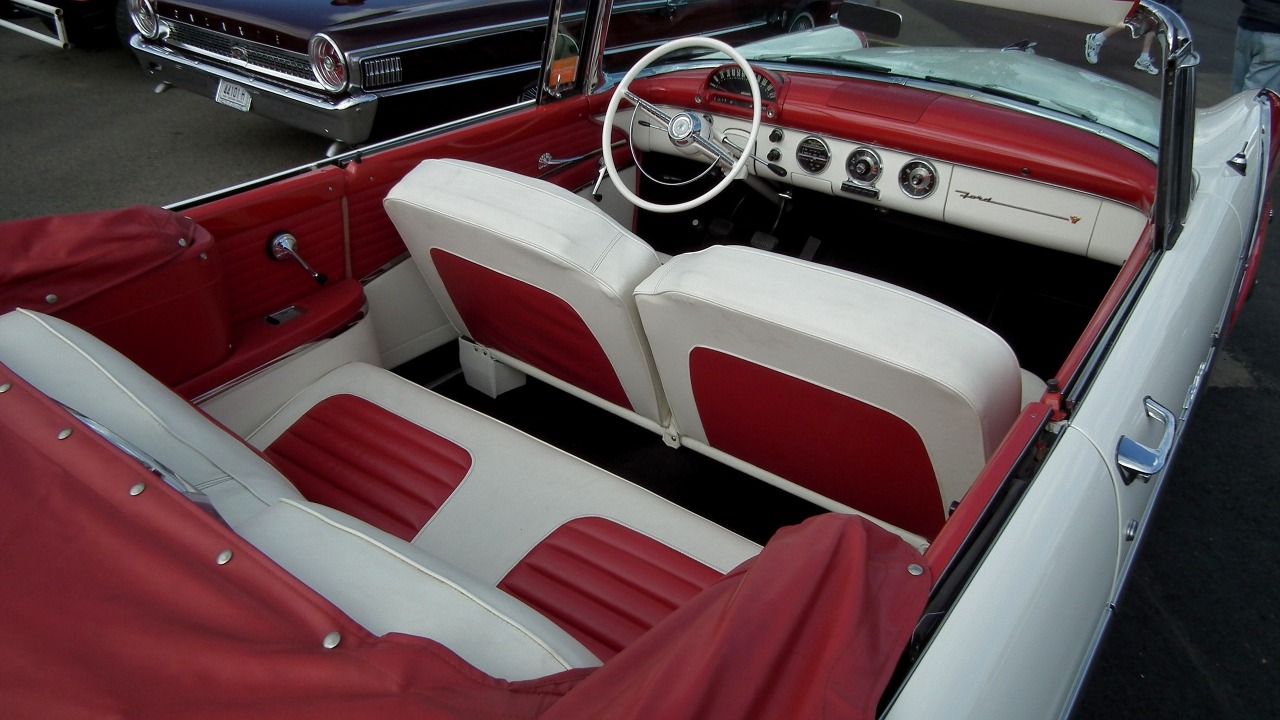
Classic bench seats and traditional upholstery materials are hallmarks of vintage car interiors, offering a unique blend of comfort and style. The expansive bench seats found in cars like the 1955 Ford Fairlane provide a spacious and inviting environment, perfect for long drives and leisurely cruising. These seats, often upholstered in rich fabrics or supple leather, emphasize a level of craftsmanship and attention to detail that is increasingly rare in modern vehicles.
The appeal of these interiors lies not only in their aesthetic charm but also in the sense of nostalgia they evoke. For many collectors, the feel of a well-crafted bench seat is a tactile reminder of a time when cars were designed with both comfort and elegance in mind.
Woodgrain and Metal Trim
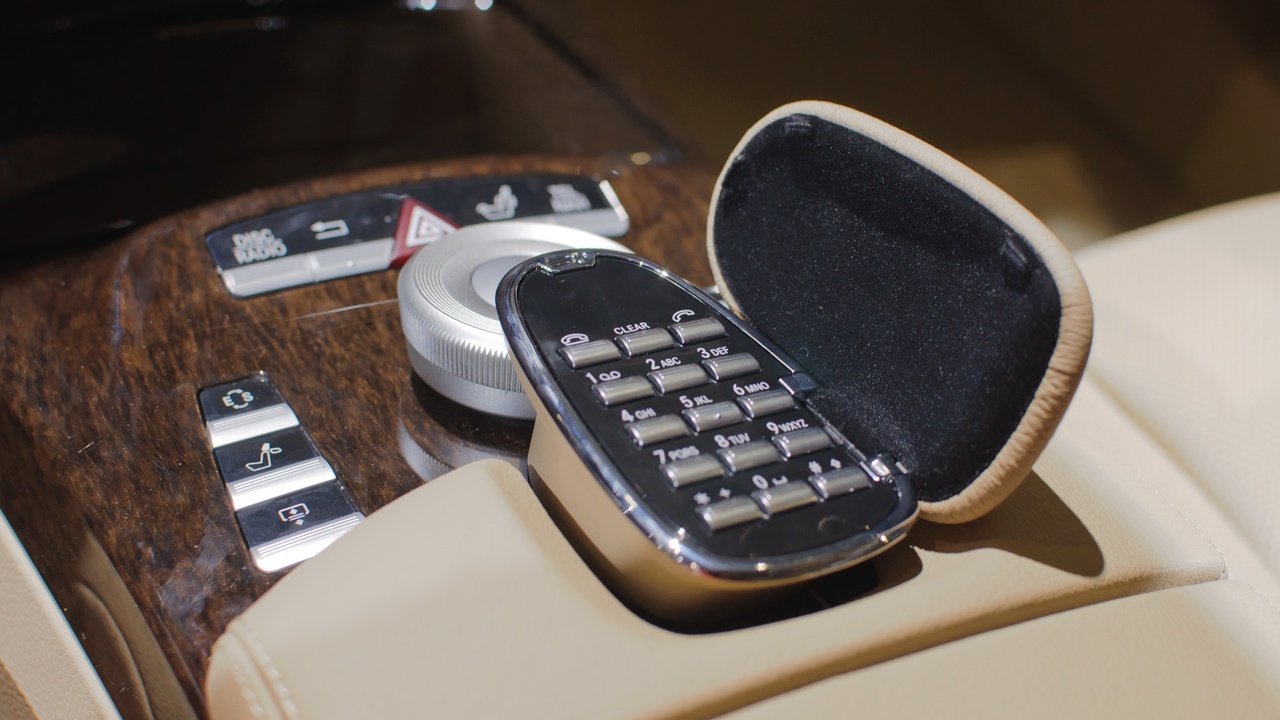
The aesthetic and tactile appeal of woodgrain and metal trim is another reason why collectors are drawn to vintage cars. These materials add warmth and character to the interior, creating a sense of luxury and refinement. The use of real wood and metal, as seen in cars like the 1970s Mercedes-Benz S-Class, reflects a commitment to quality and authenticity that resonates with collectors.
In an era where plastics and composites dominate, the presence of genuine woodgrain and metal trim is a testament to the enduring value of traditional craftsmanship. These elements not only enhance the visual appeal of the interior but also serve as a tangible connection to the past, reminding us of an era when materials were chosen for their beauty and durability.
Timeless Technology and Innovations
Pop-Up Headlights
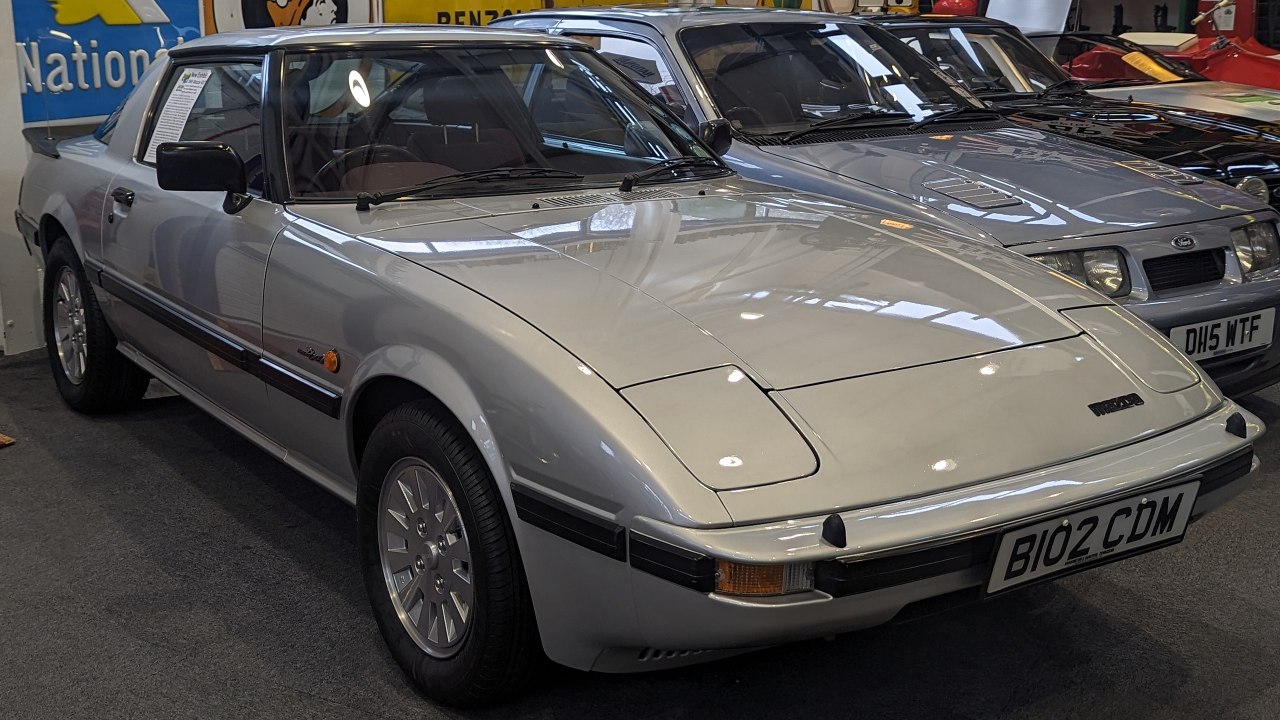
Pop-up headlights are a fascinating feature that has captured the imagination of car enthusiasts for decades. These headlights, which retract into the body of the car when not in use, became popular in the 1970s and 80s, adding a sleek, aerodynamic look to vehicles. Cars like the Mazda RX-7 and the Toyota Supra made pop-up headlights iconic, contributing to their status as collectible classics.
The appeal of pop-up headlights lies in their novelty and the engineering ingenuity they represent. They are a reminder of a time when automotive design was bold and experimental, pushing the boundaries of what was possible. For collectors, these headlights are not just a functional component but a symbol of an era when cars were as much about style as they were about substance.
Classic Radio and Sound Systems
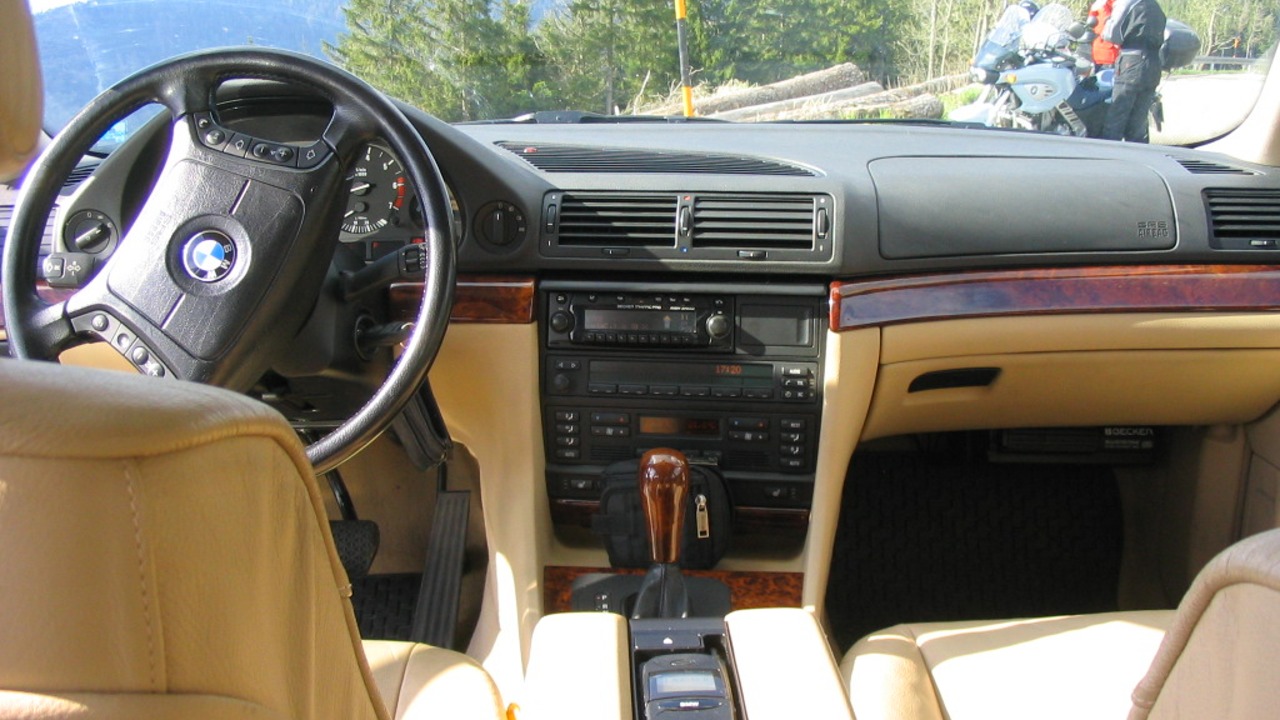
The nostalgia and simplicity of classic radio and sound systems continue to resonate with car enthusiasts. The charm of tuning an AM/FM radio or playing a cassette tape in cars like the 1980s BMW 3 Series evokes memories of a time when music was a central part of the driving experience. These systems, with their tactile knobs and buttons, offer a level of interaction that is often missing in today’s touchscreen interfaces.
For collectors, vintage sound systems represent more than just technology; they are a connection to the cultural moments that defined the past. Listening to period music through an authentic system enhances the driving experience, transporting drivers back to a time when the road was the ultimate destination. The enduring appeal of these systems lies in their ability to evoke memories and emotions, making them a cherished feature in any classic car collection.
Like Fast Lane Only’s content? Be sure to follow us.
Here’s more from us:
*Created with AI assistance and editor review.