In an era of rapid technological advancement, some classic engines continue to outperform modern counterparts in terms of reliability. The reasons behind their enduring dependability reveal a fascinating blend of engineering principles, historical context, and a strong enthusiast culture dedicated to preserving these powerhouses.
Historical Context of Classic Engines
Classic engines typically refer to those manufactured before the 1990s, characterized by their simpler mechanical designs and minimal reliance on electronic systems. Prominent examples include the small-block Chevrolet V8, which debuted in 1955, and the Ford flathead V8 introduced in 1932. These engines not only laid the groundwork for future automotive engineering but also established reliability benchmarks that many modern engines strive to meet.
The evolution of engine design has been remarkable since the early 20th century. Initially, engines were rudimentary, often featuring carburetors and mechanical ignition systems. As technology progressed, fuel injection systems and electronic control units (ECUs) were introduced, significantly enhancing performance and efficiency. However, this shift towards complexity often introduced new potential points of failure. Key milestones, such as the introduction of the overhead valve (OHV) design in the 1950s, marked significant advancements in power and efficiency while maintaining a straightforward design that contributed to the engines’ reliability.
Engineering Simplicity and Robustness
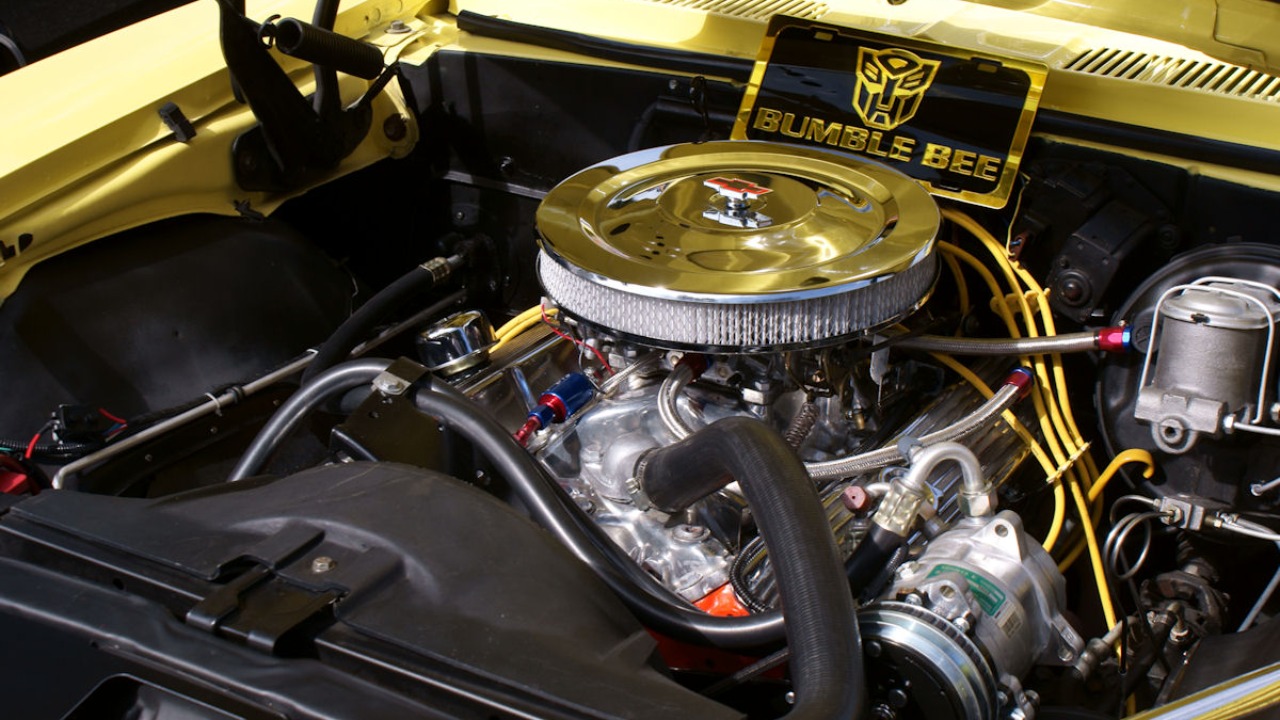
One of the defining characteristics of classic engines is their straightforward designs. Many classic engines feature fewer moving parts and simpler configurations, which naturally reduces the potential for mechanical failures. For instance, the Chevrolet small-block V8 is renowned for its simple overhead valve design, which not only simplifies manufacturing but also enhances the ease of maintenance and repair.
Durable materials play a crucial role in the longevity of these engines. Classic engines were often constructed using heavy-duty cast iron and steel components that could withstand significant wear and tear. Take the Ford 302 V8, for example—it has a reputation for being virtually indestructible. In contrast, many modern engines utilize lightweight materials to improve fuel efficiency, which can sometimes compromise durability. Additionally, the absence of complex electronic systems in classic engines means fewer components that can malfunction, leading to more reliable performance over time.
Maintenance and Longevity
Routine maintenance is vital for enhancing engine longevity, and classic engines have proven to benefit significantly from diligent care. Enthusiasts often emphasize the importance of regular oil changes, coolant flushes, and timely replacements of belts and hoses. The ease of accessing parts for classic engines further supports their longevity; it’s often much simpler to find parts for a 1970s Ford Mustang than for a modern vehicle, where proprietary designs can make repairs challenging.
The vibrant community of classic car enthusiasts also plays a pivotal role in preserving and restoring these engines. Clubs, forums, and social media groups provide platforms for sharing knowledge, tips, and resources. For instance, the Ford Mustang Club of America offers a wealth of information for owners looking to maintain their classic Mustangs, fostering a culture of preservation that directly contributes to the reliability of these engines. Enthusiasts often share insights on sourcing quality replacement parts or techniques for restoring performance, ensuring that classic engines continue to thrive.
Real-World Performance and Testing
Numerous classic engines have set reliability records, showcasing their performance under various conditions. The Toyota Land Cruiser’s 2F engine, produced from the late 1970s to the mid-1980s, is a prime example. Known for its ruggedness, it has been reported to run for hundreds of thousands of miles with minimal issues, making it a favorite among off-road enthusiasts and overlanders. Similarly, the Volkswagen Type 1 engine, commonly referred to as the “Beetle engine,” has achieved legendary status for its ability to endure and operate efficiently in diverse environments.
Long-term usage data often reveals that classic engines outperform their modern counterparts in terms of reliability. Owners of classic vehicles frequently report fewer issues compared to newer models, which can be bogged down by complex technology. Testimonials from classic car owners highlight instances of engines running smoothly after decades of use, with many attributing their longevity to the simplicity and robustness of the designs. For example, I have spoken to several owners of 1970s Chevrolet trucks who share stories of their vehicles enduring harsh conditions with minimal maintenance, reinforcing the notion that classic engines are built to last.
Lessons for Modern Engineering
The reliability of classic engines offers crucial insights for modern engineering practices. One primary lesson is the value of simplicity. While technological advancements have undeniably improved the performance and efficiency of modern engines, there is a growing recognition that a simpler design can enhance reliability. Engineers today are beginning to reconsider the balance between complexity and simplicity, learning that sometimes, less truly is more.
Furthermore, the principles of durability and ease of maintenance found in classic engines can guide future automotive design. Manufacturers could benefit from focusing on robust materials and designs that prioritize longevity and ease of repair, rather than solely striving for maximum power outputs or fuel efficiency. As the automotive industry moves toward electric vehicles, these lessons remain pertinent; ensuring that new technologies are designed with reliability in mind will be critical to their success.
Impact on Enthusiast Culture and Legacy
The significance of classic engines extends beyond their mechanical reliability; they are a cornerstone of automotive culture and history. Classic cars are often seen as a representation of a bygone era, celebrated for their unique designs and the emotional connections they foster with their owners. Events such as the Pebble Beach Concours d’Elegance and the Goodwood Revival attract thousands of enthusiasts each year, highlighting the enduring legacy of classic engines in the world of motorsport and automotive performance.
Enthusiast communities contribute significantly to the ongoing legacy of classic engine reliability. These groups not only share knowledge and resources but also promote the restoration and preservation of classic vehicles. For instance, organizations like the Classic Car Club of America champion the importance of maintaining and enjoying classic cars, ensuring that future generations can appreciate their historical significance and reliability. The impact of classic engines on motorsport is also profound, with models like the Porsche 911 and the Ford Mustang regularly used in competitions, demonstrating their performance capabilities and reliability in high-stress environments.
In closing, the reliability of classic engines is a testament to their engineering excellence and the enduring passion of automotive enthusiasts. The lessons learned from these timeless powerhouses can guide the future of automotive design, emphasizing the importance of simplicity, durability, and community support. As we move forward into an era of new technologies, the legacy of classic engines will undoubtedly continue to influence the automotive landscape.
More from Fast Lane Only
- Unboxing the WWII Jeep in a Crate
- 15 rare Chevys collectors are quietly buying
- 10 underrated V8s still worth hunting down
- Police notice this before you even roll window down
*Research for this article included AI assistance, with all final content reviewed by human editors.