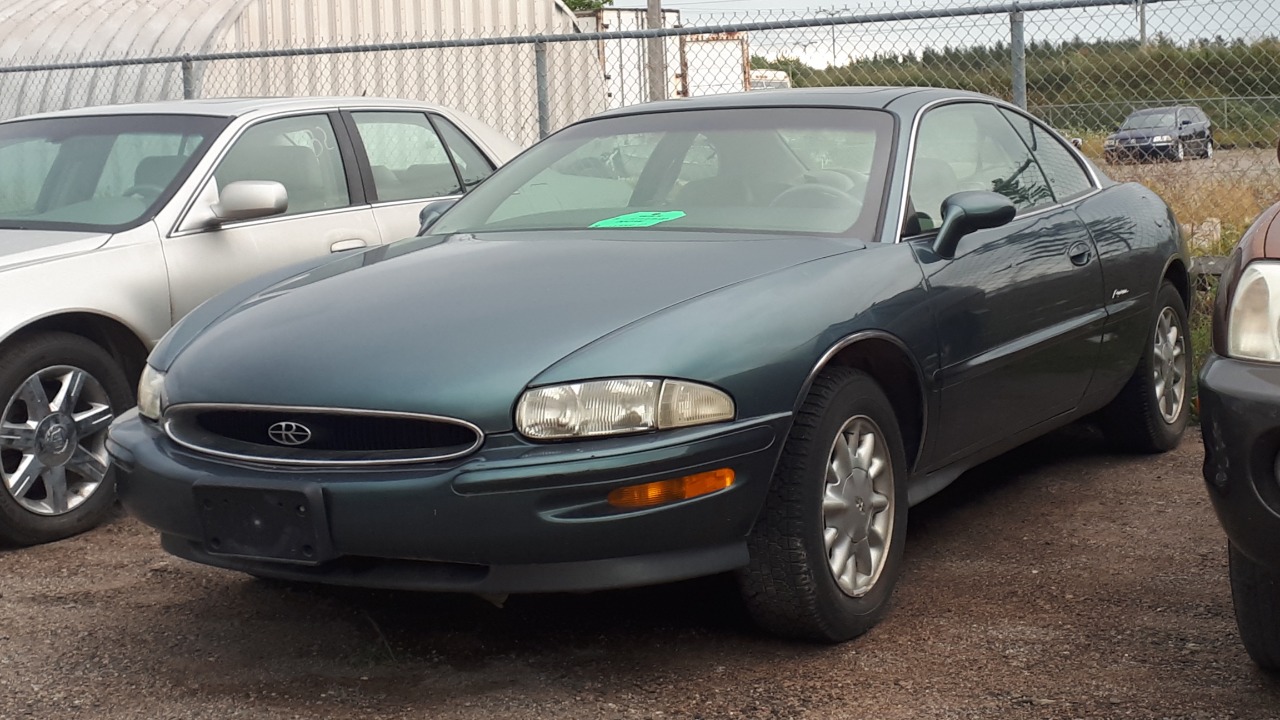
The Buick Riviera, once a symbol of luxury and performance, has seen a decline in popularity among modern car buyers. Many consumers are now hesitant to invest in this classic vehicle, often citing various reasons that align with changing market dynamics and personal preferences.
Historical Context of the Buick Riviera
The Buick Riviera first made its debut in 1963, quickly establishing itself as a luxurious and stylish coupe that appealed to a wide range of drivers. With its sleek design and powerful V8 engines, the Riviera became synonymous with American luxury throughout the 1960s and 70s. The model was lauded for its performance and innovative features, such as the use of a unitized body construction that improved both strength and handling.
However, as the years went on, the Riviera experienced significant changes in both design and performance. By the late 1970s and 1980s, the model began to shift towards a more conservative aesthetic, reflecting changing consumer tastes. The introduction of front-wheel drive in the 1979 model year was a notable change, which some enthusiasts greeted with skepticism. The discontinuation of the Riviera in 1999 marked the end of an era, leaving a void in the luxury coupe market and altering its legacy as a symbol of American automotive excellence.
Perceptions of Brand Image
Buick’s brand image has often been a double-edged sword. While the company has made strides in modernizing its lineup, many potential buyers still associate Buick with an “old person’s car.” This perception is deeply rooted in the brand’s history and the demographic it has traditionally served. As a result, younger drivers may overlook the Riviera in favor of brands perceived as more contemporary, like BMW or Audi.
Branding plays a crucial role in shaping consumer choices, especially in the luxury vehicle market. For instance, Cadillac has successfully rebranded itself to appeal to a younger audience with models like the Cadillac CT5 and CT6, which feature bold designs and advanced technology. Meanwhile, Lexus has solidified its reputation for reliability and luxury, often attracting buyers who value a premium experience without the stigma associated with older brands. As a result, Buick faces an uphill battle in changing these perceptions to attract a new generation of drivers.
Performance and Technology Concerns
When evaluating the Buick Riviera against contemporary luxury vehicles, it’s clear that performance metrics have evolved significantly. Modern cars are equipped with advanced engine technologies, such as turbocharging and hybrid systems, which enhance both efficiency and power. For example, vehicles like the Tesla Model S offer impressive acceleration and cutting-edge technology, making it difficult for older models like the Riviera to compete in terms of driving experience.
Moreover, technological advancements in the automotive industry have changed consumer expectations. Today, buyers prioritize features such as connectivity, driver assistance systems, and infotainment capabilities. The Riviera lacks many of these modern features, which can deter tech-savvy consumers. For instance, the absence of Apple CarPlay or Android Auto in older Riviera models can make the car feel outdated compared to rivals that seamlessly integrate these technologies.
Market Trends and Consumer Preferences
The automotive market has experienced a significant shift towards SUVs and crossovers over the past decade. This trend has left traditional coupes like the Riviera struggling to maintain relevance. Consumers increasingly favor vehicles that offer versatility, cargo space, and the ability to accommodate families, which has pushed coupes to the fringe of the market. According to the automotive research firm IHS Markit, SUV sales accounted for more than 50% of all new vehicle sales in the U.S. in 2020, a clear indication of changing preferences.
Additionally, the growing demand for electric and hybrid vehicles has further complicated the landscape for traditional models. As manufacturers pivot towards more sustainable options, buyers interested in luxury vehicles may gravitate towards brands like Tesla or the Porsche Taycan, which are at the forefront of this movement. The Riviera’s gasoline-powered engine and lack of hybrid options may leave potential buyers feeling that the model is out of touch with current trends.
Pricing and Value Proposition
Pricing strategies for the Buick Riviera have also played a significant role in its decline in popularity. Compared to rivals like the Cadillac Eldorado or Lexus LC 500, the Riviera often does not deliver the same perceived value for its price. For instance, while a used Riviera might be available for a more attractive price point, consumers may question whether they are getting enough features and performance for their investment.
The perceived value of the Riviera can also be influenced by its resale value and long-term ownership costs. Many luxury vehicles tend to depreciate rapidly, and the Riviera is no exception. According to Kelley Blue Book, vehicles that do not maintain strong brand desirability often see higher depreciation rates, which can deter potential buyers who are conscious of long-term costs. This reality can lead to a perception that the Riviera is not a wise investment compared to newer competitors.
Community and Enthusiast Perspectives
Car enthusiasts often have a unique perspective on the Buick Riviera, appreciating its historical significance and classic design. Many vintage car clubs and online forums, such as the Buick Riviera Owners Association, celebrate the Riviera for its styling and performance during its heyday. However, these communities also acknowledge the shortcomings of the model in the context of modern automotive standards. Enthusiasts often highlight the Riviera’s iconic styling but recognize that its lack of modern features can be a significant drawback for new buyers.
Online platforms such as Reddit and specialized automotive forums provide a space for discussions around the Riviera’s appeal and shortcomings. These conversations often reveal a divide between nostalgia and practicality, with some potential buyers drawn to the classic aesthetic while others prioritize modern functionality. For many, the decision to purchase a Riviera may come down to emotional attachment versus the practical needs of everyday driving, further complicating its market position.
In summary, the reluctance of some drivers to invest in the Buick Riviera can be attributed to a combination of historical context, brand perception, performance and technology concerns, shifting market trends, pricing strategies, and community perspectives. While the Riviera holds a special place in automotive history, its appeal has diminished in the face of modern consumer expectations and evolving market dynamics. As the automotive landscape continues to change, it remains to be seen whether the Riviera can reclaim its status or if it will remain a nostalgic relic of the past.
More from Fast Lane Only
- Unboxing the WWII Jeep in a Crate
- 15 rare Chevys collectors are quietly buying
- 10 underrated V8s still worth hunting down
- Police notice this before you even roll window down
*Research for this article included AI assistance, with all final content reviewed by human editors.