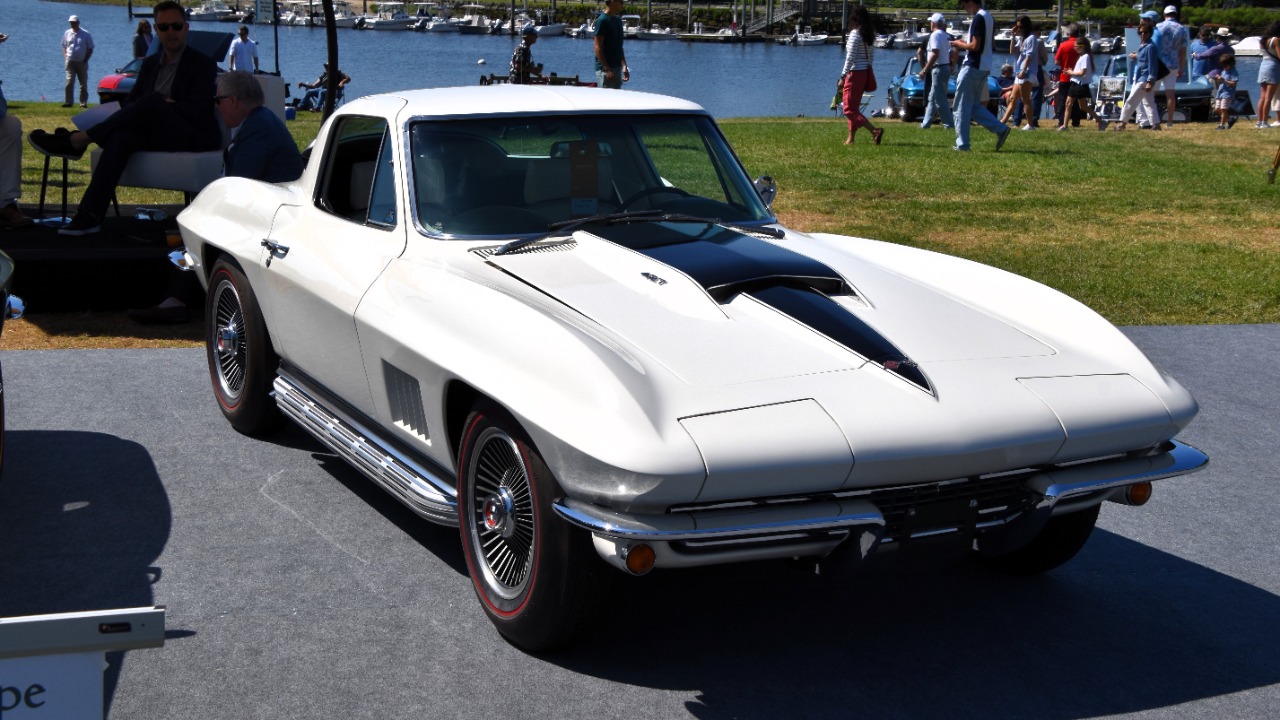
The 1967 Corvette 427 is not just a classic American muscle car; it represents an era of raw power and engineering that continues to haunt modern performance vehicles. Despite advancements in technology and design, the legacy of the ’67 Corvette 427 remains a benchmark for performance enthusiasts.
Historical Significance of the 1967 Corvette 427
The muscle car culture of the 1960s was characterized by an insatiable appetite for power, speed, and style. The Chevrolet Corvette, particularly the 1967 model, played a pivotal role in shaping this landscape. With its sleek lines and aggressive stance, the ’67 Corvette drew the attention of both car enthusiasts and casual observers alike. It wasn’t just a car; it was a symbol of freedom and rebellion during a decade filled with social upheaval and change.
The 1967 Corvette 427 introduced groundbreaking innovations that set it apart from its predecessors. At the heart of this model was the 427 cubic inch (7.0L) V8 engine, which boasted an impressive output of up to 435 horsepower. This was a significant leap from earlier models, showcasing Chevrolet’s commitment to developing high-performance vehicles. Not only did the Corvette raise the bar for engine performance, but it also influenced automotive design and performance standards that would shape the industry for decades to come.
Raw Power and Performance
The specifications of the 427 engine are truly remarkable, especially when compared to modern performance cars. The engine’s torque ratings were astronomical, reaching up to 460 lb-ft, allowing the Corvette to accelerate from 0 to 60 mph in just about 5.5 seconds. In contrast, many contemporary sports cars, while equipped with advanced technology like turbocharging and hybrid systems, often struggle to match the visceral raw power that the ’67 Corvette delivers. A modern example like the 2021 Ford Mustang GT, which produces 450 horsepower, can indeed rival the Corvette in power but often lacks the same straightforward, unfiltered driving experience.
Additionally, the lightweight fiberglass body of the 1967 Corvette contributes significantly to its power-to-weight ratio. Weighing in at around 3,200 pounds, the Corvette is nimble and responsive, making it feel like an extension of the driver’s will. While many modern performance cars have incorporated extensive safety features and luxury amenities that can add weight, the ’67 Corvette embraces simplicity and straightforward engineering, allowing its performance to shine through. Whether it’s the sound of the engine or the feel of the road, the raw experience of driving a Corvette leaves an indelible mark on any enthusiast.
Driving Experience and Handling
Driving the 1967 Corvette 427 is an experience unlike any other. The steering is direct, providing an exhilarating connection between the driver and the road. Unlike many modern cars, which often employ electronic steering systems that can dull the feedback, the Corvette’s mechanical steering is pure and engaging. Every curve and bump in the road is felt, enhancing the overall driving experience and creating a sense of unity between man and machine.
When I compare the driving dynamics of the ’67 Corvette to modern vehicles, the differences become starkly apparent. While cars like the 2023 Chevrolet Corvette C8 offer advanced handling capabilities and high-tech performance features, they sometimes prioritize speed and efficiency over the raw, engaging feel of classic cars. The psychological effect of driving a vintage muscle car, with its rumbling V8 and classic aesthetics, creates a unique emotional connection that modern cars may struggle to replicate. There’s a thrill in feeling the vibrations of the engine through the chassis that modern cars, with their sound insulation and comfort, often lack.
Enduring Legacy and Cultural Impact
The 1967 Corvette has earned its place as a collector’s item, with pristine models fetching prices well into the hundreds of thousands of dollars at auctions. This appreciation reflects not just its performance but also its status as an icon of American automotive history. Collectors and enthusiasts alike recognize the ’67 Corvette as a benchmark, a standard against which other performance cars are measured. Its rarity and desirability have only increased over the decades, solidifying its status in the classic car market.
Moreover, the Corvette has permeated popular culture in various forms, appearing in films such as “Corvette Summer” and the iconic “Transformers” series. Its representation in music, from the Beach Boys’ “Little Deuce Coupe” to its appearances in car shows, reinforces its cultural significance. The Corvette has not only influenced automotive design but has become a symbol of American engineering prowess and individuality. Even today, it continues to inspire the design and marketing strategies of modern performance cars, reminding us of the timeless appeal of raw power and performance.
Technological Advancements vs. Classic Charm
In recent years, modern performance cars have incorporated numerous technological advancements, including turbocharging, advanced aerodynamics, and sophisticated traction control systems. These innovations have undeniably elevated performance capabilities, allowing vehicles to achieve remarkable speeds and improved handling. For instance, the 2022 Porsche 911 Turbo S utilizes a twin-turbocharged engine to produce a staggering 640 horsepower and can accelerate from 0 to 60 mph in just 2.6 seconds, showcasing the heights of modern engineering.
However, the simplicity and mechanical charm of the 1967 Corvette create a counterpoint to this modern complexity. Unlike the plethora of electronic systems found in contemporary cars, the ’67 Corvette offers a straightforward driving experience that puts the driver in control. Many enthusiasts argue that the raw power and driver involvement provided by classic cars like the Corvette outweigh the benefits of modern technological enhancements. The thrill of manually shifting gears, feeling the engine’s vibration, and hearing the roar of the exhaust are experiences that modern performance vehicles often dilute with their advanced systems.
Conclusion: The Timeless Fear Factor
The psychological impact of the 1967 Corvette 427 on modern performance car enthusiasts is undeniable. Even decades after its release, the raw power and thrilling driving experience it offers remain a point of reference for both classic car lovers and modern manufacturers. The legacy of the ’67 Corvette continues to set high standards for power, driving excitement, and cultural relevance in the automotive world.
As I reflect on the enduring thrill of the classic Corvette, I am reminded that its place in automotive history is not just about the numbers or performance metrics. It’s about the connection it fosters between the driver and the machine, the memories created, and the stories shared. The 1967 Corvette 427 will forever stand as a testament to an era where power and passion took center stage, forever haunting the modern performance car landscape.
More from Fast Lane Only
- Unboxing the WWII Jeep in a Crate
- 15 rare Chevys collectors are quietly buying
- 10 underrated V8s still worth hunting down
- Police notice this before you even roll window down
*Research for this article included AI assistance, with all final content reviewed by human editors.