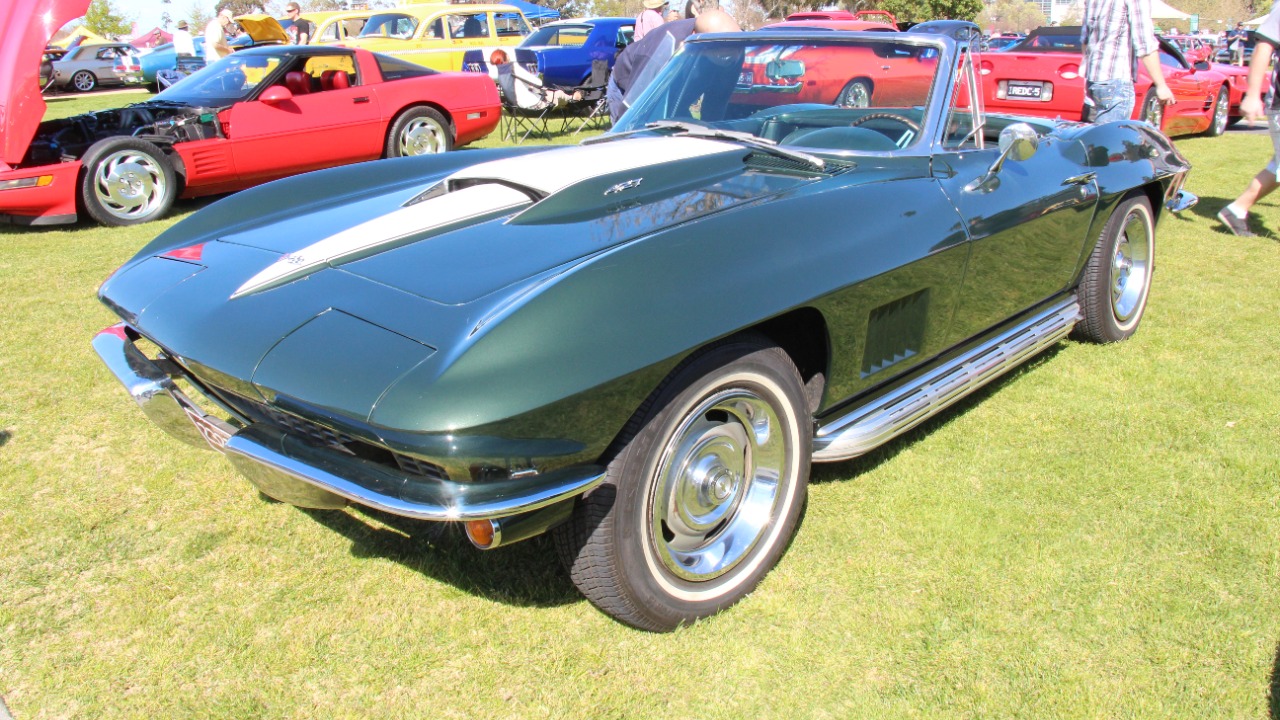
The 1967 Corvette, a stunning blend of design and performance, has left an indelible mark on automotive history. Its bold aesthetics and raw power continue to resonate, making many modern vehicles seem soft and unassuming in comparison.
Design Philosophy: The Bold Aesthetics of the 1967 Corvette
The 1967 Corvette stands as a testament to the era’s audacious design ethos, characterized by sharp lines and an aggressive stance. The most recognized feature, the iconic split-window design, not only made the car visually striking but also functional, enhancing aerodynamics. The elongated hood and muscular rear fenders project a sense of speed even when the car is stationary. This design was reflective of the spirit of the 1960s, a time when American culture was embracing boldness and freedom, and the Corvette was at the forefront of this movement.
Moreover, the design elements of the 1967 Corvette were influenced by the growing popularity of sports cars and the burgeoning muscle car culture. It embraced the principles of form following function, where every curve and contour served a purpose, whether it was to improve airflow or enhance stability at high speeds. Even today, the 1967 Corvette remains a desirable classic, a symbol of automotive artistry that continues to inspire modern designers. Its timeless appeal is evident in how contemporary car designs often pay homage to the sharp, aggressive aesthetics that defined this remarkable model.
Performance Metrics: Raw Power and Engineering
When it comes to performance, the 1967 Corvette is nothing short of legendary. It offered a range of engine options, including the iconic L88, which boasted an impressive 430 horsepower. This power was a game-changer in its time, allowing the Corvette to reach 0-60 mph in just over 5 seconds. Comparatively, many modern sports cars, despite their technological advancements, often prioritizing refinement over raw power, struggle to deliver the visceral thrill that the 1967 model provides. The Corvette’s ability to achieve impressive speeds coupled with its agile handling creates an exhilarating driving experience that is hard to match.
The driving experience of the 1967 Corvette transcends mere numbers. There is a unique connection between driver and machine that is increasingly hard to find in today’s vehicles. The feedback from the steering wheel, the sound of the engine, and the feeling of the road through the chassis create a sense of engagement that modern cars, with their electronic controls and muted sounds, often lack. Many contemporary vehicles offer impressive performance metrics on paper, but they can feel sanitized, stripped of the raw emotional connection that the 1967 Corvette effortlessly provides.
Technological Simplicity vs. Modern Complexity
The technological landscape of the automotive industry has transformed dramatically since the 1960s. The 1967 Corvette stands as a bastion of mechanical simplicity, with straightforward systems that prioritize driver engagement. In contrast, modern vehicles are laden with complex technology, including advanced driver-assistance systems, adaptive cruise control, and intricate infotainment setups. While these advancements certainly enhance safety and convenience, they can also create a disconnect between the driver and the driving experience.
Driver involvement is a critical component of the joy of driving, and the absence of modern tech in the Corvette enhances this aspect. The lack of features like lane-keeping assist or automatic emergency braking means that the driver is fully engaged in the act of driving. This engagement fosters a deeper appreciation for the performance and capabilities of the vehicle. Additionally, maintenance and repair of the 1967 Corvette is often simpler; enthusiasts can easily access the engine, replace parts, and perform modifications without the need for specialized tools or extensive diagnostic equipment. In contrast, modern cars often require specialized knowledge and equipment to diagnose and repair electronic issues, making them less accessible for the average car enthusiast.
The Cultural Impact: Corvette as a Symbol of Freedom
The 1967 Corvette is more than just a car; it is a symbol of freedom and adventure, embodying the spirit of 1960s America. During a time of social change and cultural upheaval, the Corvette represented the open road and the allure of the American Dream. Its sleek design and powerful performance made it the perfect vehicle for those looking to escape the constraints of everyday life. The Corvette became synonymous with the idea of hitting the road, exploring new horizons, and experiencing life to the fullest.
Pop culture has played a significant role in cementing the Corvette’s status as an icon. From its appearances in movies like “Route 66” to its features in songs from artists such as Jan and Dean, the Corvette has been celebrated as a symbol of youthful rebellion and adventure. Its presence in literature and media has not only highlighted its automotive prowess but also its cultural significance as a representation of freedom and individuality. The 1967 Corvette has left a lasting legacy that continues to inspire future generations of car enthusiasts and serves as a reminder of a time when American cars were built for performance and style.
Comparative Analysis: Modern Cars and Their Softness
In many ways, the modern automotive landscape is characterized by a shift toward comfort and convenience, often at the expense of raw performance. Features such as adaptive suspensions, automatic transmissions, and an array of safety systems have become standard in many vehicles. While these advancements enhance comfort and make driving easier, they can also contribute to a sense of detachment from the driving experience. The 1967 Corvette, with its mechanical simplicity and direct feedback, offers a stark contrast to this trend, inviting drivers to truly connect with their vehicle.
Safety features, while undoubtedly important, can sometimes detract from the thrill of driving. In pursuit of consumer safety, manufacturers have introduced numerous technologies designed to mitigate risk, such as stability control and collision avoidance systems. However, these features can create a buffer between the driver and the car, dulling the excitement that comes from pushing a vehicle to its limits. The 1967 Corvette delivers a raw driving experience that modern vehicles often lack, allowing drivers to fully embrace the adrenaline of high-speed maneuvers and tight corners.
Market trends have also shifted, with consumer preferences increasingly leaning toward practicality and efficiency. As a result, the raw sports car niche has diminished, leaving models like the 1967 Corvette as rare specimens of automotive passion. While modern cars may excel in technology and comfort, they often lack the character and soul that define the classic Corvette. This shift has created a unique space for the 1967 model, allowing it to stand out as a beacon of what driving used to be, reminding enthusiasts of the joy that comes from a pure, unfiltered automotive experience.
Community and Enthusiasm: The Cult Following of the 1967 Corvette
The passion surrounding the 1967 Corvette extends far beyond the car itself; it has fostered a vibrant community of enthusiasts who celebrate its legacy. Car clubs and gatherings dedicated to the Corvette bring together fans from all walks of life, creating a sense of camaraderie among those who share a love for this iconic vehicle. Events such as the National Corvette Museum’s annual Corvette Homecoming showcase the dedication and enthusiasm of owners who take pride in their cars, sharing stories and experiences that transcend generations.
Restoration and preservation efforts play a vital role in maintaining the legacy of the 1967 Corvette. Owners often invest significant time and resources into restoring these classic cars to their original glory, ensuring that future generations can appreciate their beauty and performance. This dedication not only contributes to the car’s lasting legacy but also fosters a sense of connection among enthusiasts, creating a lineage of passion that is passed down through generations. The love for the 1967 Corvette becomes a shared experience, bridging age gaps and uniting car lovers under a common banner.
As I reflect on the 1967 Corvette, it’s clear that its allure goes beyond mere aesthetics and performance. It represents a time in automotive history when cars were built with passion and purpose. This connection to the past is what fuels the enthusiasm for the 1967 model, allowing it to maintain a revered place in the hearts of car lovers around the world. The Corvette’s legacy is not just about horsepower and speed; it is about the shared experiences, the stories, and the unyielding passion for driving that continues to inspire new generations of enthusiasts.
More from Fast Lane Only
- Unboxing the WWII Jeep in a Crate
- 15 rare Chevys collectors are quietly buying
- 10 underrated V8s still worth hunting down
- Police notice this before you even roll window down
*Research for this article included AI assistance, with all final content reviewed by human editors.