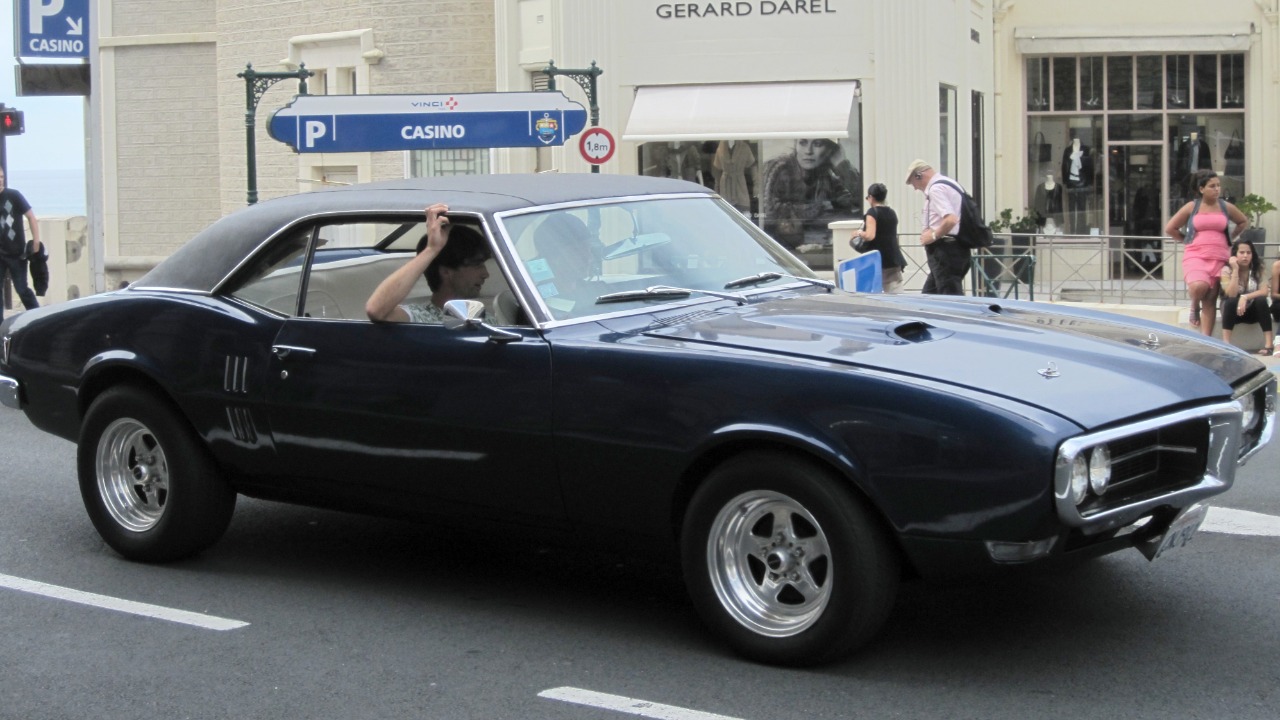
The 1968 Pontiac Firebird arrived as a corporate sibling to the Chevrolet Camaro, but it never behaved like a kid brother. Built on the same F-Body bones yet tuned to a different personality, it blended muscle car aggression with a more upscale, almost European sense of style and comfort. That mix is why, decades later, I still see the 1968 car as the moment the Firebird stepped out from Camaro’s shadow and claimed its own lane.
Shared DNA, very different ambitions
On paper, the 1968 Pontiac Firebird and the 1968 Chevrolet Camaro were as close as two cars could be. They were General Motors siblings, born from the same F-Body architecture and aimed squarely at the pony car market that had exploded after the Ford Mustang arrived. The Camaro, introduced in 1967 as Chevrolet’s answer to the Mustang, quickly built a reputation as a straightforward performance coupe, while Pontiac’s entry leaned into a more nuanced blend of speed and sophistication that appealed to a different kind of buyer. One period description of the pair framed them as two flavors of speed and style, with enthusiasts openly admitting that either one would satisfy, but some would always say “Firebird for me” when it came time to choose.
That divergence in character was not an accident. Within General Motors, Chevrolet was expected to chase volume and headline-grabbing performance, while Pontiac had room to experiment with a slightly more premium image. The Camaro’s mission was to fight the Mustang on its own turf, which meant aggressive pricing and a broad spread of trim levels, from basic six-cylinder commuters to track-focused packages. Pontiac, by contrast, positioned the Firebird as a car for drivers who wanted muscle without giving up comfort or a bit of flair, a distinction that becomes clear when you look at how enthusiasts compare The Camaro and its Pontiac counterpart today.
Styling that refused to blend in
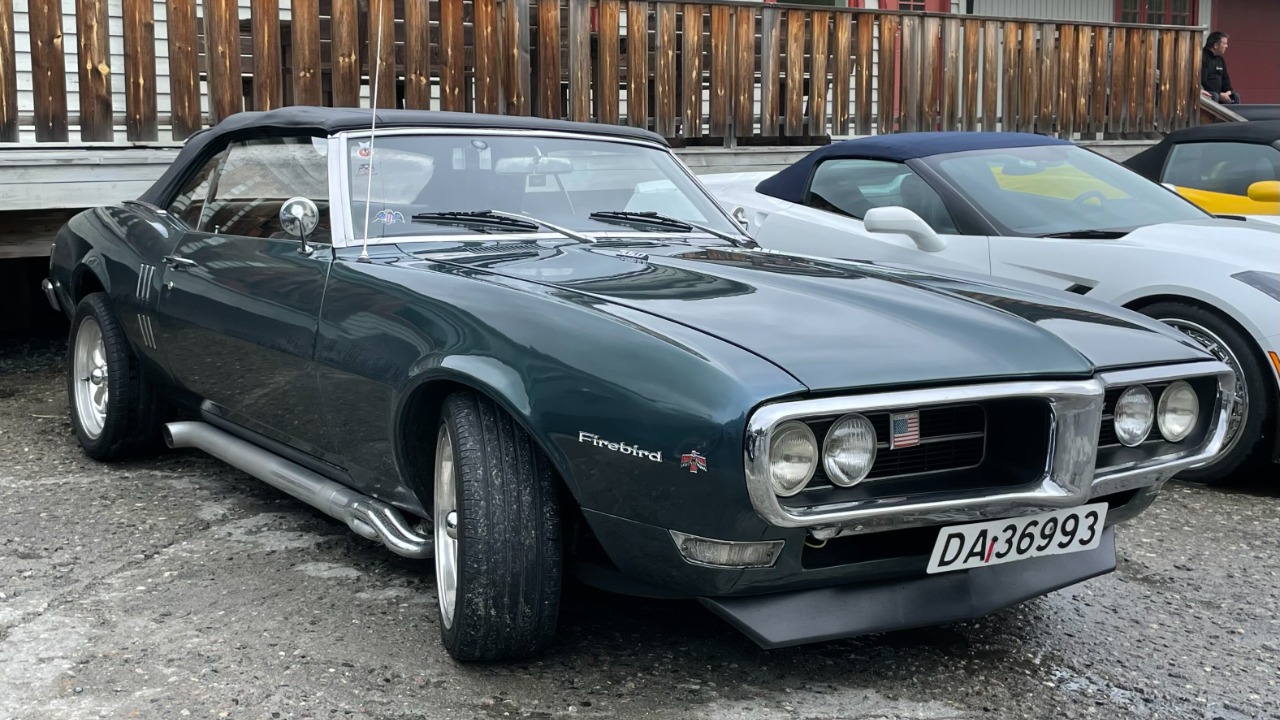
Even before you pop the hood, the 1968 Pontiac Firebird makes its case visually. The first generation Firebird wore the same basic “Coke bottle” proportions as the Chevrolet Camaro, with muscular rear haunches and a tight waistline, but Pontiac’s designers carved out a more streamlined and almost delicate look. The front fascia, with its split grille and hidden bumper lines, gave the car a distinctive face that separated it from the more squared-off Camaro, and the rear treatment continued that theme with unique taillamps and trim that made the car instantly recognizable from behind. That shared Coke bottle silhouette tied the two cars together, yet the Pontiac details pushed the Firebird toward a sleeker, more refined identity than its Chevrolet cousin.
Small changes between 1967 and 1968 also helped the Firebird develop its own visual rhythm. From the rear, the 1967 and 1968 Base Model cars look nearly identical at a glance, but closer inspection reveals the subtle evolution that Pontiac pursued. Enthusiasts who study Rear Identification cues point out that the 1967 car carried a Pontiac arrowhead emblem, while the 1968 model replaced that with a side marker lamp, a change that aligned with new safety rules but also cleaned up the tail panel. Those kinds of details, the ones you only notice From the second or third walkaround, are part of why I see the 1968 Firebird as more than just a rebadged Camaro, a point underscored when you learn how to spot the differences in the first generation cars at Oct Base Model Rear Identification From the.
Luxury instincts in a muscle car world
Where the 1968 Pontiac Firebird really broke from Camaro tradition was inside the cabin and in the way Pontiac equipped the car. Even though the Firebird was loaded with more luxury features, it was still at its heart a performance car, which meant buyers could enjoy better trim, more sound insulation, and a richer dashboard layout without sacrificing the thrill of a strong V8. That balance of comfort and speed became a defining trait, and it is one reason many drivers who might have aged out of bare-bones muscle gravitated toward Pontiac’s interpretation of the F-Body formula. The Firebird felt like a car you could drive to work all week and still take to the drag strip on Saturday night.
Crucially, Pontiac did not let the extra comfort dull the car’s edge. Under the hood, the Firebird lineup included serious performance engines that could stand toe to toe with Chevrolet’s best, and enthusiasts often compare specific Firebird V8s directly with the Camaro Z/28’s 290 hp small block. That comparison highlights how Pontiac managed to keep the Firebird competitive in straight-line performance while still offering a more polished experience overall. When I look at period discussions that stress how Even though the Firebird was more luxurious it remained a true muscle machine, I see a clear argument that Pontiac was not chasing the same customer as Chevrolet, a point reinforced in analyses that note, However, the Pontiac Firebird was never meant to scoop the exact same buyers as the Z/28’s 290-hp crowd, as explored in Nov However Pontiac Firebird and Nov Even Firebird.
Engineering choices that set a template
Although the 1968 Pontiac Firebird belongs to the first generation, it helped set patterns that would carry into the Second Generation F-Body cars that arrived for 1970. The shared platform meant that both Camaro and Firebird benefited from a low, wide stance and improved suspension geometry, but Pontiac consistently tuned its version for a slightly more composed ride and a more modern look and improved ergonomics. That approach, which balanced handling with day to day livability, can be traced back to the way Pontiac treated the earlier cars, including the 1968 model, as more than just straight line bruisers. The engineering teams understood that their buyers wanted a car that could corner confidently without punishing them on rough pavement.
Those choices helped the Firebird build a reputation as the more sophisticated sibling in the F-Body family. While Chevrolet leaned into raw performance and aggressive marketing, Pontiac quietly refined steering feel, interior layout, and overall driver comfort, creating a car that felt more grown up without losing its edge. When I read technical breakdowns that explain how the Camaro and Firebird were both transformed in Feb with a significant redesign of the Second Generation Body, I see a continuation of the same philosophy that shaped the 1968 car, a philosophy that is captured in analyses of the Feb Second Generation Body differences.
A ferocious personality that aged into legend
For all its refinement, the 1968 Pontiac Firebird could still be downright ferocious when properly optioned. Modern enthusiasts often single out high performance versions of the car as some of the most intense muscle machines of their era, praising the way they combine brutal acceleration with that distinctive Pontiac styling. Watching contemporary deep dives that describe the 1968 Pontiac Firebird as one of the most ferocious muscle cars ever built, I am reminded that this car was never just a pretty face. It had the hardware and the attitude to back up its looks, and that combination is what keeps it near the top of collector wish lists today.
What strikes me most, looking back, is how fully formed the Firebird’s identity already was by 1968. It shared its basic structure with the Camaro, chased the same broad market, and rolled out of the same corporate ecosystem, yet it spoke to drivers who wanted something a little more polished, a little more individual. That is why, when enthusiasts revisit the era on shows like Dec Muscle Car of the Week Pontiac Firebird or pore over historical summaries that note how the Firebird’s Coke bottle styling gave it a more streamlined look than the Camaro, they tend to talk about the car as a standalone icon rather than a derivative spin off. In my view, that is the ultimate proof that the 1968 Pontiac Firebird did not just escape Camaro’s shadow, it lit its own path, a point underscored in accounts of how the Firebird Coke Chevrolet Camaro Announcing its presence with a style and spirit all its own.