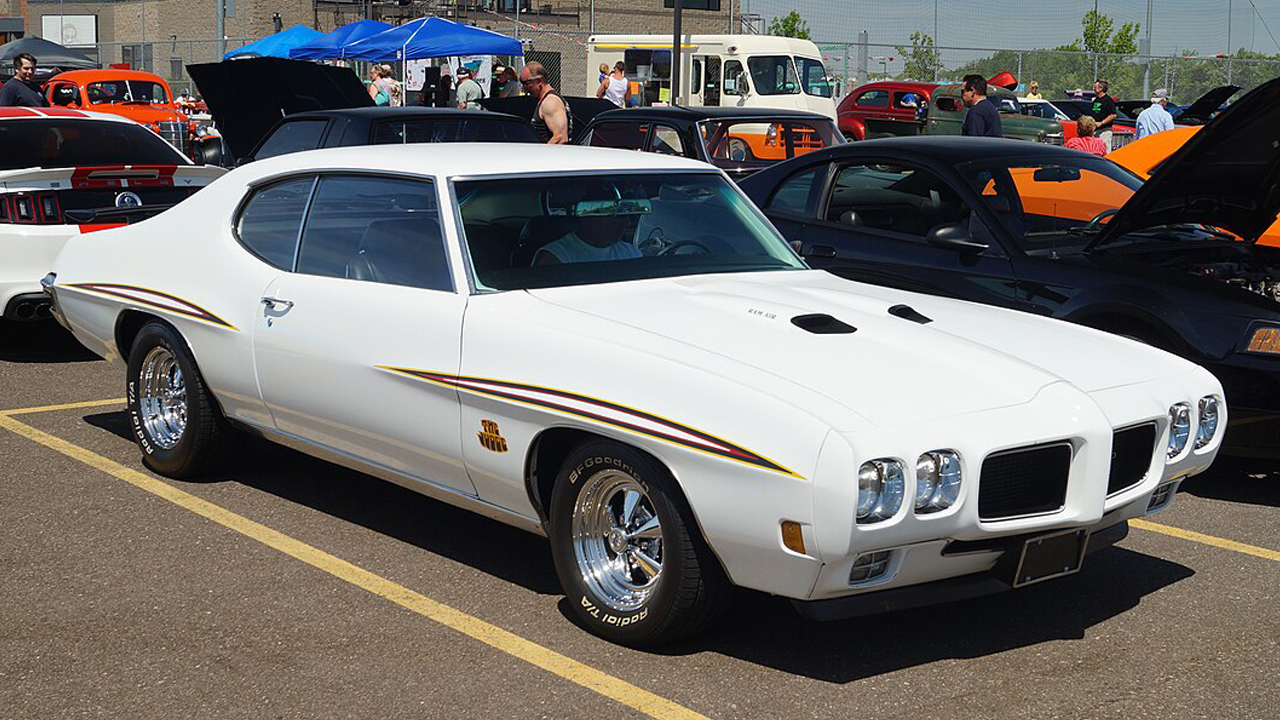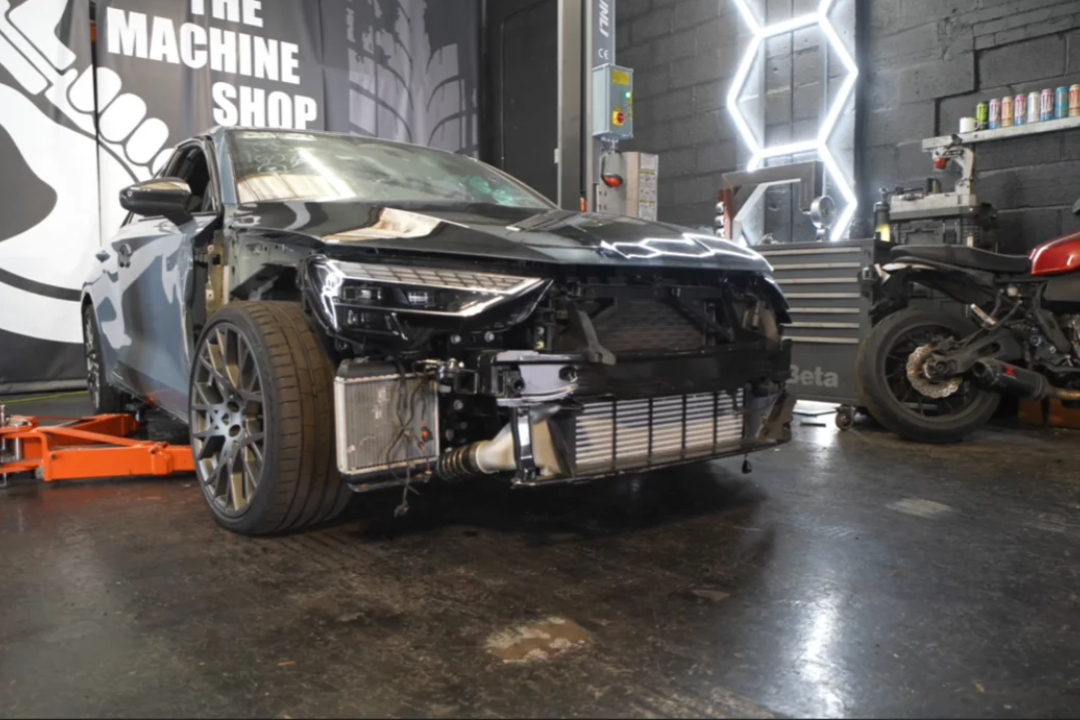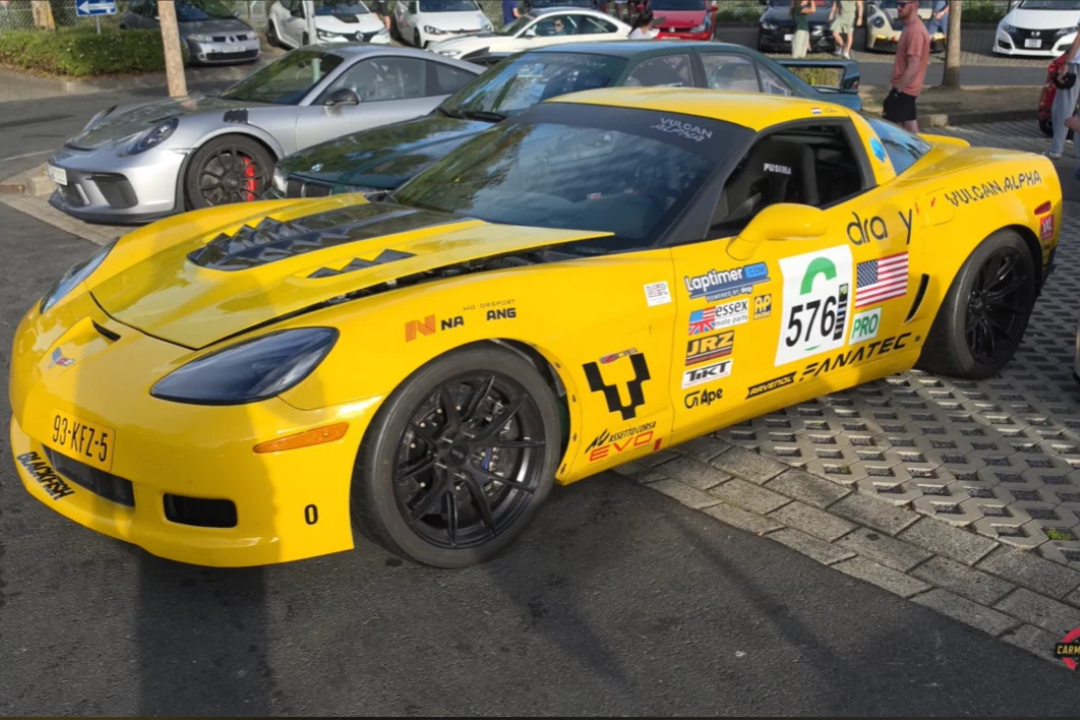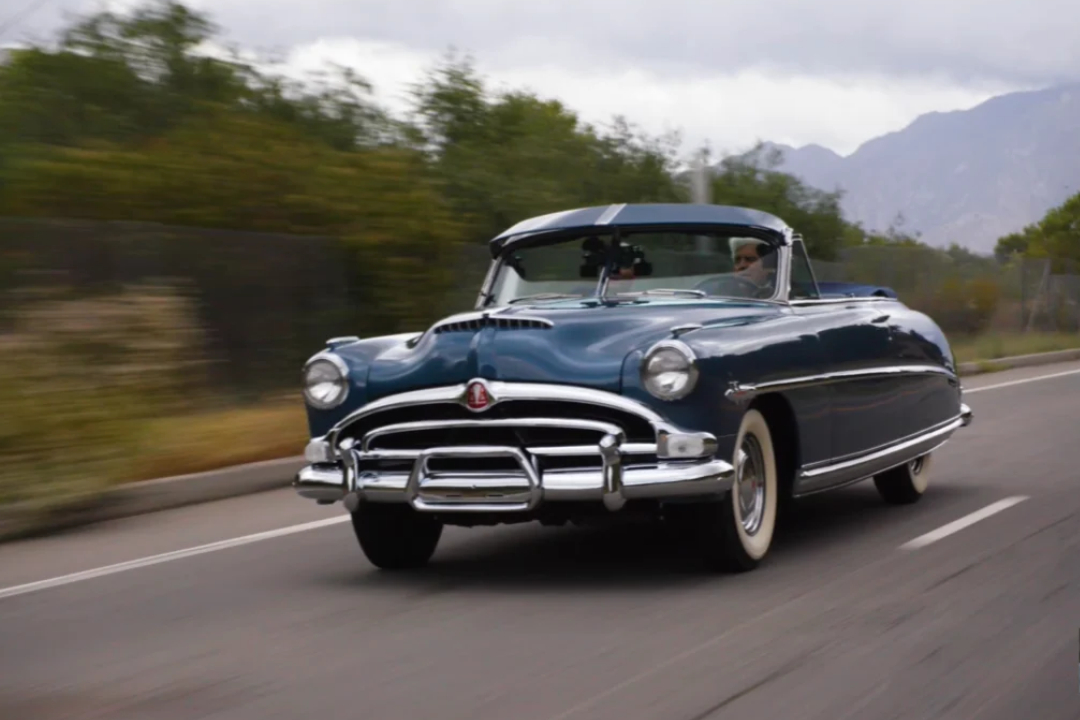
The 1970 Chevrolet concept car was an innovative marvel of its time, showcasing bold design and advanced technology. Despite its promise, it never made it to production, leaving enthusiasts and historians to speculate on the reasons behind its failure to launch. The automotive landscape was evolving rapidly, yet the concept faced numerous challenges that ultimately hindered its journey from the drawing board to the showroom.
Historical Context
The automotive landscape of the 1970s was marked by significant changes and innovations. The decade began with a strong demand for muscle cars and powerful engines, epitomized by models such as the Chevrolet Camaro and the Ford Mustang. However, this era was soon disrupted by a variety of factors that reshaped consumer priorities and industry standards. The introduction of more stringent emissions regulations, and shifting consumer preferences towards fuel efficiency, began to challenge the traditional American car manufacturing approach.
The oil crisis of 1973 further exacerbated these changes. Suddenly, fuel prices skyrocketed, and long-gas guzzlers fell out of favor. Consumers began seeking compact and fuel-efficient vehicles, prompting American automakers to rethink their strategies. This shift placed additional pressure on companies like Chevrolet, which had built its reputation on larger, more powerful vehicles. The crisis underscored a broader concern about sustainability and efficiency, influencing not only consumer choices but also corporate strategies across the automotive industry.
Moreover, competition from foreign automakers, particularly Japanese companies like Toyota and Honda, intensified during the 1970s. These brands began to gain traction in the U.S. market by offering small, reliable, and fuel-efficient vehicles. This competition forced American manufacturers to adapt quickly or risk losing market share. In this rapidly changing environment, the 1970 Chevrolet concept car emerged, but it faced significant hurdles that would ultimately prevent it from reaching production.
Design and Features of the Concept
The 1970 Chevrolet concept was remarkable for its innovative design elements and engineering feats. Sporting a low, aggressive stance and bold lines, the concept embodied the futuristic aesthetics that many consumers were beginning to embrace. Its aerodynamic shape was not only visually striking but also aimed at improving fuel efficiency, which was becoming a critical selling point in the wake of the oil crisis. The design team incorporated features like retractable headlights and a unique rear profile that set it apart from contemporary models.
Unique features included advanced materials and technology that were ahead of their time. For instance, the use of lightweight composites aimed to enhance performance without compromising safety. Inside, the concept boasted state-of-the-art instrumentation and comfort features, catering to a modern audience that prioritized both style and functionality. The vehicle targeted a younger demographic seeking a blend of performance, cutting-edge technology, and aesthetic appeal, making it a fitting representation of the era’s desire for innovation.
However, while the concept was designed with great ambition, the very attributes that made it stand out also contributed to its downfall. The complexity of its design raised questions about manufacturability and cost-effectiveness, which were critical considerations for corporate decision-makers at General Motors during a time of economic uncertainty.
Corporate Decisions and Priorities
Chevrolet’s strategic focus during the 1970s was heavily influenced by the shifting automotive landscape. The company needed to pivot quickly in response to new consumer demands and economic pressures. As a result, Chevrolet prioritized more immediate projects that aligned with the prevailing market trends, such as compact cars that offered better fuel efficiency. This strategic shift diverted attention and resources away from the ambitious 1970 concept, which was seen as a high-risk venture.
Internal debates within General Motors (GM) further complicated the concept’s path to production. While some executives championed the innovative features and potential market appeal of the concept, others raised concerns about feasibility and return on investment. This internal conflict was emblematic of the broader challenges faced by American automakers at the time, as they struggled to balance innovation with practical business considerations.
Financial constraints also played a significant role in the decision-making process. With the economic downturn and the oil crisis impacting sales, GM had to allocate its resources judiciously. The company opted to focus on more traditional models that guaranteed a quicker return on investment, effectively sidelining the 1970 Chevrolet concept. Ultimately, the combination of shifting priorities, internal debates, and financial pressures left the concept without the support it needed to transition from a prototype to a production vehicle.
Market Reception and Feedback
The reception of the 1970 Chevrolet concept at auto shows was initially positive, with automotive journalists and enthusiasts hailing its innovative design and features. Attendees were captivated by its futuristic aesthetic and the promise of advanced technology. However, as the realities of the automotive market began to set in, the initial excitement waned. The public’s growing interest in fuel-efficient vehicles and smaller cars overshadowed the concept’s ambitious vision.
Consumer interest and market trends at the time were heavily influenced by the economic climate. As the oil crisis took hold, buyers became more focused on practicality and cost-effectiveness. Models like the Chevrolet Vega and the Ford Pinto gained popularity for their affordability and fuel efficiency, leaving less room for a high-performance, luxury-oriented concept. Feedback from focus groups indicated that potential buyers were hesitant to embrace a vehicle that did not align with the prevailing sentiment towards smaller, more economical cars.
Additionally, various industry analysts pointed out that the design, while innovative, may not have resonated with the mainstream consumer. Many consumers were still loyal to traditional American muscle cars and larger sedans, leading to a disconnect between the concept’s vision and market reality. This mismatch in expectations contributed to the decision to shelve the project, as Chevrolet shifted its focus to more viable options that aligned with consumer demands.
Technological Limitations
The engineering and manufacturing challenges associated with the 1970 Chevrolet concept were significant. The advanced features that set the concept apart, such as its lightweight construction and innovative drivetrain, posed challenges that the technology of the time struggled to address. For instance, while the use of composites promised weight savings, the manufacturing processes to produce these materials at scale were still in their infancy, raising concerns about reliability and cost.
Reliability and safety concerns were also paramount. The concept’s complex systems and untested technologies raised questions about its long-term performance and safety in real-world conditions. As automotive safety standards became more stringent in the 1970s, any unresolved issues could have led to significant liability and reputational risks for Chevrolet. Ultimately, the technological hurdles associated with the production of the concept underscored the difficulties of bringing such an ambitious vision to market.
Furthermore, as technology advanced rapidly, several features that were cutting-edge at the time of the concept’s unveiling became obsolete before they could even be implemented in production. The automotive industry was moving towards more reliable and efficient technologies, rendering some of the concept’s innovations less relevant. This rapid pace of change made it challenging for Chevrolet to justify the investment required to bring the concept to market.
Legacy and Impact
Despite its failure to reach production, the 1970 Chevrolet concept left a lasting legacy on future automotive designs. Its bold aesthetics and innovative features influenced the direction of subsequent models, as designers and engineers sought to incorporate elements of its vision into more mainstream vehicles. The concept served as a reminder of the potential for creativity and innovation within the automotive industry, inspiring future generations of designers.
Moreover, the concept played a role in shaping public expectations for performance and aesthetics in vehicles. The ideas it presented about aerodynamics, lightweight materials, and advanced technology would eventually find their way into production cars, paving the way for models like the Chevrolet Corvette in the following years. Consumers began to expect not only performance but also a level of design sophistication that the concept had exemplified, influencing the broader automotive market for years to come.
Today, the 1970 Chevrolet concept remains a point of fascination among collectors and car enthusiasts. Its story serves as a reminder of the challenges faced by automotive manufacturers during a time of rapid change. The enduring interest in the concept demonstrates that, while it may not have reached production, its influence continues to resonate within the automotive community, inspiring discussions about design, technology, and the future of the vehicle industry.
More from Fast Lane Only
- Unboxing the WWII Jeep in a Crate
- 15 rare Chevys collectors are quietly buying
- 10 underrated V8s still worth hunting down
- Police notice this before you even roll window down
*Research for this article included AI assistance, with all final content reviewed by human editors.