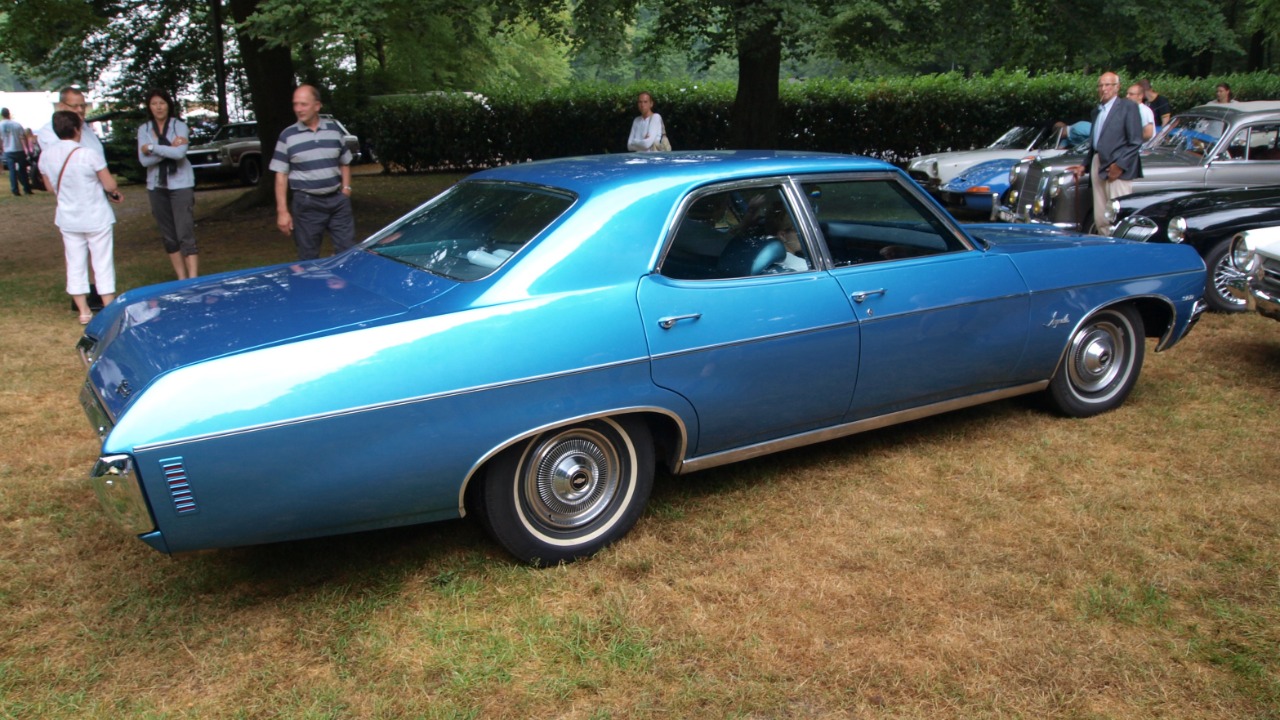
The 1970 Chevrolet Impala SS 454 arrived at the peak of the original muscle car era, but it played by different rules. Instead of a stripped midsize coupe, Chevrolet stuffed serious big-block power into a full-size family body, creating a car that could haul five adults in comfort and still light up the rear tires. That mix of size, speed, and surprising subtlety is why the Impala SS 454 still fascinates enthusiasts more than five decades later.
Viewed today, the big Impala looks almost understated compared with vinyl-striped Chevelles and winged Mopars, yet its combination of a 454 cubic inch V8, long-wheelbase ride, and quiet luxury made it one of the most complete performance cars General Motors put on the street.
The big-block heart of the SS 454
Any story about the 1970 Impala SS 454 starts under the hood. Chevrolet’s 454 cubic inch V8 was the largest displacement passenger-car engine the division had ever offered, and it quickly became a defining powerplant of the early 1970s. In LS5 form it produced a factory-rated 390 horsepower and a mountain of torque, enough to move a full-size Impala with startling authority.
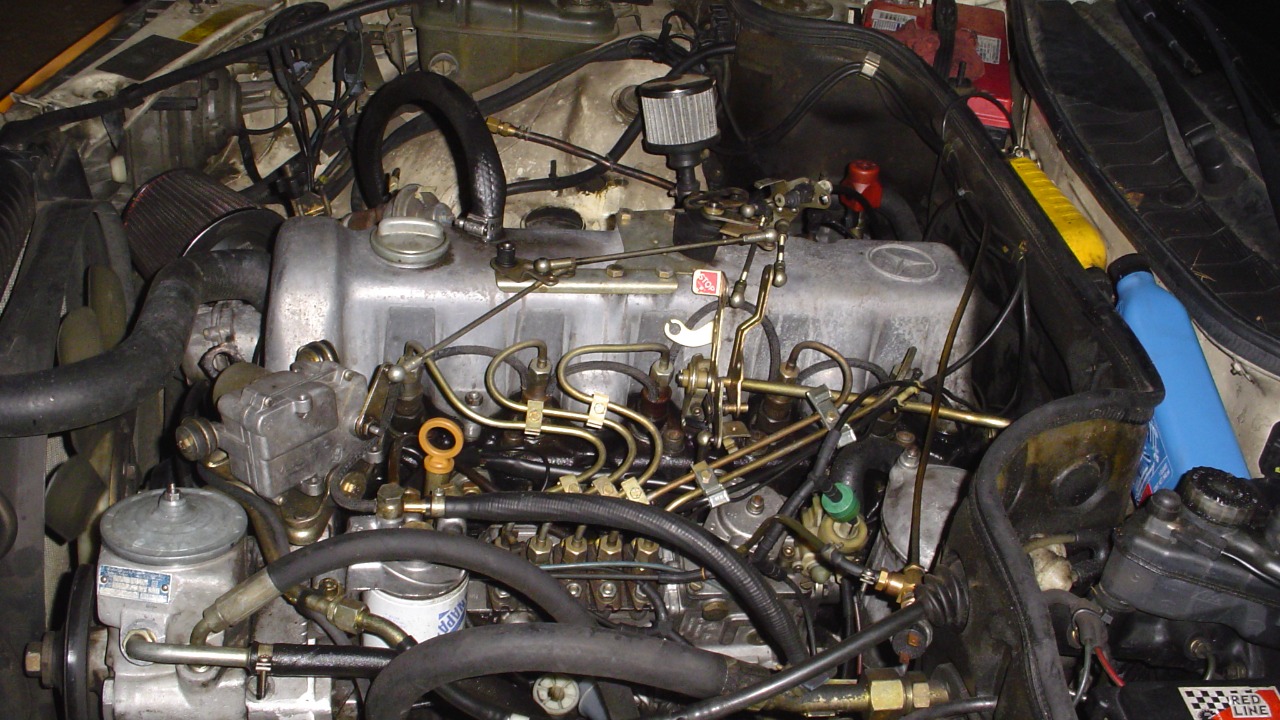
The 454 was part of Chevrolet’s Mark IV big-block family, an evolution of the earlier 396 and 427 engines that already had a strong reputation in both drag racing and NASCAR. Engineers enlarged the bore to reach 454 cubic inches, then paired that capacity with high-flow cylinder heads and generous camshaft profiles. Period testing showed that this engine delivered the kind of low-end thrust that made even a heavy car feel light on its feet, a trait that helped the 454 become the big-block many enthusiasts still regard as the face of the era. That reputation is reflected in modern coverage of the Chevy 454 engine, which highlights its enduring status among collectors and builders.
In the Impala SS, the 454 could be paired with either a Turbo Hydra-Matic automatic or a four-speed manual, and both setups turned the car into a serious straight-line performer. The automatic suited the car’s luxury mission, while the four-speed appealed to drivers who wanted a full-size car that still felt connected and involving.
Full-size body, muscle car attitude
The Impala had been Chevrolet’s volume full-size model for years, a familiar sight in suburban driveways and police fleets. By 1970, the body wore clean, almost formal lines with a long hood, short rear deck, and broad C-pillars. The SS 454 package did not radically change that appearance. Instead, it added subtle cues: discreet SS badging, unique wheel covers or rally wheels, and often a blacked-out grille.
That visual restraint is part of the car’s appeal. Where a Chevelle SS 454 shouted its intentions with stripes and cowl-induction hoods, the Impala SS 454 could pass for a well-optioned family sedan until the driver tipped into the throttle. The long wheelbase and wide track gave it a planted stance, and the suspension tuning balanced comfort with enough firmness to keep the big car composed at speed.
Inside, the Impala leaned into its full-size mission. Wide bench seats or optional buckets, generous rear legroom, and a large trunk meant the car could handle cross-country trips with ease. Power accessories, air conditioning, and upscale trim were common. The SS package added sportier instrumentation and details, but the cabin still felt closer to a luxury sedan than a bare-bones drag car.
From 409 legend to 454 heavyweight
The 1970 SS 454 did not appear out of nowhere. Chevrolet had already experimented with high-performance full-size Impalas earlier in the decade, most famously with the 409 cubic inch V8. That engine turned the early 1960s Impala SS into a street and strip icon, and survivors of that period still attract attention. One Tennessee field-find 1963 Impala SS with a matching-numbers 409 V8 illustrates how collectors prize these big-body performance cars.
By the time the 454 arrived, the market had shifted toward midsize platforms, but Chevrolet continued to see value in offering serious power in its largest car. The SS 454 effectively updated the 409 formula for a new generation: big displacement, understated styling, and the ability to run hard while carrying a full load of passengers.
Compared with the 409, the 454 delivered more torque and better drivability, especially at lower engine speeds. It also benefited from the lessons Chevrolet had learned in racing and high-performance street applications throughout the 1960s. The result was a car that felt less peaky and more effortless, a trait that suited the Impala’s size and mission.
Performance in context
Measured against lighter muscle cars, the Impala SS 454 was not the quickest machine of 1970, but it was far from slow. Period road tests of similarly equipped big-block Chevrolets showed quarter-mile times in the low to mid 14-second range, and the Impala’s extra weight typically added only a few tenths. For a car that could comfortably seat six, those numbers were impressive.
Where the Impala truly distinguished itself was in real-world driving. The long wheelbase soaked up rough pavement, the big-block delivered instant passing power, and the cabin remained quiet at highway speeds. On a long interstate run, the SS 454 could cover ground as quickly as smaller muscle cars while leaving occupants far less fatigued.
Braking and handling reflected the technology of the time. Power front disc brakes were available and highly recommended, and the chassis could be optioned with heavy-duty springs and shocks. Even so, the Impala remained a large, body-on-frame car with a nose-heavy weight distribution. Drivers who respected its size and used its torque instead of chasing high cornering speeds found it rewarding and surprisingly agile for its footprint.
Why collectors still care
Interest in the 1970 Impala SS 454 has grown as enthusiasts look beyond the usual Chevelle and Camaro choices. The car offers a distinctive blend of rarity, comfort, and performance that stands apart from typical muscle machines. Production numbers for the SS 454 package were relatively low compared with standard Impalas, which adds to its appeal for collectors who want something different at shows and cruise nights.
At the same time, the broader market for classic Chevrolets has seen shifts in affordability. Some full-size performance models remain more attainable than their midsize or pony-car counterparts, which have climbed sharply in value. Coverage of affordable Chevrolet muscle in 2026 highlights how certain big-body cars still offer strong performance and presence without the six-figure price tags associated with rarer Chevelles and first-generation Camaros.
The Impala SS 454 fits that trend. While top-condition, numbers-matching examples command serious money, driver-quality cars and well-executed restomods remain within reach for many enthusiasts. The car’s large engine bay and stout frame also make it a favorite for modern upgrades such as overdrive automatics, improved brakes, and updated suspension components.
Living with a full-size muscle car today
Owning a 1970 Impala SS 454 in the present day brings both rewards and challenges. On the plus side, the car delivers a driving experience that modern vehicles rarely match: a massive hood stretching ahead, a deep V8 rumble, and the sensation of effortless torque at any speed. The spacious interior and generous trunk make it more practical for weekend trips and family outings than many smaller classics.
Fuel consumption and size are the main tradeoffs. A big-block Impala is not a commuter car, and its footprint can make urban parking a test of patience. Parts availability, however, is relatively strong. The 454 shares many components with other Chevrolet big-block applications, and the Impala’s body and interior pieces benefit from an active reproduction market.
Enthusiasts who embrace the car’s character rather than fight it tend to be the happiest owners. They use the Impala for relaxed highway cruising, local shows, and occasional full-throttle blasts, treating it as a rolling reminder of a time when performance did not require low seating positions or aggressive styling.
More from Fast Lane Only
- Unboxing the WWII Jeep in a Crate
- 15 rare Chevys collectors are quietly buying
- 10 underrated V8s still worth hunting down
- Police notice this before you even roll window down
*Research for this article included AI assistance, with all final content reviewed by human editors.