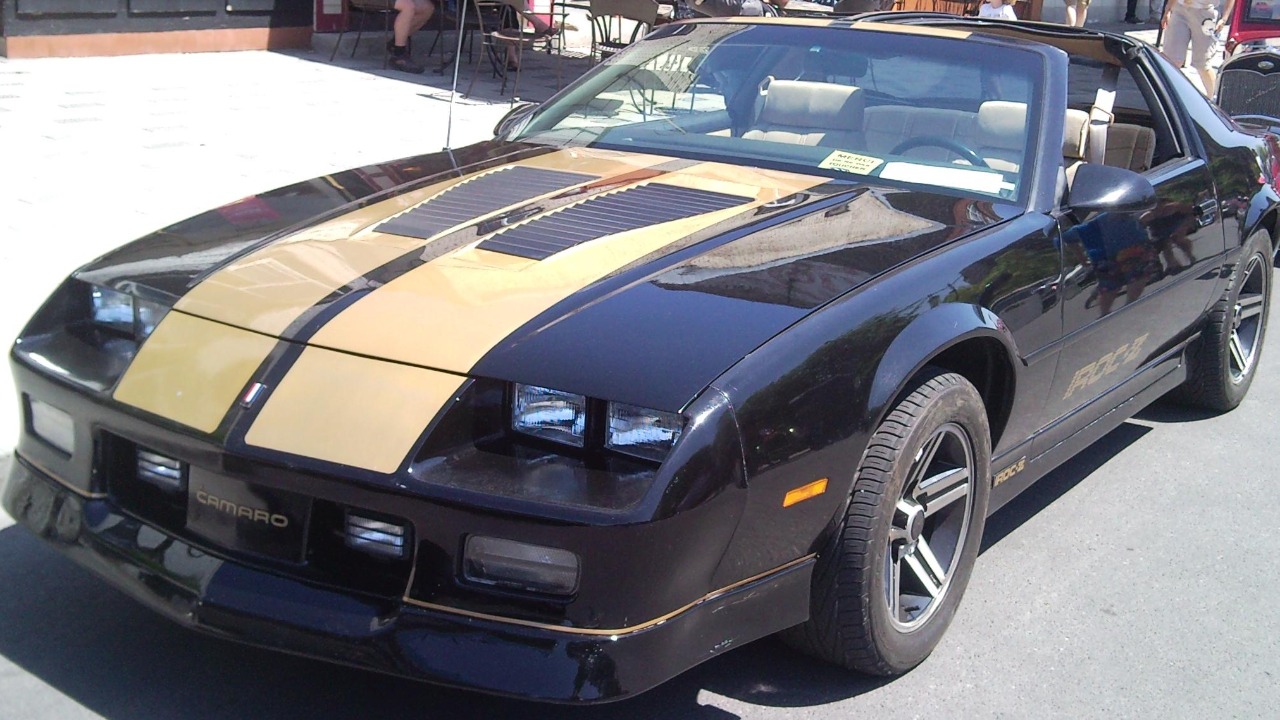
The Chevrolet Camaro IROC-Z represented everything that made the 1980s performance era unique. With bold styling, advanced handling technology, and a connection to motorsports, it became one of the most recognizable versions of the third-generation Camaro. More than just a performance package, the IROC-Z captured the attitude, technology, and excitement of its decade.
Racing Inspiration Created Its Identity
The IROC-Z name came from the International Race of Champions, a series where legendary drivers competed using identically prepared cars. Chevrolet used this connection to give the Camaro a stronger performance image and demonstrate that the car could represent serious driving capability.
Introduced for the 1985 model year, the IROC-Z was developed as a high-performance version of the Camaro Z28. It featured improvements such as a specially tuned suspension, larger wheels and tires, and enhanced handling characteristics that separated it from ordinary Camaros.
Rather than focusing only on straight-line speed, Chevrolet emphasized balance and cornering ability. This approach reflected the changing performance market of the 1980s, where technology and handling became increasingly important.
The IROC-Z quickly became associated with a new generation of American performance cars.
Technology Improved the Driving Experience
The IROC-Z benefited from Chevrolet’s efforts to bring more advanced engineering into the Camaro lineup. Fuel-injected V8 engines provided stronger performance and improved efficiency compared with older carbureted setups, while improved suspension tuning made the car more capable on winding roads.
Options such as the Tuned Port Injection V8 helped the Camaro gain a reputation for modern performance. The combination of electronic engine management, aerodynamic styling, and improved chassis technology made the IROC-Z feel advanced compared with earlier muscle cars.
Chevrolet also offered performance upgrades that allowed buyers to personalize their cars. This flexibility helped the IROC-Z appeal to enthusiasts who wanted both everyday usability and weekend excitement.
The result was a performance car that matched the technological spirit of the 1980s.
Styling Made It Impossible to Ignore
The Camaro IROC-Z featured a distinctive appearance that perfectly represented the design trends of the decade. Its aggressive front end, ground effects, rear spoiler, and colorful graphics gave it a unique personality that stood apart from more traditional muscle cars.
The bold styling helped attract younger buyers who wanted a vehicle that reflected their individuality. The IROC-Z looked fast even when parked, making it one of the most recognizable cars of its era.
Inside, the driver-focused cockpit and sporty details reinforced its performance image. The combination of exterior design and interior presentation created a complete experience rather than just a collection of upgrades.
The IROC-Z became a symbol of 1980s automotive culture, appearing frequently in magazines, advertisements, and popular media.
A Legacy That Defines the 1980s
The Chevrolet Camaro IROC-Z remains one of the most memorable performance cars of its generation because it represented a major transition in American automotive design. It combined traditional muscle car excitement with modern technology, improved handling, and a bold visual identity.
Collectors continue searching for well-preserved IROC-Z models because they represent a unique period when manufacturers were rebuilding the performance market after years of restrictions and changing regulations.
The car’s connection to racing, distinctive styling, and accessible performance helped secure its place in automotive history.
The Camaro IROC-Z became an icon of the 1980s because it perfectly captured the decade’s personality—bold, technological, and impossible to ignore.
More from Fast Lane Only
- Unboxing the WWII Jeep in a Crate
- 15 rare Chevys collectors are quietly buying
- 10 underrated V8s still worth hunting down
- Police notice this before you even roll window down
*Research for this article included AI assistance, with all final content reviewed by human editors