The Chevrolet Corvette, an American icon, has long been a source of passion and debate among car enthusiasts and casual observers alike. Its distinctive design, performance capabilities, and cultural significance have sparked strong opinions across generations.
Historical Legacy of the Corvette
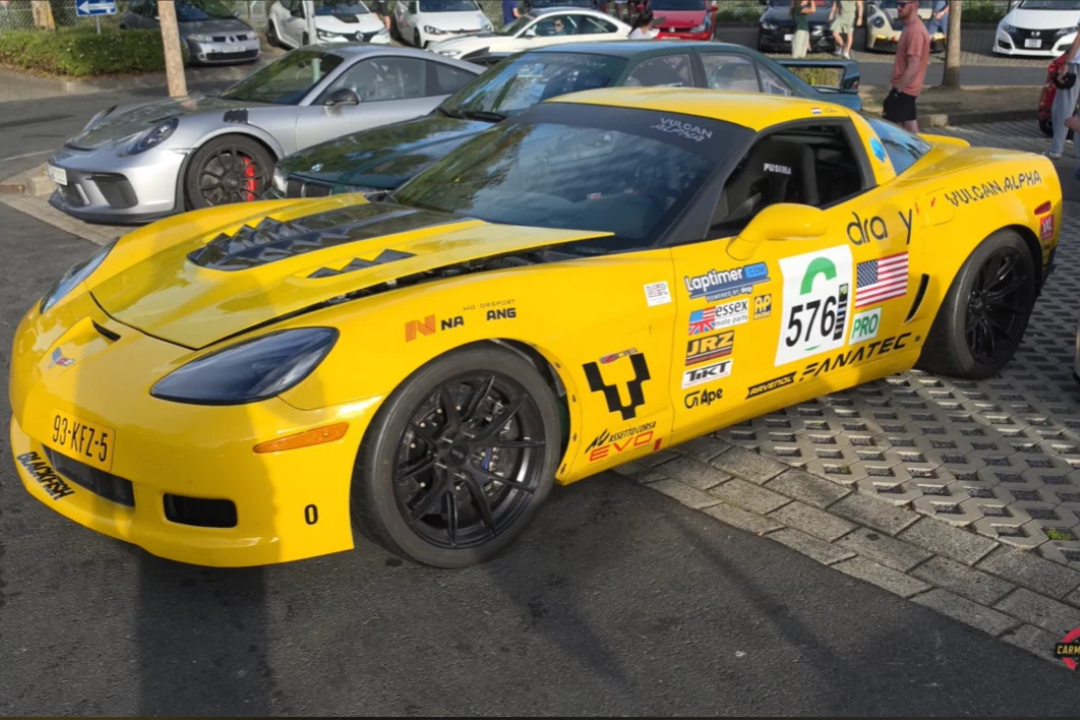
The Corvette made its debut in 1953 as America’s first true sports car. With its sleek lines and fiberglass body, it captured the imagination of a nation recovering from World War II. Over the decades, the Corvette has undergone significant transformations, from the early C1 models with their classic curves to the modern C8, showcasing a mid-engine layout that reflects contemporary automotive engineering. Each iteration has marked a milestone in its legacy, with the introduction of high-performance models like the Z06 and the Grand Sport further solidifying its status in the automotive world.
Key moments in the Corvette’s history include its performance wins at prestigious events like the 24 Hours of Le Mans and its role in popularizing the American muscle car culture of the 1960s. The car has often been synonymous with American innovation and freedom, representing a spirit of adventure that resonates deeply with enthusiasts. The Corvette’s ability to adapt to changing times while maintaining its core identity has helped it remain relevant and beloved, making it a staple in American automotive culture.
Design and Aesthetics
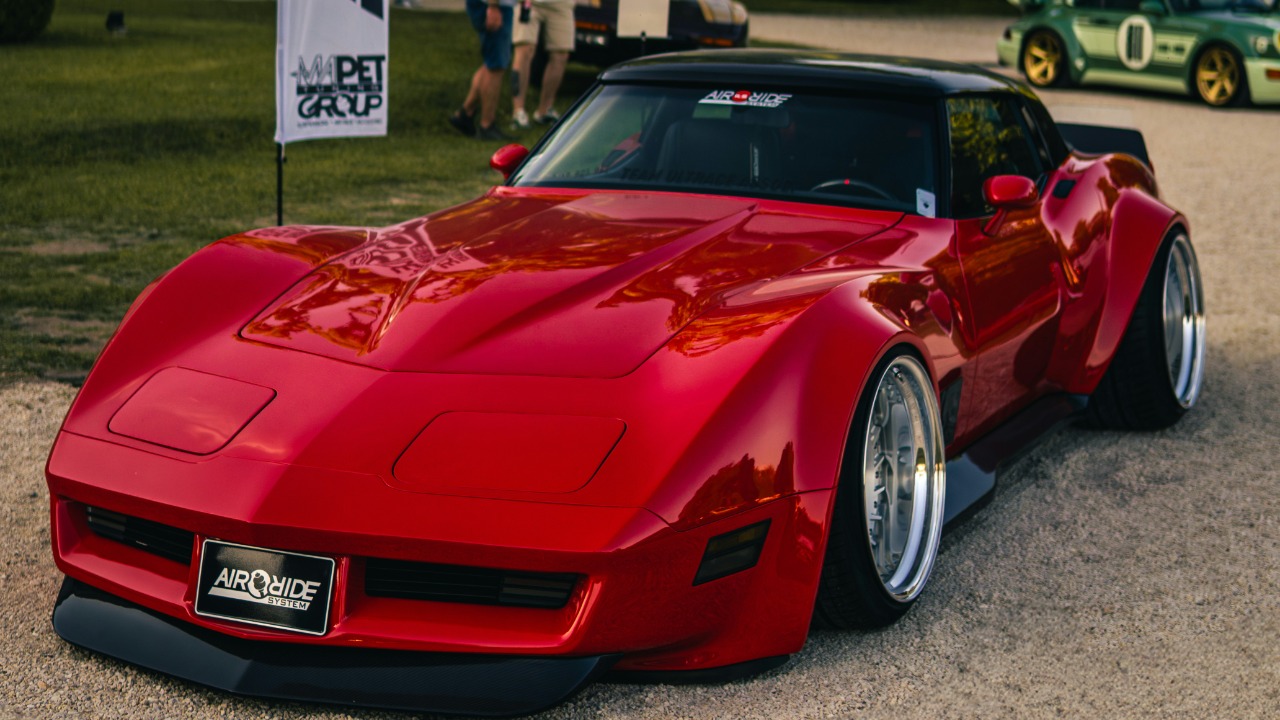
The design of the Corvette has always been a point of contention among enthusiasts. Each generation has introduced distinct styling cues that have often sparked debates. For instance, the C3 generation, produced from 1968 to 1982, is celebrated for its aggressive stance and iconic shark-like front end, while the C4 from 1984 to 1996 is often critiqued for its more angular, less organic look. In contrast, the recent C8 has embraced a modern aesthetic that some argue veers too close to European supercars, prompting discussions about authenticity in design.
As trends in automotive design have evolved, so too has the Corvette. The transition from the classic curves of the early models to the sharp lines and aggressive styling of the C7 and C8 reflect not only technological advancements but also cultural shifts. The mid-engine configuration of the C8 has been particularly polarizing, as it marks a significant departure from the traditional front-engine layout that has defined the Corvette for decades. While some enthusiasts celebrate this move as a necessary evolution, others lament the loss of the Corvette’s classic identity.
Performance and Engineering
The Corvette is renowned for its performance, often compared to high-end sports cars from Europe at a fraction of the price. Models like the C7 Z06 and the C8 Stingray have boasted impressive horsepower and acceleration, with the C8 achieving 0-60 mph in just under three seconds. However, this performance has not come without its controversies. Traditionalists often debate the merits of raw power versus the nuanced handling and drivability that some newer models emphasize.
Innovations in engineering have been central to the Corvette’s appeal, yet they have also sparked debates within the automotive community. The introduction of hybrid models, such as the upcoming E-Ray, has raised questions about the future direction of the Corvette. Will it remain a pure performance vehicle, or will it adapt to the growing demand for fuel efficiency and environmental sustainability? These questions contribute to the ongoing discourse about the balance between performance and practicality in an ever-evolving automotive landscape.
Cultural Impact and Representation
The Corvette’s cultural significance cannot be understated. It has been featured in numerous films, TV shows, and songs, cementing its status as more than just a car. From Steve McQueen’s iconic chase in “Bullitt” to the flashy appearances in the “Transformers” franchise, the Corvette has represented American muscle and freedom on screen. Additionally, songs like Jan and Dean’s “Little Old Lady from Pasadena” celebrate the car’s allure, influencing public perception and desire.
As a status symbol, the Corvette appeals to a diverse demographic, from affluent collectors to young enthusiasts looking to make their mark. However, this status has sparked debates about exclusivity and accessibility. The automotive media often play a crucial role in shaping the Corvette’s image, with reviews and features that highlight both its strengths and weaknesses. This coverage can polarize opinions, as some praise its performance while others criticize its price point or design choices.
Community and Enthusiast Perspectives
The Corvette community is rich and diverse, encompassing a wide range of enthusiasts. Traditionalists often favor classic models like the C1 and C2, valuing the nostalgic connection to a bygone era. They argue for the preservation of these cars, emphasizing their historical significance and unique characteristics. In contrast, modern enthusiasts tend to embrace the technological advancements of recent models, advocating for customization and performance enhancements. This divide has led to lively discussions and debates within the community, highlighting the differing values and priorities among Corvette owners.
Car clubs and gatherings play a significant role in fostering community among Corvette owners. Events like the National Corvette Museum’s annual “Corvette Homecoming” bring together enthusiasts from different backgrounds, creating a space for shared experiences and camaraderie. However, controversies often arise, particularly regarding customization versus preservation. Some enthusiasts feel that altering classic models detracts from their original charm, while others see customization as a form of personal expression and a way to enhance performance.
Future of the Corvette
As the automotive industry rapidly evolves, speculations about the future of the Corvette are abundant. With the introduction of hybrid technology, the Corvette is poised to continue its legacy while adapting to changing consumer preferences. The imminent release of models like the E-Ray, which will feature all-wheel drive and a hybrid powertrain, may redefine what it means to be a Corvette enthusiast. This shift raises questions about how the brand will balance its performance heritage with the increasing demand for sustainability.
Changing consumer preferences and environmental concerns will likely influence future iterations of the Corvette. As electric vehicles gain traction, the challenge will be to maintain the performance and excitement that Corvette fans expect while embracing new technologies. The future may hold even more radical changes, potentially transforming the Corvette into a vehicle that appeals to a broader audience while still retaining its iconic status. The conversation around these developments will undoubtedly continue to spark strong opinions among enthusiasts and the general public alike.
More from Fast Lane Only
- Unboxing the WWII Jeep in a Crate
- 15 rare Chevys collectors are quietly buying
- 10 underrated V8s still worth hunting down
- Police notice this before you even roll window down
*Research for this article included AI assistance, with all final content reviewed by human editors.