Traffic stops rarely start with a dramatic chase. More often, they begin with something small that catches an officer’s eye, even when the car itself is properly registered and insured. The law gives police wide latitude to pull over drivers for equipment issues, subtle behavior on the road, or modifications that sit in a gray area between legal and questionable. Understanding those pressure points can help you keep a low profile, even if you are confident your car is technically legal.
I see the same pattern again and again: drivers focus on big-ticket violations like drunk driving or reckless speeding, while the everyday details that actually trigger stops go overlooked. From dark tint to burned-out bulbs, from lifted trucks to cluttered dashboards, a handful of choices can quietly invite scrutiny long before an officer ever checks your license and registration.
1. “Legal enough” speeding that still stands out
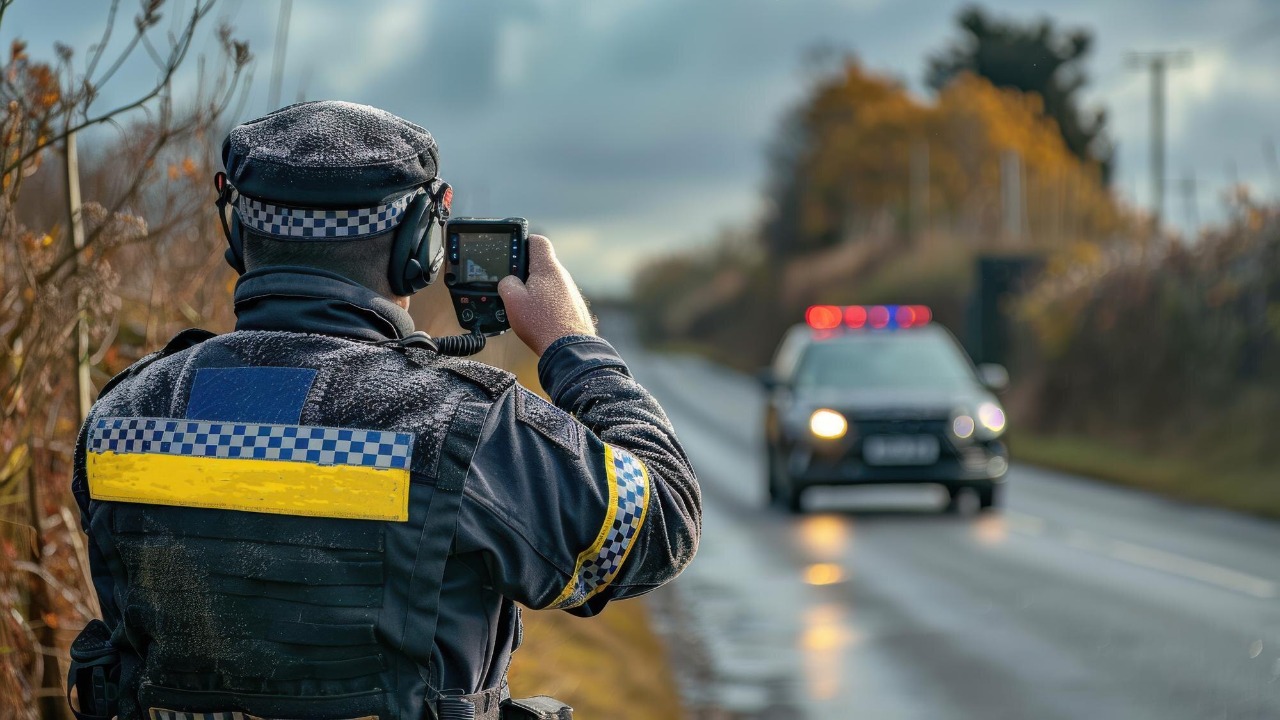
Most drivers think of speeding as a binary choice, either you are racing or you are not, but officers are trained to notice even modest speed differences that break the flow of traffic. A car that drifts a few miles per hour over the limit, then brakes sharply when it spots a patrol vehicle, can look more suspicious than one that simply holds a steady, lawful pace. Surveys of drivers show how routine this behavior is, with one breakdown of the Common Reasons for Speeding finding that 24% of people who were stopped said they did not realize they were speeding at all.
That same research points out that 18% of drivers blamed being late for work and 14% cited other urgent errands, which underscores how often everyday stress, not thrill-seeking, leads to a ticket. From an officer’s perspective, though, intent does not matter as much as the visible pattern: a car that accelerates to make a light, weaves slightly to pass slower traffic, or hugs the bumper of the vehicle ahead is more likely to be singled out. When I talk to traffic lawyers, they describe speeding as the classic example of a behavior that feels minor to the driver but gives an officer a clean, easy justification for a stop that can quickly expand into questions about insurance, sobriety, or outstanding warrants.
2. Equipment issues that create instant probable cause
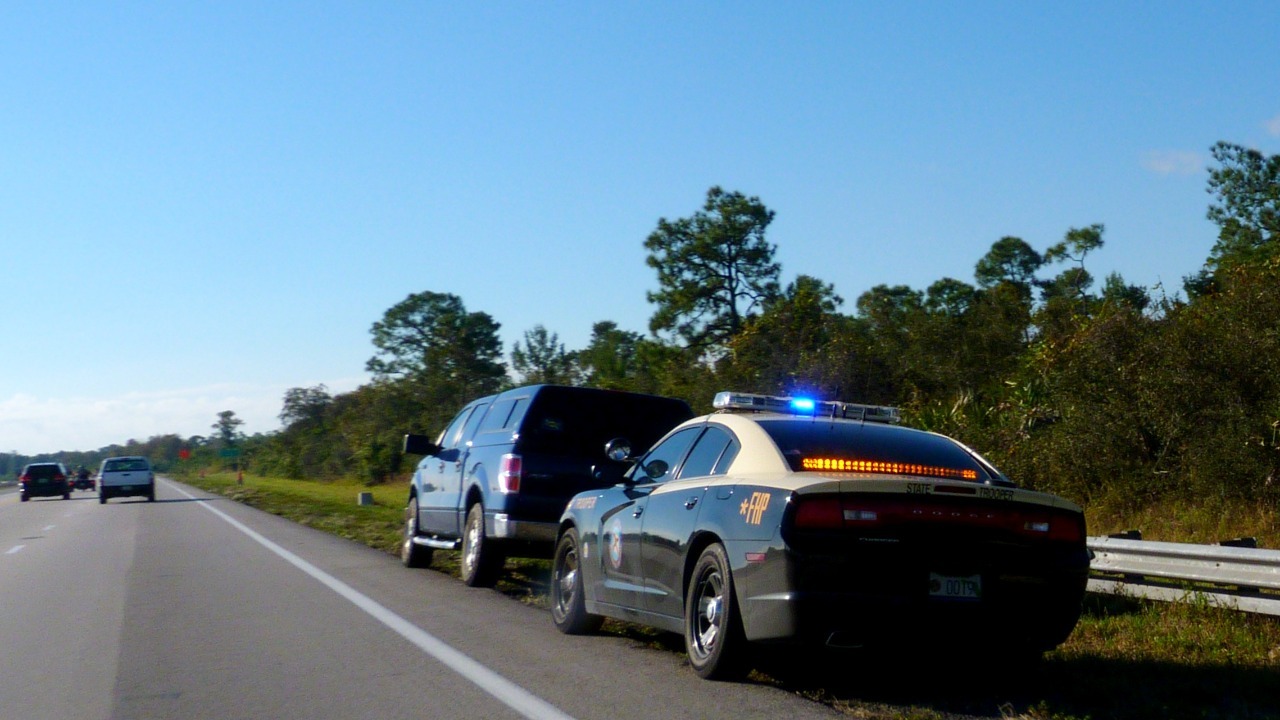
Even the most ordinary sedan can draw attention if it looks neglected. A single burned-out headlight, a cracked windshield that cuts across the driver’s line of sight, or a missing front plate in a state that requires two plates all give officers a straightforward reason to pull you over. One legal guide to the most frequent traffic stops in California notes that a headlight being out, a broken windshield, a missing license plate, or window tint that is too dark are all common equipment violations that can lead directly to fines.
Safety advocates point out that these small defects do more than annoy officers, they can genuinely affect visibility and reaction time. Guidance on Driving with burned-out headlights and other issues stresses that something as simple as a dead taillight or turn signal can both reduce your margin for error and provide law enforcement with clear cause for a stop. Letting your license plate tags expire or allowing a plate to become unreadable because of dirt or a damaged frame has the same effect. In practice, that means a driver who keeps up with basic maintenance and paperwork is less likely to be pulled over than a driver in a flashier car whose lights, glass, and plates are all in perfect order.
3. Modifications that are technically legal but visually loud
Car culture thrives on customization, yet some of the most popular upgrades are exactly the ones that draw the sharpest looks from patrol cars. A lifted pickup on oversized tires, a lowered coupe with an aggressive stance, or a hatchback with bright accent lighting may all comply with local rules on height and lighting, but they still stand out in traffic. One state trooper, answering a reader Question about What kinds of modifications are legal, emphasized that tires extending beyond the fenders, extreme lifts, and other changes that throw debris or alter the vehicle’s handling can run afoul of safety rules even when the owner believes the truck simply “looks cool.”
Lighting is another flashpoint. Enthusiasts often install colored accent strips or underbody kits, assuming that if they avoid red and blue they are safe. Yet one detailed rundown of Surprising Illegal Car Accessories and Modifications explains that Underglow and other add-on lights can be restricted because Technically any objects near windows or extra lights that resemble emergency vehicles may be banned in several states. Hydraulics, lifts, and lowriders can also cross into illegality if they change bumper height or compromise control. Even when a specific setup is allowed, the visual drama of a slammed sedan or sky-high SUV makes it more likely that an officer will watch how it is driven and be quick to act on any minor infraction.
4. Tinted windows and the “nothing to hide” factor
Window tint sits in a particularly tricky space, because it is both a style choice and a privacy tool. Many drivers install film that is advertised as legal, only to discover that the actual light transmission is darker than their state allows once an officer pulls out a meter. Legal guides that list Reasons You May Be Lawfully Pulled Over by Law Enforcement consistently include Tinted windows alongside Speeding and other obvious violations, precisely because they are so easy to spot from a distance. If an officer cannot see into the cabin at all, that alone can be enough to justify a closer look.
Privacy advocates argue that darker tint can protect drivers from glare and prying eyes, but officers counter that it makes traffic stops more unpredictable when they cannot see how many people are inside or what their hands are doing. That tension plays out on the roadside, where a driver who rolls down all windows early and keeps movements calm can often defuse suspicion. From a legal standpoint, the key is that Police do not have unlimited power to stop any car they like, and one explainer on when They can search your vehicle notes that officers cannot just stop you to see what you are up to, they need a specific reason such as dark tint, erratic driving, or an equipment defect. In practice, that means a car with borderline tint is more likely to be used as that reason than a car with clear glass, even if both are driven perfectly.
5. The overall “cop magnet” profile
Beyond any single violation, officers often talk about a certain kind of car that simply attracts attention. It might be a heavily modified sports coupe, a loud older sedan with mismatched panels, or a luxury SUV that seems out of place in a given neighborhood. On one Melbourne forum, an owner who described himself as the “owner of over 70 cop magnets” advised other drivers to buy something relatively modern and keep it stock if they want to avoid constant interactions with cops and a car. His point was blunt: the more a vehicle looks like it belongs in a showroom brochure, the less likely it is to be singled out.
That advice lines up with what traffic attorneys and safety experts describe as the “totality” of how a car presents itself. A late-model Toyota Camry with clean paint, working lights, and factory wheels can still be stopped for speeding or rolling through a stop sign, but it does not invite the same scrutiny as a slammed Subaru WRX with a loud exhaust and dark tint that is already on the edge of multiple rules. Guides that list Letting your license expire, ignoring minor repairs, or driving with broken lights as ways your car attracts unwanted attention from the police all point to the same conclusion. The more you let small issues pile up, the more your vehicle looks like a problem waiting to happen, and the easier it is for an officer to justify turning on the lights behind you.