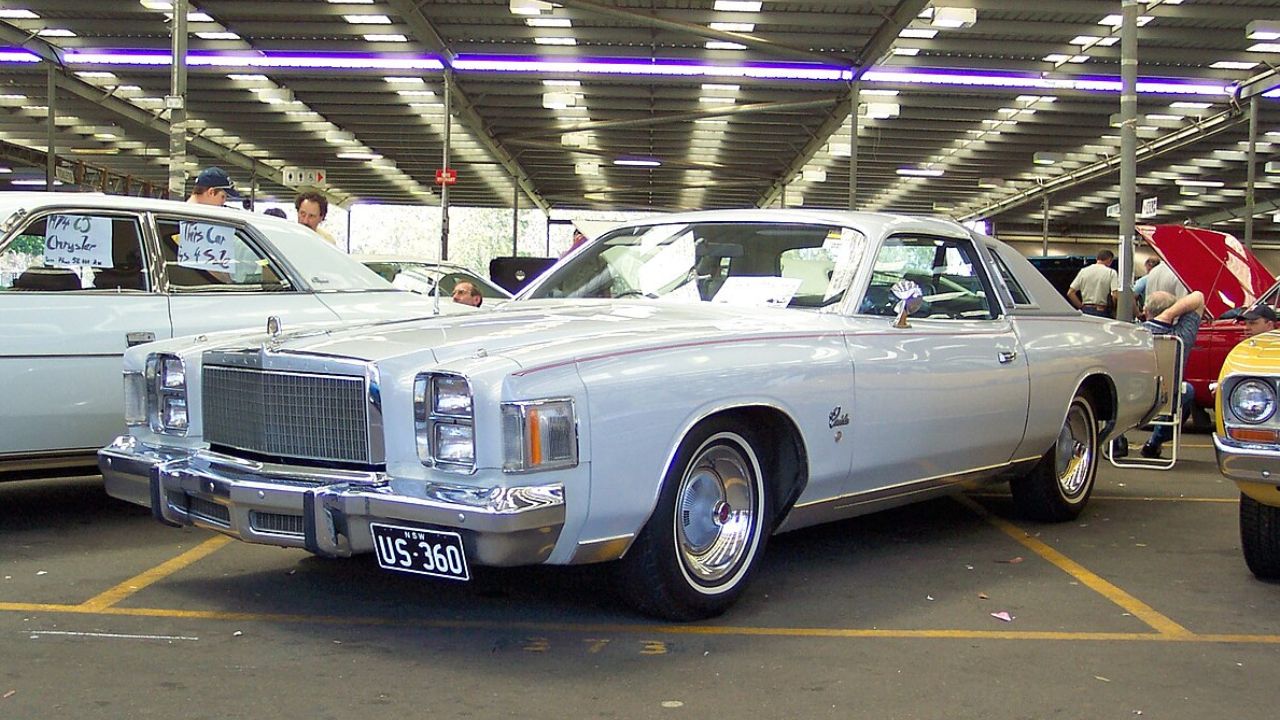
The 1970s brought major changes to the American auto industry. Rising fuel prices, stricter emissions rules, and shifting buyer preferences forced manufacturers to rethink everything from performance to fuel economy. Muscle cars became tamer, compact models grew more popular, and personal luxury cars gained a loyal following. While the decade marked the end of one automotive era, it also introduced new ideas that shaped the future. These American cars captured the changing priorities of drivers and became defining vehicles of the 1970s.
Chevrolet Vega
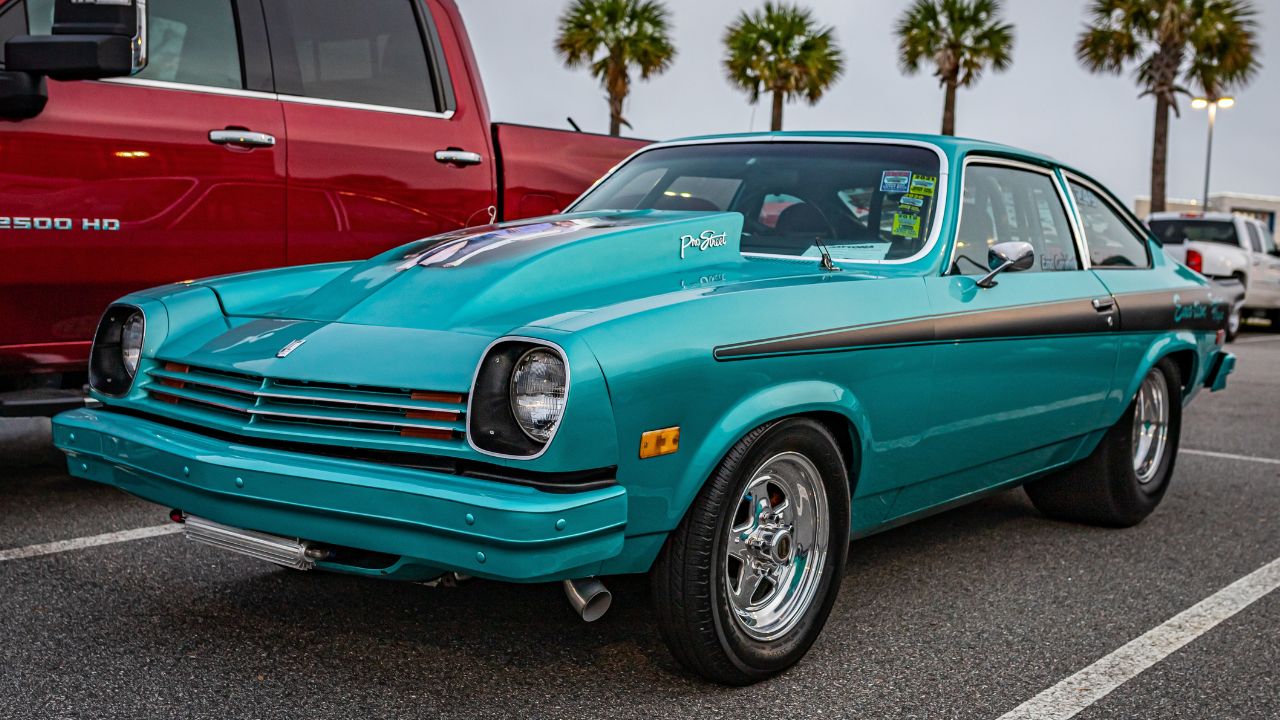
The Chevrolet Vega represented General Motors’ response to the growing demand for compact, fuel-efficient cars. Its modern styling and affordable price attracted many buyers who wanted something smaller than the traditional American sedan. Although the Vega developed a mixed reputation because of reliability issues, it reflected the industry’s effort to adapt to changing market conditions and remains an important symbol of the decade.
Ford Pinto
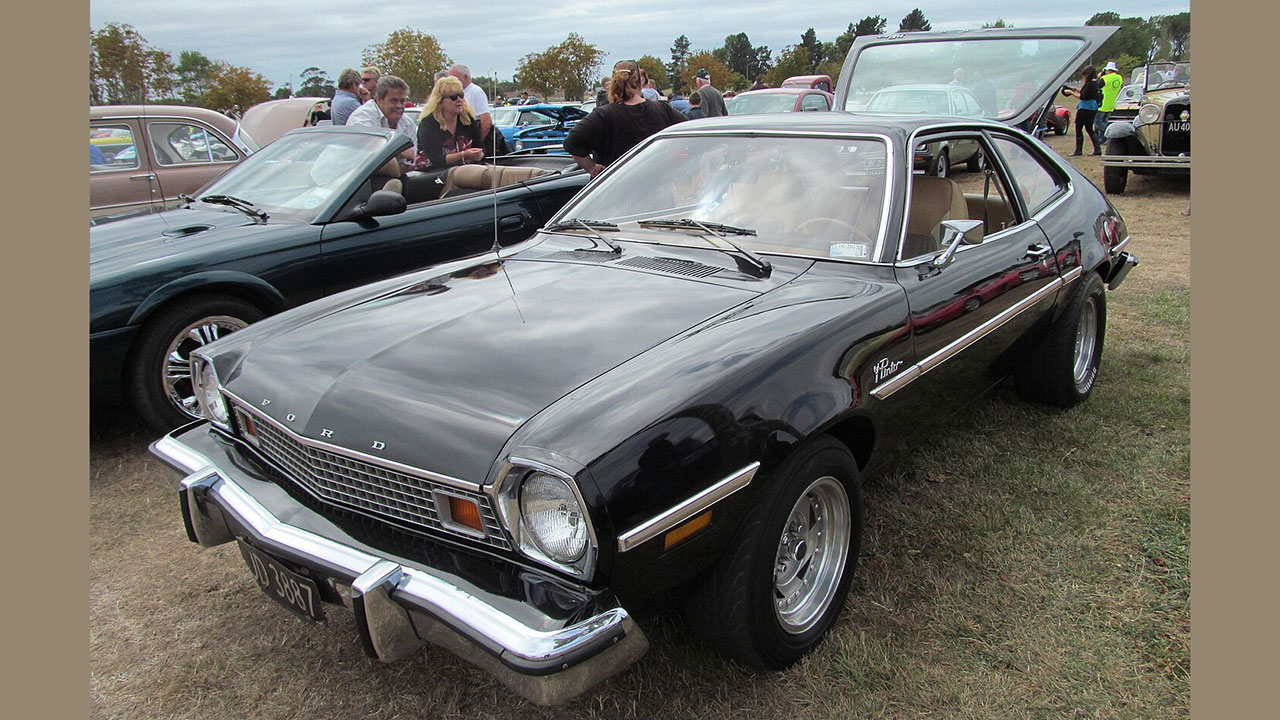
The Ford Pinto arrived as American buyers increasingly looked for economical transportation. Compact, easy to park, and inexpensive to own, it became one of Ford’s best-selling small cars of the decade. While later safety controversies affected its legacy, the Pinto played a major role in changing the direction of the American automobile market as fuel efficiency became more important than size.
Dodge Aspen

The Dodge Aspen replaced the aging Dart and introduced a more modern compact platform for Chrysler. Buyers appreciated its comfortable ride, practical interior, and available V8 engines, allowing it to appeal to both economy-minded drivers and performance enthusiasts. Despite early quality concerns, the Aspen reflected the industry’s effort to modernize compact cars while maintaining the versatility American buyers expected.
Oldsmobile Cutlass Supreme
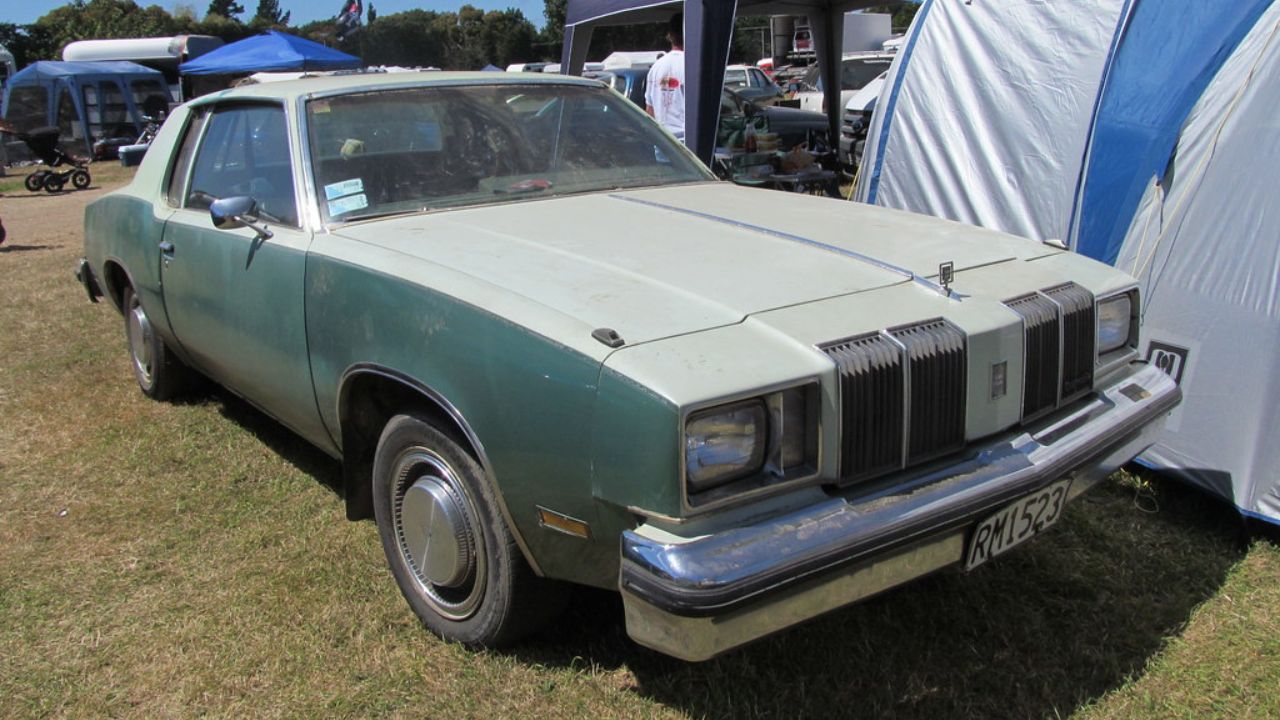
The Oldsmobile Cutlass Supreme became one of the best-selling cars in America during the late 1970s. It combined personal luxury, comfortable interiors, and a wide range of engine options in a package that appealed to families and commuters alike. Its tremendous popularity showed that buyers were shifting away from traditional full-size sedans toward smaller, more efficient cars without giving up comfort.
Chevrolet Camaro Z28
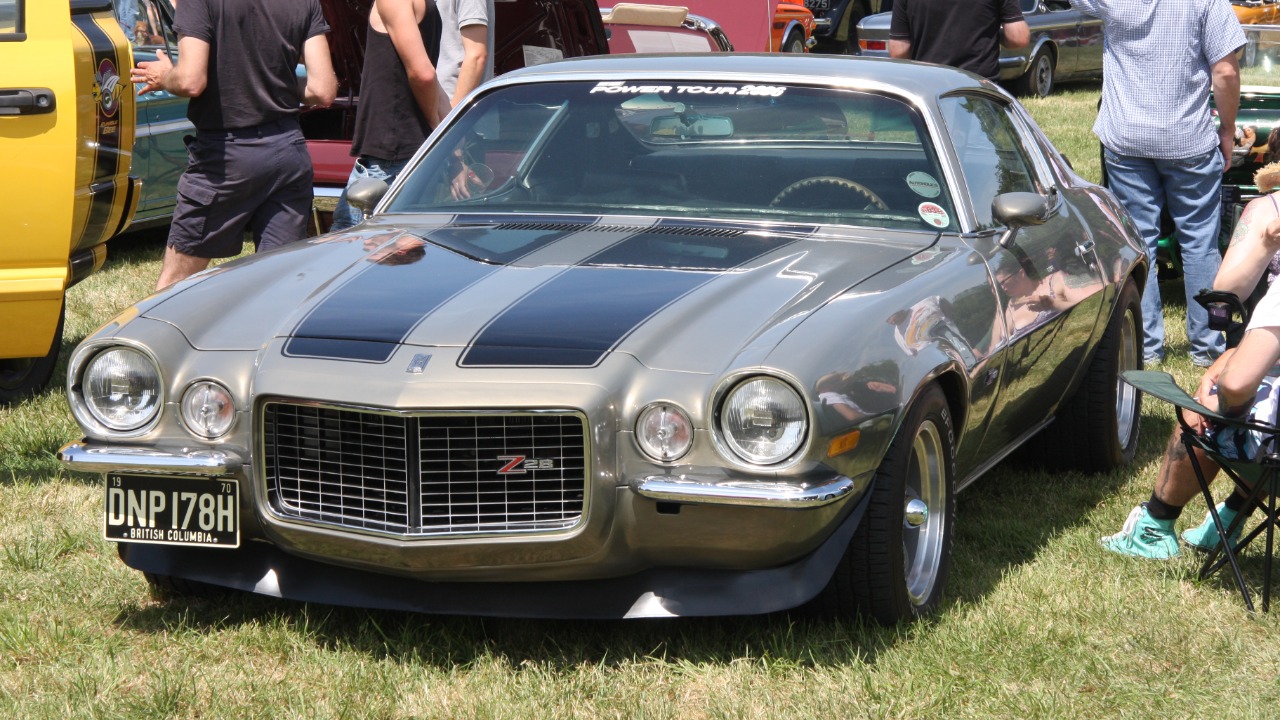
Although performance declined compared with the muscle car peak of the late 1960s, the Chevrolet Camaro Z28 remained a favorite among driving enthusiasts. Its sporty styling, responsive handling, and available V8 power helped keep the pony car spirit alive during a difficult period for performance vehicles. The Camaro demonstrated that excitement behind the wheel still mattered, even as regulations reshaped the industry.
Pontiac Grand Prix
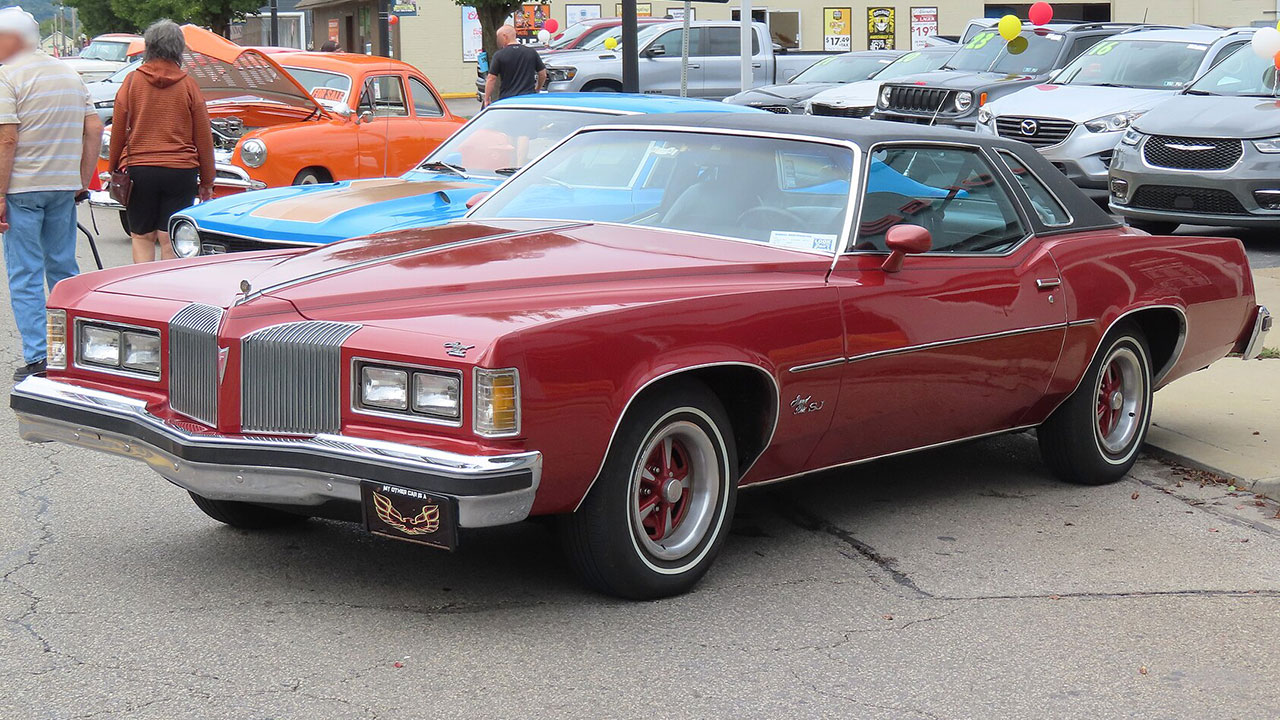
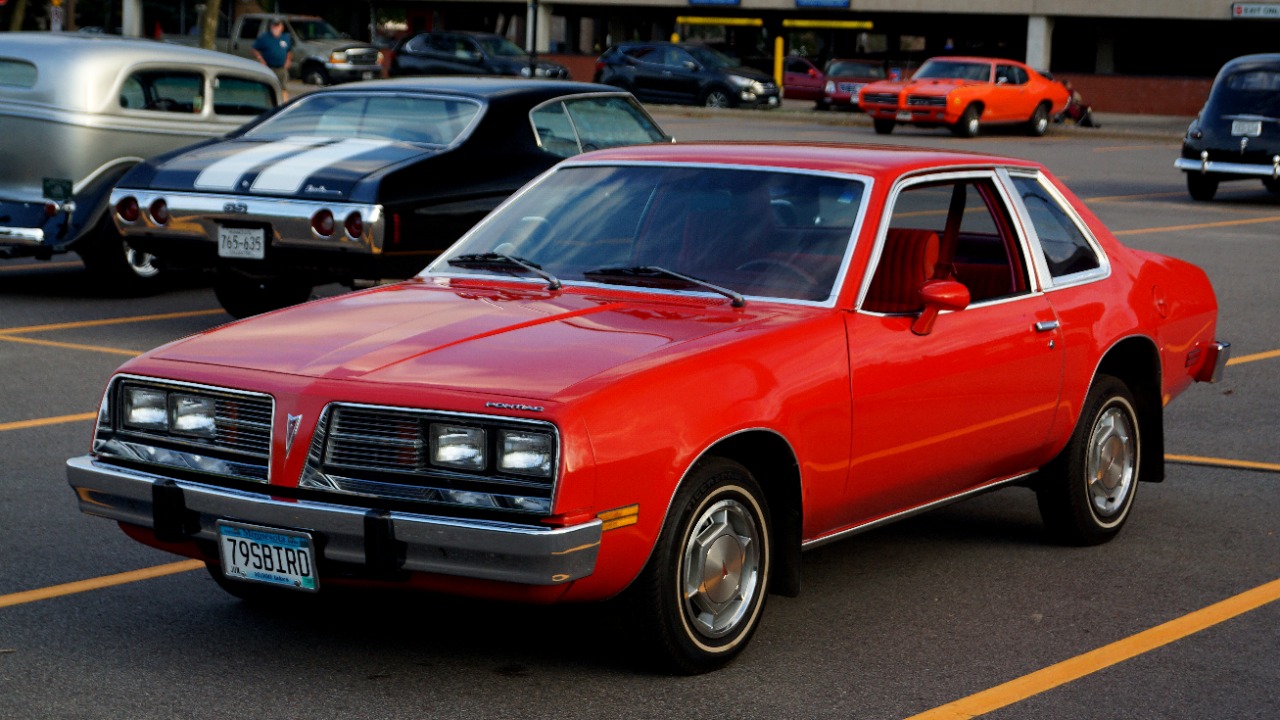
The Pontiac Grand Prix became one of the decade’s defining personal luxury coupes. With its long hood, upscale interior, and smooth ride, it appealed to buyers who wanted comfort and style rather than pure performance. The Grand Prix helped establish the personal luxury segment as one of the fastest-growing parts of the American market throughout the 1970s.
AMC Pacer
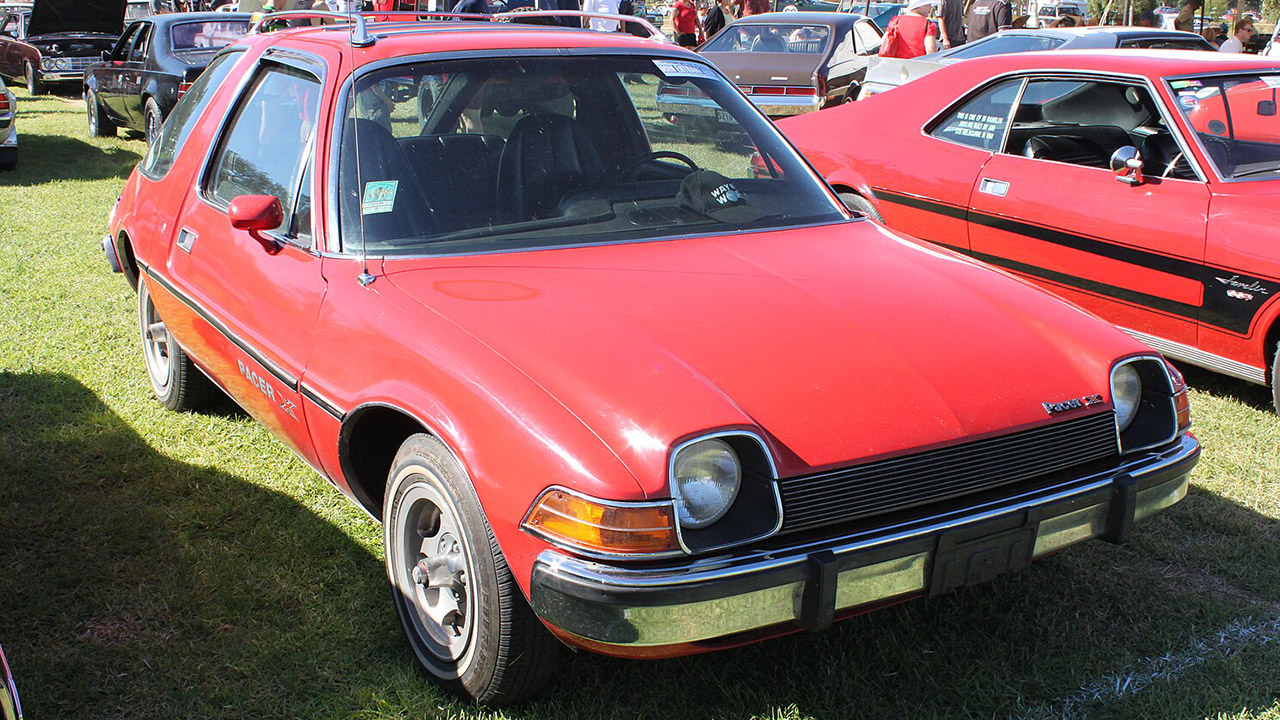
The AMC Pacer stood out with its rounded styling, expansive glass area, and unusually wide body. Designed to maximize interior space while remaining compact, it reflected American Motors’ willingness to experiment with bold ideas. Although opinions on its appearance were divided, the Pacer became one of the most recognizable American cars of the decade and remains a memorable symbol of 1970s automotive design.
Chrysler Cordoba

The Chrysler Cordoba introduced affordable luxury to a broad audience, combining elegant styling with comfortable seating and smooth highway manners. Its emphasis on premium features rather than outright performance matched changing consumer preferences during the decade. The Cordoba became especially well known for its luxurious image, helping Chrysler strengthen its position in the growing personal luxury market.
Chevrolet Caprice Classic

The Chevrolet Caprice Classic remained one of America’s favorite full-size cars even as buyers gradually shifted toward smaller vehicles. Its spacious cabin, smooth ride, and dependable V8 engines made it popular with families, businesses, and law enforcement agencies. The Caprice represented the traditional American sedan at a time when the market was beginning to move in a different direction.
Jeep Cherokee SJ
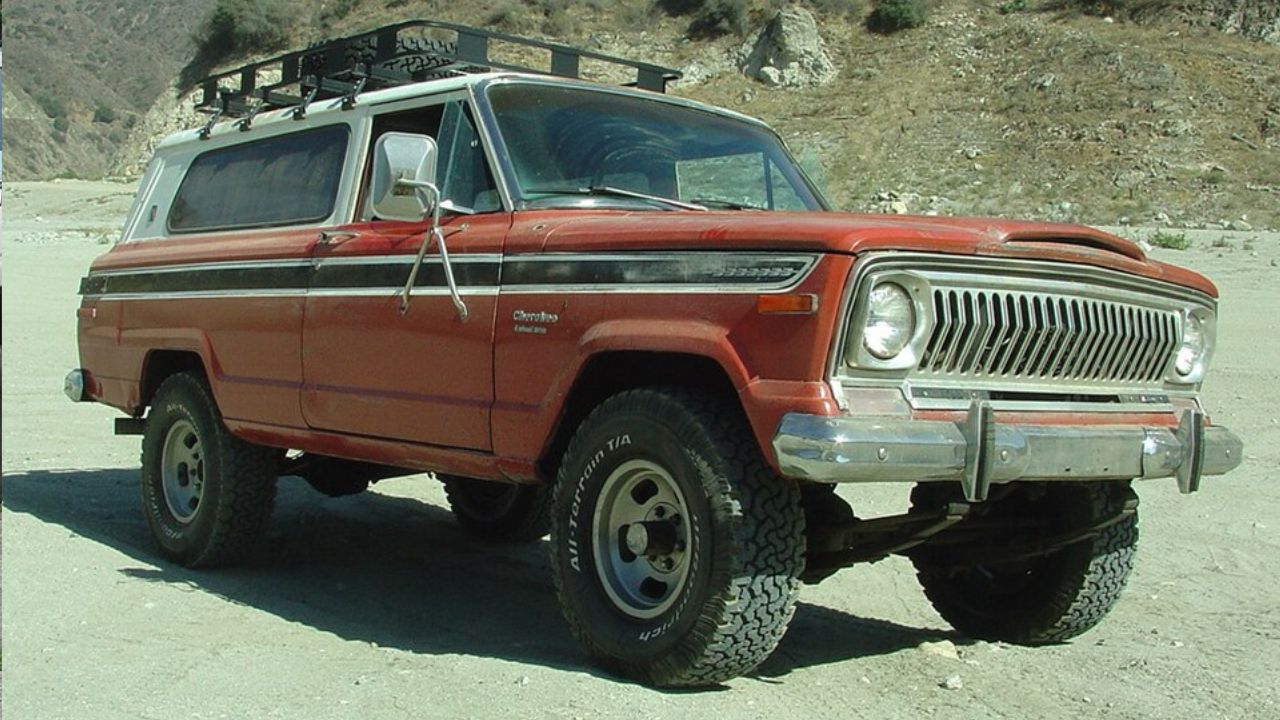
The Jeep Cherokee SJ helped introduce a new generation of buyers to the idea of combining passenger comfort with genuine off-road capability. Available in both two-door and four-door versions, it appealed to families who wanted versatility without giving up rugged performance. Its success laid important groundwork for the SUV boom that would reshape American roads in the decades that followed.
More from Fast Lane Only
- Unboxing the WWII Jeep in a Crate
- 15 rare Chevys collectors are quietly buying
- 10 underrated V8s still worth hunting down
- Police notice this before you even roll window down
*Research for this article included AI assistance, with all final content reviewed by human editors.