The automotive industry is a landscape of constant evolution, where some vehicle concepts flourish while others fade into obscurity. As I delve into the peculiar reasons that have led to the disappearance of certain vehicle types, I find it fascinating to examine the interplay of technology, market trends, and consumer preferences. Each of these factors plays a significant role in shaping the vehicles we see on the roads today.
The Impact of Technological Advancements
Outdated technology has a profound impact on the automotive landscape. With the rapid advancements in electric and autonomous vehicles, older models often find themselves rendered obsolete. Take, for instance, the once-popular minivan. As electric alternatives like the Tesla Model Y and Ford Mustang Mach-E gain traction, traditional gas-powered minivans have struggled to maintain their appeal. The shift toward electric powertrains not only offers better efficiency but also aligns with the growing demand for sustainability.
Safety regulations are another critical factor influencing the decline of certain vehicle designs. Stricter safety standards have effectively eliminated microcars and specialty vehicles that previously enjoyed a niche market. For example, the Smart car, once lauded for its compactness and urban utility, has seen dwindling sales due to the inability to meet modern crash test requirements. As consumers increasingly prioritize safety features, manufacturers are compelled to adapt or risk losing market share.
Fuel efficiency has also reshaped the automotive landscape. The once-thriving market for gas-guzzling vehicles, such as the Hummer H2, has experienced a dramatic decline as consumers seek more fuel-efficient options. The rise of hybrid and electric vehicles has further accelerated this shift. As a result, many automakers have pivoted away from models that do not align with the current demand for sustainability and efficiency.
Changing Consumer Preferences
Consumer preferences are in a state of flux, heavily influenced by lifestyle changes. The move towards urban living has driven a preference for smaller, more versatile vehicles that can navigate congested city streets. Traditional sedans and SUVs, once staples of the American automotive landscape, are giving way to compact cars and crossovers. A prime example is the decline of the Chevrolet Malibu, which has struggled to compete against the burgeoning popularity of subcompact SUVs like the Nissan Kicks and Honda HR-V.
Environmental consciousness has also played a pivotal role in shaping consumer choices. As awareness of climate change and pollution grows, there is an increasing demand for eco-friendly vehicles. This shift has led to the decline of less efficient models, such as the Dodge Charger and Ford Taurus, which lack hybrid or electric variants. Consumers are now more inclined to seek vehicles that align with their values, prompting manufacturers to adapt their offerings accordingly.
The rise of experiences over ownership has further transformed the automotive landscape. With ride-sharing services like Uber and Lyft becoming commonplace, many consumers are reconsidering the necessity of personal vehicle ownership. The appeal of using a vehicle only when needed has led to a decline in demand for traditional car models. This shift has compelled manufacturers to explore partnerships with ride-sharing companies and develop vehicles specifically designed for shared use.
Economic Factors and Market Trends
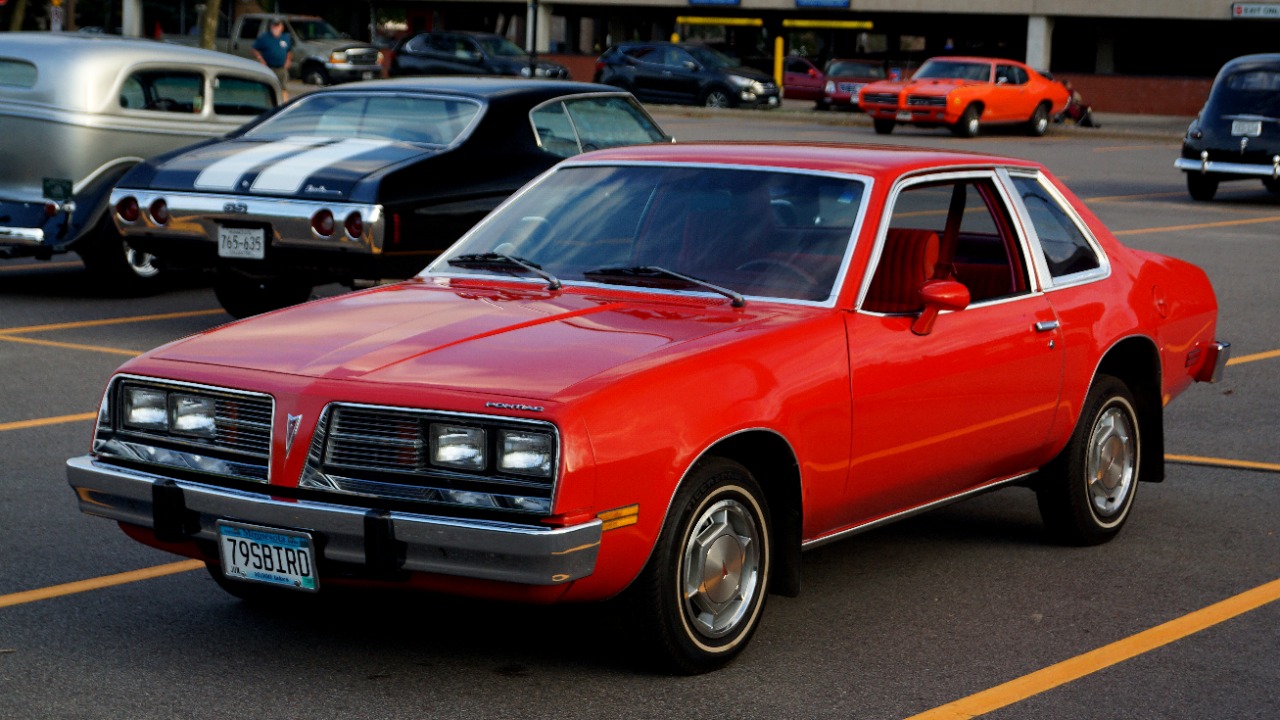
Global financial crises have had a lasting impact on the automotive industry, forcing manufacturers to make tough decisions about their product lines. The 2008 financial crisis, for example, prompted many automakers to cut unprofitable models from their lineups. Brands like Pontiac and Saturn were ultimately phased out as manufacturers streamlined their offerings to focus on more profitable vehicles. The necessity to adapt to economic realities has led to the disappearance of several once-familiar names.
Market saturation is another critical factor influencing the disappearance of certain vehicle categories. As specific segments become oversaturated, niche markets often struggle to thrive. For instance, the once-popular coupe segment has experienced a decline as consumers gravitate towards SUVs and crossovers. Models like the Ford Mustang and Chevrolet Camaro continue to survive, but many other coupes have been discontinued as manufacturers reassess their offerings in response to changing consumer demands.
The competitive landscape is intense, with automakers vying for consumer attention in an ever-crowded marketplace. This fierce competition has prompted manufacturers to streamline their offerings, eliminating less popular concepts. For instance, the Cadillac ELR, a plug-in hybrid coupe, was discontinued after just a few years on the market due to lackluster sales. Manufacturers must remain agile and responsive to market conditions to stay relevant, often leading to the termination of certain models that fail to capture consumer interest.
Regulatory and Policy Influences
Regulatory and policy influences have a significant impact on which vehicle types thrive in the market. Tightening emissions standards have rendered certain vehicle types less viable. The Volkswagen emissions scandal of 2015 brought to light the importance of compliance with environmental regulations, leading to increased scrutiny of diesel vehicles. As governments push for stricter emissions targets, manufacturers have been compelled to pivot towards electric and hybrid models to meet regulatory demands.
Government incentives also play a crucial role in shaping consumer choices. Subsidies and incentives for electric vehicles have accelerated the decline of traditional combustion engine vehicles. The federal tax credit for electric vehicles, for example, has encouraged consumers to make the switch to greener options. As more automakers invest in electric vehicle technology, traditional gas-powered models face increasing pressure to adapt or risk obsolescence.
Safety legislation continues to evolve, influencing which vehicle types can flourish in the market. Regulations requiring advanced safety features, such as automatic emergency braking and lane-keeping assistance, have led many manufacturers to rethink their designs. The rise of the crossover SUV, which often incorporates these features, demonstrates how safety legislation can shape consumer preferences and influence the types of vehicles that succeed.
Cultural and Societal Shifts
Cultural influences can significantly affect consumer interest in specific vehicle types. Representations in media and entertainment can shape perceptions, leading to a rise or fall in popularity for certain models. For example, the Ford Bronco enjoyed a resurgence after its reintroduction in 2020, fueled in part by its nostalgic portrayal in movies and television shows. This illustrates how cultural factors can breathe new life into a vehicle concept, while others may languish in obscurity.
Urbanization effects also play a vital role in vehicle size preferences and ownership models. As cities grow denser, the demand for smaller, more maneuverable vehicles has increased. Compact cars and electric scooters have gained popularity as convenient alternatives to traditional vehicles. This shift has led to the decline of larger vehicles that require more space and fuel. The rise of shared mobility options, such as electric bike-sharing programs, further underscores the evolving landscape of urban transportation.
The role of community cannot be underestimated in the context of changing vehicle concepts. Social movements advocating for sustainable transportation options have contributed to the decline of certain vehicle types. The push for public transportation and carpooling initiatives reflects a growing awareness of the environmental impact of personal vehicle use. As communities rally around sustainable practices, manufacturers are increasingly compelled to align their offerings with these values.
More from Fast Lane Only
- Unboxing the WWII Jeep in a Crate
- 15 rare Chevys collectors are quietly buying
- 10 underrated V8s still worth hunting down
- Police notice this before you even roll window down
*Research for this article included AI assistance, with all final content reviewed by human editors.