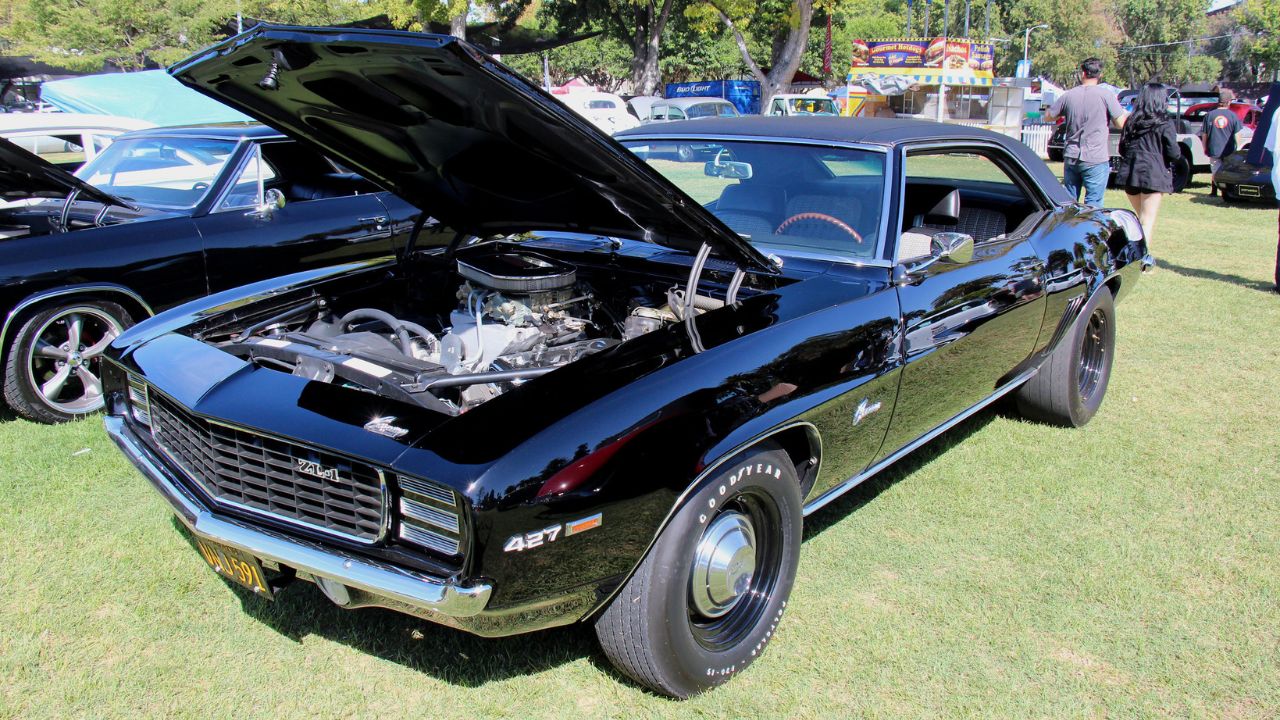
The 1969 Chevrolet COPO Camaro is a legendary muscle car that almost didn’t make it to the streets. Unique circumstances surrounding its creation highlight the blend of corporate strategy, dealer influence, and a touch of rebellion that brought this iconic vehicle into existence. Its story is one of ambition, ingenuity, and the relentless pursuit of performance, making it a staple in automotive history.
The Birth of the COPO Program
The Central Office Production Order (COPO) system was originally established by General Motors to manage special production requests from dealerships. Primarily designed to fulfill unique customer orders that couldn’t be accommodated through standard production channels, COPO allowed dealers to request specific configurations of vehicles. This system was vital for performance enthusiasts who sought modifications that standard models could not deliver. As a result, COPO became a conduit for innovation within the automotive industry.
Chevrolet’s higher-ups were initially cautious about the COPO system, as it could potentially create a logistical nightmare in manufacturing. However, as demand for high-performance vehicles surged during the late 1960s, the approval of special orders became increasingly common. By granting select dealers the authority to request performance upgrades, Chevrolet began to tap into the growing muscle car craze, fostering a more competitive landscape among its peers.
The Role of Don Yenko and Performance Dealers
One of the most pivotal figures in the COPO Camaro’s story is Don Yenko, a performance dealer from Pennsylvania who recognized the potential of the COPO system to create high-performance vehicles. Yenko was known for his commitment to performance and his ability to modify standard Chevrolet models into race-ready machines. By leveraging the COPO program, he was able to offer customers unique vehicles fitted with powerful engines and performance enhancements.
Yenko’s relationship with Chevrolet was symbiotic; he not only helped to sell more cars but also elevated the brand’s image in the performance market. His modifications included everything from engine upgrades to suspension work, effectively transforming the Camaro into a formidable competitor on the racetrack. Yenko’s efforts exemplified how performance dealers could influence manufacturing decisions and cater to a growing demographic of speed enthusiasts.
Legislation and Corporate Strategy
The late 1960s marked a significant turning point in the automotive landscape, characterized by the Muscle Car Wars. The competition among manufacturers to create the most powerful and desirable muscle cars led to an explosion of performance options. However, Chevrolet was initially hesitant to expand its performance offerings. Concerns about market saturation and potential backlash from consumers kept the company from fully embracing the muscle car phenomenon.
Despite these reservations, the pressures of competition and consumer demand prompted a strategic pivot within Chevrolet. The company eventually recognized that the COPO Camaro could not only enhance its lineup but also cater to the growing appetite for high-performance vehicles. This shift allowed Chevrolet to embrace the muscle car craze and solidify its position in the market.
Specifications and Features of the 1969 COPO Camaro
The 1969 COPO Camaro is renowned for its impressive specifications, especially its engine options. The most iconic of these is the L72 427 cubic-inch V8 engine, which produced a staggering 425 horsepower. This powerhouse allowed the COPO Camaro to achieve remarkable performance metrics, such as acceleration times that rivaled some of the fastest cars of the era. The vehicle’s lightweight body combined with this formidable engine made it a favorite among drag racers and performance enthusiasts alike.
In addition to its powerful engine, the COPO Camaro featured unique design elements that distinguished it from standard models. These included performance-oriented enhancements like heavy-duty suspensions, larger brakes, and distinctive badging. Such features not only contributed to its performance but also made it an eye-catching choice for consumers. The combination of raw power and striking aesthetics solidified its status as one of the most desirable muscle cars of its time.
Production Numbers and Rarity
Production numbers for the 1969 COPO Camaro remain a hot topic among collectors and enthusiasts. Only 1,000 units of this particular model were produced, which significantly contributes to its rarity today. The limited production run, combined with its exceptional performance specifications, makes the COPO Camaro a highly sought-after collector’s item. The significance of the COPO number system also plays a crucial role in identifying these vehicles, as it serves as a reference point for authenticity and provenance.
The rarity of the COPO Camaro has a direct impact on its collector value and desirability in the market. Recent auction results have shown that well-preserved examples can fetch staggering prices. For instance, rare models have sold for record amounts, highlighting their appeal among collectors. This scarcity not only enhances the car’s allure but also assures that the legacy of the COPO Camaro will endure in automotive history.
The COPO Camaro in Popular Culture
The COPO Camaro has left a significant mark on popular culture, appearing in various movies, television shows, and car events. It has been featured prominently in films that celebrate American muscle and speed, further solidifying its status as an icon. Collectors and enthusiasts often share their stories and experiences with the COPO Camaro on social media platforms, creating a vibrant community that keeps its legacy alive.
Testimonials from collectors reveal the deep appreciation for the COPO Camaro’s history and performance. Many enthusiasts regard it as a symbol of rebellion and freedom, reflecting the spirit of the era in which it was born. The vehicle’s influence on the muscle car community continues to resonate, inspiring a new generation of car lovers to explore its storied past and honor its place in automotive history.
Challenges During Production
Despite its legendary status, the production of the COPO Camaro was not without its challenges. Internal resistance from Chevrolet executives posed significant hurdles, as many were skeptical about the necessity of producing such high-performance vehicles. Concerns about market saturation and potential backlash from consumers created a sense of uncertainty that almost derailed the project.
Add to this the supply chain and manufacturing issues that arose during the production process, which further complicated matters. External factors, such as stiff competition from rival manufacturers, also influenced Chevrolet’s decision to proceed with the COPO Camaro. However, the demand for high-performance vehicles ultimately prevailed, leading to the COPO Camaro’s eventual production and release.
The COPO Camaro Today: Collectibility and Value
Today, the COPO Camaro stands as a testament to the era of American muscle. Recent auction results have showcased the model’s impressive value, with rare examples selling for record-breaking prices. For instance, a COPO Camaro recently sold for a staggering $1.43 million, highlighting its status as a collector’s dream. Factors that contribute to the high market value of well-preserved models include their rarity, historical significance, and overall condition.
The ongoing interest in COPO Camaros among collectors and enthusiasts ensures that their legacy will endure. The vehicle’s role in shaping American automotive history and its status as a cultural icon continue to captivate new generations. As the muscle car community remains vibrant and passionate, the COPO Camaro will undoubtedly be cherished for years to come.
Legacy of the COPO Camaro in Automotive History
The legacy of the COPO Camaro is profound, as it paved the way for future performance vehicles and set the standard for what muscle cars could achieve. Its impact on Chevrolet’s identity within the muscle car segment cannot be overstated; it exemplified the brand’s commitment to performance and innovation. The COPO program’s influence is still felt in modern high-performance vehicles, as manufacturers continue to seek ways to push the envelope in automotive design and engineering.
Reflecting on its journey, the COPO Camaro remains a symbol of an era defined by speed, power, and individuality. Its story serves as a reminder of how a blend of corporate strategy, dealer influence, and consumer demand can shape the automotive landscape. As the automotive world continues to evolve, the COPO Camaro stands as a benchmark for performance and a cherished piece of history.
More from Fast Lane Only