The 1930s marked a pivotal decade in automotive history, showcasing remarkable advancements in design and technology despite the global economic challenges of the time. Manufacturers embraced innovation, leading to vehicles that not only catered to the evolving needs of consumers but also set the stage for future developments in the automotive industry. The following ten cars exemplify how creativity and engineering flourished during this era.
1934 Chrysler Airflow
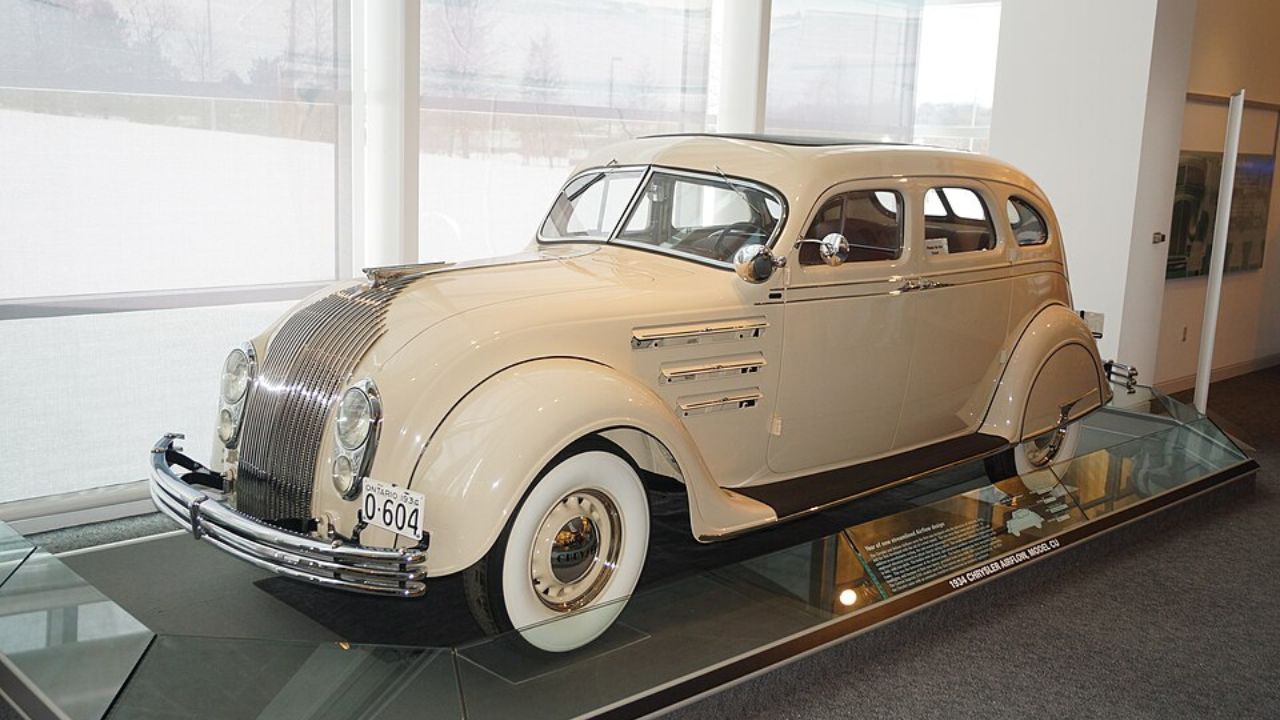
The 1934 Chrysler Airflow is often heralded as one of the most significant automotive designs of its time. Its streamlined shape was revolutionary, promoting better aerodynamics compared to traditional car designs. The Airflow featured a unique all-steel body, which significantly improved safety and durability. Additionally, the car was equipped with a powerful inline-eight engine, allowing for enhanced performance. This model demonstrated Chrysler’s commitment to innovation and paved the way for future designs focused on both aesthetics and functionality. The impact of the Airflow can still be seen in modern automotive designs today. For further exploration of automotive innovations from this decade, you may refer to Kelley Blue Book.
1932 Ford Model B
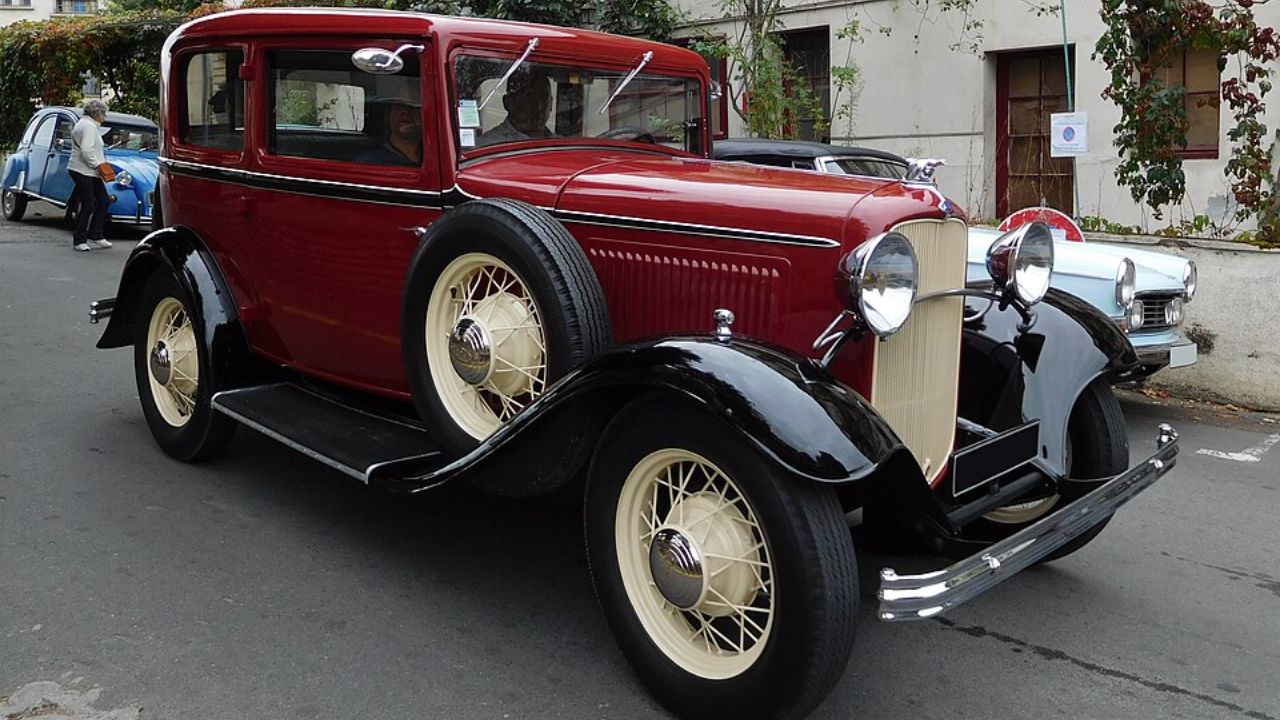
The 1932 Ford Model B marked a significant evolution in the Ford lineup, incorporating both a four-cylinder and an eight-cylinder engine option. This versatility allowed it to cater to a wider audience, establishing Ford as a dominant player in the market. The Model B also introduced features such as hydraulic brakes, which greatly improved safety and handling. Its sleek design and affordability made it immensely popular, contributing to the growth of the American car culture during the Great Depression. The Model B’s influence is evident, as it laid the groundwork for future Ford models that prioritized performance and design.
1933 Cadillac V16
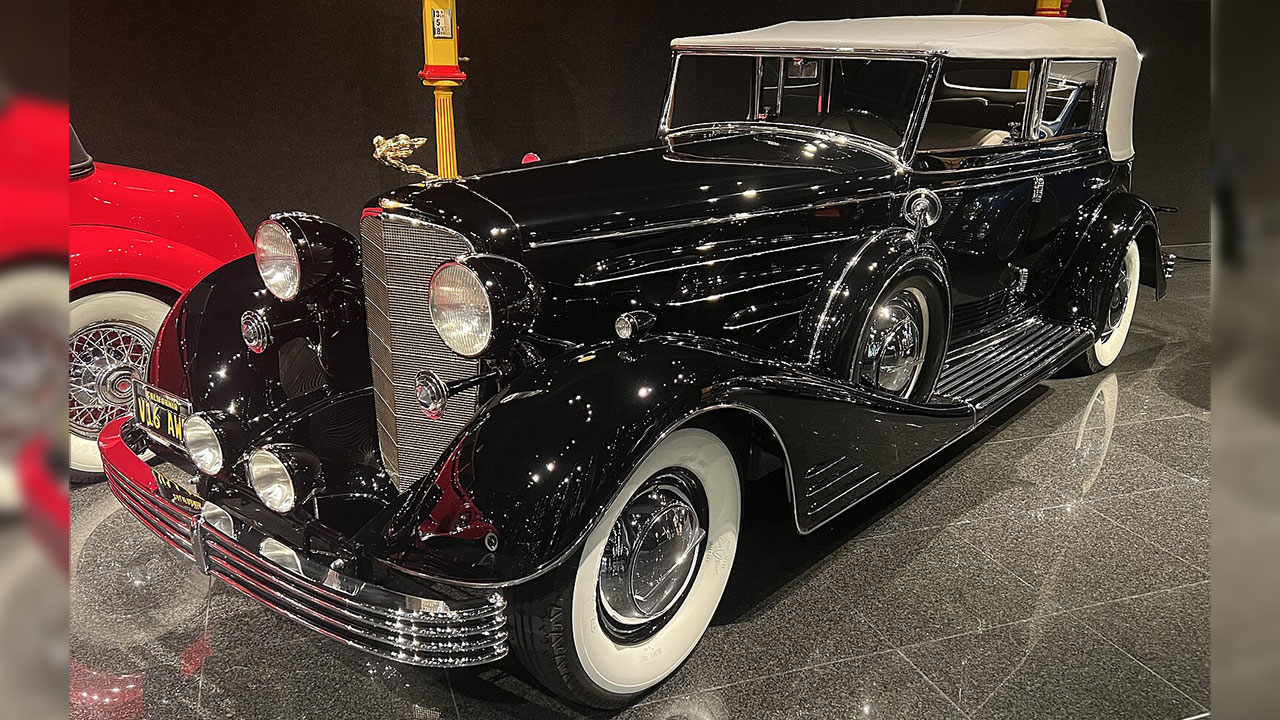
With the 1933 Cadillac V16, luxury and engineering excellence converged in an extraordinary way. This model was powered by a 16-cylinder engine, making it one of the most powerful cars of its time. The V16 featured an advanced overhead valve design, which allowed for smoother performance and increased efficiency. Cadillac’s attention to detail extended to its design and luxurious interior, solidifying its status as a symbol of prestige. The V16 not only showcased Cadillac’s engineering prowess but also set a benchmark for performance and luxury that competitors aspired to reach.
1934 Chevrolet Master
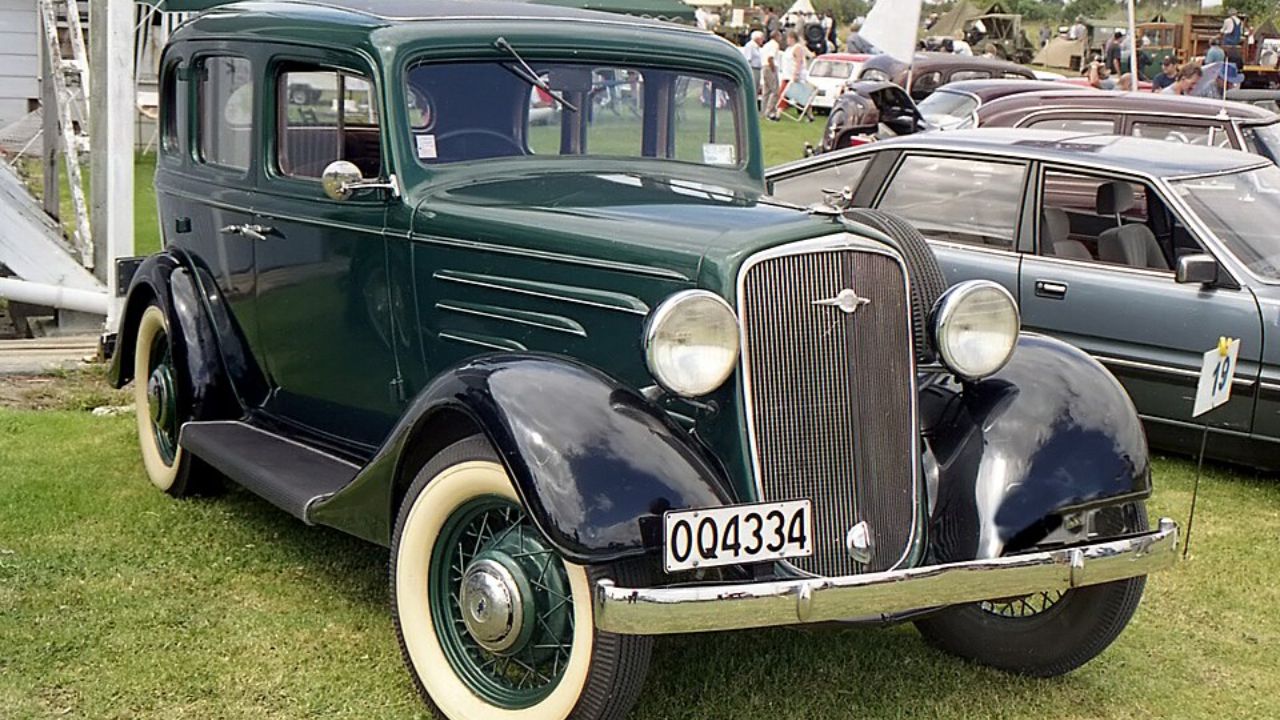
The 1934 Chevrolet Master was a game-changer, introducing several advancements that made it a favorite among consumers. It was one of the first models to feature a modernized design with a streamlined body and improved aerodynamics. The Master also included a more powerful engine and a refined suspension system, enhancing both comfort and handling. With its innovative engineering and affordability, the Chevrolet Master played a critical role in revitalizing the brand during challenging economic times. Its success demonstrated that innovation could lead to both aesthetic appeal and practical improvements in performance.
1935 Bugatti Type 57
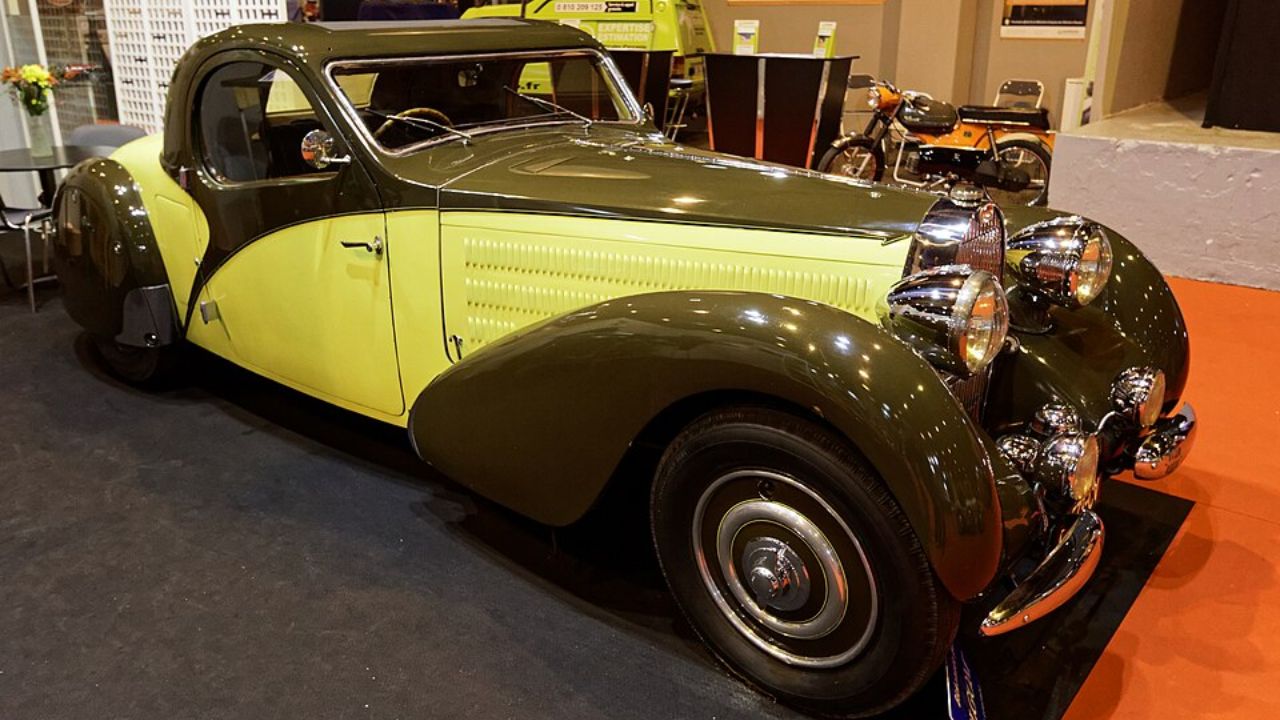
The 1935 Bugatti Type 57 is celebrated not only for its performance but also for its stunning design. The model featured a lightweight body and a supercharged engine, which allowed it to achieve remarkable speeds for its time. With its elegant curves and distinctive grille, the Type 57 became a symbol of luxury and prestige in the automotive world. Bugatti emphasized craftsmanship, ensuring that each vehicle was meticulously assembled. This dedication to quality and performance made the Type 57 a favorite among car enthusiasts and collectors alike, solidifying its place in automotive history.
1936 Ford Model 68
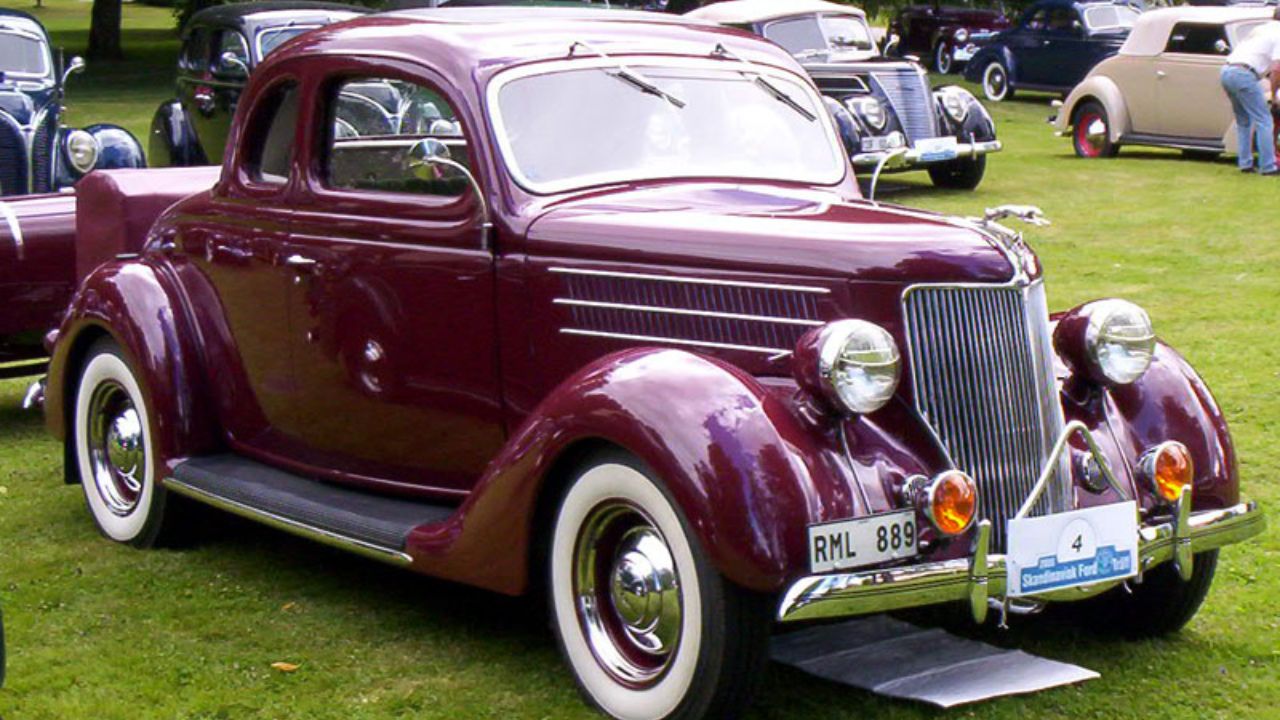
The 1936 Ford Model 68 showcased a refined aesthetic and a range of innovations that resonated with buyers. Its streamlined design was complemented by a new flathead V8 engine, which delivered improved power and efficiency. The Model 68 also introduced features such as a more spacious interior and enhanced safety features, reflecting Ford’s commitment to consumer needs. This model played a significant role in Ford’s recovery during the Great Depression, proving that innovation in design and engineering could attract buyers even in tough economic times.
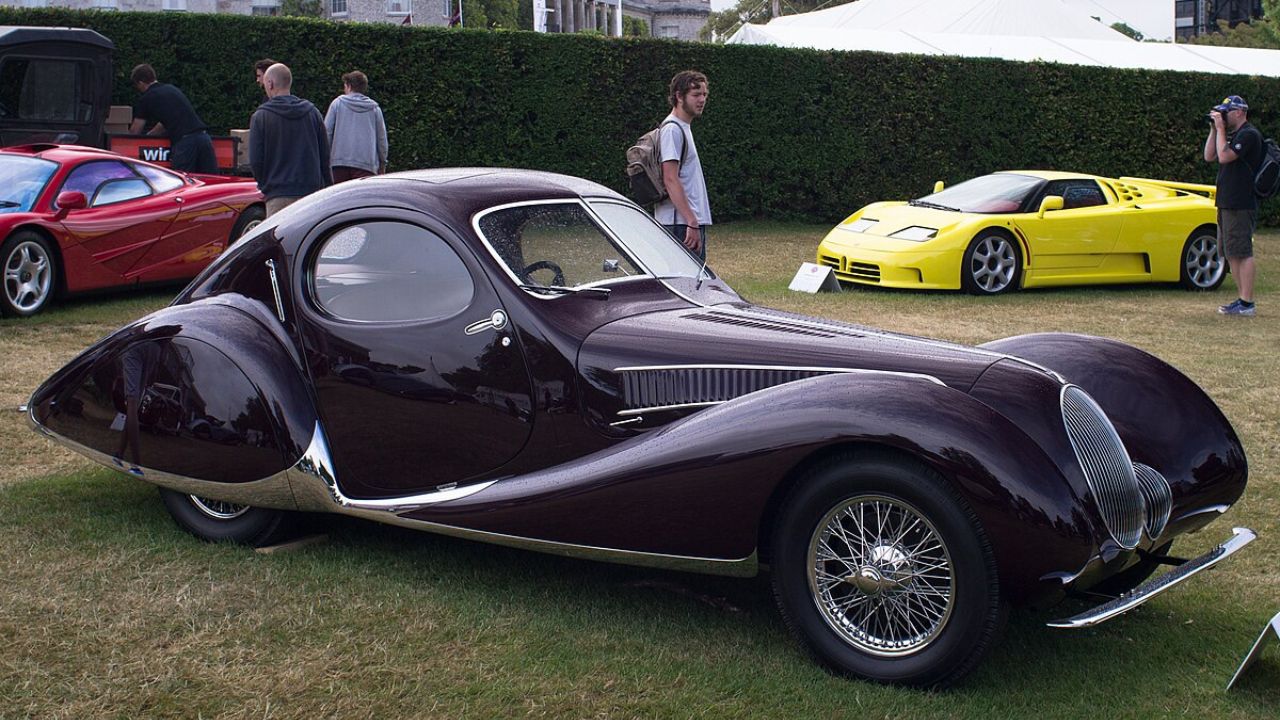
1937 Talbot-Lago T150-C
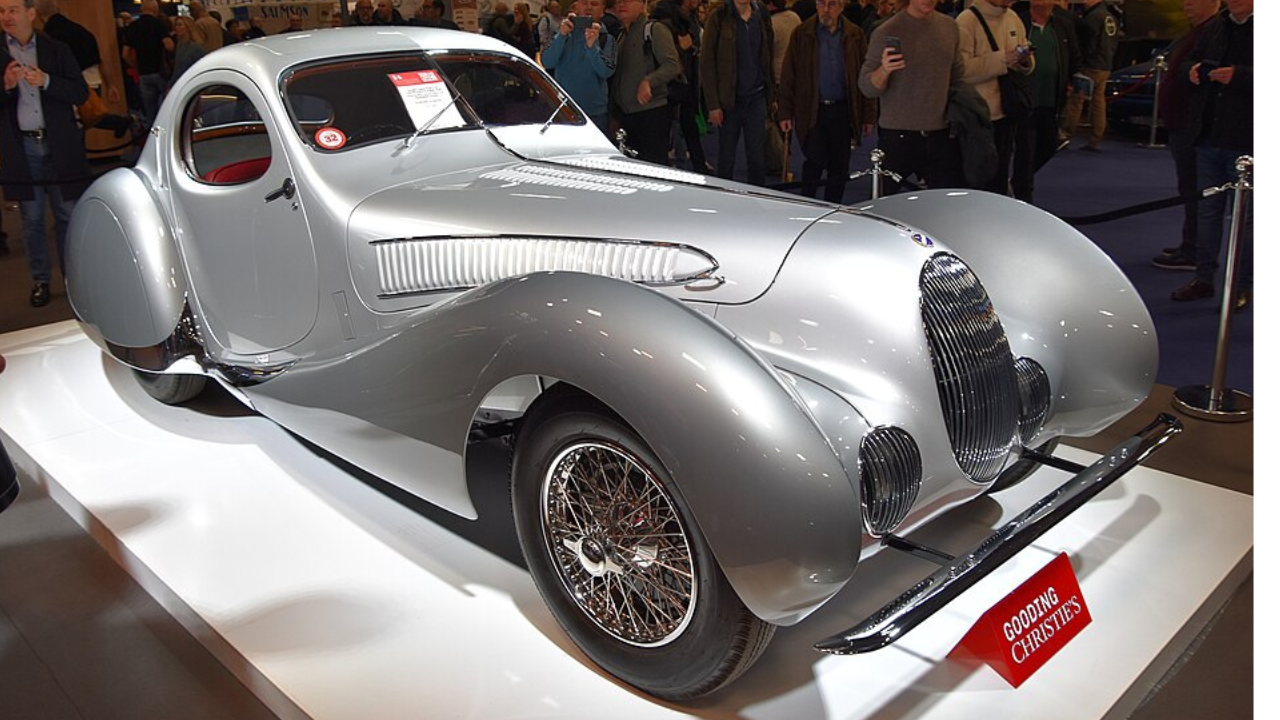
The 1937 Talbot-Lago T150-C is often regarded as one of the most beautiful cars ever created, combining elegance with high performance. Its distinctive teardrop shape not only made it visually striking but also optimized aerodynamics. The T150-C was powered by a robust inline-six engine, which provided exceptional speed and handling. This model exemplified the fusion of art and engineering, appealing to affluent buyers seeking both luxury and performance. The Talbot-Lago T150-C’s design elements have influenced automotive aesthetics even decades later, proving that innovation can transcend time.
1938 Volkswagen Beetle
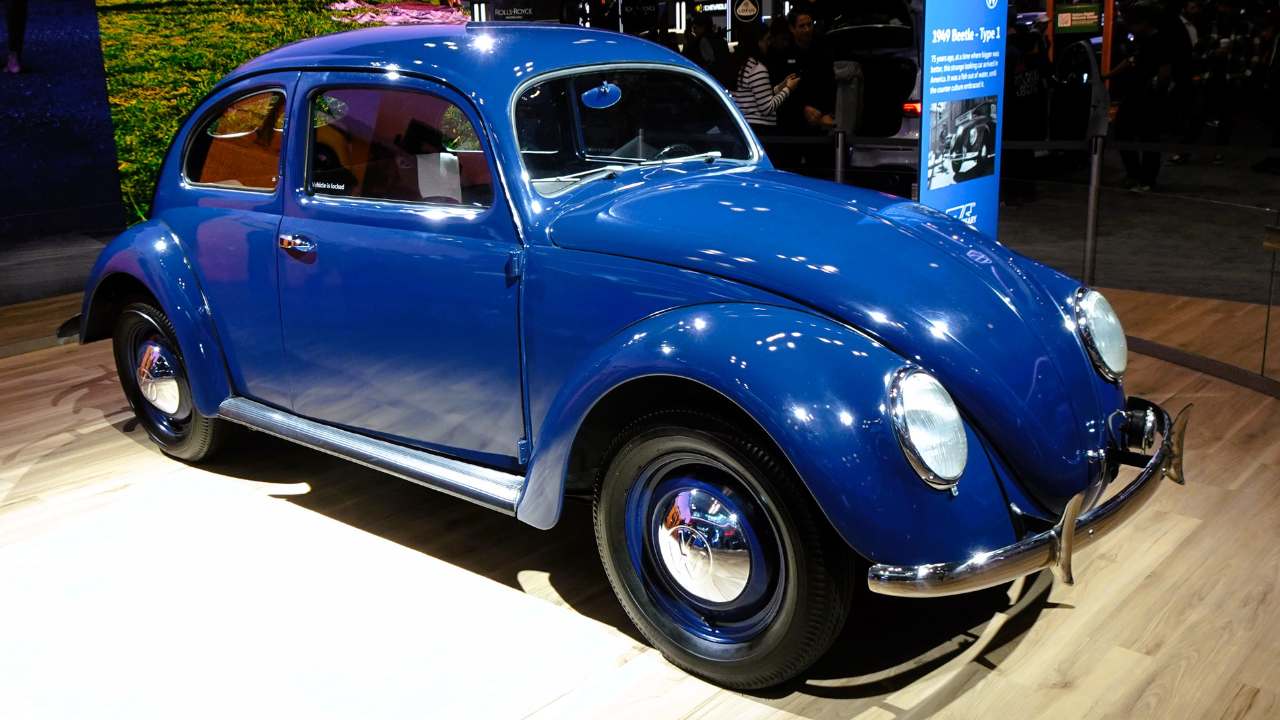
The 1938 Volkswagen Beetle emerged as an iconic symbol of practicality and affordability. Designed by Ferdinand Porsche, the Beetle’s unique shape was engineered for optimal aerodynamics, contributing to its fuel efficiency. Its rear-engine layout and simplicity made it easy to maintain, appealing to a broad audience during challenging economic conditions. The Beetle’s production continued long after the 1930s, becoming a cultural phenomenon worldwide. Its design principles and engineering innovations have left a lasting legacy in the automotive industry, demonstrating how a well-conceived model can resonate across generations.
1939 Mercedes-Benz 770
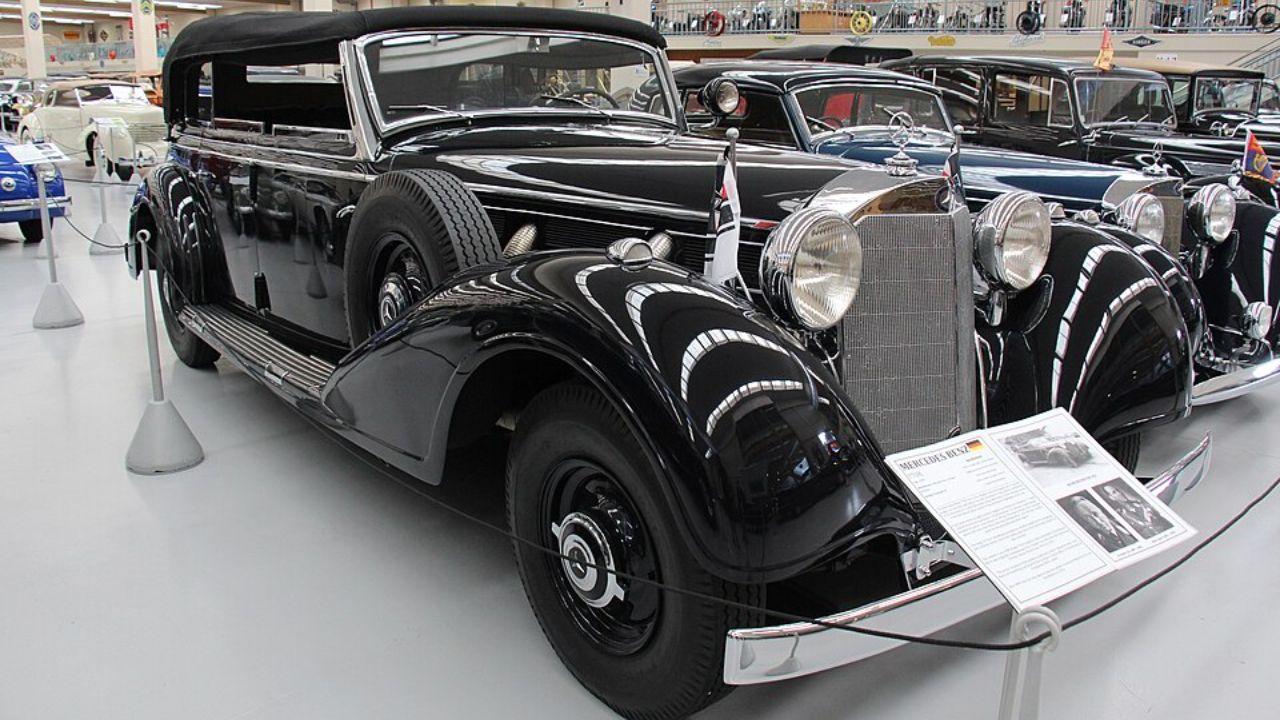
The 1939 Mercedes-Benz 770 was the epitome of luxury and performance, often associated with royalty and heads of state. This model featured an impressive 7.7-liter V8 engine, delivering exceptional power and acceleration. Its luxurious interior was outfitted with the finest materials, ensuring comfort and elegance. The 770 also showcased advanced engineering, including independent front suspension and hydraulic brakes, which contributed to a smooth driving experience. This combination of performance and luxury solidified the Mercedes-Benz 770’s reputation as one of the most desirable cars of its era, exemplifying the pinnacle of automotive innovation.
1939 Nash Ambassador
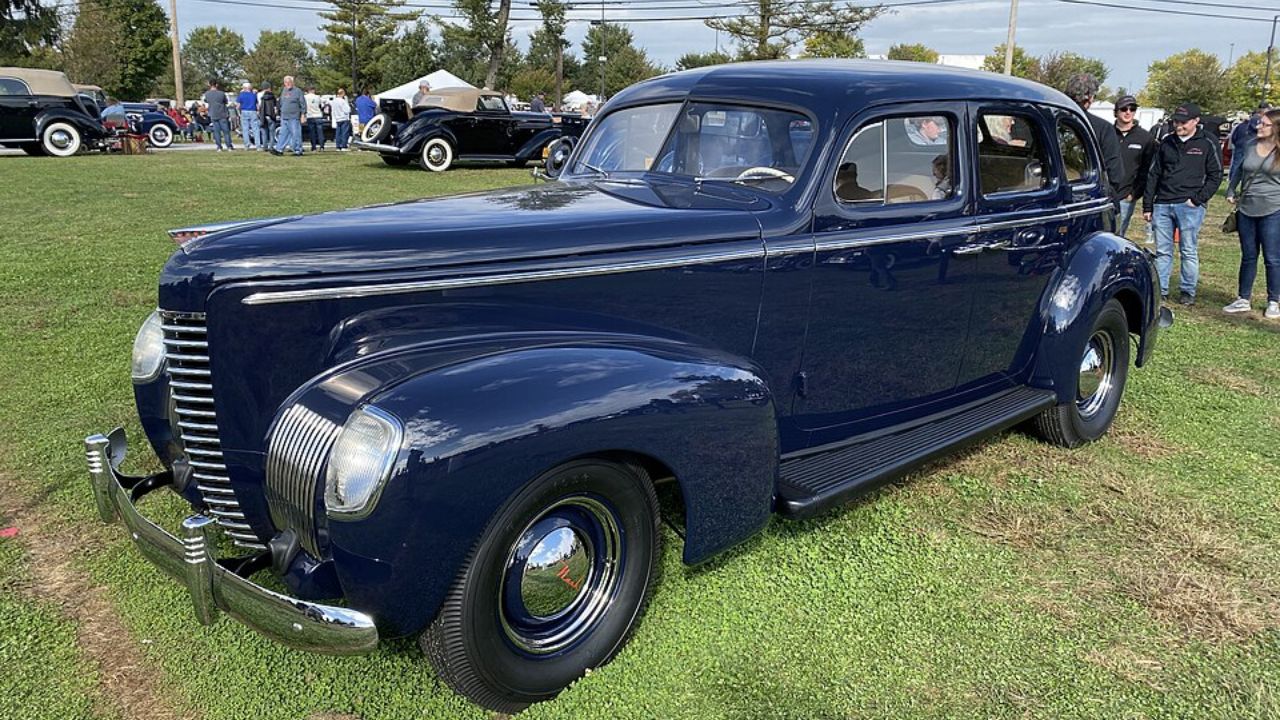
The 1939 Nash Ambassador introduced several groundbreaking features that would influence future automotive designs. It was one of the first cars to offer a fully enclosed body, improving aerodynamics significantly. Additionally, the Ambassador was equipped with a patented “Weather Eye” heating and ventilation system, enhancing passenger comfort. The model’s distinctive styling and innovative features helped Nash stand out in a competitive market. By focusing on both functionality and design, the Nash Ambassador showcased how creativity and engineering could lead to significant advancements in the automotive industry.
More from Fast Lane Only