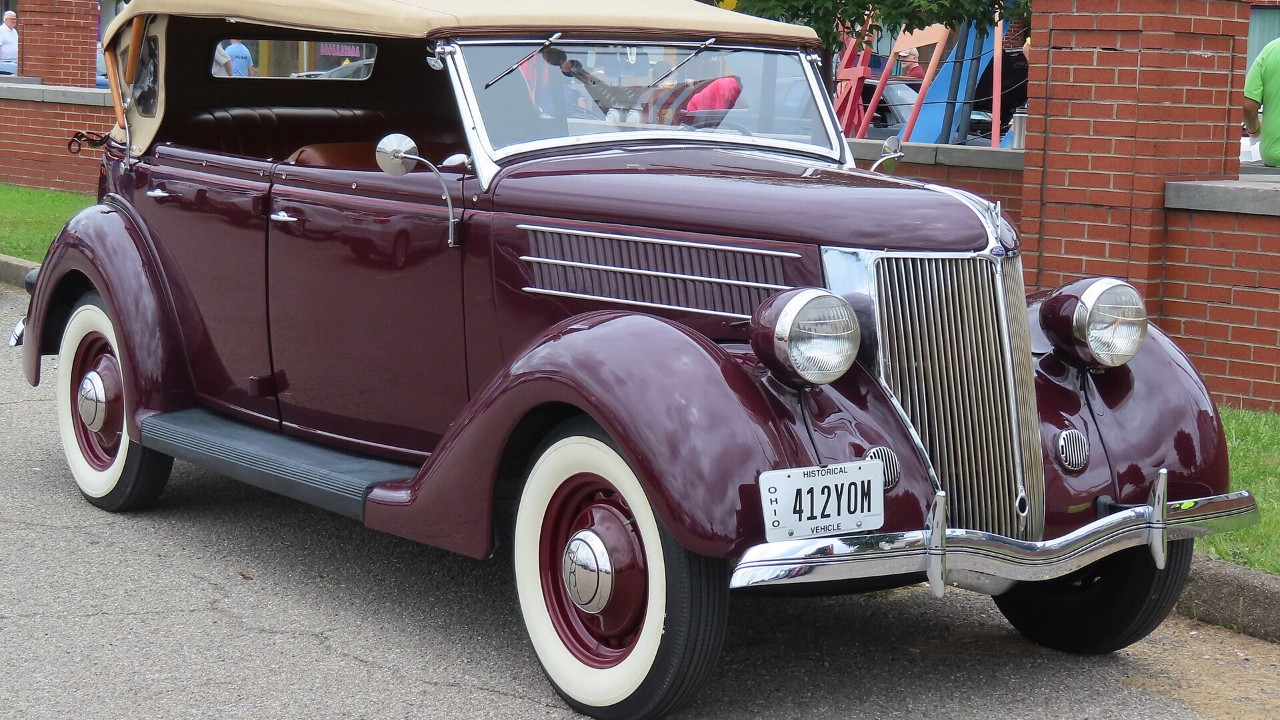
The 1970s brought fuel shortages, emissions regulations, rising insurance costs, and major changes in the automotive industry. Yet automakers continued finding ways to make cars visually exciting. These ten models demonstrated that even during a difficult decade, bold proportions, distinctive details, and memorable styling could still make a car stand out.
Pontiac Firebird Trans Am
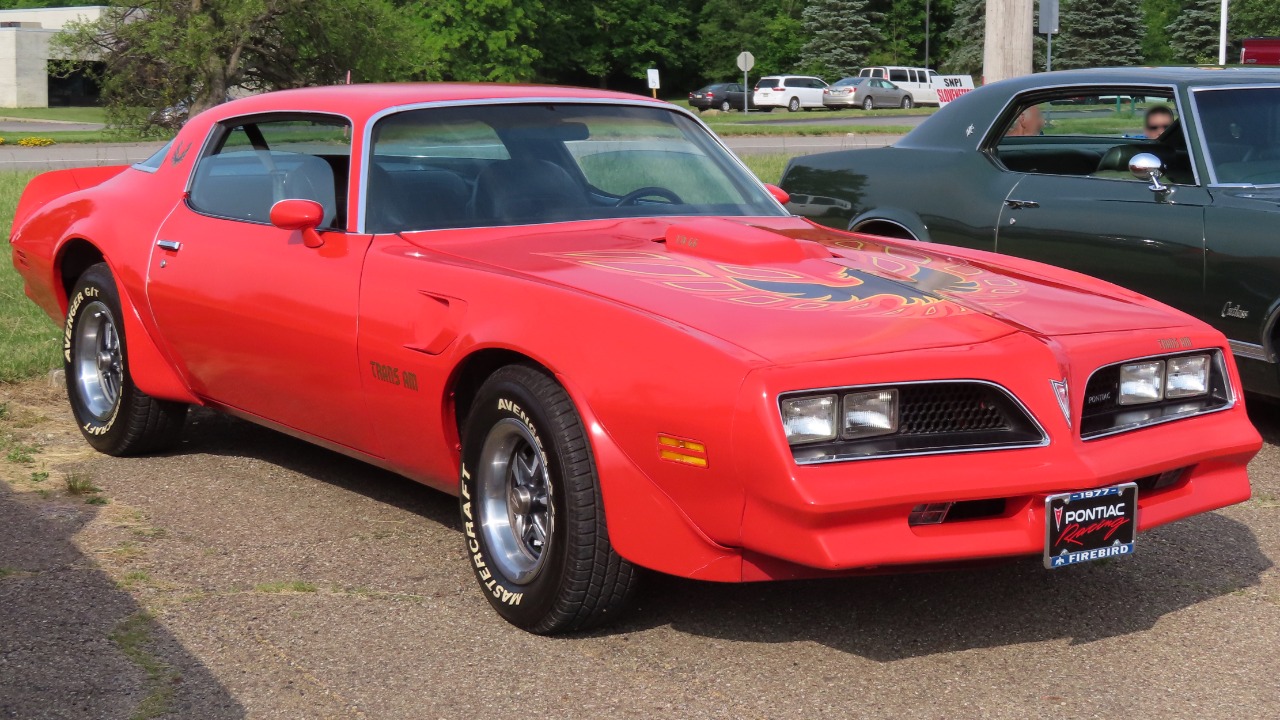
The Pontiac Firebird Trans Am became one of the decade’s most recognizable performance cars. Its long hood, aggressive front end, fender flares, and enormous hood graphics created an unmistakable appearance. Even as horsepower declined, Pontiac continued emphasizing visual drama. The Trans Am proved that styling and attitude could preserve a performance car’s appeal when raw power was becoming harder to deliver.
Chevrolet Corvette
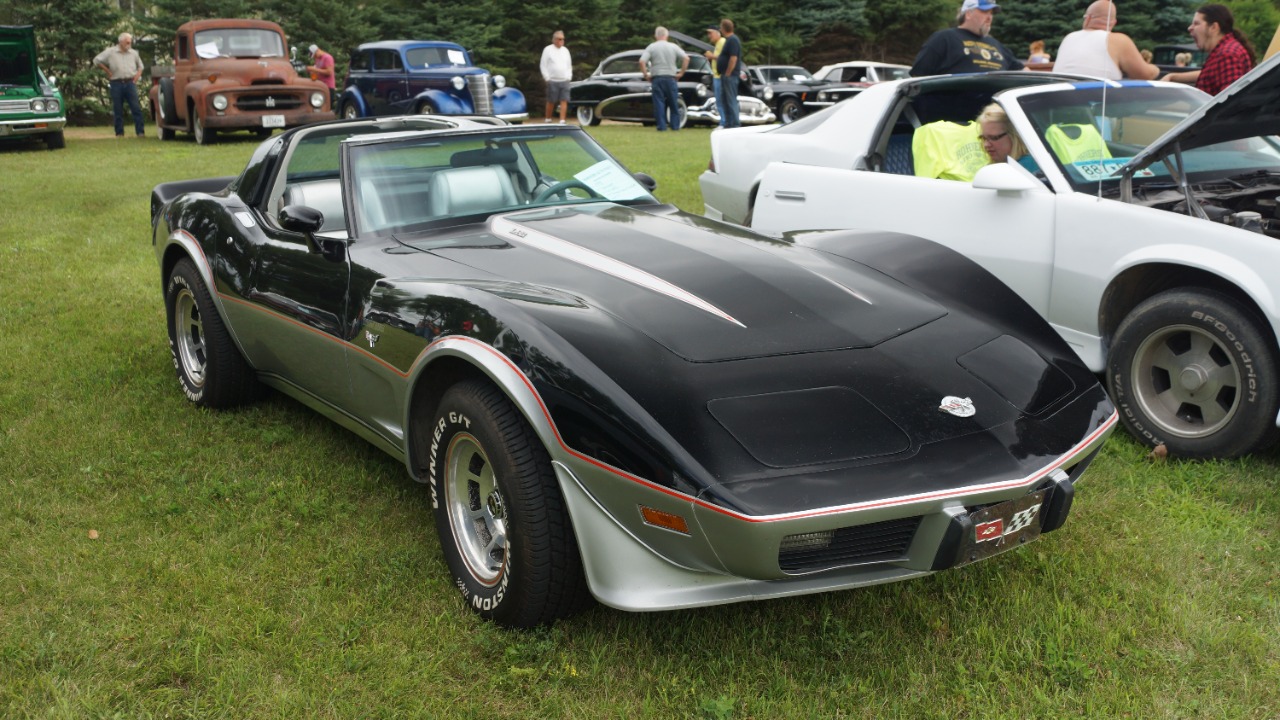
The Chevrolet Corvette adapted to the changing 1970s without abandoning its identity as an American sports car. Its long hood, low profile, and wide stance remained unmistakable, while the introduction of urethane bumpers gave later versions a more integrated appearance. Despite regulatory and economic challenges, the Corvette continued to look like a genuine performance machine.
Dodge Challenger
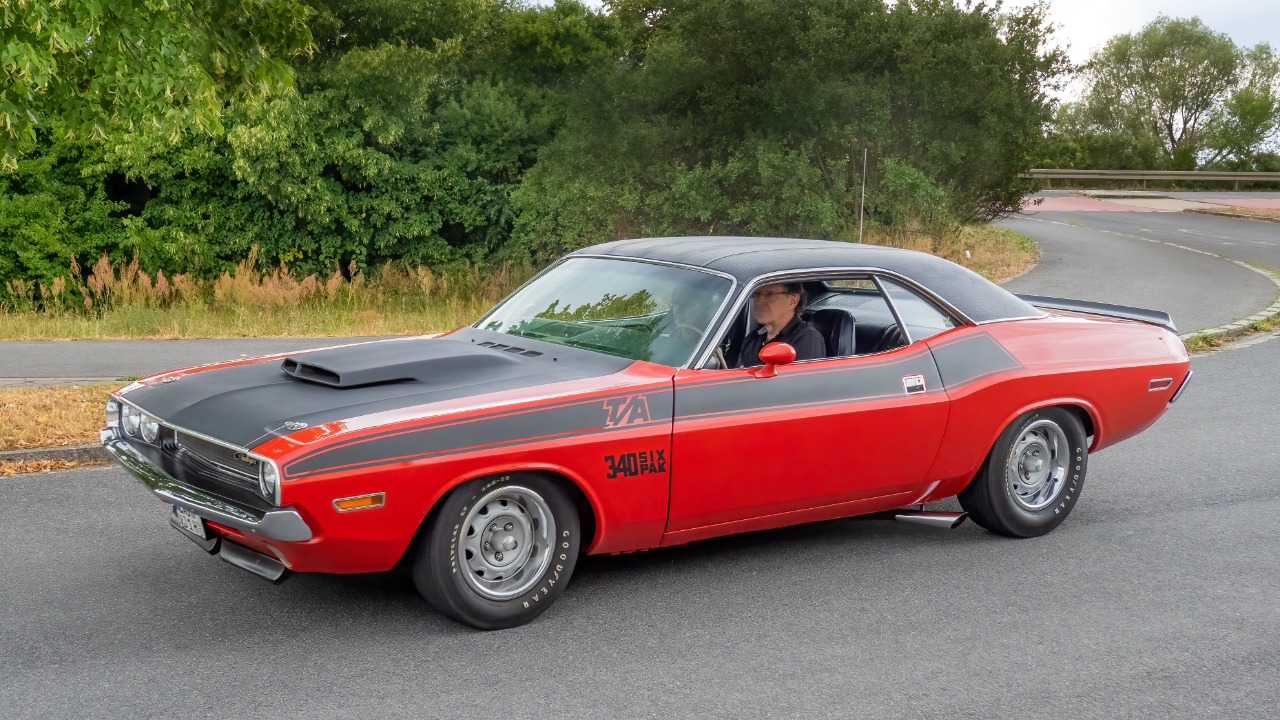
The early-1970s Dodge Challenger arrived with some of the most dramatic proportions of the muscle-car era. Its long hood, short rear deck, wide stance, and bold grille gave it instant presence. Although its original production run was brief, the Challenger became an enduring symbol of American performance styling and demonstrated how much visual impact could influence buyers.
Ford Mustang II
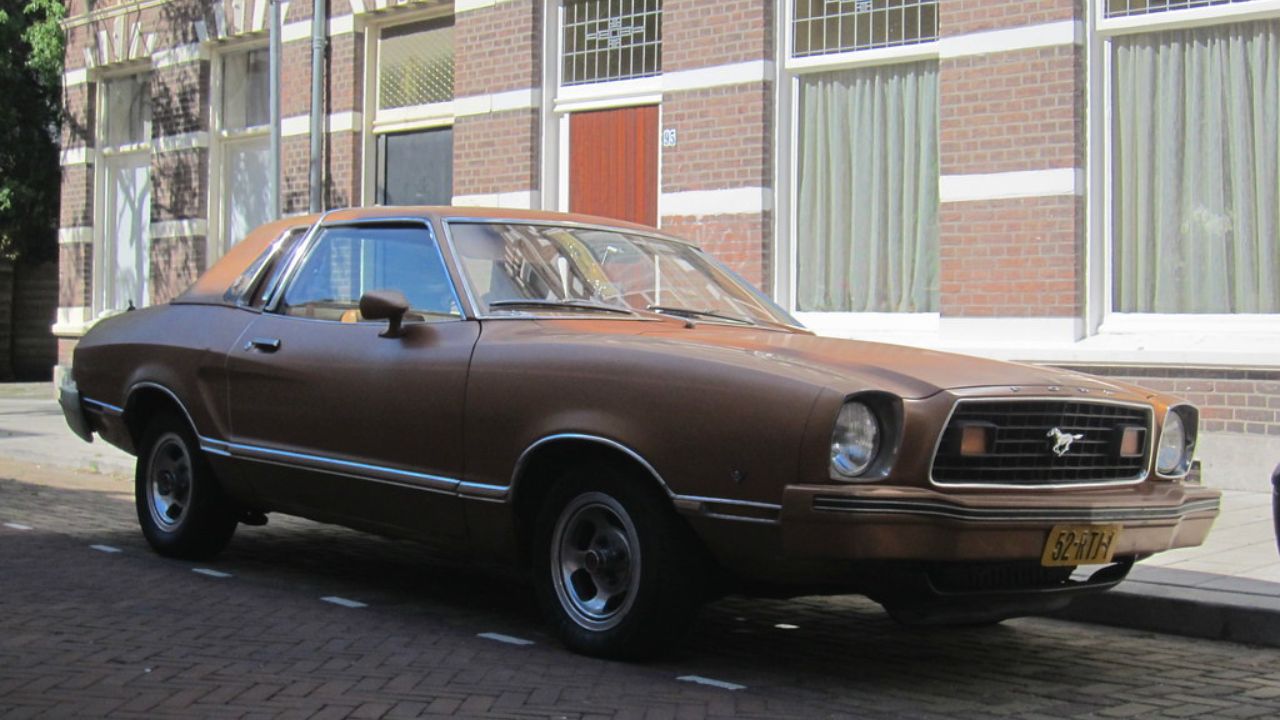
The Ford Mustang II represented a dramatic departure from the larger muscle cars of the early 1970s. Its smaller dimensions, compact proportions, and available fastback body reflected changing consumer needs. While its performance was modest compared with earlier Mustangs, its styling helped preserve the Mustang identity during a difficult period. The car showed that adaptation could keep a famous nameplate alive.
Chevrolet Monte Carlo
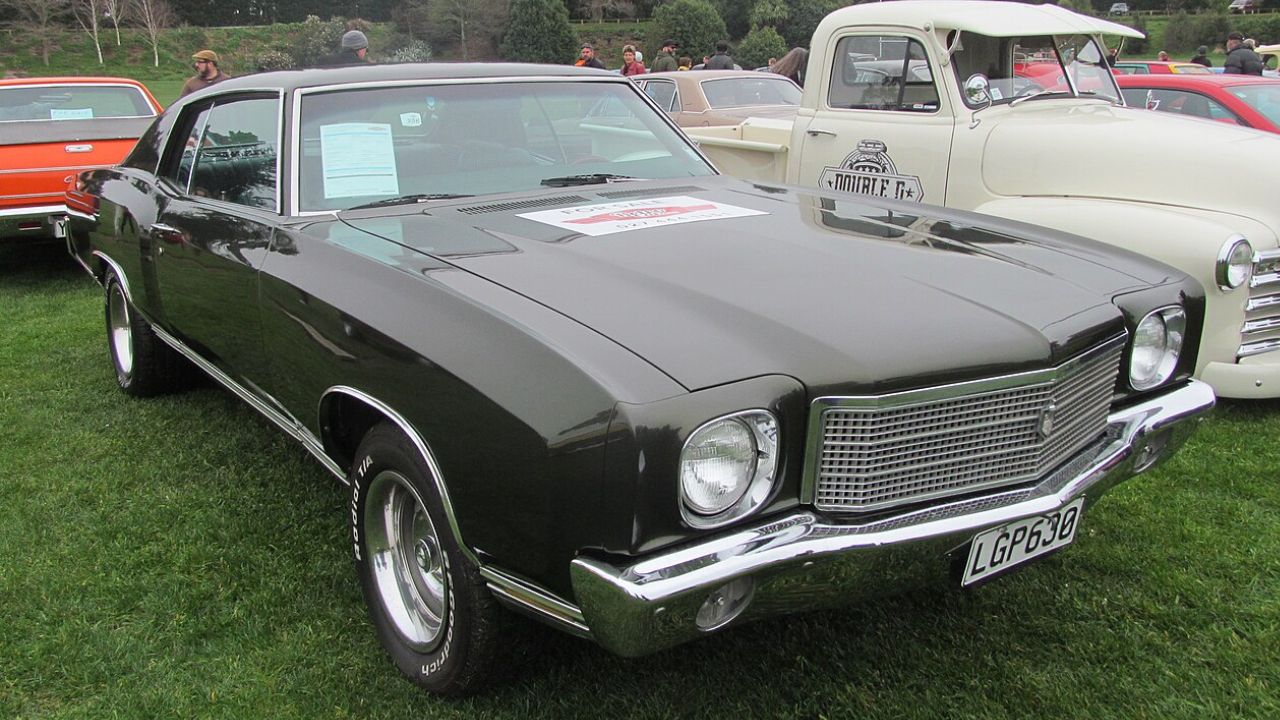
The Chevrolet Monte Carlo became a defining personal-luxury coupe of the 1970s. Its long hood, formal roofline, broad body, and extensive trim created a strong visual presence. Rather than focusing solely on performance, Chevrolet emphasized comfort and appearance. The Monte Carlo demonstrated that buyers could still be attracted to large, stylish coupes despite changing economic conditions.
Buick Riviera
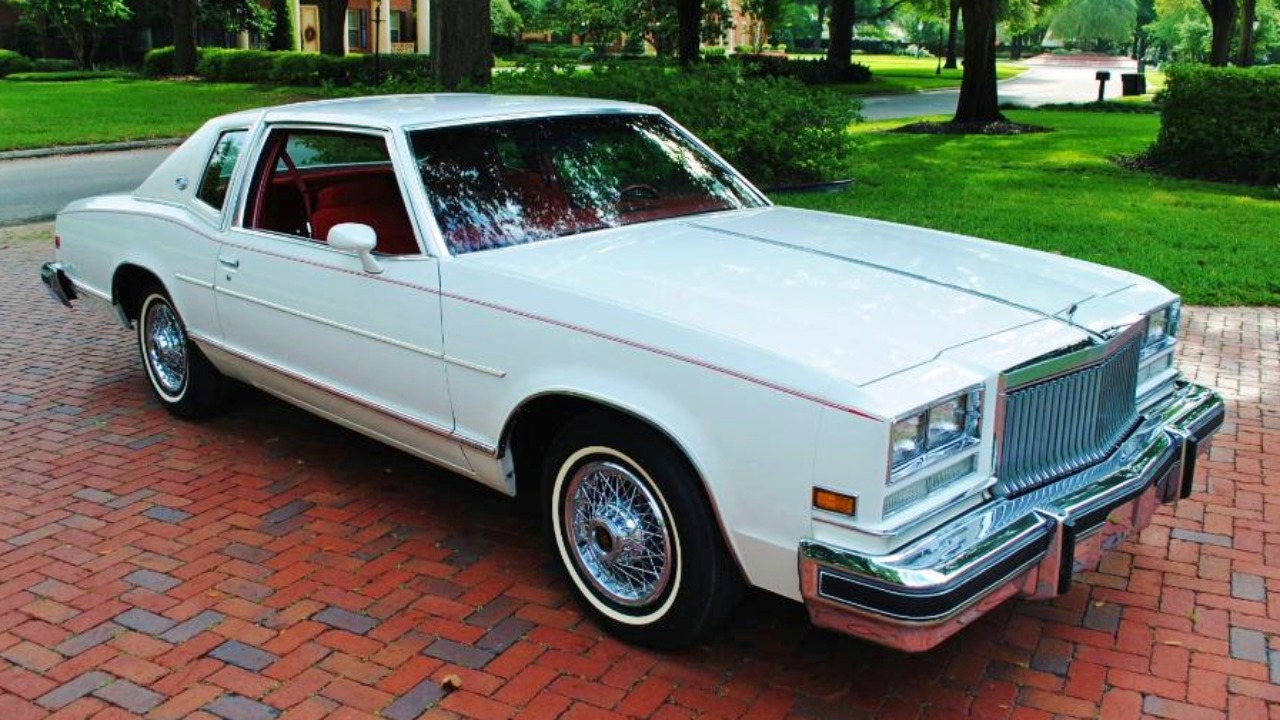
The Buick Riviera continued to serve as one of GM’s most distinctive personal-luxury cars. Its sculpted bodywork, dramatic grille treatments, and carefully designed interior gave it an upscale personality. Buick understood that luxury buyers wanted more than mechanical capability. The Riviera’s styling helped maintain its position as a visual statement during a decade of significant automotive change.
Cadillac Eldorado
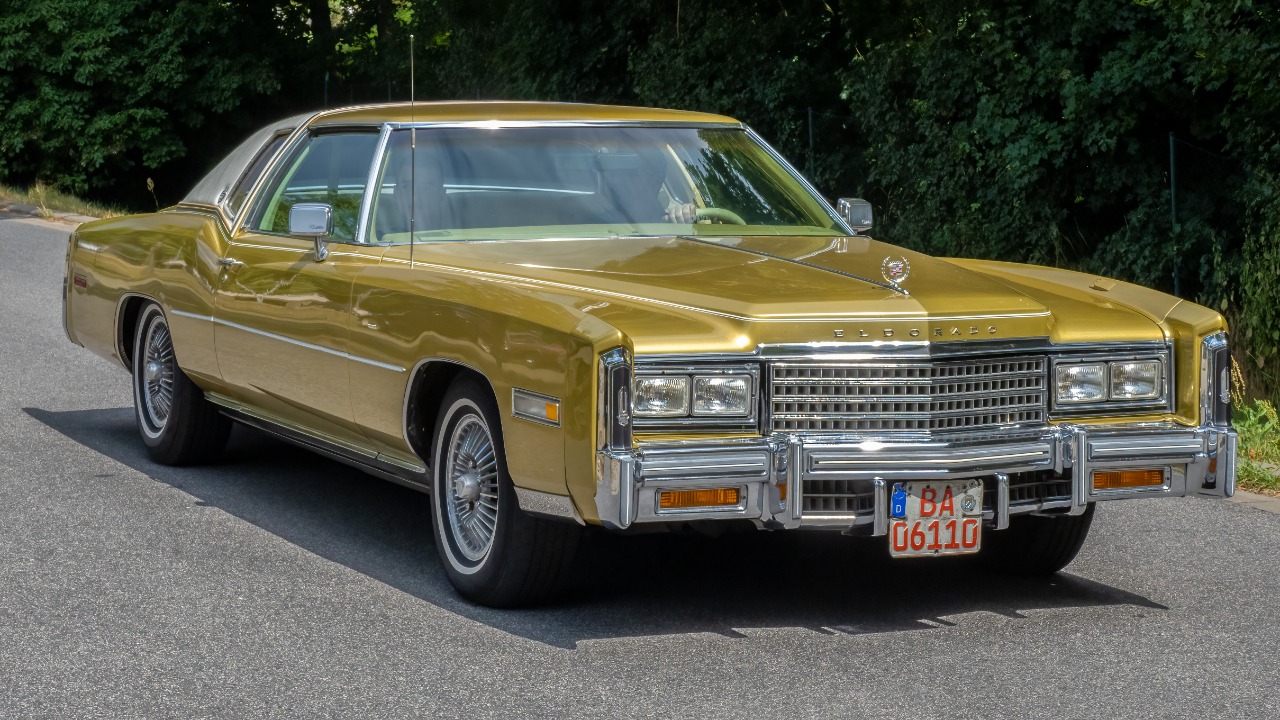
The Cadillac Eldorado remained a symbol of American luxury during the 1970s. Its long body, imposing grille, large proportions, and carefully executed details gave it enormous road presence. Cadillac continued using the Eldorado to showcase the brand’s sense of occasion. Even as the industry became more conservative, the Eldorado refused to become visually ordinary.
Lancia Stratos
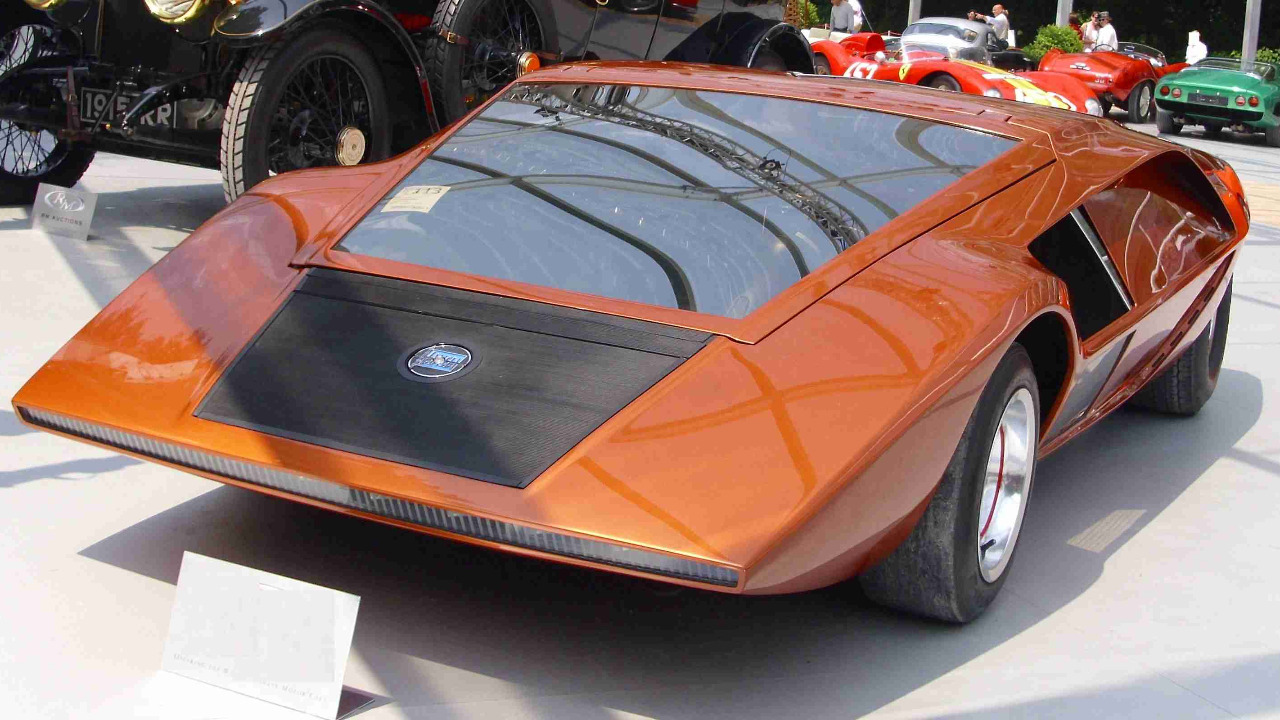
The Lancia Stratos looked unlike almost anything else on the road. Its wedge-shaped body, compact proportions, and sharply defined glasshouse were heavily influenced by its competition origins. The design became especially famous through rallying, where its performance matched its dramatic appearance. The Stratos demonstrated that radical styling could become an essential part of a car’s identity.
Lamborghini Countach
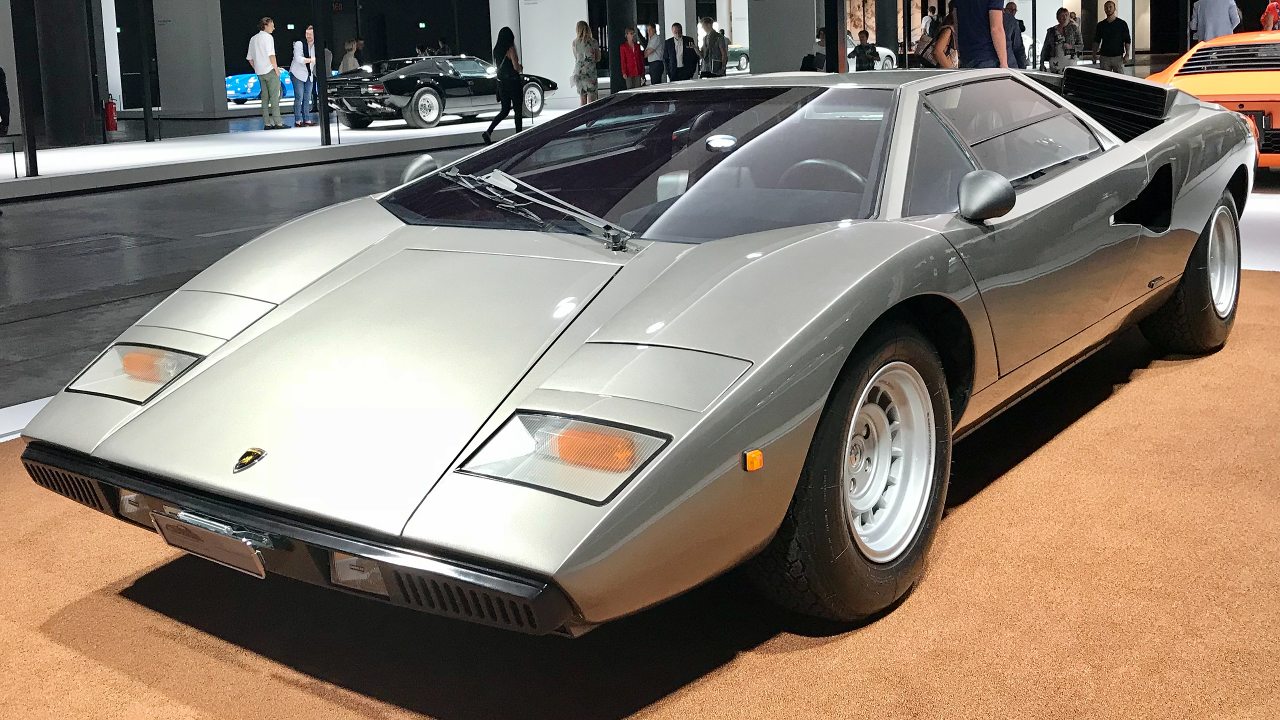
The Lamborghini Countach became perhaps the ultimate symbol of 1970s wedge design. Its extremely low body, sharp angles, scissor doors, and dramatic proportions made it appear more like a futuristic concept than a conventional production car. Its extreme appearance became enormously influential, shaping how generations of people imagined the exotic supercar.
Volkswagen Scirocco
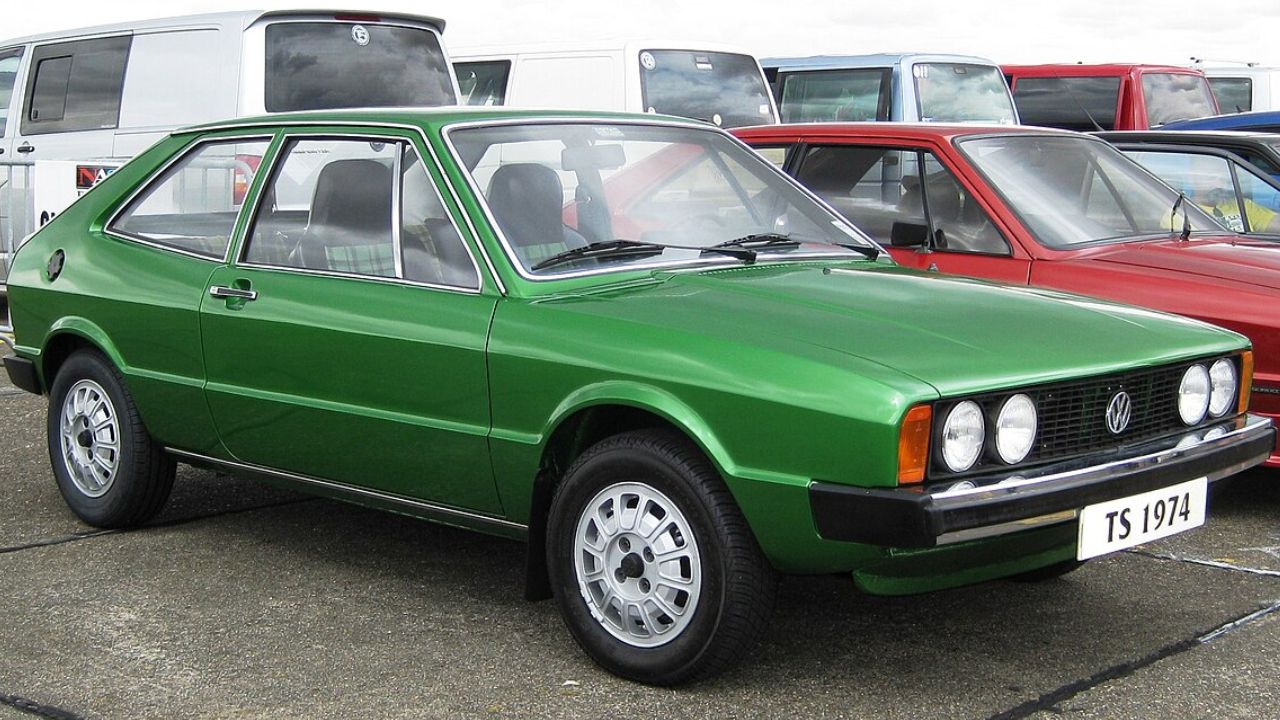
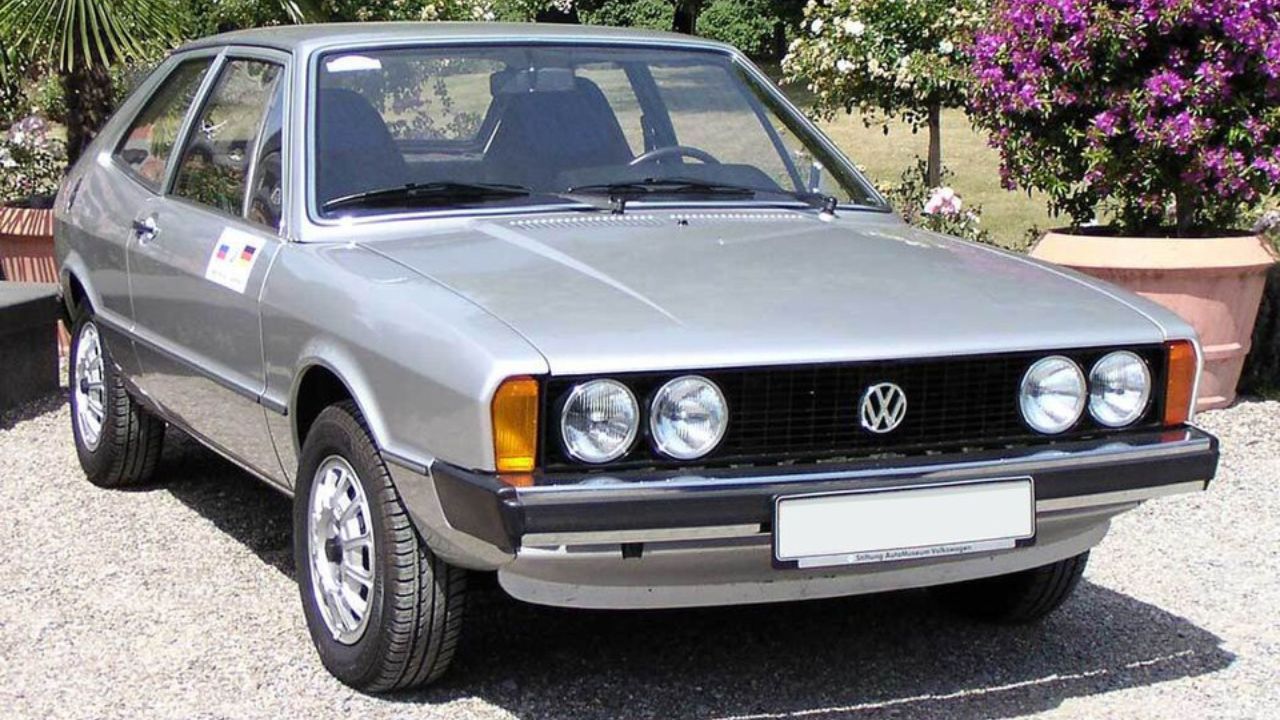
The Volkswagen Scirocco demonstrated that a compact, affordable car could still have sophisticated styling. Its low roofline, sharp body contours, and practical hatchback layout gave it a distinctly sporty appearance. Designed by Giorgetto Giugiaro, the Scirocco brought Italian-influenced styling to a relatively accessible car and showed that visual appeal did not require enormous size or excessive ornamentation.
More from Fast Lane Only
- Unboxing the WWII Jeep in a Crate
- 15 rare Chevys collectors are quietly buying
- 10 underrated V8s still worth hunting down
- Police notice this before you even roll window down
*Research for this article included AI assistance, with all final content reviewed by human editors