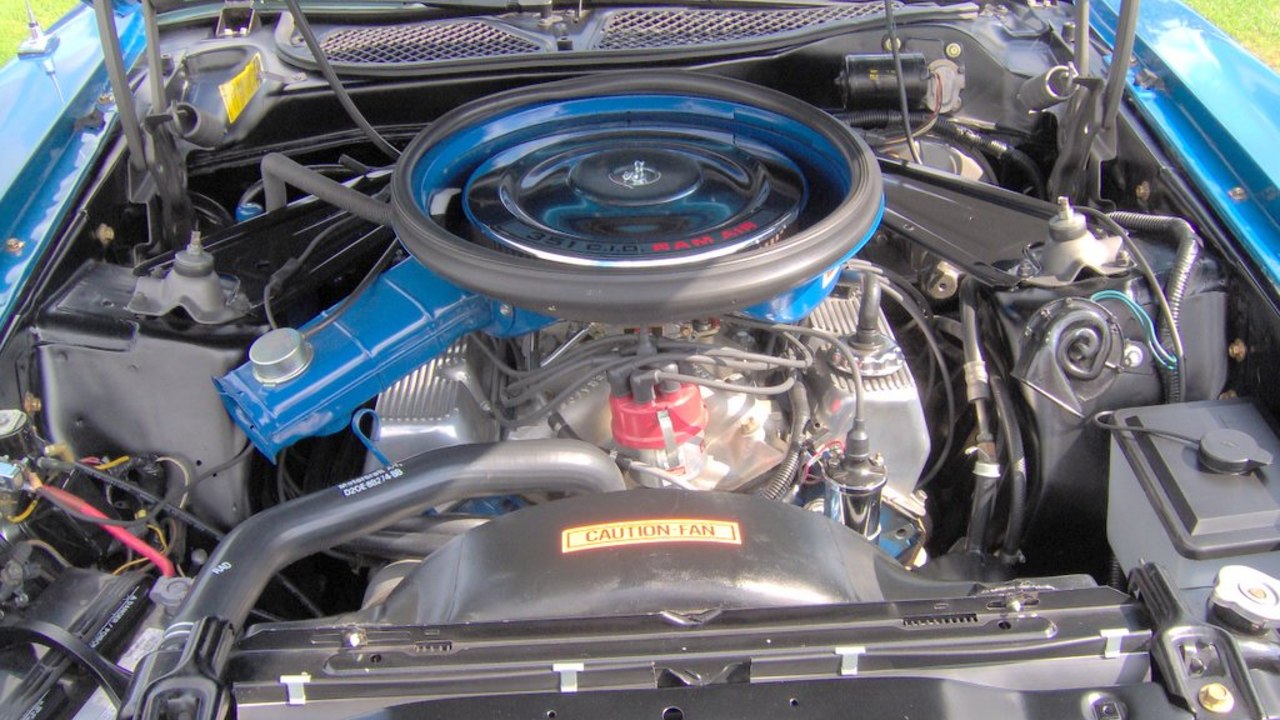
Some factory engines produced performance that was easy to underestimate. Official ratings, conservative styling, heavy vehicles, and understated marketing often made these powerplants seem less formidable than they really were. Once tested on the road or track, however, several proved capable of surprising acceleration and serious performance.
Chevrolet 409
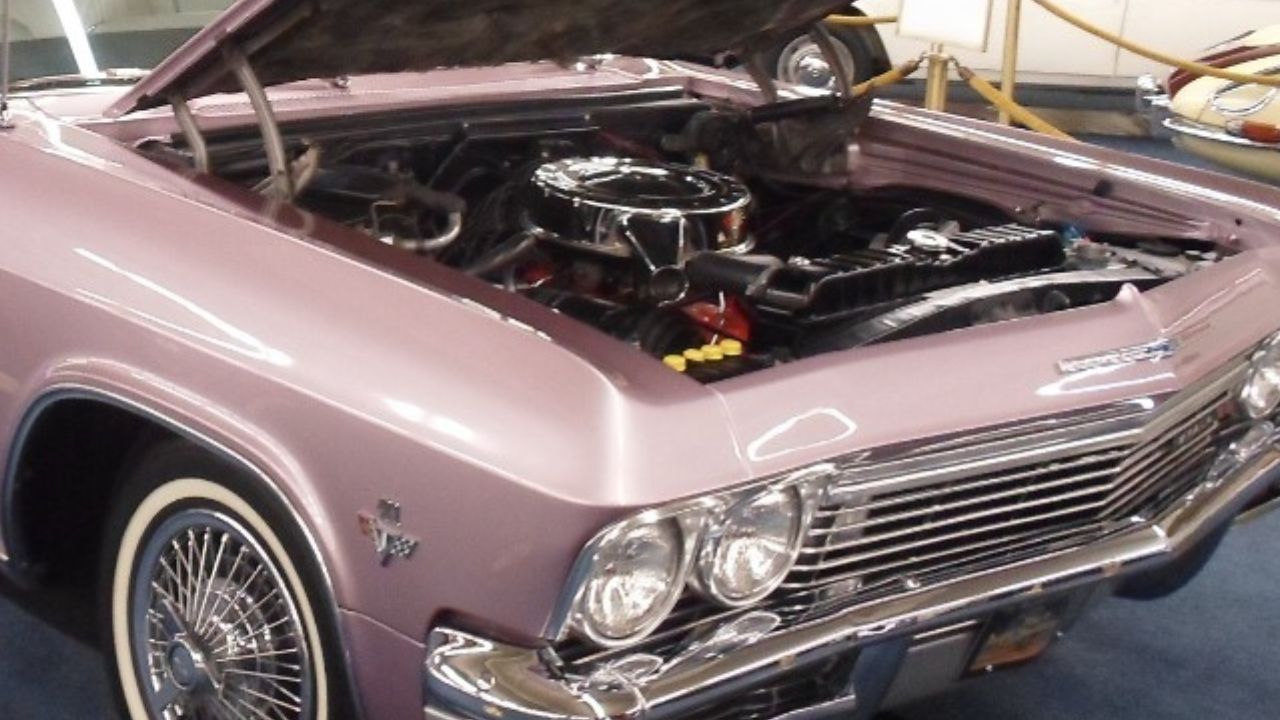
The Chevrolet 409 became one of Chevrolet’s most recognizable high-performance engines of the early 1960s. Available in full-size cars, it delivered substantial power and torque for its era. The engine’s reputation grew through drag racing and street performance, where properly equipped Chevrolets could deliver impressive acceleration. Its combination of displacement and tuning made it a formidable factory option.
Ford 427 Side-Oiler

The Ford 427 Side-Oiler was developed with serious competition in mind. Its reinforced block, specialized lubrication system, and large displacement allowed it to withstand high-rpm operation. Available in performance-oriented Ford models, the engine became famous for its racing success. Its ability to produce substantial power while surviving severe use made it one of Ford’s most formidable big-blocks.
Chrysler 426 Hemi
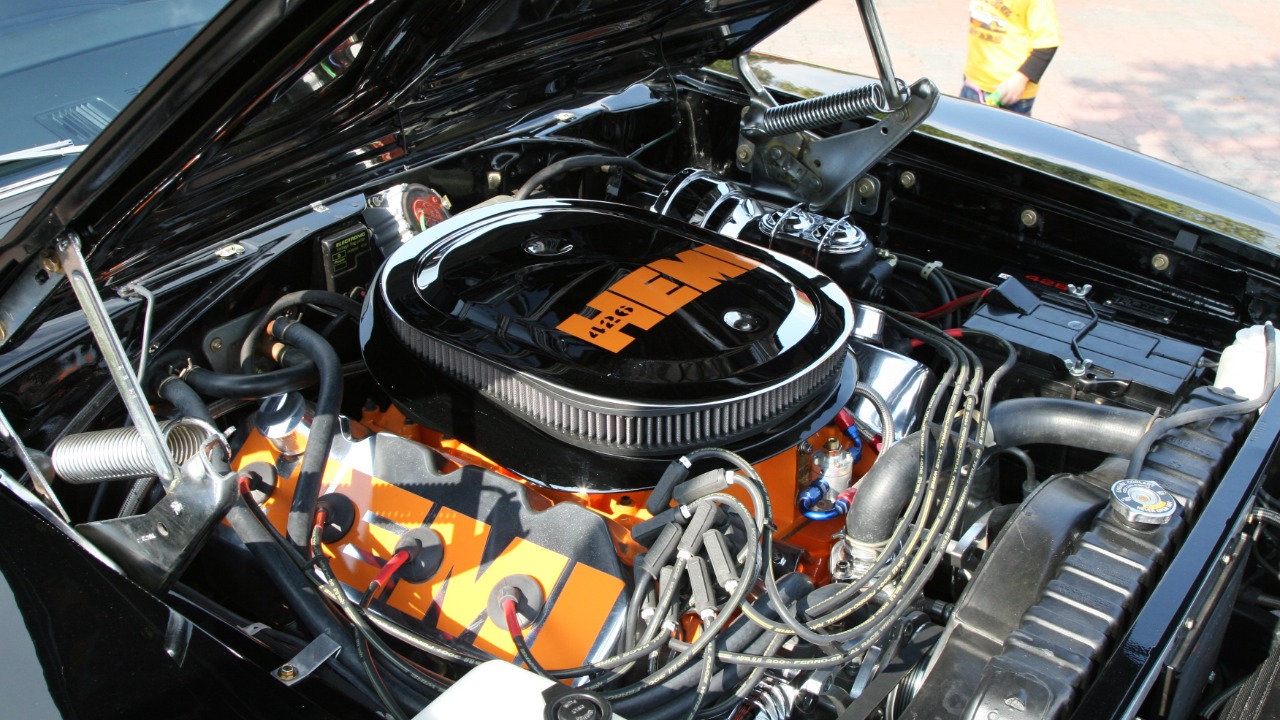
The Chrysler 426 Hemi became legendary for its enormous performance potential. Its hemispherical combustion chambers, large valves, and strong internal components allowed it to breathe exceptionally well. Although the engine was expensive and relatively specialized, its performance quickly established it as one of the defining powerplants of the muscle-car era.
Chevrolet 427 L88

The Chevrolet 427 L88 was one of the most extreme engines Chevrolet ever offered to customers. Designed with racing hardware and very high-performance components, it was officially rated conservatively compared with its actual capability. Installed in lightweight Corvettes, the L88 could deliver extraordinary acceleration. Its limited production and competition pedigree make it one of Chevrolet’s most legendary factory engines.
Ford 428 Cobra Jet
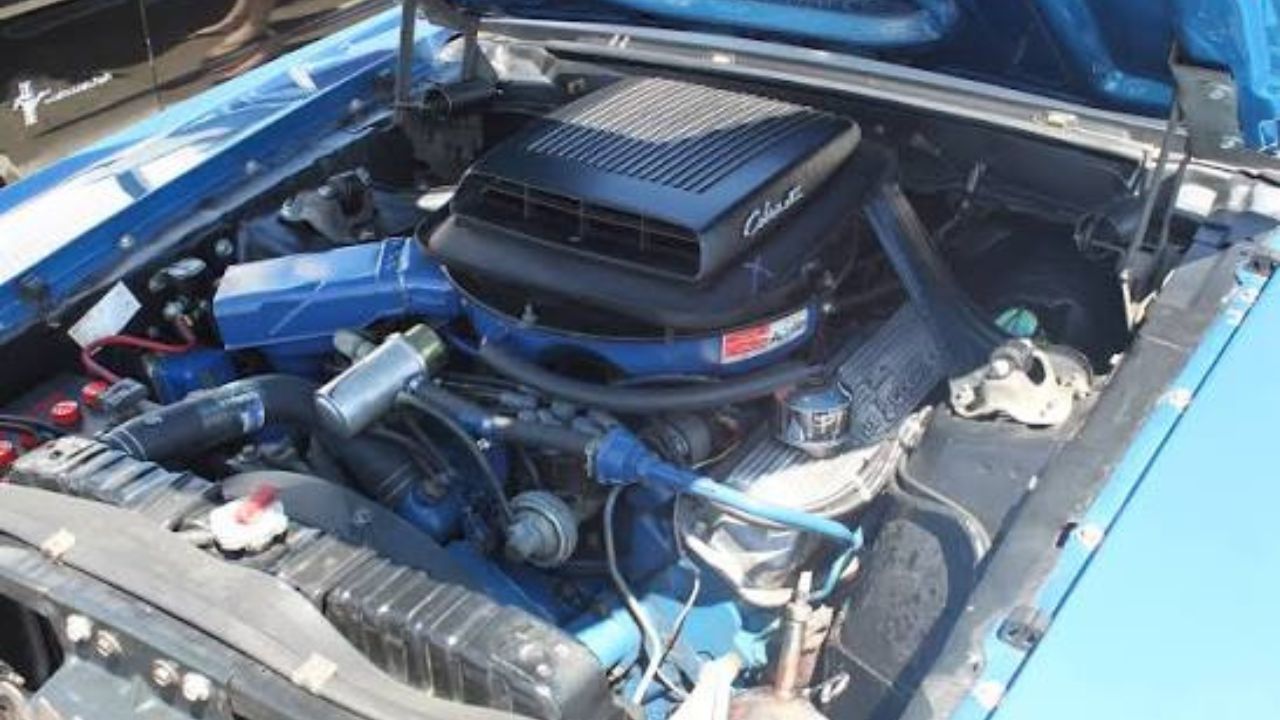
The Ford 428 Cobra Jet brought serious big-block performance to a wide range of Ford performance cars. Its combination of large displacement, strong torque, and high-flow components made it especially effective in heavy street cars. Factory horsepower figures did not fully communicate its real-world performance. Properly equipped Cobra Jet cars could accelerate with surprising authority.
Buick 455 Stage 1
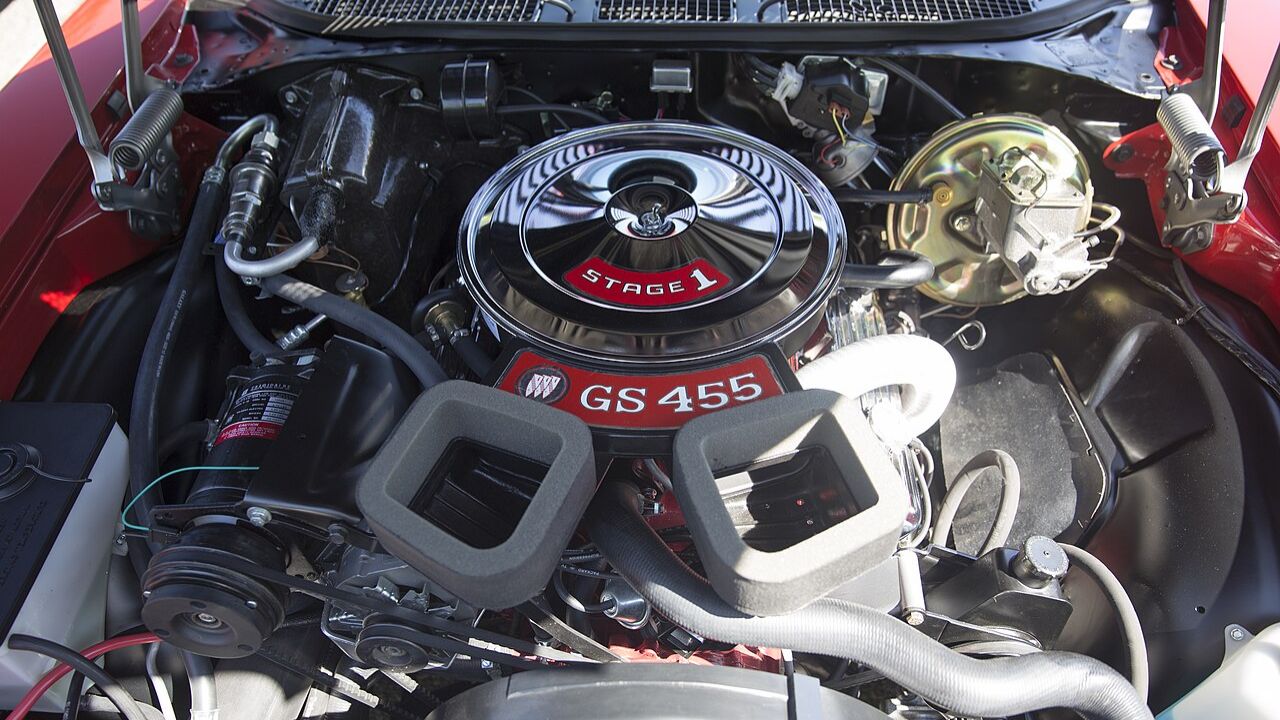
The Buick 455 Stage 1 became famous for producing enormous torque. Its large displacement and high-performance cylinder heads allowed Buick’s full-size and intermediate cars to move with surprising speed. Because Buick emphasized luxury and comfort, the performance hidden beneath the hood could be easy to overlook. The Stage 1 demonstrated that a refined car could still be exceptionally quick.
Oldsmobile 455 W-30
CC BY 2.0 / Wiki Commons
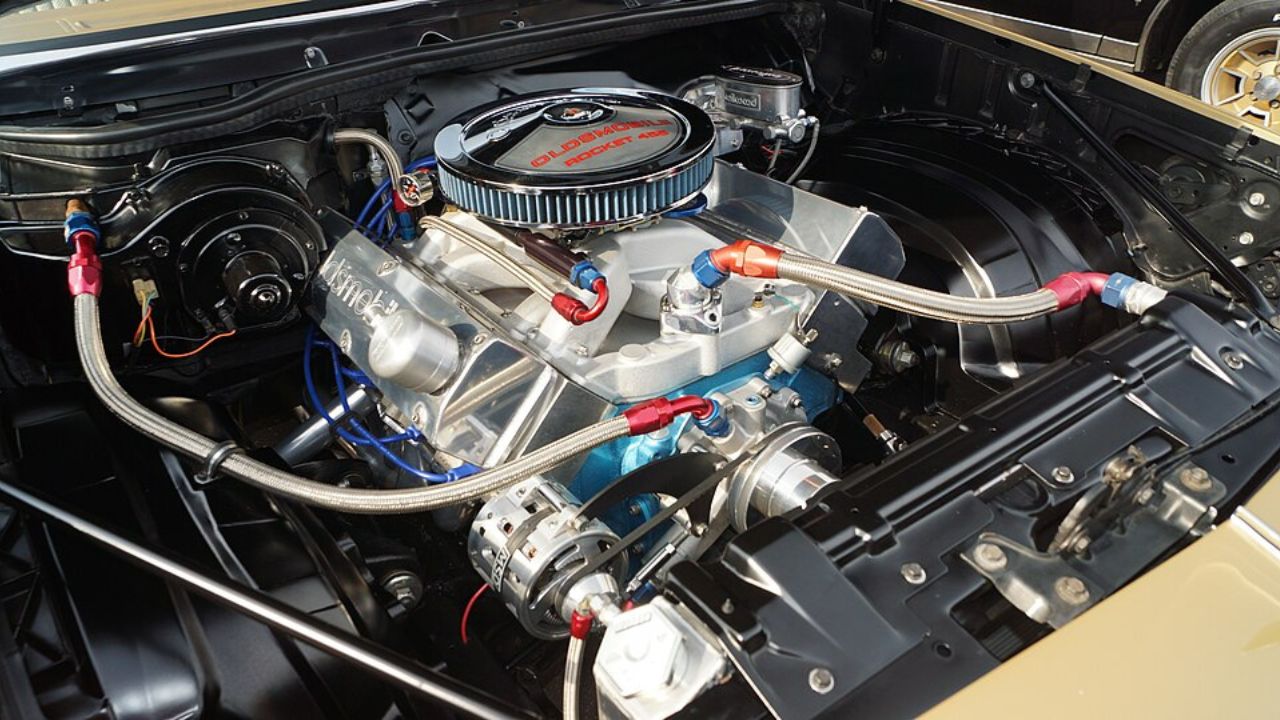
The Oldsmobile 455 W-30 combined substantial displacement with specialized performance equipment. Its high-flow heads, performance camshaft, and induction system helped it produce strong power and tremendous torque. Installed in relatively large Oldsmobiles, the engine could make these cars surprisingly quick. Its understated image often made its real performance easier to underestimate.
Pontiac Ram Air IV 400
Joe Mabel – CC BY-SA 3.0 / Wiki Commons
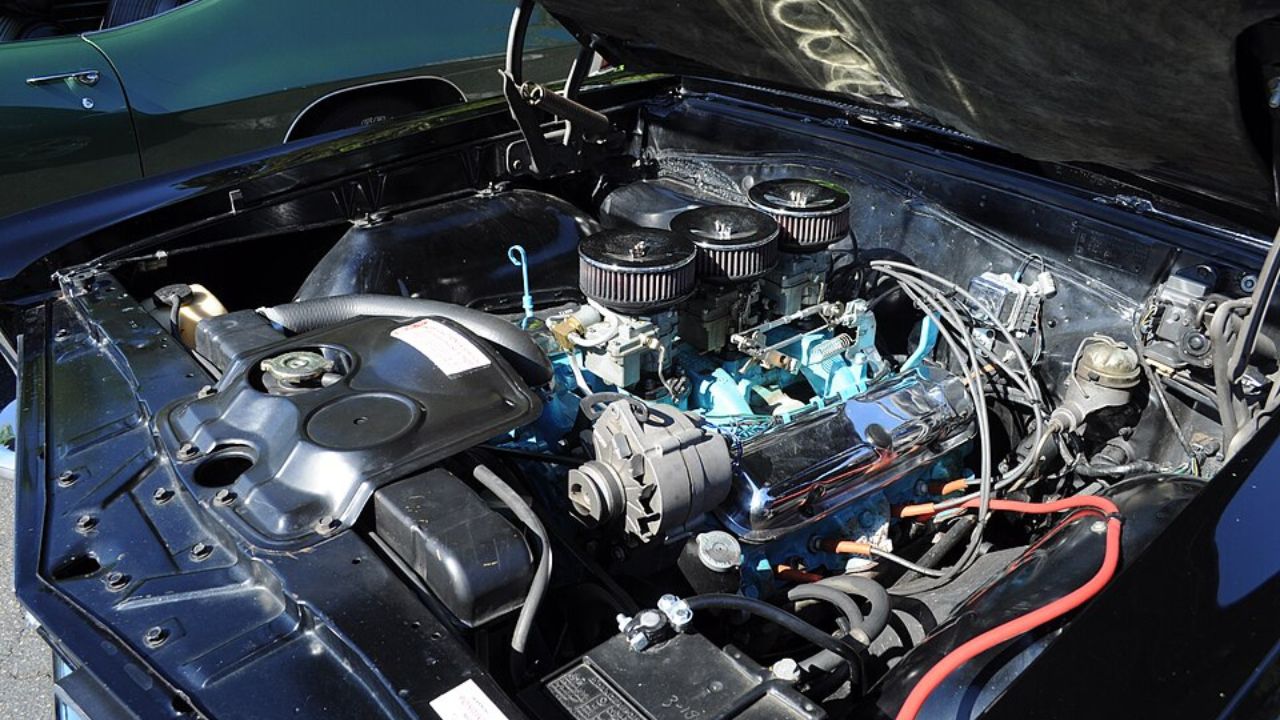
The Pontiac Ram Air IV 400 used sophisticated cylinder heads, a high-performance valvetrain, and aggressive induction components to extract serious power from a 400-cubic-inch engine. Its official rating understated the engine’s potential, while its broad torque curve made it effective on the street. The Ram Air IV became one of Pontiac’s most respected factory performance engines.
Chevrolet 302
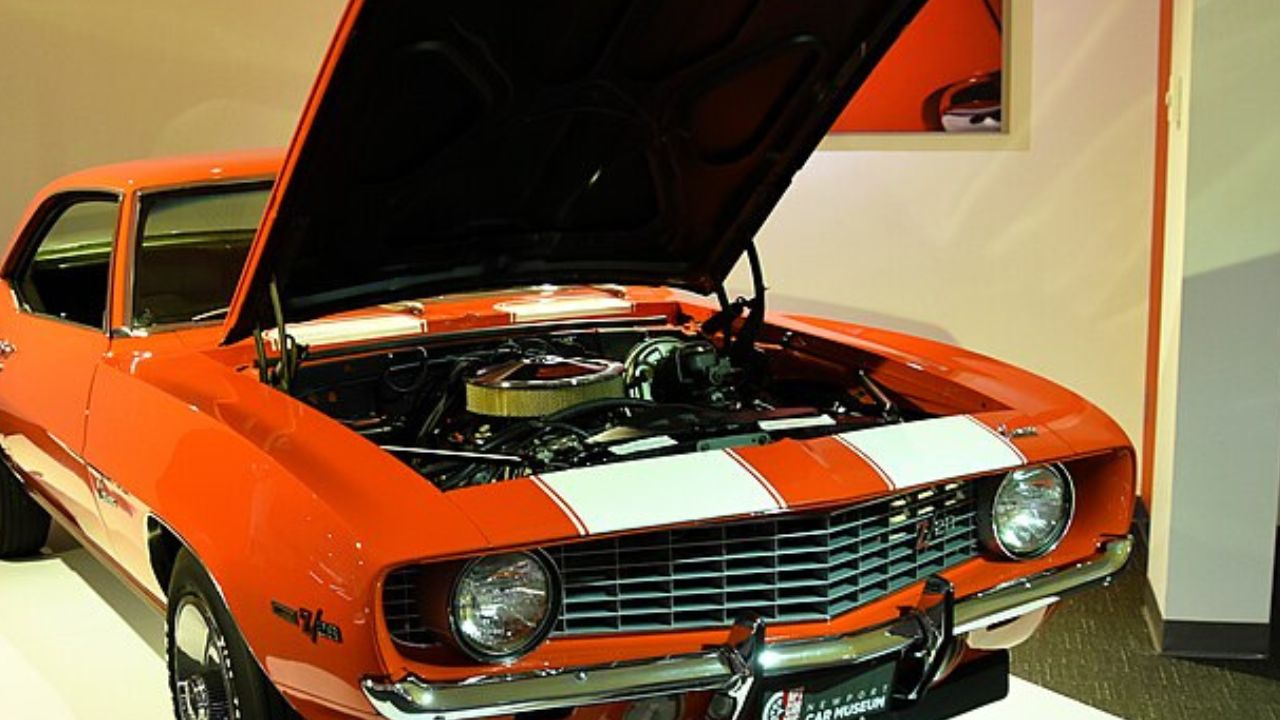
The Chevrolet 302 small-block became a favorite among enthusiasts because of its high-revving character and excellent power-to-displacement potential. Developed for the Camaro Z/28, it combined a 4.00-inch bore with a 3.00-inch stroke. That configuration allowed the engine to rev aggressively while producing strong performance. Lightweight Z/28s equipped with the 302 could surprise much larger-engined cars.
Ford 351 Cleveland
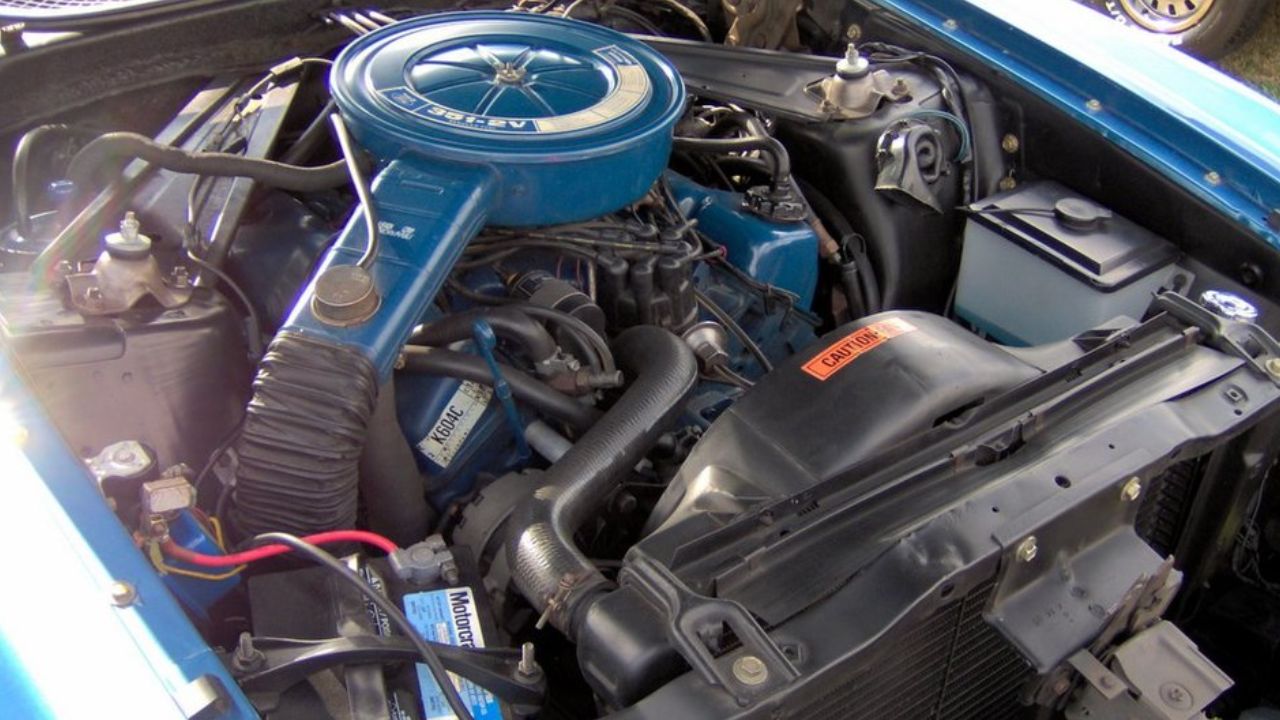
The Ford 351 Cleveland brought advanced cylinder-head design and strong breathing capability to Ford’s performance lineup. Its large valves and efficient ports allowed it to produce substantial power, particularly in high-performance versions. The engine’s relatively compact displacement could be misleading. In the right configuration, the 351 Cleveland provided serious acceleration and impressive high-rpm performance.
More from Fast Lane Only
- Unboxing the WWII Jeep in a Crate
- 15 rare Chevys collectors are quietly buying
- 10 underrated V8s still worth hunting down
- Police notice this before you even roll window down
*Research for this article included AI assistance, with all final content reviewed by human editors