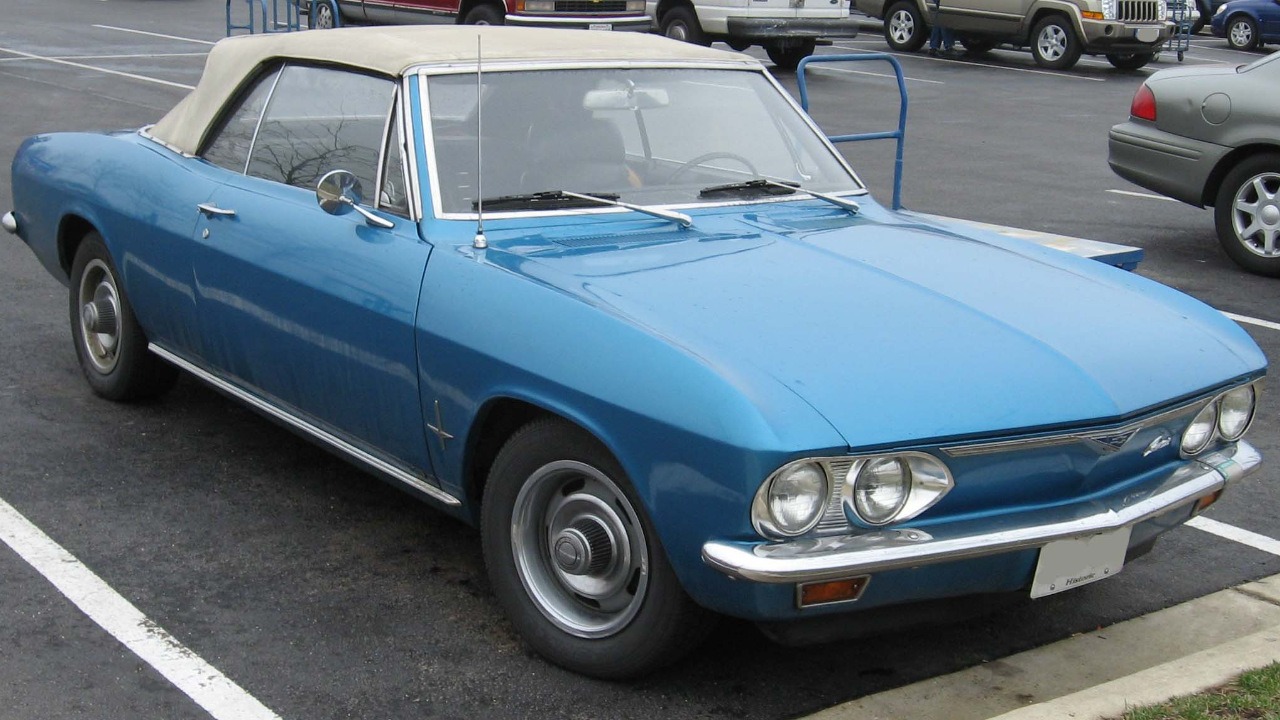
Chevrolet has often led the way in automotive design, introducing shapes and styling ideas that influenced manufacturers across Detroit. From dramatic fins to sleek sports cars and modern aerodynamic forms, these Chevrolets left a lasting mark on American design. Their influence extended well beyond the showroom, shaping decades of automotive styling.
Chevrolet Bel Air (1955)

The 1955 Chevrolet Bel Air introduced clean body lines, tasteful chrome, and balanced proportions that helped define postwar American styling. Its modern appearance moved beyond the heavier designs of the early 1950s. Competitors quickly embraced similar styling themes as Chevrolet set a new visual benchmark.
Chevrolet Corvette Sting Ray (1963)

The 1963 Chevrolet Corvette Sting Ray stunned the industry with its sculpted body, hidden headlights, and dramatic split rear window. Its sleek proportions demonstrated that American sports cars could be both elegant and aggressive. The Sting Ray influenced performance car styling for generations that followed.
Chevrolet Impala (1959)
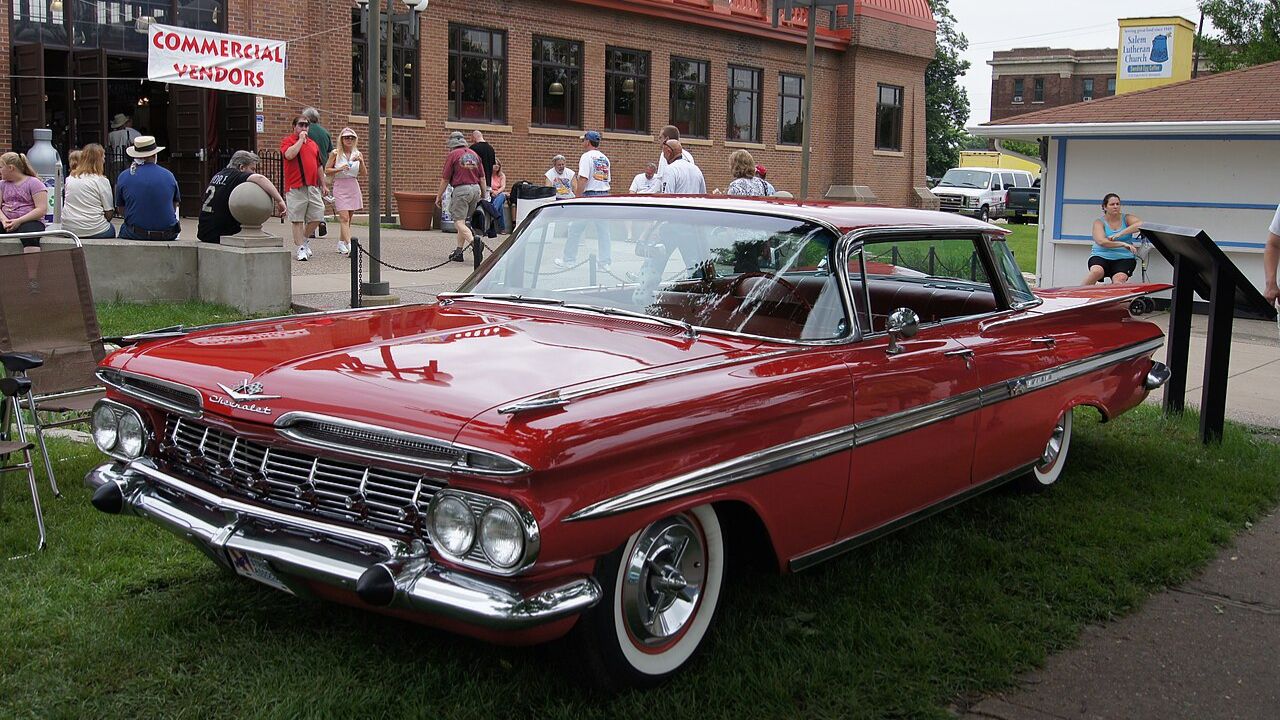
The 1959 Chevrolet Impala embraced dramatic tailfins, sweeping rear fenders, and distinctive “batwing” bodywork unlike anything else on American roads. Its bold appearance became one of the defining automotive designs of its decade. The Impala reflected Detroit’s willingness to push styling boundaries during the late 1950s.
Chevrolet Corvair
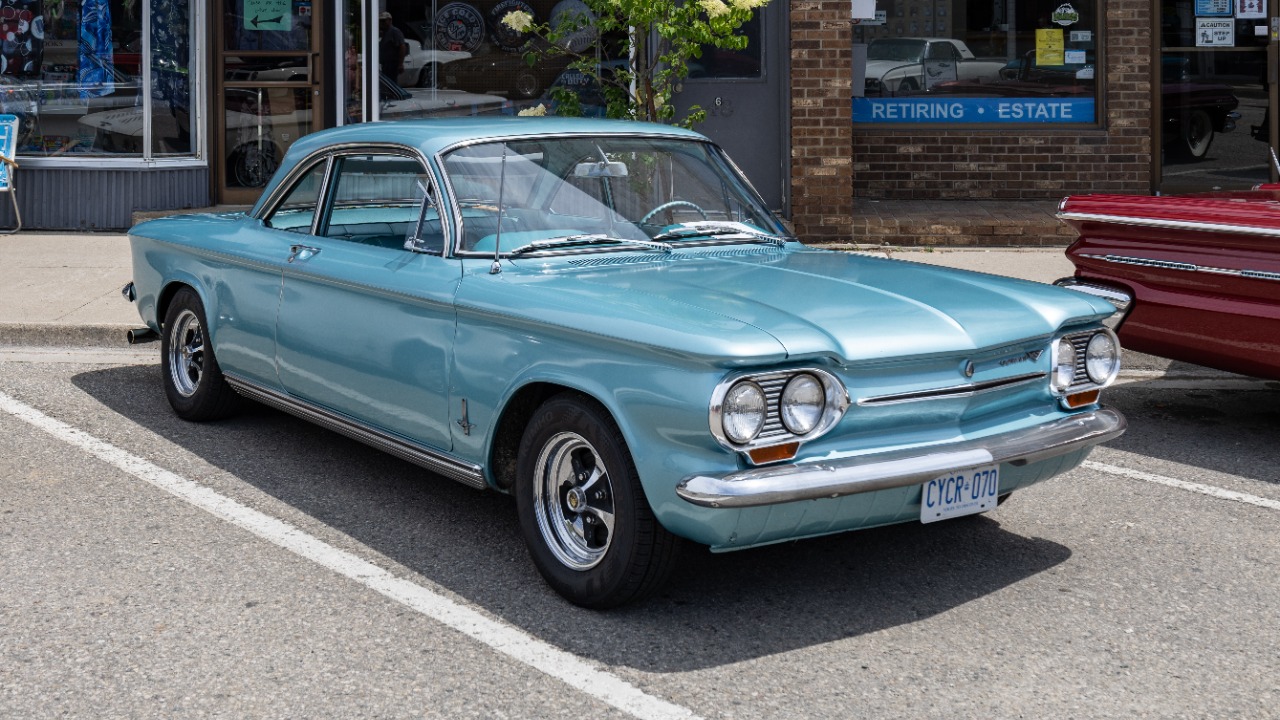
The Chevrolet Corvair introduced clean, compact proportions that differed dramatically from traditional full-size American cars. Its restrained styling complemented its unconventional rear-engine layout while anticipating the cleaner designs that became popular during the 1960s. It encouraged Detroit designers to rethink compact automobile styling.
Chevrolet Camaro (1967)
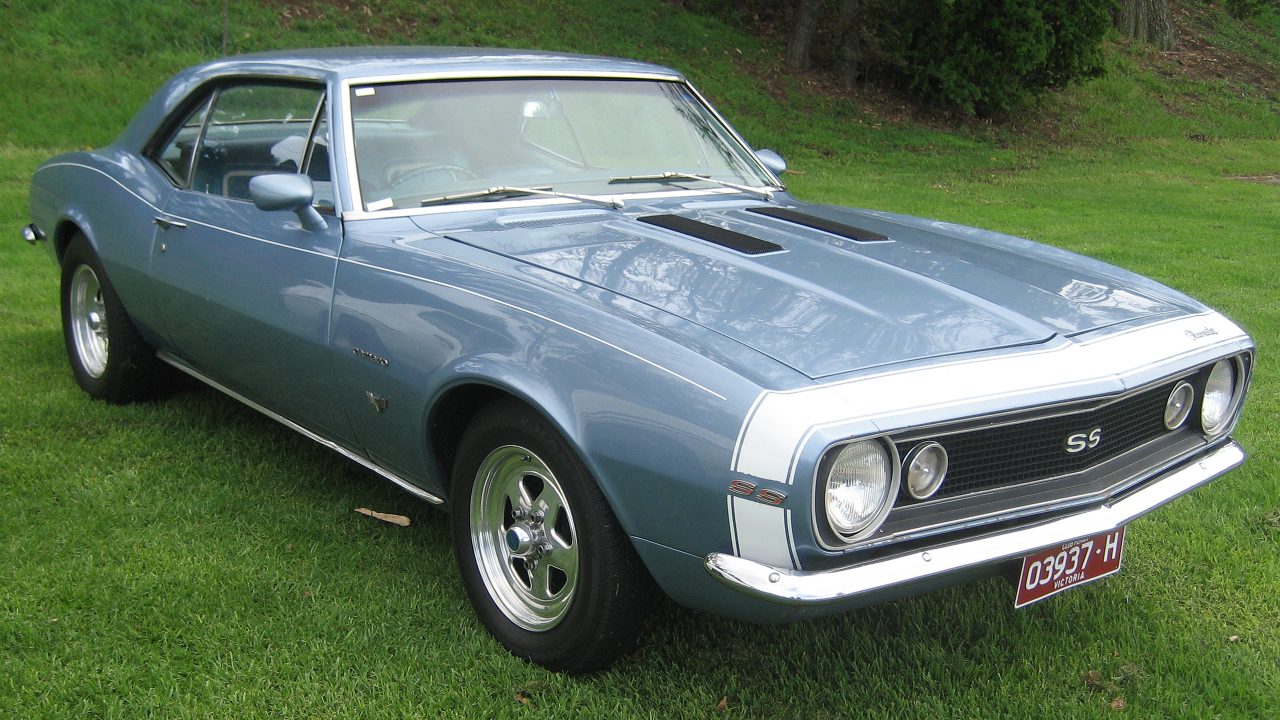
The first-generation Chevrolet Camaro established a muscular yet refined pony car appearance with its long hood, short deck, and athletic stance. Its proportions became one of the defining formulas for American performance coupes. Countless competitors and later generations borrowed from its timeless design language.
Chevrolet El Camino
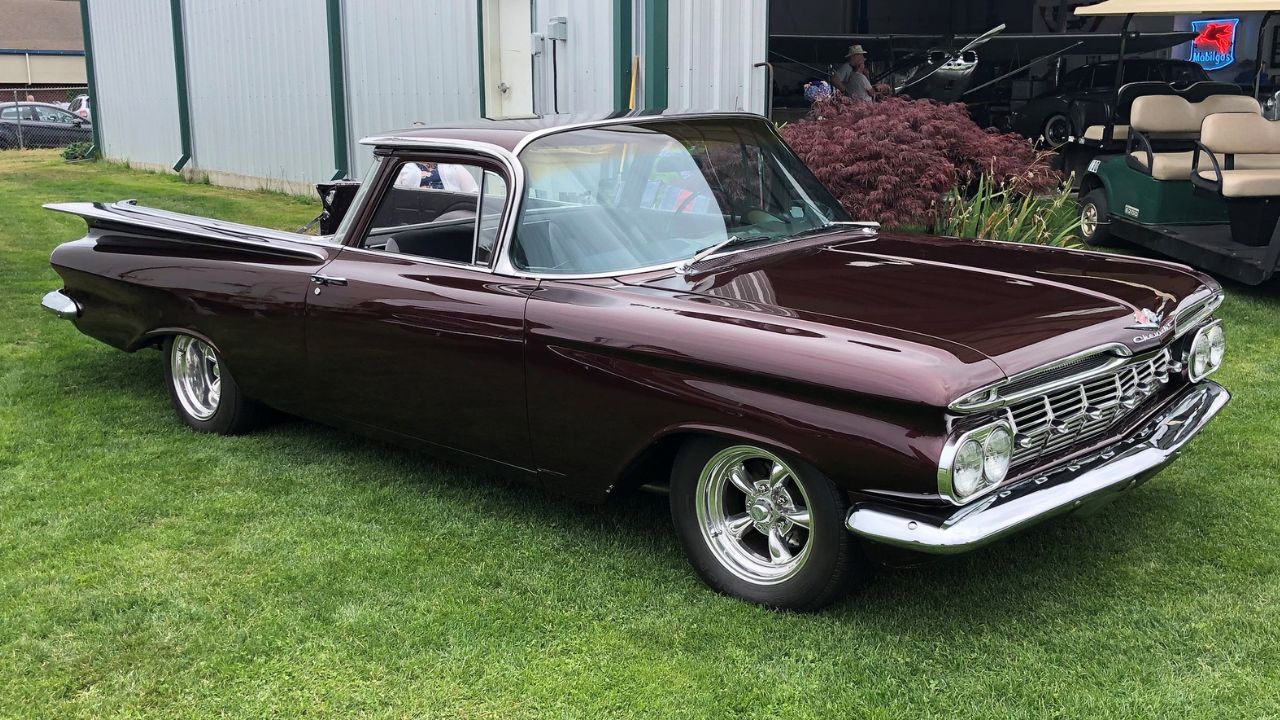
The Chevrolet El Camino blended passenger-car styling with pickup utility in a way few manufacturers had attempted. Rather than appearing like a commercial vehicle, it offered sleek coupe-inspired lines alongside practical cargo capability. Its unique concept influenced future car-based utility vehicles produced by Detroit manufacturers.
Chevrolet Monte Carlo (1970)
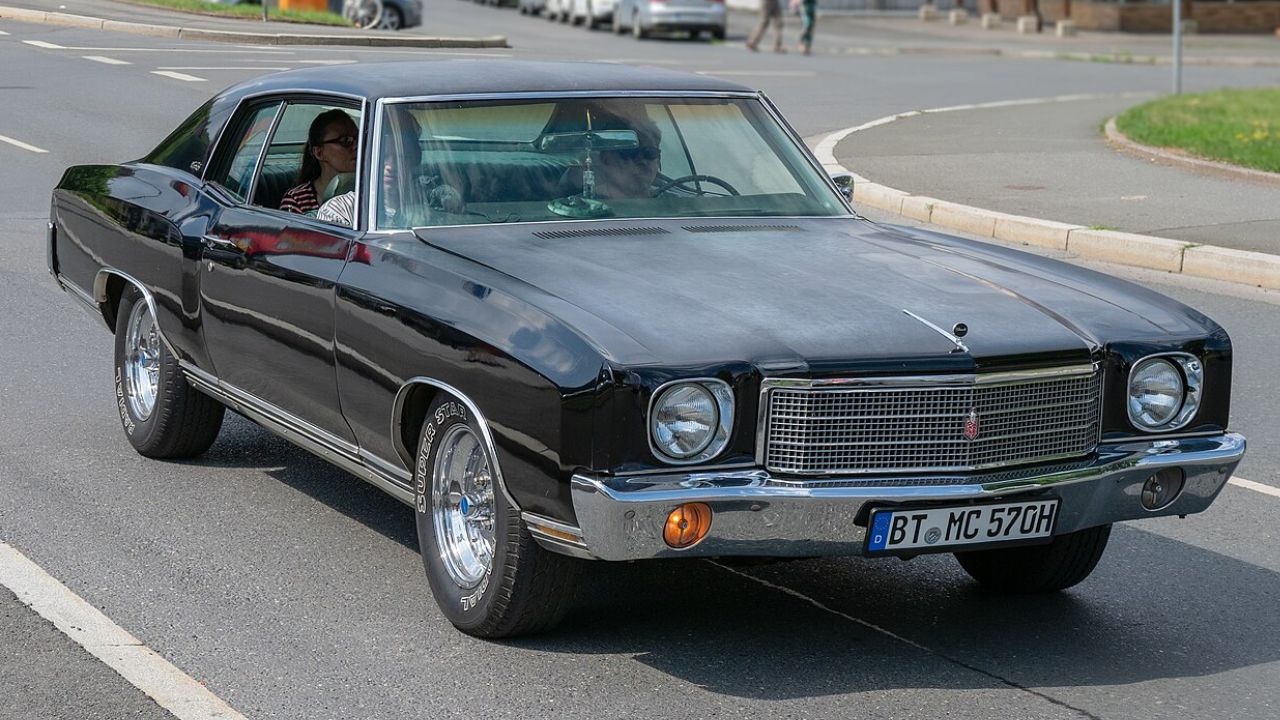
The first-generation Chevrolet Monte Carlo introduced personal luxury styling with an extended hood, formal roofline, and elegant proportions. It successfully blended sophistication with subtle performance cues. Its design helped establish the personal luxury coupe segment that flourished throughout the 1970s.
Chevrolet Astro

The Chevrolet Astro demonstrated that practical vans could feature modern styling while maintaining exceptional utility. Its clean profile and efficient packaging influenced later family-oriented vans and commercial vehicles. The Astro helped shape the visual direction of American people movers during the following decades.
Chevrolet SSR
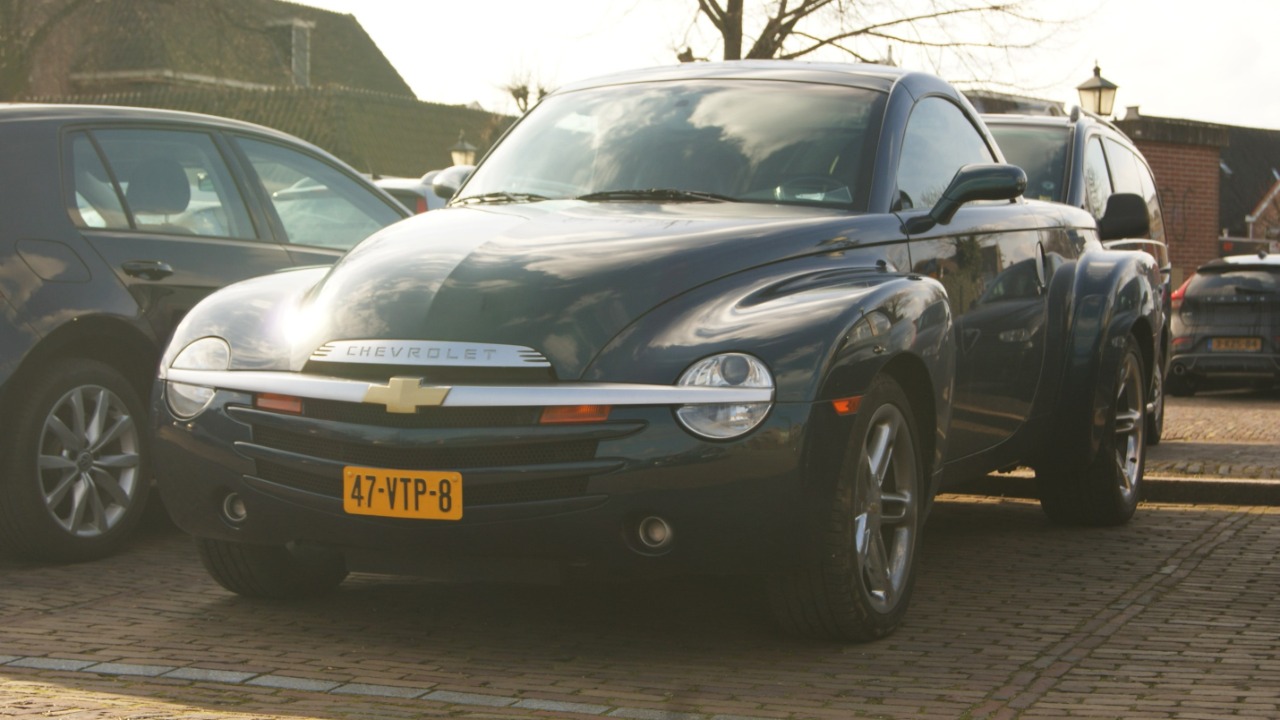
The Chevrolet SSR combined retro-inspired design with modern engineering, proving nostalgic styling could succeed in a contemporary production vehicle. Its retractable hardtop and distinctive pickup silhouette inspired renewed interest in heritage-inspired automotive design. It remains one of Chevrolet’s boldest styling experiments.
Chevrolet Corvette C8
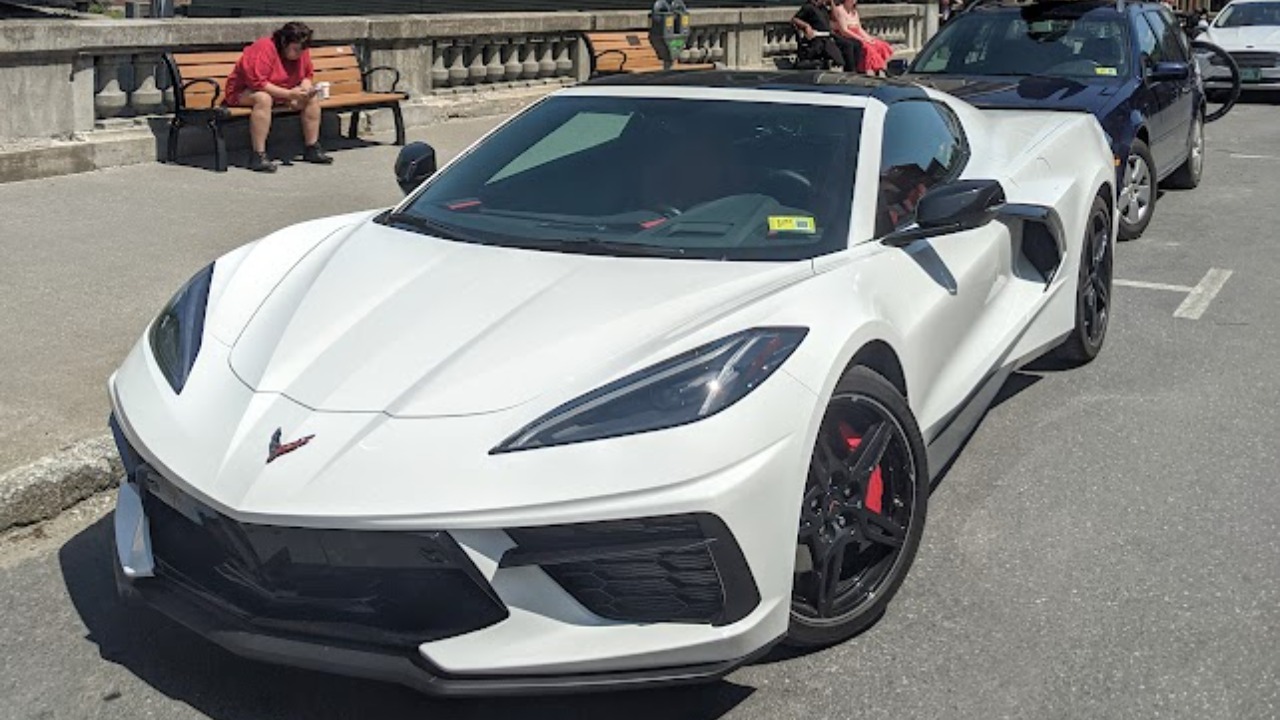
The Chevrolet Corvette C8 completely transformed the Corvette’s visual identity with a mid-engine layout and exotic supercar proportions. Its dramatic shape challenged long-held assumptions about American sports car design while influencing expectations for future performance vehicles. The C8 stands as one of Chevrolet’s most revolutionary styling achievements.
More from Fast Lane Only
- Unboxing the WWII Jeep in a Crate
- 15 rare Chevys collectors are quietly buying
- 10 underrated V8s still worth hunting down
- Police notice this before you even roll window down
*Research for this article included AI assistance, with all final content reviewed by human editors