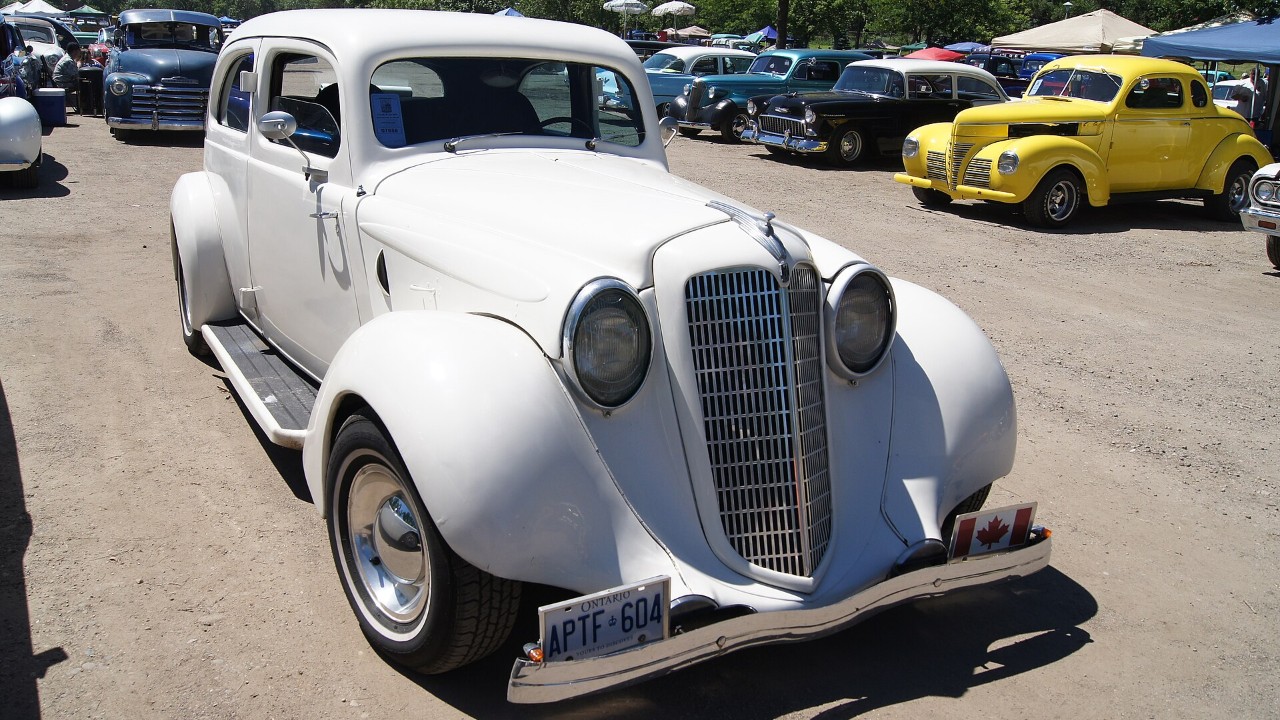
The Hupmobile Aerodynamic tucked its headlights into the sides of its hood in 1934. It’s a good example of the 1930s at their boldest. Carmakers fought through the Great Depression with streamlined bodies, hydraulic brakes and cheap, peppy sixes.
Most car fans know the stars of that decade, like the Duesenberg J, the Cord 810 and the Ford V8. However, plenty of brands bet everything on clever ideas and lost. Some of their cars sold poorly. Others came from companies that didn’t survive the decade, so their names faded with them.
These are our picks, ten forgotten cars from the 1930s that we love more than collectors seem to. That’s our opinion, not a price guide. Every fact comes from club histories, period records and reference guides, and each car earns its place with one detail worth telling a friend.
1. 1934–1937 Hupmobile Aerodynamic
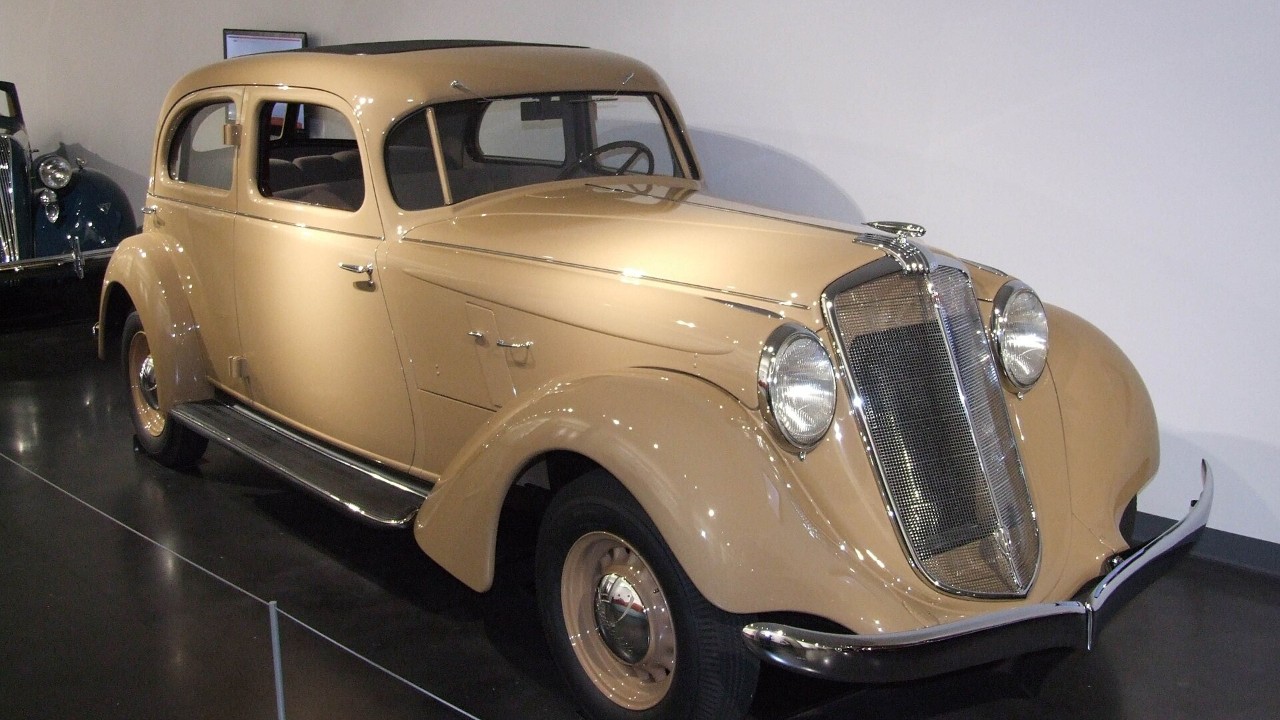
Hupp Motor Car Company of Detroit was in deep financial trouble by the early 1930s, so it gambled on style. It hired Paris-born designer Raymond Loewy for 1934. His Hupmobile Aerodynamic had rounded, swept-back lines, headlamps built into fairings on the sides of the hood and a three-piece windshield that wrapped partly around the cabin.
On the Hupmobile Aerodynamic, the changes went deeper than the sheet metal. According to Mac’s Motor City Garage, Hupp moved the engine and the cabin forward for a steadier ride. Buyers could choose L-head sixes and eights with up to 120 hp. The car came in 121- and 127-inch wheelbases, and prices ran from $1,045 to $1,245, which put it up against Buick, DeSoto and the Packard One Twenty. Even so, sales stayed flat at about 6,500 a year. Then, in early 1936, the factory shut down for 18 months, and leftover cars sold as 1937 models.
Our take: the Hupmobile Aerodynamic is one of the best-looking cars of its decade, and almost nobody talks about it. If you ever see one at a show, look closely at those faired-in headlights. To our eyes, they look modern even now.
2. 1936 Terraplane
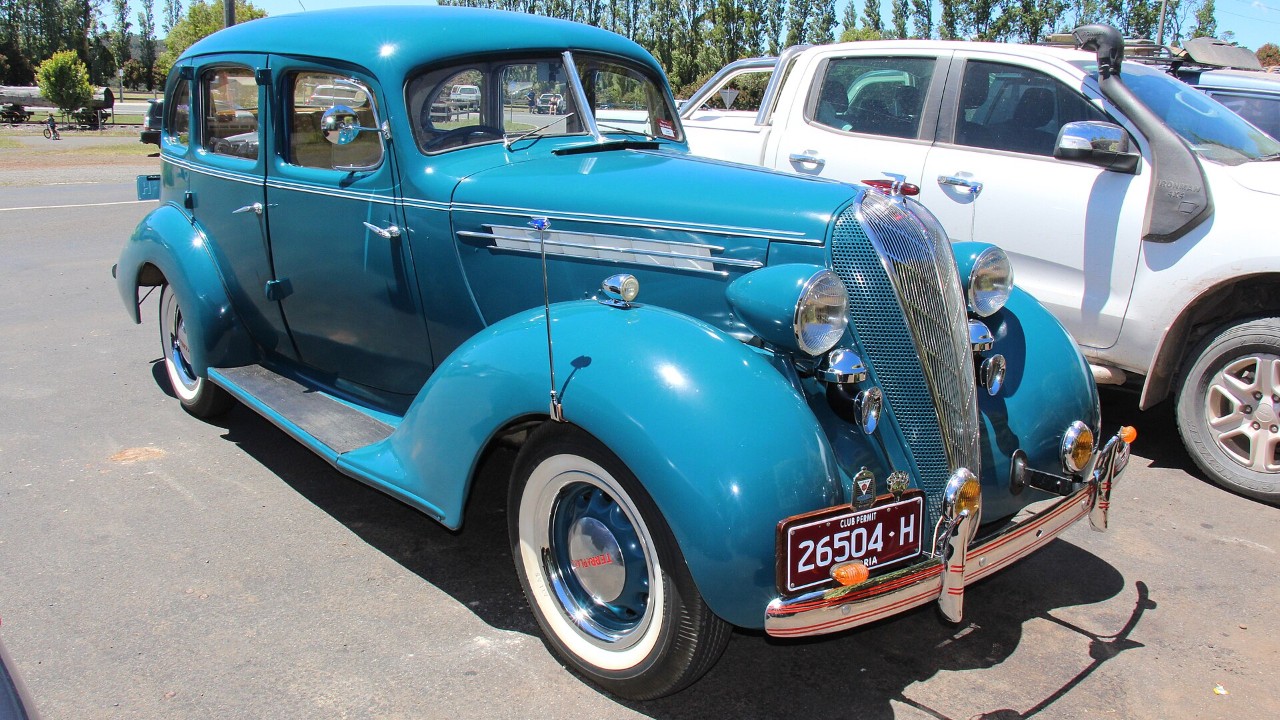
Hudson built the Terraplane in Detroit from 1932 to 1938 as a light, low-priced car with real punch. It started life as the Essex-Terraplane in July 1932, and aviator Amelia Earhart helped introduce it, as we covered in our story on Earhart christening the Essex-Terraplane. Orville Wright reportedly bought one of the first cars. From 1934 on, it was simply the Terraplane.
The formula worked. In fact, the Terraplane outsold Hudson’s own models in the middle of the decade. According to Zwischengas’s Terraplane history, it was much lighter than the Essex it replaced, and its body joined the chassis at twenty points. Then, in 1936, blues singer Robert Johnson recorded “Terraplane Blues,” naming his song after the car. Earlier, a 1933 Terraplane eight had set a Mount Washington hillclimb record that stood for more than twenty years.
We love the 1936 Terraplane because it was a working person’s hot rod before that idea had a name. It was cheap, light and quick, and it had a song written about it. By 1938, however, Hudson phased out the name and folded the cars into its own lineup. That’s a big reason it’s now so easy to forget.
3. 1938–1940 Graham Sharknose
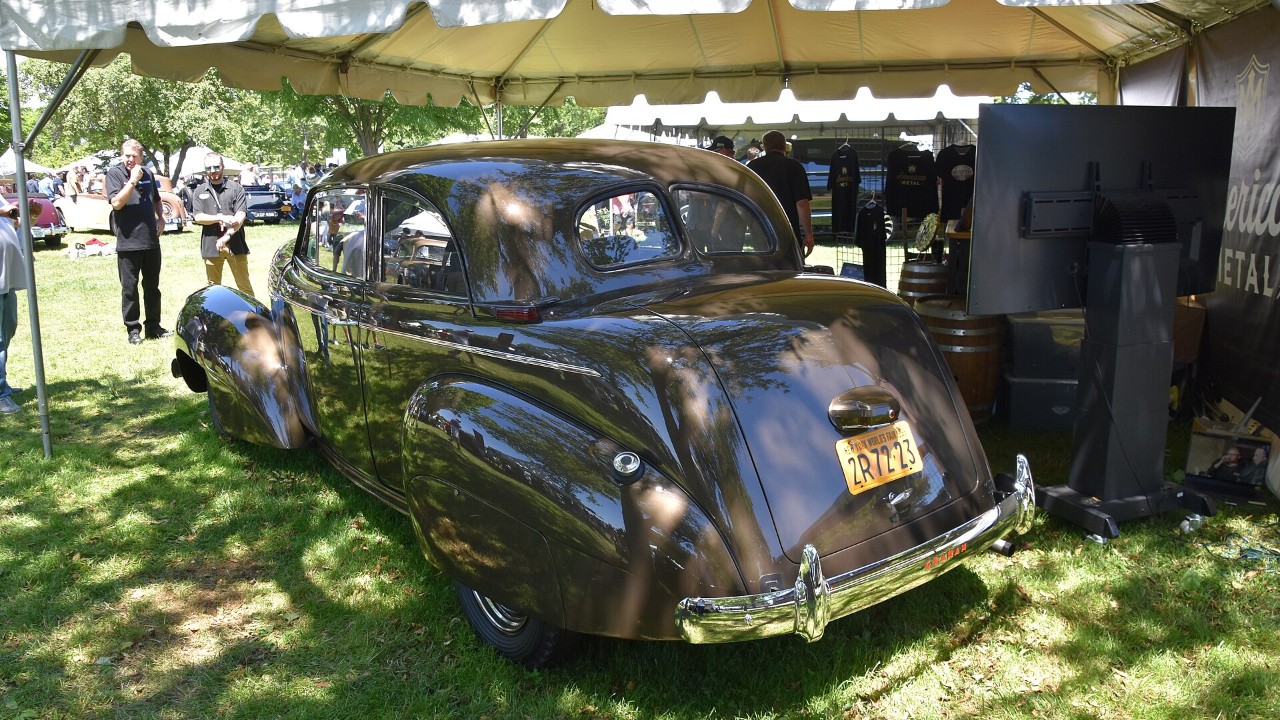
Graham called its 1938 styling the “Spirit of Motion.” The public called it the Sharknose, because of its dramatic, forward-leaning profile. The designer was Amos Northup, chief designer at the Murray Body Corporation of Detroit, which built bodies for Graham and other makers. Sadly, he died after a fall on an icy sidewalk in February 1937, before he could see the finished car. Northup had also styled the 1932 Graham Blue Streak, and he worked with Loewy on the 1932 Hupmobiles that came before the Hupmobile Aerodynamic.
Buyers didn’t know what to make of it. According to Mac’s Motor City Garage, Graham built 4,139 cars in 1938, 3,660 in 1939 and only 1,856 in 1940. The 1938 and 1939 cars are nearly identical, while the 1940 model got a mild hood and grille facelift. Graham had also offered a supercharger on its cars since 1934. After it, the company moved on to the Cord-based Hollywood.
Our take: few American cars of the 1930s look this aggressive from the front. The Sharknose flopped, but that’s what makes it fascinating today. For the rest of the Graham story, see our rundown of Grahams from the Blue Streak to the Hollywood.
4. 1936 LaFayette
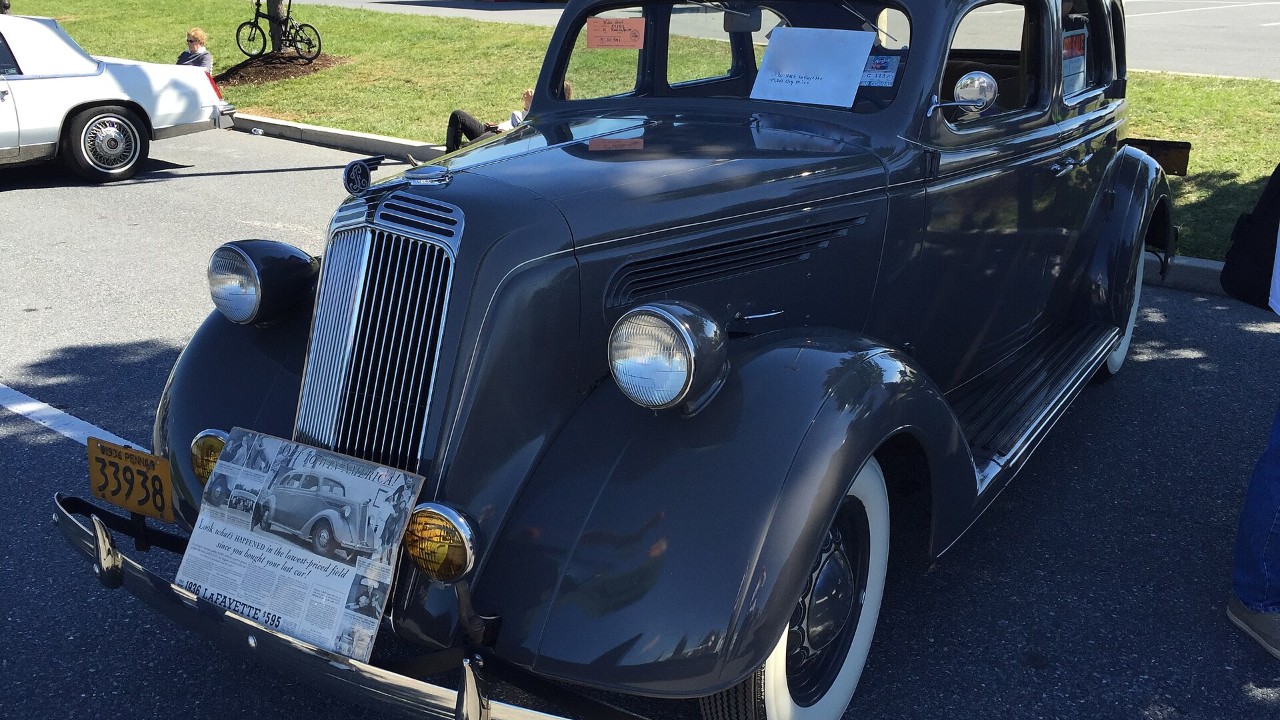
The LaFayette name had an odd history before Nash used it on a cheap car. The original LaFayette Motors started in 1920 to build ultra-premium cars priced above Cadillac, with Charles W. Nash as president. Nash Motors took full control in 1924 and dropped that car. Then, in 1934, the name came back on something very different.
The new “LaFayette by Nash” was a lower-priced companion brand. According to Mac’s Motor City Garage, the 1934 car cost $645, a little more than a Ford or Chevrolet. It used a 217.6-cubic-inch L-head six from the 1933 Nash Big Six, with seven main bearings and a fully counterweighted crankshaft. That engine was rated at 75 hp at launch.
We like the mid-1930s LaFayette because it gave buyers Nash engineering at a near-Ford price. For 1937, Nash merged it with the Nash 400, and by 1938 it was simply the Nash LaFayette, the bottom of the lineup. In our view, the 1936 car marks the last season before Nash folded the name into its own lineup, and that makes it worth a second look.
5. 1932 Rockne
Studebaker named a whole car after Notre Dame football coach Knute Rockne. Both lived in South Bend, Indiana, and Studebaker hired Rockne to promote a durable, inexpensive car. Sadly, he died in a plane crash in March 1931. The first Rockne rolled off the line that December, so the coach never saw it.
The car itself was solid. According to Hagerty’s look at a Canadian-built Rockne, it used a 3.1-liter straight-six rated at 66 hp. That L-head design lasted for decades in Studebaker cars and trucks. The 1932 Model 65 rode on a 110-inch wheelbase and entered production in February 1932, two months after the larger Model 75. Interestingly, Ralph Vail and Roy Cole first drew the design for Willys-Overland, which sold it on. In all, plants in Detroit, South Bend and Walkerville, Ontario, built 37,879 Rocknes over two model years.
Our take: the Rockne is one of the saddest stories of the decade. It launched in the Depression, lost its famous spokesman before it went on sale and lasted only two seasons. Yet Hagerty notes it has a small but loyal following. We’d count ourselves in that group, because a well-kept Rockne is a rolling piece of football history.
6. 1934 DeSoto Airflow

DeSoto bet big on the Airflow’s streamlined shape for 1934. The car rode on a 115.5-inch wheelbase and used a 241.5-cubic-inch inline six. Its headlights sat flush on either side of a broad waterfall grille, and the windshield split into two angled panes. The unibody construction also made the cabin quieter than earlier DeSotos.
At first, buyers seemed interested. By April 30, 1934, Chrysler and DeSoto had 15,580 unfilled orders for Airflows. However, the public soon decided the cars looked too different, and rumors that the body was unsafe hung on, even though tests showed the steel unibody was safer than most designs of its day. Like the Hupmobile Aerodynamic, the Airflow moved its engine forward over the front axle. We explained that layout in our piece on how Chrysler’s Airflow put its engine over the front axle.
We think the DeSoto Airflow deserves more love than its bigger Chrysler twin. Its shorter wheelbase made it look bulky, which hurt it then. Today, that stubby shape gives it real character. If you want a 1930s car that started arguments, this is it.
7. 1933 Willys 77
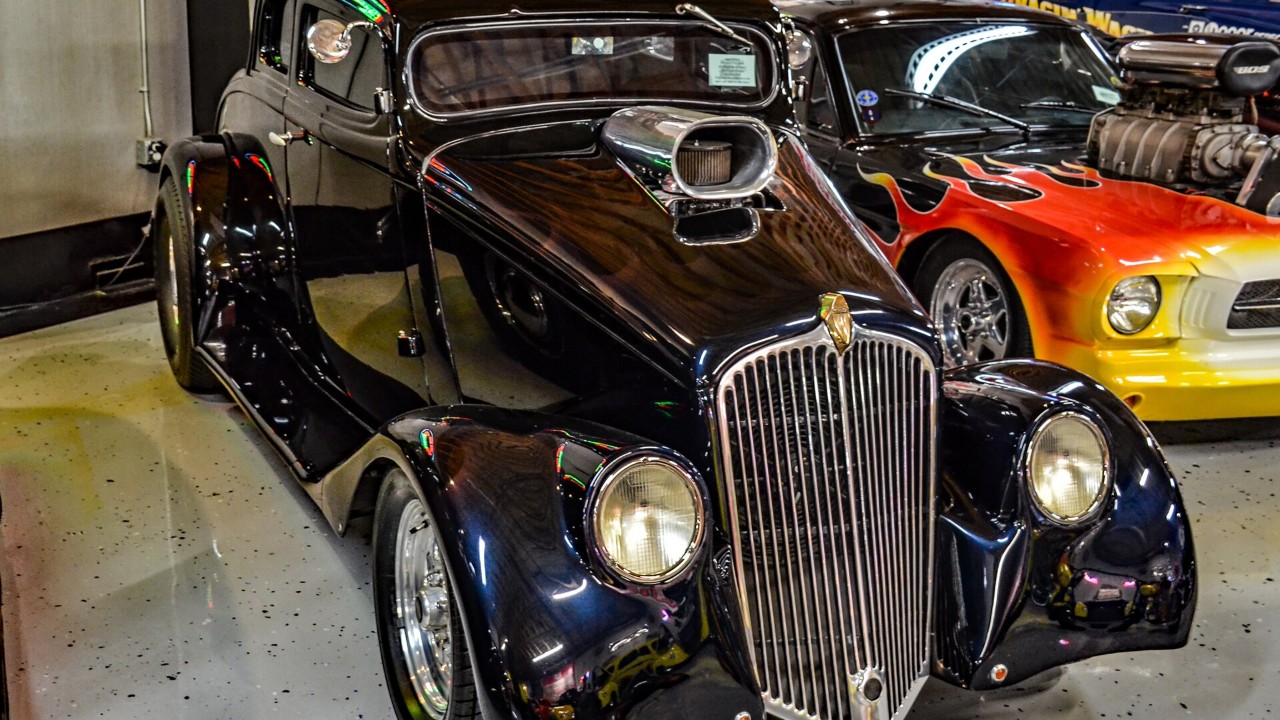
Willys-Overland introduced the 77 in 1933, the same year the Toledo, Ohio, company went into receivership. So the little car had a big job. It used a 145-cubic-inch four rated at 48 hp, rode on a 100-inch wheelbase and returned about 25 mpg. Top speed was about 65 mph. Amos Northup, the designer behind the Graham Sharknose, also drew sheet metal for Willys, according to Mac’s Motor City Garage.
Buyers responded. Willys sold 12,800 of them in 1933, 13,234 in 1934 and 10,644 in 1935, a count that included a new panel delivery. Also, a tuned example averaged 65.2 mph over 24 hours on California’s Muroc Dry Lake. Later, drag racers discovered the light 1933–1936 coupes and pickups, which became popular “gassers.”
Our take: most people today know the Willys 77 only as a drag-strip body. We love it for what it was first, an honest economy car that helped keep a struggling company alive. Its simple, upright charm is easy to lose in a hot rod build. If you find an unmodified one, treat it as the rare thing it is.
8. 1936 Studebaker Dictator
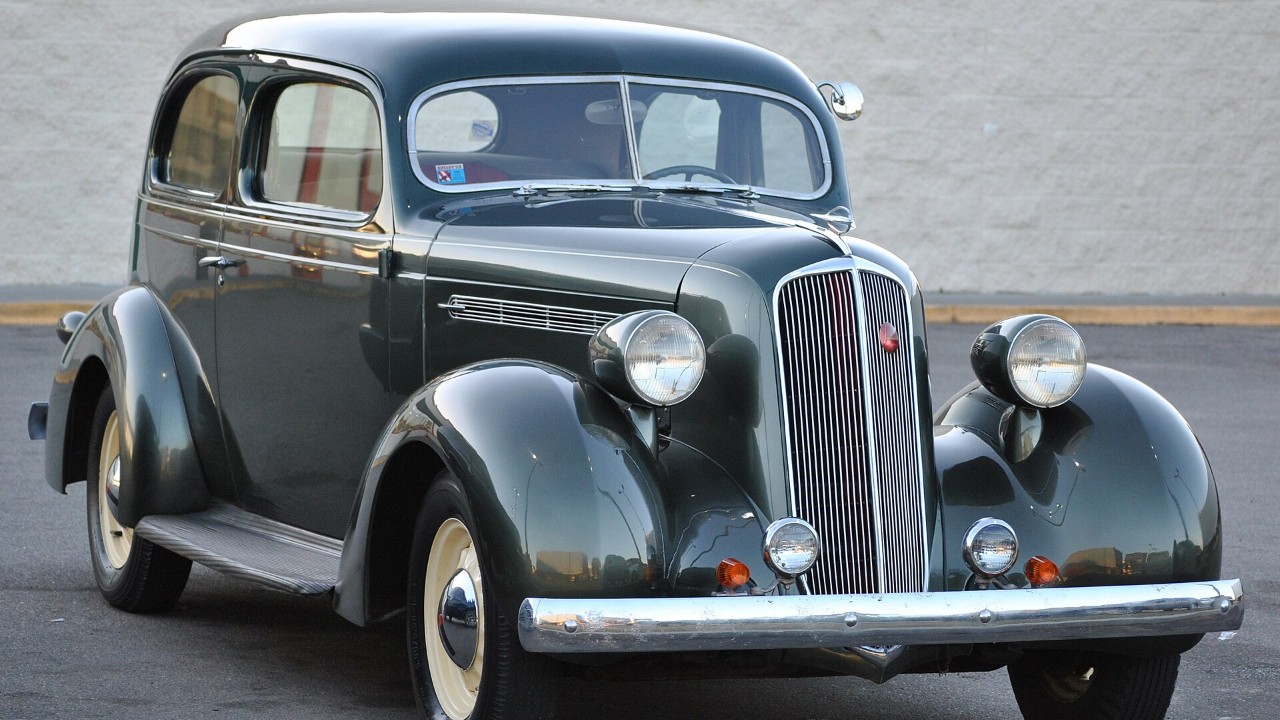
Studebaker gave the Dictator its name in 1927, when the Standard Six became the Dictator. The idea was that the car “dictated the standard” other makers would have to follow. The name didn’t cause trouble in America. Even so, it hasn’t aged well, and Studebaker dropped it in 1937, calling the car the Commander instead.
The Dictator also had a rough ride through the early 1930s. Because of Studebaker’s bankruptcy, the company built no 1933 Dictator at all. Earlier, in 1929, the Dictator had even offered an eight, a 221-cubic-inch engine rated at 70 bhp. Under the hood, the prewar Dictator used Studebaker’s L-head six, the same family of engine that powered the Rockne and lasted in Studebaker trucks through 1960, according to Hagerty.
Our take: the 1936 Dictator is a survivor’s car. It came back after the company’s bankruptcy and kept selling solid, practical transportation in the depths of the Depression. Its awkward name makes people chuckle at car shows. We’d rather talk about how it helped carry Studebaker into the late 1930s, when so many independents were falling away.
9. 1936 Reo Flying Cloud
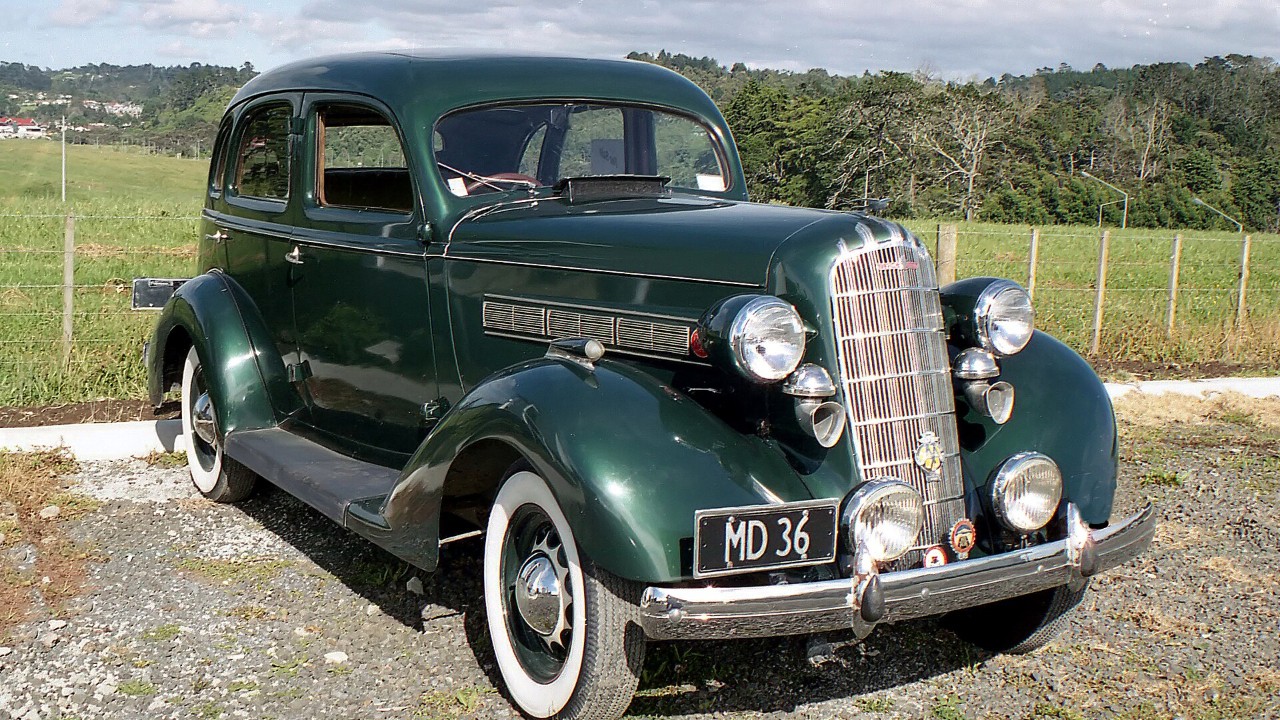
REO introduced the Flying Cloud in 1927. It made history as the first car to use Lockheed’s new hydraulic internal expanding brakes, and it rode on a 115-inch wheelbase. The name carried on through the 1930s, and the final REO model, in 1936, was a Flying Cloud. After that year, REO left the car business to concentrate on trucks.
REO’s 1930s cars also had serious design talent behind them. Amos Northup, who later drew the Graham Sharknose, designed sheet metal for REO, according to Mac’s Motor City Garage. His REO work included the 1931 Royale, a streamlined straight-eight car with 125 hp and a Murray body. From 1933, REO also offered a semi-automatic Self-Shifter, although Consumers Union told readers to avoid it as unreliable. Meanwhile, the Flying Cloud carried the brand’s name into its last season.
We love the 1936 Flying Cloud because it’s the end of a story. It’s the last passenger car REO ever built. In our view, that makes it far more interesting than its quiet reputation suggests. Most people know REO only from the truck, or from the rock band.
10. 1934 LaSalle
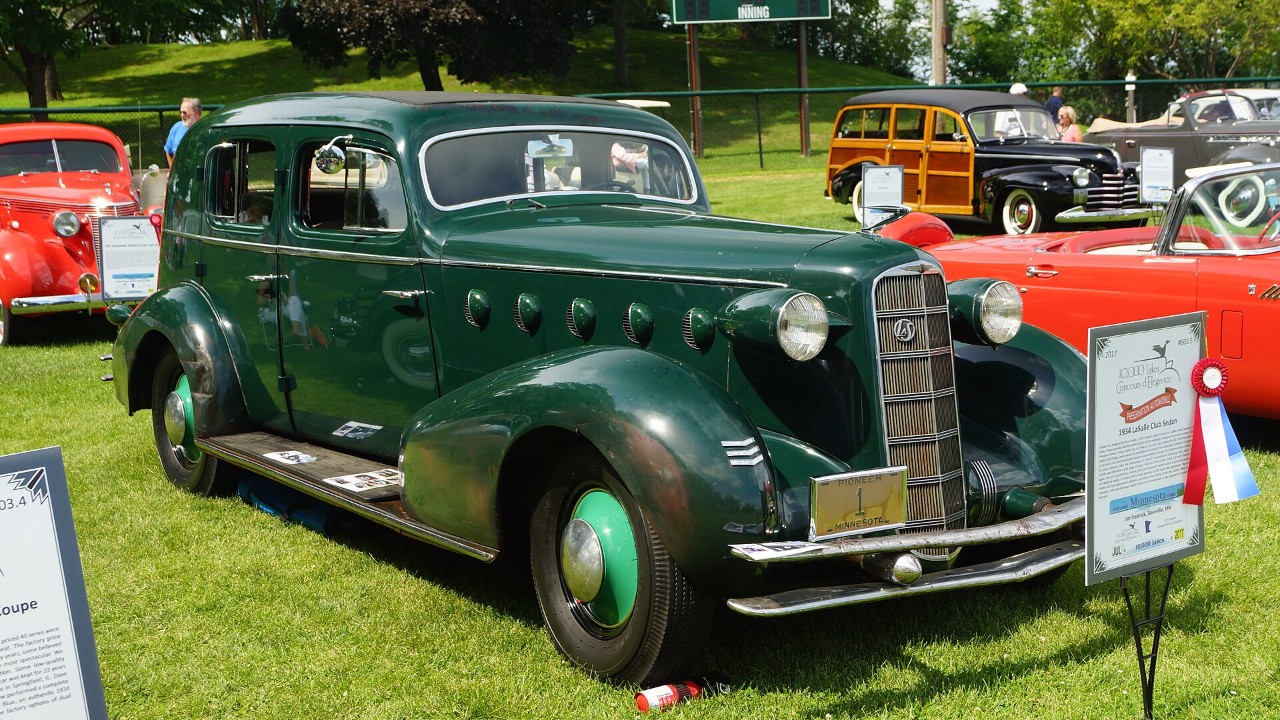
General Motors almost killed LaSalle after 1933. According to Old Cars Weekly, styling chief Harley Earl had a new design drawn anyway. That fits the brand’s roots, since the first LaSalle of 1927 was a design created at a stylist’s direction, Earl’s own. In August 1933, he showed it to management as “the LaSalle we will NOT be building.” They loved it, and the brand lived on.
The 1934 LaSalle used a 240-cubic-inch straight-eight with 95 hp, based on an Oldsmobile block but machined and assembled by Cadillac. It added hydraulic brakes two years before Cadillac, plus independent front suspension. Prices dropped to $1,595 for the coupe and $1,695 for other models. As a result, production jumped to 7,232 cars, up from 3,482 in 1933, and a LaSalle convertible paced the 1934 Indianapolis 500.
Our take: the 1934 LaSalle is one of the nicest ways to own a car with Harley Earl’s touch and Fleetwood build quality. Its narrow grille and pontoon fenders look great from any angle. Yet it sits in Cadillac’s shadow at most shows. According to Old Cars Weekly, LaSalle lasted until its last 1940 models were completed.
More from Fast Lane Only