The muscle car wars moved fast during the 1960s and early 1970s. One breakthrough model could instantly shift buyer expectations, forcing competitors to scramble for more power, better styling, or stronger drag-strip credibility. These cars didn’t simply compete—they changed the benchmark so dramatically that rival manufacturers suddenly looked behind the times. Their arrival accelerated Detroit’s horsepower revolution and permanently reshaped American performance culture.
Pontiac GTO

The 1964 Pontiac GTO effectively launched the modern muscle car movement by placing a large-displacement V8 into a midsize platform at an attainable price. Competing brands quickly realized buyers wanted affordable straight-line performance more than luxury trim or oversized full-size sedans. The GTO’s 389 cubic-inch engine delivered serious acceleration, while aggressive marketing targeted younger enthusiasts directly. Sales exploded beyond expectations and exposed how outdated conservative performance strategies had become. Overnight, rival automakers were forced to rethink entire lineups, sparking an industry-wide horsepower race that would define the rest of the decade.
Chevrolet Camaro ZL1
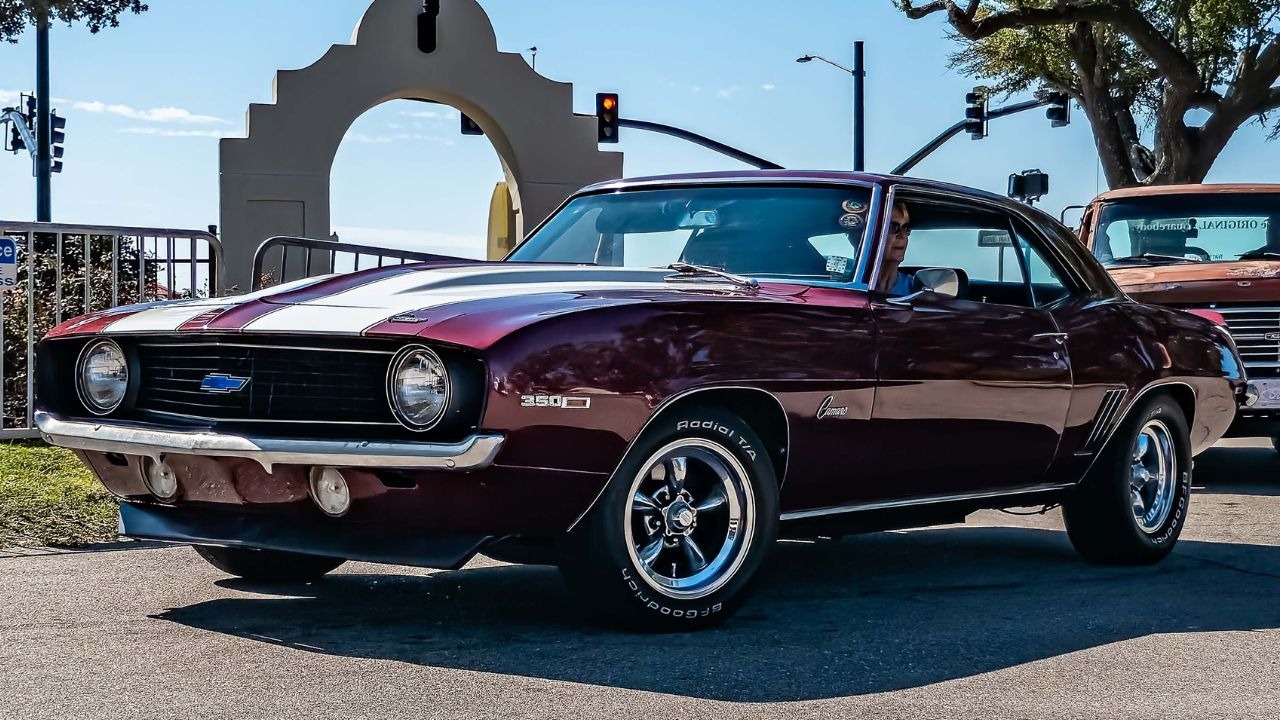
The 1969 Chevrolet Camaro ZL1 shocked competitors with race-ready engineering hidden beneath a compact pony-car body. Its all-aluminum 427 cubic-inch V8 produced far more power than official ratings suggested, delivering blistering quarter-mile performance straight from the factory. Lightweight construction gave it a massive advantage against heavier rivals struggling to adapt. The ZL1 proved Chevrolet was willing to push boundaries far beyond ordinary showroom expectations. Its performance credibility instantly raised the bar for factory drag racers, leaving competing pony cars looking technologically and mechanically outdated almost immediately after release.
Plymouth Road Runner
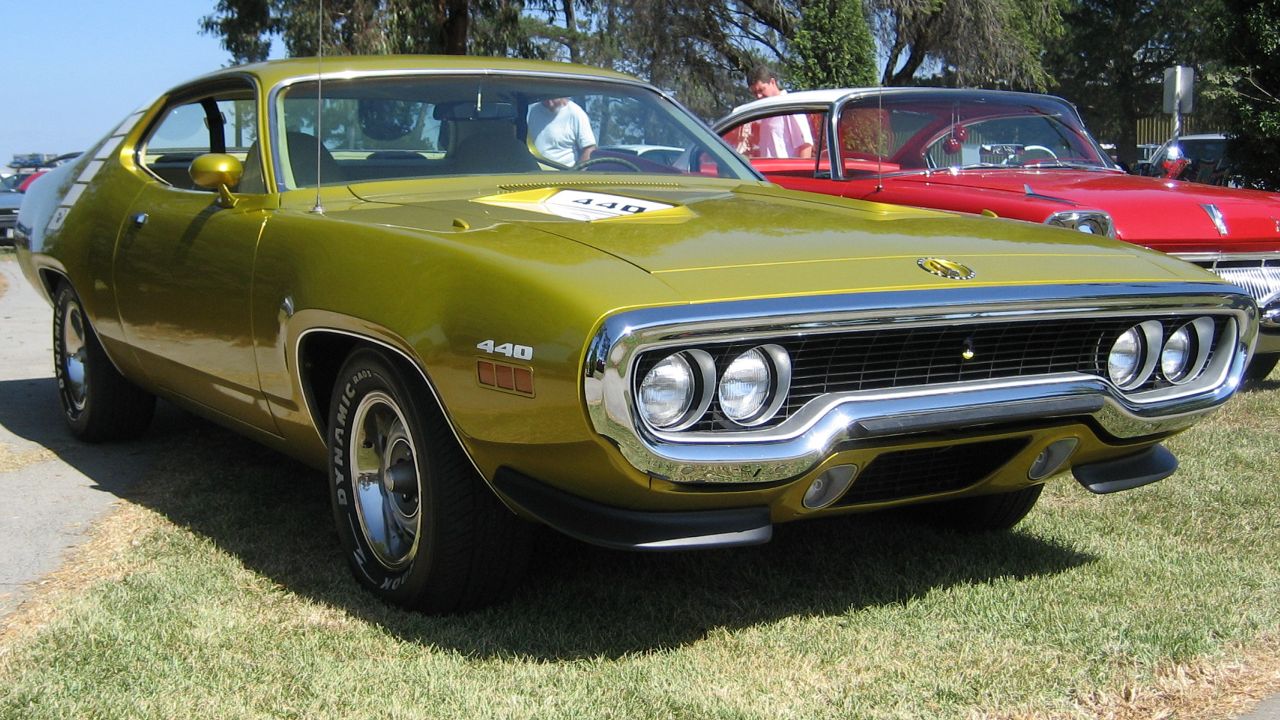
The Plymouth Road Runner changed the muscle car market by stripping away unnecessary luxury and focusing entirely on affordable performance. Buyers no longer needed premium trim packages to access big-block power and strong acceleration. Its simple formula, combined with playful branding and genuine quarter-mile capability, resonated with younger drivers nationwide. Rival manufacturers suddenly appeared overpriced and overly complicated by comparison. The Road Runner’s commercial success demonstrated that raw speed and value mattered more than upscale image, forcing competitors to rethink how they packaged performance for mainstream enthusiasts.
Ford Mustang Boss 429

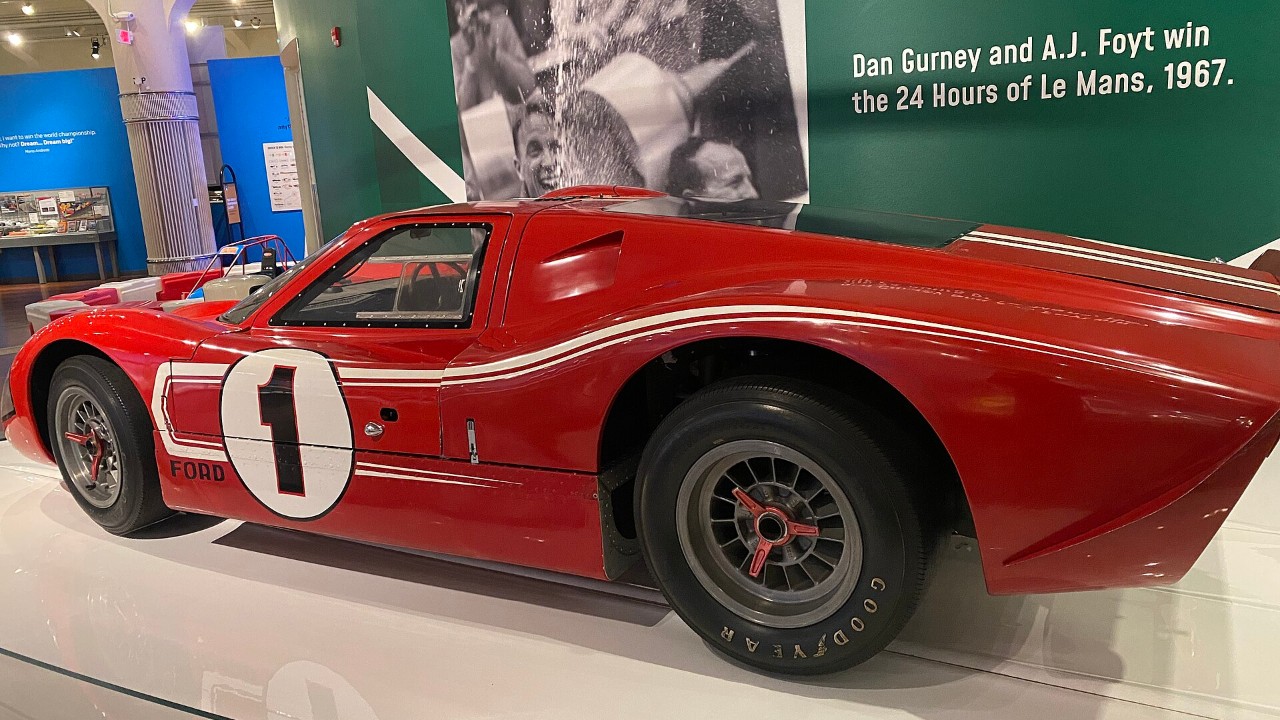
The Mustang Boss 429 represented Ford’s determination to dominate both NASCAR homologation and street performance conversations simultaneously. Fitting the massive semi-hemispherical 429 engine into the Mustang platform required extensive factory modifications, emphasizing just how serious the project became. Though officially underrated, its real-world performance stunned enthusiasts and competitors alike. Rival pony cars suddenly seemed tame against Ford’s engineering ambition. The Boss 429 elevated expectations for what a factory-backed performance car could achieve, pushing Detroit deeper into an escalating arms race centered around displacement, exclusivity, and racing credibility.
Dodge Charger Daytona

The Dodge Charger Daytona looked radical because it genuinely was radical. Its pointed aerodynamic nose cone and towering rear wing weren’t styling gimmicks—they were engineered specifically for NASCAR dominance. Once it became the first NASCAR vehicle to exceed 200 mph, competitors realized traditional body designs were suddenly obsolete. The Daytona transformed perceptions of factory aerodynamics overnight, forcing rival teams and manufacturers to respond with their own wind-cheating solutions. Beyond racing, it showed buyers that engineering innovation could produce both outrageous looks and measurable speed advantages in production-based performance cars.
Chevrolet Chevelle SS 454 LS6
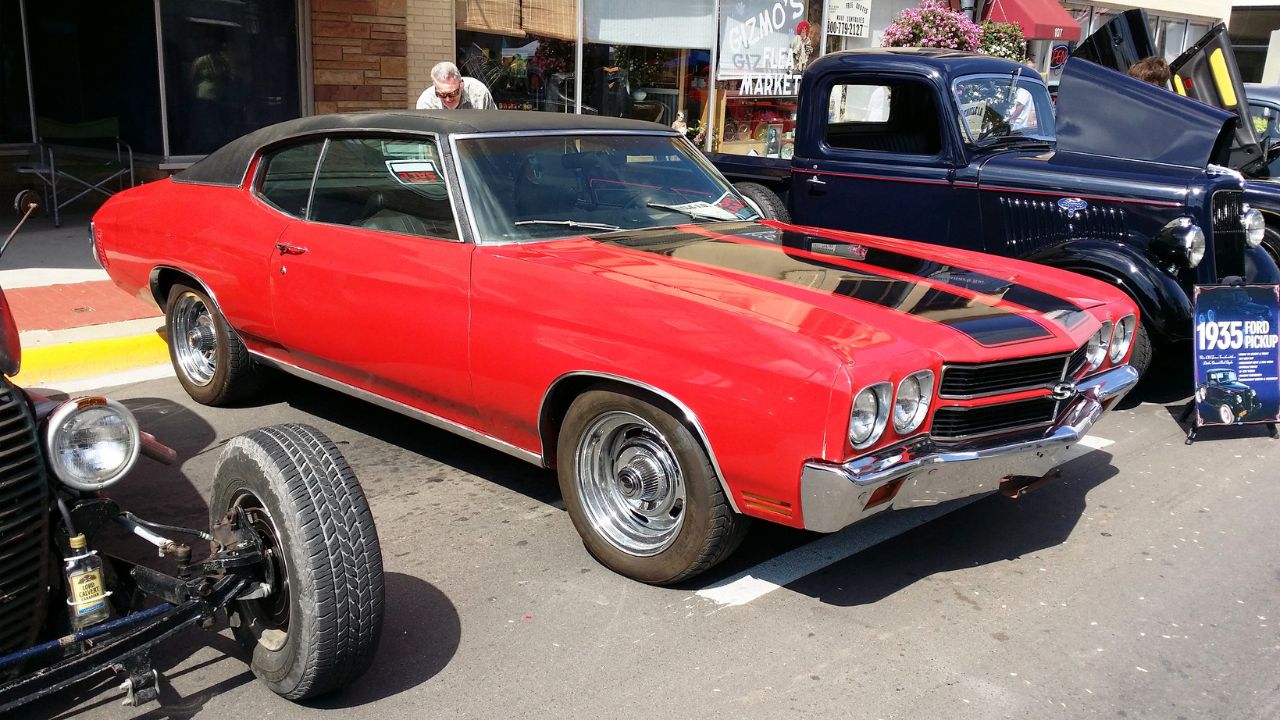
The 1970 Chevelle SS 454 LS6 delivered one of the highest advertised horsepower ratings of the muscle era, immediately redefining expectations for factory big-block performance. Its massive torque output overwhelmed street tires and embarrassed countless competitors in straight-line contests. Chevrolet’s willingness to offer such an extreme package signaled that the horsepower war had reached its peak intensity. Rival midsize performance cars suddenly seemed underpowered and outdated. The LS6 established the Chevelle as one of the ultimate muscle machines and reinforced Chevrolet’s reputation for relentless factory performance escalation.
AMC AMX
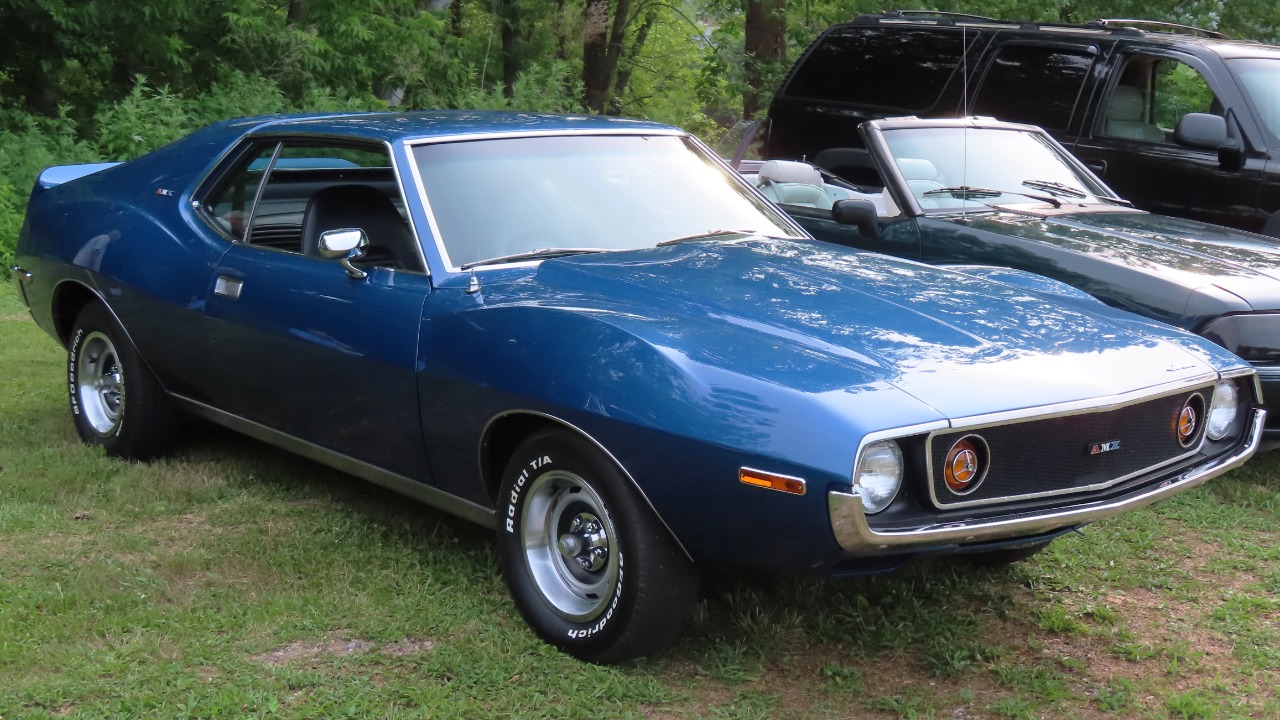
The AMC AMX surprised Detroit by proving smaller manufacturers could produce legitimate high-performance machines. Its short wheelbase, two-seat layout, and available 390 cubic-inch V8 created a compact package with serious acceleration potential. Larger rivals underestimated AMC until the AMX began earning respect at drag strips and on the street. The car exposed how complacent bigger companies had become regarding weight and packaging efficiency. By delivering competitive speed in a smaller, more focused design, the AMX made several traditional muscle cars suddenly feel oversized and outdated.
Buick GSX
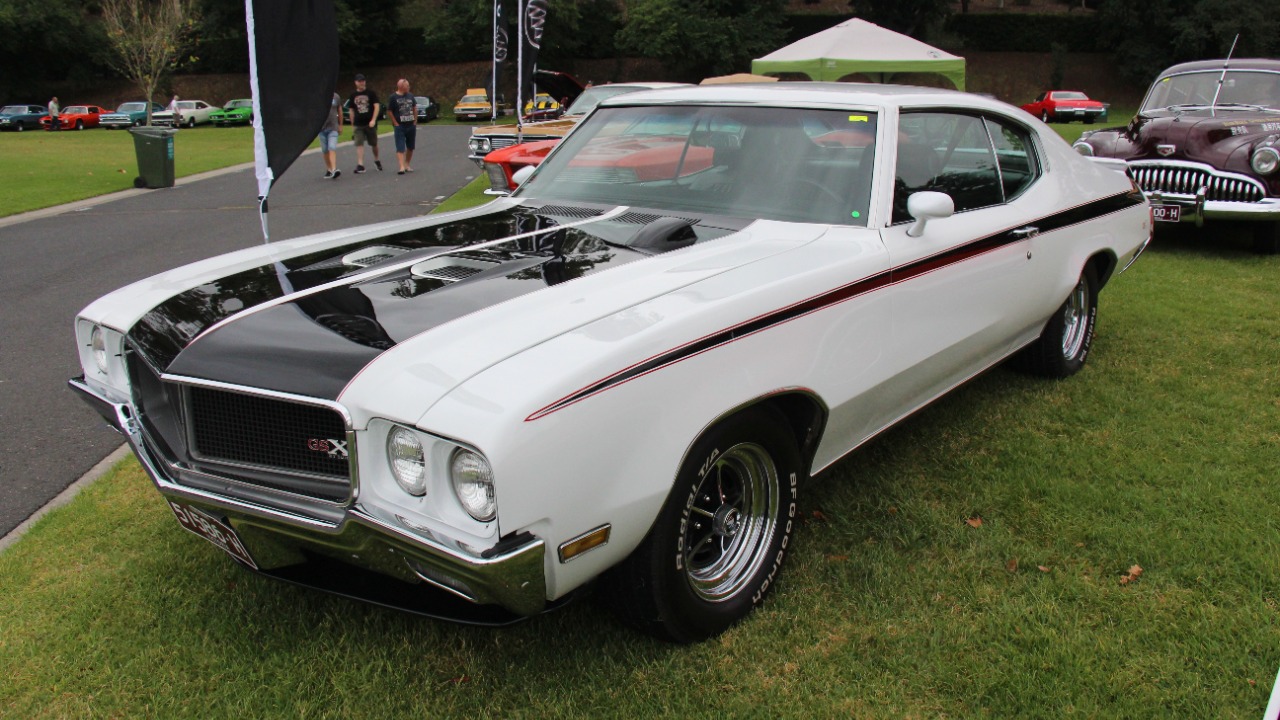
The Buick GSX transformed Buick’s traditionally conservative image into something genuinely intimidating. Powered by the massive Stage 1 455 V8, it delivered enormous torque figures that rivaled or exceeded many competitors despite modest advertised horsepower ratings. Its bright colors, hood-mounted tachometer, and aggressive stance gave it undeniable presence. Rival brands that relied solely on marketing hype suddenly faced a car with both visual drama and devastating real-world performance. The GSX demonstrated that Buick could compete directly with established muscle leaders, instantly reshaping perceptions of the entire brand.
Pontiac Firebird Trans Am
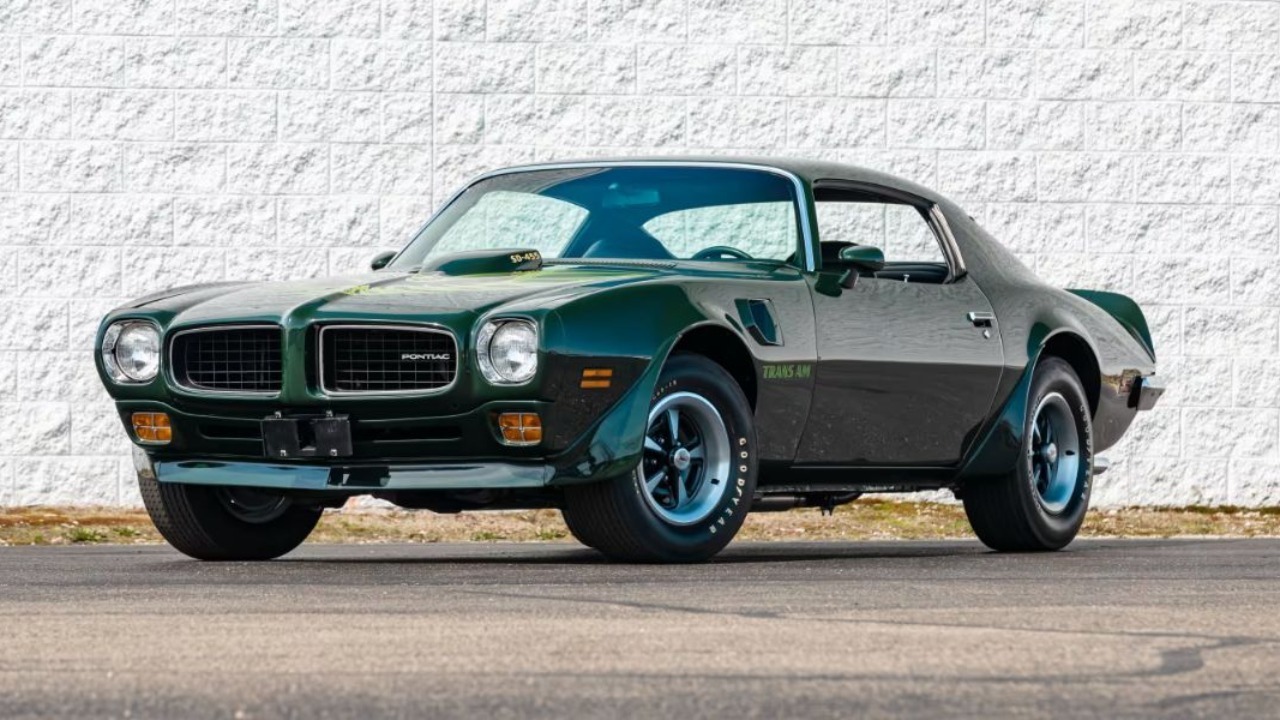
The redesigned 1970 Pontiac Firebird Trans Am combined sharper handling with strong V8 power, giving it an edge over many rivals focused only on straight-line speed. Functional shaker scoops, upgraded suspension tuning, and distinctive styling created a more balanced performance package. Drivers discovered it could corner with confidence while still delivering classic muscle car acceleration. Competing pony cars suddenly appeared less refined and less versatile. The Trans Am proved buyers increasingly valued handling sophistication alongside horsepower, influencing the next phase of American performance development.
Oldsmobile 442 W30
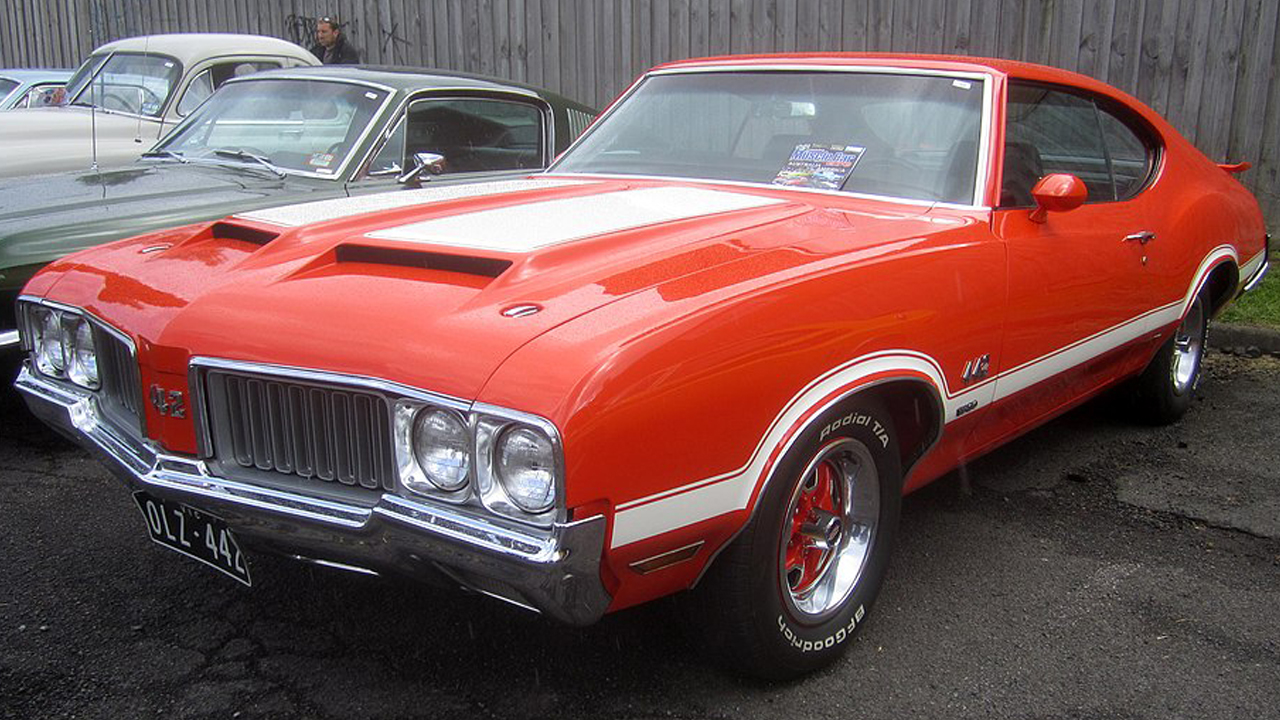
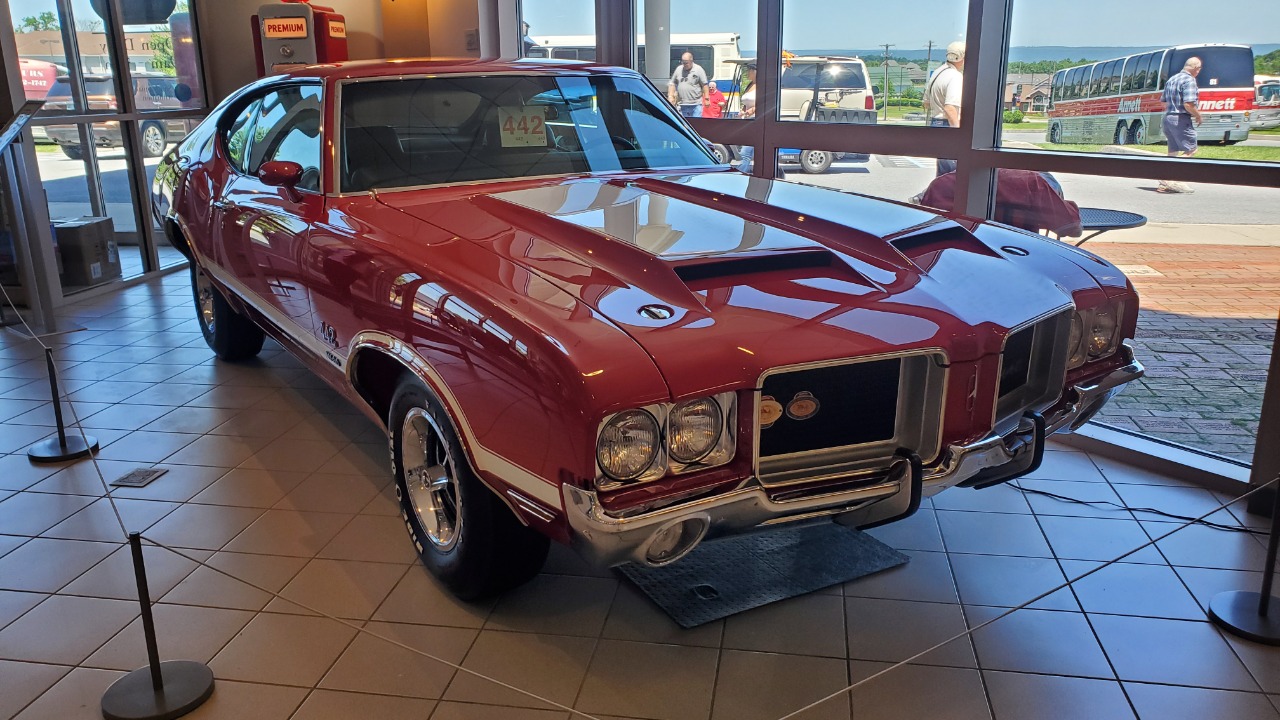
The 1970 Oldsmobile 442 W30 arrived with aggressive Ram Air induction, upgraded internals, and serious street performance that surprised even seasoned enthusiasts. Oldsmobile’s engineering focus created a car capable of competing directly with the era’s most respected muscle machines. The W30 package delivered strong acceleration without sacrificing drivability or comfort, broadening its appeal. Rivals that depended purely on raw image suddenly faced a more refined but equally capable challenger. The 442 W30 demonstrated that sophisticated engineering and brute-force power could coexist, elevating expectations across the entire muscle segment.
More from Fast Lane Only