The 1960s transformed Europe into the center of automotive innovation, where manufacturers experimented with lightweight construction, advanced aerodynamics, and increasingly powerful engines. These sports cars didn’t just outperform rivals of their era—they introduced ideas that permanently reshaped how performance cars were engineered. Many established formulas still used today can be traced directly to these machines. Their influence extended far beyond racetracks and into the DNA of modern sports and supercars.
Lamborghini Miura
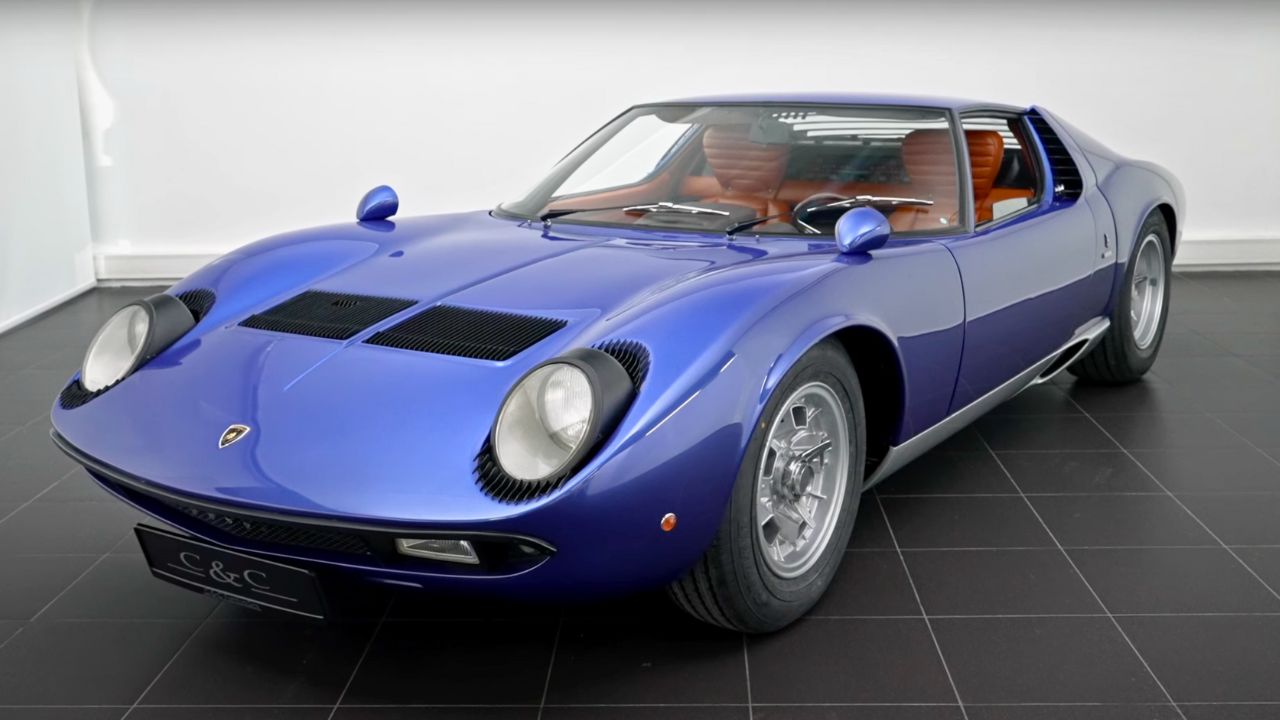
The Lamborghini Miura revolutionized supercar design by placing a transverse V12 engine behind the driver in a dramatic mid-engine layout. Before the Miura, most high-performance grand tourers relied on front-mounted engines and more conservative proportions. Its sleek Bertone styling and low stance immediately looked futuristic. Beyond appearance, the Miura demonstrated how mid-engine balance could dramatically improve handling and traction. Rival manufacturers quickly recognized the advantages, and the layout eventually became the standard for exotic performance cars. The Miura fundamentally changed expectations for what a top-tier sports car should look like, sound like, and feel like at speed.
Porsche 911
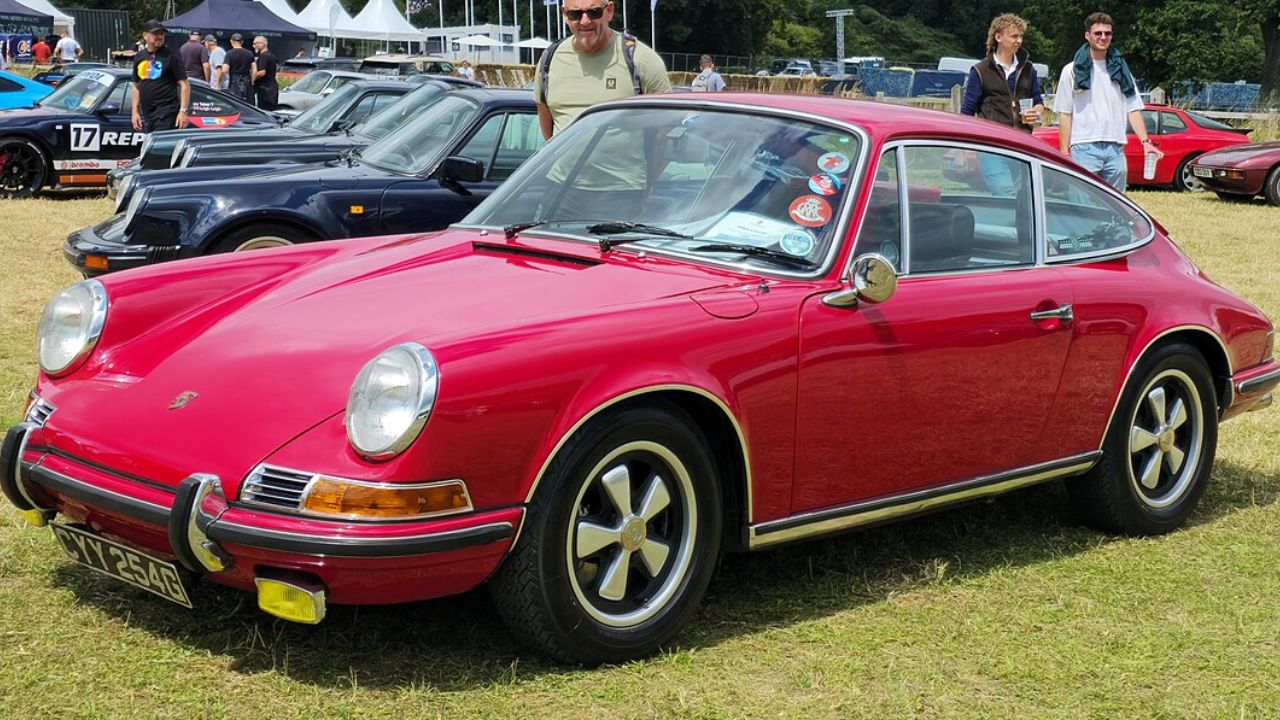
The original Porsche 911 introduced a rear-engine sports car formula that would become one of the longest-running performance platforms in automotive history. Powered by an air-cooled flat-six engine, it delivered unique weight distribution and instantly recognizable character. Early critics questioned the handling dynamics, but Porsche continuously refined the concept rather than abandoning it. The 911 proved that engineering consistency and gradual evolution could outperform constant reinvention. Its combination of everyday usability, motorsport capability, and timeless design permanently influenced sports car development and established Porsche as a benchmark for precision engineering.
Jaguar E-Type
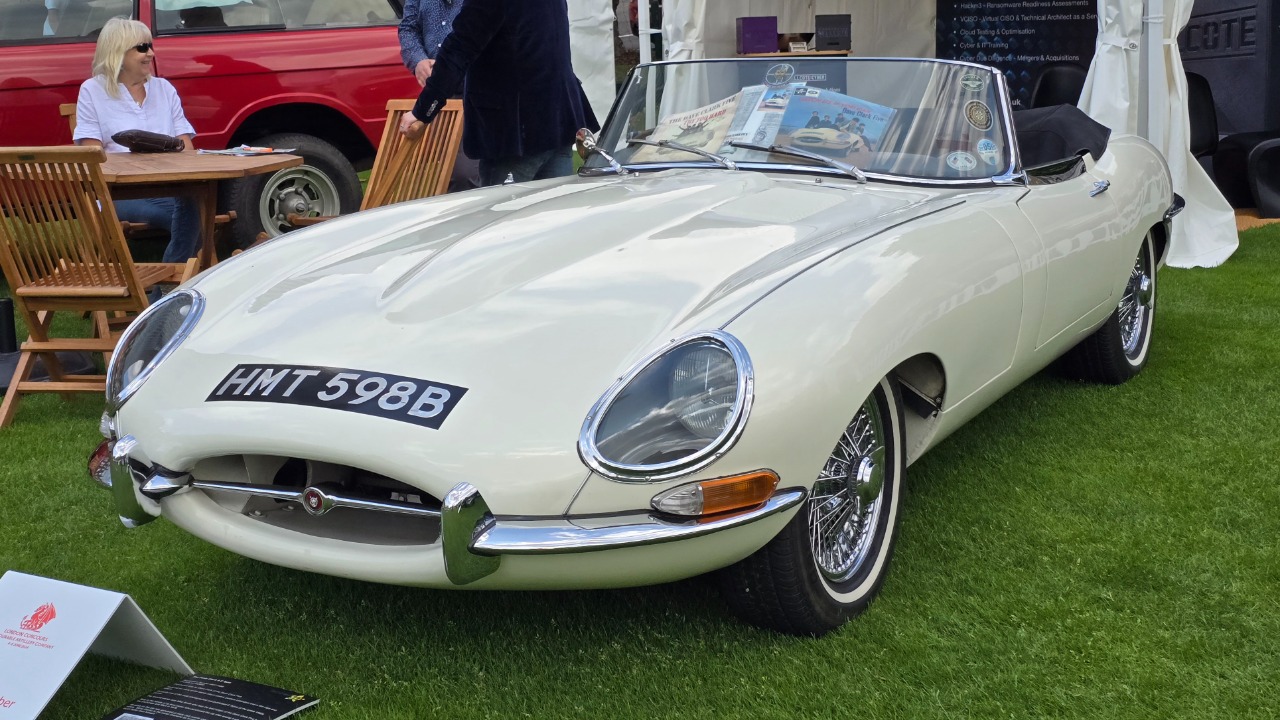
The Jaguar E-Type combined breathtaking styling with genuine high-speed performance at a price far below many Italian rivals. Its long hood, covered headlights, and monocoque construction created one of the most beautiful automotive shapes ever produced. Disc brakes and independent rear suspension gave it advanced handling and stopping power for the era. The E-Type showed that a road car could blend elegance and serious performance without compromise. Its influence extended beyond Britain, pushing competitors to rethink both aerodynamic styling and the balance between luxury and outright speed in sports car design.
Ferrari 250 GTO
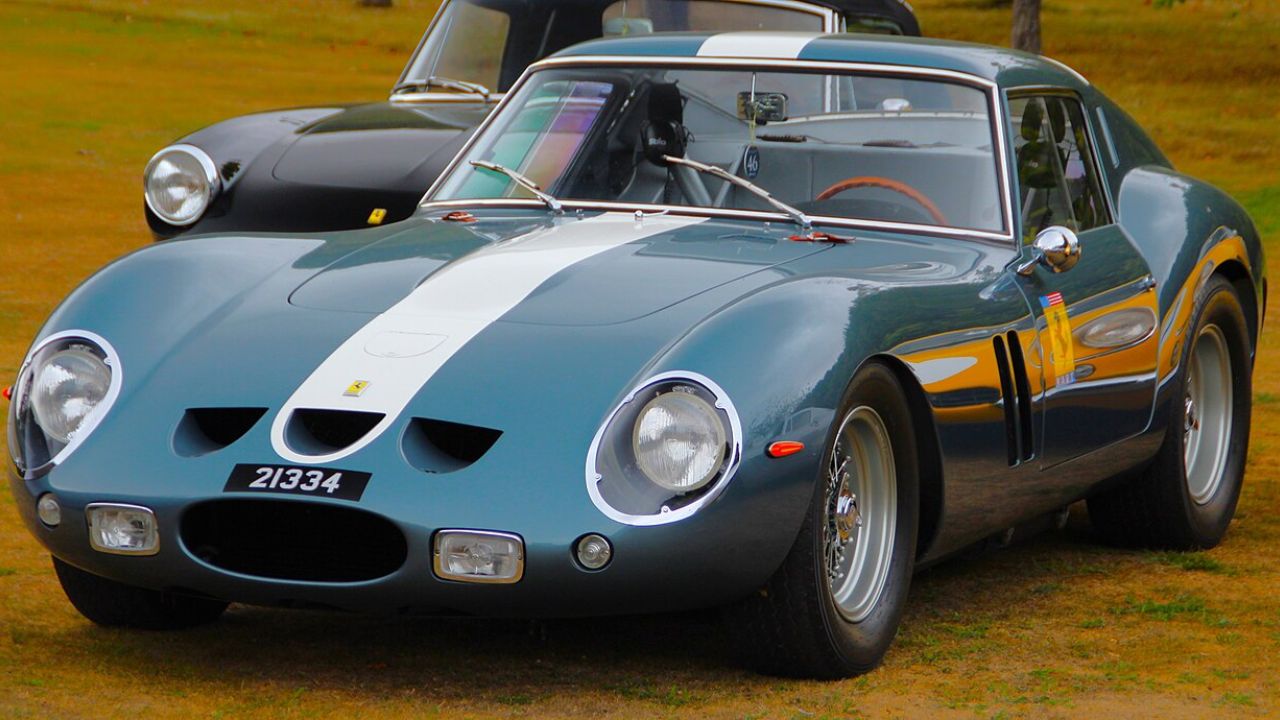
The Ferrari 250 GTO became legendary by combining racing engineering with road-going usability in an unprecedented way. Built primarily for homologation, it featured lightweight construction, aerodynamic refinement, and a powerful Colombo V12 engine. On track, it dominated GT racing through balance and reliability rather than sheer brute force alone. The 250 GTO demonstrated that factory-built race-derived cars could achieve both competitive success and lasting collector status. Its blend of exclusivity, motorsport pedigree, and engineering excellence permanently shaped the modern concept of the ultra-desirable performance halo car.
Alfa Romeo Giulia Sprint GTA
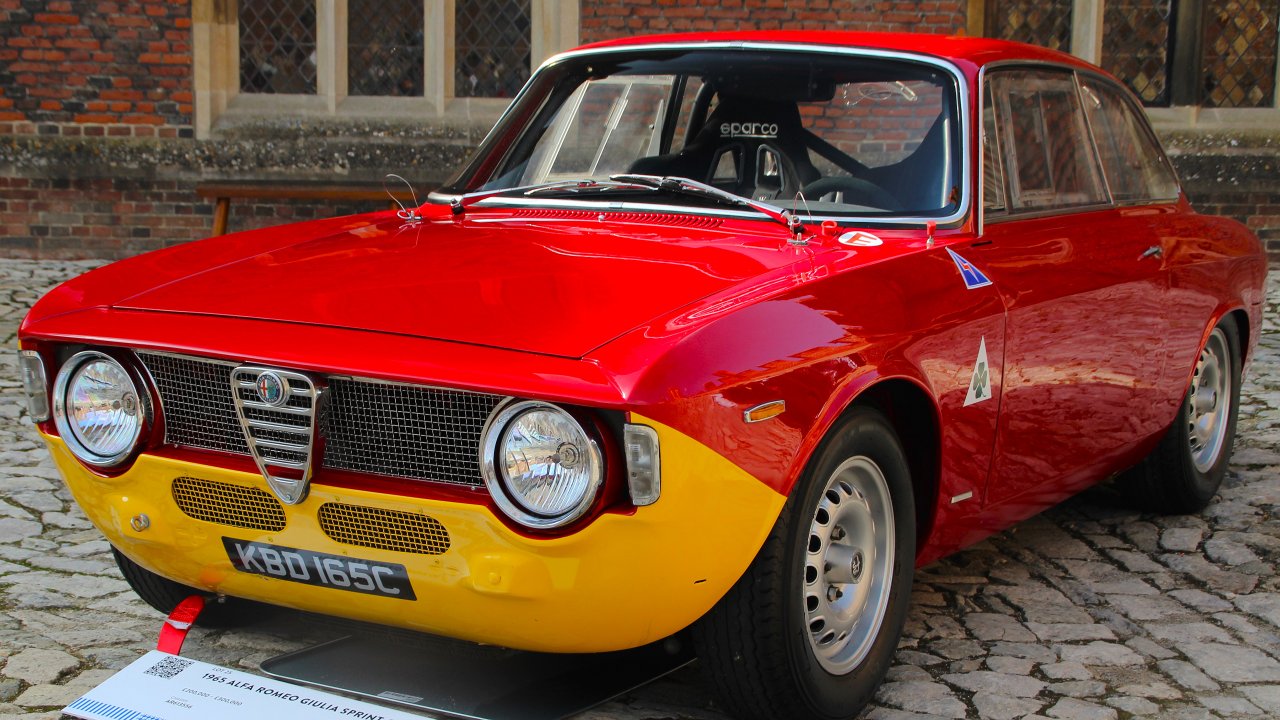
The Alfa Romeo Giulia Sprint GTA proved lightweight engineering could outperform larger, more powerful rivals. Aluminum body panels and extensive chassis tuning transformed the compact coupe into a touring car legend. Its twin-cam inline-four engine delivered impressive responsiveness, while balanced handling rewarded skilled drivers. The GTA demonstrated that reducing mass could be just as effective as increasing horsepower. Touring car racing success elevated Alfa Romeo’s global performance reputation and influenced generations of manufacturers to prioritize agility and chassis dynamics rather than relying solely on displacement for competitive advantage.
Lotus Elan

The Lotus Elan introduced engineering ideas that would influence sports car handling for decades. Lightweight fiberglass construction and advanced suspension geometry gave it extraordinary agility despite modest power output. Colin Chapman’s philosophy of “simplify, then add lightness” was fully realized in the Elan’s design. Its precise steering and balanced chassis established new standards for driver engagement. The Elan proved that intelligent engineering and low weight could create thrilling performance without massive engines. Many later sports cars, including the Mazda MX-5 Miata, directly borrowed from the Elan’s formula and philosophy.
Ford GT40

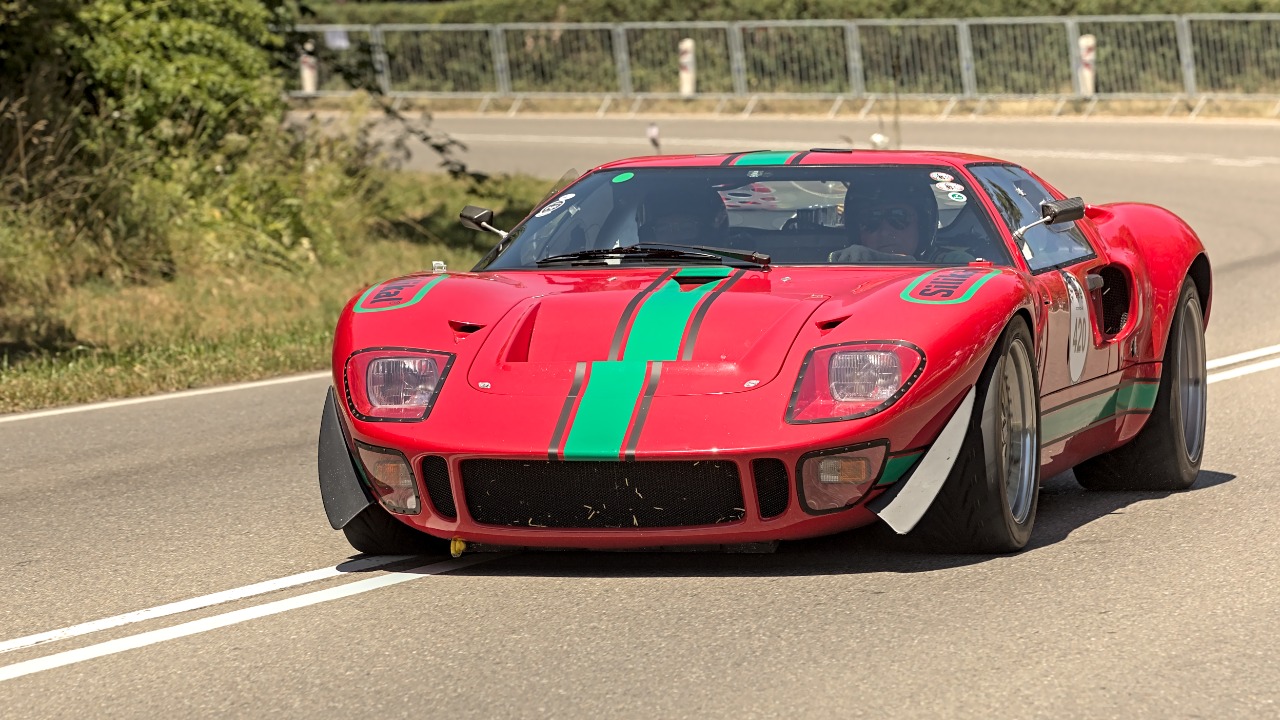
Although backed by Ford’s American resources, the GT40 was developed heavily in Europe and became one of the decade’s most influential performance machines. Built specifically to defeat Ferrari at Le Mans, it combined aerodynamic efficiency with immense V8 power and endurance-focused engineering. Its consecutive Le Mans victories reshaped international motorsport and proved manufacturers could engineer purpose-built race cars with global collaboration. The GT40’s low-slung profile and mid-engine layout helped define future endurance racers and supercars alike. Its success permanently altered performance development by emphasizing integrated aerodynamics, durability, and high-speed stability.
More from Fast Lane Only