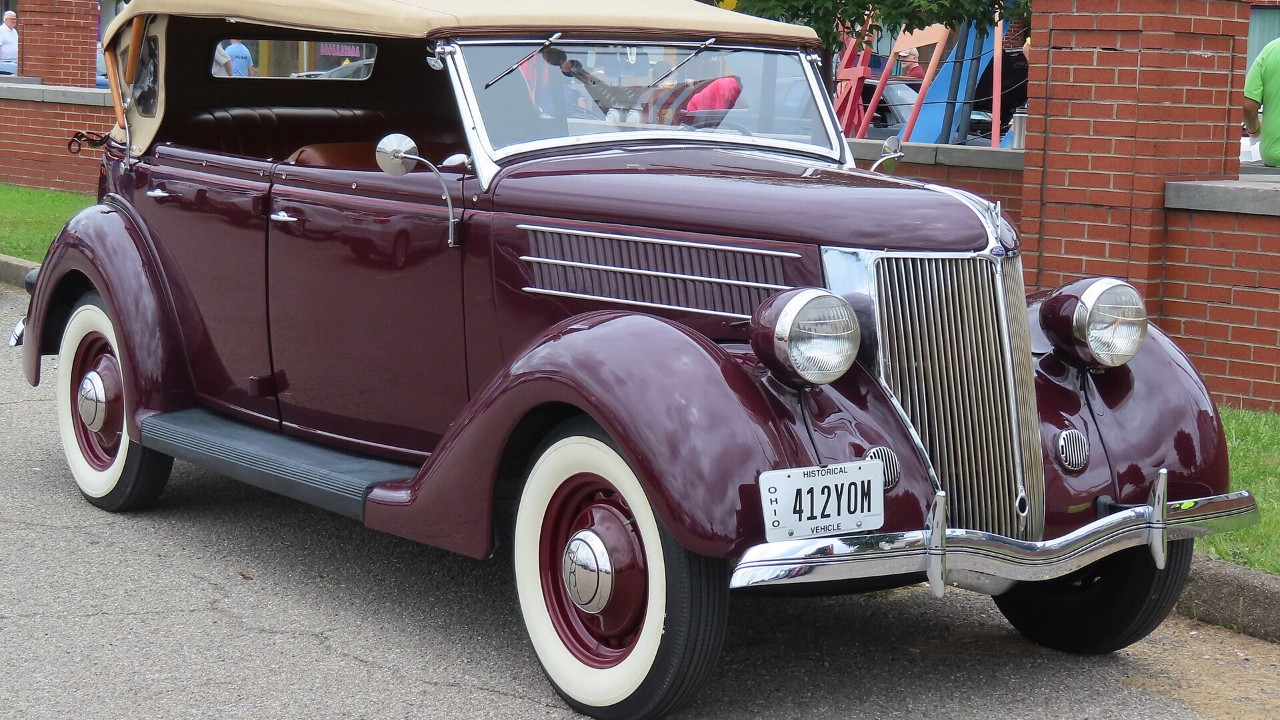
The Ford Mustang has been a symbol of American automotive engineering since its inception in the 1960s. Over the decades, various models have not only defined the Mustang legacy but have also significantly advanced Ford’s engineering capabilities. Here are ten Mustangs that pushed Ford engineering forward, showcasing innovation, performance, and design evolution.
1964 1/2 Mustang: The Birth of a Legend
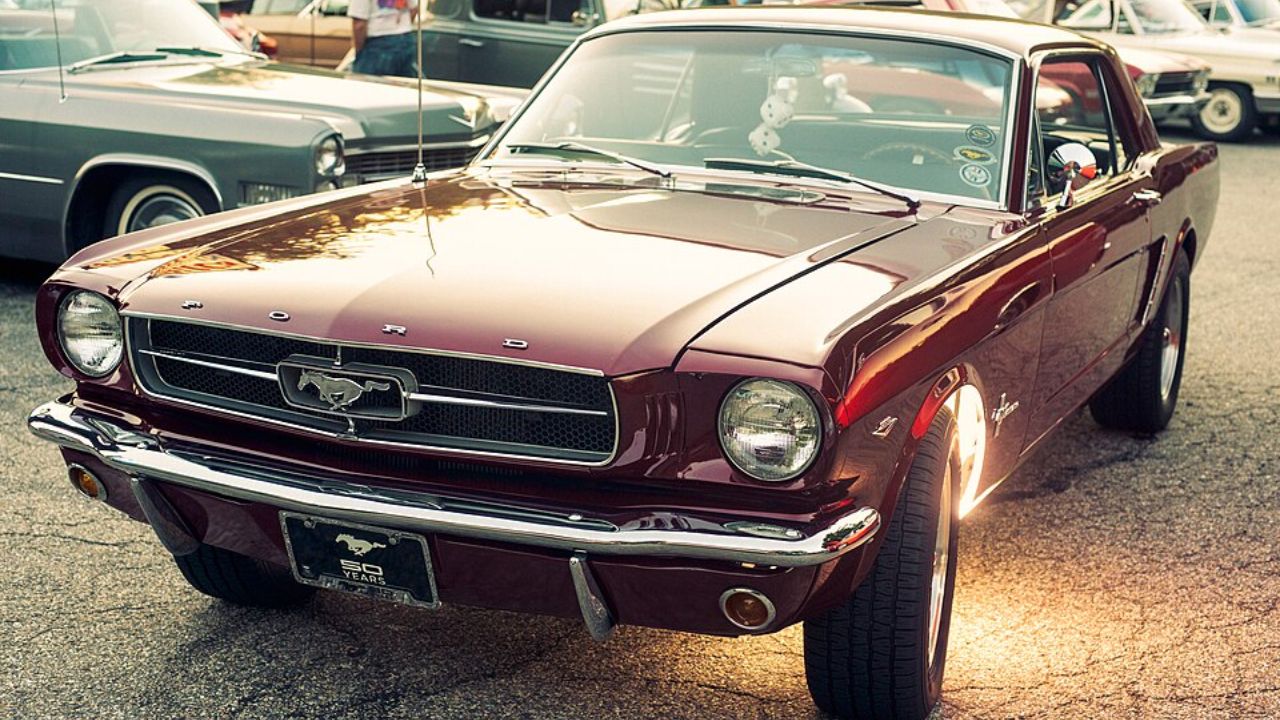
Launched in April 1964, the 1964 1/2 Mustang marked the dawn of a new automotive era. It was the first model to introduce the concept of the “pony car,” combining sporty performance with affordability. Its design was sleek and modern, appealing to a younger demographic. The introduction of the 260 cubic inch V8 engine provided a significant performance boost, setting the stage for future models. This Mustang quickly garnered attention and established a strong market presence, prompting Ford to capitalize on this newfound popularity.
The 1964 1/2 Mustang not only ignited the muscle car craze but also demonstrated Ford’s ability to innovate in both design and marketing. It became an iconic representation of American culture in the ’60s, influencing countless automotive designs that followed. The success of this model prompted Ford to expand its engineering resources, paving the way for the Mustang’s sustained evolution over the years.
1967 Mustang GT: A Performance Icon
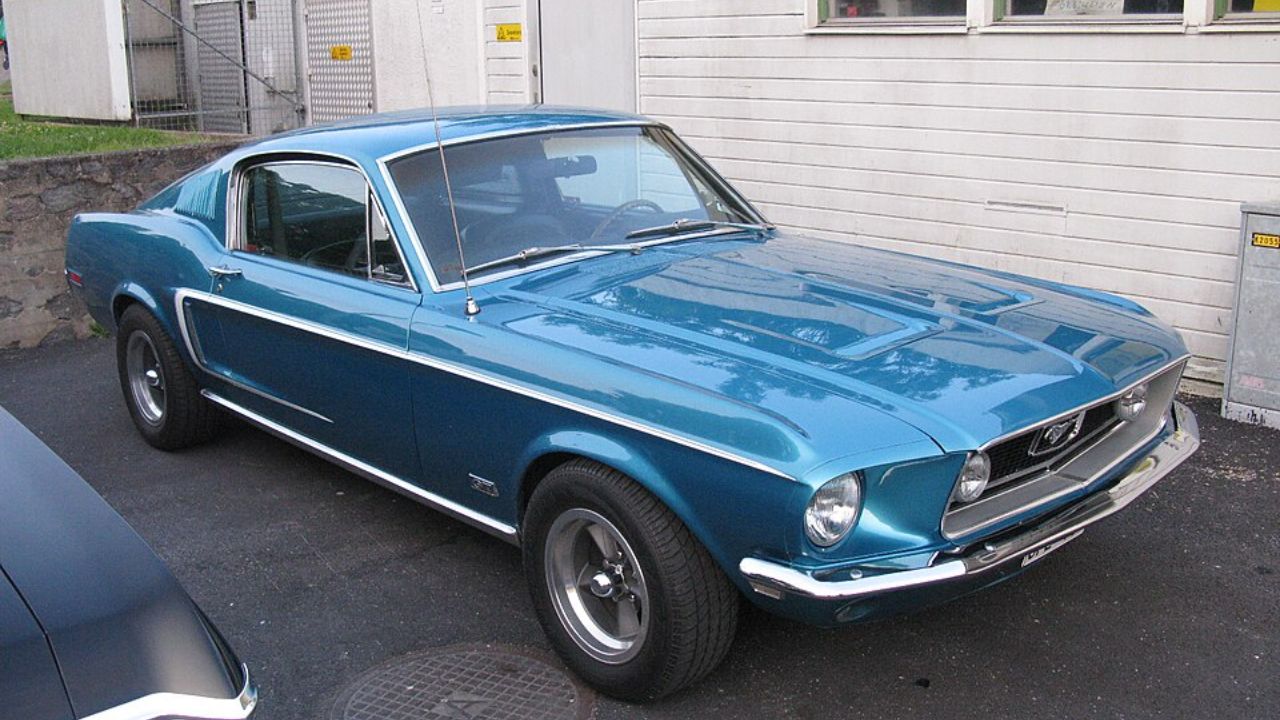
The 1967 Mustang GT took the original’s appeal and amplified it with enhanced performance capabilities. Featuring a new front grille and a more aggressive stance, the 1967 model offered engines ranging from a 289 cubic inch V8 to a mighty 390 cubic inch big block. This model solidified the Mustang’s reputation as a performance icon in the muscle car market, appealing to enthusiasts who sought power and style.
With its upgraded suspension and wider tires, the 1967 Mustang GT offered improved handling and driving dynamics. This model not only enhanced Ford’s reputation for building powerful cars but also inspired a generation of automotive engineers to push the envelope in performance technology. The advancements made in the 1967 Mustang GT laid the groundwork for subsequent models that would continue to evolve in terms of speed and handling.
1969 Mustang Mach 1: The Muscle Car Revolution

The introduction of the 1969 Mustang Mach 1 marked a pivotal moment in the muscle car revolution. With its aggressive styling, including a distinctive hood scoop and side stripes, the Mach 1 was designed to attract attention. Under the hood, it offered potent engine options, including the 351 cubic inch Windsor V8 and the 428 cubic inch Cobra Jet, delivering exhilarating performance for its time.
This model not only exemplified the peak of muscle car design but also showcased Ford’s commitment to engineering excellence. The Mach 1 integrated a range of performance features such as a sport-tuned suspension and improved aerodynamics. The 1969 Mustang Mach 1’s success helped shape Ford’s future performance vehicles and solidified the Mustang’s position in automotive history.
1971 Mustang: A Shift in Design Philosophy
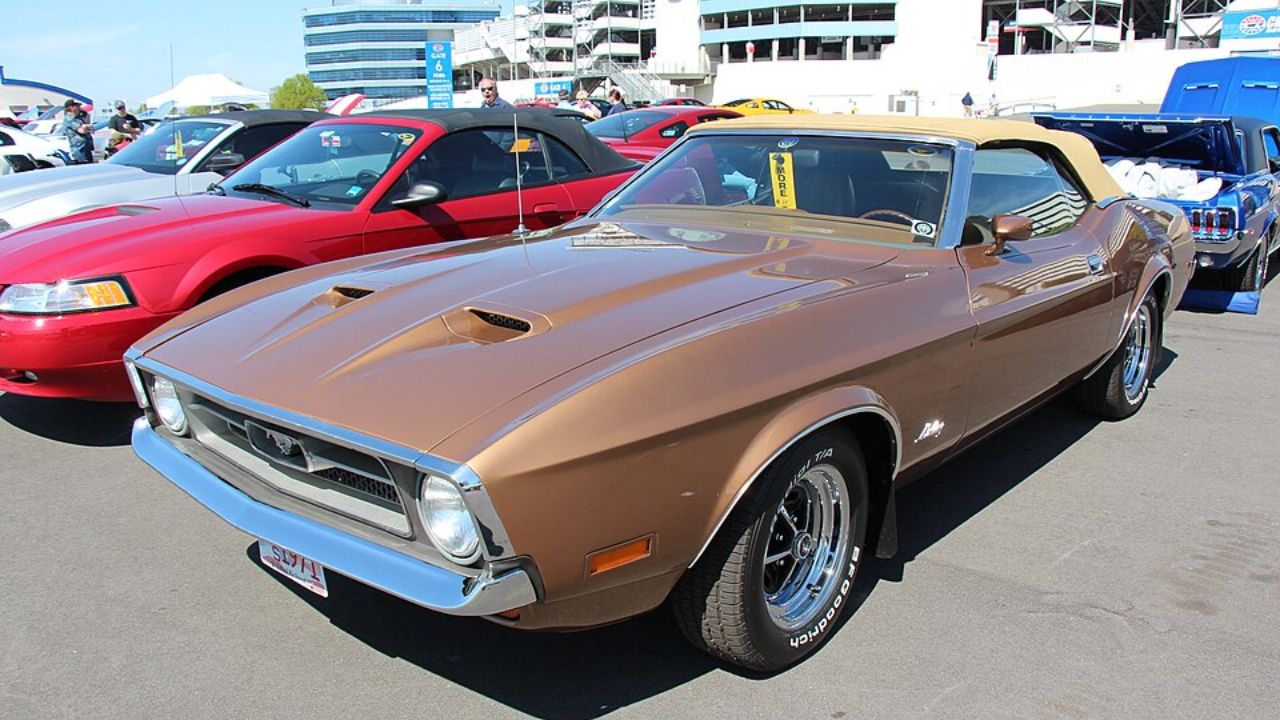
The 1971 Mustang represented a significant shift in design philosophy as it transitioned towards a larger, more refined vehicle. With a new body style that included a more aggressive front end and a roomier interior, the Mustang aimed to capture a broader market. Engine options ranged from a 250 cubic inch inline-six to a powerful 429 cubic inch V8, demonstrating Ford’s adaptability to evolving consumer preferences.
This model faced challenges amidst changing regulations and market demands, leading to a strategic rethinking within Ford. The engineering advancements in safety and emissions control during this period laid the groundwork for future models. The 1971 Mustang signaled a new era of engineering focus on efficiency and comfort, ultimately influencing the design of subsequent Mustangs.
1979 Mustang: The Fox Body Era Begins
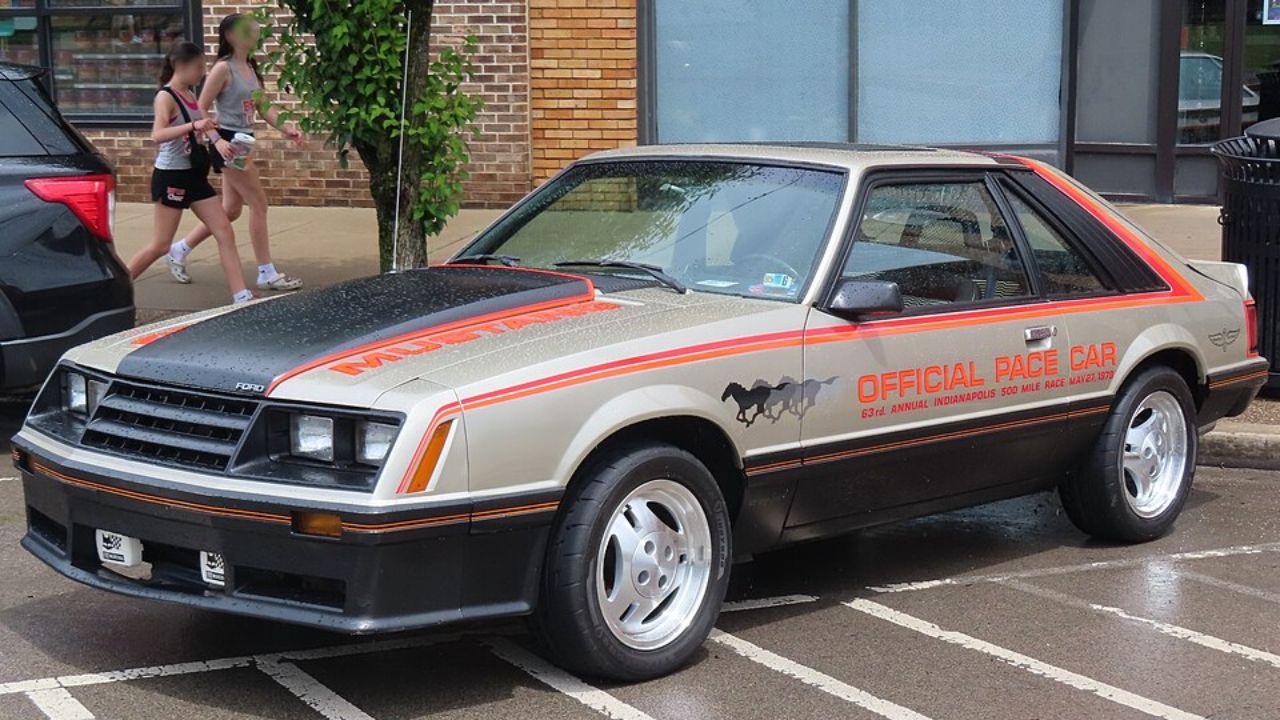
The 1979 Mustang marked the beginning of the Fox Body era, a pivotal moment in the Mustang lineage. With a complete redesign, the Fox Body offered a lighter and more aerodynamic platform, which improved fuel efficiency and performance. This model was available in various body styles, including a hatchback and a coupe, broadening its appeal to a diverse audience.
Equipped with a range of engines, including the 2.3-liter turbocharged four-cylinder and the classic V8, the 1979 Mustang showcased Ford’s commitment to versatility. The engineering behind the Fox Body also allowed for improved handling and ride quality, making it a popular choice among enthusiasts. This era laid the foundation for many technological advancements in the Mustang’s future, influencing design and engineering practices across the automotive industry.
1984 Mustang SVO: Turbocharged Innovation

The introduction of the 1984 Mustang SVO brought turbocharged innovation to the Mustang lineup. Powered by a 2.3-liter four-cylinder engine, this model was designed for those seeking performance without sacrificing fuel efficiency. The SVO featured a sophisticated suspension system, enhancing handling characteristics and making it a standout in the performance category.
This model represented a significant engineering achievement for Ford, showcasing the potential of turbocharging technology in a sports car. The Mustang SVO’s combination of power and efficiency redefined the expectations for performance vehicles during the 1980s. Its unique design and engineering advancements paved the way for future models that embraced turbocharging as a viable option for enhancing performance.
1993 Mustang Cobra: The Return of Power
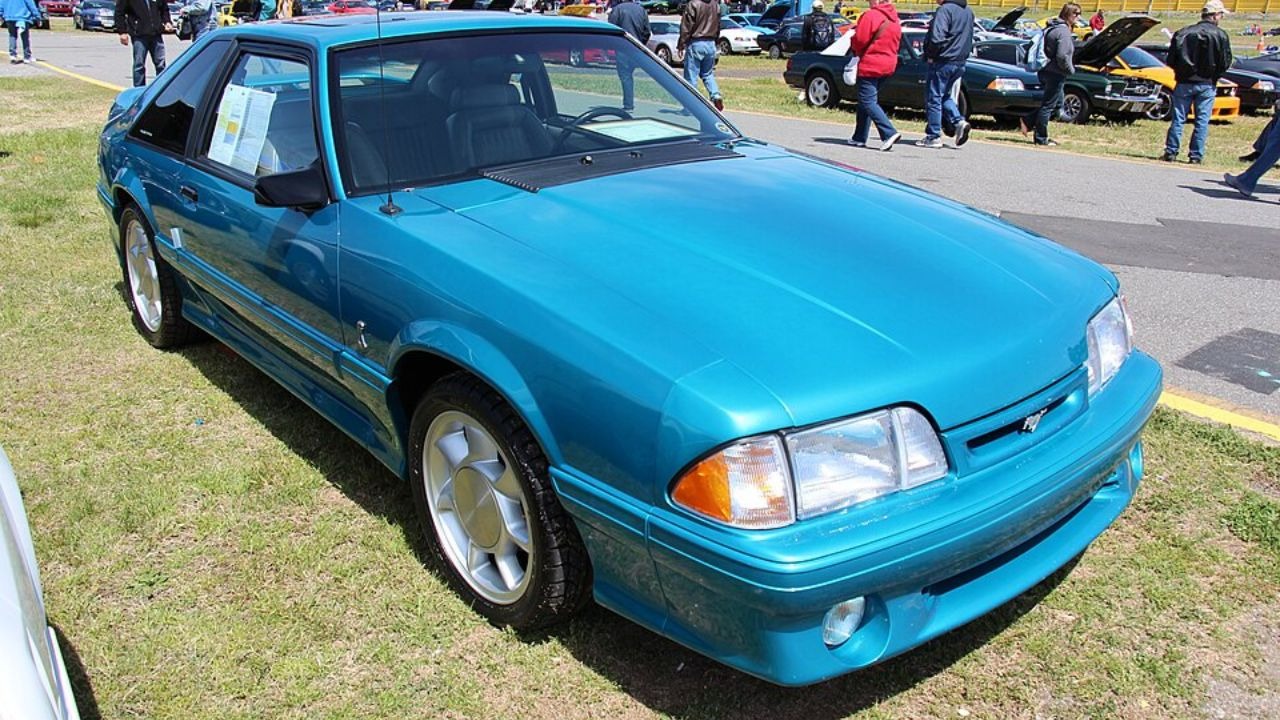
The 1993 Mustang Cobra marked the return of power to the Mustang lineup. Equipped with a 5.0-liter V8 engine, the Cobra generated an impressive 235 horsepower, making it a formidable contender in the performance car market. Its aggressive styling and enhanced aerodynamics signified a return to the Mustang’s roots as a performance-oriented vehicle.
Ford’s engineers focused on improving the overall driving experience, incorporating features like a sport-tuned suspension and upgraded braking systems. This model not only reignited interest in Mustang performance but also established a benchmark for future iterations. The 1993 Mustang Cobra became a symbol of power and performance, influencing the design and engineering of subsequent models.
2003 Mustang Cobra (Terminator): Supercharged Performance
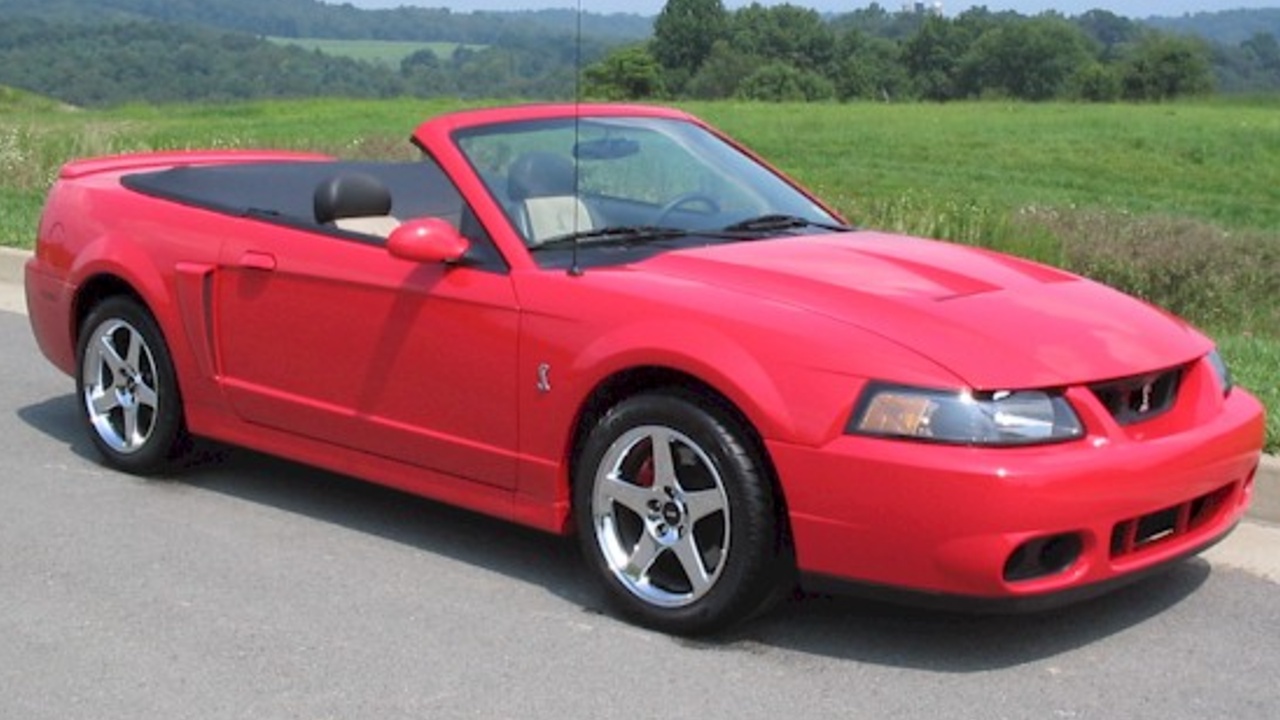
The 2003 Mustang Cobra, often referred to as the “Terminator,” took performance to new heights with its supercharged 4.6-liter V8 engine. This model produced a staggering 390 horsepower and 390 lb-ft of torque, making it one of the most powerful Mustangs of its time. Its combination of power and engineering refinement made it a favorite among performance enthusiasts.
Ford’s engineering team focused on enhancing performance through advanced technologies, including a sophisticated independent rear suspension. This innovation not only improved handling but also provided a smoother ride experience. The 2003 Mustang Cobra’s success reaffirmed Ford’s position in the high-performance segment and set the stage for future advancements in Mustang technology.
2015 Mustang: Global Platform and Modernization
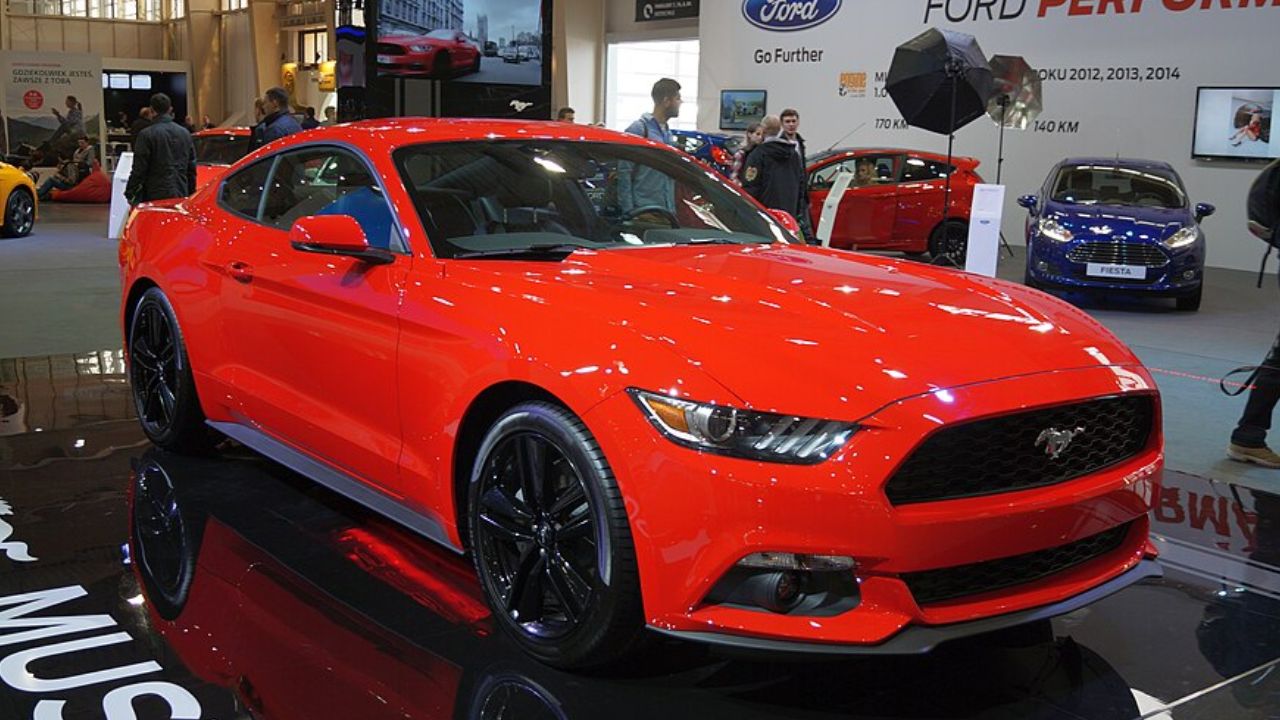
The 2015 Mustang represented a significant leap forward, featuring a global platform that enhanced its appeal to international markets. With a completely redesigned exterior and interior, it offered a modern aesthetic while maintaining the classic Mustang spirit. Engine options included a turbocharged four-cylinder, a V6, and a powerful V8, providing consumers with a range of choices tailored to their performance needs.
This model incorporated advanced technologies such as independent rear suspension and an optional 10-speed automatic transmission, showcasing Ford’s commitment to modern engineering. The 2015 Mustang not only revitalized the brand but also set new standards in performance and design. Its global reach and technological advancements highlighted Ford’s ability to adapt to changing market demands while preserving the Mustang’s iconic status.
2021 Mustang Mach-E: Electrifying the Mustang Legacy

The launch of the 2021 Mustang Mach-E marked a bold new chapter in Ford’s history, blending the Mustang legacy with cutting-edge electric vehicle technology. As a fully electric SUV, the Mach-E offers impressive performance, with instant torque and a range of battery options. Its design reflects the Mustang’s sporty aesthetics while embracing modern sustainability.
This model showcases Ford’s engineering prowess in the electric vehicle space, offering features such as advanced driver-assistance systems and a state-of-the-art infotainment system. The Mach-E signifies a strategic shift for Ford, positioning the Mustang brand for the future while remaining true to its performance roots. With the introduction of the Mach-E, Ford proves that the Mustang legacy can extend beyond traditional combustion engines, paving the way for a new generation of enthusiasts.
More from Fast Lane Only