Today, front-wheel drive is the layout of the everyday commuter car. Back when E.L. Cord launched the Cord L-29 in 1929, though, sending power through the front wheels was a bold engineering bet. In our view, it took real nerve to try it.
The ones that did often went all the way. They built low bodies, unusual suspension and engines placed where nobody else would put them. Some of those cars sold well, while others ended after a few hundred examples or fewer. Either way, their builders did not treat front-wheel drive as a cost-saving shortcut.
These are our picks for seven rare front-wheel-drive classics executed without compromise, from a 1928 British sports car to a Wankel-powered French sedan. The judgment calls are ours. However, the dates, engines and production figures come from museum records, auction catalogs, marque histories and period sources.
1. 1928 Alvis 12/75 Front Wheel Drive
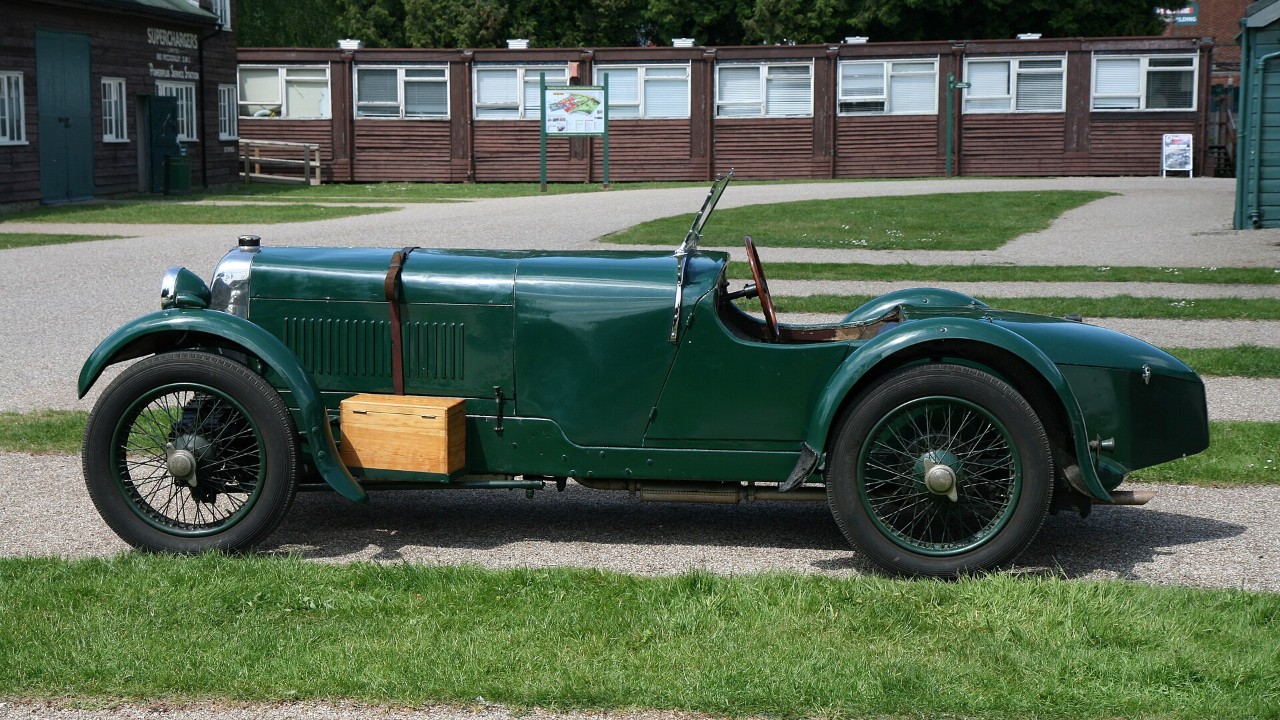
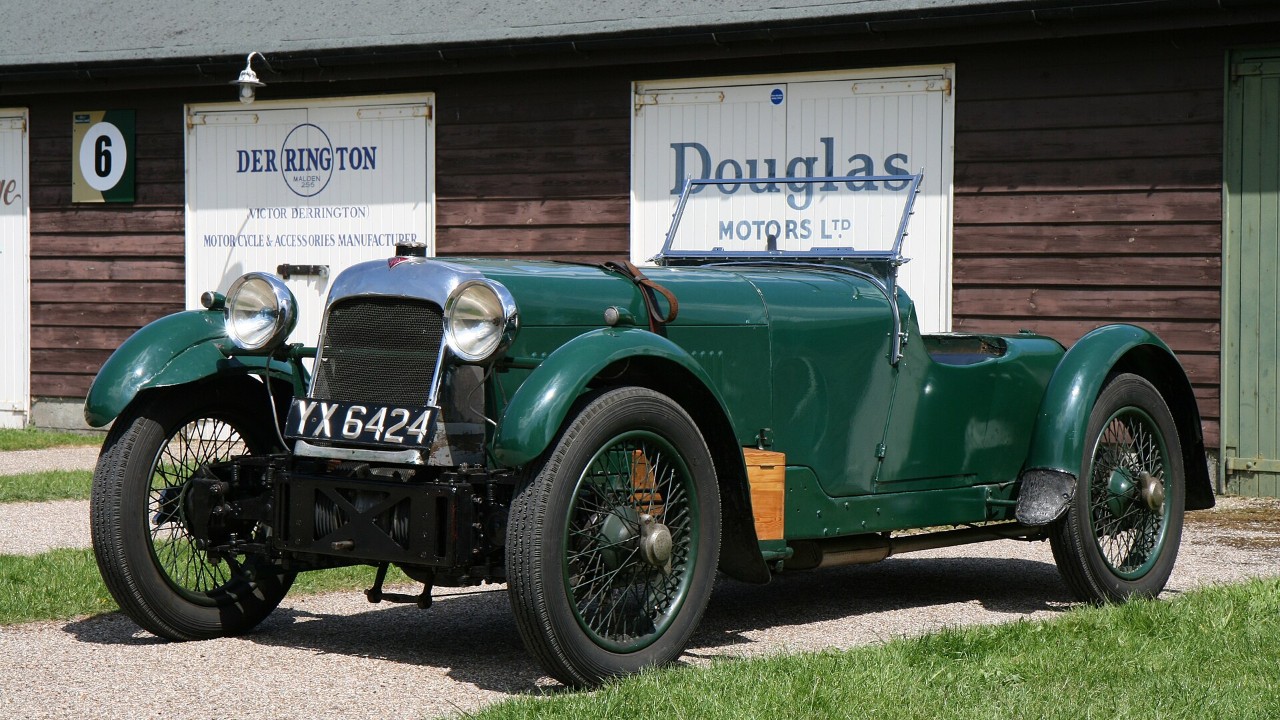
Alvis built its Front Wheel Drive model, also called the 12/75, from 1928 to 1930. The engine was a 1.5-liter four-cylinder with an overhead camshaft. Buyers could also add a supercharger, which raised output to 75 bhp. Meanwhile, all four wheels had independent suspension.
According to Brooklands Museum, it was the first British production front-wheel-drive car. The museum’s own example sends power through a gearbox and differential mounted up front, with inboard front drum brakes. Alvis built that car in 1928 for its Tourist Trophy team, but it was not finished in time for the race.
The car made up for it later. In 1929, it averaged 96 mph in a BARC handicap race at Brooklands. Only some 155 Alvis front-drive cars of this type were made. In our view, the 12/75 is the purest example of “without compromise” on this list. Alvis did not just turn the drivetrain around. Instead, it built a racing-bred sports car around front-wheel drive from the start. That made the 12/75 a bold bet on a layout most buyers had never tried.
2. 1931 Cord L-29 Speedster
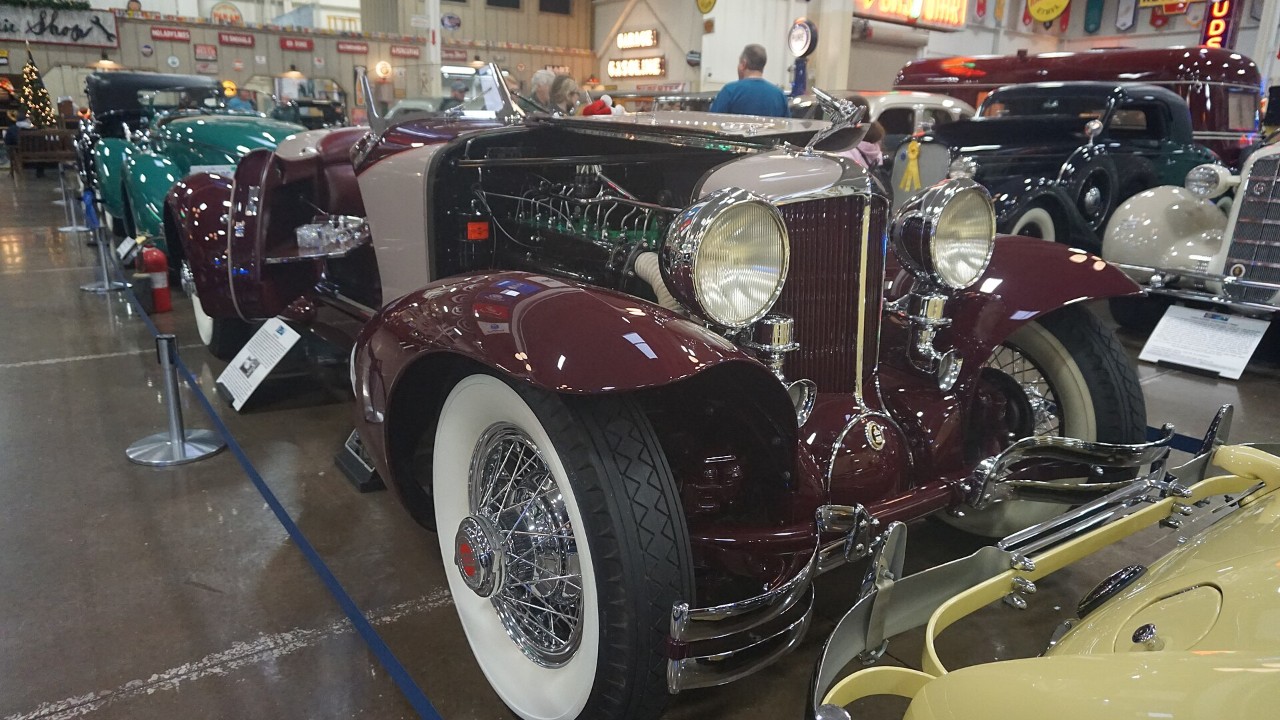
Cord announced the L-29 in August 1929. It used a 298.6-cubic-inch Lycoming straight-eight, another company in E.L. Cord’s empire, rated at 125 horsepower. Chief engineer Cornelius Van Ranst led the work, with consultation from race car engineer Harry Miller. According to RM Sotheby’s, it was a “pioneering front-wheel drive American car.”
That layout let the designers do something a rear-drive car of the day could not. With no driveshaft tunnel, the body sat up to 10 inches lower than its rivals. The front suspension used a De Dion layout, and inboard hydraulic drum brakes cut unsprung weight. Four body styles sold for $3,095 to $3,295. RM Sotheby’s sold one 1930 Boattail Speedster for $165,000 at its 2011 Hershey sale.
Timing was the problem. The Great Depression arrived just as the car reached showrooms, and it wiped out the wealthy buyers Cord wanted. Total production ended at roughly 5,010 cars. In our opinion, the L-29 Speedster is the most dramatic shape on this list, because the low body came straight from the front-drive layout. Cord’s later front-drive car, covered in our story on why the 1936 Cord 810 remains one of history’s most advanced-looking cars, built on the same idea.
3. Citroën Traction Avant Roadster
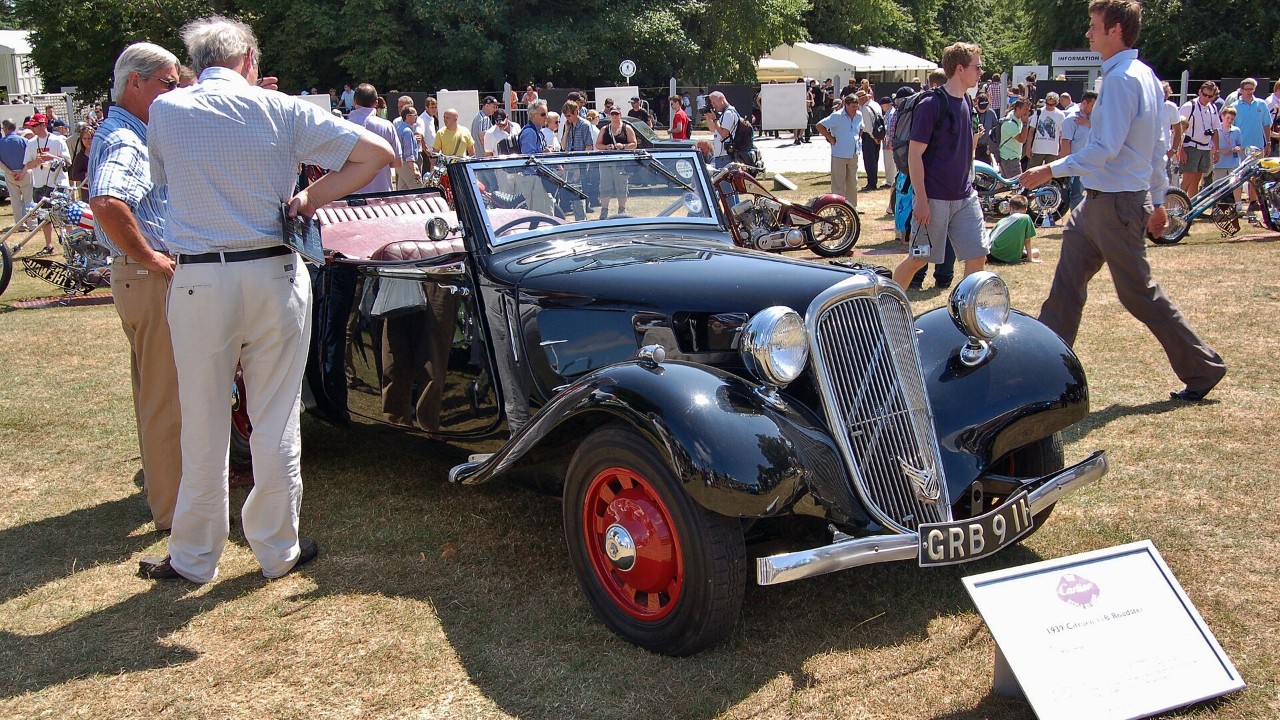
Citroën presented the first Traction Avant at its Paris showroom on April 18, 1934. André Lefèbvre and Flaminio Bertoni designed it. Under the skin, it had a welded unitary body and chassis instead of a separate frame. Up front, the wheels used independent torsion-bar and wishbone suspension.
That was a lot of new engineering for one car. Meanwhile, Citroën declared bankruptcy in late 1934, and Michelin, its largest creditor, took ownership. Yet the car survived. According to Citroënvie, Citroën showed the open 7A convertibles in May 1934, alongside a two-door coupe with a rumble seat. The page also says the last Traction Avant, an 11 Familiale, left the Quai de Javel plant in Paris on July 25, 1957.
By then, Citroën had built 759,123 Tractions in various forms. Most of those were sedans, so we think the open cars are the ones to find. In our view, the roadster is the best way to appreciate how low and clean the design was. If you want the full engineering story, see our look at the unusual engineering behind the 1934 Citroën Traction Avant.
4. DKW F5 Sport-Roadster
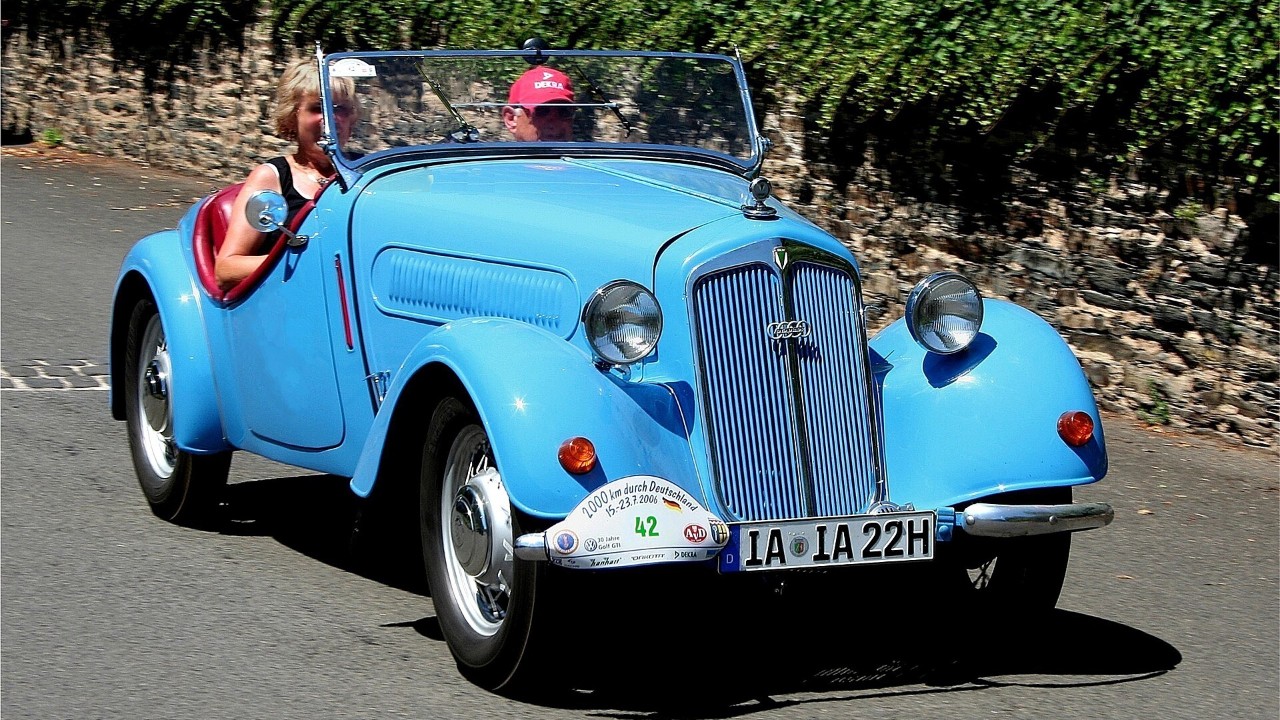
DKW built its F5 range around front-wheel drive. The F5 used a water-cooled two-stroke two-cylinder engine of 692cc, mounted up front and driving the front wheels. Its sporty two-seat roadster carried the Front Luxus Sport name.
Its construction was unusual. Underneath, the F5’s central body frame was steel. However, the outer skin stayed fabric over a plywood support. In our view, that light structure suited the small engine. DKW claimed a top speed of 90 km/h, or 56 mph, for the roadster.
Those numbers sound modest today. Still, the F5 was a big seller, with about 60,000 built across the range. The roadster was only one of several F5 body styles. In our opinion, the DKW deserves its place because it took front drive to buyers who could never afford a Cord L-29 or an Alvis. It did that with a clever two-stroke engine and a body that weighed almost nothing. That focus on lightness, rather than luxury, is its own kind of no-compromise thinking. If you ever see one at a German classic show, take a close look at the fabric-skinned body, because few cars were built that way.
5. 1938 Adler Trumpf Junior Cabriolet Wendler
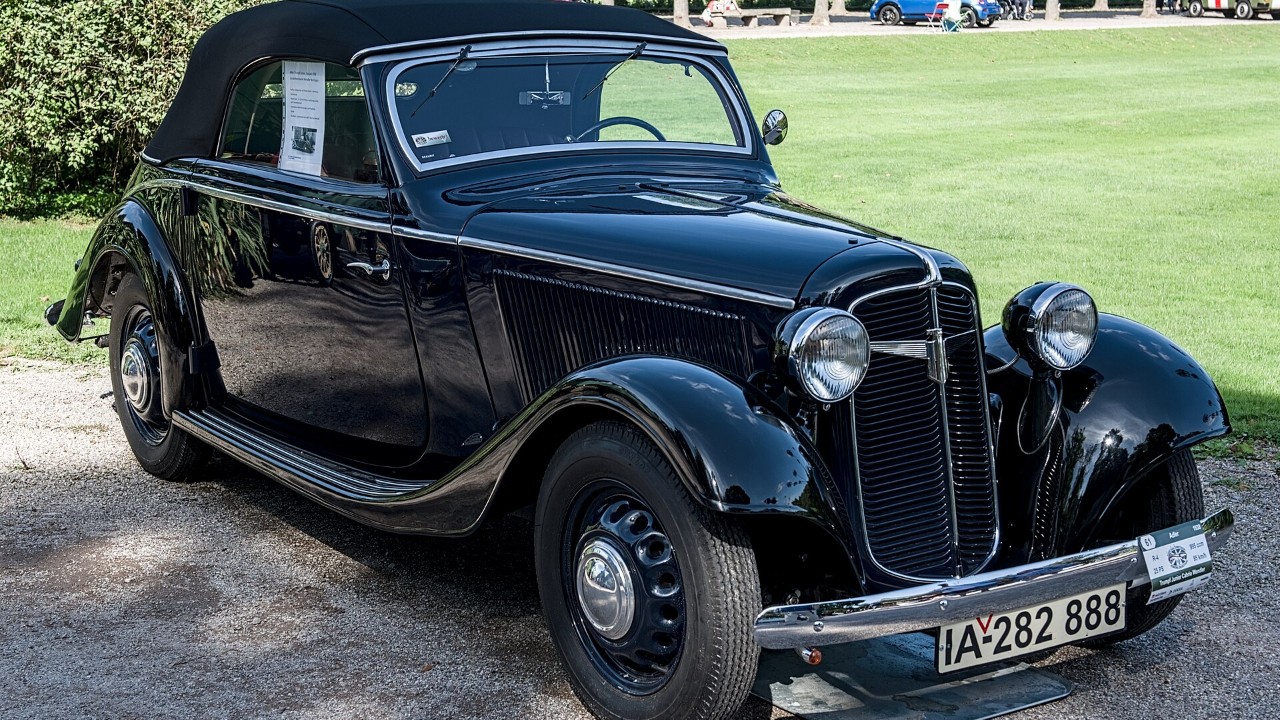
Adler built the Trumpf Junior from 1934 to 1941. It was a front-wheel-drive small car with a 995cc side-valve four-cylinder engine. Adler claimed 25 PS at 4,000 rpm, and a four-speed manual sent the power forward. Hans Gustav Röhr and his colleague Josef Dauben, Adler’s chief engineer, shared the development work.
The Trumpf Junior was a real success. Adler built more than 100,000 of them in two series, the 1G of 1934 to 1935 and the 1E of 1936 to 1941. At launch in 1934, the saloon listed at 2,750 Marks. From 1936, the all-steel saloon listed at 2,950 Marks. Karmann and Ambi-Budd built the four-seat cabriolet bodies. Meanwhile, outside coachbuilders built the two-seat cabriolets, including Wendler of Reutlingen.
That is why the Wendler cars are the rare ones. The saloon was a mass-market car, but a Wendler cabriolet was a coachbuilt special on the same front-drive chassis. In our view, it shows, much like the Cord L-29, that front-wheel drive could carry an elegant open body, not just an economy sedan. If you see one, check the coachbuilder’s plate, because the bodies varied from one supplier to the next.
6. Saab 96 Sport
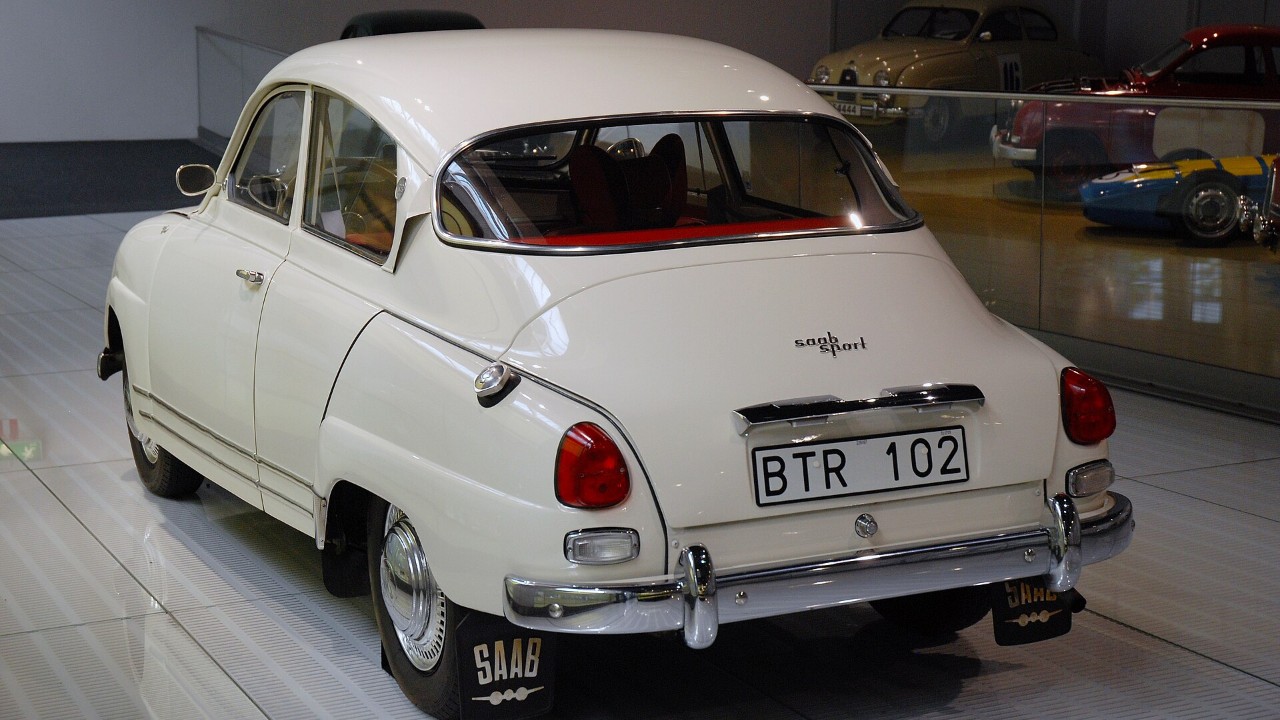
The Saab 96 used an 841cc three-cylinder two-stroke engine driving the front wheels. In standard form, it made 39 bhp. The Sport and Monte Carlo models went further, with triple carburetors and oil injection. That last feature meant owners did not have to mix oil into the fuel by hand.
According to Silodrome, the Monte Carlo 850 made 57 bhp in a car weighing about 1,925 pounds. That is a light, simple package, and it suited rally driving. Erik Carlsson won the Monte Carlo Rally in 1962 and 1963 in a Saab. He also won the RAC Rally three years running, from 1960 to 1962.
Saab kept the two-stroke engine until 1968. Then most new 96s switched to a Ford Taunus V4 from 1967 on. As a result, the triple-carburetor two-stroke cars are the rare ones today. In our opinion, the 96 Sport is the most honest car on this list. It never pretended to be fast on paper, yet its front-drive grip and low weight made it a winner on snow and gravel. If you buy one, find a specialist who knows the two-stroke triple, because it needs careful setup.
7. 1975 Citroën GS Birotor
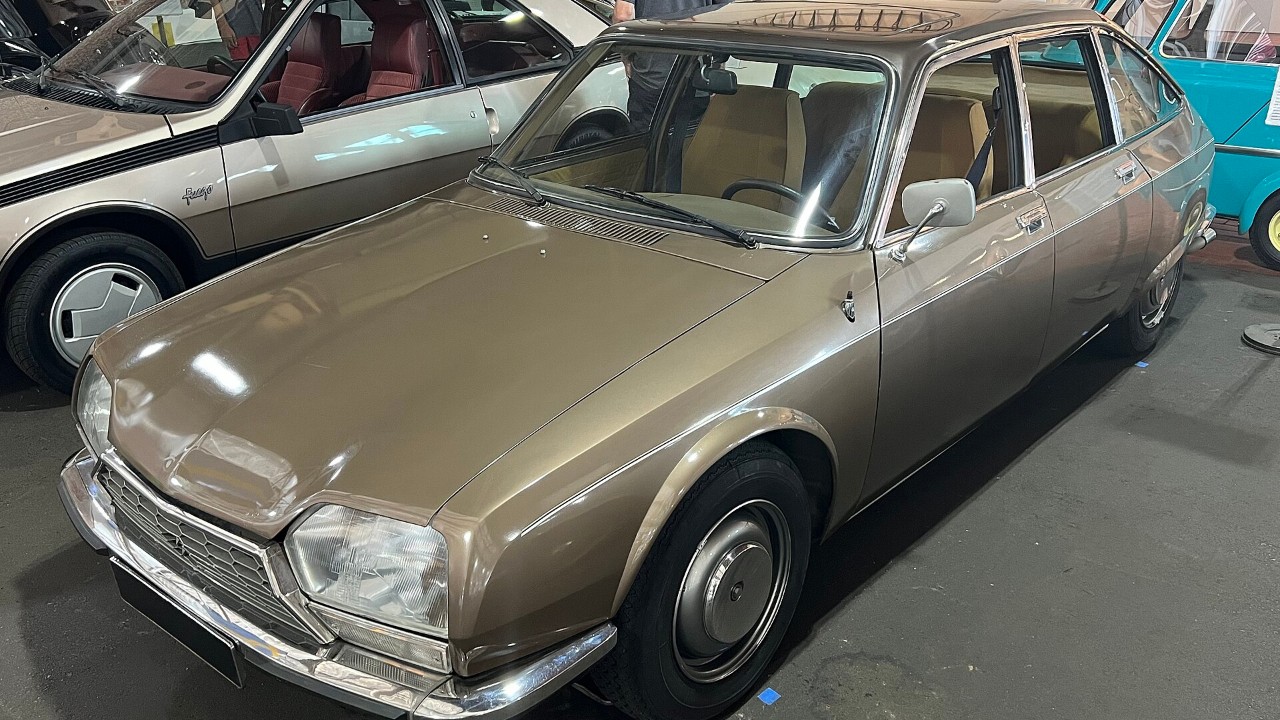
Citroën took the front-drive GS and gave it a two-rotor Wankel engine. According to the Lane Motor Museum, the engine is listed at 1,900cc and made 107 horsepower at 6,500 rpm. The Birotor also cost about 70 percent more than a regular GS.
That price was a hard sell. The car arrived in 1973, and Citroën ended production in 1975. Its engines also wore out early. The Lane notes that few cars passed 20,000 miles without an engine replacement, usually because of worn seals.
Citroën then tried to buy the cars back from owners to cut warranty claims and parts problems. Many owners accepted, which is why the Birotor is so rare today. In our view, it is the boldest car on this list. Citroën did not settle for a bigger piston engine. Instead, it built a smooth rotary front-driver with no compromise at all, even when the market punished it. Citroën built only 847 GS Birotors, and the Lane Motor Museum believes its 1975 car is the only running example in the United States.
More from Fast Lane Only