In February 1936, Daimler-Benz showed the Mercedes-Benz 260 D at the Berlin Motor Show, and the diesel passenger car was born. Within three years, carmakers had also put streamlined bodies, front-wheel drive, tiny economy cars and wind-tunnel shapes into production. In short, the late 1930s moved faster than most people remember.
Much of that happened while Europe and America headed toward war. Some of these cars sold in the hundreds of thousands, and others were built in the hundreds. A few never reached the buyers who paid for them. Yet each one introduced an idea that later cars took for granted.
These are our picks for eight automobiles that ushered in a new era during the late 1930s. The choice of cars is our opinion. The dates, engines and production counts come from maker archives, period documents and model histories.
1. 1936 Mercedes-Benz 260 D
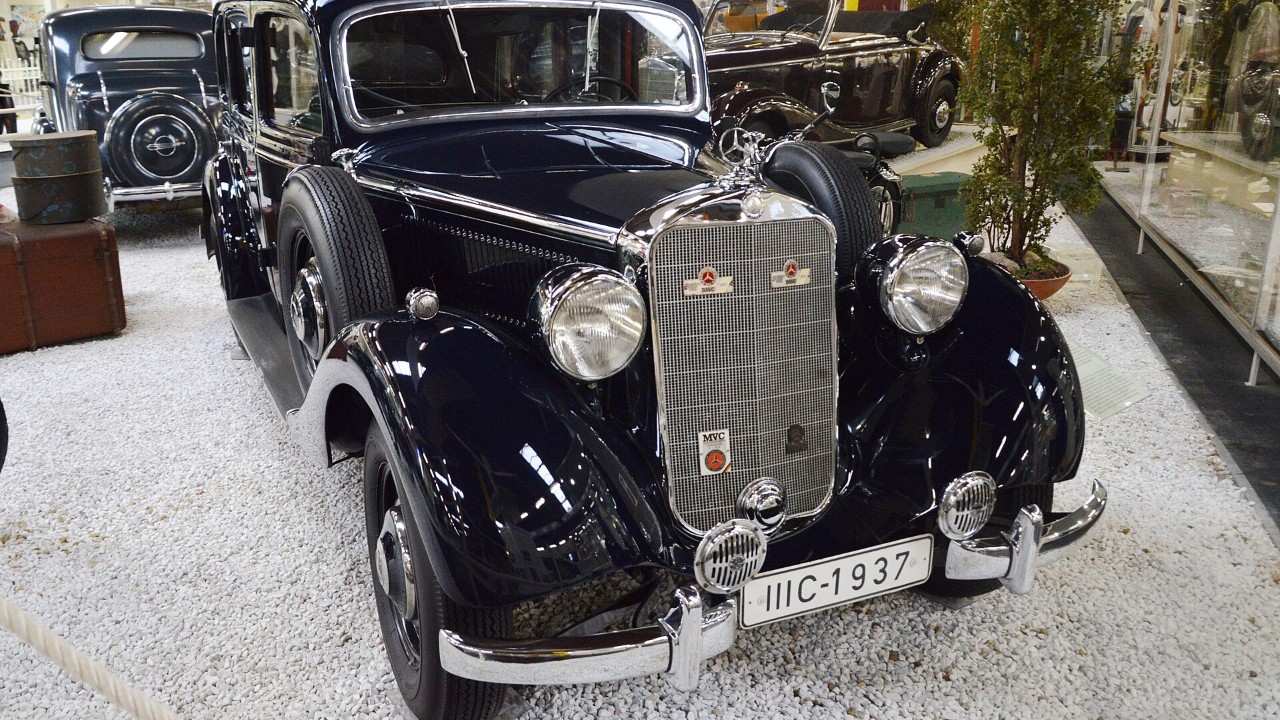
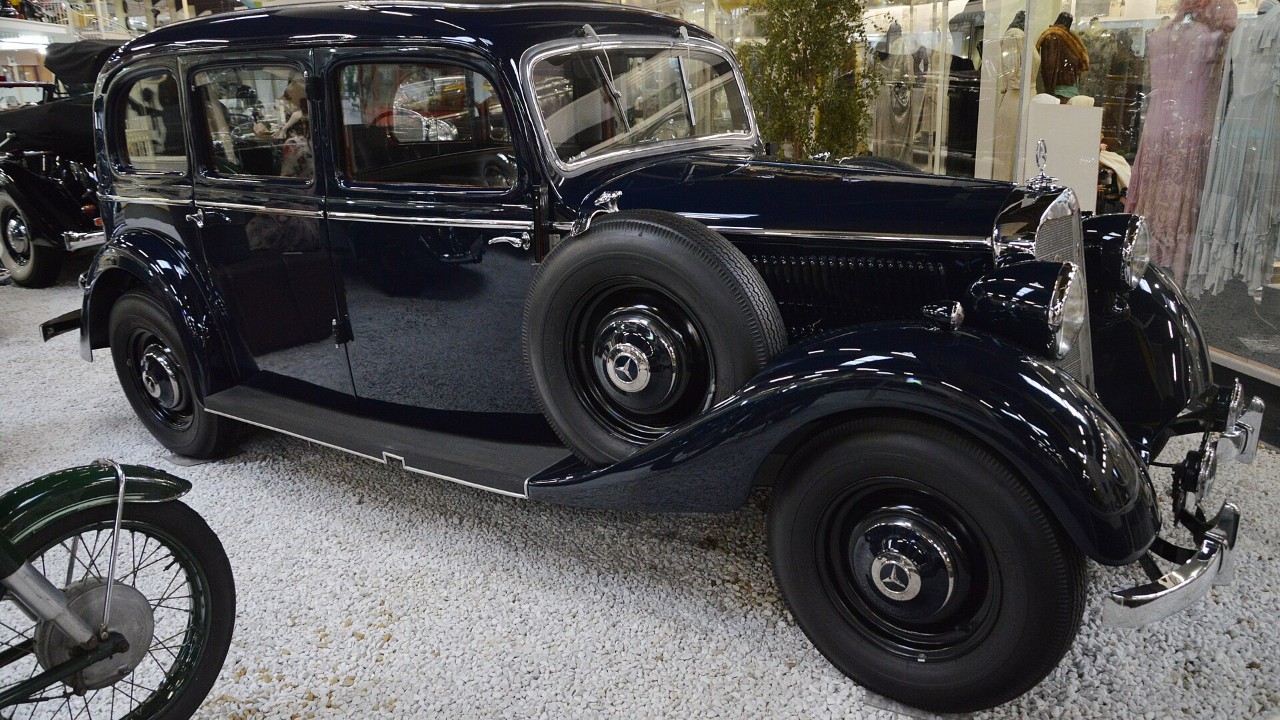
Daimler-Benz did not get the diesel car right on the first try. According to the Mercedes-Benz archive, its first experimental 3.8-liter six-cylinder diesels of autumn 1933 vibrated too much for the chassis. So engineers switched to a 2.6-liter four-cylinder diesel with 45 hp and fitted it to the long-wheelbase 200. The car reached production maturity in mid-1935.
At the February 1936 Berlin Motor Show, the company presented the Mercedes-Benz 260 D as a six-seat Pullman landaulet. The archive calls it the world’s first series-produced diesel-engined passenger car. A Hanomag diesel also appeared in Berlin, but it did not enter series production until 1938. Meanwhile, the 260 D used about 9 liters of fuel per 100 km, against 13 for the gasoline version.
Early cars went mostly to taxi drivers, who valued the economy and the roomy six-seat body. The car kept improving, too. In early 1938, it gained electrically heated glow plugs for easier cold starts, along with an all-synchromesh four-speed gearbox. By December 1940, Daimler-Benz had built 1,967 of them. In our view, every diesel sedan that followed owes something to this Pullman-bodied Mercedes-Benz 260 D, the car that proved a diesel could carry paying passengers.
2. 1936 Fiat 500 Topolino
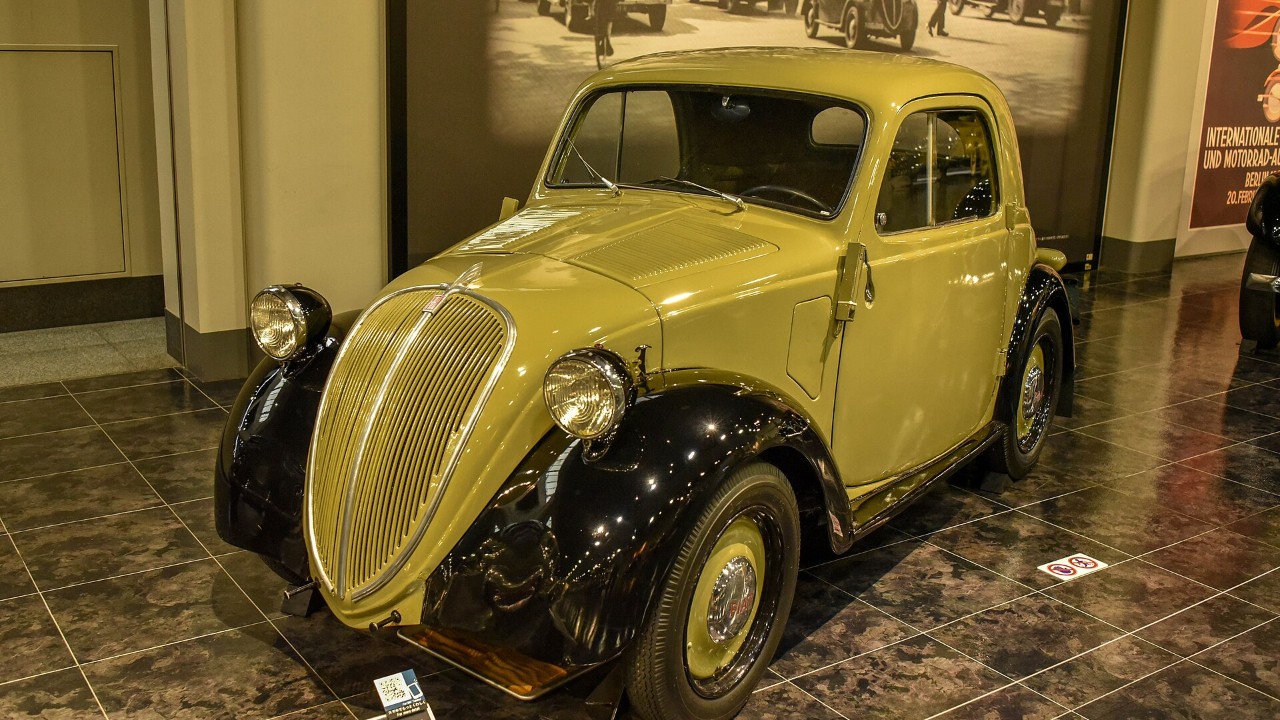
The Topolino brought a real car down to a size and price that more Italians could manage. Fiat introduced it in June 1936. Dante Giacosa led the design, and the car took its nickname from the Italian word for “little mouse,” which is also Mickey Mouse’s name in Italian.
Its layout was clever. The 569 cc four-cylinder engine sat ahead of the front axle, with the radiator mounted behind it. That arrangement kept the whole car tiny. In fact, it was one of the smallest cars in the world at the time. The original Model A made about 13 hp and could reach about 53 mph.
Price was the hard part. Fiat had aimed for 5,000 lire, but the car launched at 9,750 lire and later sold for about 8,900. Even so, buyers came in huge numbers, and the Model A stayed in production from 1937 until 1948. By the end of production, Fiat had built nearly 520,000 Topolinos. Our take: the Topolino showed that a carmaker could shrink a proper car without turning it into a toy. In our view, much of Europe’s postwar small-car thinking starts here.
3. 1937 Cord 810 Westchester
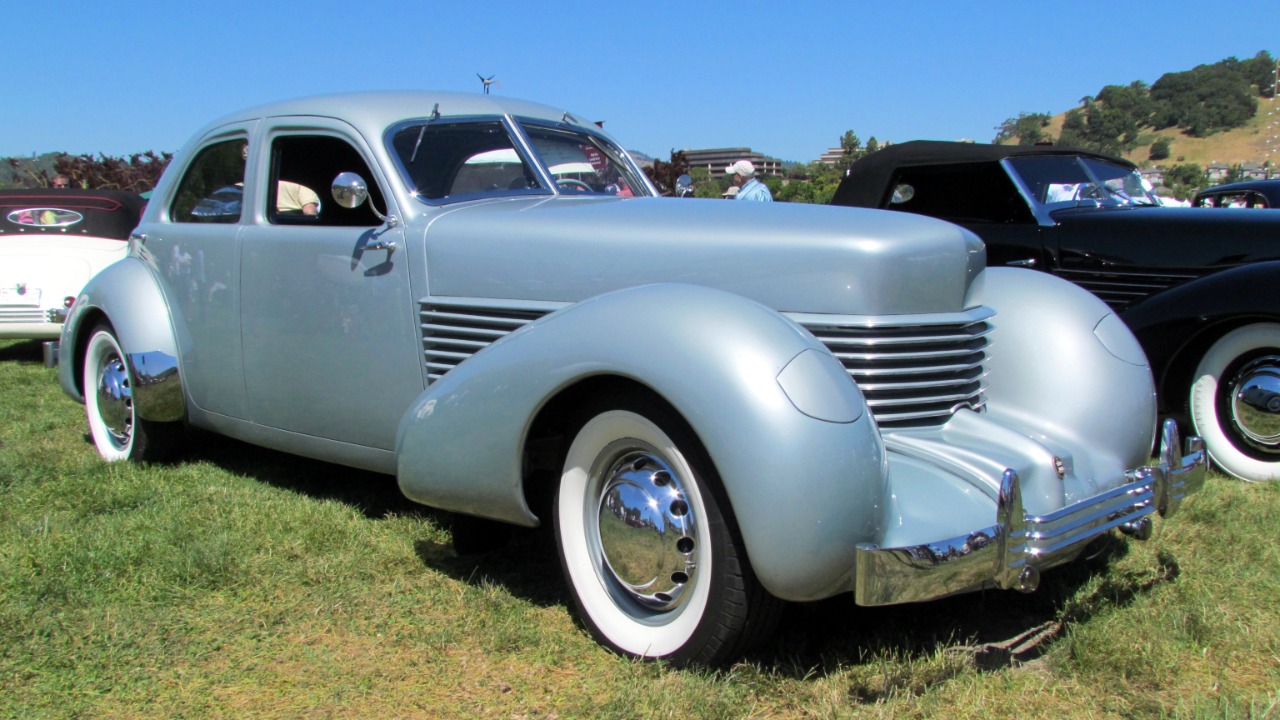
The Cord 810 looked like nothing else on American roads when it appeared at the New York Auto Show in November 1935. Gordon Buehrig designed it, with a team that included Vince Gardner and Alex Tremulis. It had no running boards, and its headlights hid inside the fenders until the driver cranked them out by hand from the dashboard.
The engineering was just as new. The Cord was the first American-designed and built car with front-wheel drive and independent front suspension. A 4.7-liter Lycoming V8 made 125 hp, and the supercharged 812 version raised that to 170 hp. Its louvered nose also earned it the nickname “coffin nose.” We have written before about why the 1936 Cord 810 remains one of history’s most advanced-looking cars.
Demand was strong at first, but mechanical trouble with the semi-automatic transmission hurt sales. Cord sold 1,174 cars in the first model year, and the 810 and 812 together reached 2,972 cars. In our view, the Westchester sedan pictured here shows the Cord’s real achievement: a four-door family car that looked like the future.
4. 1937 Tatra T87
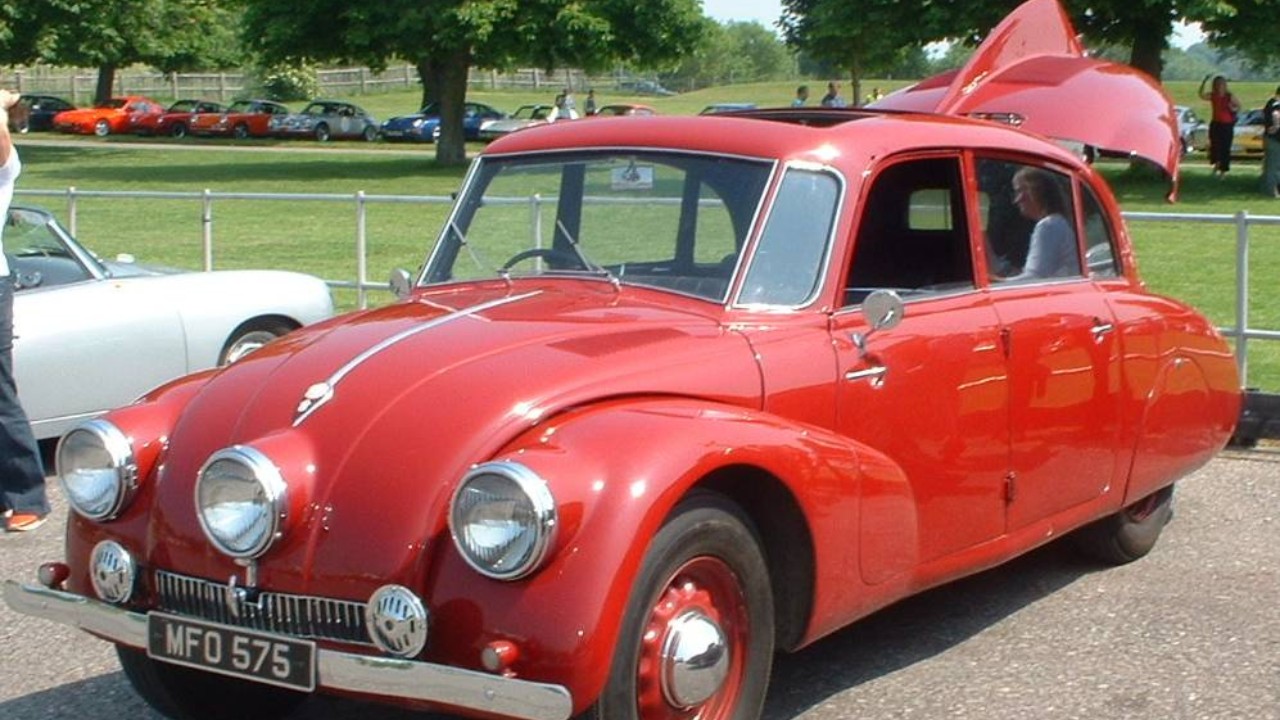
The Tatra T87 put a streamlined body and a rear air-cooled V8 into one Czechoslovak car. Hans Ledwinka and Erich Übelacker designed it, and Tatra built 3,056 of them at Kopřivnice between 1936 and 1950. Its engine was a 2.9-liter, 90-degree V8 with overhead cams, and it made 85 hp.
That modest output went a long way because of the shape. The T87 could reach nearly 100 mph, and it used about 12.5 liters of fuel per 100 km while rivals used about 20. When Volkswagen tested one in its wind tunnel in 1979, the car recorded a drag coefficient of 0.36. That is a strong number for a design from the 1930s.
It also proved itself on long trips. Travelers Hanzelka and Zikmund drove a T87 through Africa and Latin America between 1947 and 1950. In addition, Ferdinand Porsche was reportedly influenced by Tatra’s designs, and Tatra later sued him. For more cars from the decade, see our list of 10 cars that helped shape the future during the 1930s. In our view, the T87 is the clearest early case for aerodynamics in a production car.
5. 1937 Lancia Aprilia Zagato Sport
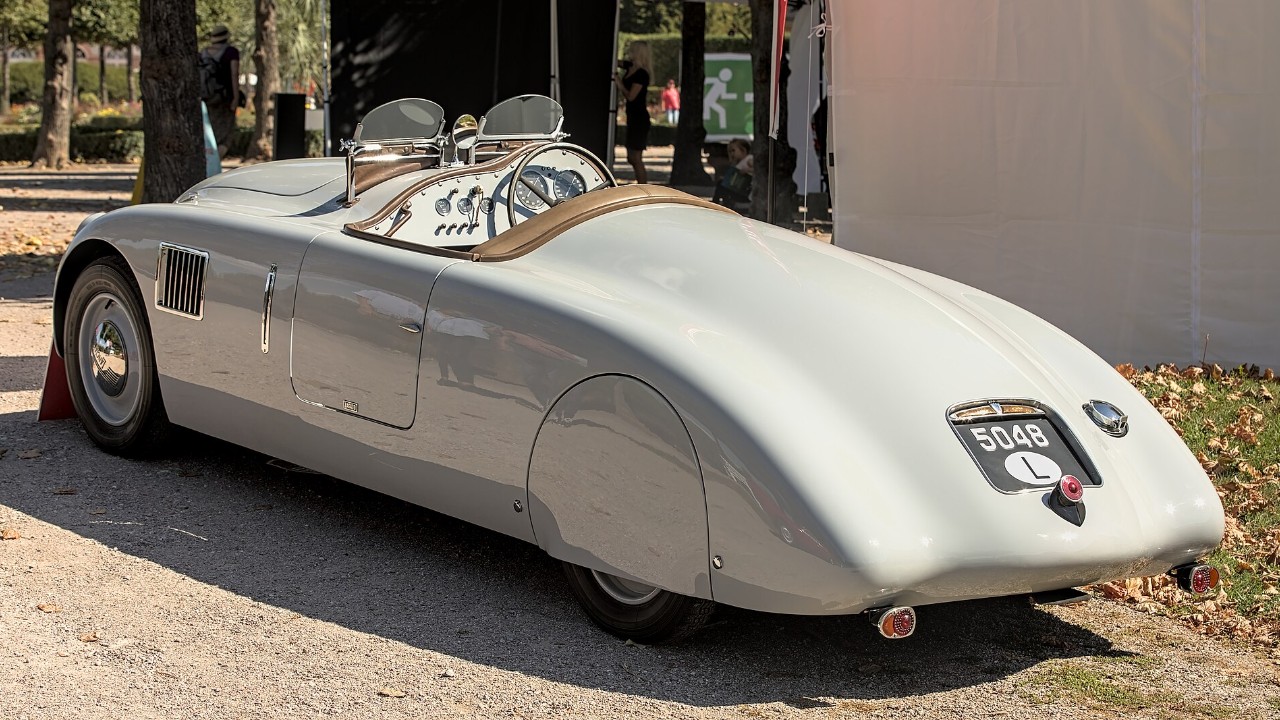
The Aprilia was Vincenzo Lancia’s last design, and he died in February 1937, the same month production began. Lancia developed it with Battista Farina and the Polytechnic University of Turin, and it was one of the first cars shaped in a wind tunnel. It reached a drag coefficient of 0.47. It also had four pillarless doors, so the side of the car opened wide with no center post.
Power came from a compact 1,352 cc V4 with 47 PS in the first series. Lancia built 10,354 of those cars, and a second series with a 1,486 cc V4 followed, for 20,082 Aprilias in all. In addition, the factory supplied 7,554 bare chassis to coachbuilders, who added their own bodies. Zagato was one of the coachbuilders that bodied it, and the 1937 Aprilia Zagato Sport pictured here is one example.
That coachbuilt side of the story matters. Because Lancia sold so many bare chassis, the Aprilia became a popular base for Italian coachbuilt bodies. Our take: the Aprilia gave an ordinary sedan the aerodynamic thinking of a race car. The Zagato cars show how far that idea could stretch.
6. 1937 Studebaker Dictator Coupe Express
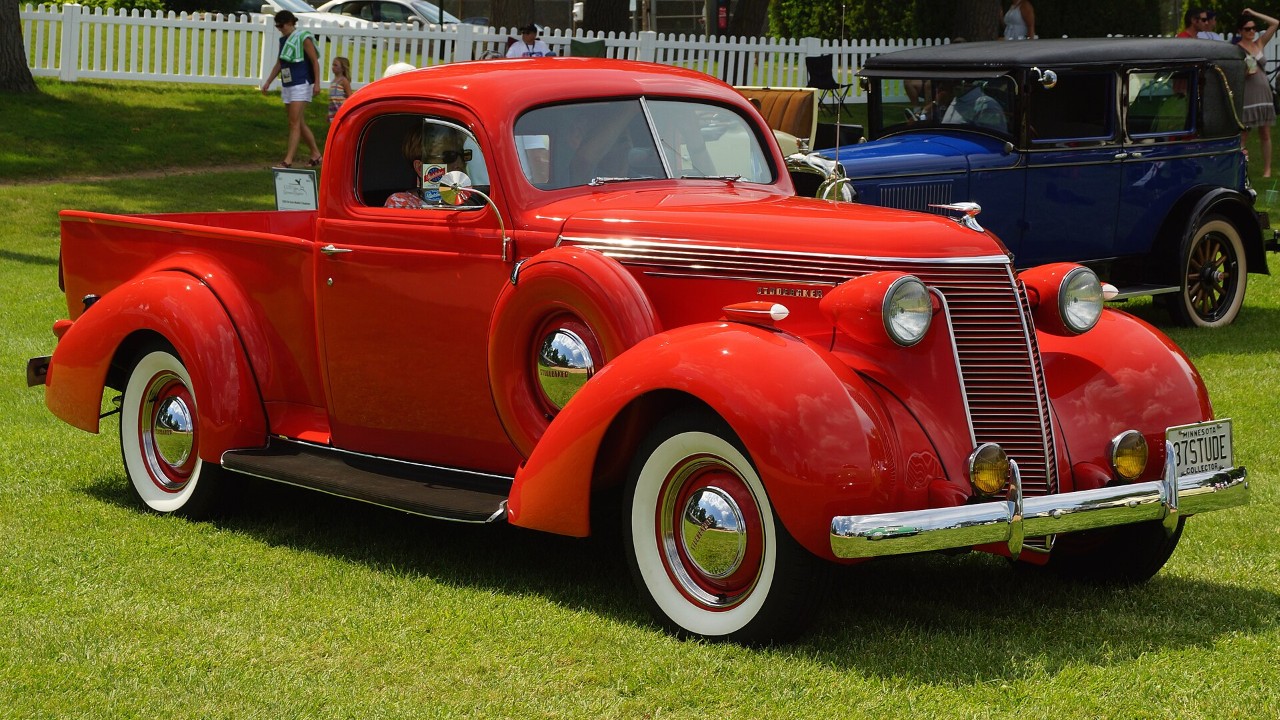
The Coupe Express sits somewhere between a car and a truck, and that was the point. Studebaker built it from 1937 to 1939 on the Dictator’s passenger-car frame and running gear. It also used the car’s front sheet metal, with a new cab-back stamping behind the doors. Raymond Loewy is credited with the design.
The result was hard to label. It did not have the integrated bed of a coupe utility, and it did not use the separate cab and chassis of a typical pickup. Under the hood, it carried the larger of Studebaker’s L-head six-cylinder engines, paired with a three-speed manual. In other words, buyers got a car’s ride and looks with room for cargo.
Sales started well and then faded. Studebaker built about 3,000 for 1937, then about 1,200 for 1938 and about 1,000 for 1939. Our take: the Coupe Express pointed toward the car-based haulers that came decades later. It also proved that a working vehicle could carry a designer’s touch. The 1937 trucks are the most common of a small group, so they are the easiest to find.
7. 1938 BMW 328
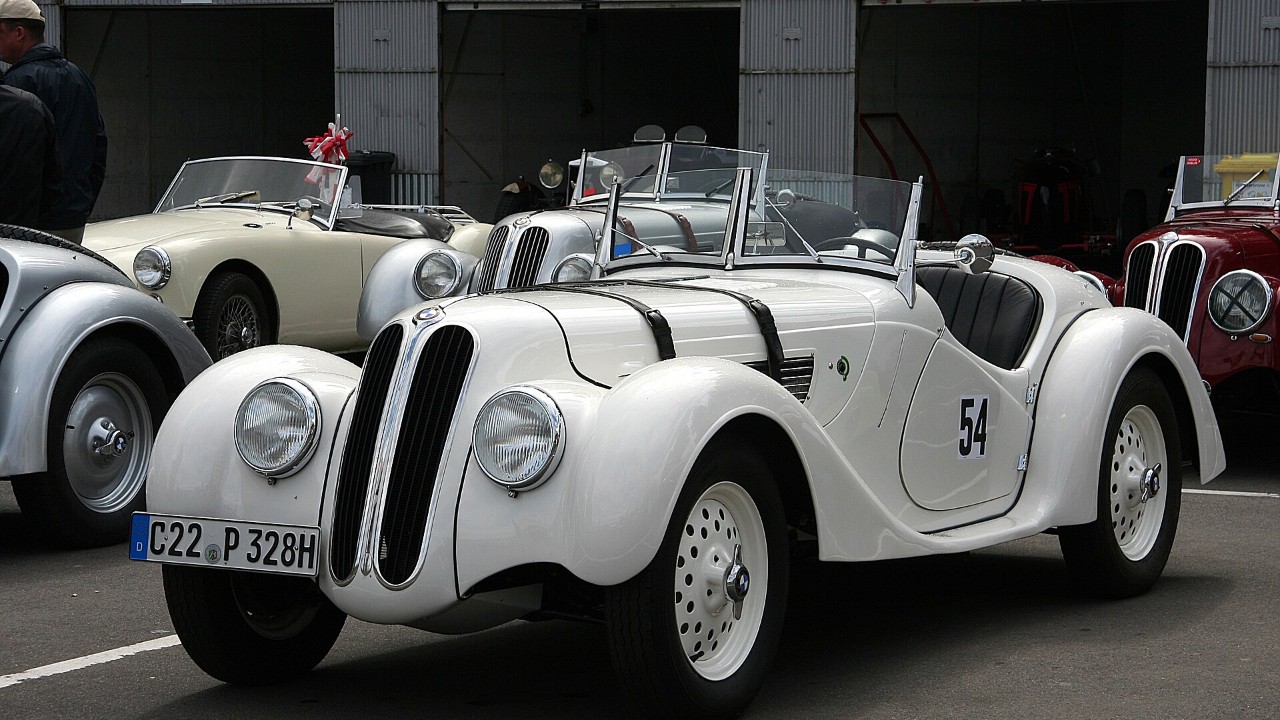
The BMW 328 announced itself at a race. It debuted at the 1936 Eifelrennen at the Nürburgring, where Ernst Henne won the 2.0-liter class. Fritz Fiedler led the technical design, while Peter Szymanowski is credited with the body. The finished car weighed only 830 kg, or about 1,830 pounds, unladen.
Its six-cylinder engine displaced 1,971 cc and used a light-alloy cylinder head with pushrod-operated overhead valves. A side camshaft driven by a duplex chain worked the valves. It made 80 PS at 5,000 rpm, and the car could reach about 93 mph. For a 2.0-liter road car of the 1930s, that light weight and steady power made a strong combination.
Production stayed small, with 464 cars built from 1936 to 1940. That makes every surviving 328 a rare sight today, and the model carries real racing history. Even so, the 328 kept winning. In 1940, a Mille Miglia Touring Coupé version won the Mille Miglia at an average of 103.6 mph. In our view, the 328 set the formula BMW still sells today: a light, balanced car with a smooth six up front.
8. Volkswagen KdF-Wagen
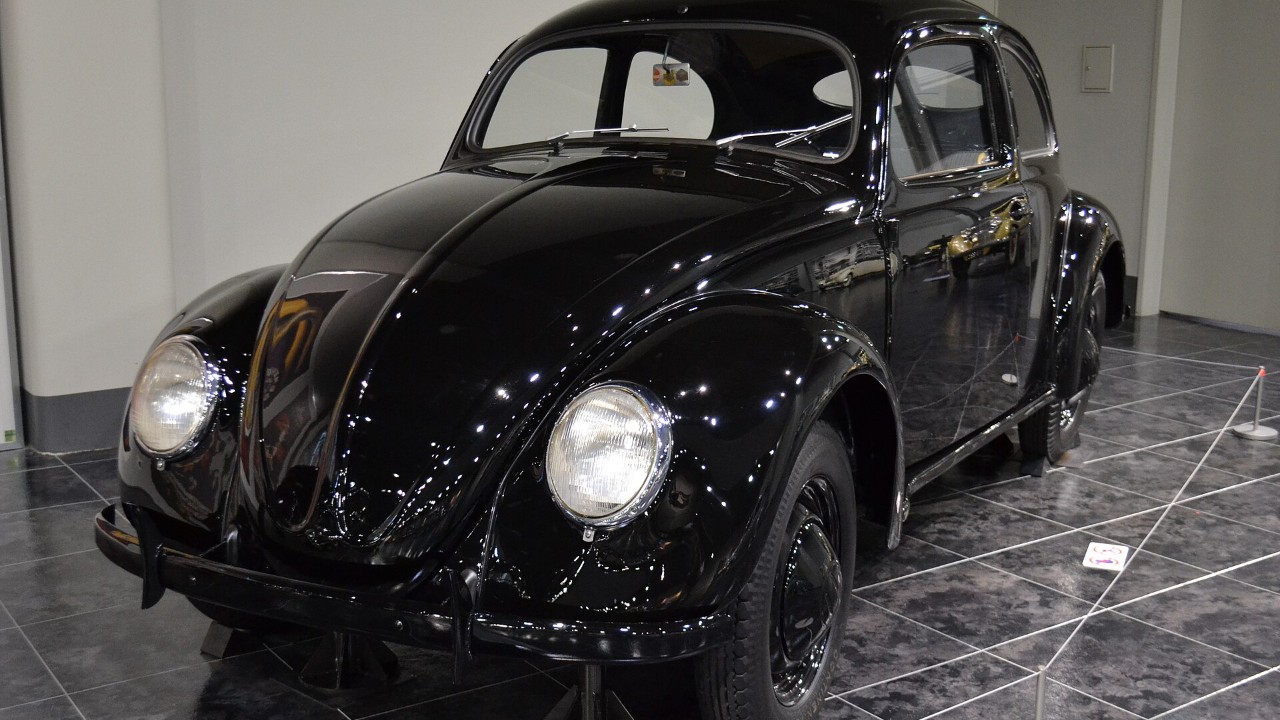
The KdF-Wagen was meant to put ordinary Germans on the road, and it became one of the great broken promises of the era. According to German History in Documents, the car was presented in September 1938 at a price of 990 Reichsmarks. Buyers saved 5 Reichsmarks a week through a stamp scheme, which meant waiting about four years.
About 330,000 people signed up, and 60,000 had saved the full amount by 1941. However, none of them received a car. The new factory near Braunschweig switched to military vehicles, and the town built for its workers became Wolfsburg. If you want the fuller story, read why the 1938 Volkswagen Beetle became one of the most influential cars ever built.
The design survived the war that betrayed its buyers. Ferdinand Porsche’s team had developed it as a people’s car for Germany’s new autobahn network. Its rear-mounted, air-cooled four-cylinder boxer engine drove the rear wheels, and series production finally began in 1945. In 1972, the Beetle passed the Ford Model T as the best-selling car of all time. By the time production ended in 2003, Volkswagen had built 21,529,464 of them.
More from Fast Lane Only