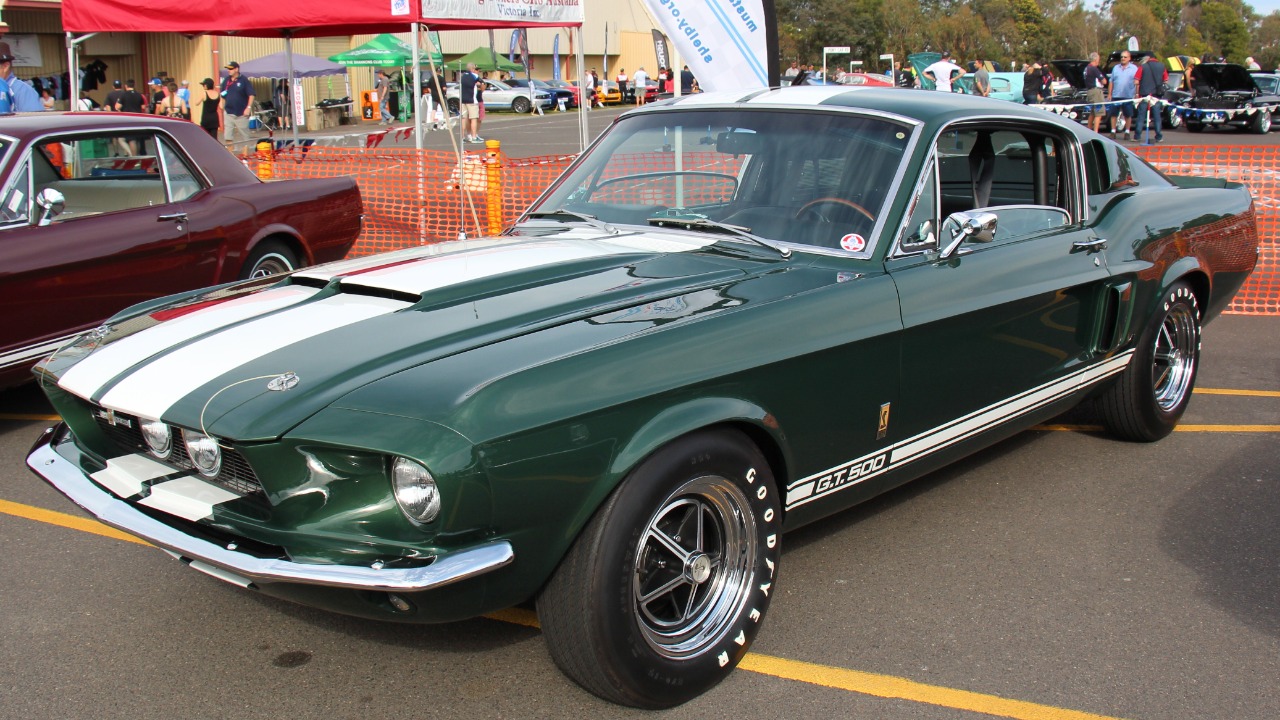
For true car enthusiasts, muscle cars are more than just fast vehicles; they are a lifestyle, a passion, and a connection to automotive history. While many people recognize iconic models like the Ford Mustang and Chevrolet Camaro, there are several rarer gems that deserve the spotlight. Here’s a look at ten rare muscle cars that only real enthusiasts recognize, showcasing their unique features and historical significance.
1970 Plymouth Superbird
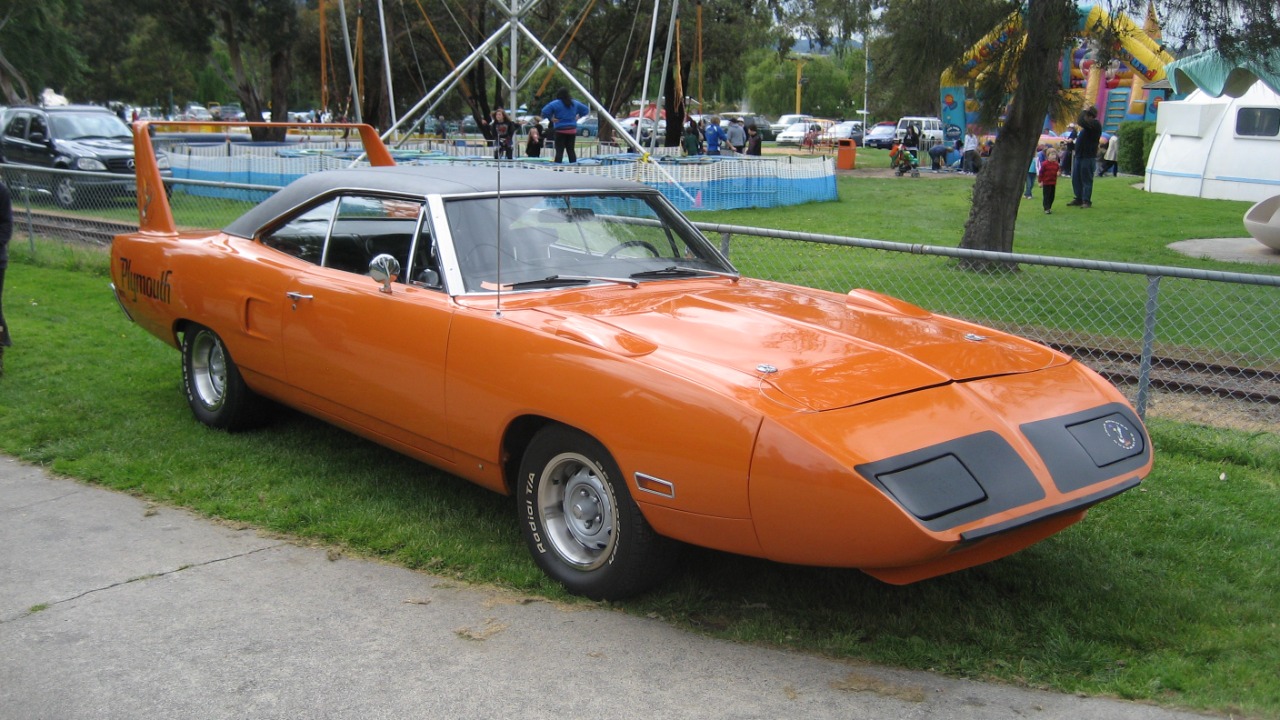
The 1970 Plymouth Superbird stands out as one of the most distinctive muscle cars ever produced. With its elongated nose and prominent rear wing, it was designed primarily for NASCAR racing. Only 1,920 units were made, making it a rare find today. The Superbird’s 426 Hemi engine could produce up to 425 horsepower, offering exhilarating performance that still thrills collectors and drivers alike.
One of the key aspects of the Superbird’s design was its aerodynamic efficiency, which helped it dominate the racetrack during its time. Despite its racing pedigree, many fans appreciate the Superbird for its striking looks and cultural significance. If you’re ever on the hunt for a rare muscle car, spotting a Superbird is a treat. For more on rare muscle cars like the Superbird, check out this article.
1969 Chevrolet Yenko Camaro
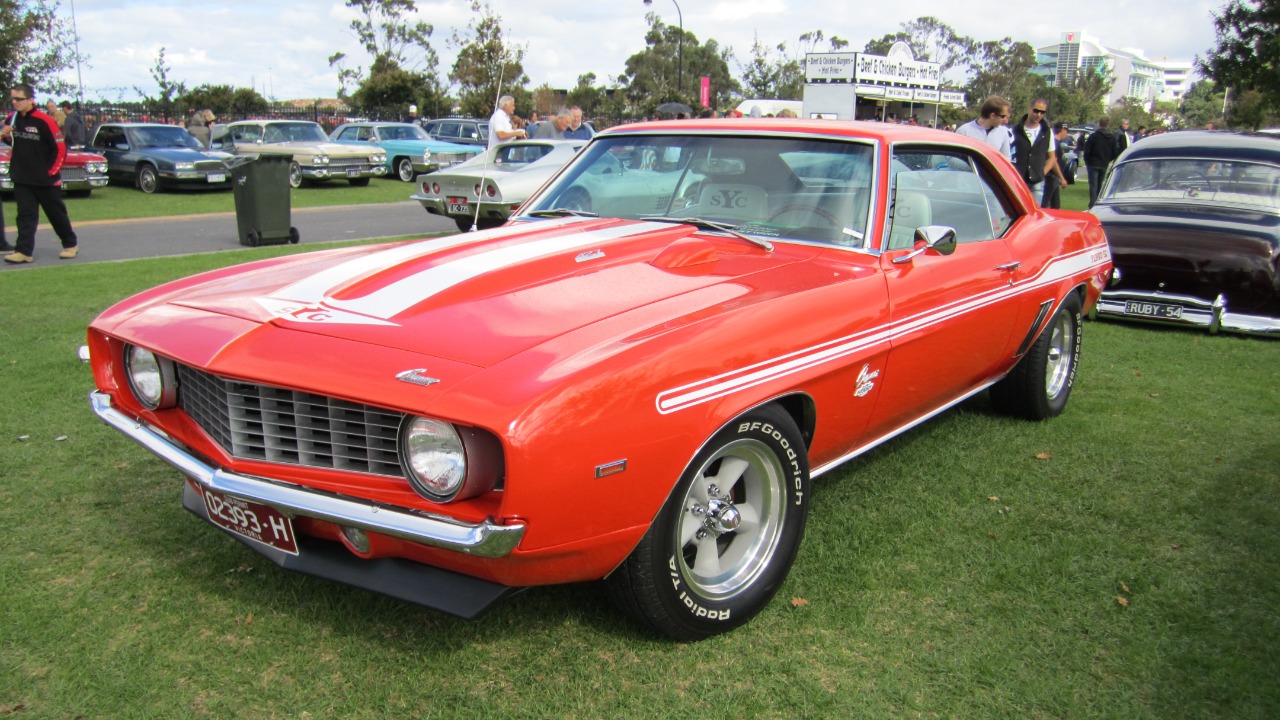
The 1969 Chevrolet Yenko Camaro is a legendary muscle car that few people recognize, yet it has a devoted fanbase among collectors. Developed by the Yenko Chevrolet dealership, this model was equipped with a 427 cubic inch engine, making it a powerhouse on the streets. Only 201 units were produced, and each came with its own unique performance upgrades, including enhanced suspension and braking systems.
What sets the Yenko Camaro apart is not just its performance but also its rarity and the story behind it. It was created at a time when dealers were looking to compete with the big names in muscle cars. Collectors often seek out this model due to its limited production and racing heritage. If you’re interested in learning more about the Yenko Camaro’s place in automotive history, you can find details in this book.
1971 Dodge Challenger R/T
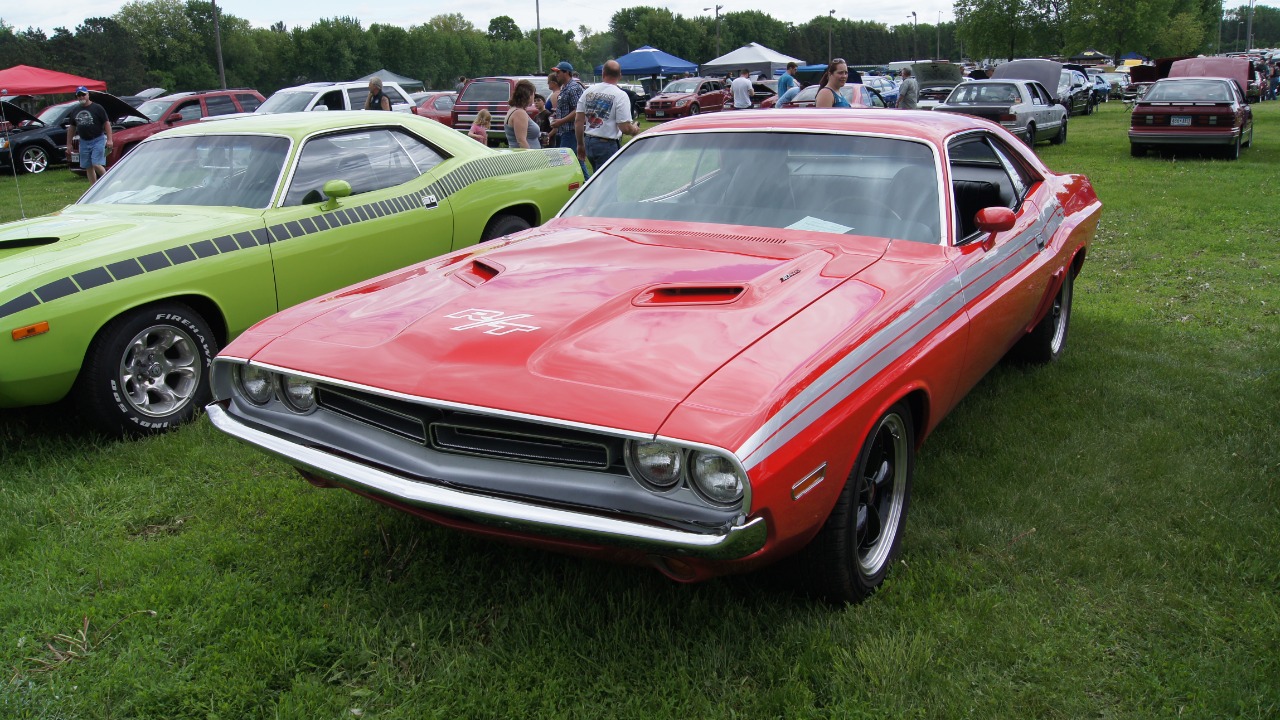
The 1971 Dodge Challenger R/T is another muscle car that often flies under the radar. With its bold styling and muscular stance, it was a favorite among performance enthusiasts. The 1971 model year marked the end of the first generation for the Challenger, and only a limited number were produced, making it a rare find today.
Equipped with a range of powerful engines, including the iconic 426 Hemi, the Challenger R/T offered a thrilling driving experience. The nostalgia associated with this model, combined with its rarity, makes it a prized possession for collectors. If you’re keen on vintage muscle cars, the 1971 Challenger R/T is definitely a model worth exploring. For more insights into rare muscle cars, visit this link.
1968 Ford Mustang California Special
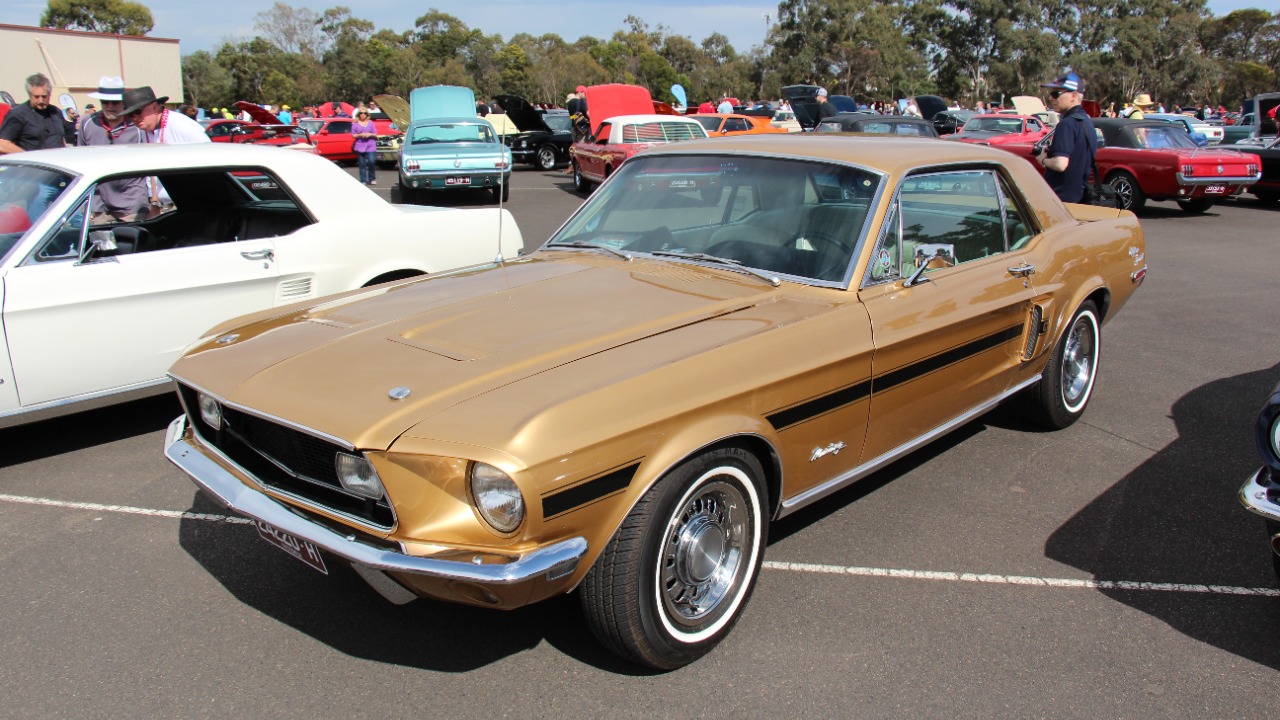
The 1968 Ford Mustang California Special is a unique variant of the classic Mustang, created to commemorate the original California Special produced in 1967. With its distinctive styling elements, including special badges and unique tail lights, it stands out among the more common Mustang models. Only about 4,118 units were produced, making it a rare sight on the roads today.
This model featured a 302 cubic inch V8 engine, offering solid performance for its time. The California Special is not just about performance; it’s also about style, showcasing a unique blend of aesthetics and functionality. Collectors appreciate its rarity and the special history tied to the California market. If you’re interested in unique Mustang variants, this model deserves your attention.
1970 Mercury Cougar Eliminator
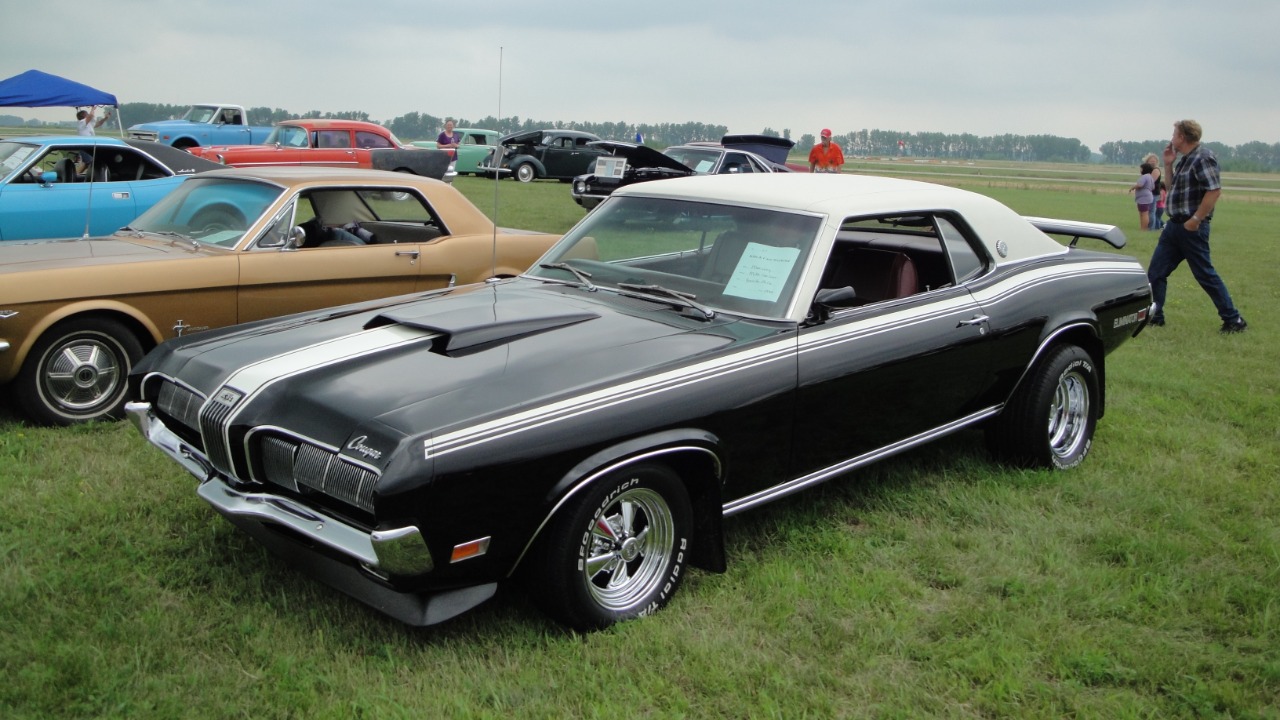
The 1970 Mercury Cougar Eliminator is often overshadowed by its more famous competitors, but it’s a true muscle car gem. With a production number of around 3,500 units, this model featured aggressive styling and powerful engine options, including the 351 Cleveland V8 and even the 428 Cobra Jet. The Eliminator was designed to compete directly with the likes of the Dodge Challenger and Chevrolet Camaro.
One unique aspect of the Cougar Eliminator is its blend of luxury and performance. It offered a comfortable interior with sporty features, making it appealing to a wider audience. For those who appreciate muscle cars that also deliver a touch of refinement, the Cougar Eliminator is a model worth considering. Its limited production adds to its mystique and desirability among collectors.
1970 AMC Rebel Machine
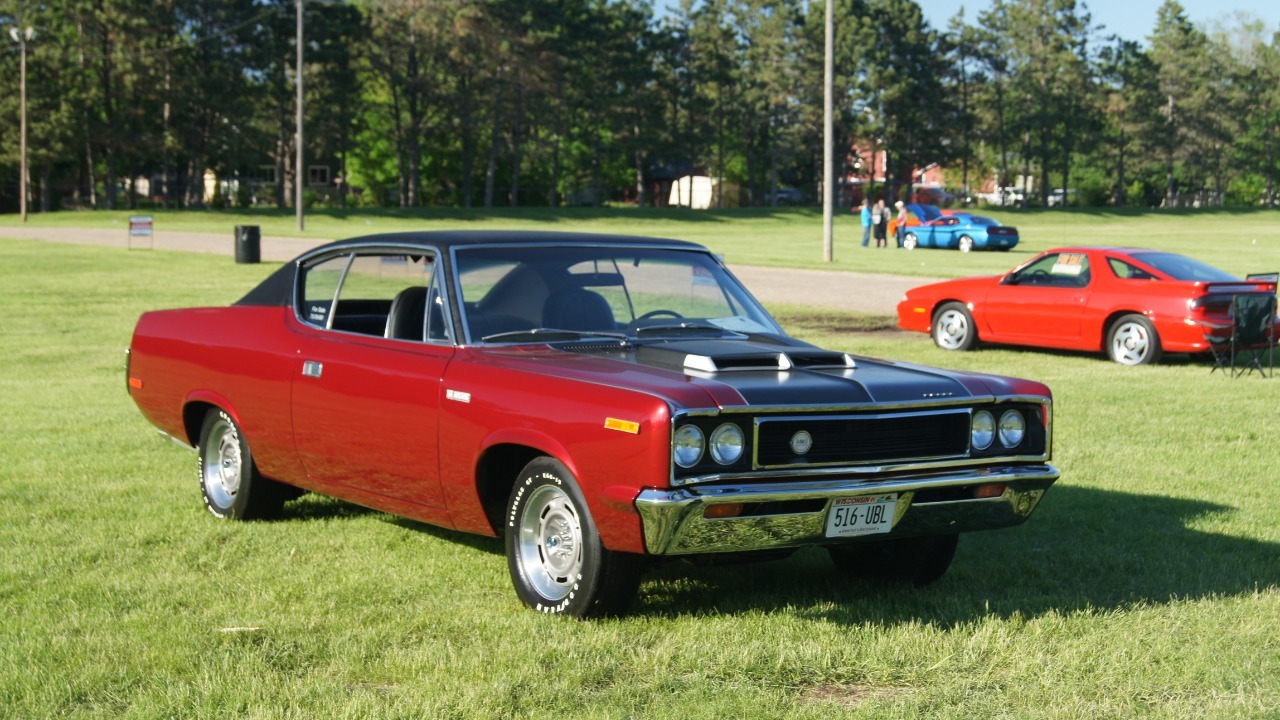
The 1970 AMC Rebel Machine is a standout in the muscle car world, known for its striking appearance and performance prowess. With a 390 cubic-inch V8 engine, it produced an impressive 340 horsepower, allowing it to compete fiercely on the streets.
The Rebel Machine’s bold graphics and color options, including the iconic “Machine” blue, make it instantly recognizable. AMC produced only 2,000 units, which significantly contributes to its rarity today. Additionally, this model was designed to appeal to a younger demographic, breaking the mold of traditional muscle car marketing.
1967 Shelby GT500
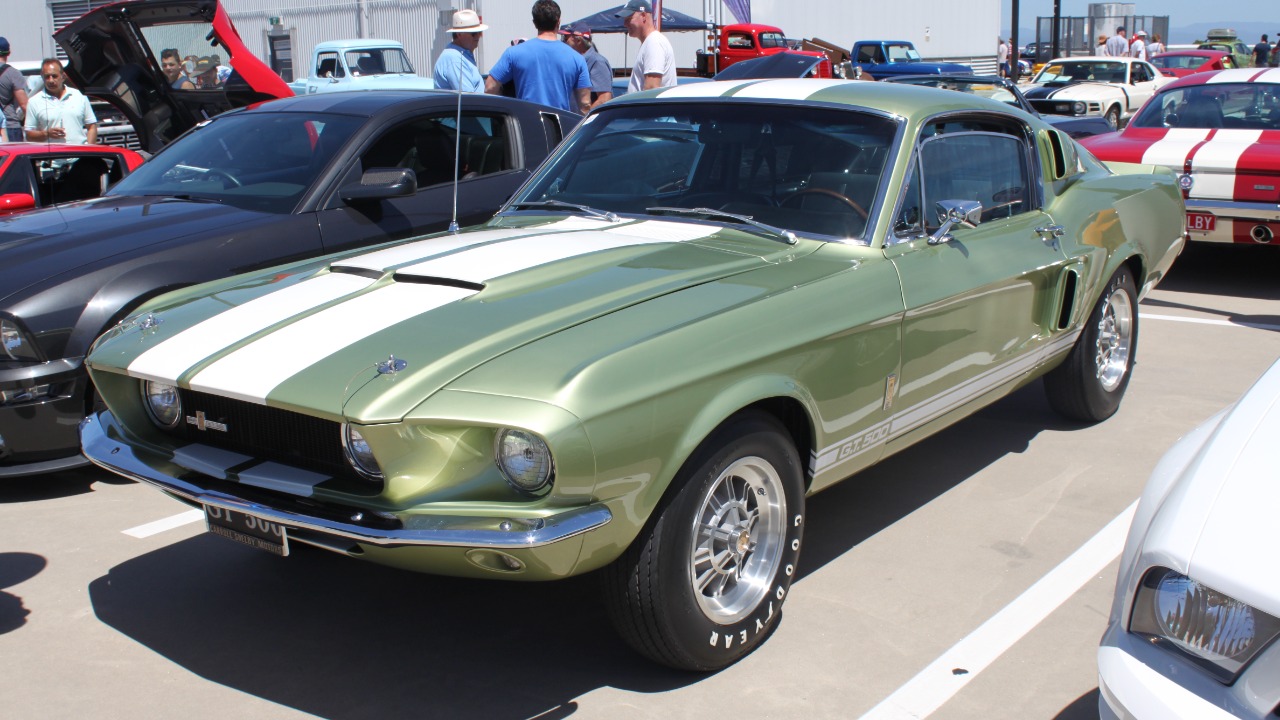
The 1967 Shelby GT500 is an iconic muscle car that commands respect among enthusiasts. With a production run of just 2,048 units, it features a potent 428 cubic inch V8 engine, delivering performance that set benchmarks for its era. The distinct styling, characterized by its hood scoops and racing stripes, adds to its allure.
What makes the Shelby GT500 particularly special is its connection to car racing legend Carroll Shelby, who transformed the Mustang into a high-performance vehicle. This collaboration not only elevated the Mustang brand but also solidified the GT500’s place in automotive history. Rarely do you find such a blend of performance, style, and heritage in a single vehicle.
1969 AMC Javelin SST
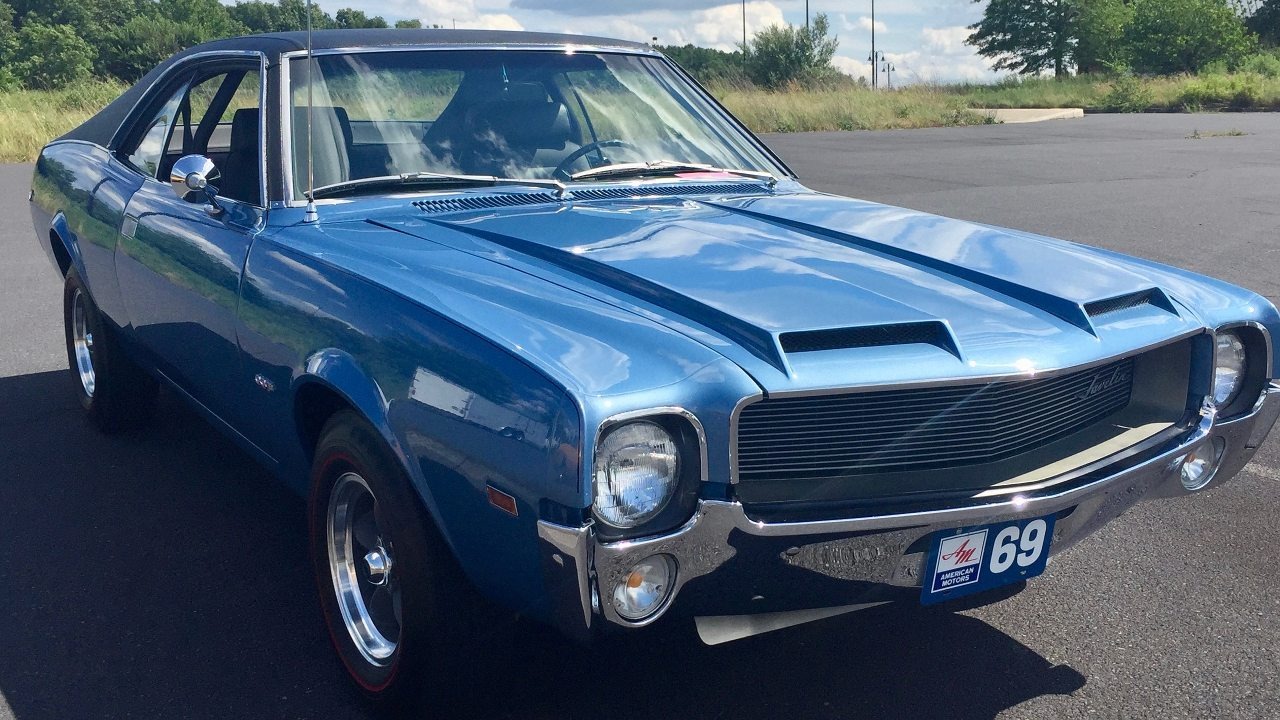
The 1969 AMC Javelin SST is a muscle car that often gets overlooked but has much to offer. With a production number of just over 30,000 units, it was designed to compete with the likes of the Mustang and Camaro. The SST trim added a sportier flair, featuring unique interior and exterior styling cues that set it apart from standard Javelins.
Equipped with a variety of engine options, including the powerful 390 cubic inch V8, the Javelin SST provided ample performance for spirited driving. Its rarity and distinctive design make it an interesting choice for collectors looking for something different. The Javelin SST represents a unique chapter in American muscle car history that deserves more recognition.
1971 Dodge Charger R/T
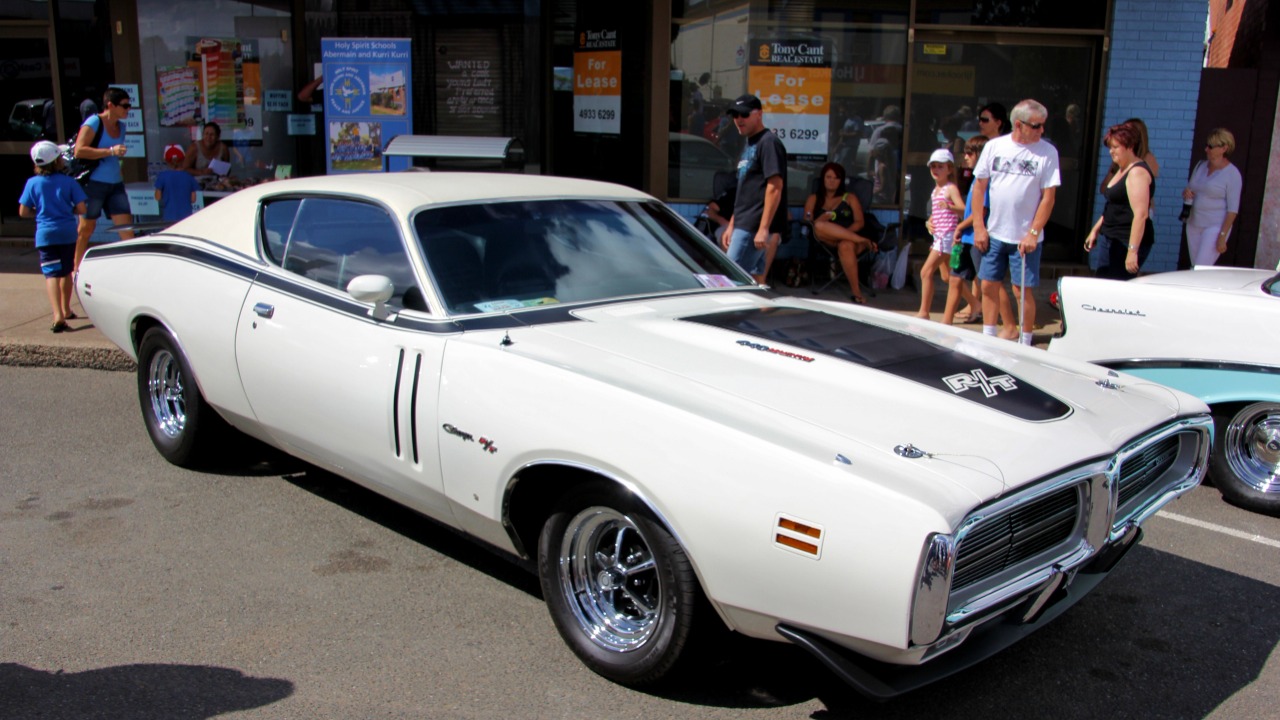
The 1971 Dodge Charger R/T is another muscle car that captures the essence of the early ’70s. With its aggressive styling and powerful engine options, including the 440 cubic inch V8, it was built for performance. However, due to tightening emissions regulations, fewer units were produced during this era, making the 1971 Charger R/T increasingly rare.
What sets the Charger R/T apart is its blend of muscle and luxury. With a spacious interior and a host of available features, it was not just a performance vehicle but also a comfortable ride for everyday use. Enthusiasts appreciate this model for its historical significance and rarity, making it a sought-after addition to any collection.
1970 Buick GSX
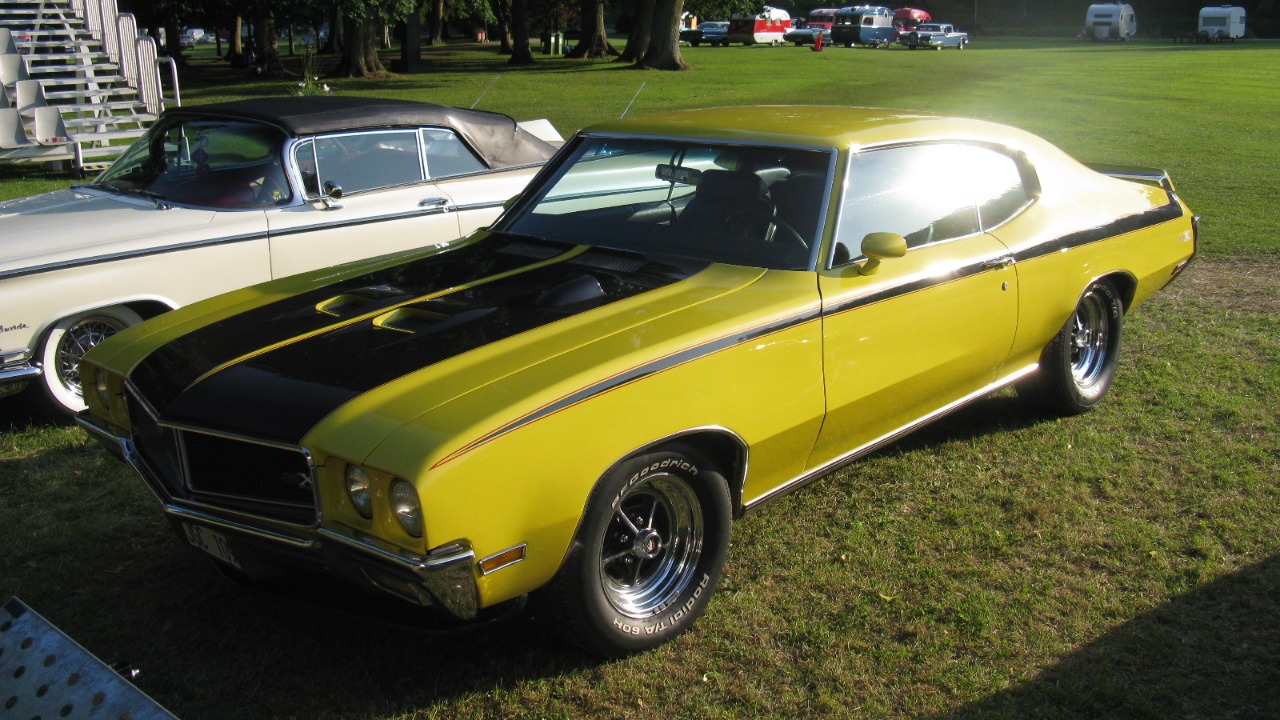
The 1970 Buick GSX is often regarded as one of the most underrated muscle cars of its time. With only 678 units produced, it features a 455 cubic inch V8 engine that delivers impressive horsepower and torque. The GSX was equipped with performance-enhancing features such as a heavy-duty suspension and wide tires, making it a formidable contender on the streets.
This model is unique not only for its performance but also for its distinctive styling, available in eye-catching colors and bold graphics. Collectors value the GSX for its rarity and the performance legacy it represents. If you come across a Buick GSX at a car show, it’s certainly a muscle car worth your attention.
More from Fast Lane Only
- Unboxing the WWII Jeep in a Crate
- 15 rare Chevys collectors are quietly buying
- 10 underrated V8s still worth hunting down
- Police notice this before you even roll window down
*Research for this article included AI assistance, with all final content reviewed by human editors.