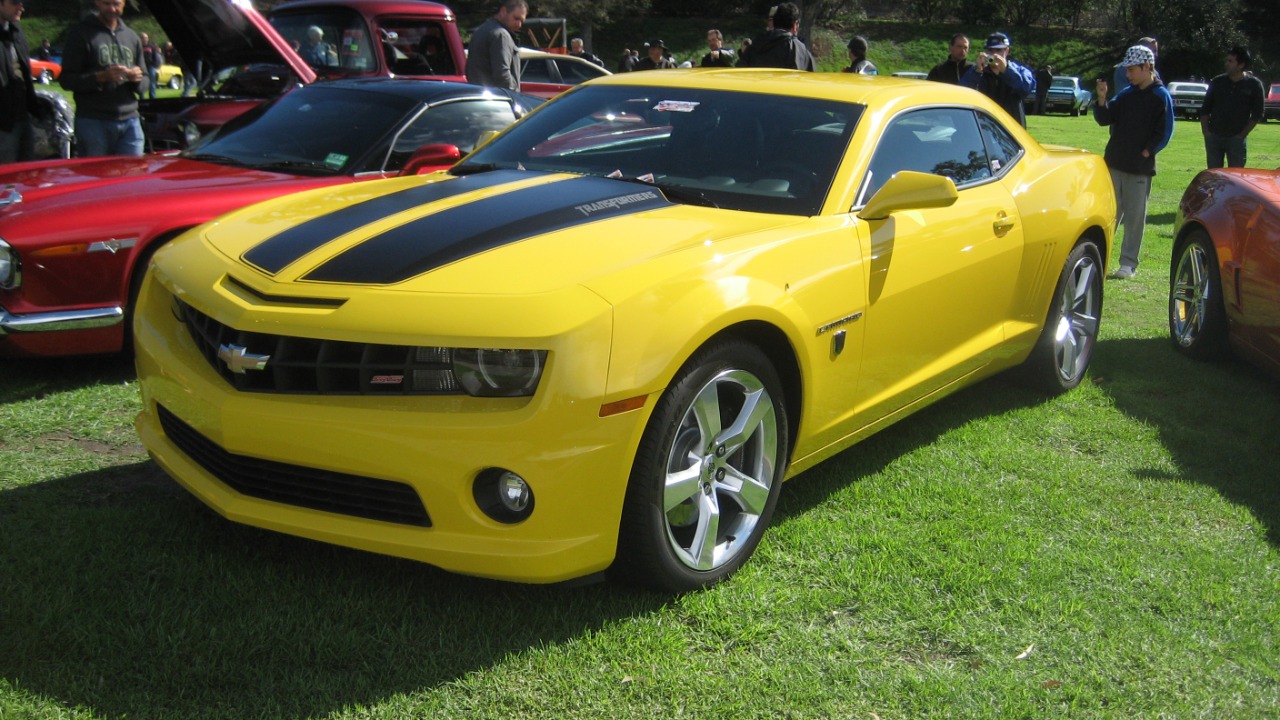
Chevrolet Camaros have always been synonymous with performance and speed. Over the years, various models have emerged that, while not always recognized for their power, were indeed faster than many enthusiasts and critics alike would admit. From the early classics to modern-day powerhouses, the Camaro lineup has delivered impressive performance figures that deserve a closer look. Here are 12 Camaros that pushed the limits of speed and left a lasting impression on the automotive world.
1969 Camaro ZL1
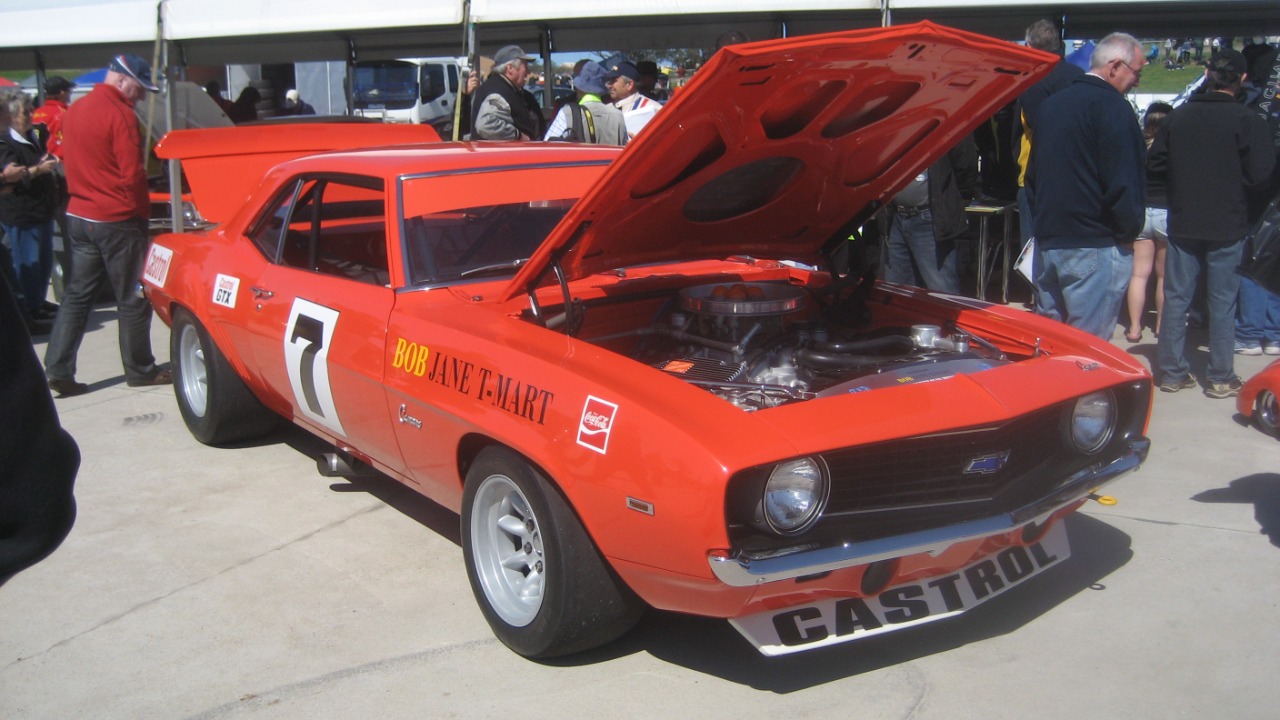
The 1969 Camaro ZL1 is a prime example of how performance can sometimes be understated. Originally designed for drag racing, this muscle car featured a 427 cubic inch engine that produced a staggering 430 horsepower. However, many enthusiasts believe the actual output was closer to 500 horsepower, making it one of the fastest cars of its era.
With its lightweight design and aggressive stance, the ZL1 could achieve a 0-60 mph time in just 4.5 seconds, which was remarkable for its time. Its racing pedigree and limited production numbers only add to its allure, making it a sought-after collector’s item today.
1970 Camaro Z/28: The Unsung Hero of Muscle Cars
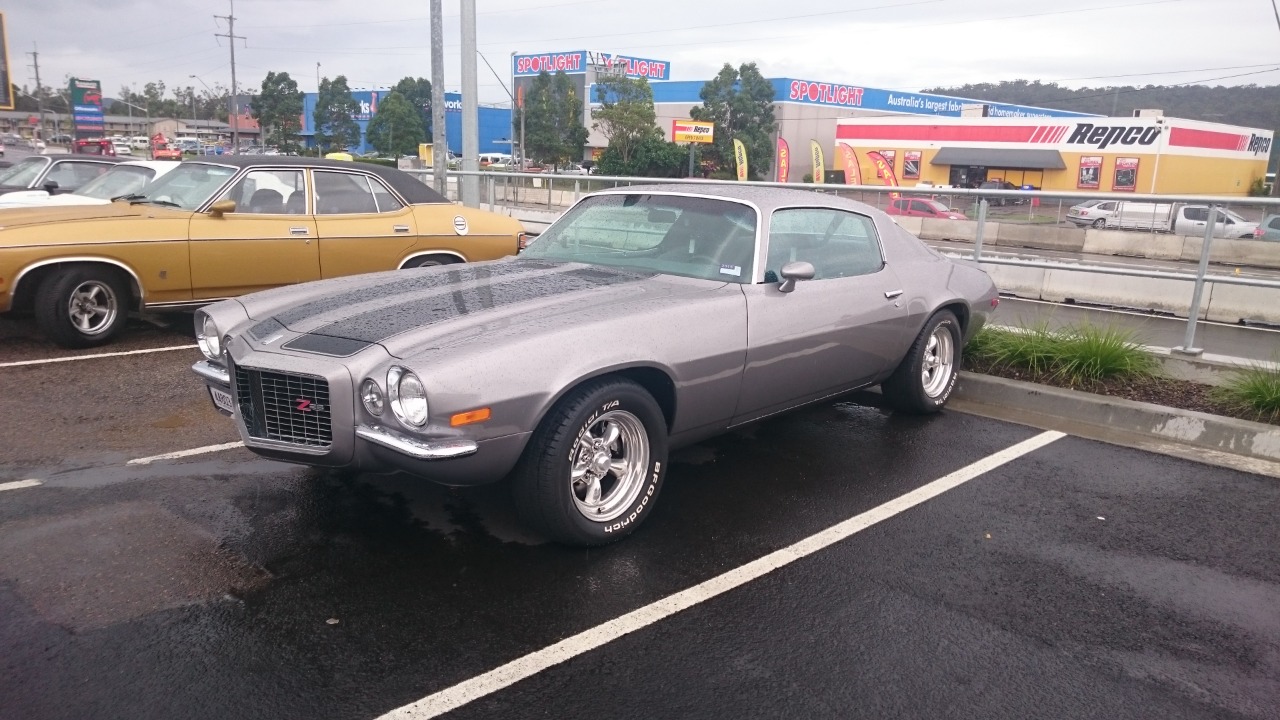
The 1970 Camaro Z/28 is often overshadowed by its more flamboyant siblings, yet it was a powerhouse in its own right. Equipped with the legendary 350 cubic-inch V8 engine, it produced 360 horsepower, making it an underappreciated muscle car of its era. What set it apart was the unique combination of power and handling, allowing it to perform exceptionally on the road and the track. Many owners report that the Z/28 could outpace its competitors, especially when equipped with the optional M22 “Rock Crusher” transmission, which enhanced its performance capabilities.
Despite its performance, the Z/28’s understated design made it a sleeper, often surprising those who underestimated its capabilities. The Z/28 is now recognized as a classic, with a dedicated following that appreciates its blend of style and speed. The combination of racing heritage and innovative engineering solidifies the 1970 Camaro Z/28 as a muscle car that deserves more recognition than it typically receives.
1985 Camaro IROC-Z: A Sleeper with a Bite
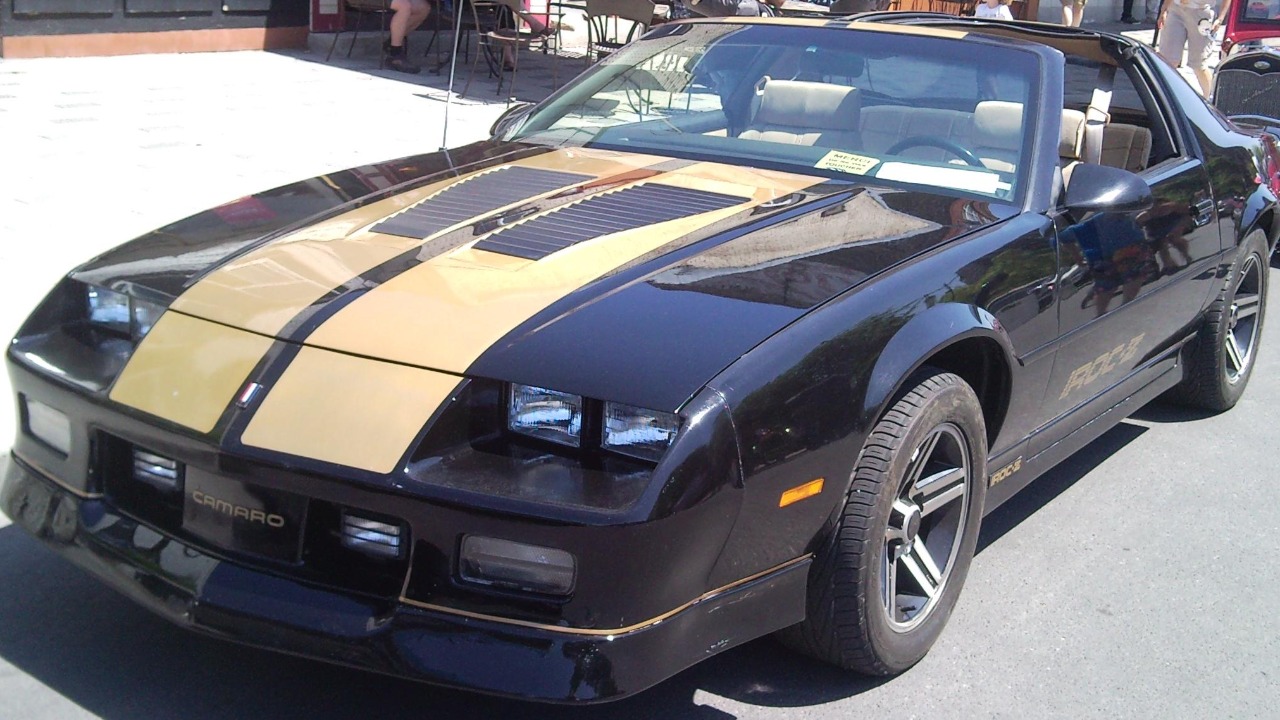
The 1985 Camaro IROC-Z emerged during a time when American muscle was evolving, and it quickly established itself as a formidable contender. With a 5.0-liter V8 engine capable of generating 215 horsepower, it provided impressive acceleration that belied its modest appearance. This model was built for racing enthusiasts, as evidenced by its performance in the International Race of Champions (IROC), which it was named after. The combination of aerodynamic design and a well-tuned suspension made it a capable performer on the track.
Moreover, the IROC-Z was more than just speed; it offered a comfortable interior and modern features for its time, making it an appealing choice for daily drivers. Enthusiasts often rave about its handling, claiming it could outmaneuver many of its contemporaries. Today, the 1985 IROC-Z is celebrated not only for its performance but also for its unique place in American automotive history.
1987 Chevrolet Camaro IROC-Z
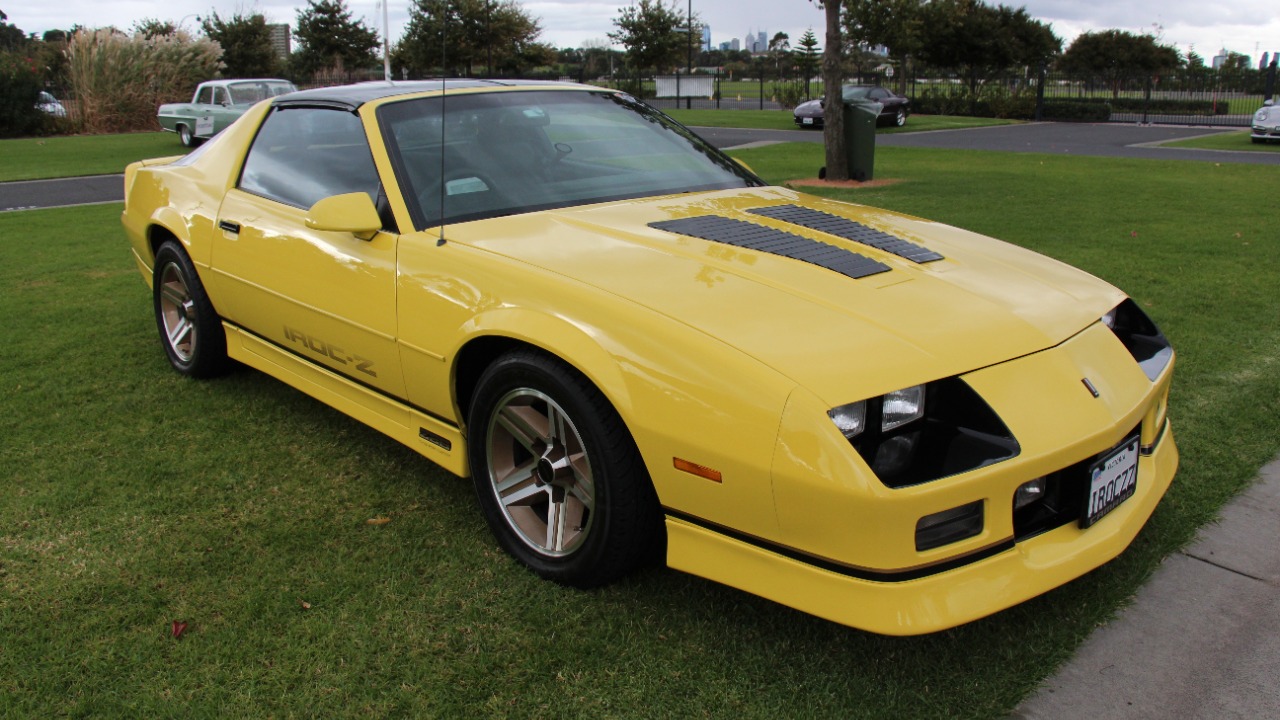
The 1987 Chevrolet Camaro IROC-Z is a standout model from the third generation of Camaros, primarily due to its performance capabilities. Featuring a 5.0-liter V8 engine, the IROC-Z produced 215 horsepower, which was quite impressive for its time. What makes this model particularly interesting is its handling and aerodynamics, which were optimized for better speed and stability. Many enthusiasts reported that the IROC-Z could easily achieve speeds of over 130 mph, a figure that was often downplayed in promotional material.
Moreover, the IROC-Z was designed with racing in mind, given its association with the International Race of Champions (IROC). This connection added a layer of credibility to its performance claims. The car’s unique styling and aggressive stance made it a favorite among young drivers, but it was the performance that truly set it apart. For those looking to experience the thrill of 1980s American muscle, the IROC-Z remains an underrated option.
1993 Chevrolet Camaro Z28
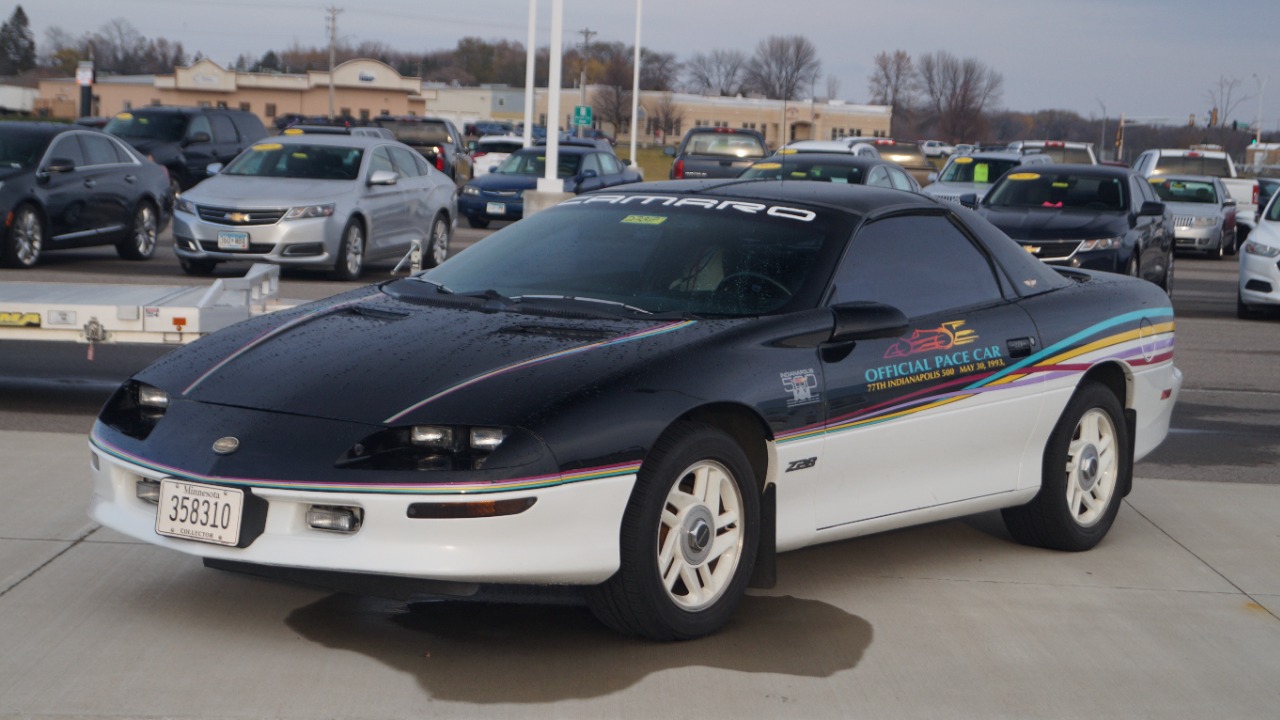
The 1993 Chevrolet Camaro Z28 is often overshadowed by its predecessors, yet it was a significant leap forward in terms of technology and performance. Equipped with a 5.7-liter LT1 V8 engine, the Z28 generated an impressive 275 horsepower, allowing it to compete with some of the best in its class. The car’s 0-60 mph time of around six seconds made it a strong contender on the streets. Many drivers have reported that the Z28 could comfortably reach speeds of 140 mph, which was quite remarkable for a vehicle of its era.
Additionally, the Z28 offered features that enhanced its driving dynamics, such as improved suspension and braking systems. Its sleek design and aggressive styling added to the overall allure of the car. Even though it wasn’t marketed as the fastest Camaro, its performance metrics suggest otherwise. For those who appreciate the blend of style and speed, the 1993 Z28 is an often-overlooked classic that deserves recognition.
1996 Chevrolet Camaro SS
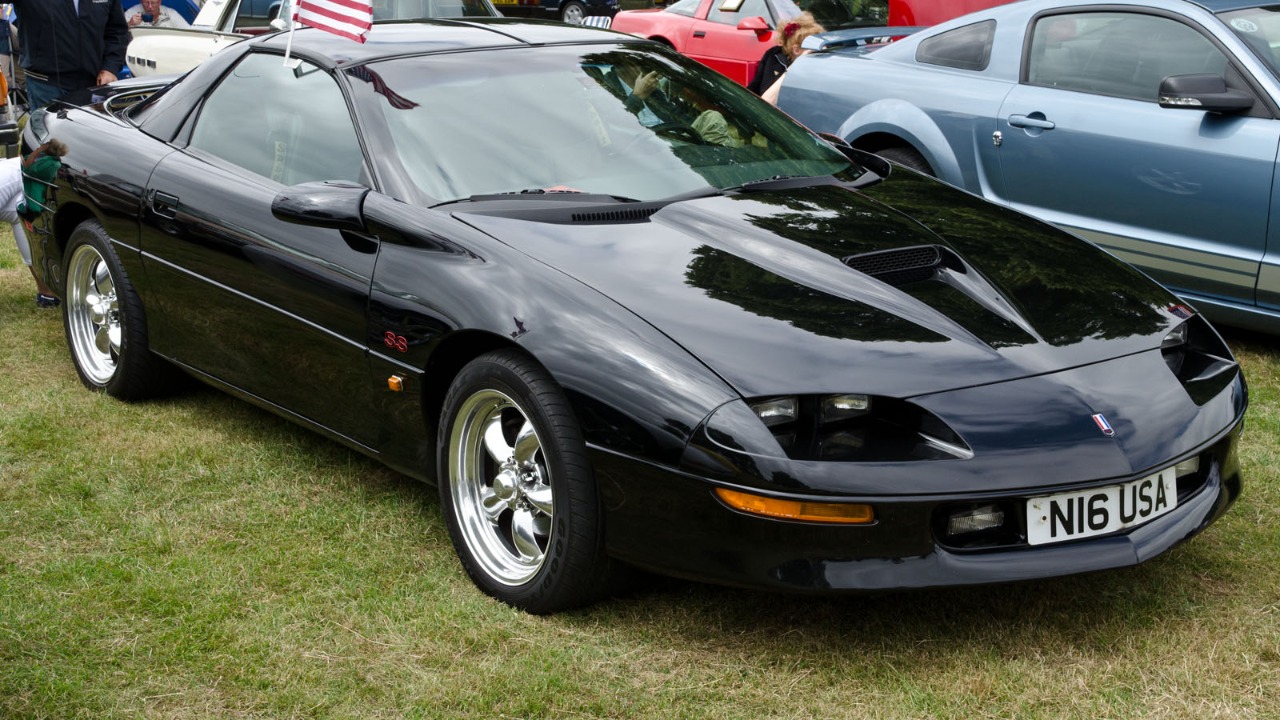
The 1996 Chevrolet Camaro SS is a prime example of how Chevrolet took the iconic Camaro to new heights. Powered by a 5.7-liter V8 engine, this model boasted an output of 305 horsepower, making it one of the most powerful Camaros of its time. The SS package included performance upgrades such as a high-performance exhaust system and a more aggressive suspension setup, which allowed it to achieve a 0-60 mph time of just under six seconds. Many enthusiasts have reported that the Camaro SS could exceed 150 mph, a figure that was rarely highlighted in marketing materials.
What really sets the 1996 Camaro SS apart is its combination of speed and handling. It was designed not just for straight-line performance but also for cornering and stability, making it a well-rounded sports car. The SS package became highly sought after by collectors and performance enthusiasts alike. Its understated power and performance have made it a hidden treasure in the Camaro lineage.
2002 Chevrolet Camaro Z28
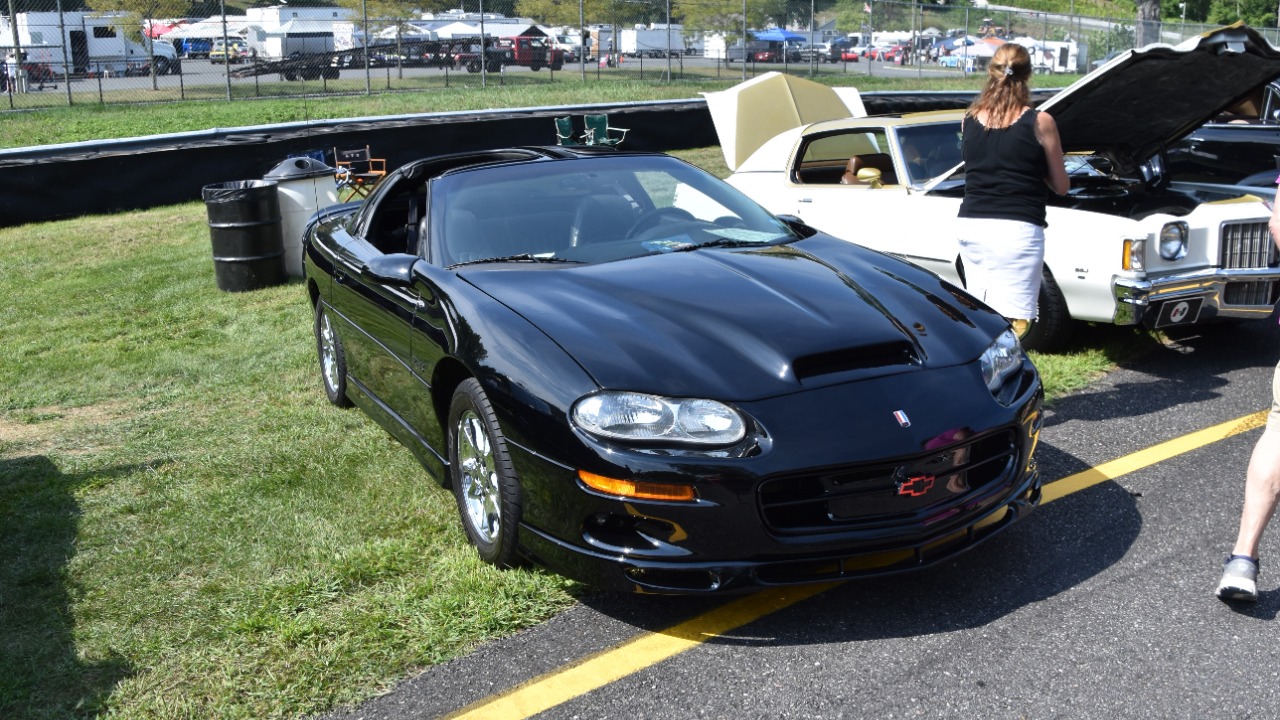
The 2002 Chevrolet Camaro Z28 marked the end of an era, being one of the last models produced before the Camaro was temporarily discontinued. This model featured a powerful 5.7-liter V8 engine, generating 305 horsepower. What’s remarkable about the Z28 is its ability to deliver exhilarating performance; it could reach 0-60 mph in just over five seconds and was capable of exceeding speeds of 140 mph. Many fans argue that the Z28 is one of the most underrated Camaros, as its performance was often overshadowed by the more aggressive SS variant.
This model also offered various features that enhanced driving pleasure, such as a responsive automatic transmission and improved suspension. The Z28 is a car that holds a special place in the hearts of enthusiasts, not just for its speed but for its overall driving experience. As a final hurrah for the fourth-generation Camaro, it’s a model that deserves more recognition for its performance capabilities.
2010 Chevrolet Camaro SS
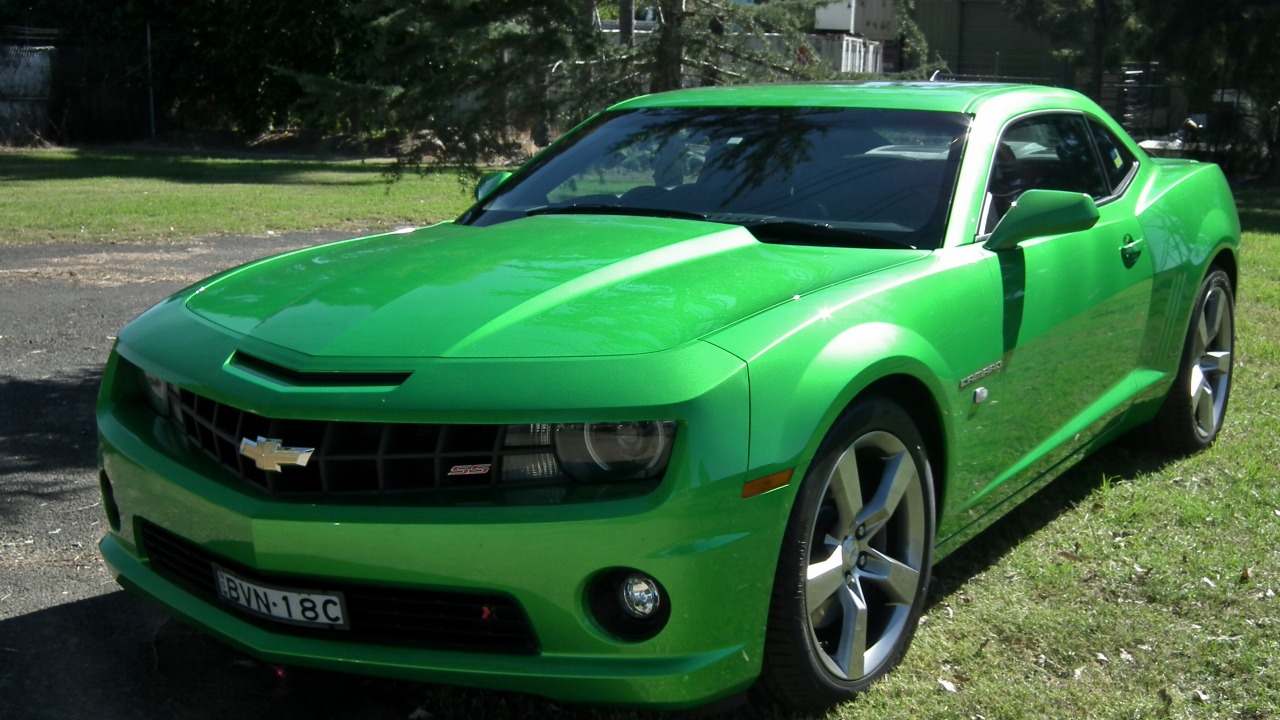
The 2010 Chevrolet Camaro SS made a bold return to the sports car scene, reigniting the passion for American muscle. Under the hood, it housed a robust 6.2-liter V8 engine that churned out an impressive 426 horsepower when paired with a manual transmission. With a 0-60 mph time of just about 4.6 seconds, the SS was capable of hitting speeds well over 150 mph, a fact that may not have been emphasized enough in marketing campaigns. This model featured a retro design that paid homage to the classic Camaros while incorporating modern technology.
The Camaro SS also came equipped with advanced features like a limited-slip differential and a sophisticated traction control system, enhancing its performance on both the street and track. It quickly became a favorite among enthusiasts and was often praised for its balance of power and agility. The 2010 Camaro SS is a prime example of how Chevrolet successfully combined nostalgia with contemporary performance.
2013 Chevrolet Camaro ZL1
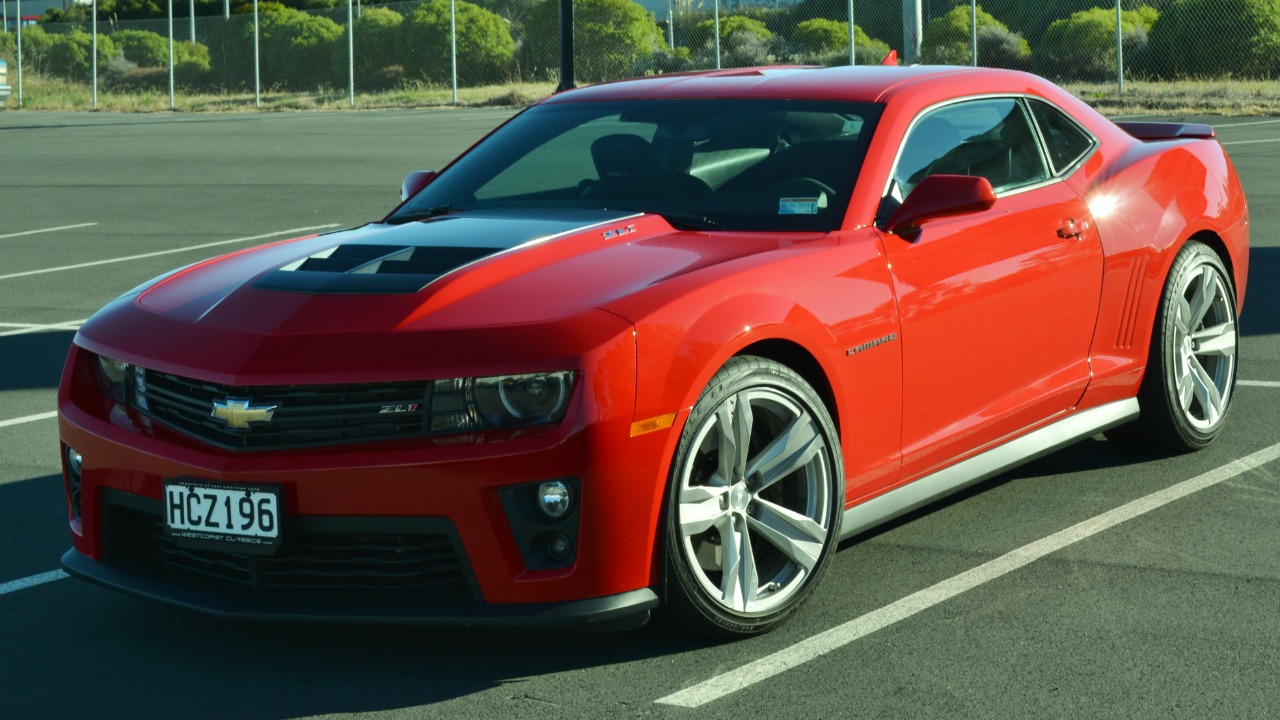
The 2013 Chevrolet Camaro ZL1 took the performance envelope even further, equipped with a supercharged 6.2-liter V8 engine that produced an eye-popping 580 horsepower. This model was designed to compete with some of the world’s best sports cars, achieving a 0-60 mph time in just 3.9 seconds. Many reports indicate that the ZL1 could reach speeds of over 170 mph, making it one of the fastest Camaros ever produced. The ZL1 offered features like Magnetic Ride Control, which enhanced its handling and ride quality, allowing drivers to experience both comfort and performance.
In terms of design, the ZL1 was unmistakably aggressive, with added aerodynamic features that not only looked good but also improved performance. The car’s advanced technology and performance metrics positioned it as a serious contender in the muscle car market. The 2013 ZL1 has garnered a significant following, often praised for its blend of raw power and advanced engineering. It is an example of how Chevrolet pushed the limits of the Camaro’s capabilities.
2016 Chevrolet Camaro SS
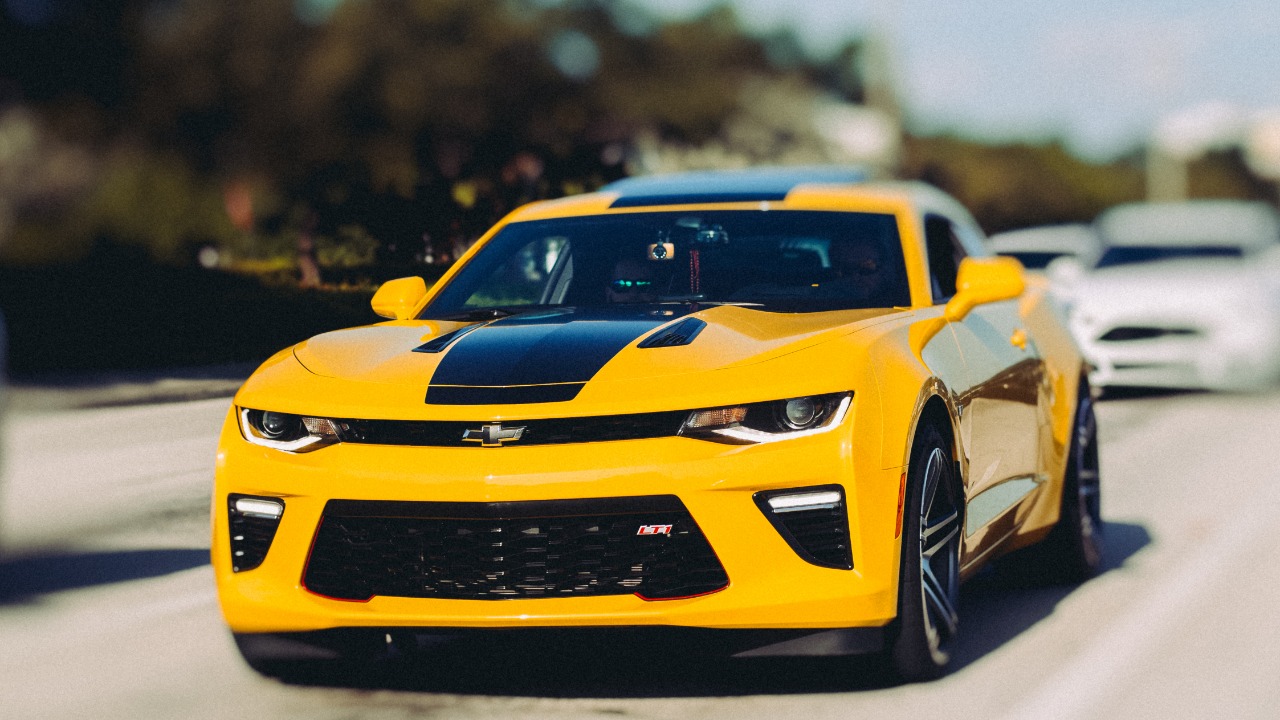
The 2016 Chevrolet Camaro SS marked a significant evolution in the Camaro lineup, featuring a new platform that enhanced performance and handling. Equipped with a 6.2-liter V8 engine producing 455 horsepower, the SS was capable of sprinting from 0 to 60 mph in just 4.0 seconds. Many drivers have reported that the SS could reach speeds of over 150 mph, a performance that was often understated in its promotional material. The introduction of advanced technologies, such as a new Magnetic Ride Control system, allowed for a better driving experience.
Moreover, the 2016 Camaro SS showcased a sleek, modern design that paid homage to its heritage while incorporating contemporary styling elements. Its interior was equally impressive, offering advanced infotainment options that appealed to a new generation of drivers. The 2016 SS is a testament to how Chevrolet has successfully blended tradition with innovation, making it a standout choice for performance enthusiasts.
2017 Chevrolet Camaro ZL1
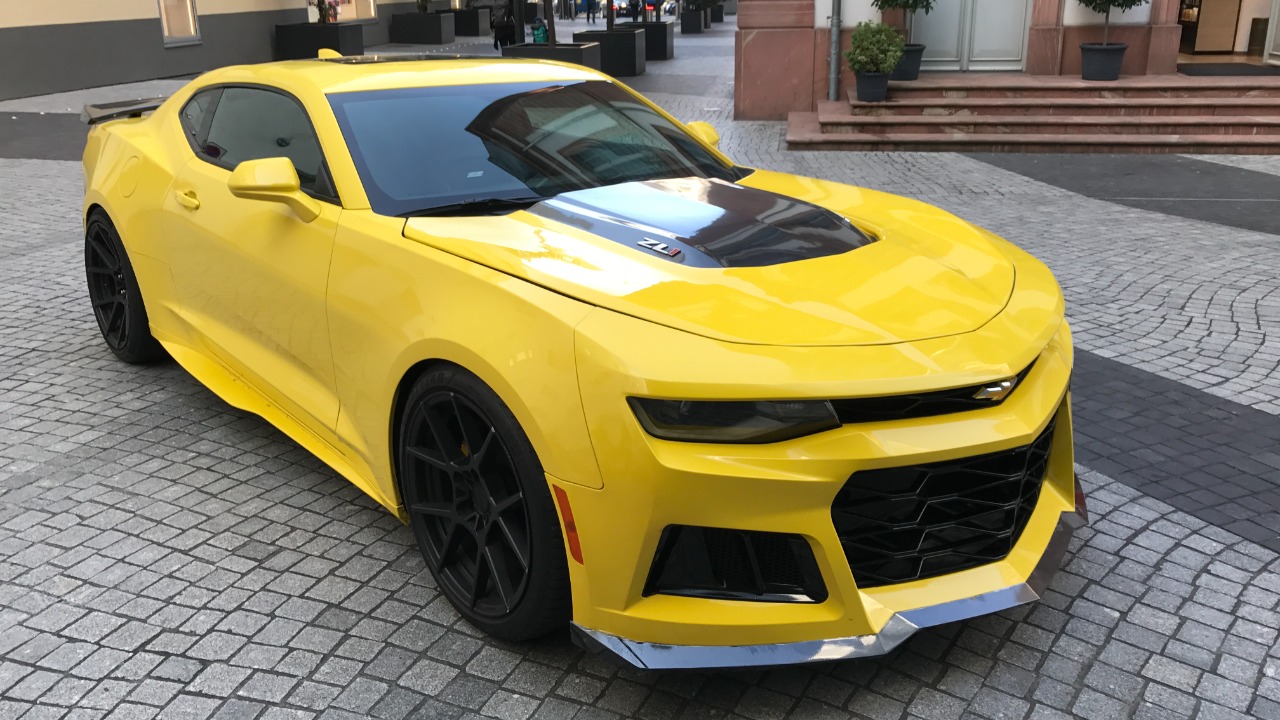
The 2017 Chevrolet Camaro ZL1 took performance to another level, featuring a supercharged 6.2-liter V8 engine that produced an astonishing 650 horsepower. This model could achieve a 0-60 mph time of just 3.5 seconds, with many reports suggesting it could exceed speeds of 200 mph. This was a significant achievement for a production Camaro, showcasing Chevrolet’s engineering prowess. The ZL1 was equipped with state-of-the-art technology, including an advanced traction control system that allowed for superior handling, even at high speeds.
The exterior design was aggressive and aerodynamic, designed to reduce drag and enhance stability. The 2017 ZL1 received accolades from automotive critics and enthusiasts alike for its raw performance and track capabilities. It has become a benchmark for modern muscle cars, proving that the Camaro can hold its own against the best in the world. The ZL1’s combination of power, technology, and design makes it a must-know model in the Camaro lineage.
2019 Camaro ZL1 1LE: The Track-Ready Beast
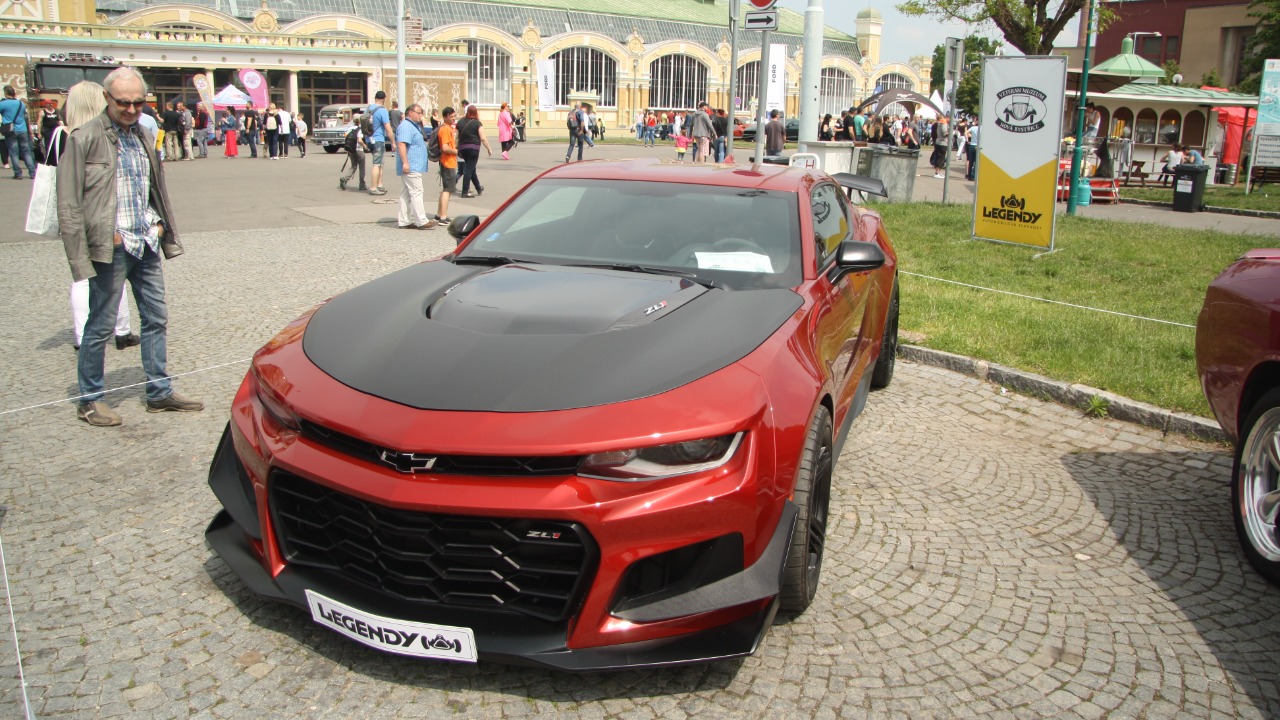
The 2019 Camaro ZL1 1LE took the performance envelope even further, featuring a 6.2-liter LT4 supercharged engine with 650 horsepower. However, what truly set this model apart was its comprehensive track-focused upgrades, including a lightweight carbon fiber rear wing and adjustable suspension settings. Many drivers found that the ZL1 1LE was remarkably agile, allowing it to navigate tight corners with remarkable precision. This model was often praised for its ability to outperform many competitors on the track, proving that it was more than just a straight-line performer.
Furthermore, the ZL1 1LE’s advanced technology, such as the Performance Traction Management system, allowed drivers to fully harness its power while maintaining control. This combination of speed and handling made it a favorite among track enthusiasts, with many reporting faster lap times than expected. The 2019 ZL1 1LE exemplifies the peak of Camaro performance, showcasing the brand’s commitment to pushing the limits of what a muscle car can achieve.
More from Fast Lane Only
- Unboxing the WWII Jeep in a Crate
- 15 rare Chevys collectors are quietly buying
- 10 underrated V8s still worth hunting down
- Police notice this before you even roll window down
*Research for this article included AI assistance, with all final content reviewed by human editors.