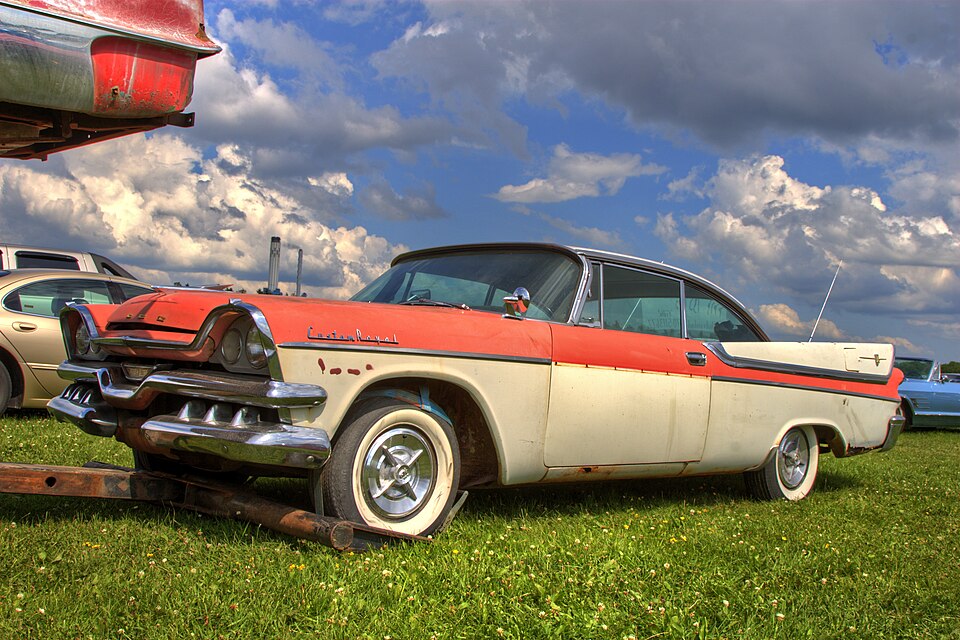
The tail-fin era produced some of the most dramatic American cars ever built, but many were more than just rolling displays of chrome and excess. Beneath the towering fins and elaborate styling were sturdy frames, durable engines, and relatively straightforward mechanical systems. These ten classics have shown an impressive ability to survive decades of regular use, restoration, and continued enthusiasm.
Chevrolet Bel Air

The Chevrolet Bel Air became one of the defining cars of the tail-fin era. Its body-on-frame construction and widely used inline-six and V8 engines gave it a strong reputation for straightforward maintenance. Replacement parts also remained widely available, helping many examples survive long after their original owners moved on. Today, the Bel Air’s combination of dramatic styling and dependable mechanical design keeps it on the road.
Ford Fairlane 500
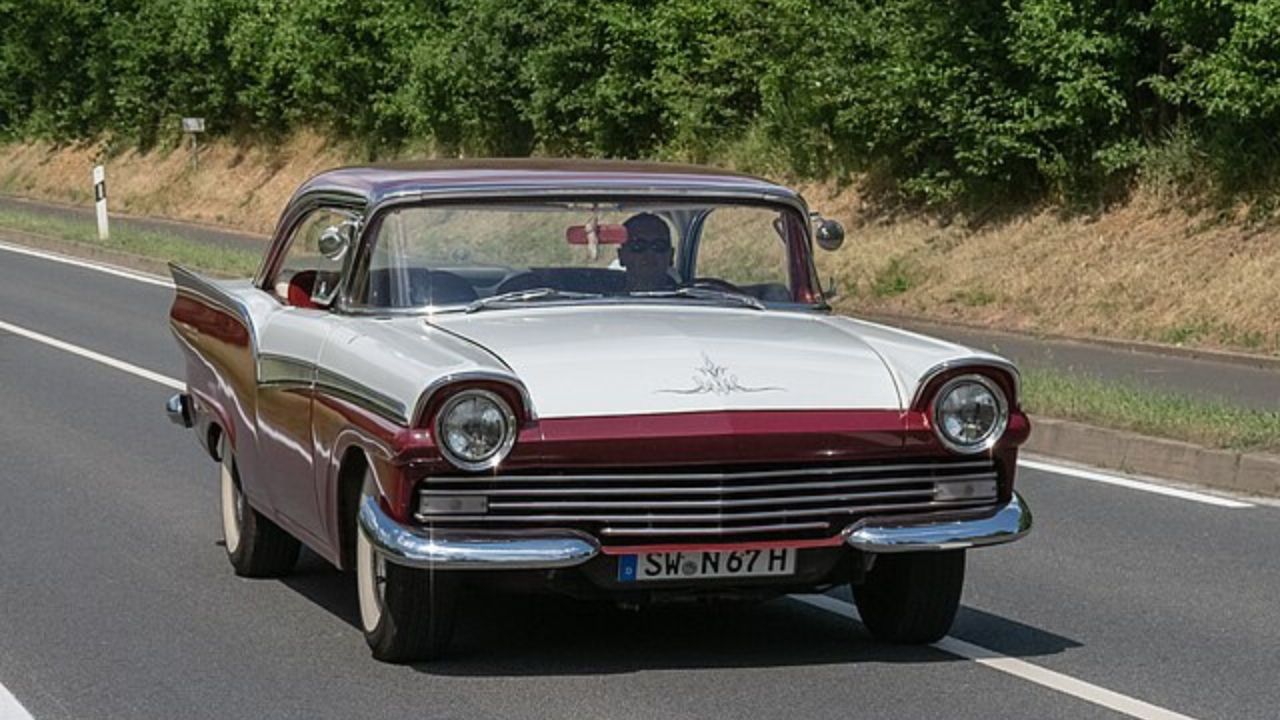
The Ford Fairlane 500 combined flashy late-1950s styling with Ford’s familiar and durable mechanical components. Available with several engine options, including the dependable Y-block and FE-series V8s, it offered solid performance for a full-size family car. Its conventional body-on-frame construction also made restoration relatively straightforward. Surviving examples demonstrate how well these large Fords could endure decades of ownership.
Plymouth Fury
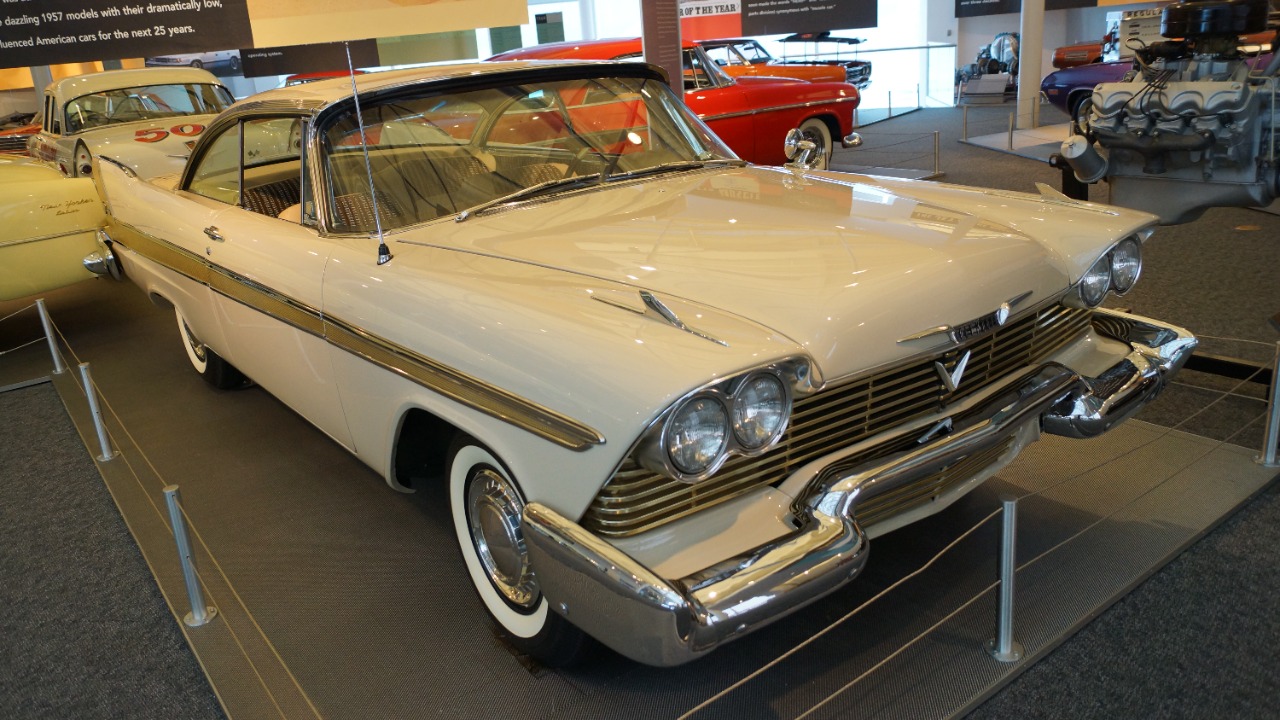
The Plymouth Fury became one of Chrysler’s most recognizable full-size cars during the height of the tail-fin era. Its sturdy construction and available V8 engines gave it the strength expected from a large American automobile. Chrysler’s TorqueFlite automatic transmission also earned a strong reputation for durability. Many Furys spent decades as family transportation, proving that dramatic styling did not prevent them from handling everyday use.
Dodge Custom Royal
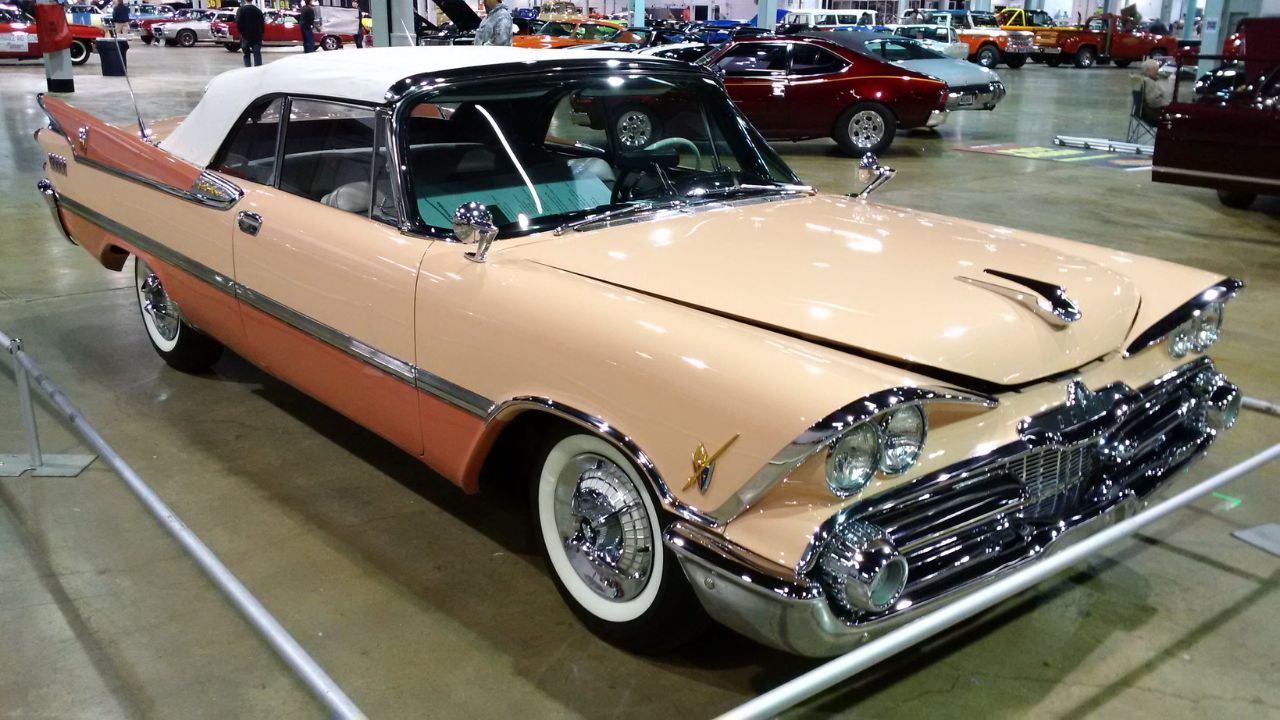
The Dodge Custom Royal combined Chrysler engineering with some of the most dramatic tail-fin styling of its era. Beneath the elaborate bodywork were rugged V8 engines and durable mechanical components shared across Chrysler’s large-car lineup. The combination of conventional engineering and strong drivetrains helped these cars remain serviceable for years. Well-preserved examples today demonstrate that a car known for extravagant styling could also be built to endure.
Buick Invicta
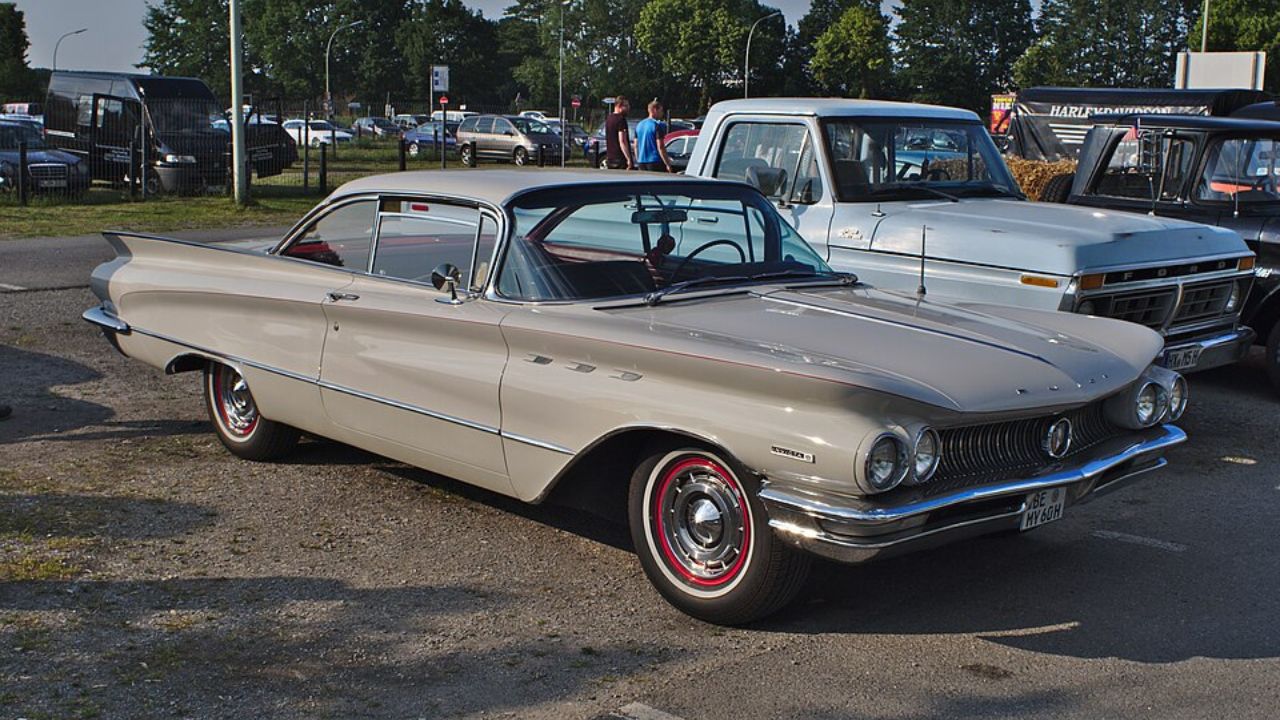
The Buick Invicta offered full-size comfort with powerful V8 engines and substantial body construction. Buick’s engineering emphasized smoothness and long-distance capability, making the Invicta well suited to years of highway travel. Its Dynaflow and later automatic transmissions were designed to provide relaxed operation, while the large chassis handled heavy use. Surviving examples remain impressive reminders of Buick’s ability to combine durability with luxury.
Oldsmobile Super 88
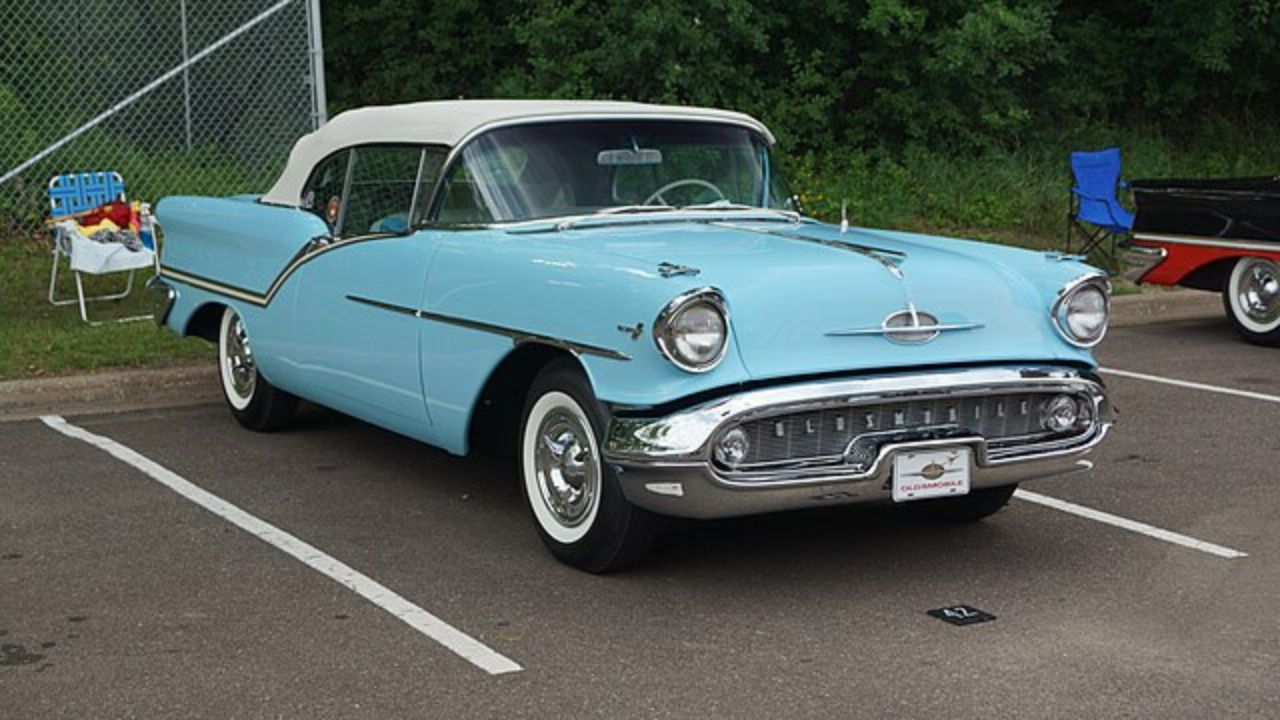
The Oldsmobile Super 88 combined large-car comfort with the strength of Oldsmobile’s Rocket V8 engines. These engines developed a reputation for smooth operation and strong performance while remaining relatively straightforward to maintain. The car’s solid chassis and conventional mechanical layout also helped it survive demanding family use. Today, the Super 88 remains an interesting choice for collectors who want tail-fin styling without sacrificing mechanical substance.
Pontiac Star Chief
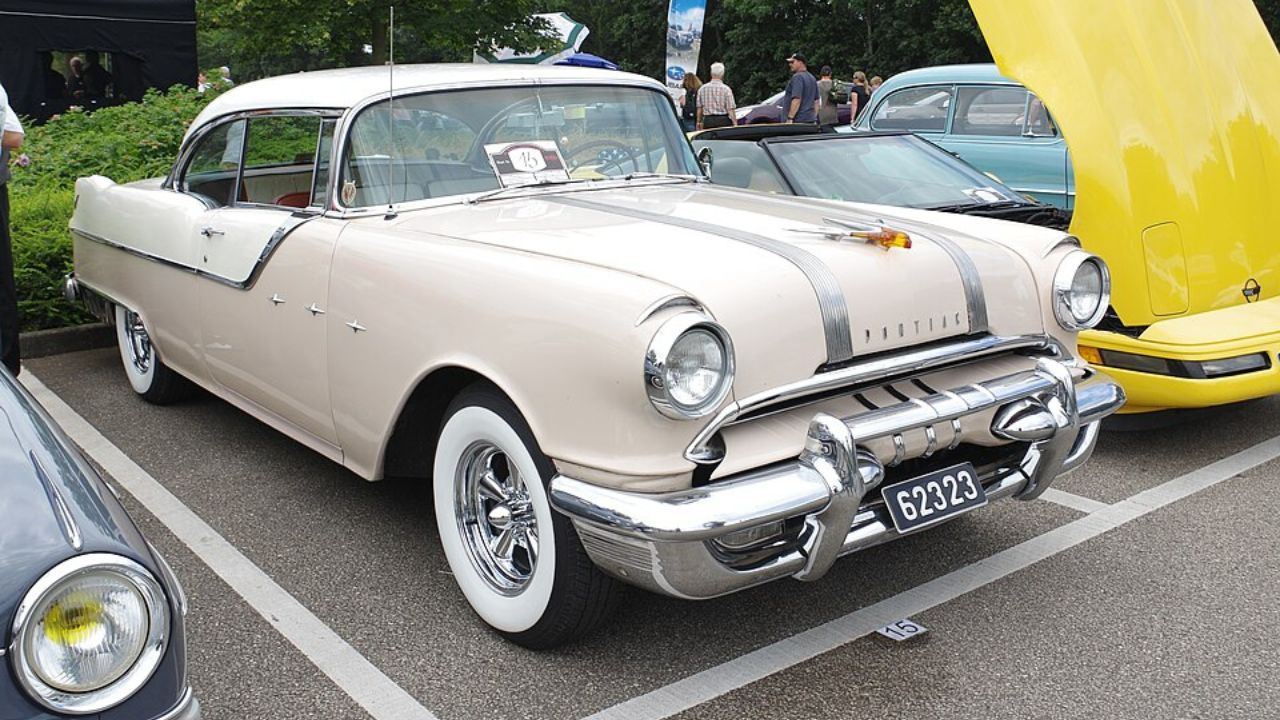
The Pontiac Star Chief was a large, stylish automobile built for comfortable long-distance travel. Its sturdy chassis and available V8 engines gave it the strength needed to move its substantial body with confidence. Pontiac’s engineering during this period focused on combining performance with everyday dependability. Many examples remained in service for years, and surviving cars continue to demonstrate the durability hidden beneath their extravagant styling.
Mercury Monterey

The Mercury Monterey brought dramatic styling and substantial proportions to the American family-car market. Its strong V8 engines and conventional chassis made it capable of handling long-distance travel and regular use. Positioned between Ford and Lincoln, Mercury engineered the Monterey to provide a more upscale experience without excessive mechanical complexity. Surviving examples remain notable for showing how durable these overlooked full-size Mercurys could be.
Chrysler New Yorker
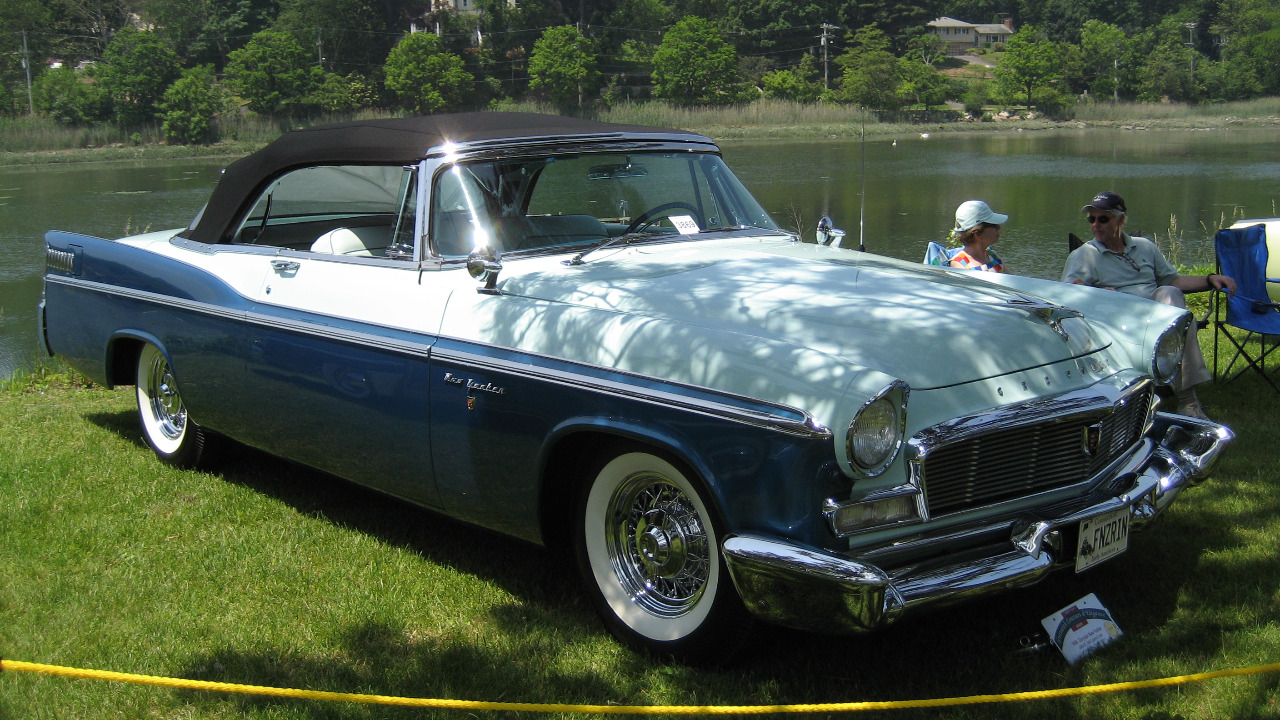
The Chrysler New Yorker combined luxury with some of the company’s most durable large-displacement V8 engines. Its substantial construction and smooth automatic transmission made it a capable long-distance cruiser. Chrysler built the New Yorker for buyers who expected years of comfortable service, and its conventional mechanical design allowed many examples to remain repairable decades later. The car’s dramatic fins only added to its unmistakable presence.
Cadillac Series 62
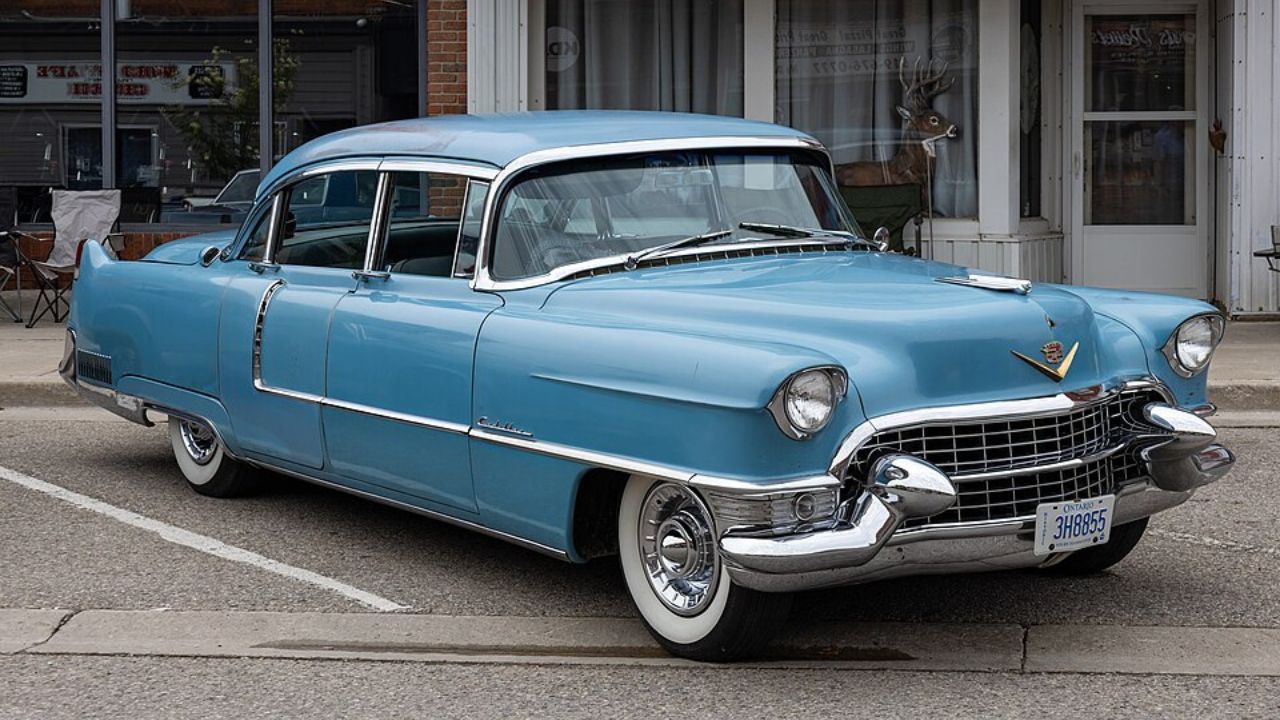
The Cadillac Series 62 represented the extravagant peak of the tail-fin era while retaining the sturdy engineering expected from a premium American luxury car. Its large V8 engine, substantial chassis, and smooth automatic transmission were designed for effortless highway travel. Although restoration can be expensive, the underlying mechanical systems were built for long-term service. Surviving Series 62 models remain powerful reminders that some of the era’s most dramatic cars were also remarkably durable.
More from Fast Lane Only
- Unboxing the WWII Jeep in a Crate
- 15 rare Chevys collectors are quietly buying
- 10 underrated V8s still worth hunting down
- Police notice this before you even roll window down
*Research for this article included AI assistance, with all final content reviewed by human editors.