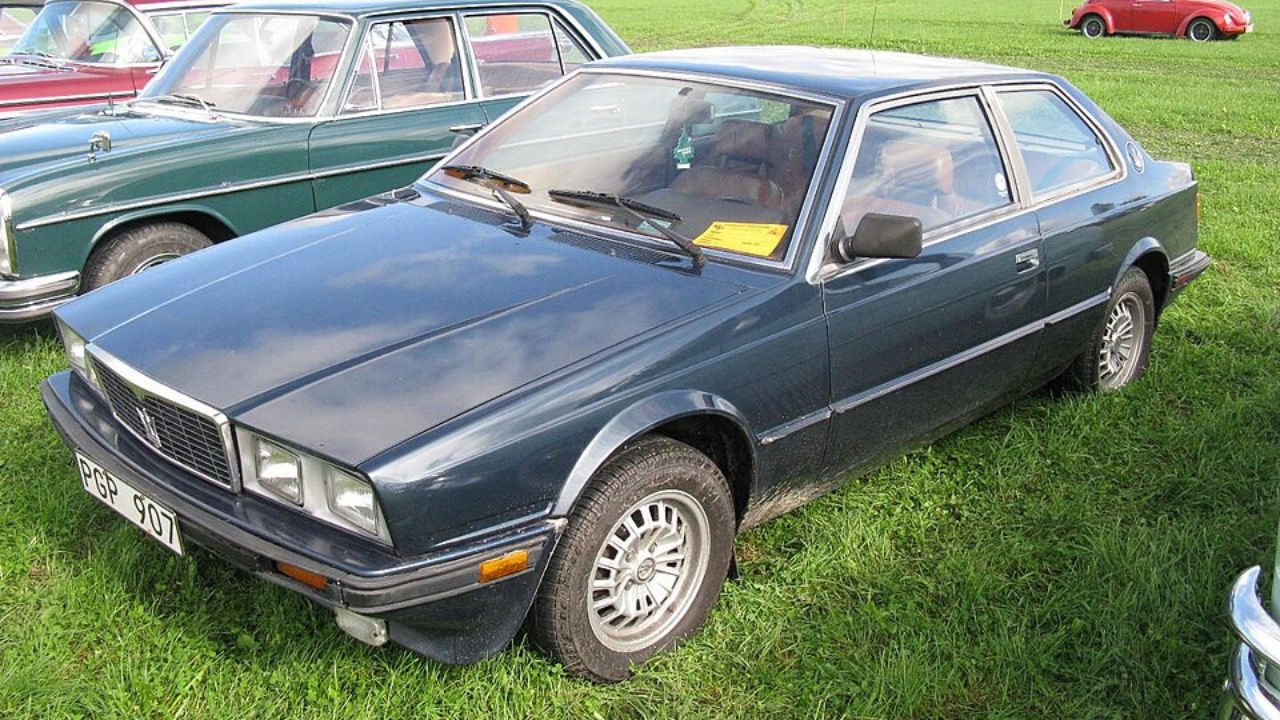
Some pickups become more than transportation. They haul, tow, work, travel, and collect memories until selling one starts to feel like giving away part of the family history. From dependable workhorses to unusual performance trucks, these pickups have earned loyal owners who often say the same thing when asked about their future: they are not selling.
Chevrolet C30
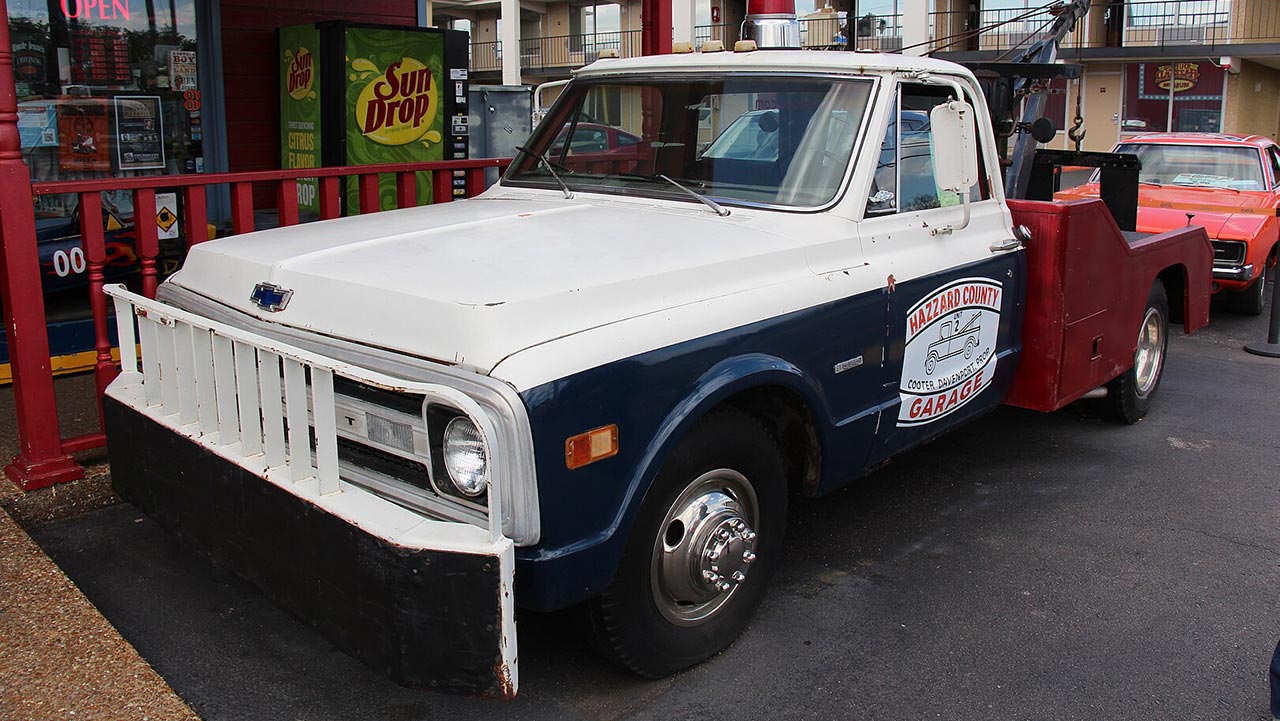
The Chevrolet C30 has the kind of straightforward character that makes owners reluctant to let go. Its sturdy construction, simple mechanical layout, and strong hauling ability made it a trusted choice for farms, businesses, and demanding daily work. Older examples can show plenty of wear, yet a cared-for C30 still has an undeniable presence. Owners also appreciate how easy these trucks are to understand and maintain compared with newer pickups. Once someone has spent years working with one, replacing it can feel surprisingly difficult.
Ford F-150 SVT Lightning
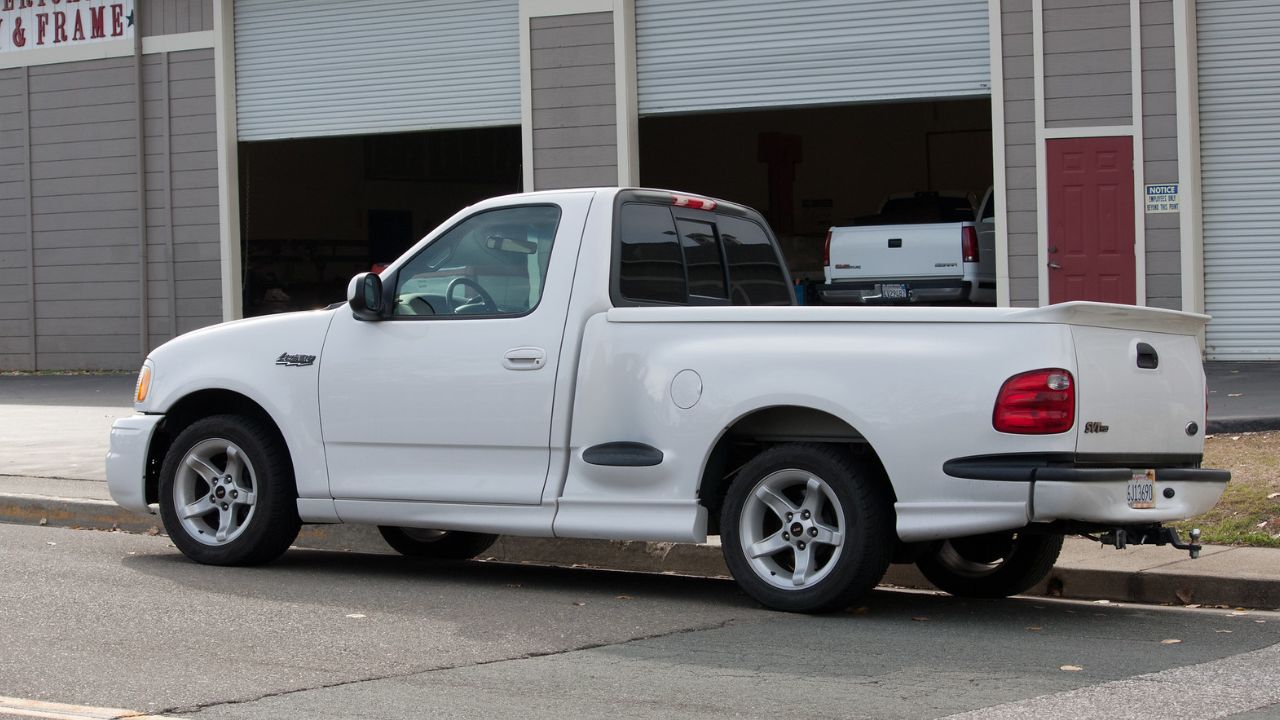
The Ford F-150 SVT Lightning gave the ordinary pickup a completely different personality. It looked like a truck but delivered the kind of performance normally associated with sports cars. Its lowered stance, muscular body, and unmistakable proportions make it easy to recognize, while its performance credentials have kept enthusiast interest strong. Owners who bought one when it was still an unusual choice often develop a strong attachment to it. Finding another clean example can also be difficult, giving owners even more reason to hold onto theirs.
GMC Syclone
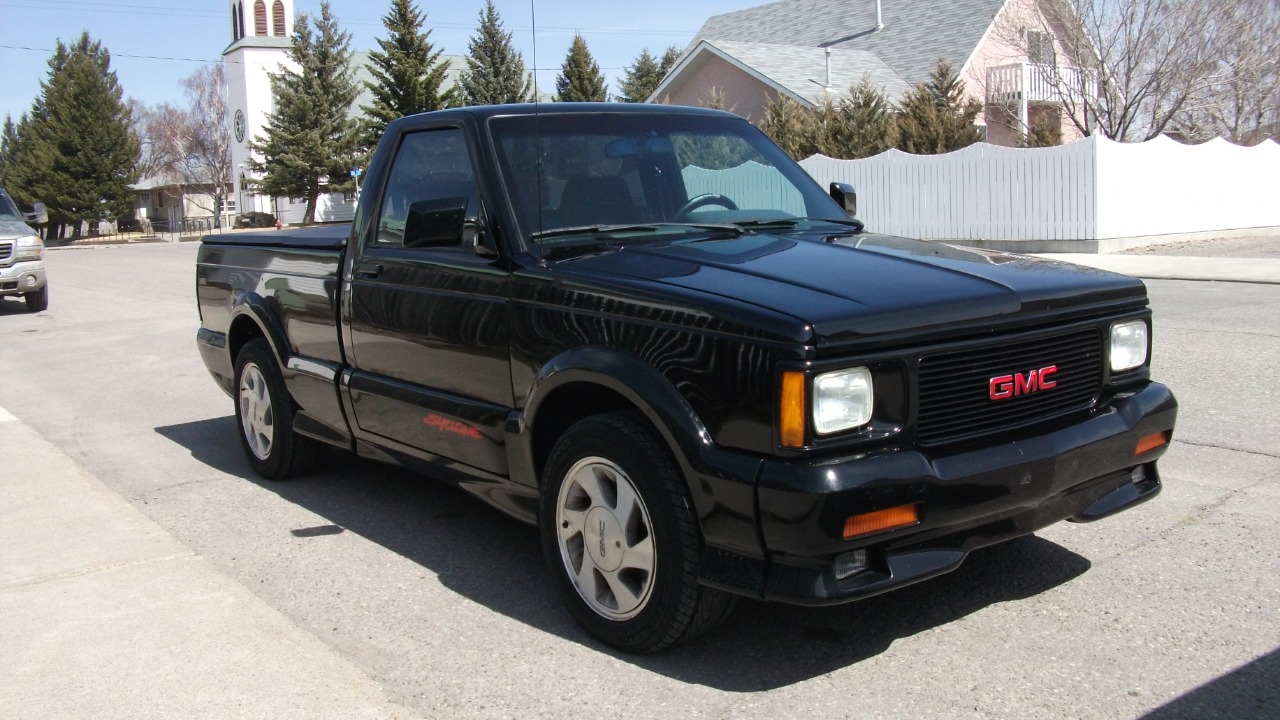
The GMC Syclone remains one of the most memorable performance pickups ever built. Its compact body and relatively understated appearance hide just how serious the truck was about acceleration. That unusual combination gives it a special place among collectors. Owners are not simply holding onto an old GMC pickup; they are preserving one of the most unusual performance experiments from the era. Because relatively few were produced, finding another good example is not as easy as shopping for a conventional used truck.
Dodge Dakota
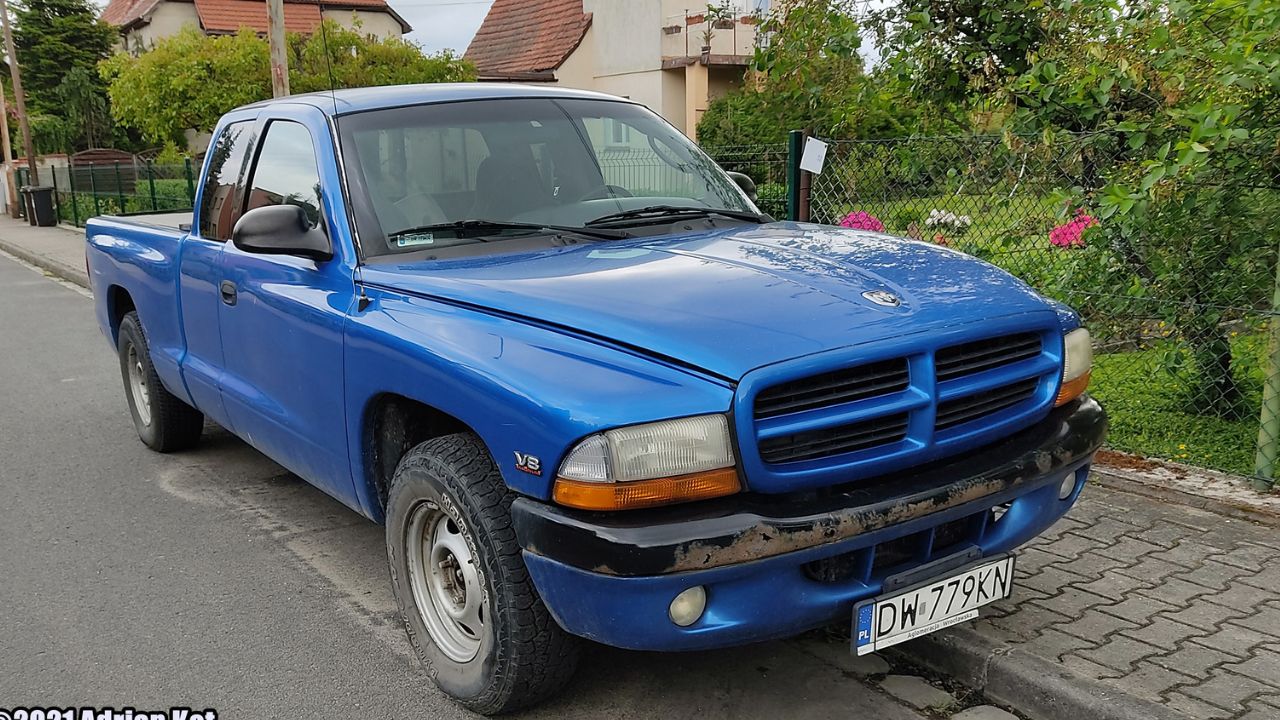
The Dodge Dakota occupied a useful middle ground between compact pickups and full-size trucks. Its manageable dimensions made it easier to live with than larger pickups, while certain versions offered plenty of capability. The Dakota also developed a loyal following because it felt different from the usual choices from Ford and Chevrolet. Owners who appreciate its size and character often find newer trucks too large for their needs. A well-kept Dakota can therefore become the kind of vehicle someone keeps long after they have stopped needing to make practical excuses for it.
Toyota T100
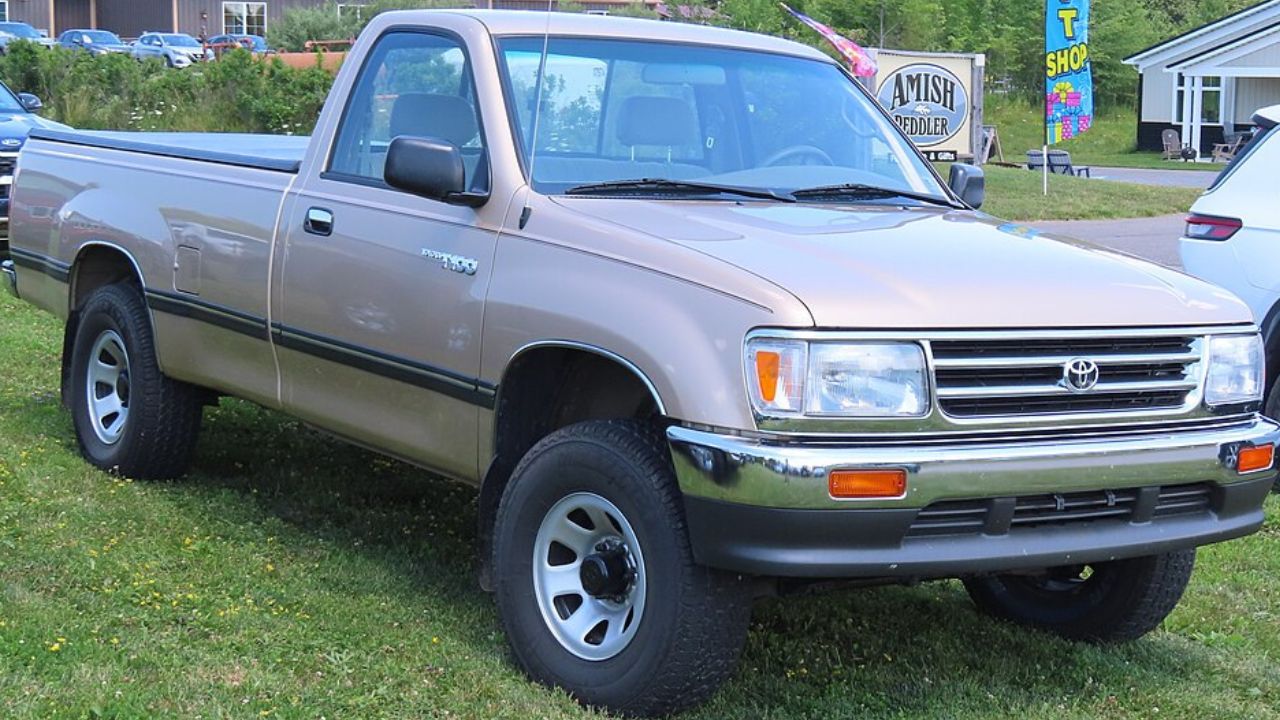
The Toyota T100 arrived when buyers were becoming increasingly interested in Japanese pickups, yet it remained distinctive because of its relatively simple design and dependable reputation. It was not the biggest truck in its class, but that was part of its appeal. Owners often value its straightforward character, comfortable proportions, and Toyota durability. Clean examples have also become harder to encounter as many were used heavily over the years. For people who bought one and maintained it carefully, there is little incentive to replace something that continues doing its job.
Ford Ranchero
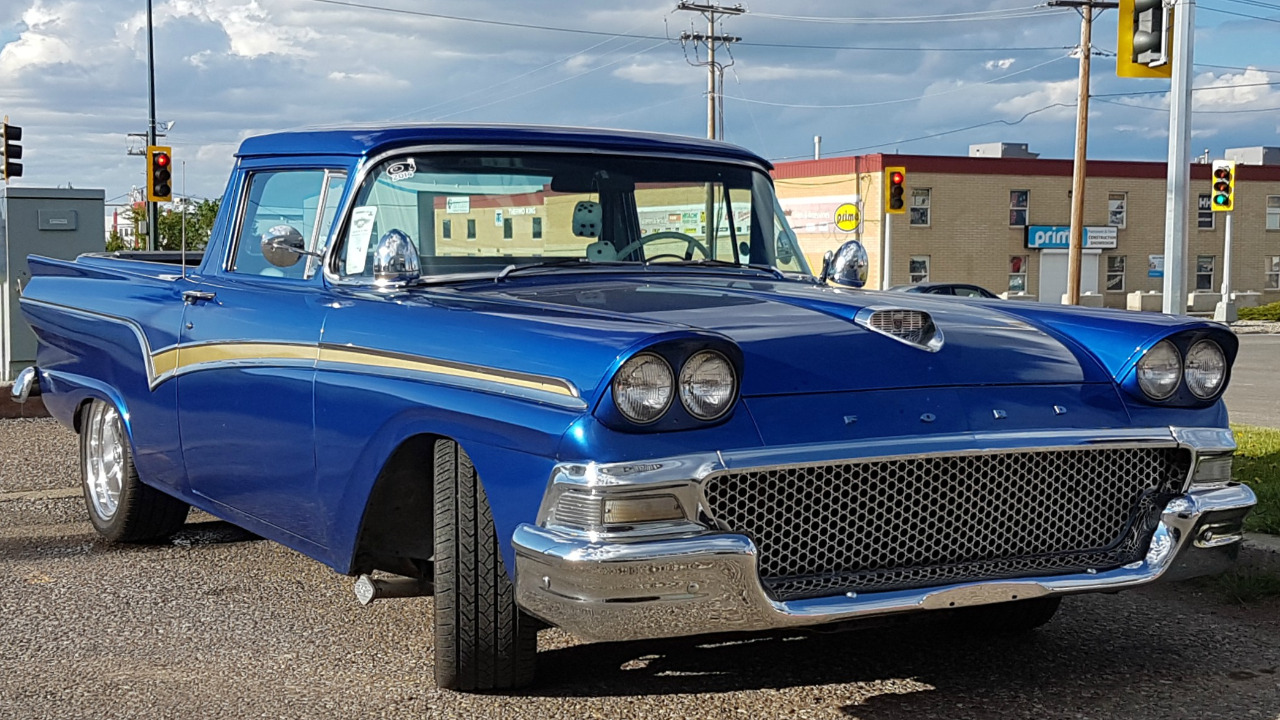
The Ford Ranchero occupies a unique place between a car and a pickup, and that alone gives owners plenty of reasons to keep one. Its low profile, open cargo bed, and car-like proportions make it dramatically different from today’s trucks. Rancheros also attract attention at shows because they represent a style of vehicle that has largely disappeared. Owners can use them for light hauling while enjoying the character of a classic car. Once someone gets used to having such an unusual vehicle, finding a reason to sell it becomes harder.
Chevrolet El Camino
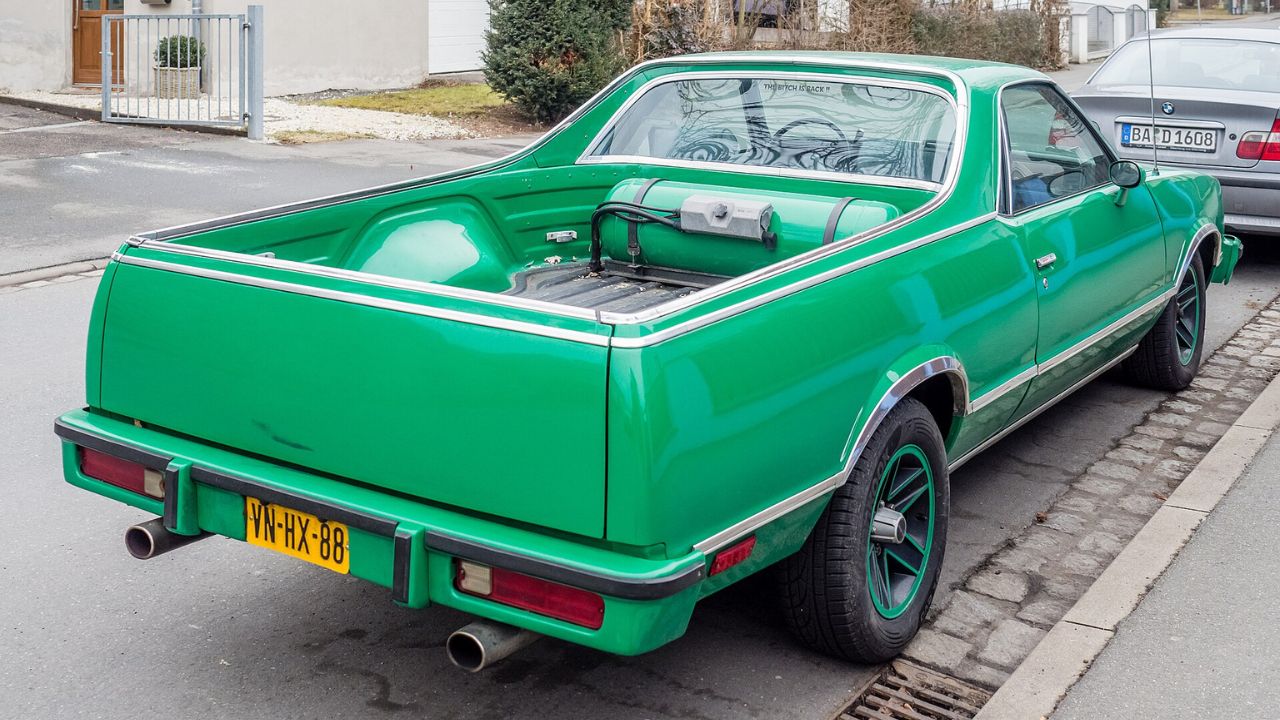
The Chevrolet El Camino has developed one of the most devoted followings of any car-based pickup. Its combination of a passenger-car front end and practical cargo bed gives it an identity that modern trucks cannot easily replicate. An El Camino can be a cruiser, show vehicle, weekend hauler, or all three. Owners also tend to develop strong emotional connections to these trucks because they are so recognizable. A clean example attracts attention almost anywhere, which is another reason many owners would rather keep theirs than search for another later.
Jeep Comanche
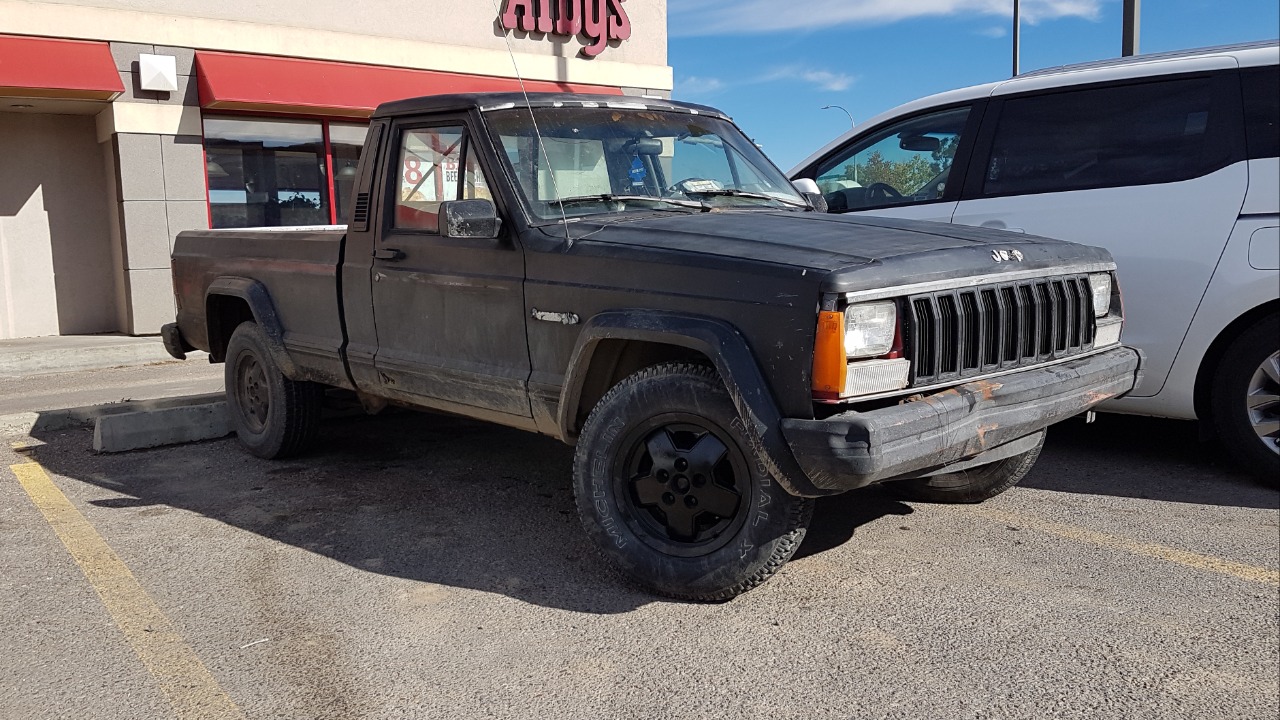
The Jeep Comanche was a compact pickup with genuine off-road credibility, giving it an appeal that went beyond ordinary utility. Its relatively small size makes it especially interesting today, when modern trucks have grown significantly larger. Owners appreciate the simple shape, Jeep character, and ability to fit into places where newer pickups can feel cumbersome. Good examples have become increasingly difficult to find after years of hard use. Someone who owns a solid Comanche therefore has something increasingly unusual and may think twice before letting it leave the driveway.
Ford Courier
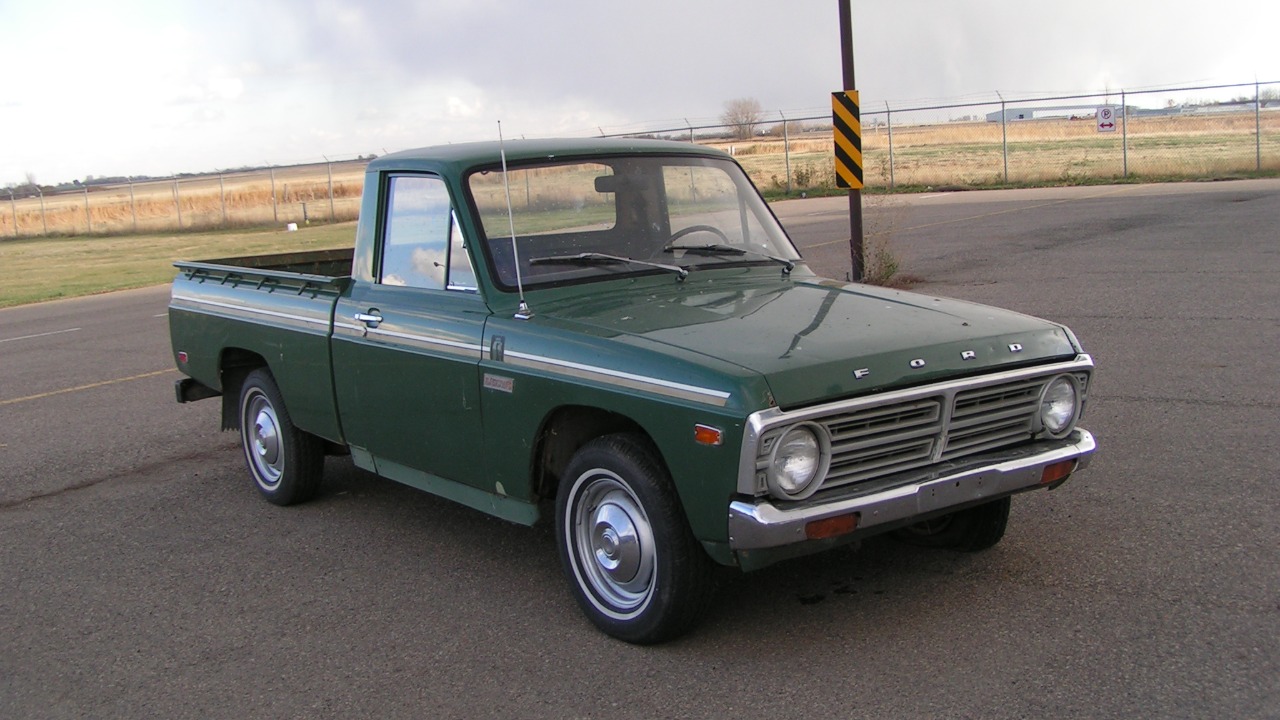
The Ford Courier represents an era when small pickups were genuinely small, simple, and easy to maneuver. Its compact footprint makes it especially appealing to people who have little interest in today’s oversized trucks. The straightforward design also gives it plenty of old-school charm. Owners who have maintained these pickups over the decades often appreciate how uncomplicated they are compared with newer vehicles. A Courier may not offer the size or technology of a modern F-Series, but its simplicity is exactly why some owners have no interest in replacing it.
Chevrolet S-10
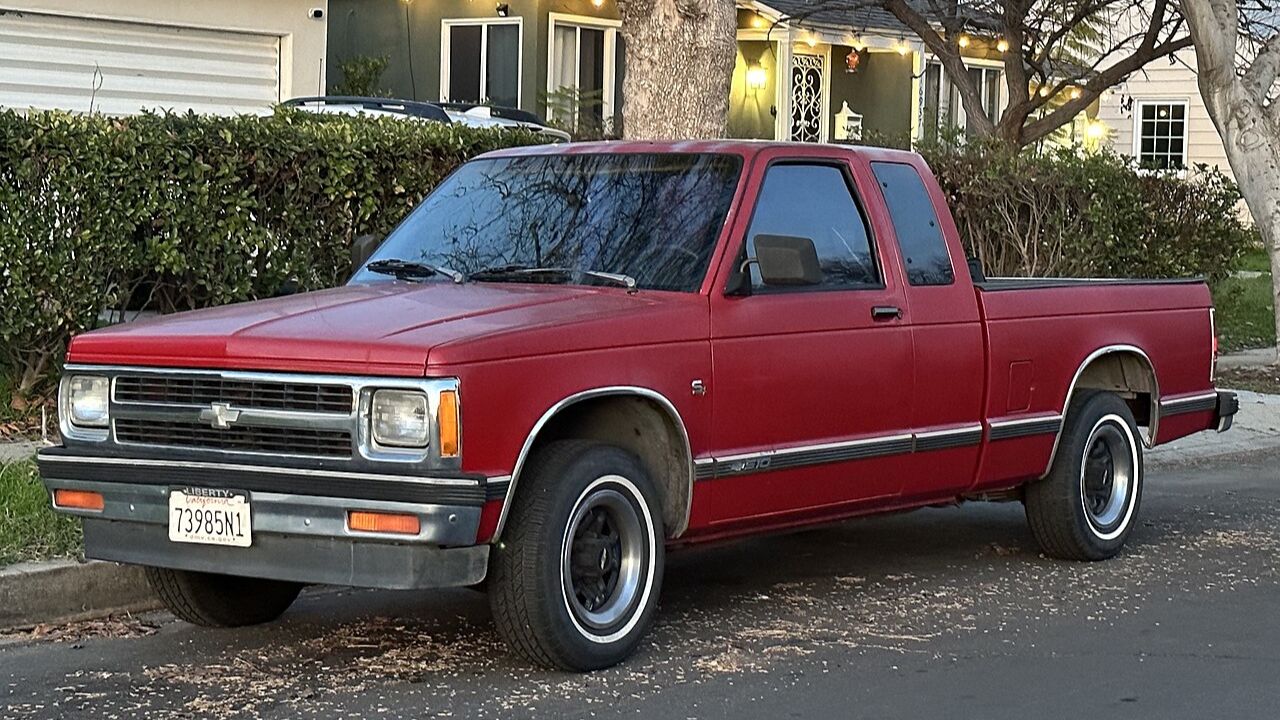
The Chevrolet S-10 became a familiar sight because it offered pickup utility without the size of a full-size truck. Its compact dimensions made it useful for everyday driving, small jobs, and light hauling. Many examples were used hard, which makes a clean surviving truck particularly appealing today. Owners who have had one for years often value its affordability, simplicity, and easy maneuverability. The S-10 also represents a period when a pickup could still be practical without taking up most of a parking space.
GMC Sonoma
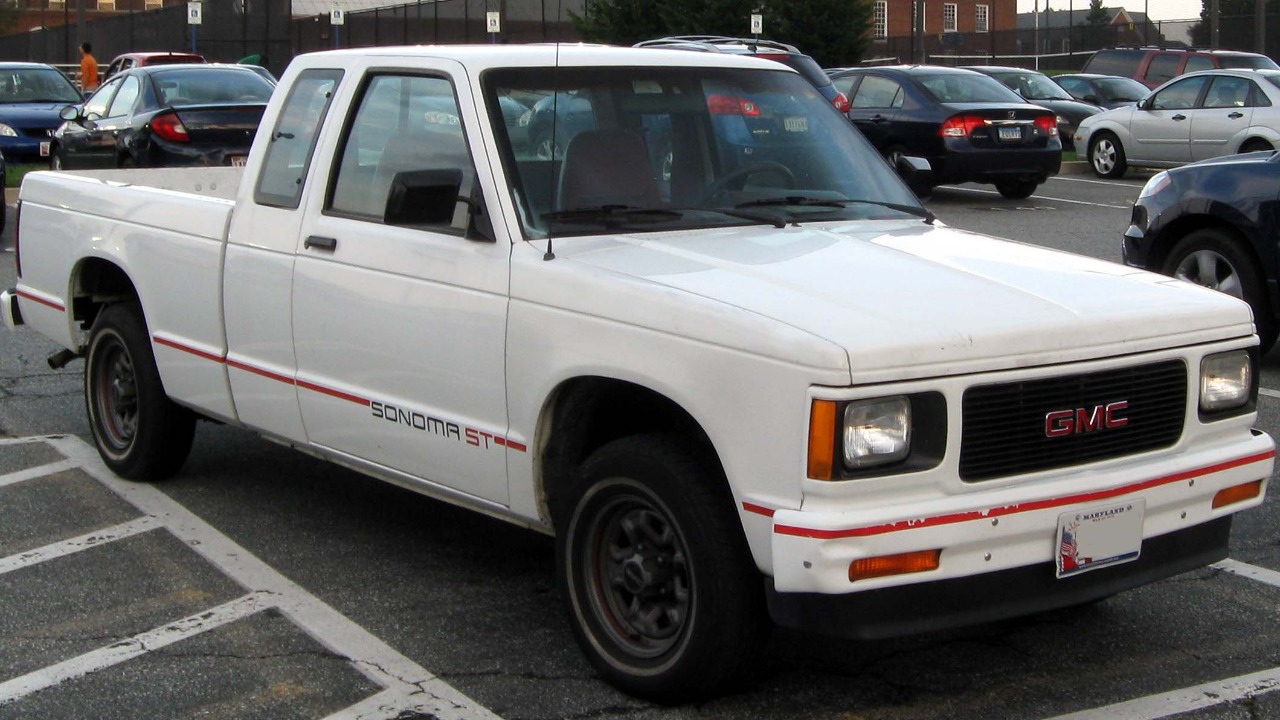
The GMC Sonoma gave buyers a slightly different take on the compact pickup formula while sharing much of its basic architecture with the S-10. Its combination of modest size and useful cargo capacity made it a practical choice for everyday owners. Certain versions also developed enthusiast followings, making the Sonoma more interesting than its basic work-truck image suggests. Owners who still have one often appreciate its balance of utility and manageable dimensions. With fewer clean examples surviving, selling a good Sonoma can mean losing a truck that is increasingly difficult to replace.
Ford Ranger

Older Ford Rangers have earned a particularly loyal following because they offered genuine pickup utility in a compact package. Their relatively simple construction and straightforward controls make them easy to live with, while their smaller dimensions remain useful in crowded areas. Many were purchased as inexpensive work vehicles and subsequently kept for years because they simply continued doing their jobs. A clean Ranger can now feel like a reminder of when compact pickups were inexpensive, uncomplicated, and genuinely compact, giving owners plenty of motivation to keep theirs.
Nissan Hardbody
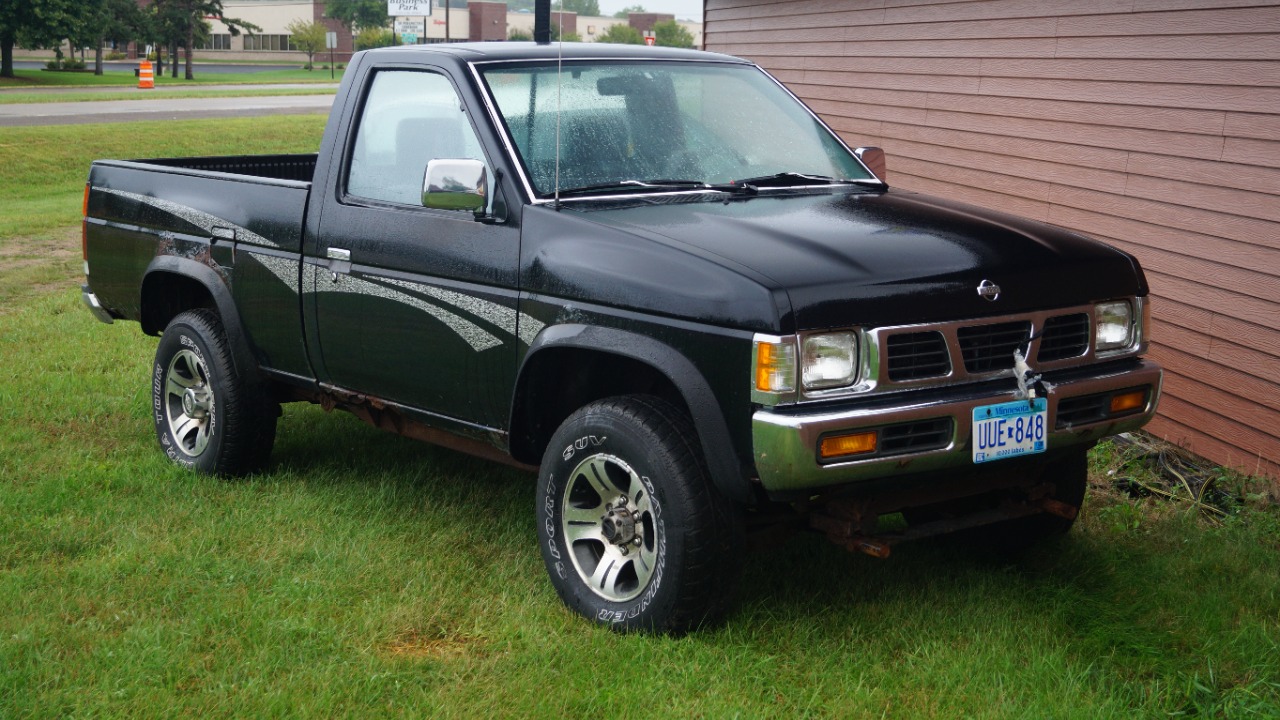
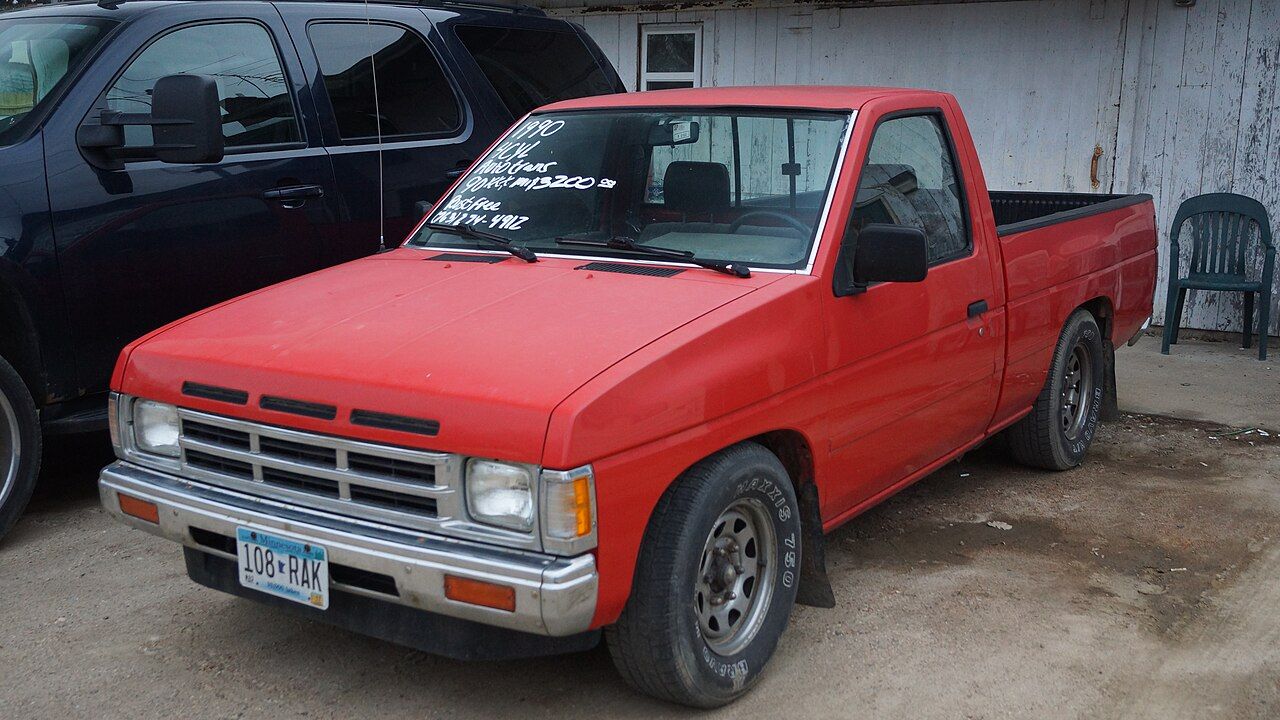
The Nissan Hardbody became famous for its tough reputation and no-nonsense design. Its compact body was easy to maneuver, yet the truck could handle the kind of everyday work expected from a pickup. Many examples survived years of demanding use, which only strengthened the model’s reputation among loyal owners. The simple styling has also aged well, giving clean trucks a recognizable old-school appearance. Owners who have watched their Hardbody accumulate miles without giving up often become extremely reluctant to replace a truck they already trust.
Toyota Pickup
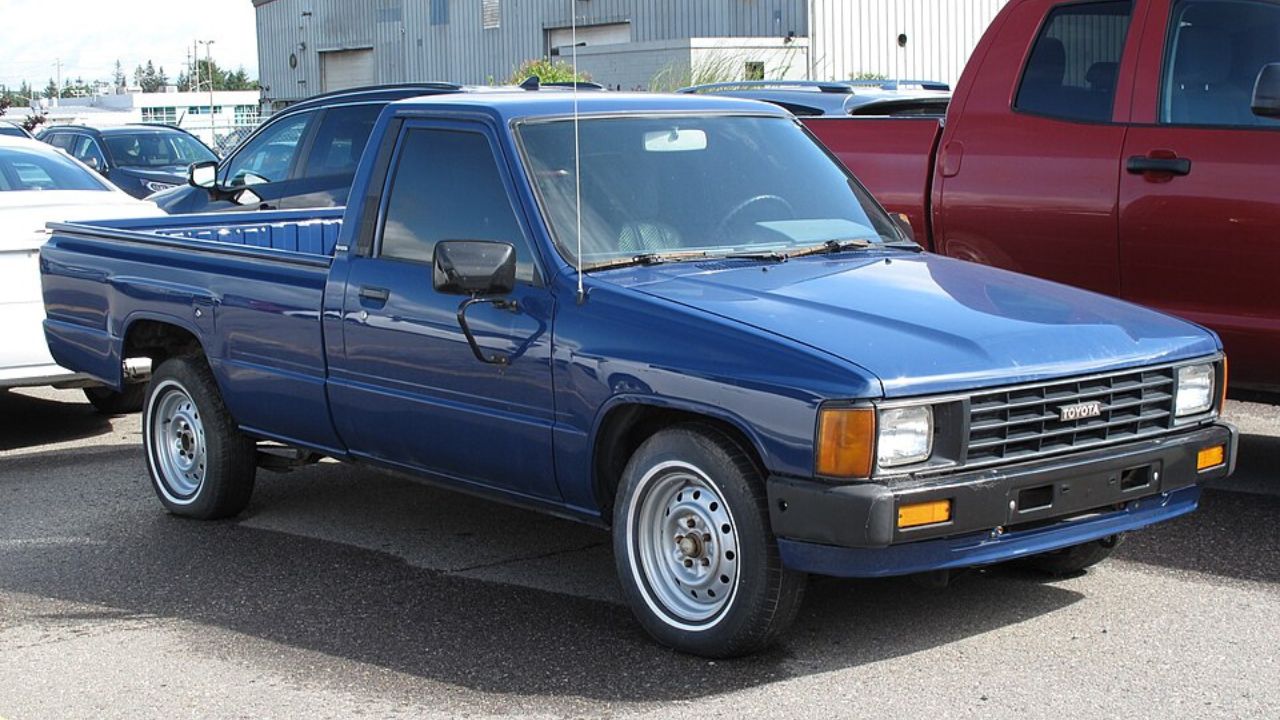
The classic Toyota Pickup earned a reputation that has kept it desirable long after production ended. Its compact proportions, straightforward engineering, and rugged appearance helped make it a favorite among drivers who wanted a truck that could withstand serious use. Surviving examples are often heavily modified or worn, so an original or carefully maintained truck can attract considerable interest. Owners also appreciate that the truck feels simple and mechanical compared with modern pickups. For many enthusiasts, that simplicity is a feature worth protecting rather than something that needs updating.
Ford F-350 Dually
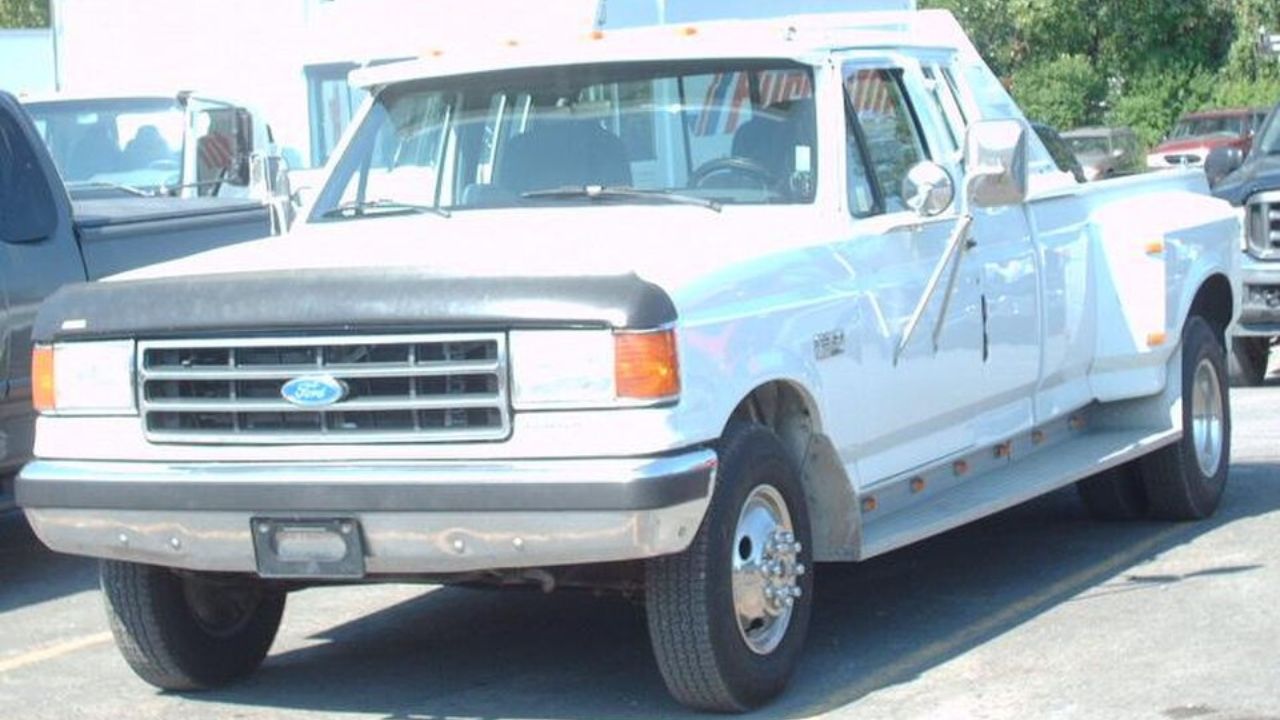
The Ford F-350 dually has the kind of heavy-duty presence that inspires confidence. Its dual rear wheels, substantial body, and serious towing capability make it immediately clear that the truck was designed for demanding work. Owners who rely on their trucks for trailers, equipment, or other heavy loads often become attached to a proven setup. Once a particular F-350 has established a reputation for getting difficult jobs done, replacing it can seem unnecessary. For these owners, familiarity and capability matter more than having the newest badge.
Chevrolet Avalanche
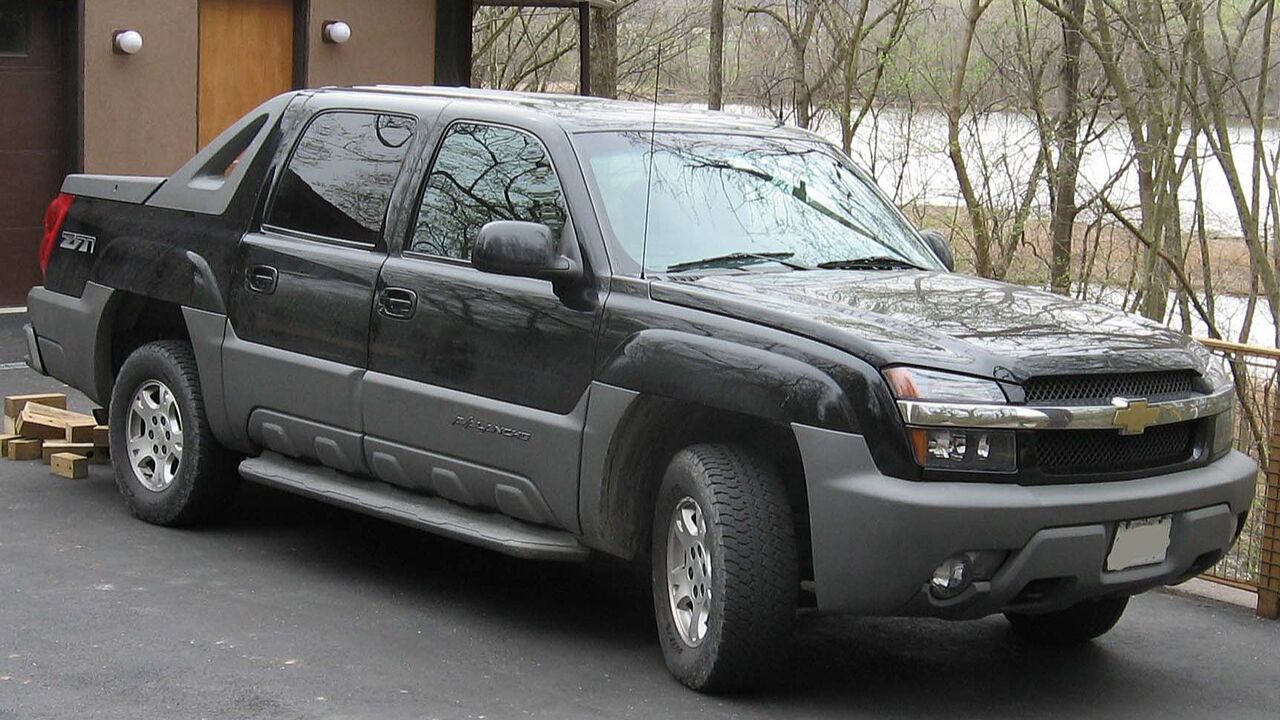
The Chevrolet Avalanche attempted to combine the comfort of an SUV with the usefulness of a pickup, and that unusual approach has earned it a loyal following. Its distinctive midgate allowed owners to change the relationship between the passenger compartment and cargo bed, giving it flexibility that conventional pickups did not always offer. The styling also remains instantly recognizable. People who enjoy the Avalanche often value precisely what makes it unusual. Rather than trading it for a conventional truck, they prefer keeping the vehicle that offers a combination newer pickups do not quite duplicate.
Honda Ridgeline
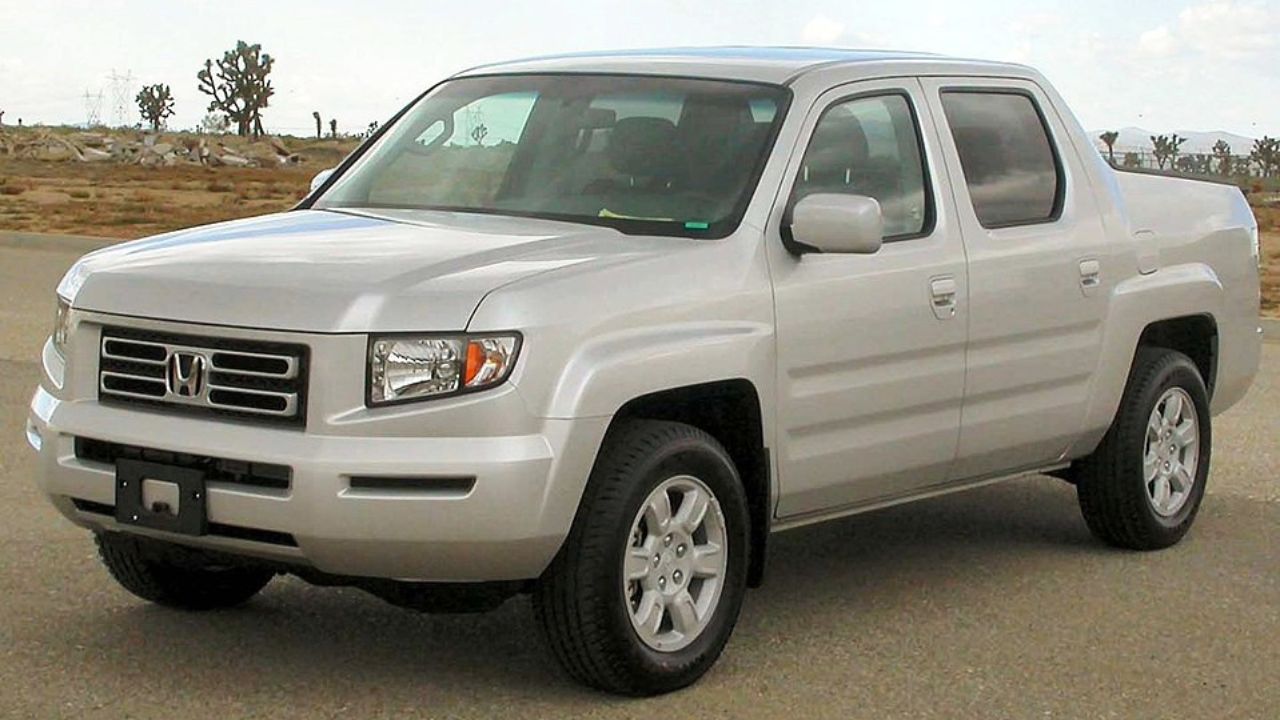
The Honda Ridgeline appeals to owners who want pickup usefulness without committing to the size and driving characteristics of a traditional truck. Its car-like road manners, comfortable cabin, and practical cargo area make it easy to use every day. Owners often appreciate its versatility for errands, recreation, and light-duty hauling. While it may not satisfy someone looking for maximum towing or heavy-duty capability, that is not its purpose. People who bought a Ridgeline because it fits their lifestyle often see little reason to trade that balance for a larger conventional pickup.
Ford Bronco Pickup
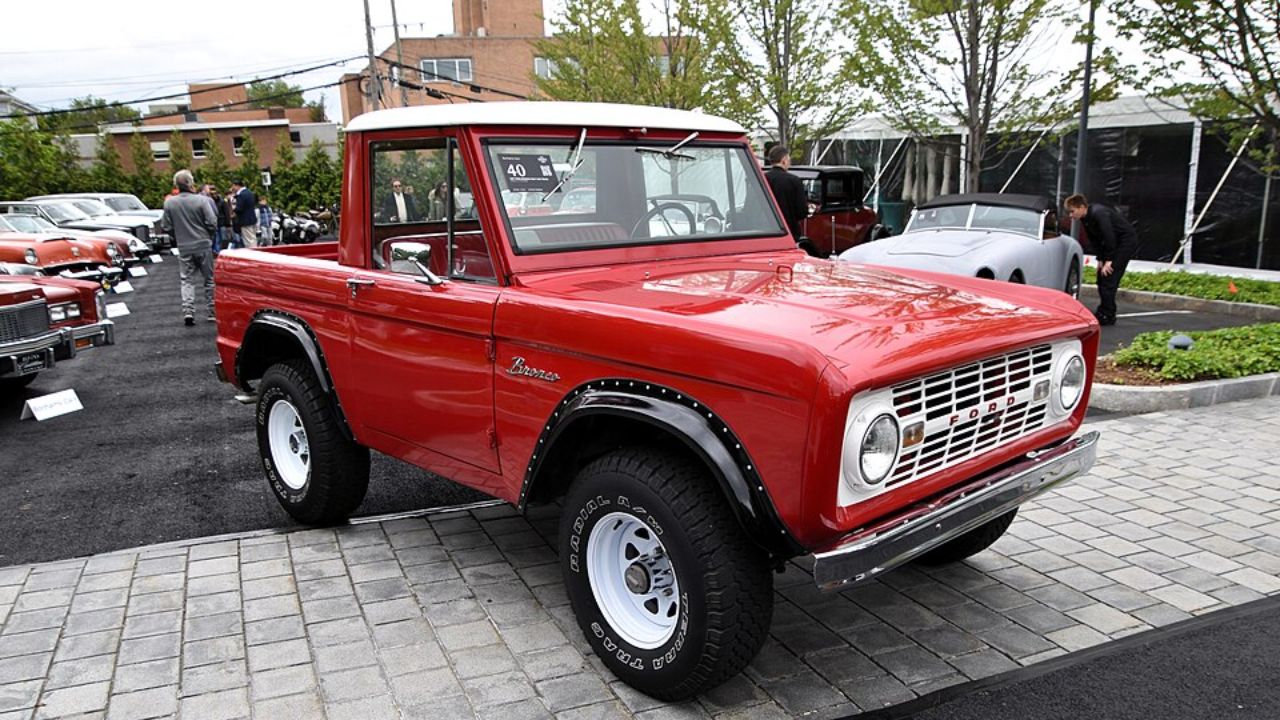
The Ford Bronco-based pickup concept has long fascinated enthusiasts, but even historic Bronco variants and conversions can inspire unusually strong loyalty. The combination of an open cargo area, rugged four-wheel-drive character, and unmistakable Bronco styling creates something that feels more recreational than a conventional work truck. Owners value the personality as much as the utility. Because these vehicles are far less common than ordinary pickups, finding another one in comparable condition can also be difficult. That scarcity gives owners another reason to hold onto a good example.
Chevrolet SSR
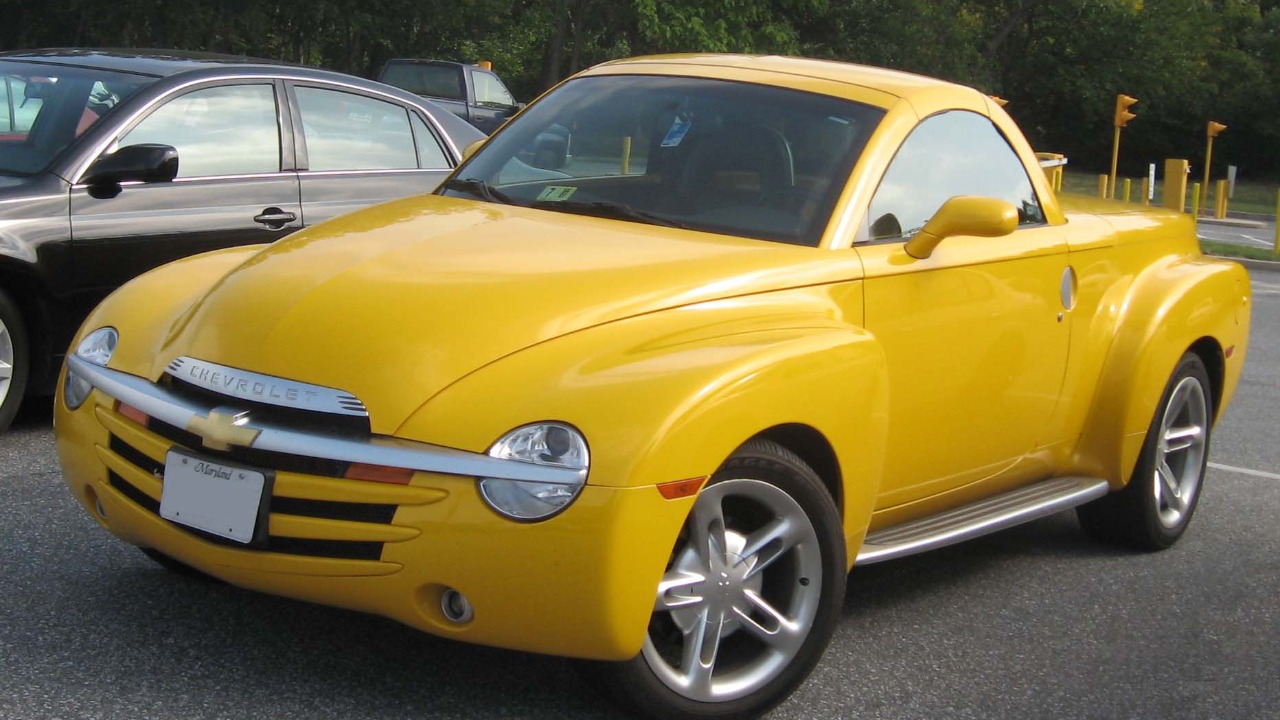
The Chevrolet SSR was one of the strangest production pickups of its era, blending retro roadster styling with an open cargo bed. Its retractable hardtop, rounded bodywork, and unusual proportions made it almost impossible to confuse with anything else on the road. That personality is exactly why owners tend to become attached to them. The SSR was never intended to be the most practical pickup, but it offered something more important to collectors: individuality. Owners who enjoy unusual vehicles often see no reason to sell something this distinctive.
Subaru Baja
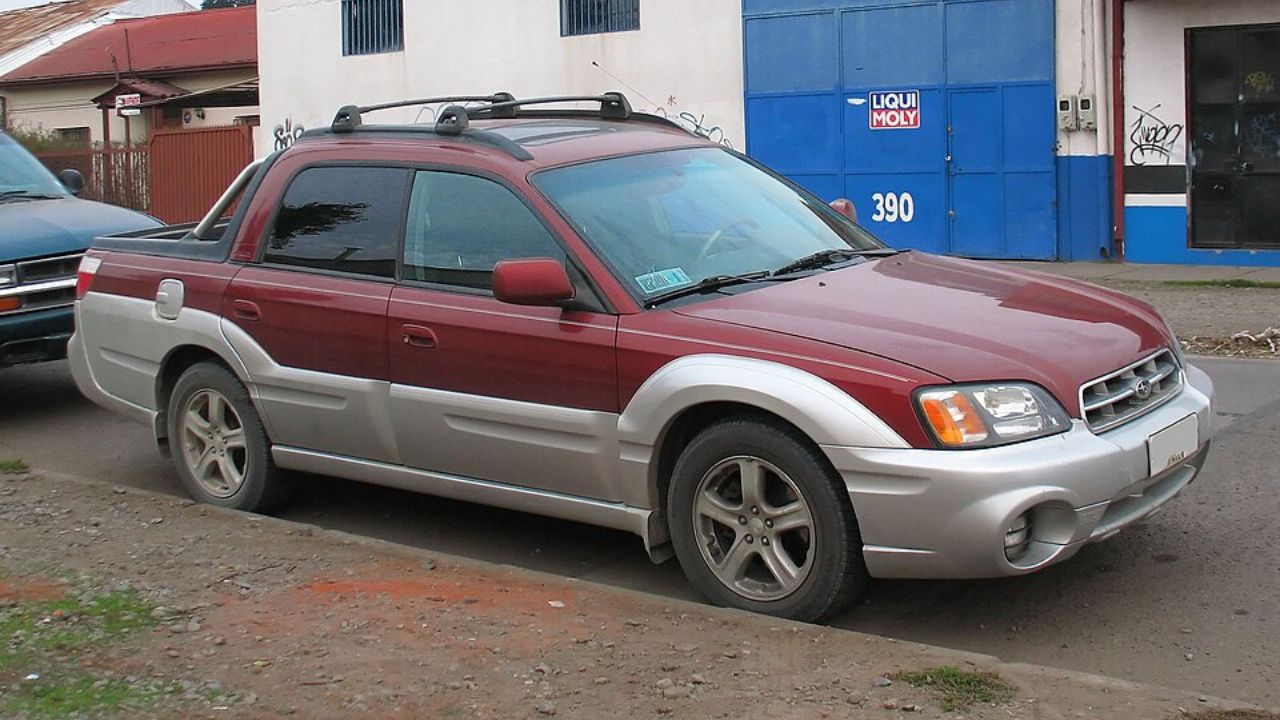
The Subaru Baja combined a compact pickup bed with the familiar practicality and all-weather character of a Subaru. Its unusual proportions made it difficult to categorize, but that same quality has helped it develop a dedicated following. Owners appreciate having a vehicle that can handle everyday driving while offering an open cargo area for smaller loads. Because the Baja was produced in limited numbers compared with conventional pickups, clean examples are not common. That combination of practicality, uniqueness, and scarcity makes many owners particularly hesitant to part with one.
More from Fast Lane Only
- Unboxing the WWII Jeep in a Crate
- 15 rare Chevys collectors are quietly buying
- 10 underrated V8s still worth hunting down
- Police notice this before you even roll window down
*Research for this article included AI assistance, with all final content reviewed by human editors.