Some engines become legends not because they make the most power, but because they simply refuse to quit. Long after the original vehicle has rusted away, been wrecked, or retired, these engines can still be running in another car or truck. Their reputation for durability has made them favorites among owners, mechanics, and people who hate throwing away a perfectly good powerplant.
Chevrolet small-block V8
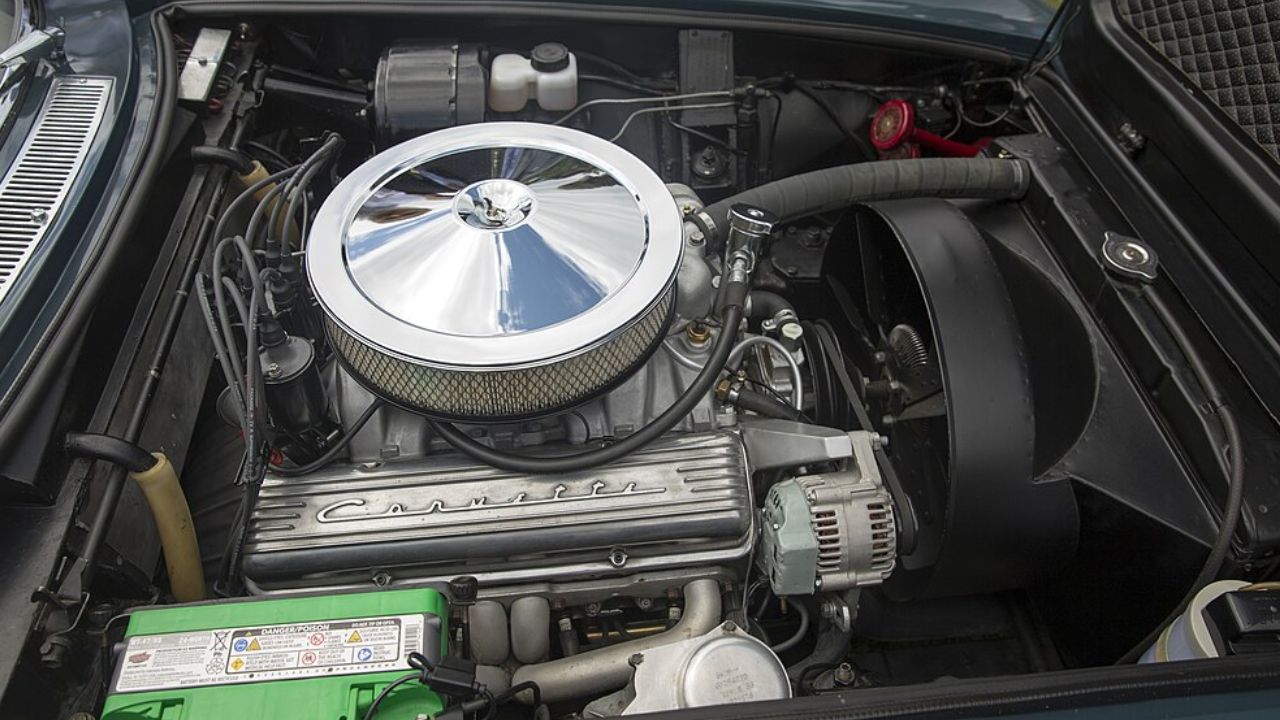
Chevrolet’s small-block V8 became one of the most widely used engines in American automotive history, and that sheer longevity has helped it survive countless vehicles. Its compact design, straightforward construction, and enormous parts supply make it relatively easy to rebuild or adapt. Engines from older cars, trucks, boats, and performance projects have frequently found second lives elsewhere. That versatility is a major reason the small-block remains such a familiar sight in garages and engine bays decades after many of the vehicles that originally carried it disappeared.
Ford 302 V8
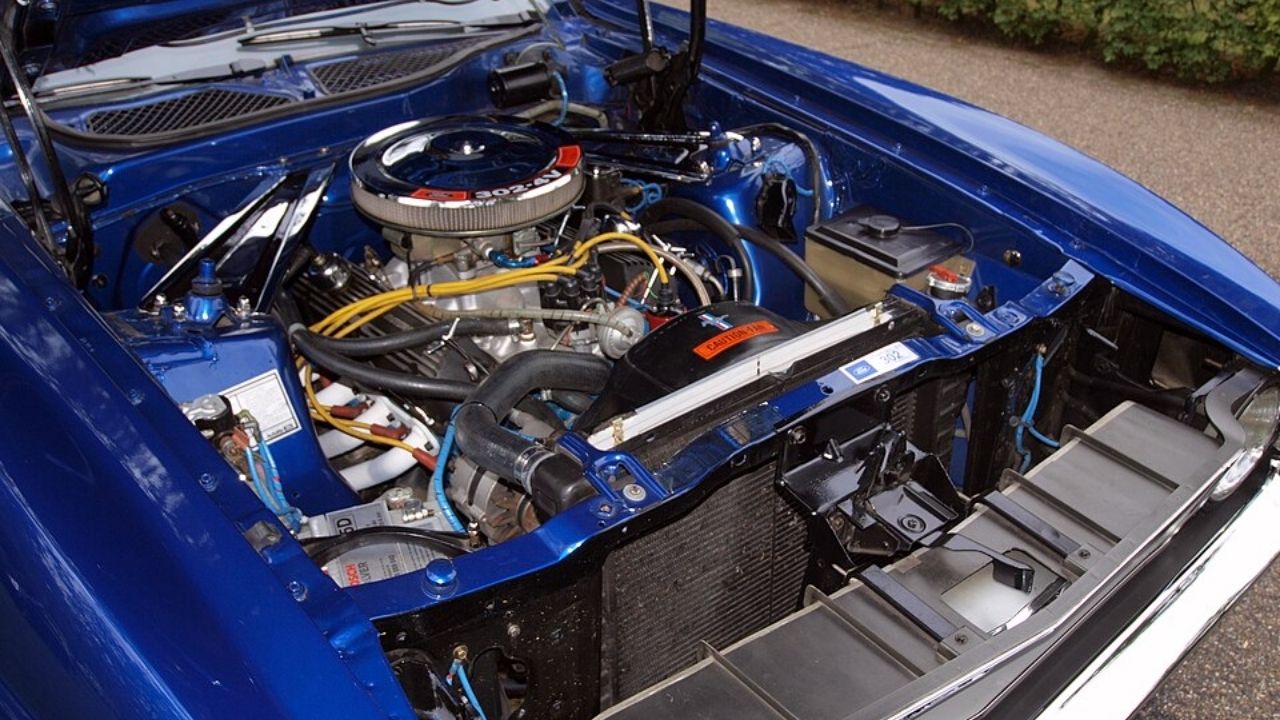
The Ford 302 developed a reputation that extended far beyond the Mustang. It appeared in numerous Ford cars and trucks, and its compact dimensions made it a popular choice for replacements, restorations, and custom builds. The basic design is familiar to generations of mechanics, while parts availability remains excellent. A tired vehicle can disappear while its 302 keeps going in another project. That combination of widespread use, simple architecture, and strong aftermarket support helped turn the engine into one of Ford’s most enduring V8s.
Ford 351 Windsor V8
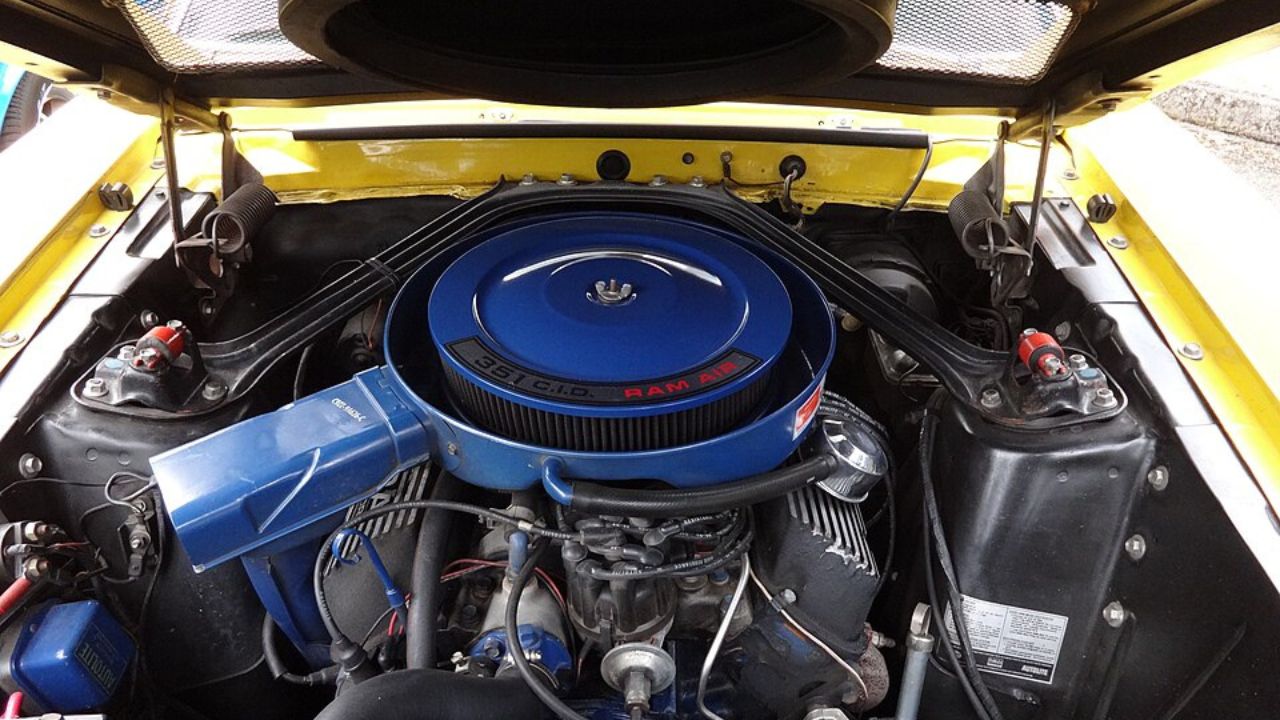
The Ford 351 Windsor was built with the kind of straightforward engineering that makes an engine particularly useful long after its original vehicle has retired. It powered everything from passenger cars to pickups and performance models, giving it a broad family tree. Many examples have been rebuilt more than once, sometimes ending up in vehicles very different from those they originally powered. Enthusiasts also appreciate the engine’s balance of usable torque and familiar mechanical design. It remains a favorite for restorations and older Ford projects.
Chrysler 318 V8
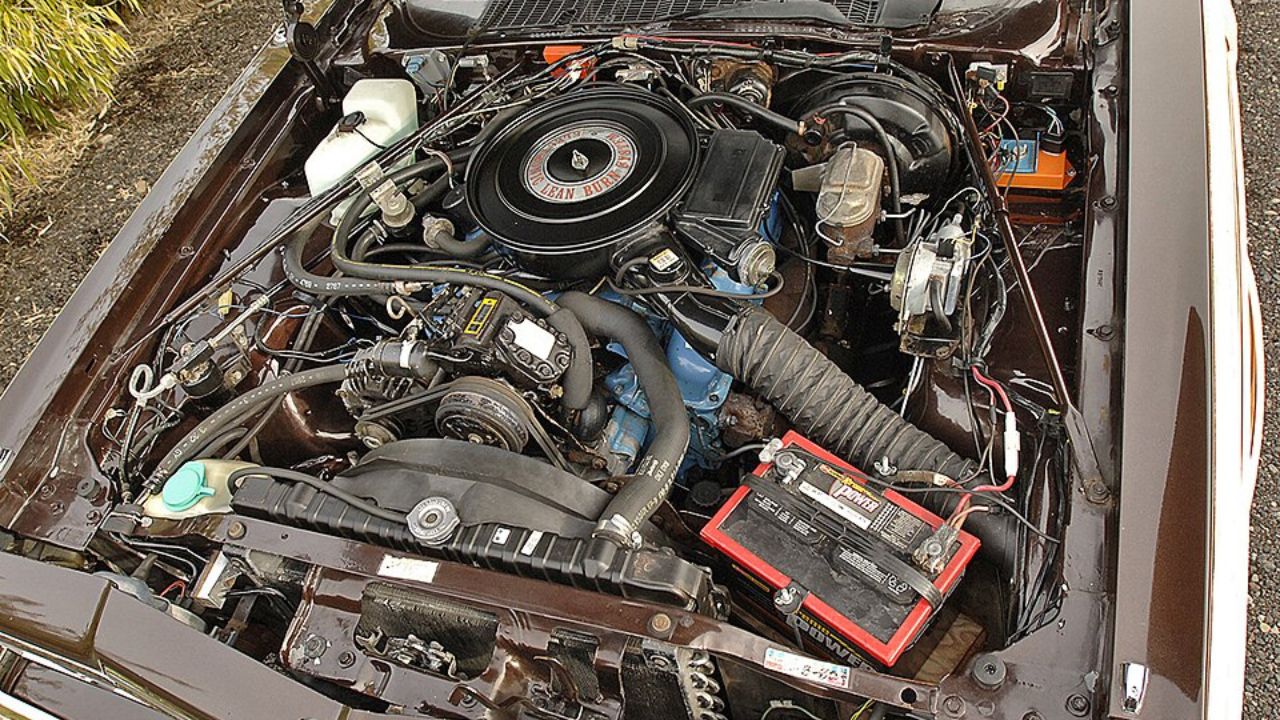
The Chrysler 318 earned its reputation through years of service in cars, trucks, vans, and other vehicles. It was not always the most glamorous engine in the lineup, but its dependable nature made it a favorite among people who valued longevity. The relatively simple small-block design could tolerate considerable mileage when maintained properly, and replacement parts were widely available. As vehicles reached the end of their lives, many 318 engines continued elsewhere. That ability to keep finding useful work helped give the engine an unusually long practical life.
Chevrolet 350 V8

Few engines have been installed in as many different applications as the Chevrolet 350. It became a staple in passenger cars, pickups, SUVs, vans, and performance vehicles, creating an enormous pool of compatible parts and knowledge. When one vehicle reached the end of the road, the engine could often become the beginning of another project. Its familiar design also made rebuilding relatively straightforward for experienced mechanics. That combination helped the 350 survive far beyond the service life of countless vehicles that originally carried it.
Ford 460 V8
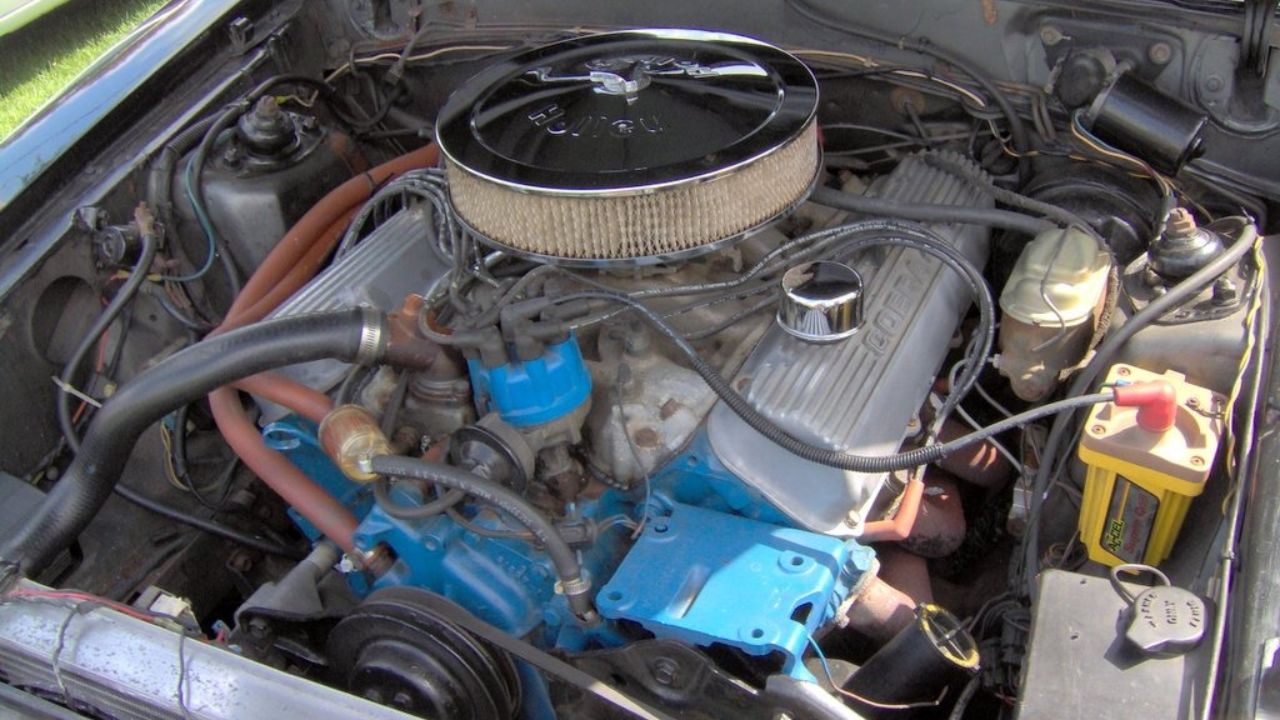
The Ford 460 developed a reputation as a serious workhorse, particularly in trucks and heavy-duty applications. Its large displacement produced the kind of torque owners valued for towing and hauling, while its traditional design made it familiar to generations of mechanics. Many 460s accumulated substantial mileage while doing demanding work, and good examples have continued to appear in older trucks and custom projects long after their original vehicles disappeared. Its size and simplicity also make it a memorable example of the era when big-displacement engines were common.
Pontiac 400 V8
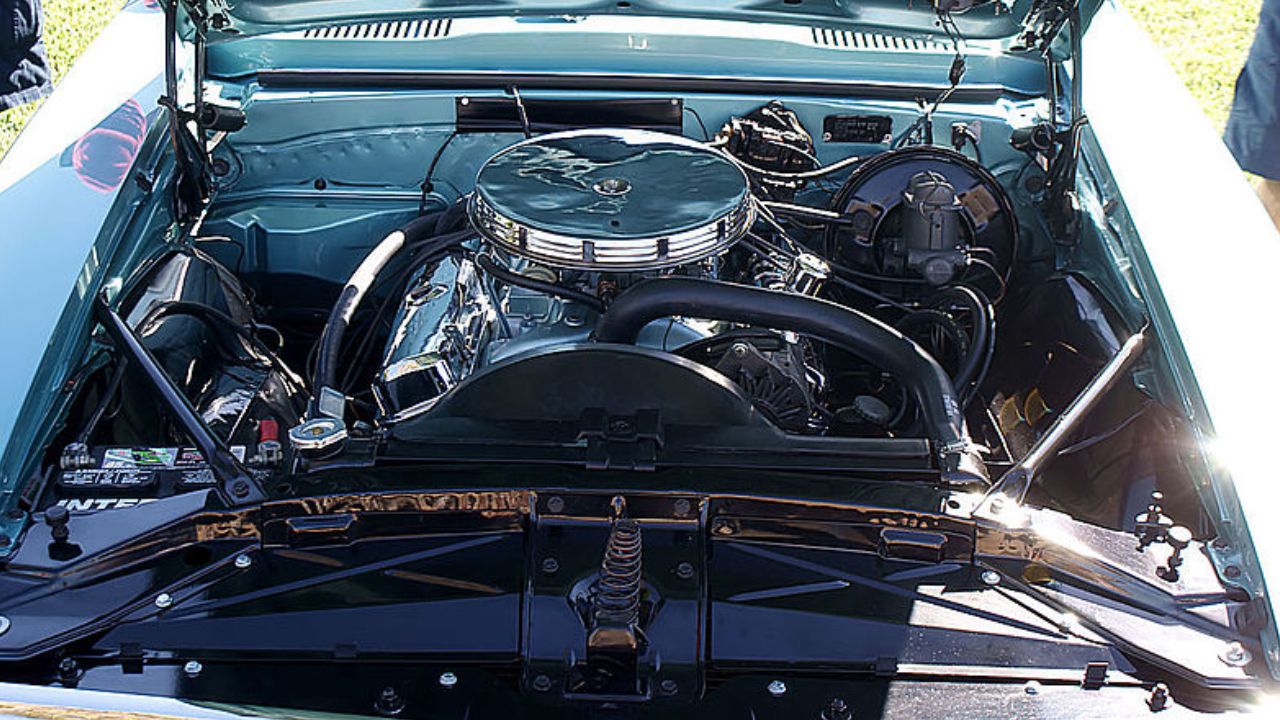
CC BY 2.0
The Pontiac 400 became closely associated with performance, but its story goes beyond muscle cars. The engine’s broad torque delivery and durable architecture made it useful in a wide range of Pontiac applications. A well-maintained example could remain serviceable for decades, and enthusiasts have frequently rebuilt these engines for restorations and performance projects. Because the original cars are becoming harder to find, surviving engines sometimes live on in other vehicles. That gives the Pontiac 400 an interesting second life beyond the cars that made it famous.
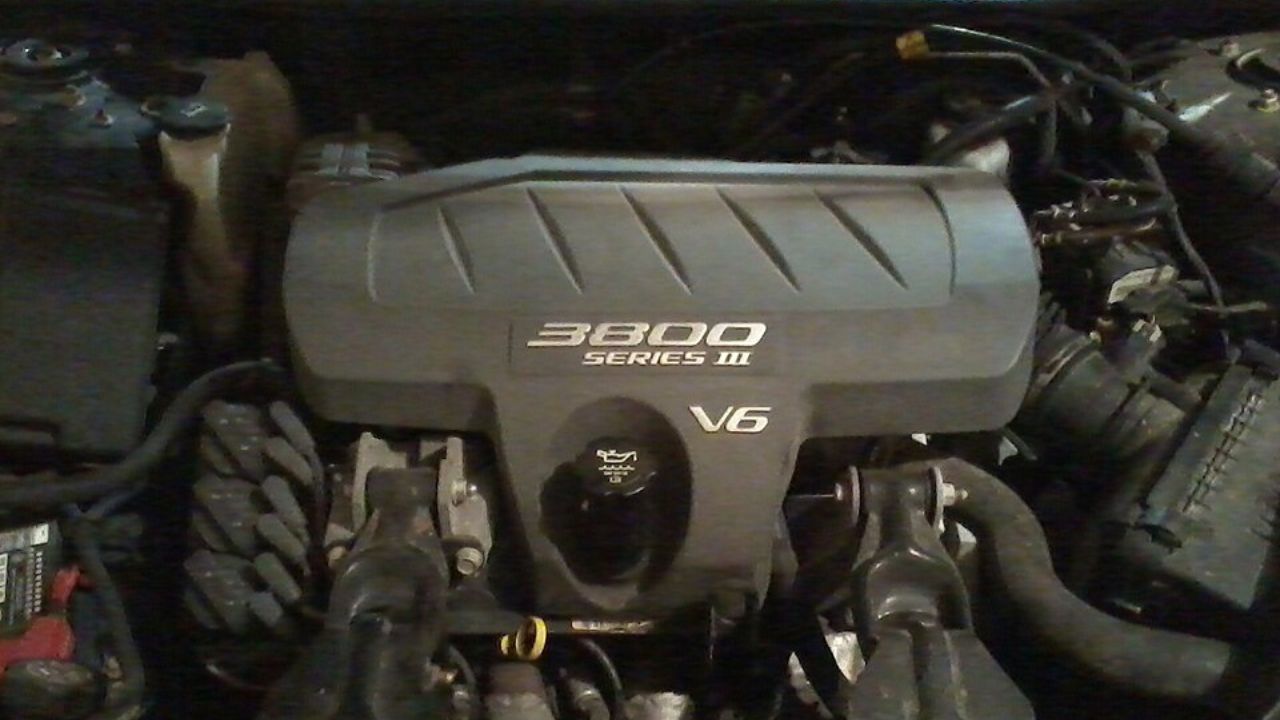
Buick 3800 V6
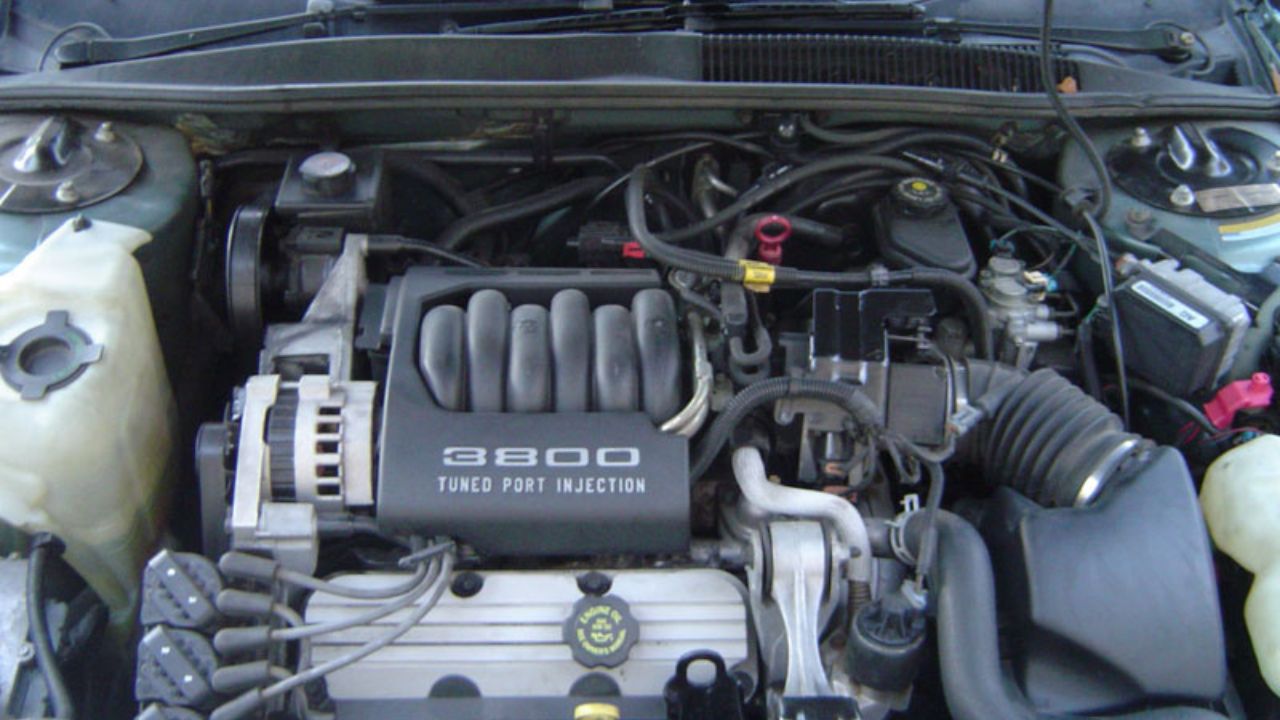
The Buick 3800 V6 was used across a huge range of General Motors vehicles, from family sedans to large personal cars. Its reputation for durability became one of its defining characteristics. Many accumulated high mileage while requiring relatively ordinary maintenance, and some engines continued running after the vehicles around them had developed serious problems. Because the 3800 appeared in so many models, replacement parts and mechanical knowledge became widely available. Its ability to keep working quietly for years helped make it one of GM’s most respected V6 engines.
Ford 4.6 Modular V8
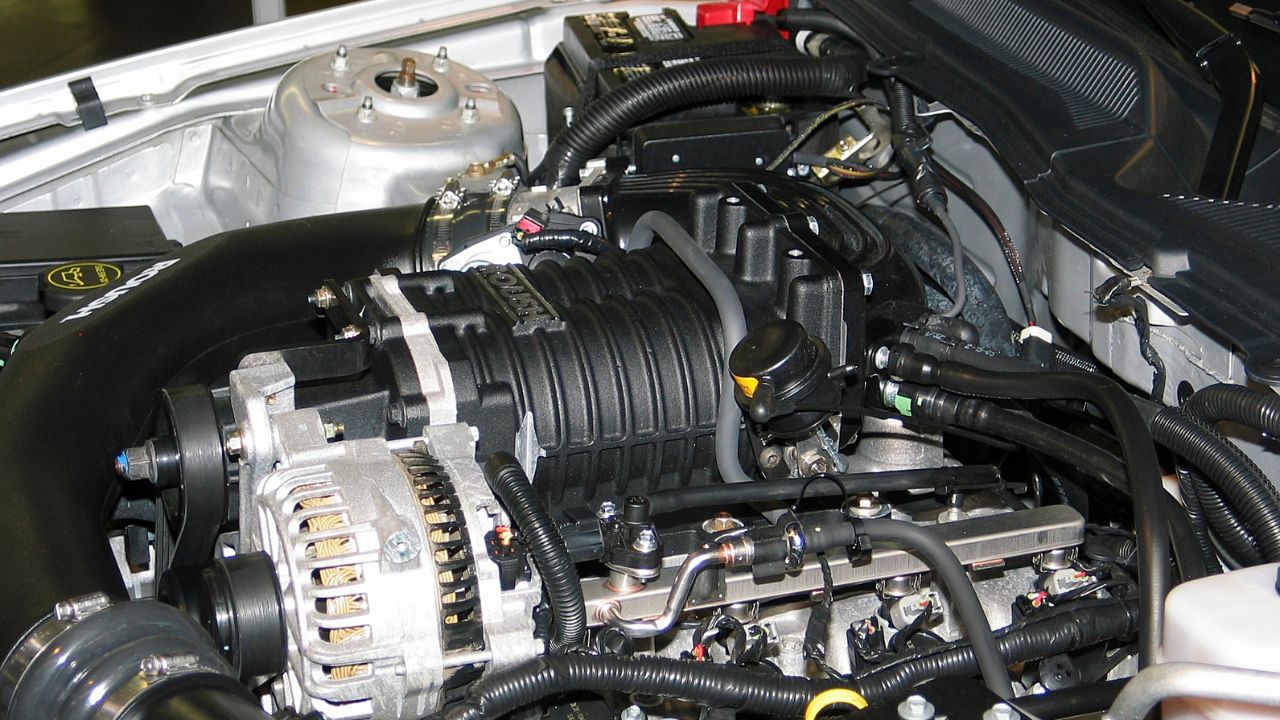
The Ford 4.6-liter Modular V8 powered an enormous variety of vehicles, including Mustangs, Crown Victorias, Town Cars, and trucks. Its widespread use meant that the engine became familiar to mechanics and enthusiasts across the country. Fleet vehicles in particular demonstrated how much service these engines could provide when maintained properly. Even when the original vehicle was retired, the engine could remain useful for another project. Its long production run also ensured that replacement parts and technical knowledge would remain easy to find.
Toyota 22R
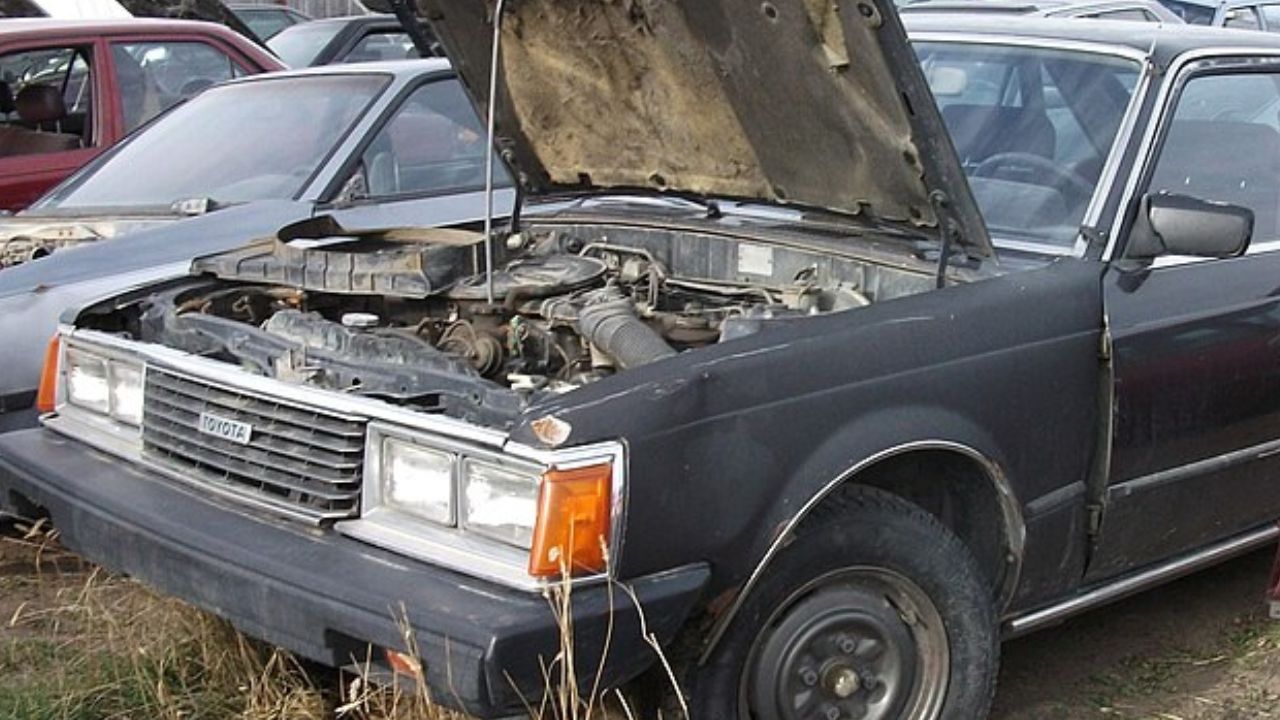
The Toyota 22R became almost synonymous with dependable compact pickups. Its straightforward construction and reputation for surviving demanding use made it a favorite among owners who kept their trucks for years. These engines often accumulated significant mileage while powering vehicles used for work, commuting, recreation, and off-road driving. When a truck finally became too rusty or damaged to save, the engine could still be worth keeping. That durability helped turn the 22R into one of Toyota’s most respected older gasoline engines.
Toyota 3RZ-FE
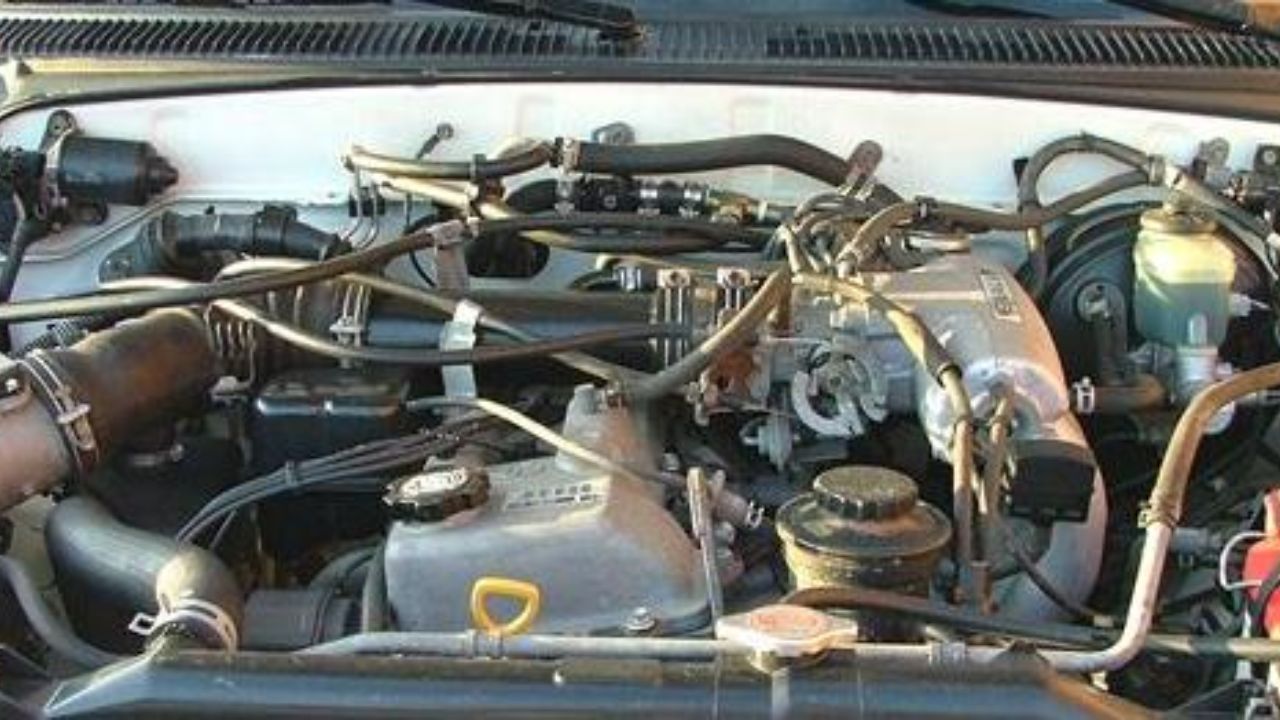
The Toyota 3RZ-FE powered pickups and SUVs during a period when simple four-cylinder engines were still common in utility vehicles. Its relatively uncomplicated design, strong low-end torque, and reputation for longevity made it a dependable choice. Owners often kept these engines running long after the rest of the vehicle began showing its age. The engine also became familiar to independent mechanics, making repairs and maintenance more manageable. For people who prefer proven mechanical designs, the 3RZ-FE remains an appealing example of Toyota’s durable truck-engine philosophy.
Honda D16
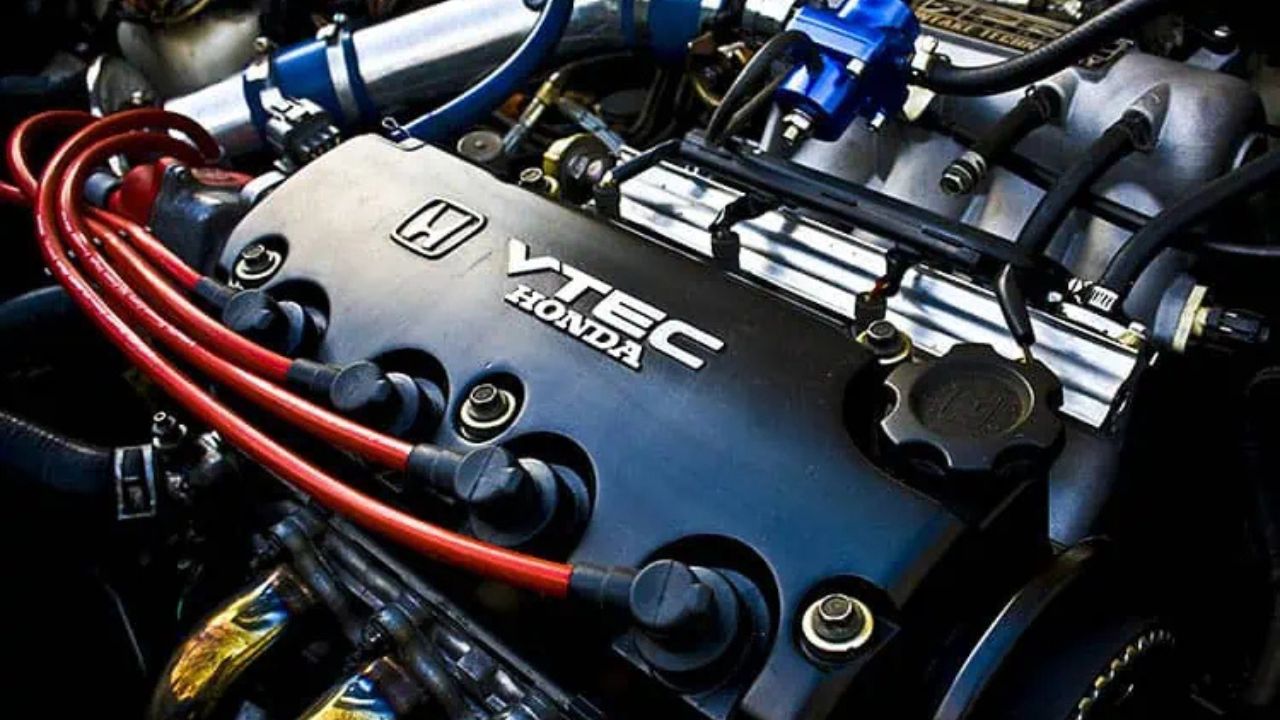
The Honda D16 appeared in several popular compact cars, giving it a large production footprint and a huge enthusiast community. Its modest size and relatively simple design made it easy to work on, while regular maintenance could help these engines remain useful for a very long time. When an older Honda reached the end of its life, the engine often still had value to another owner or project builder. The D16 therefore became an engine that could effectively move from one car to another instead of disappearing with its original vehicle.
Honda K20
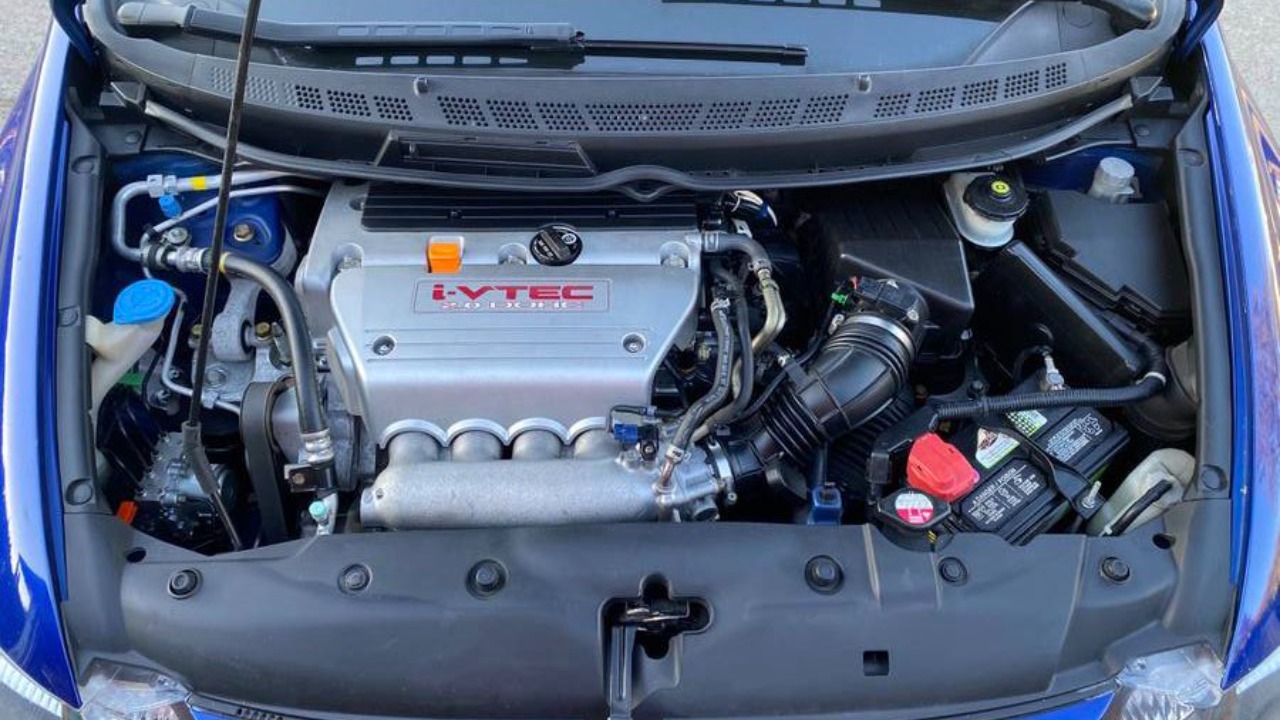
The Honda K20 became one of the company’s best-known four-cylinder engines because of its combination of performance potential and everyday usability. It appeared in multiple models and developed a strong reputation among enthusiasts. The engine’s broad aftermarket support also meant that rebuilding or adapting one was often practical. A vehicle might eventually be retired, but a healthy K20 could find another home in a different project. Its ability to serve both ordinary drivers and performance enthusiasts has helped keep the engine relevant long after many original cars have aged out.
Nissan KA24DE
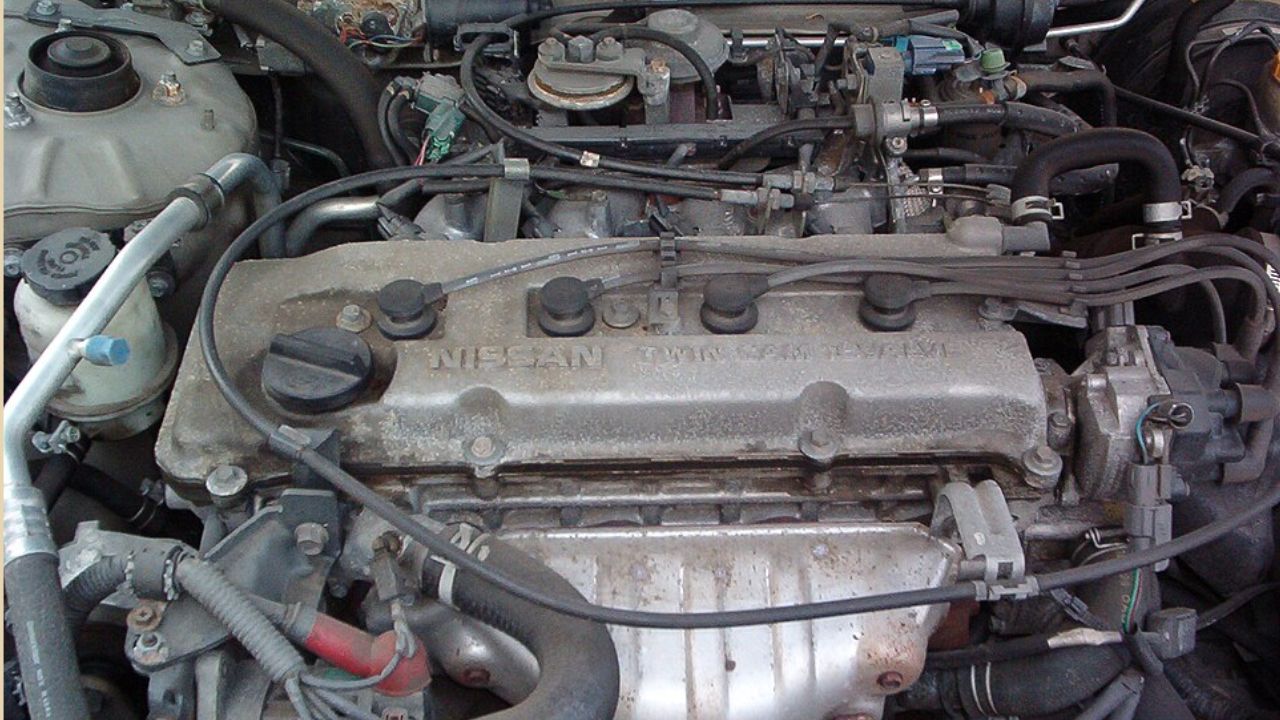
The KA24DE brought dual overhead cam technology to Nissan’s familiar 2.4-liter four-cylinder platform while retaining the practical character that made the engine family popular. It became particularly well known among enthusiasts because it was used in cars that attracted modification and motorsport attention. Even after an original vehicle was retired, the engine could remain desirable for another build. Its combination of displacement, durability, and widespread availability made it one of those engines that often had a life beyond the chassis it started in.
Volvo B21
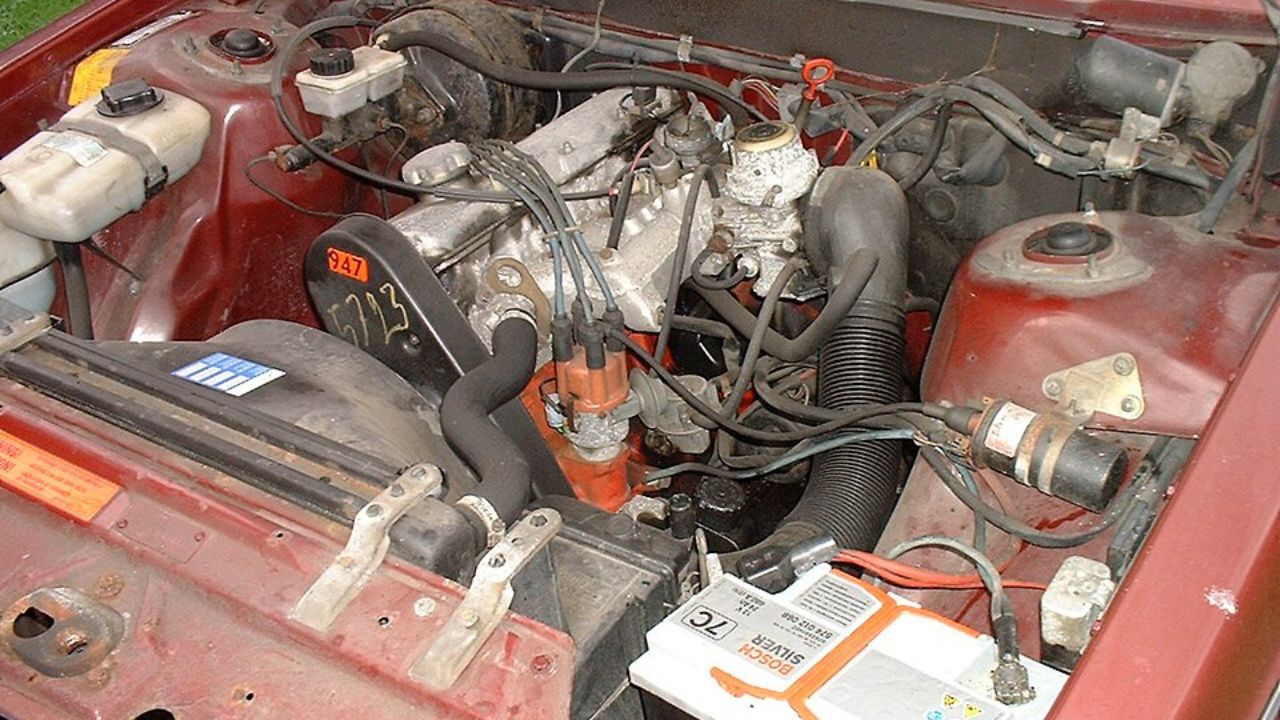
The Volvo B21 became part of the mechanical foundation behind the company’s reputation for building long-lasting cars. Its rugged construction and relatively straightforward design suited the boxy Volvo models of its era. Owners who kept these cars for decades often learned that the engine could remain healthy even when other components needed attention. Because Volvo vehicles were frequently maintained for unusually long periods, many B21 engines accumulated impressive service lives. Some ultimately survived the cars themselves through restorations, replacements, and enthusiast projects.
More from Fast Lane Only
- Unboxing the WWII Jeep in a Crate
- 15 rare Chevys collectors are quietly buying
- 10 underrated V8s still worth hunting down
- Police notice this before you even roll window down
*Research for this article included AI assistance, with all final content reviewed by human editors.