If you are shopping for a new SUV, hearing that some owners say they would never buy their model again should make you pause. Owner satisfaction, reliability scores, and resale data all point to a handful of SUVs that look tempting on paper but disappoint in daily life. Here are 12 specific SUVs that frustrated drivers enough to swear off a repeat purchase.
Kia Seltos

The Kia Seltos often lures you in with its relatively low entry price, with an MSRP listed at $23,690, and splashy marketing that makes it look like a budget-friendly adventure rig. Yet owners who expected a refined, trouble-free commuter frequently report that the cabin feels cheaper than rivals and that road noise becomes tiring on longer drives. Some also complain that the base engine feels underpowered when merging or climbing hills, especially once the SUV is loaded with passengers and gear.
Those frustrations help explain why the Seltos appears on lists of SUVs that owners say they would never buy again, even when they appreciate the styling and tech features. When you factor in that other compact SUVs deliver smoother powertrains and more comfortable rides for similar money, the Seltos starts to look like a compromise you may regret. If you are sensitive to noise, ride quality, or sluggish acceleration, this is one small SUV you should test-drive very carefully before signing anything.
Jeep Grand Cherokee PHEV (4xe)
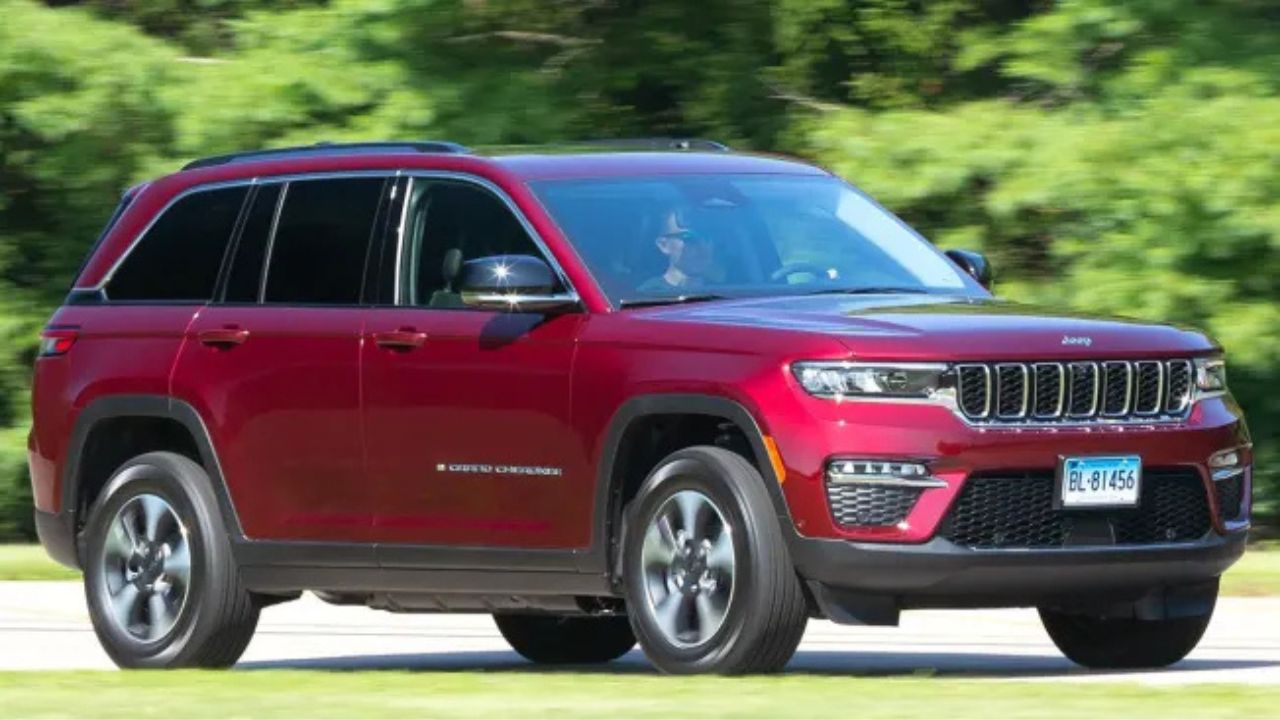
The Jeep Grand Cherokee PHEV, often badged as the 4xe, promises the best of both worlds, with electric commuting and traditional SUV capability. However, Critics point out that this SUV can have disappointing real-world fuel economy once the battery is depleted, undermining the plug-in pitch. Owners who expected big savings at the pump sometimes discover that, on longer highway trips, it behaves more like a thirsty traditional SUV than a cutting-edge hybrid.
On top of that, the added complexity of the plug-in system raises concerns about long-term reliability and repair costs once the warranty expires. If you are drawn to the Grand Cherokee PHEV for its electric range, you need to weigh those benefits against the possibility of higher maintenance and the risk that your fuel savings will not match the brochure. For many drivers, that mismatch between expectations and reality is enough to say they would not choose this version again.
Chevrolet Tahoe

The Chevrolet Tahoe is a household name in full-size SUVs, but some recent buyers feel it trades too heavily on its reputation. One detailed critique labels the Chevrolet Tahoe a “Massive Disappointment,” arguing that The Chevrolet Tahoe is among the most overrated SUVs out there when you compare price to overall refinement. Shoppers expecting a plush, near-luxury experience sometimes encounter a stiff ride, clunky interior ergonomics, and fuel bills that feel out of step with the performance.
That criticism stings more when you consider that other large SUVs are praised for long-term durability, with one analysis noting that aftermarket support for a Tahoe is so extensive you could practically build one from junkyard parts. The gap between that rugged image and the perception of current models as overpriced and underwhelming leaves some owners feeling misled. If you want a big family hauler, you may find better value and comfort elsewhere, which is why a number of Tahoe drivers say they would not repeat the purchase.
Land Rover Discovery
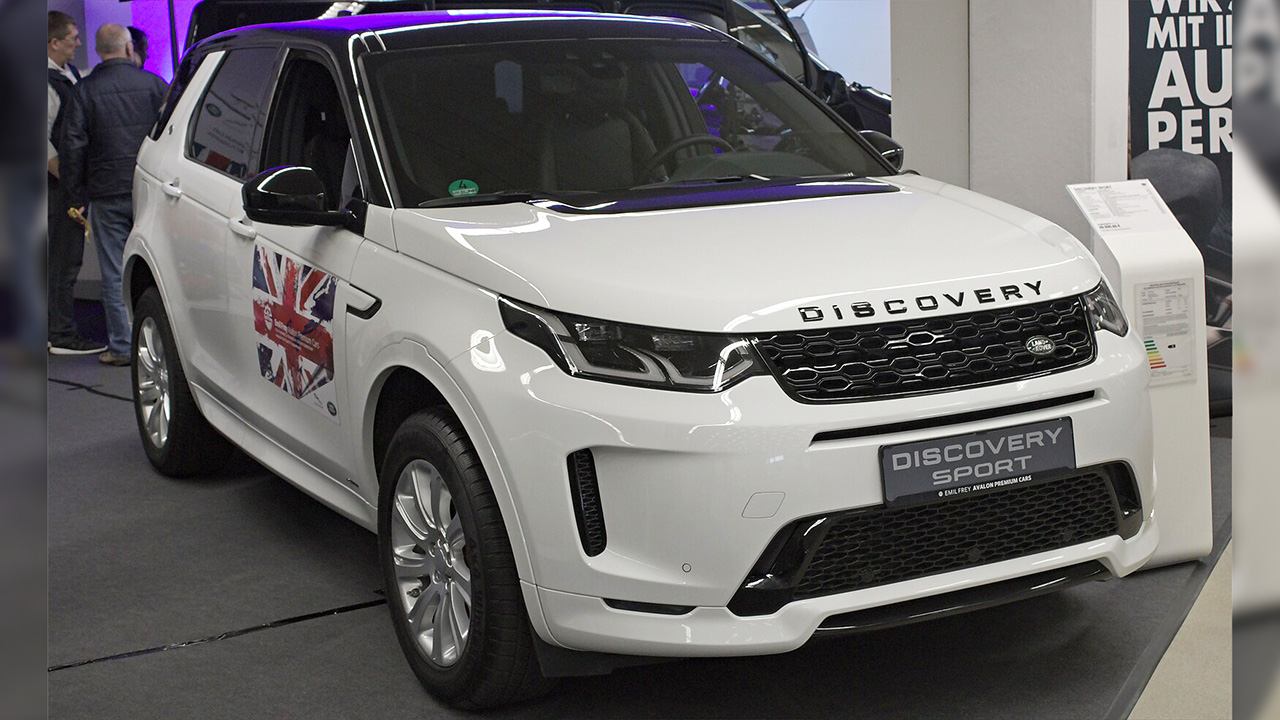
The Land Rover Discovery has long sold you on its blend of luxury and off-road credibility, but ownership data tells a more sobering story. One study found that the Land Rover Discovery has an early resale rate of 13.6%, meaning a significant share of buyers get rid of it within the first year. That kind of churn usually signals deep dissatisfaction, whether from reliability headaches, running costs, or a driving experience that does not match the price tag.
Owners often cite frequent service visits, complex electronics, and steep depreciation as reasons they would never buy another Discovery. When a premium SUV loses value quickly and spends too much time in the shop, it can feel like you are paying luxury money for economy-level peace of mind. If you are tempted by its badge and capability, you should factor in that high 13.6% early resale rate as a warning that many drivers have already decided once was enough.
Lincoln Navigator L
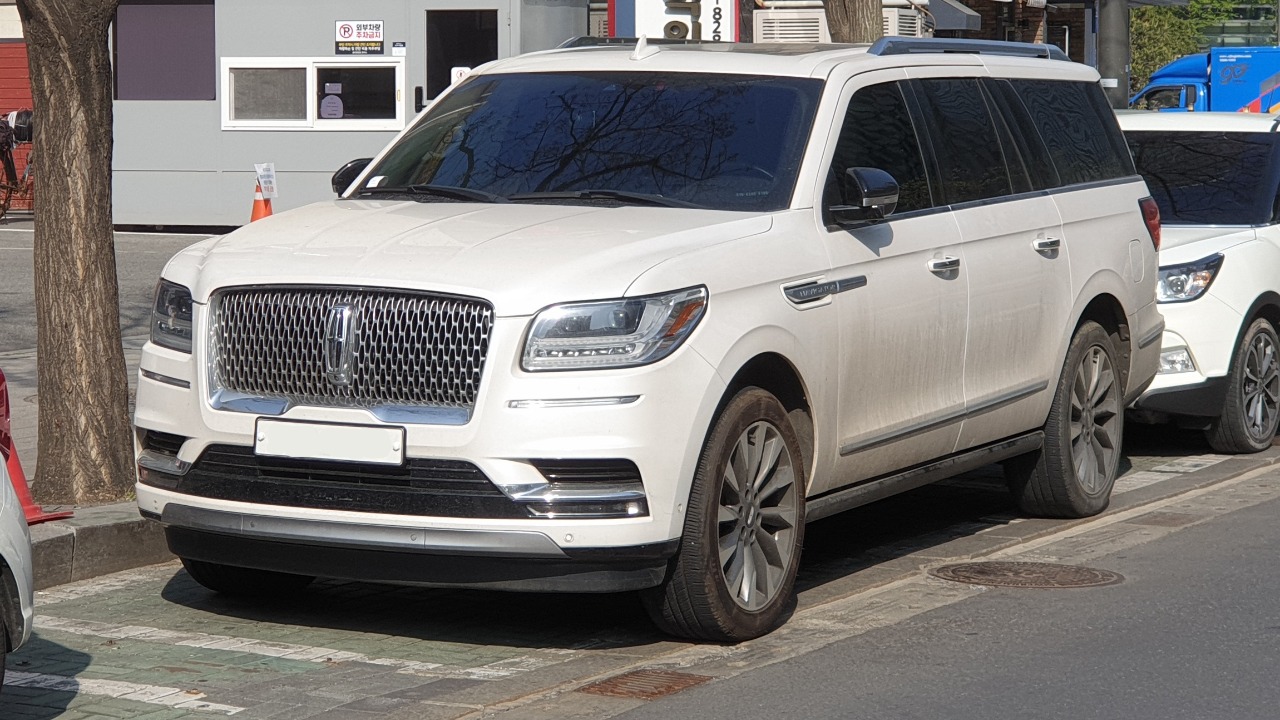
The Lincoln Navigator L aims to be a flagship luxury SUV, but its financial performance for owners can be brutal. An analysis of Of The Worst Depreciating models reports that the Lincoln Navigator L loses around 60.3% of its value, a staggering hit if you buy new. That 60.3% figure means a six-figure SUV can shed tens of thousands of dollars in a few years, leaving you deeply underwater if you need to sell or trade early.
Even if you love the cushy ride and high-end interior, watching your investment evaporate that quickly can sour the ownership experience. Some buyers who stretched their budgets for a Lincoln Navigator find that the combination of high purchase price, expensive maintenance, and extreme depreciation makes them swear off another one. If you care about long-term value, this is a case where leasing or choosing a more stable brand might save you from serious regret.
Mazda CX-70 Plug-in Hybrid

The Mazda CX-70 Plug-in Hybrid tries to blend sporty driving with electrified efficiency, but owner satisfaction numbers tell a different story. In one ranking of vehicles that drivers regret, the Mazda CX 70 Plug Hybrid appears in seventh place, with 42% of owners saying they would not buy it again. That 42% figure is strikingly high for a new SUV, suggesting that the compromises of this powertrain are more obvious in daily use than on a quick test drive.
Complaints often center on real-world fuel economy that falls short of expectations, a sometimes abrupt transition between electric and gas power, and a ride that feels firmer than many family buyers want. When nearly half of surveyed owners say they would not repeat the purchase, it is a clear signal that you should approach the CX-70 Plug-in Hybrid with caution. For you, that might mean cross-shopping non-hybrid versions or rival plug-in SUVs with better satisfaction scores.
Volkswagen Taos

The Volkswagen Taos looks like an ideal small SUV on paper, with tidy dimensions and European-flavored styling, but reliability concerns have piled up quickly. One mechanic-focused review notes that another outlet named Taos the second-least reliable vehicle for 2024, and adds that Winter conditions can expose additional weaknesses. When a relatively new model earns that kind of reputation so early, it raises red flags for anyone planning to keep their SUV beyond the warranty period.
Owners report issues ranging from drivetrain glitches to finicky electronics, which can be especially frustrating in cold climates where you rely on your vehicle every day. If you are counting on a small SUV as your primary family car, the prospect of repeated service visits and uncertain long-term durability is a serious drawback. Those headaches explain why some Taos drivers say they would never buy the model again, even if they like how it looks and drives when everything is working.
Nissan Kicks
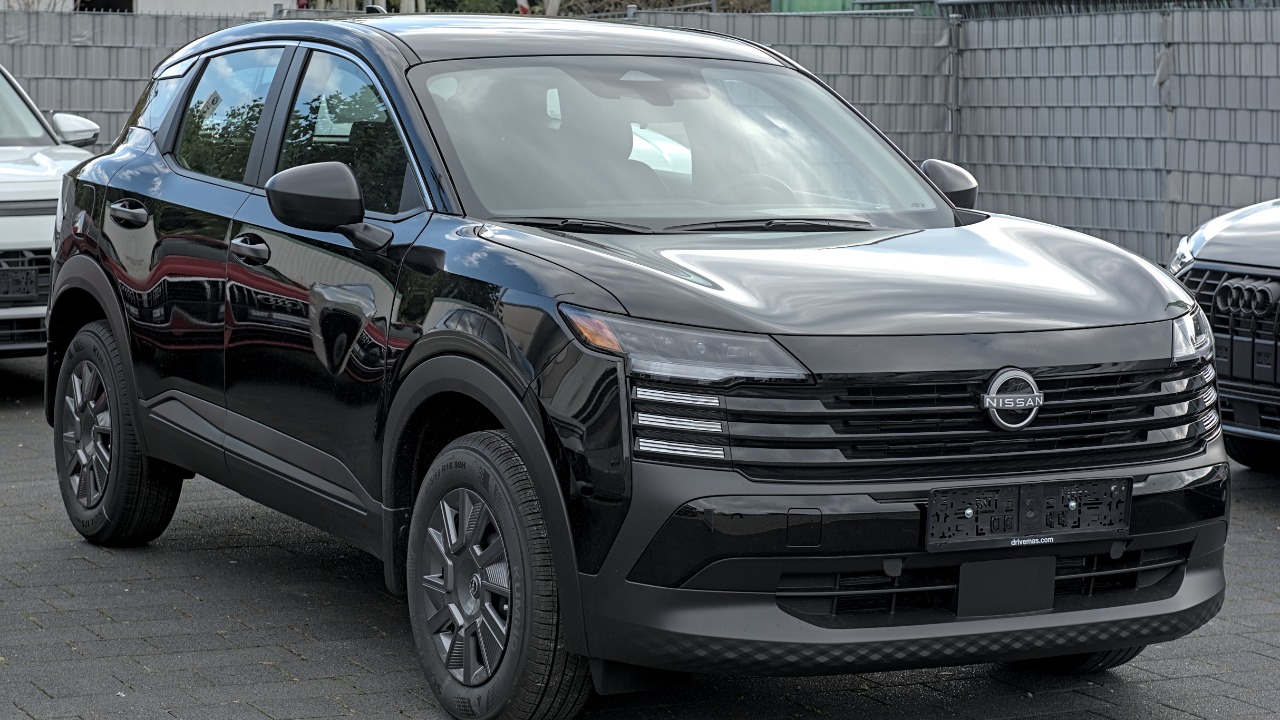
The Nissan Kicks is marketed as an affordable, city-friendly crossover, but owner feedback has been mixed at best. One roundup of SUVs that buyers regret highlights that Nissan Kicks owners have complained about underwhelming performance and a noisy cabin, which can make daily commuting feel more tiring than it should. The modest engine struggles when you need quick acceleration, and the continuously variable transmission can drone at highway speeds.
Beyond the driving experience, some drivers feel the interior materials and sound insulation do not match what rivals offer at similar prices. When you add in limited all-wheel-drive availability and a small cargo area, the Kicks starts to look less like a bargain and more like a compromise. Those trade-offs have led a number of owners to say they would not choose the Kicks again, especially after sampling more refined subcompact SUVs.
Ford Explorer

The Ford Explorer is one of the most recognizable SUVs on the road, yet complaint data suggests many owners are far from thrilled. In a table of Cars with the most complaints, the Explorer appears with 11,037 recorded issues, a huge number for a single Make and Model. That volume of Complaints covers everything from transmission problems to electrical gremlins, eroding trust in what should be a dependable family hauler.
When you are juggling school runs, road trips, and daily commuting, repeated mechanical or software issues can quickly turn affection into frustration. High complaint counts do not automatically mean every Explorer will be trouble, but they do show a pattern that many owners have already lived through. For you as a shopper, that history is a strong reason to dig into reliability records and consider alternatives before committing to this Ford SUV.
Chevrolet Colorado-based SUVs
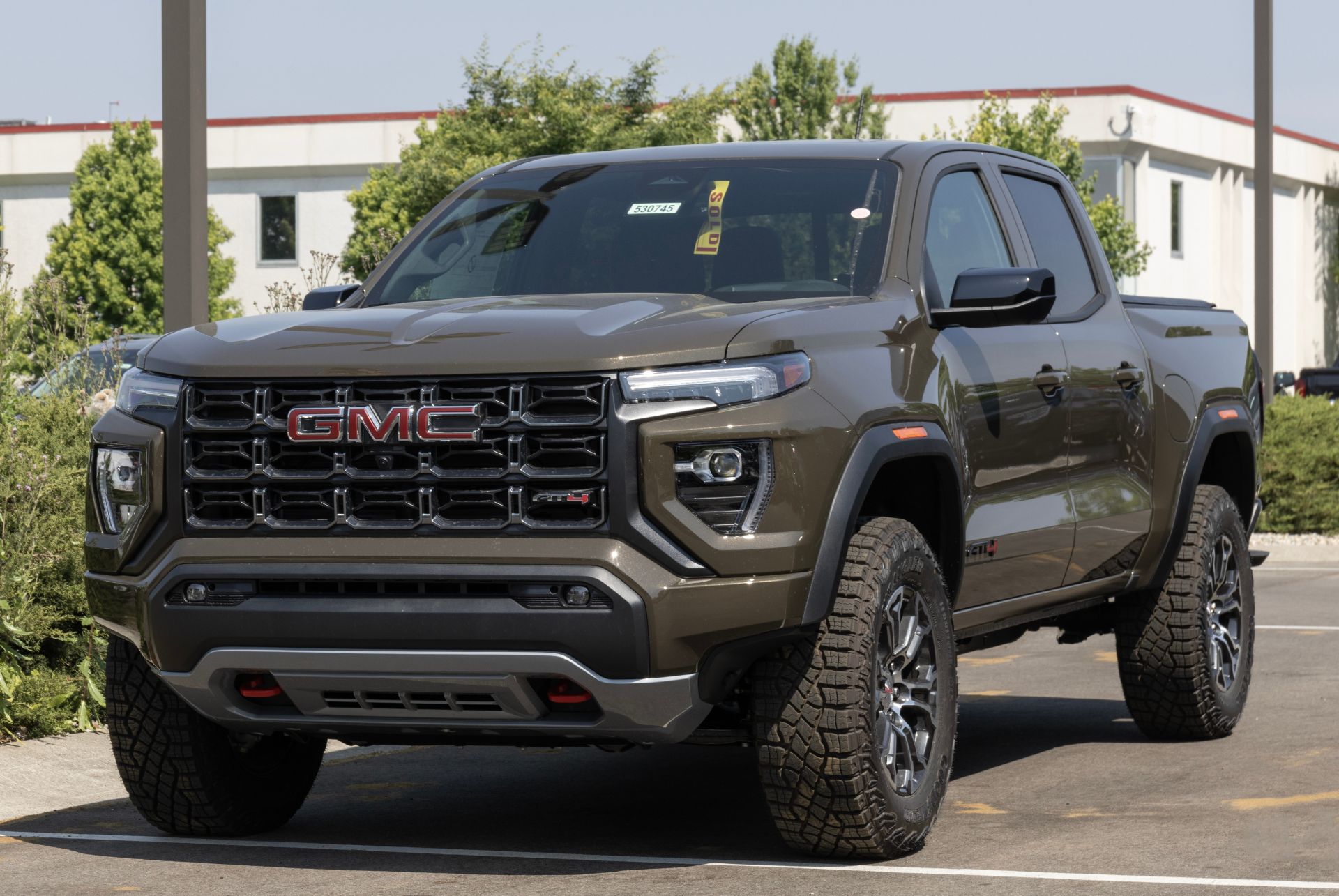
Some SUVs that share underpinnings with the Chevrolet Colorado and the GMC Canyon have raised concerns about early reliability. Guidance from one reliability-focused analysis explicitly warns drivers, “Don’t Be First on the Block,” especially with new or heavily redesigned models like the Colorado and the GMC Canyon. That advice reflects a pattern where early production years can suffer from teething problems that only show up after thousands of owners put real miles on their trucks and related SUVs.
If you buy an SUV closely tied to these platforms in its first model years, you may end up acting as an unpaid beta tester, dealing with recalls and software updates. For many drivers, that experience is frustrating enough that they vow never to repeat it, even if later model years improve. Waiting a couple of years before jumping into a fresh design can spare you those headaches and give reliability ratings time to catch up with reality.
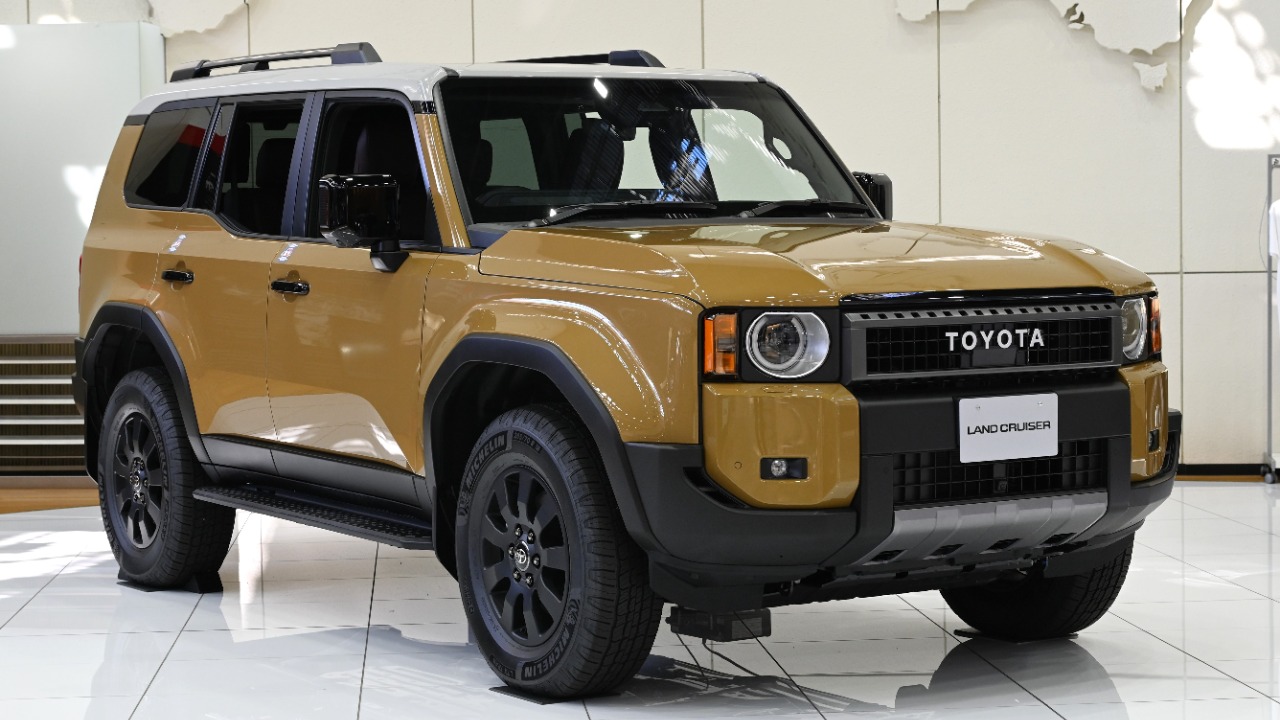
Toyota RAV4 Prime (PHEV)
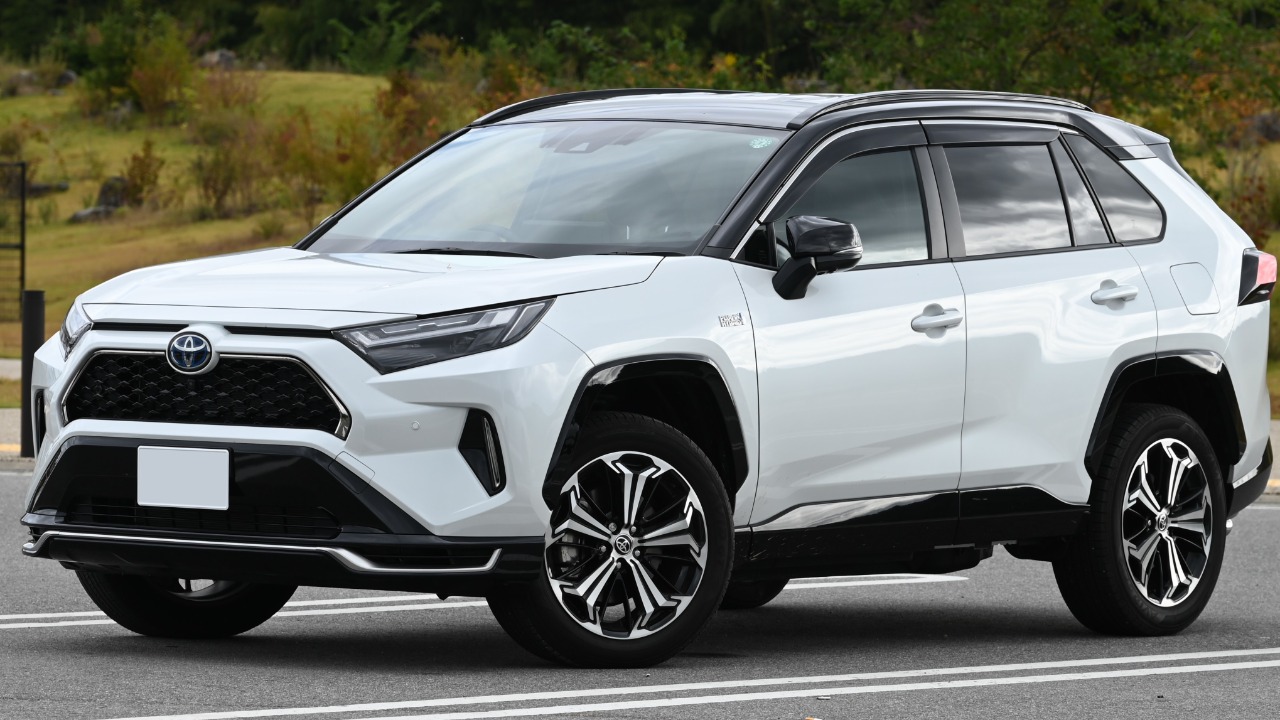
The Toyota RAV4 Prime, a PHEV variant of the popular RAV4, earns strong reliability scores, yet some owners still walk away disappointed. In one list of the most and least reliable vehicles, the Toyota RAV4 is scored at 86, while the Toyota Corolla and the Toyota RAV4 PHEV are both rated 84. Those 86 and 84 scores show that, on paper, the RAV4 Prime is solid, but they do not capture every owner’s expectations about plug-in performance and value.
Some drivers discover that charging access, higher upfront pricing, and complex incentives make the PHEV ownership experience more stressful than they anticipated. Others find that the gas-only RAV4 delivers enough efficiency without the added complexity of a plug-in system. For those buyers, the gap between the promise of cutting-edge tech and the reality of daily charging routines leads them to say they would not choose the RAV4 Prime again, even while acknowledging its strong reliability numbers.
Low-satisfaction SUV brands

Beyond individual models, some SUV brands consistently leave owners underwhelmed, which can turn you off their entire lineup. Brand-level surveys of owner satisfaction and reliability show clear gaps between the most and least liked carmakers. When a brand clusters near the bottom for both metrics, its SUVs are more likely to generate the kind of frustration that makes drivers swear they will never buy from that badge again.
Those patterns matter because they highlight systemic issues, such as poor dealer support, confusing infotainment systems, or chronic mechanical weaknesses that cut across multiple SUVs. If you see a brand repeatedly scoring low in both reliability and satisfaction, it is a sign that even its newest SUVs may struggle to deliver a stress-free ownership experience. For you, paying attention to those brand-wide trends can help you avoid not just one regrettable SUV, but an entire family of vehicles you would rather never buy again.
More from Fast Lane Only