Honest vehicles don’t need flashy styling, endless technology, or exaggerated performance claims to earn respect. They simply do what they were designed to do, whether that’s hauling a load, carrying a family, or making every drive enjoyable. Many vintage vehicles embraced that philosophy, prioritizing durability, practical engineering, and straightforward design over gimmicks. Decades later, they continue to resonate with enthusiasts because they feel authentic in a way that’s becoming increasingly rare.
1978 Ford Fairmont
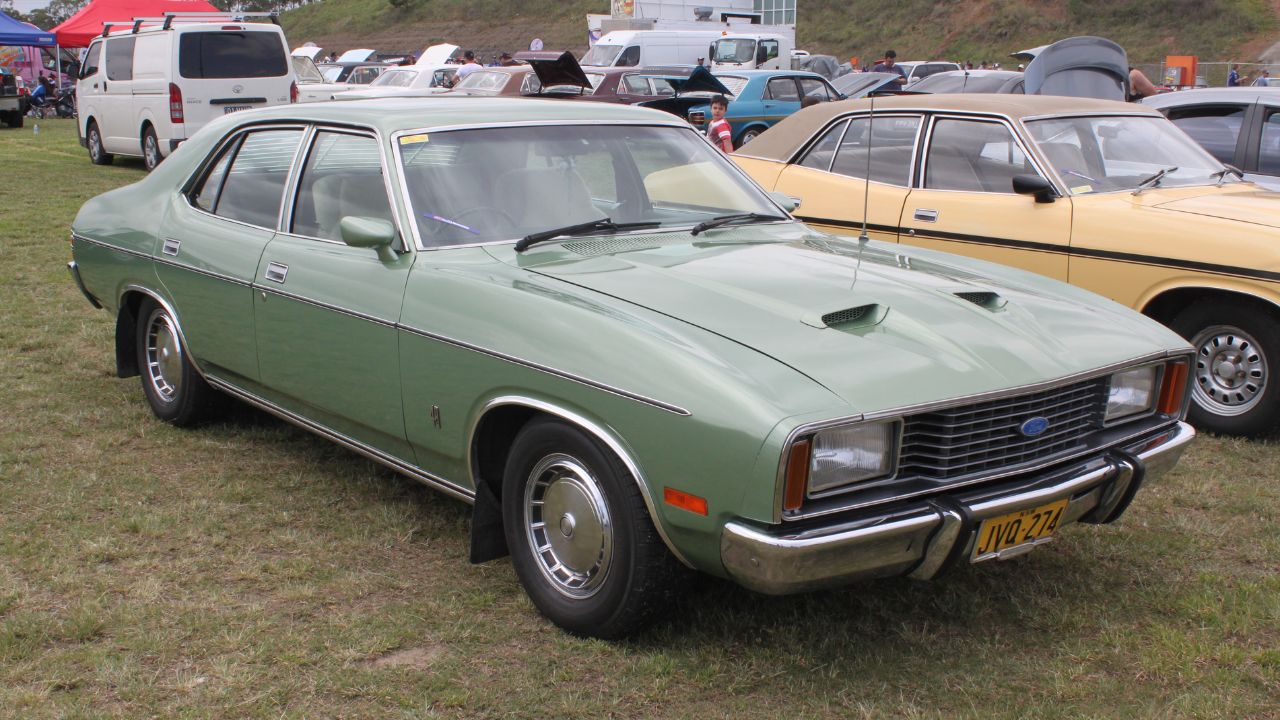
The Ford Fairmont arrived with a practical mission and fulfilled it exceptionally well. Built on the groundbreaking Fox platform, it offered dependable transportation, efficient packaging, and a roomy interior without unnecessary complexity. Buyers appreciated its straightforward controls and easy-to-service mechanicals, while enthusiasts later discovered its lightweight chassis made an excellent foundation for performance builds. The Fairmont never tried to be anything it wasn’t, and that honesty has helped it earn greater appreciation with time.
1969 Saab 99
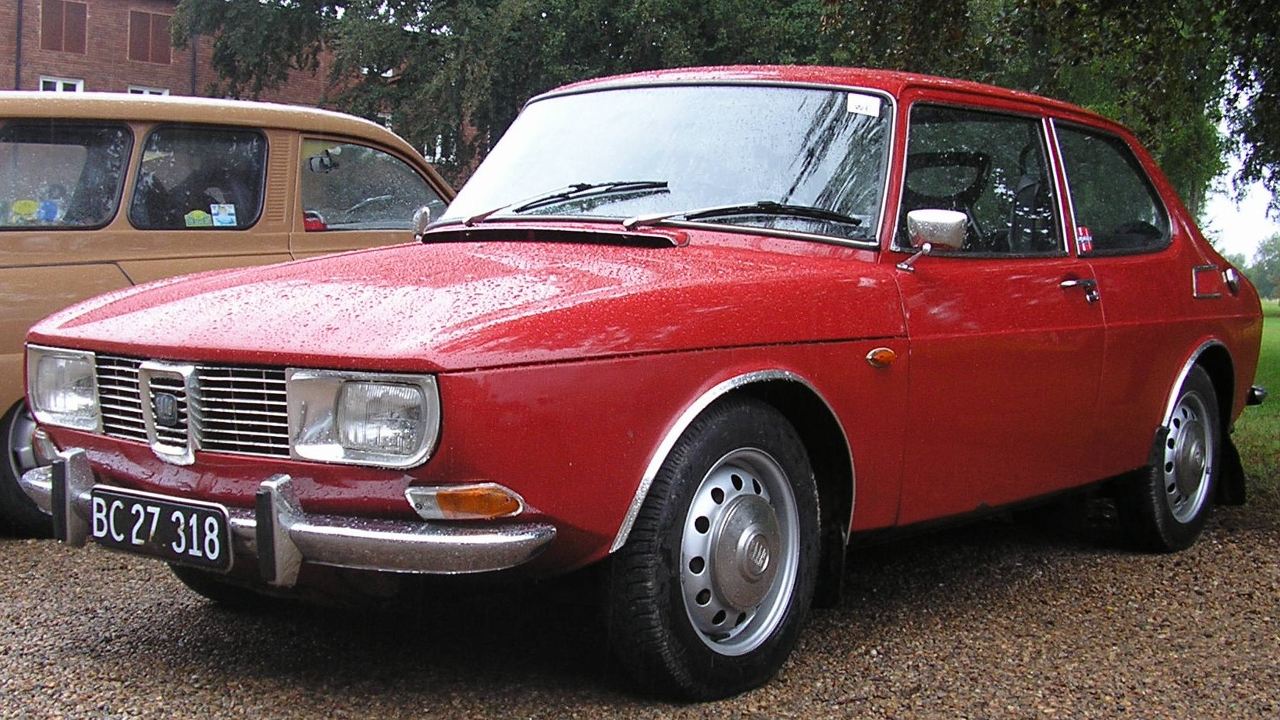
The Saab 99 reflected a philosophy centered on thoughtful engineering rather than marketing hype. Every feature served a purpose, from the supportive seats and excellent visibility to the front-wheel-drive layout that inspired confidence in poor weather. Saab prioritized safety, durability, and driver comfort long before those qualities became industry buzzwords. The result was a sedan that still feels remarkably genuine, proving that practical innovation can create lasting appeal without relying on unnecessary complexity.
1974 Toyota Hilux

Long before it became famous worldwide for its durability, the Toyota Hilux earned its reputation through dependable performance and simple engineering. Its rugged chassis, reliable four-cylinder engine, and easy maintenance made it a trusted companion for farmers, tradespeople, and adventurers alike. The Hilux wasn’t built to impress with luxury features—it was built to work every day, often in demanding conditions. That unwavering focus on reliability continues to define its legacy.
1970 Buick Riviera
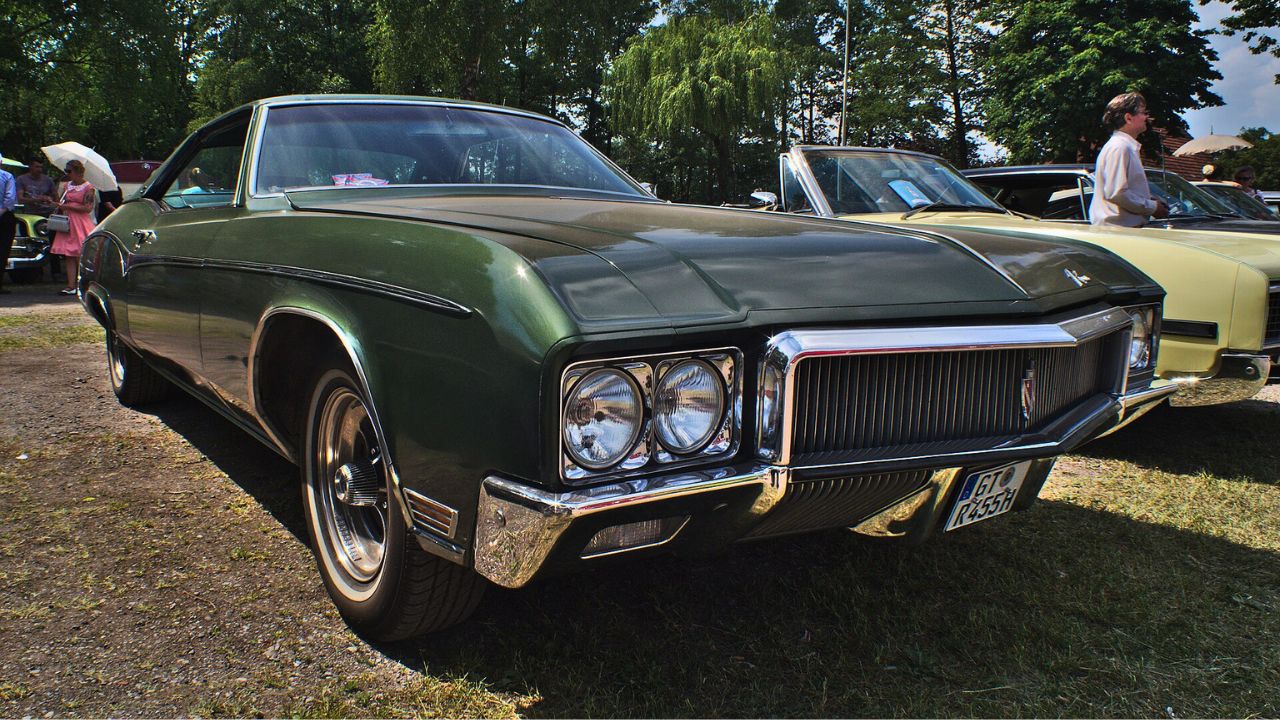
The Buick Riviera demonstrated that luxury could be elegant without becoming excessive. Its smooth 455-cubic-inch V8, graceful styling, and comfortable interior were designed to make long-distance travel enjoyable rather than overwhelming occupants with unnecessary features. Every element worked together to create a refined grand touring coupe that emphasized craftsmanship and driving comfort. Even today, the Riviera feels authentic because it delivers exactly what it promises without trying to be anything else.
1984 Dodge Rampage

The Dodge Rampage never pretended to replace a heavy-duty pickup, and that’s exactly what made it successful in its own way. Built on a front-wheel-drive passenger-car platform, it offered comfortable handling and a practical cargo bed for homeowners, commuters, and weekend projects. Its compact dimensions made it easy to live with, while its straightforward mechanical design kept maintenance simple. The Rampage solved everyday problems with practicality instead of unnecessary complexity.
1971 Volkswagen K70
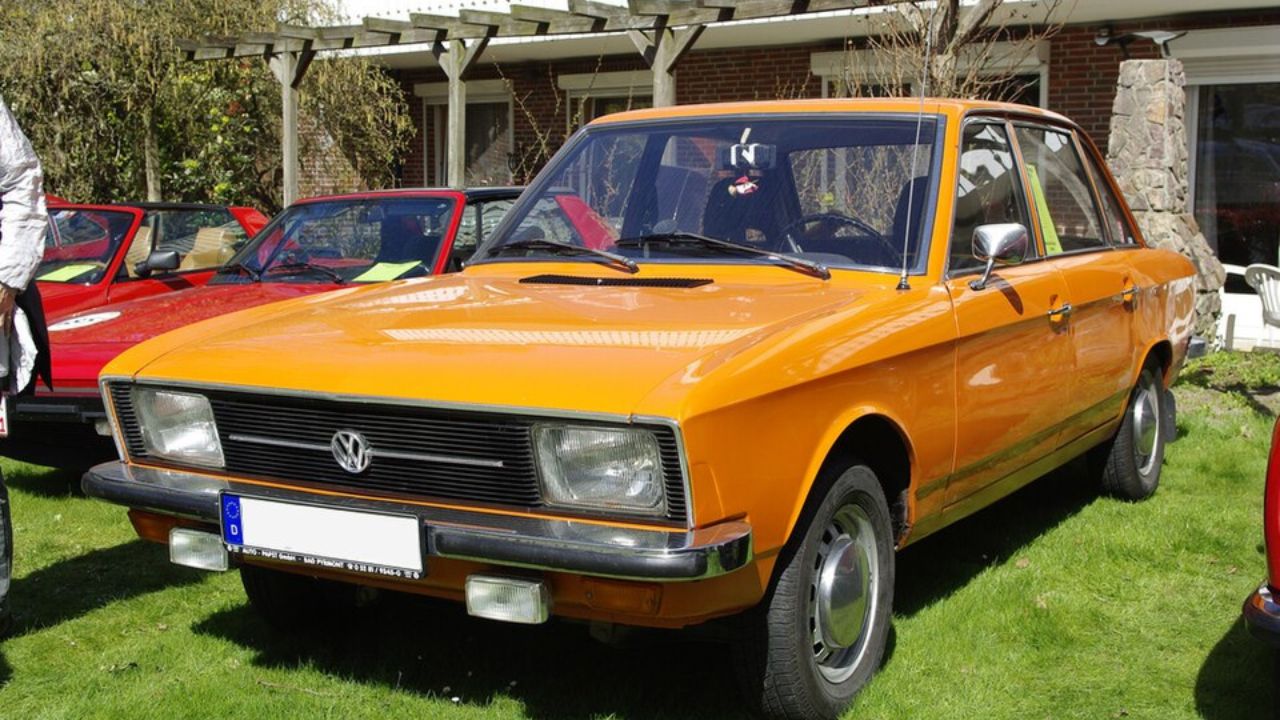
The Volkswagen K70 marked a bold departure from the company’s traditional engineering, but its priorities remained refreshingly practical. The front-mounted water-cooled engine improved cabin space and heating, while front-wheel drive enhanced everyday usability. Its uncluttered dashboard, spacious interior, and sensible design reflected an emphasis on function over fashion. Although it was overshadowed by other Volkswagen models, the K70 quietly demonstrated how honest engineering can shape an automaker’s future.
1969 Ford XL
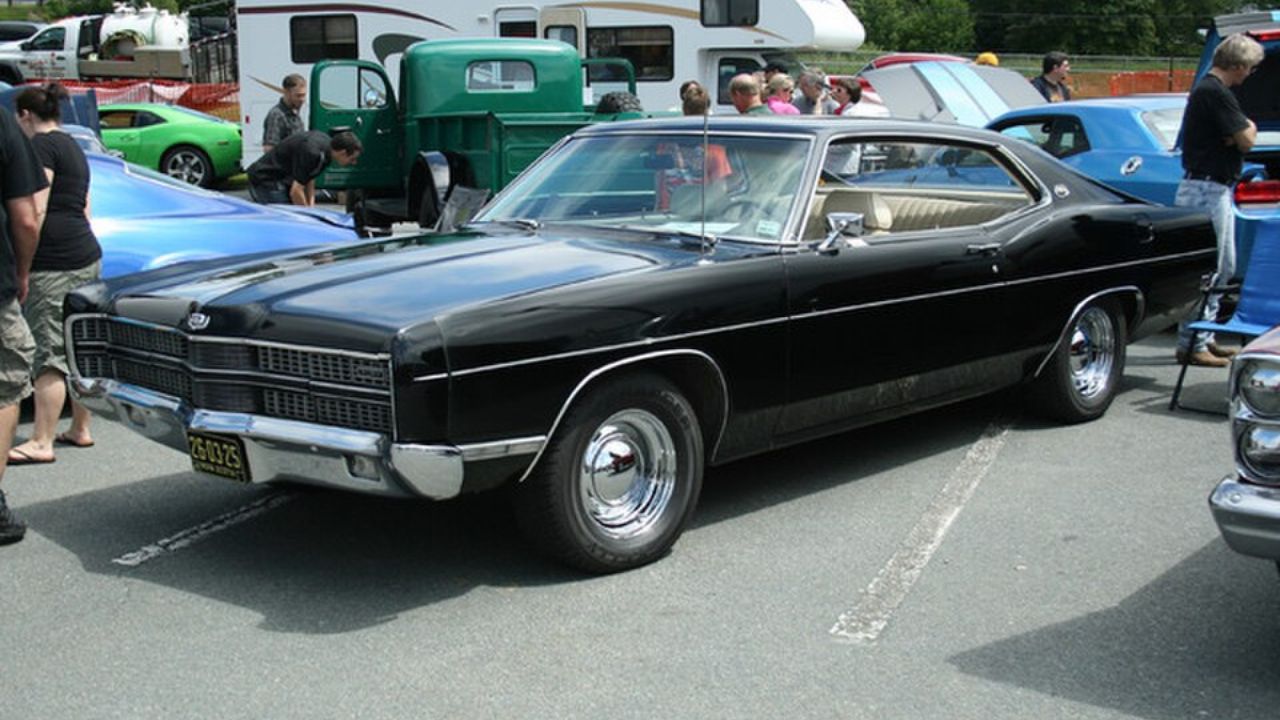
The Ford XL blended full-size comfort with dependable V8 performance in a package that avoided unnecessary drama. Whether equipped with the 390 or the mighty 428 Cobra Jet, it delivered effortless power while maintaining a smooth, composed ride. Its spacious cabin and understated styling appealed to buyers who valued substance over flash. The XL remains a reminder that confidence doesn’t always need bold graphics or loud styling to leave a lasting impression.
Chevrolet Cosworth Vega
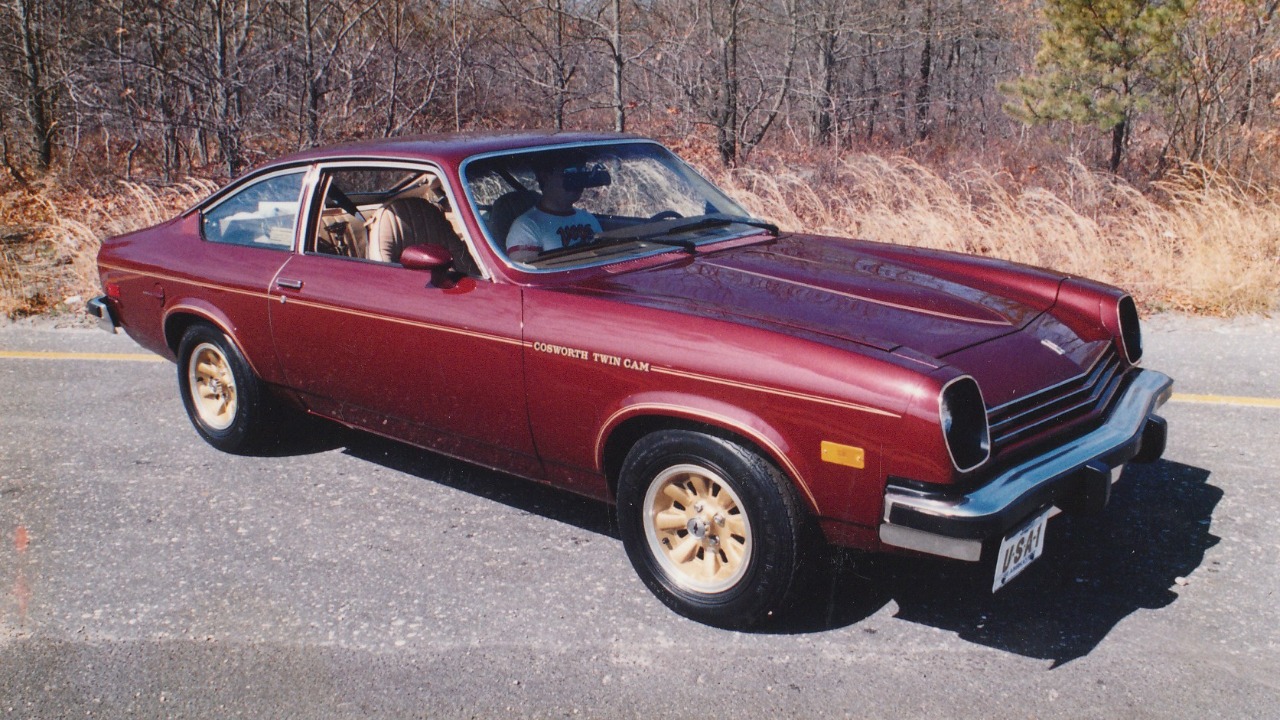
The Cosworth Vega represented an ambitious engineering experiment with a clear purpose. Chevrolet partnered with British engine specialists to create a compact performance car centered around a sophisticated twin-cam engine instead of traditional American displacement. The result rewarded attentive drivers with a uniquely engaging experience. Although its sales fell short of expectations, the Cosworth Vega’s commitment to innovation without unnecessary excess has earned it lasting respect among collectors.
Chevrolet C10
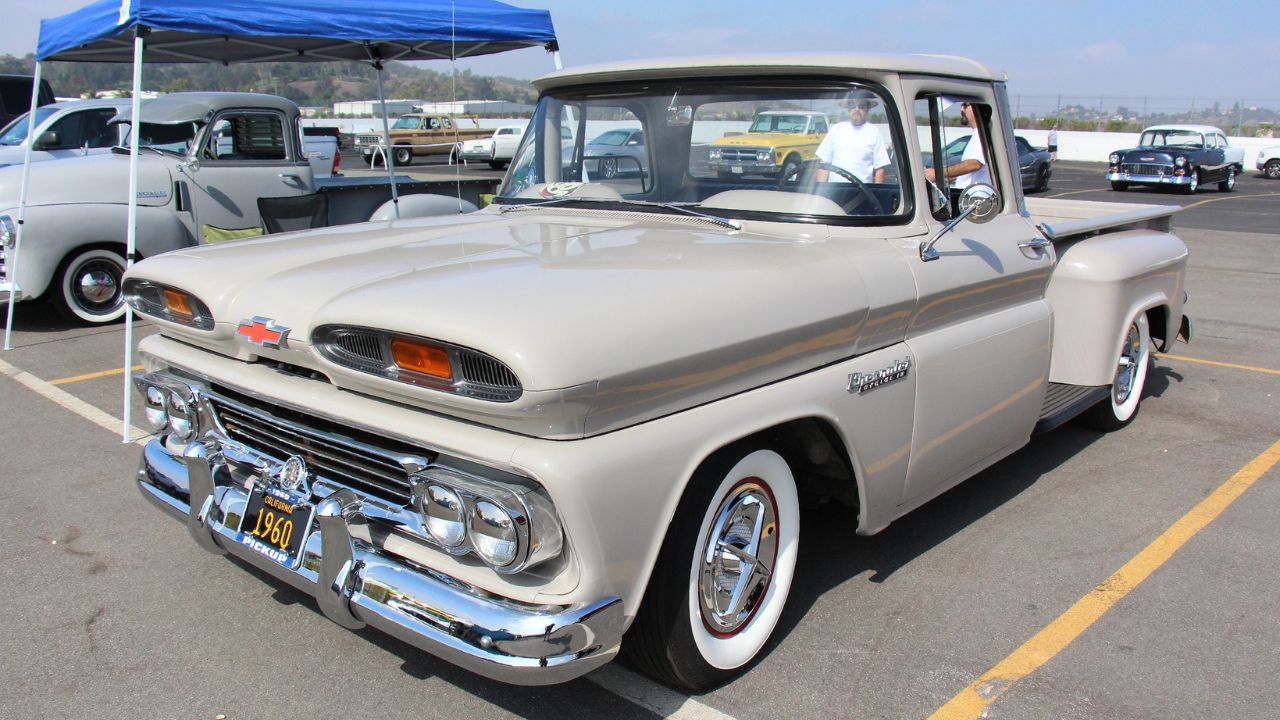
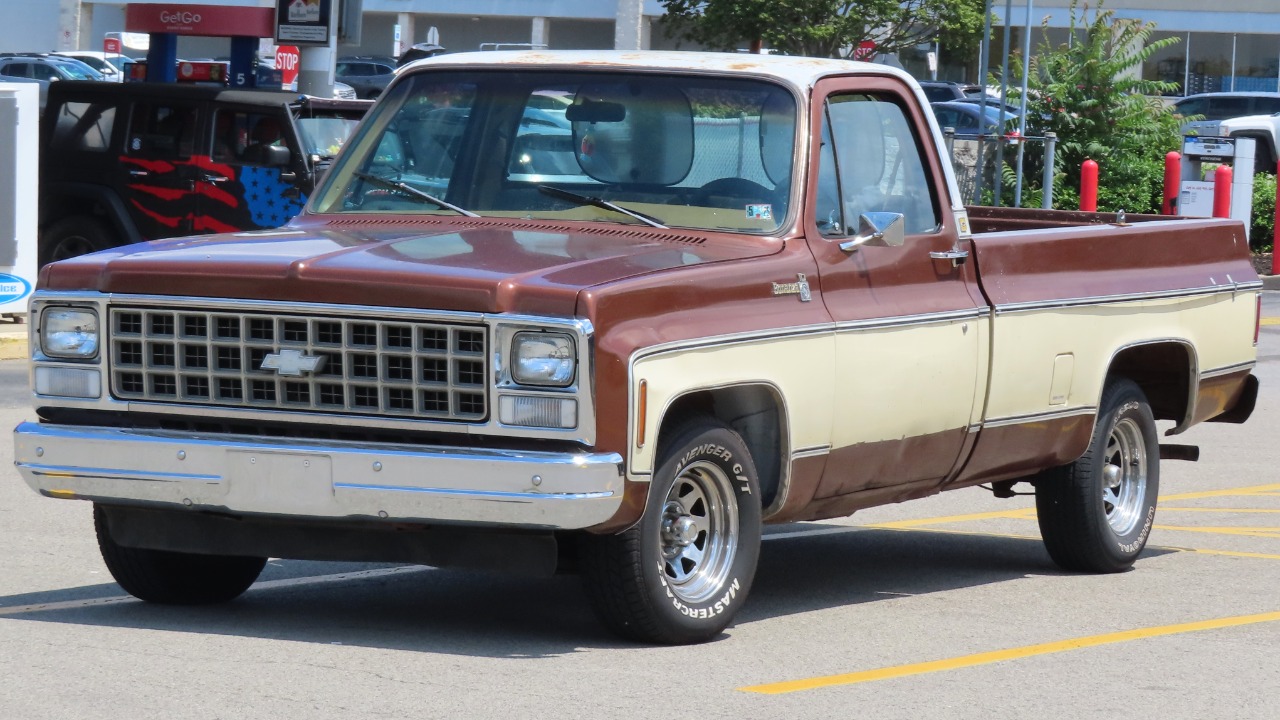
The Chevrolet C10 became a favorite because it embraced simplicity where it mattered most. Its durable frame, dependable powertrains, and uncluttered design allowed owners to use it for work during the week and family duties on the weekend. Repairs were straightforward, parts remained widely available, and the truck developed a reputation for lasting decades with proper care. That blend of practicality and durability continues to make the C10 one of America’s most beloved classic pickups.
Mazda RX-3
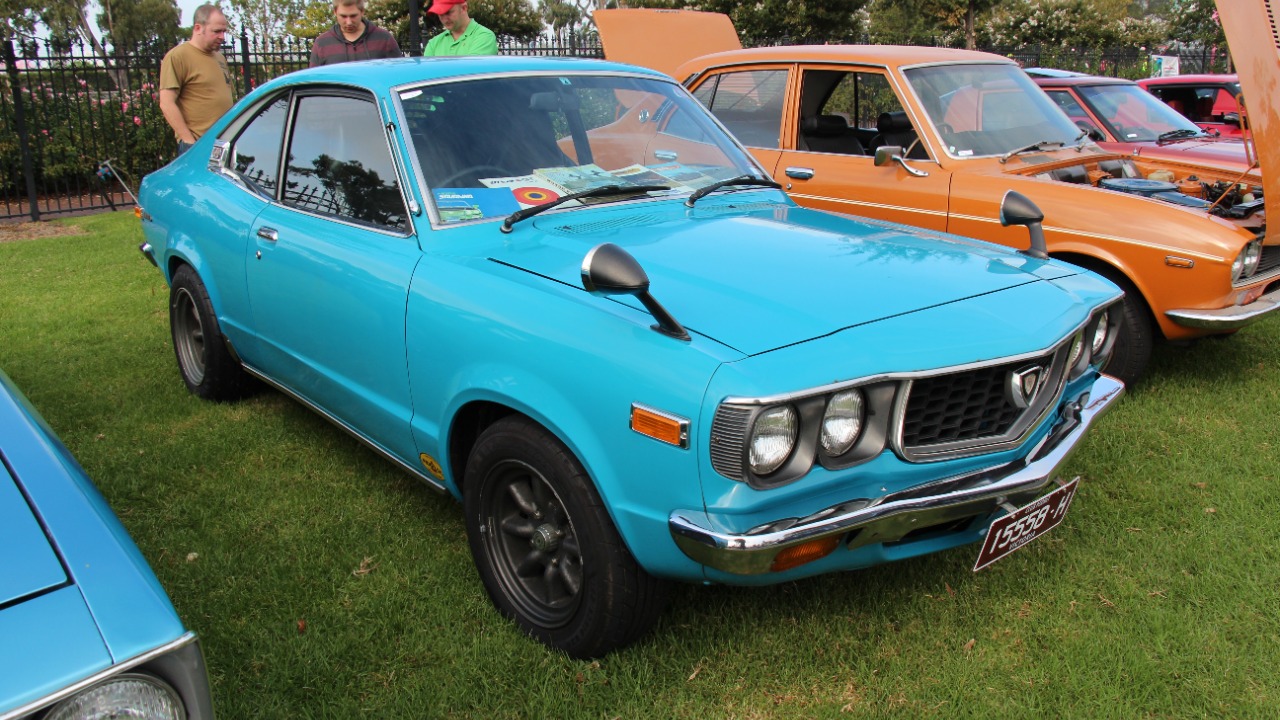
The Mazda RX-3 approached performance with a refreshing sense of purpose. Its lightweight body, rear-wheel-drive chassis, and compact rotary engine created an engaging driving experience without relying on massive horsepower or unnecessary technology. Every mile highlighted the connection between driver and machine, rewarding smooth inputs and enthusiastic driving. The RX-3 remains one of Mazda’s most celebrated classics because it stayed true to a simple idea: make driving enjoyable through intelligent engineering rather than excess.
More from Fast Lane Only