Throughout automotive history, certain engines have become legendary for their durability and reliability. These engines have withstood the test of time, powering vehicles across decades, and have earned a reputation for never giving up, even under extreme conditions. From classic American muscle to innovative Japanese designs, let’s take a closer look at 11 engines that exemplify this remarkable resilience.
Chevrolet Small Block V8
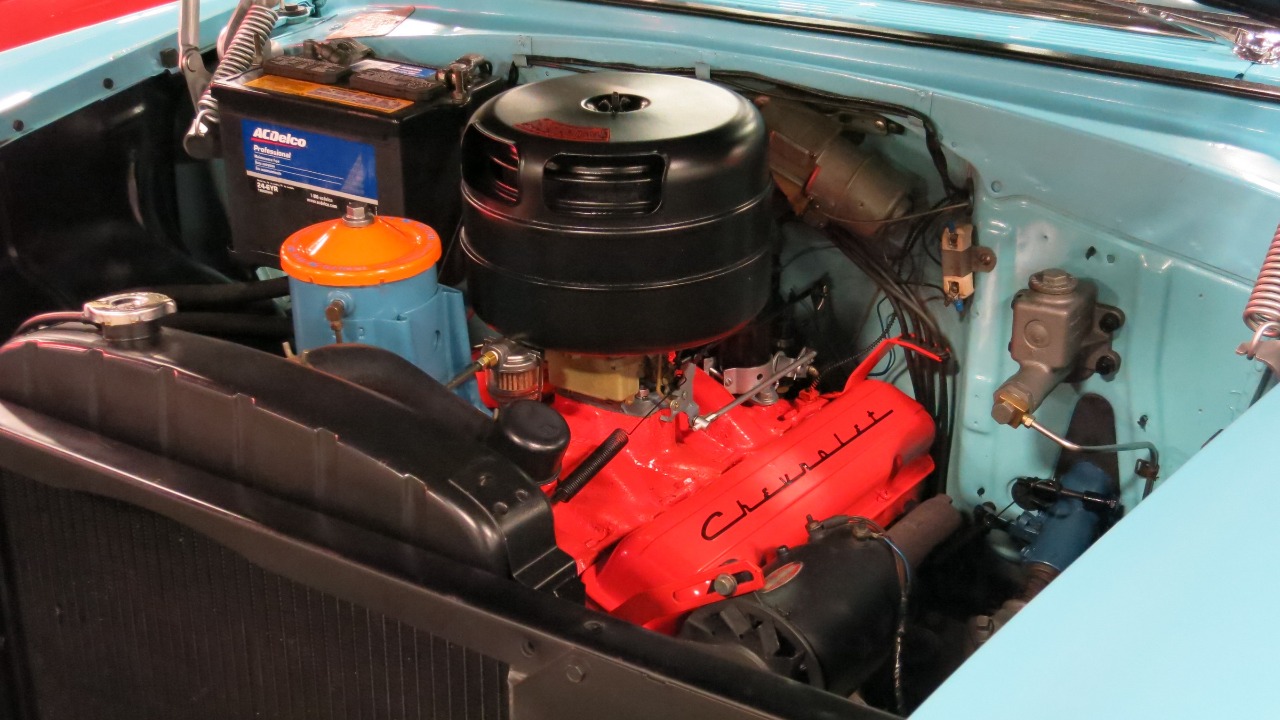
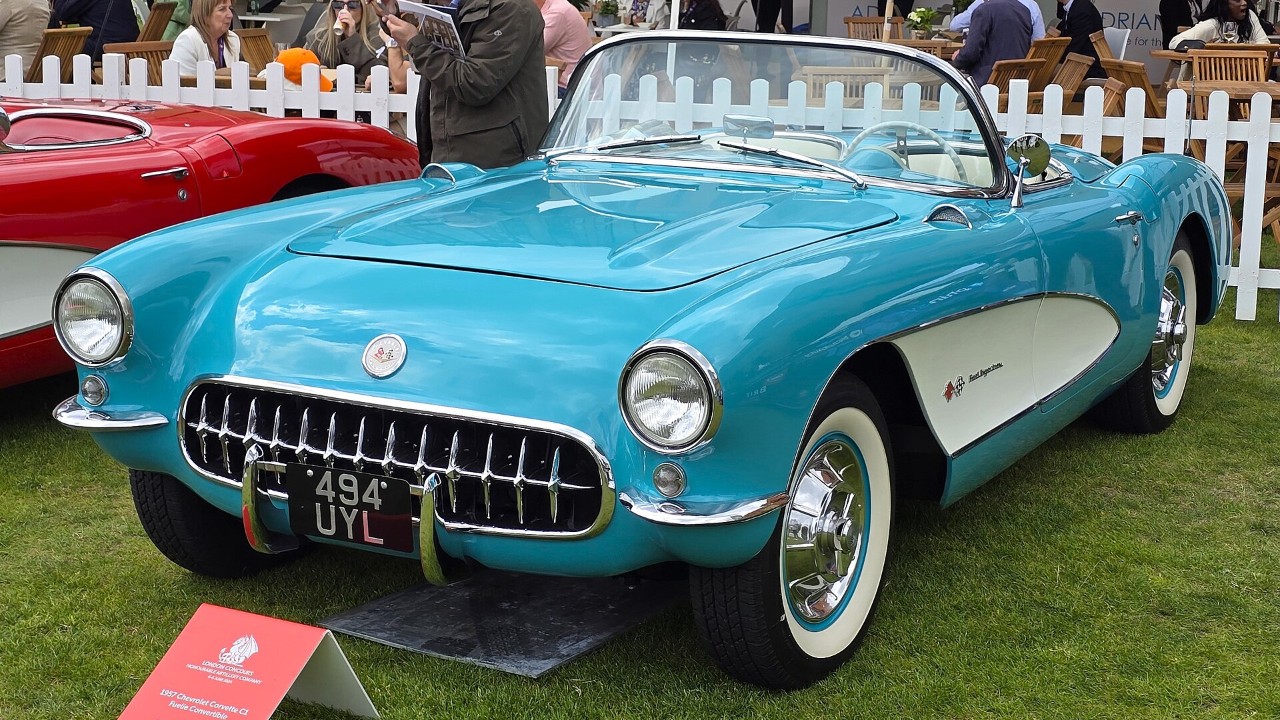
The Chevrolet Small Block V8 is often regarded as one of the most iconic engines in automotive history. Introduced in 1955, this engine has powered everything from the classic Corvette to the modern Camaro. Its design allows for easy modifications and has a massive aftermarket support, which has helped it remain relevant for decades. The robust design and high-revving capabilities make it a popular choice among performance enthusiasts. Many enthusiasts have logged hundreds of thousands of miles on these engines, proving their longevity. If you’re curious about the engineering behind such reliable machines, you might explore resources like James Watt and the steam engine for insights into long-lasting designs.
Toyota 22RE
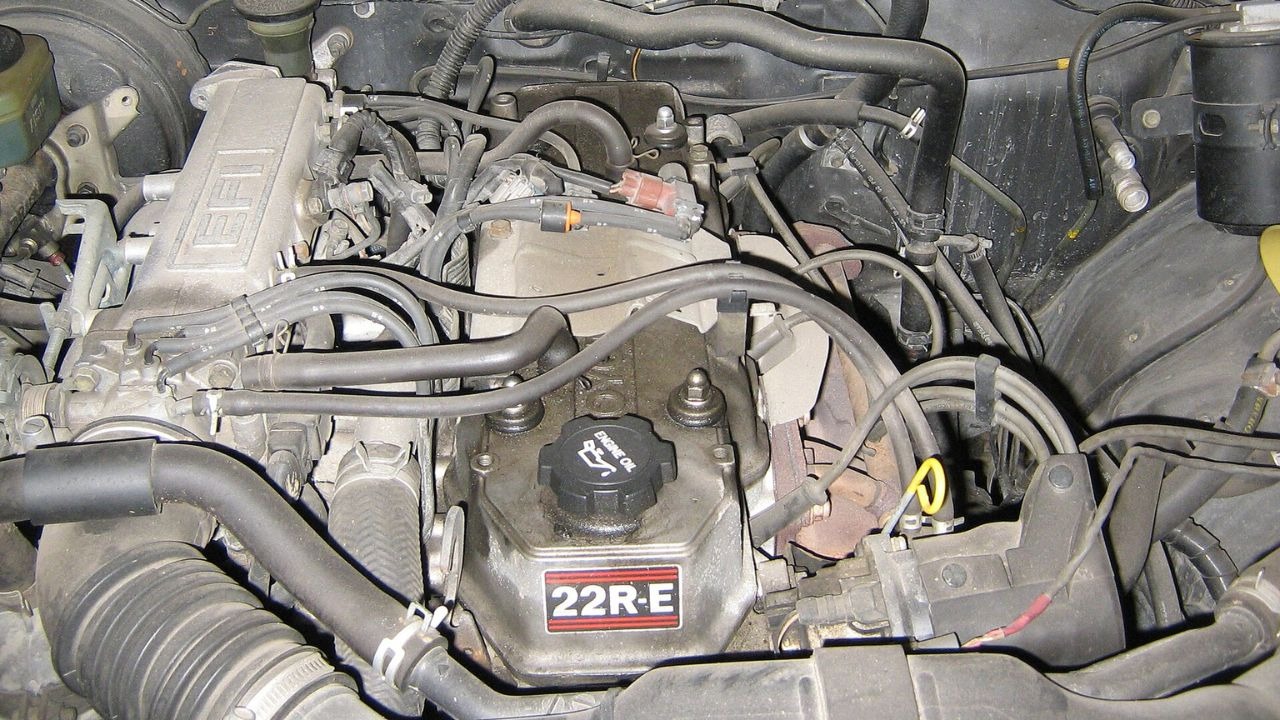
The Toyota 22RE engine is a prime example of Japanese engineering prowess. Known for its simplicity and durability, this 2.4L inline-four engine has powered vehicles like the Toyota Pickup and 4Runner from the early 1980s through the late 1990s. Its reputation for reliability is unmatched, with many owners reporting over 300,000 miles without major issues. The 22RE is also favored in off-road communities due to its ability to handle tough terrains and adverse conditions. Its design is straightforward, which allows for easier repairs and maintenance, making it an ideal choice for DIY mechanics. For those interested in the technical aspects, you can find more details on innovative engine designs in papers like this SAE paper.
Ford 302 V8
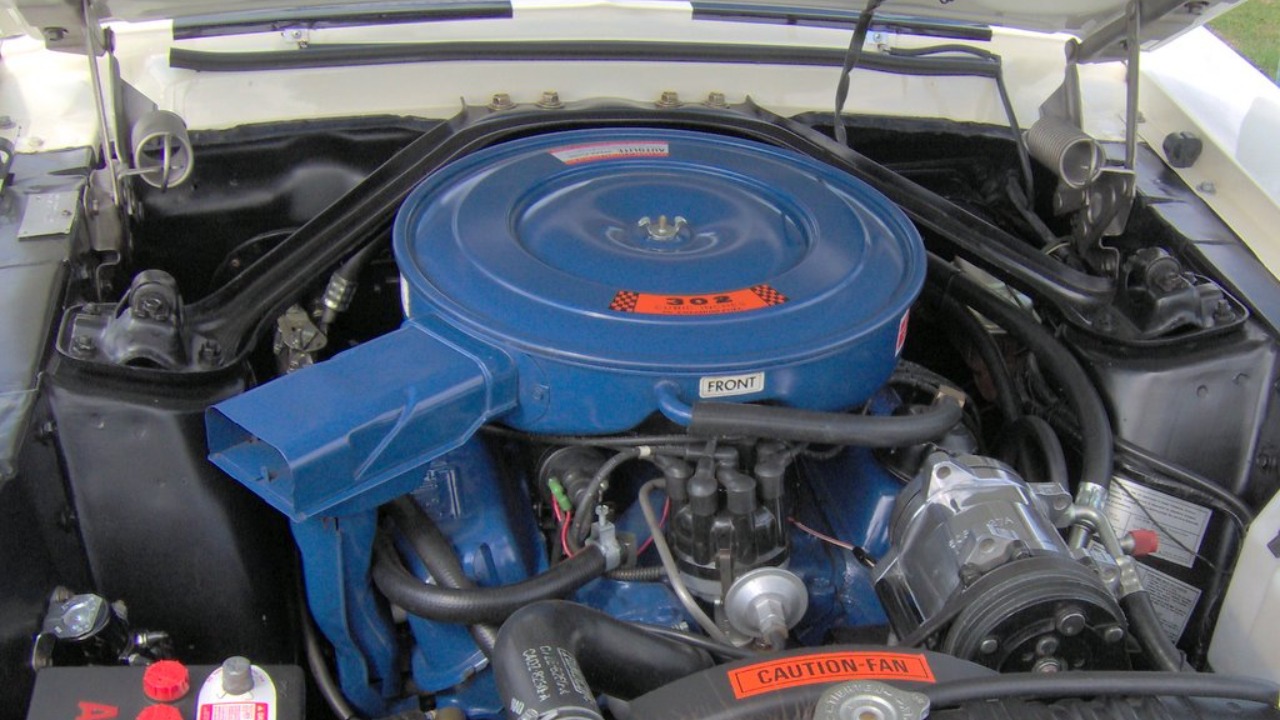
The Ford 302 V8 engine, also known as the Windsor engine, has earned its place in automotive history since its introduction in 1968. It became the backbone of many Ford vehicles, including the Mustang and F-150 trucks. Renowned for its power and reliability, the 302 has been used in various configurations, from muscle cars to racing applications. Enthusiasts appreciate its ability to be easily modified, allowing for performance upgrades without sacrificing reliability. Many Ford enthusiasts have documented their experiences, with some vehicles still running strong after decades of service. The engine’s legacy continues as it remains a favorite among classic car restorers and street racers alike.
Volkswagen Air-Cooled Flat-Four
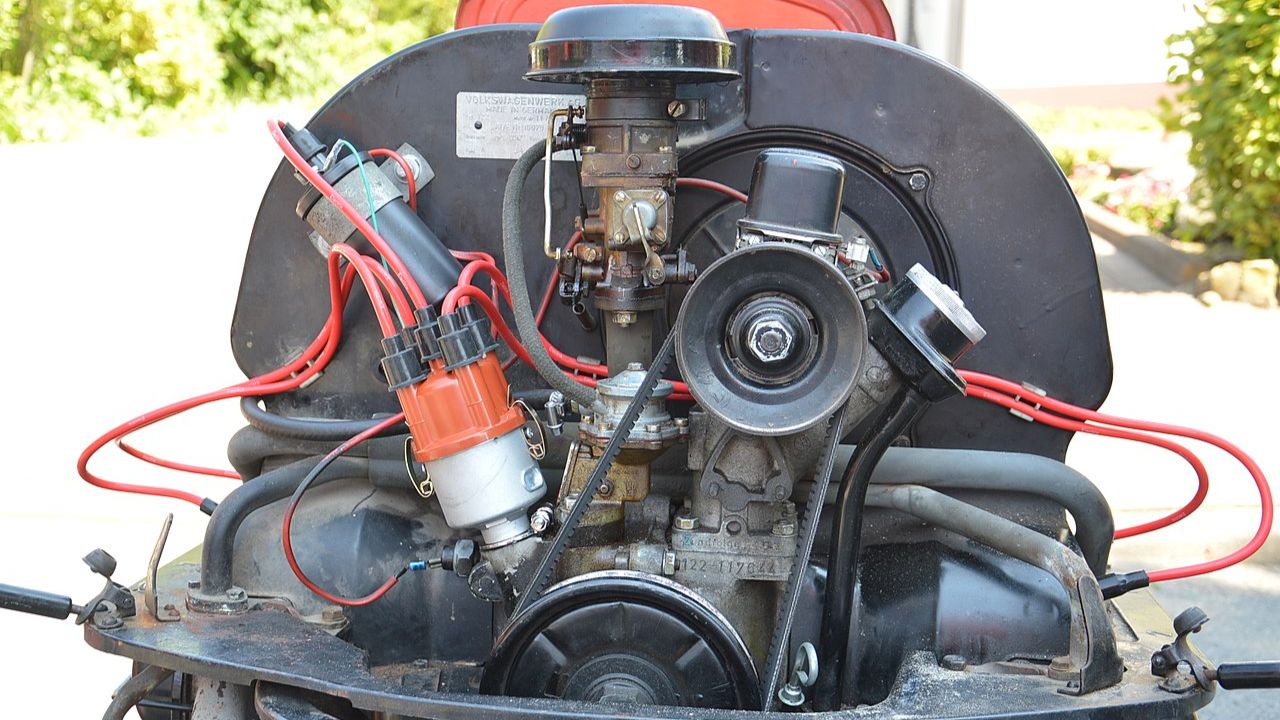
The Volkswagen air-cooled flat-four engine is synonymous with the VW Beetle, which became one of the best-selling cars of all time. Introduced in the late 1930s, this engine’s simple design and air-cooling system eliminated the need for heavy radiators, making it lighter and easier to maintain. The flat-four engine is known for its ability to run efficiently in various conditions, making it a favorite among campers and off-roaders. Even today, classic Beetles equipped with this engine can still be found on the road. Its enduring popularity is a testament to its reliability, as many owners have cherished their vehicles for decades.
Honda K-Series
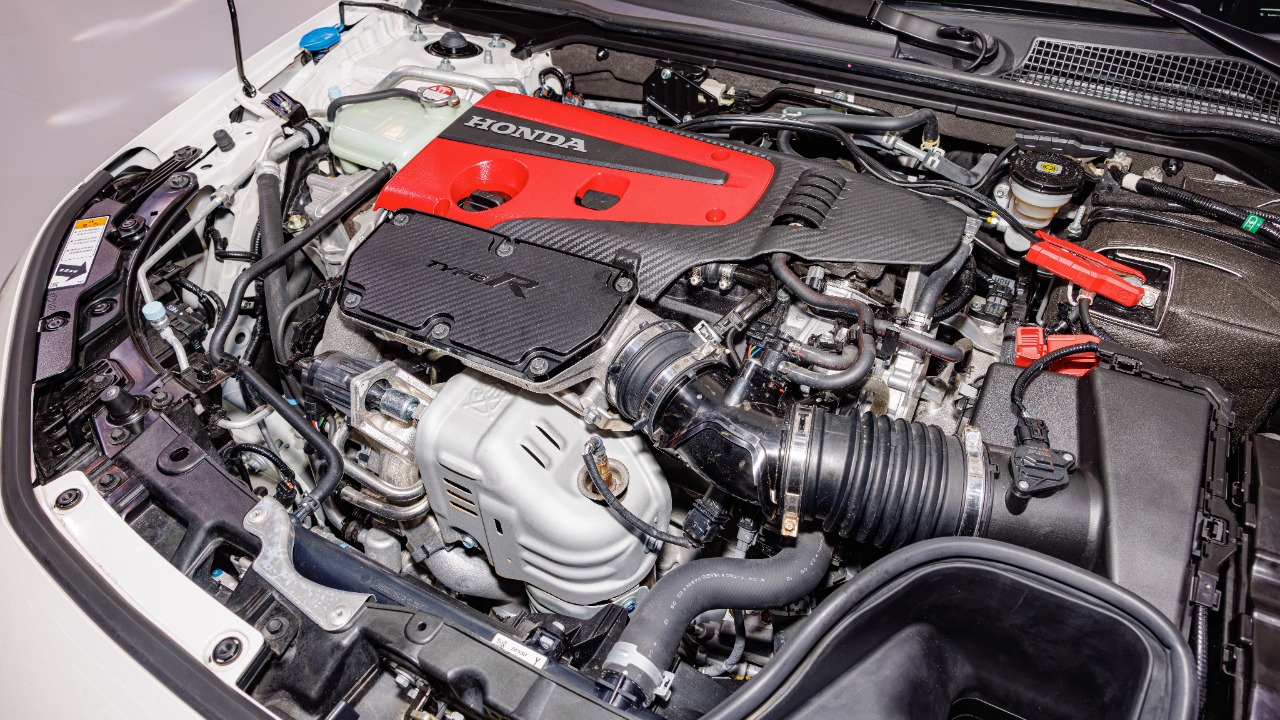
The Honda K-Series engine represents the pinnacle of Honda’s engineering excellence. Launched in the early 2000s, this engine family includes a range of inline-four engines that power popular models like the Civic and Accord. Known for their high-revving nature and impressive fuel efficiency, K-Series engines have become a favorite among car enthusiasts and tuners. Their reliable performance has led many to reach well over 200,000 miles without major issues. The K-Series has been a popular choice in racing applications as well, further solidifying its reputation. For a deeper understanding of engine technology, refer to engineering discussions found in technical literature.
Subaru EA Series
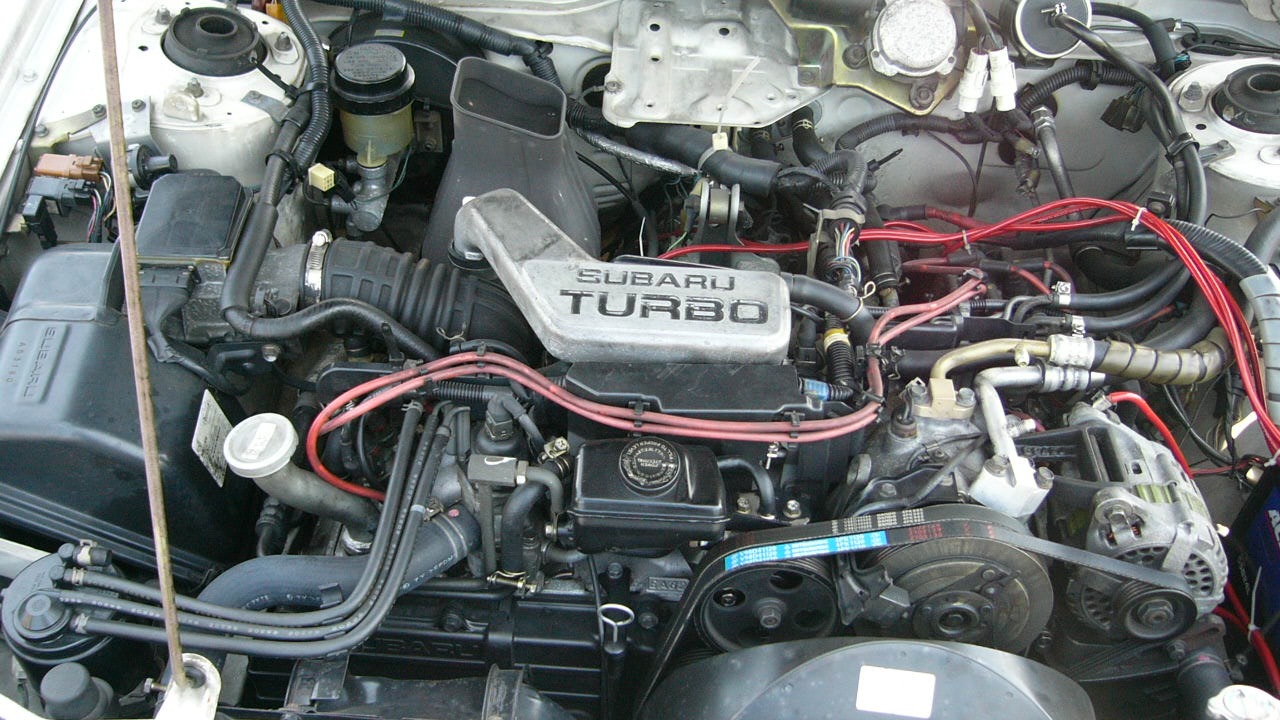
The Subaru EA Series engines, particularly the EA82, are renowned for their reliability and unique flat-four design. Launched in the 1980s, these engines have powered various Subaru models, including the popular Subaru GL and Loyale. Their compact design and low center of gravity contribute to superior handling and stability, making them a favorite in rally racing. The EA Series is often praised for its ability to endure harsh conditions, with many owners reporting high mileage and minimal issues. Subaru enthusiasts often share their experiences, showcasing how these engines have become a staple in the off-road community.
Nissan SR20DET
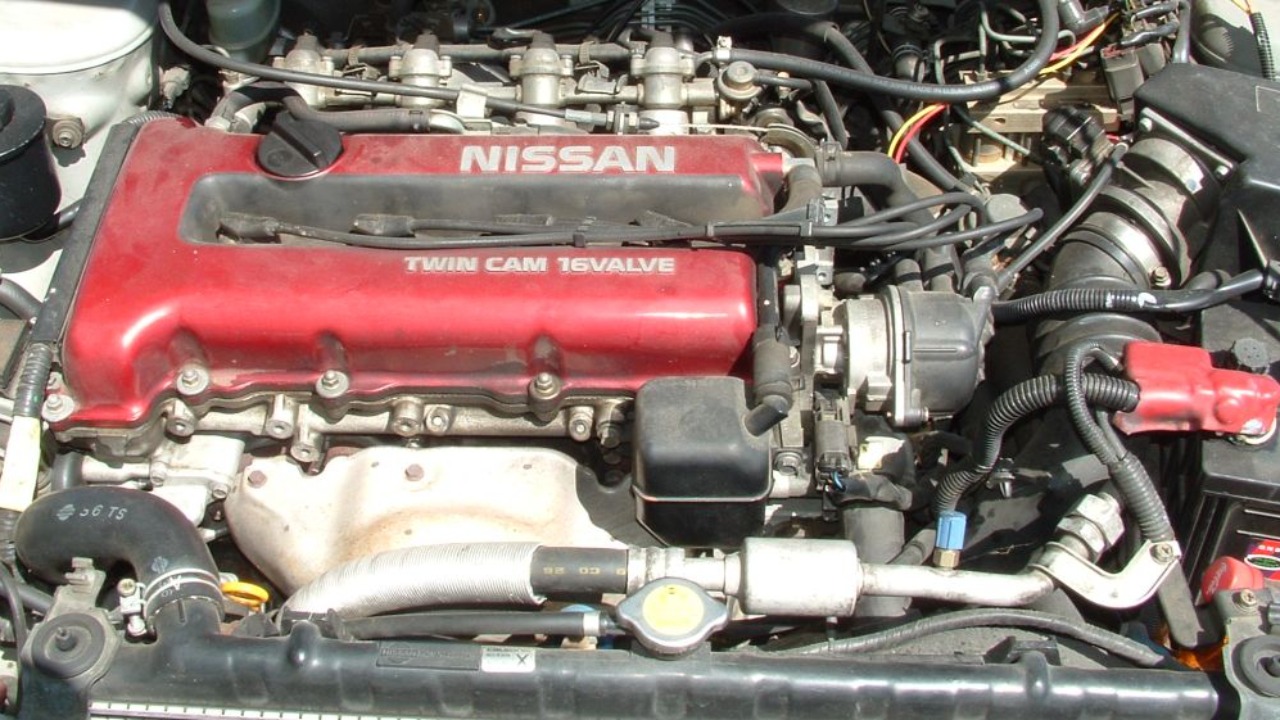
The Nissan SR20DET is an inline-four turbocharged engine that has gained a cult following since its debut in the 1980s. Found in models like the Nissan Silvia and 240SX, this engine is known for its robust performance and tuning potential. Many enthusiasts have successfully modified their SR20DETs for increased horsepower, while still maintaining reliability. The engine’s durability has made it a popular choice in motorsports, especially in drifting and time attack racing. With proper maintenance, it’s not uncommon for these engines to reach well over 200,000 miles, proving their longevity. The SR20DET is a testament to Nissan’s engineering capabilities.
Mopar 318 V8
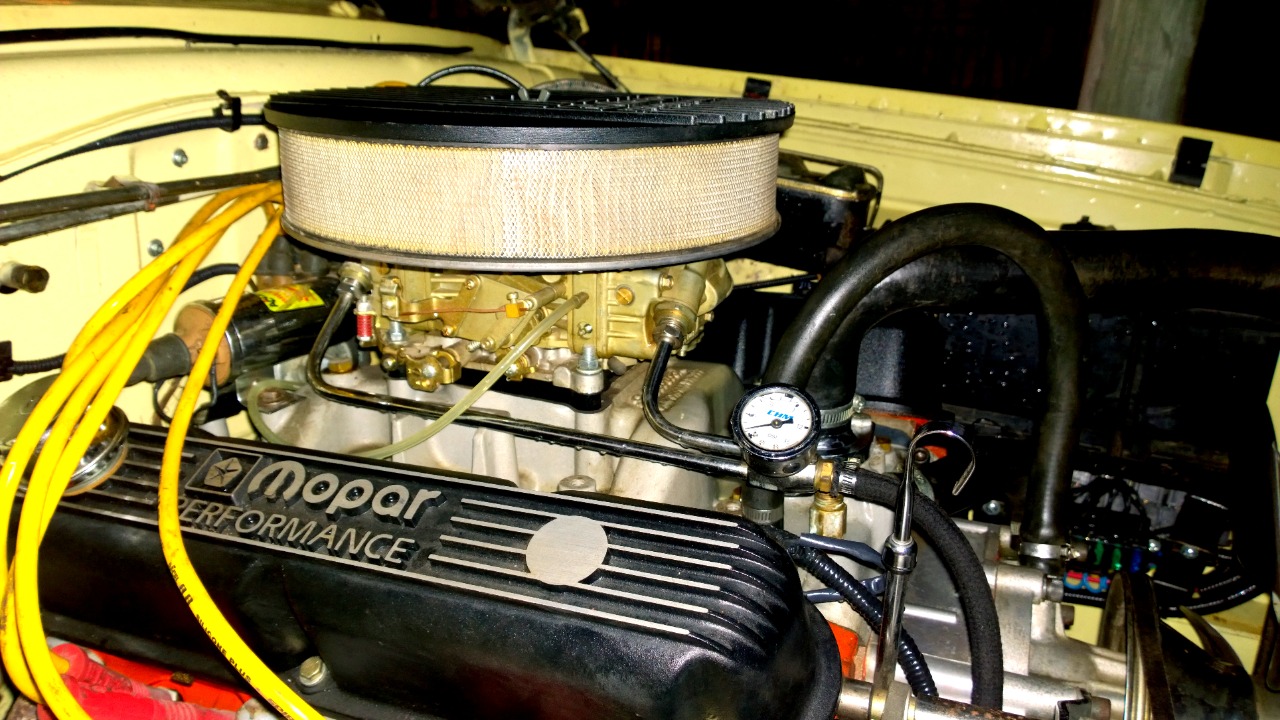
The Mopar 318 V8 engine is a stalwart in American automotive history, introduced in 1967. This engine has powered a variety of Chrysler, Dodge, and Plymouth vehicles, including the beloved Dodge Charger and Plymouth Barracuda. Known for its solid construction and torque, the 318 is often praised for its ability to endure high mileage without significant wear. Its design allows for easy maintenance and modifications, making it a favorite among enthusiasts and hot-rodders. Many classic car owners continue to appreciate the 318 for its reliability and performance, ensuring its legacy lives on in American automotive culture.
Mercedes-Benz OM617 Diesel
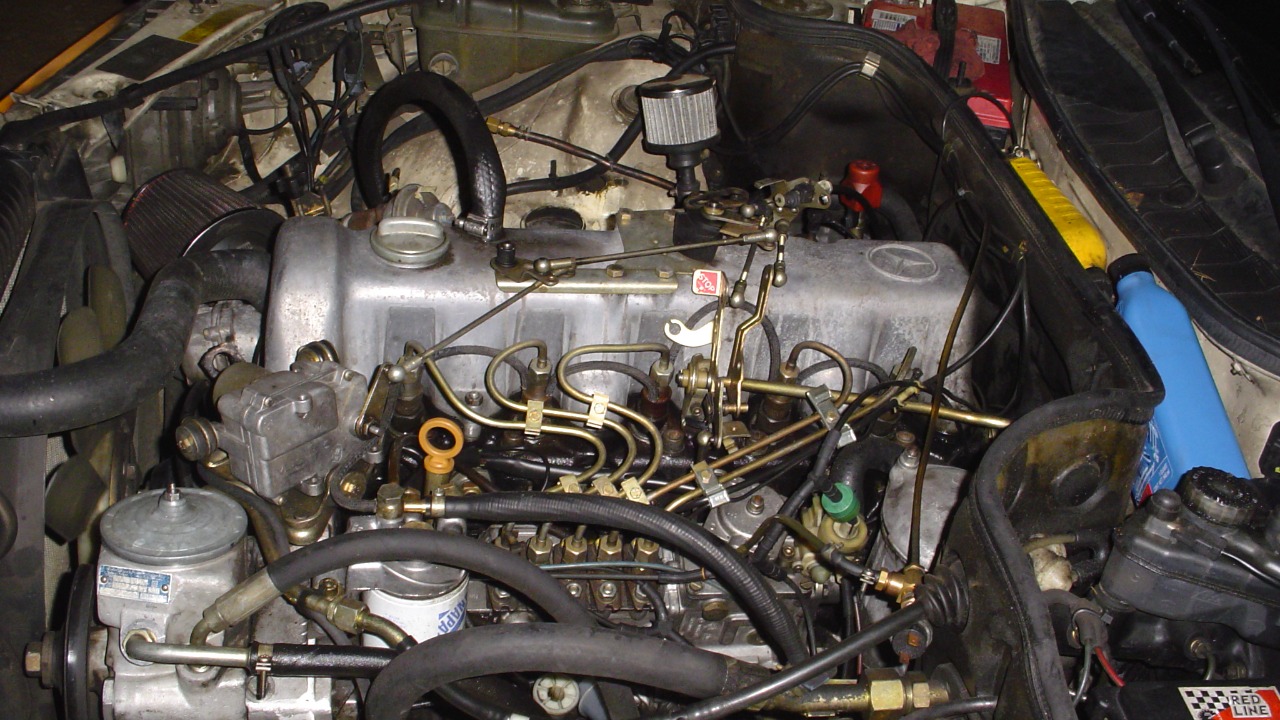
The Mercedes-Benz OM617 diesel engine is legendary for its durability and efficiency. Introduced in the 1970s, this 3.0L inline-five engine powered models like the 240D and 300D, and it has become a hallmark of Mercedes’ engineering excellence. Known for its ability to run for hundreds of thousands of miles, many OM617 engines are still on the road today, often exceeding 500,000 miles with proper care. The engine’s simplicity and robust construction make it easy to maintain, while its fuel efficiency has made it a favorite among long-distance travelers. The OM617 serves as a prime example of how diesel technology can achieve remarkable longevity.
BMW M20 Inline-Six
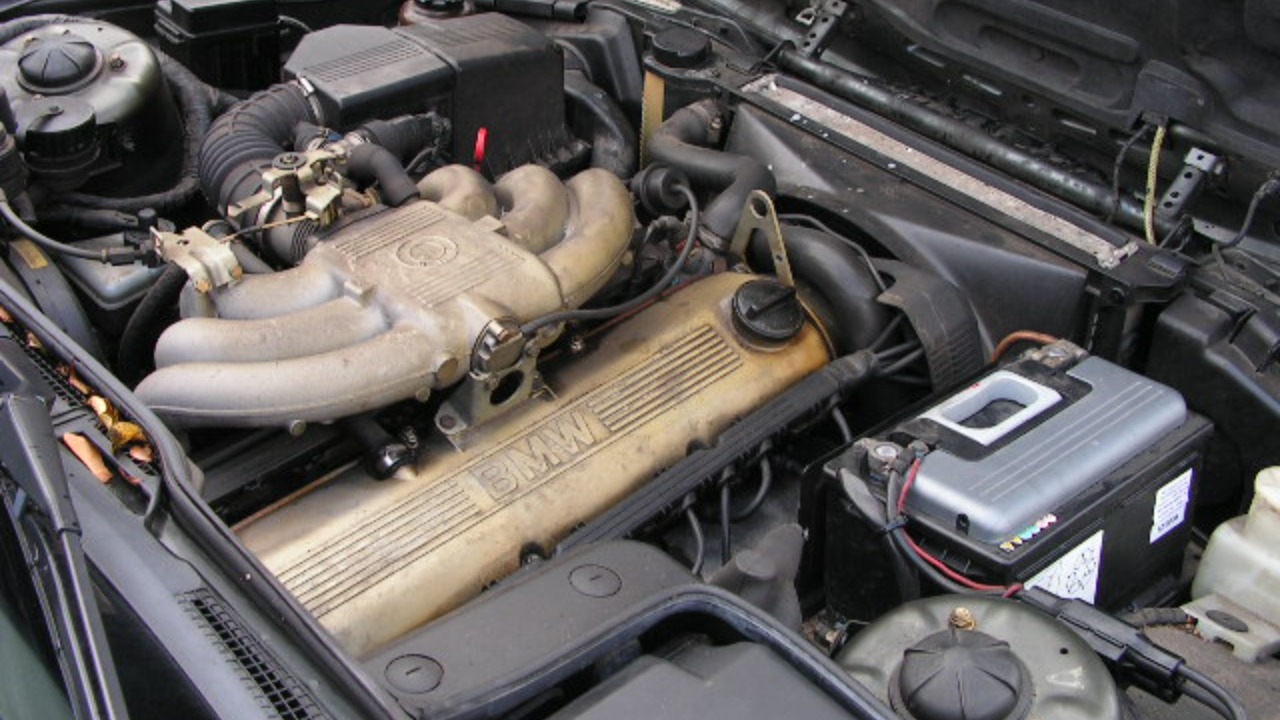
The BMW M20 inline-six engine, introduced in 1977, is celebrated for its smooth operation and strong performance. Found in various models, including the BMW 3 Series and 5 Series, this engine is known for its balance and refinement. Its robust design has allowed many M20 engines to remain operational for over 300,000 miles, making it a reliable choice for enthusiasts. The M20’s straightforward design also permits easy modifications, which has led to its popularity in the tuning community. Enthusiasts often praise the engine’s ability to deliver a thrilling driving experience while maintaining dependability.
Mazda Wankel Rotary
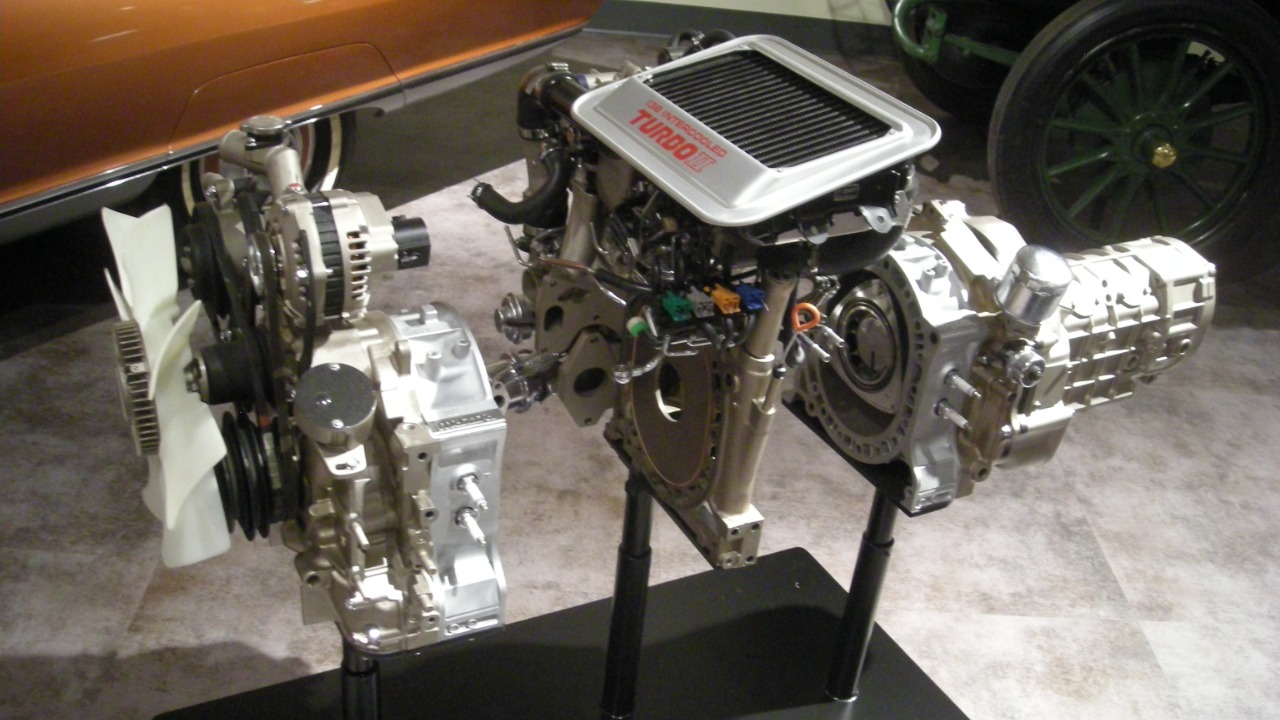
The Mazda Wankel rotary engine stands out for its unique design and exhilarating performance. First introduced in the 1960s with the Mazda Cosmo, this engine configuration has powered notable vehicles like the RX-7 and RX-8. Renowned for its lightweight nature and high-revving capabilities, the Wankel engine has garnered a loyal following. While some may debate its reliability compared to traditional piston engines, many owners have experienced exceptional longevity with proper maintenance. The rotary engine’s distinctive characteristics and the driving experience it offers have made it a fascinating topic of discussion among automotive enthusiasts. Its legacy continues to inspire innovation in engine design.
More from Fast Lane Only
- Unboxing the WWII Jeep in a Crate
- 15 rare Chevys collectors are quietly buying
- 10 underrated V8s still worth hunting down
- Police notice this before you even roll window down
*Research for this article included AI assistance, with all final content reviewed by human editors.