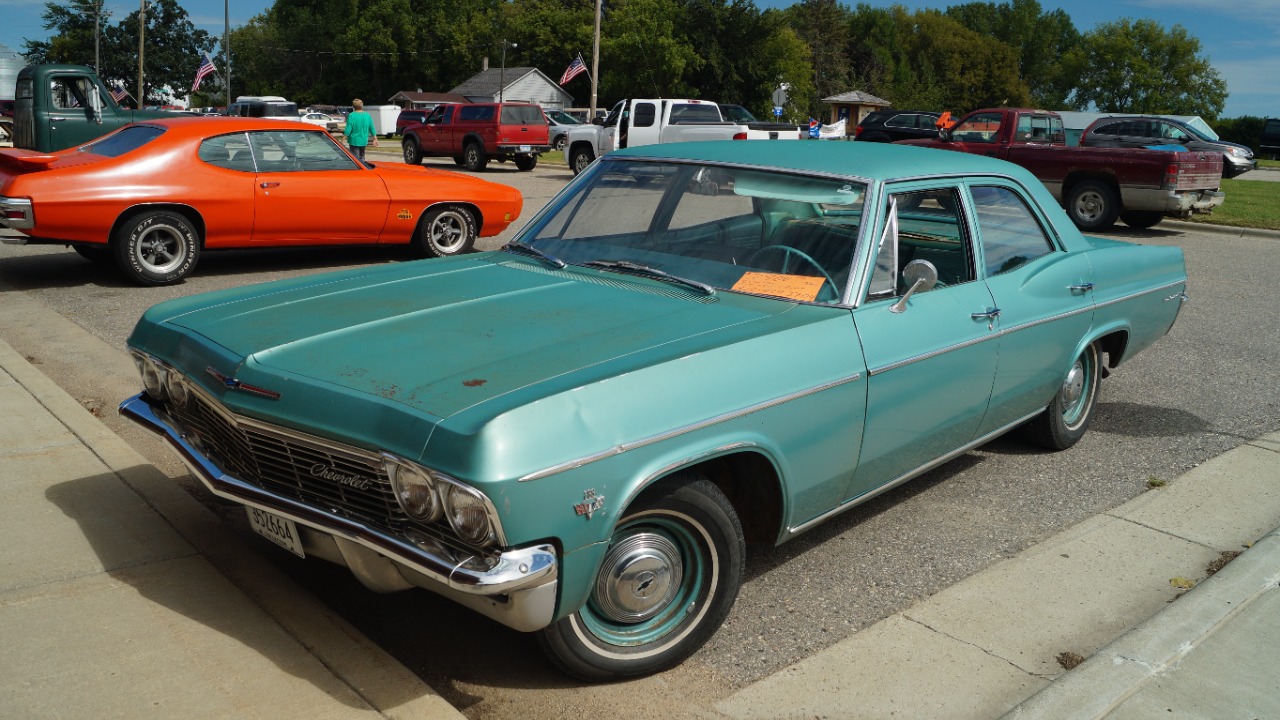
The Chevrolet Bel Air is more than just a car; it’s a piece of American history. From its introduction in the early 1950s to its evolution through the decades, the Bel Air became a symbol of style, performance, and cultural identity. Here, I’ll highlight seven rare Bel Air models that played pivotal roles in defining an entire American era.
1953 Chevrolet Bel Air: The Birth of Iconic American Style
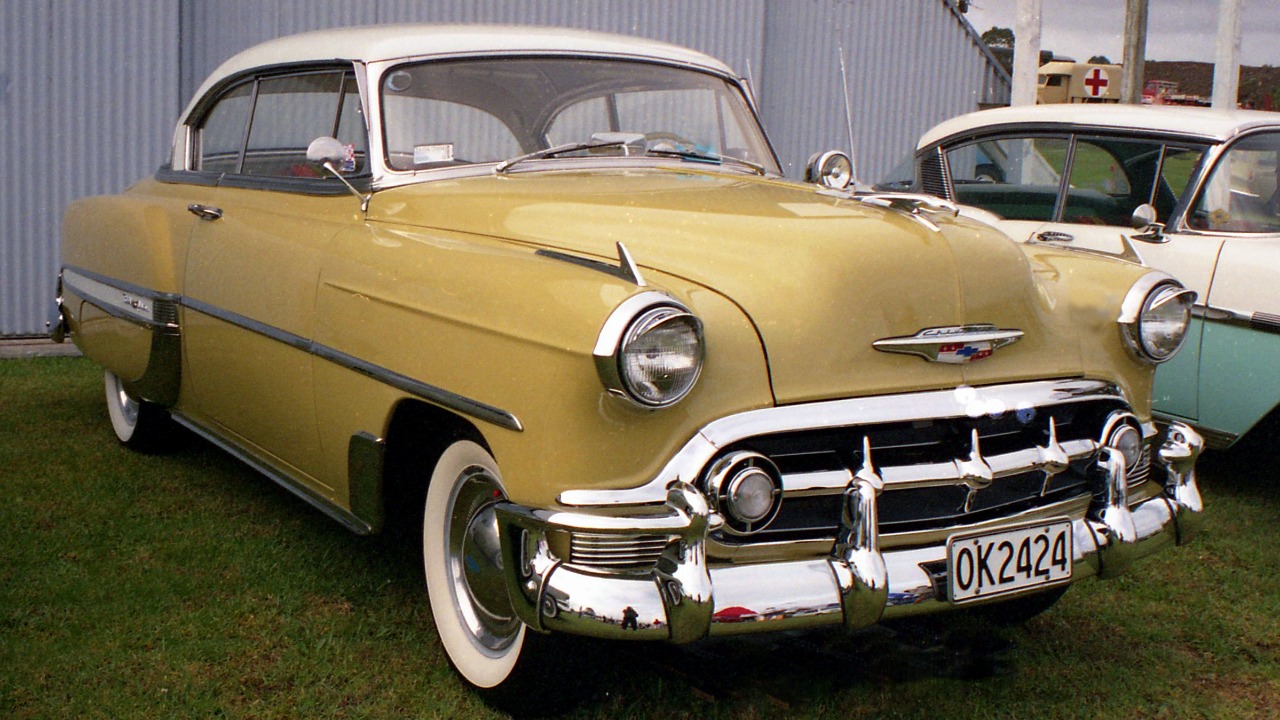
The 1953 Chevrolet Bel Air marked the beginning of what would become one of America’s most beloved automotive designs. With its distinctive two-tone paint options and elegant tailfins, this model captured the essence of 1950s Americana. The Bel Air was equipped with a 235 cubic inch inline-six engine, combining performance with practicality. This car quickly became a favorite among families and young adults alike, symbolizing the post-war optimism of the time.
Moreover, its unique styling elements set the stage for future designs in the Chevrolet lineup. Today, the 1953 Bel Air is sought after by collectors and car enthusiasts, often featured in classic car shows and vintage automotive literature. You can find more about its impact on American culture in various publications, including historical car books and automotive exhibitions.
1955 Chevrolet Bel Air: The Birth of the Hot Rod Culture
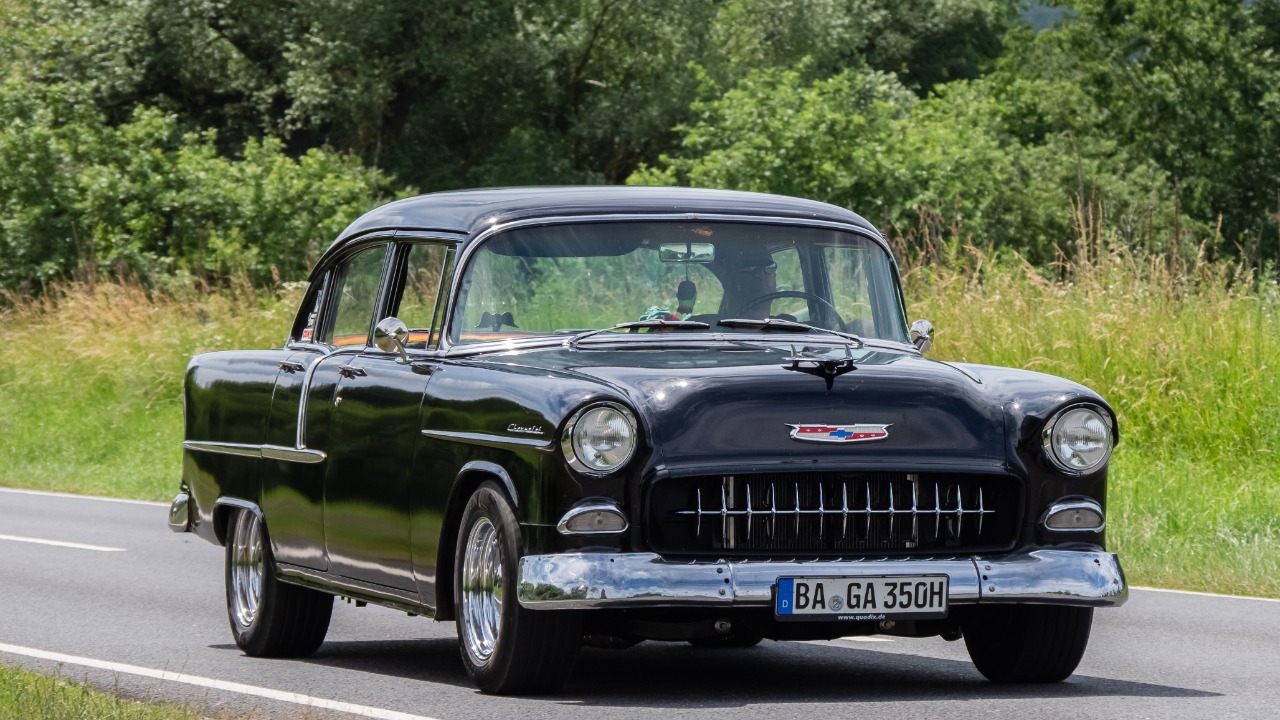
The 1955 Chevrolet Bel Air is often credited with igniting the hot rod culture that exploded in the 1950s and 1960s. With its powerful V8 engine option, the Bel Air offered performance enthusiasts a canvas for customization. Many owners modified these cars for speed and style, leading to the rise of car clubs and street racing. The iconic “Bel Air” script and bold design made it a standout on the road.
This model also played a significant role in popular culture, appearing in films and television shows of the era. Its presence helped define the American dream of speed and freedom. Collectors today cherish the 1955 model for its blend of classic style and performance potential. For a deeper dive into the cultural significance of this model, check out various resources like automotive history books.
1957 Chevrolet Bel Air: The Classic that Defined the 50s
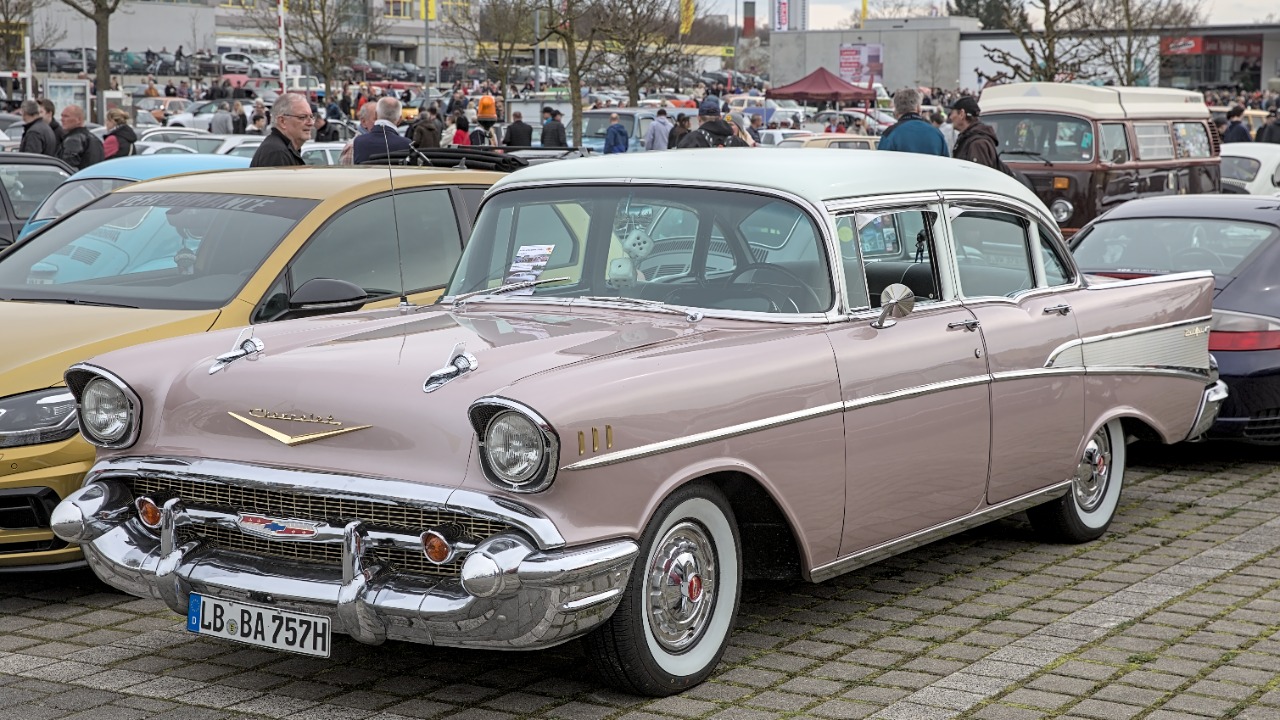
The 1957 Chevrolet Bel Air is arguably the most recognized model in the Bel Air series, embodying the spirit of the 1950s. Its iconic fins, chrome detailing, and bold colors made it a symbol of the era’s automotive design. The 1957 model featured an upgraded V8 engine, which provided an exhilarating driving experience. It became a status symbol among the youth, often seen in drive-ins and car shows.
Additionally, the 1957 Bel Air has maintained its status in popular culture, featured in numerous films and music videos, including the famous song “Little Red Corvette” by Prince. This car’s influence extends beyond just aesthetics; it represents a time when cars were a reflection of personal identity. For an engaging look at its legacy, watch this fascinating video on Facebook.
1960 Chevrolet Bel Air: The Transition to a New Decade
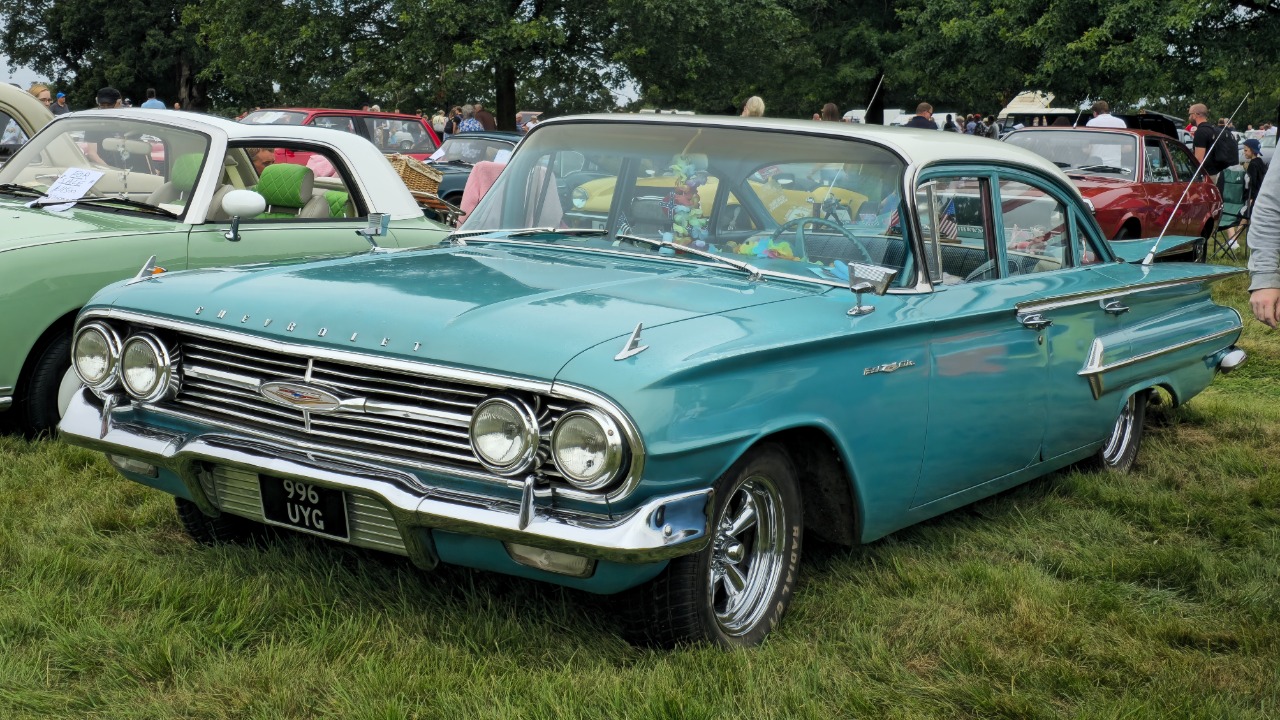
The 1960 Chevrolet Bel Air represented a shift in automotive design as the 1950s gave way to the 1960s. With a more streamlined appearance and less pronounced tailfins, this model reflected the changing tastes of American consumers. It came with a choice of engines, including a new 283 cubic inch V8, which provided a smooth yet powerful ride. The 1960 model also introduced more interior space and comfort, aligning with the growing trend of road trips and family travel.
This Bel Air served as a bridge between the exuberance of the 50s and the more conservative aesthetic of the 60s. Its design and engineering innovations paved the way for future Chevrolet models. To understand its impact on the automotive industry, various studies are available, including insights from academic publications.
The 1961 Chevrolet Bel Air: The End of the Golden Age
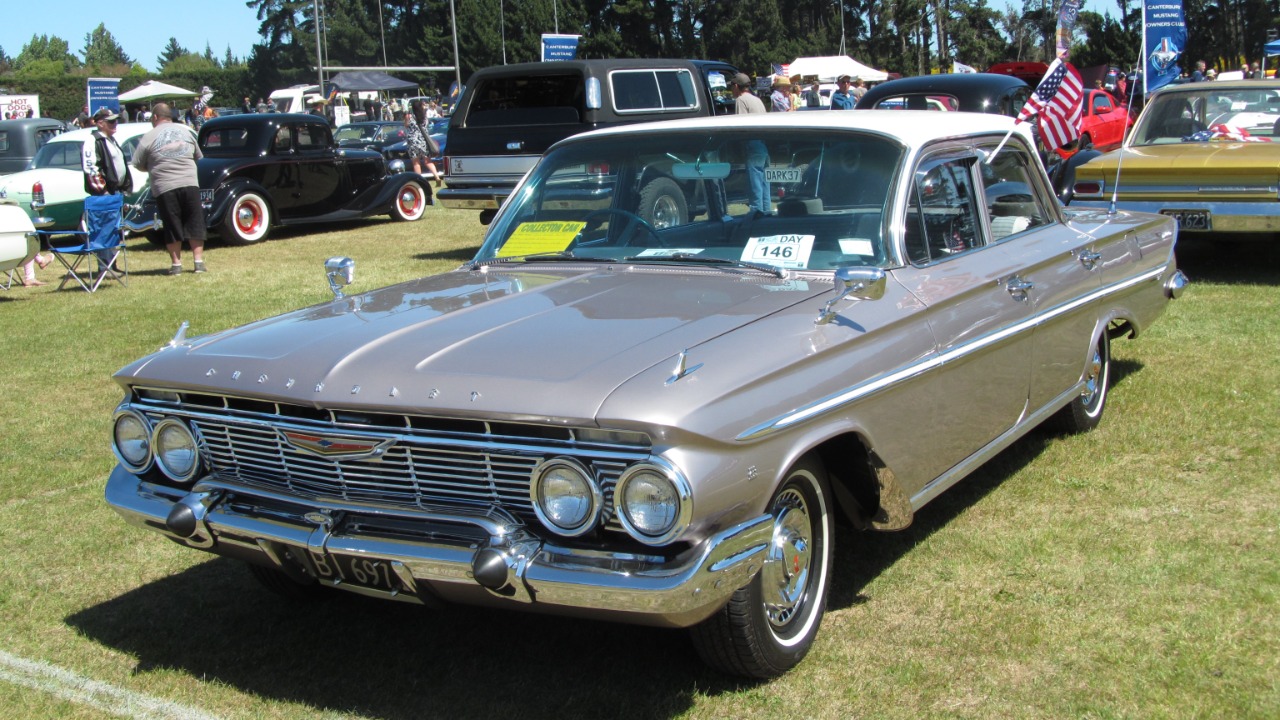
The 1961 Chevrolet Bel Air marked a transition in design philosophy. As the automotive industry began to shift towards more compact models, the Bel Air adopted a sleeker, more modern look. While it retained the spirit of its predecessors, this model signified the end of the golden age of American cars. The 1961 Bel Air featured a more subdued aesthetic, with less chrome and a focus on clean lines, reflecting the changing consumer preferences of the era.
Despite its departure from the flamboyant styles of the late ’50s, the 1961 Bel Air still offered a range of powerful engine options, making it a practical choice for those who valued performance. Its understated elegance has made it a favorite among collectors today, as many appreciate its unique place in automotive history. The evolution of the Bel Air during this period is an essential chapter worth exploring for any enthusiast.
1963 Chevrolet Bel Air: A Symbol of the Muscle Car Movement
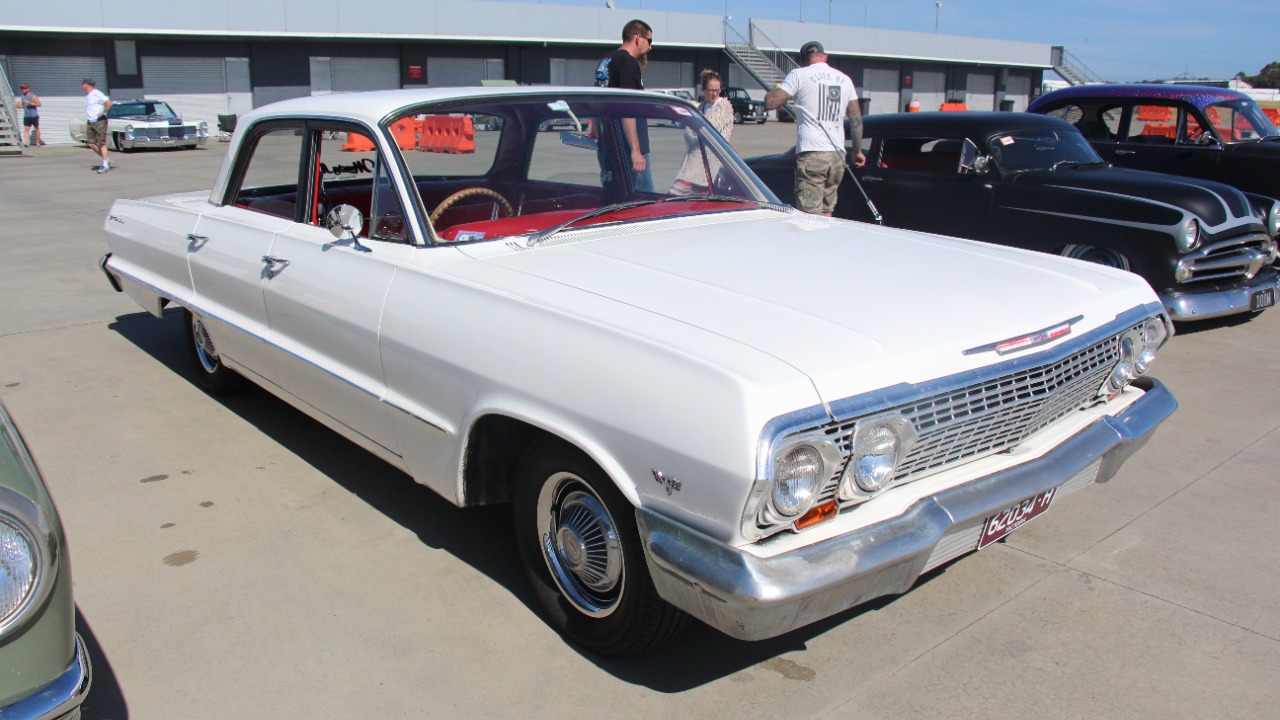
The 1963 Chevrolet Bel Air is often celebrated as a pivotal model in the rise of the muscle car movement. Featuring a more powerful engine lineup, including the legendary 409 cubic inch V8, this model was designed for speed and performance. Its aggressive stance and sleek lines made it a favorite among young drivers looking for excitement on the road. The Bel Air’s performance capabilities were further enhanced by its lightweight construction, allowing for impressive acceleration.
As the muscle car craze took hold, the 1963 Bel Air quickly became a contender in drag racing circuits. It offered a combination of style, power, and affordability that appealed to a broad audience. Today, classic car enthusiasts regard the 1963 model as a sought-after collector’s item, exemplifying the golden age of American muscle cars.
1965 Chevrolet Bel Air: The Versatile Family Car Revolution
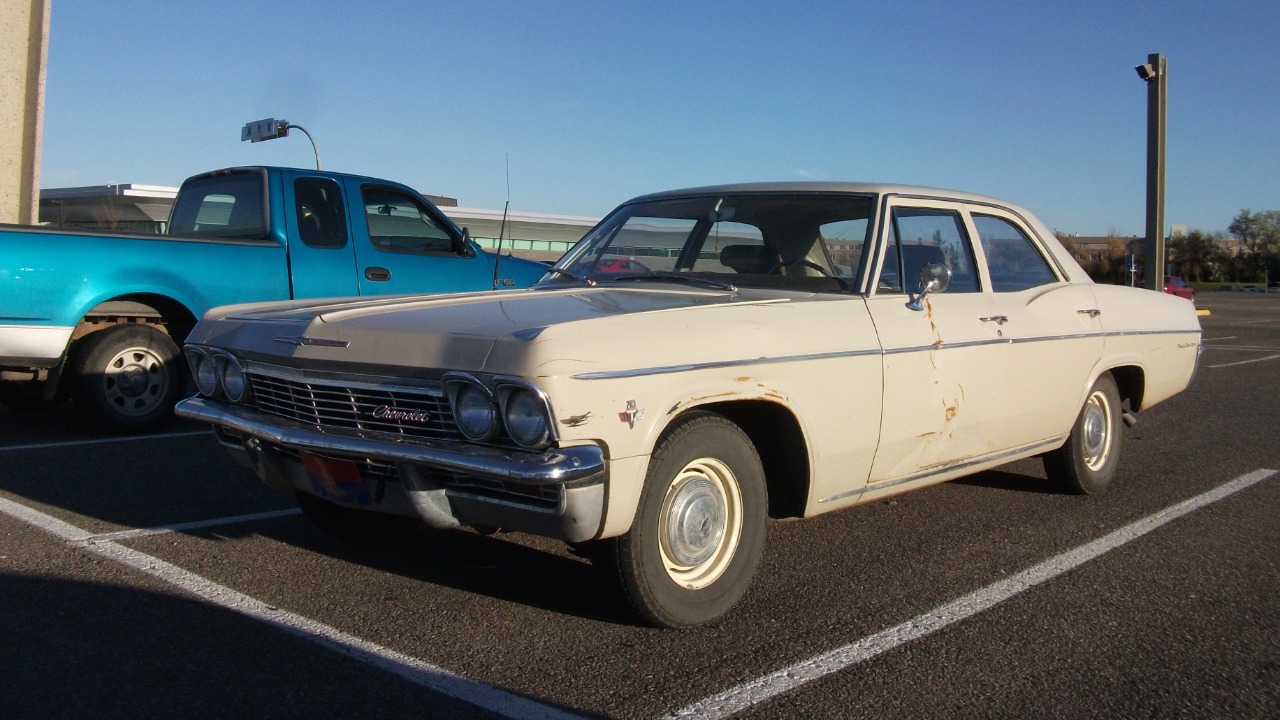
The 1965 Chevrolet Bel Air showcased versatility in design, appealing to families and individuals alike. It featured a spacious interior and a range of engine options, including a robust 327 cubic inch V8. This model was designed with comfort in mind, making it an ideal choice for family road trips. The Bel Air’s reputation for reliability and performance solidified its position in the market as a family favorite.
Furthermore, the 1965 model introduced several safety features that reflected the growing consumer demand for safer vehicles. Its combination of style, comfort, and practicality made it a significant player in the automotive industry during the mid-60s. Collectors appreciate this model for its balance of classic aesthetic and everyday usability, making it a timeless choice for vintage car lovers.
More from Fast Lane Only
- Unboxing the WWII Jeep in a Crate
- 15 rare Chevys collectors are quietly buying
- 10 underrated V8s still worth hunting down
- Police notice this before you even roll window down
*Research for this article included AI assistance, with all final content reviewed by human editors.