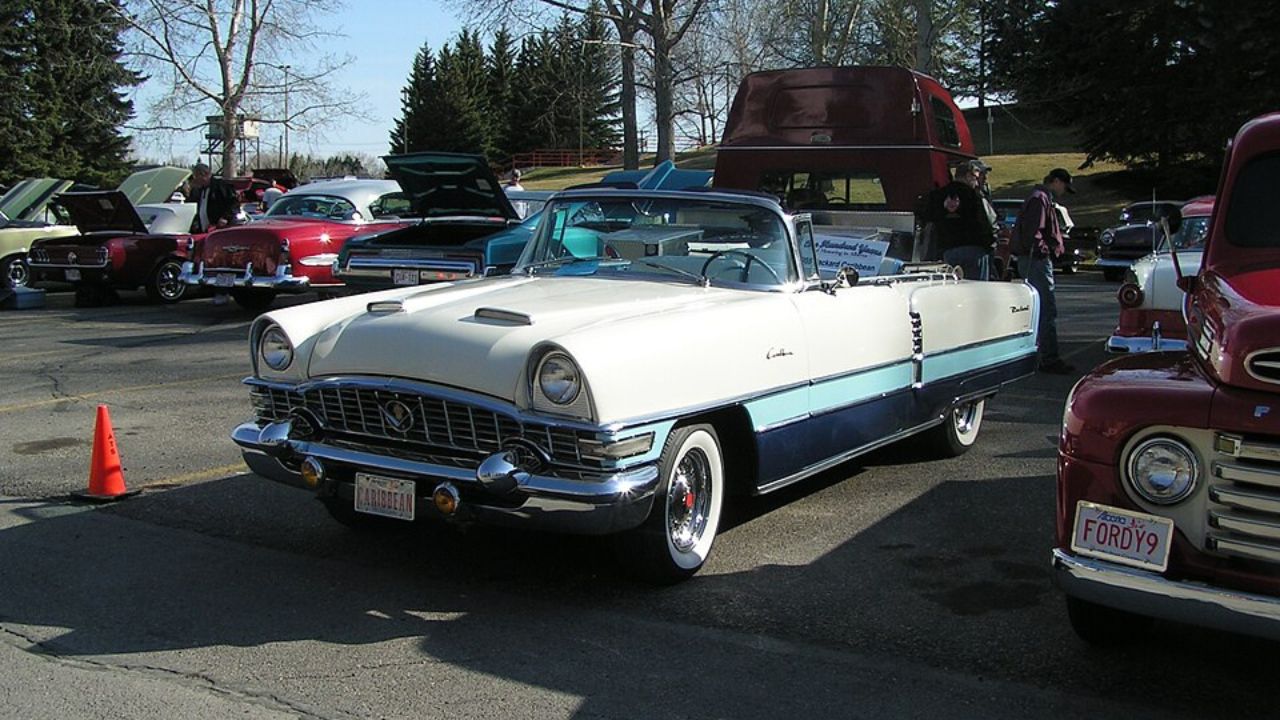
The 1950s produced some of the most recognizable automobiles ever built. Bold chrome, sweeping fins, dramatic colors, and increasingly powerful V8s reflected America’s postwar optimism. These twelve classics continue to command attention because their styling, engineering, and cultural importance still stand out decades later.
Chevrolet Bel Air
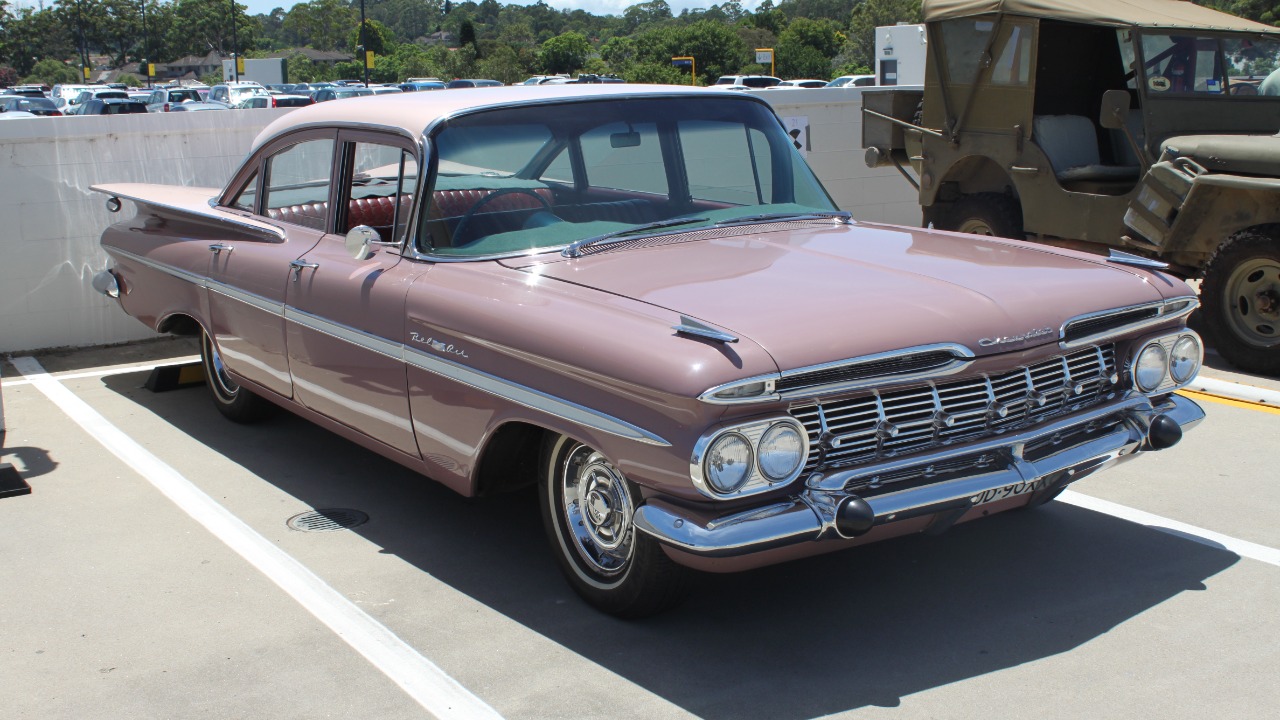
The Chevrolet Bel Air became one of the defining automobiles of 1950s America. Its sweeping bodywork, extensive chrome, and two-tone paint schemes captured the optimism of the postwar era. V8 power added to its appeal, while several body styles made it practical for different buyers. Restored Bel Airs remain among the most recognizable attractions at classic-car shows.
Ford Thunderbird
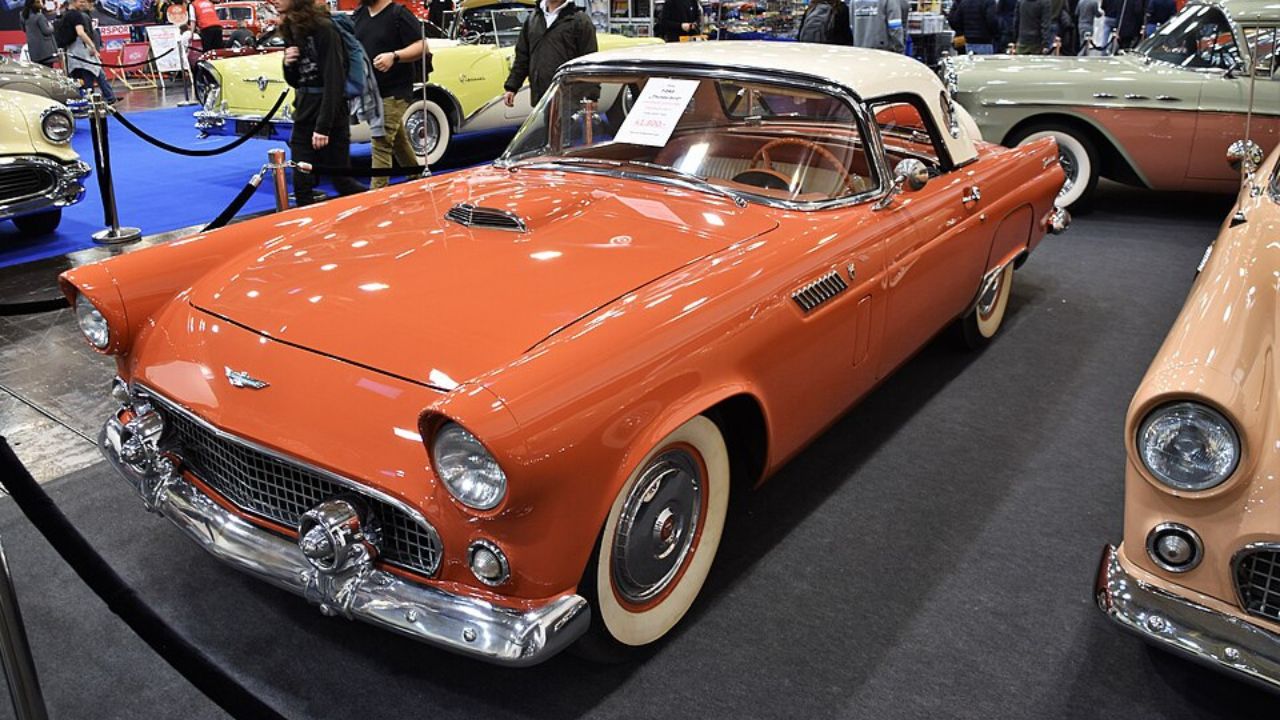
The 1955 Ford Thunderbird offered a refined interpretation of the American two-seat sports car. Its compact proportions, removable hardtop, and V8 power gave it a distinctive personality. Rather than simply copying European sports cars, Ford created something distinctly American. Early Thunderbirds remain highly admired for combining sporty character with the comfort and styling expected from a Ford.
Chevrolet Corvette
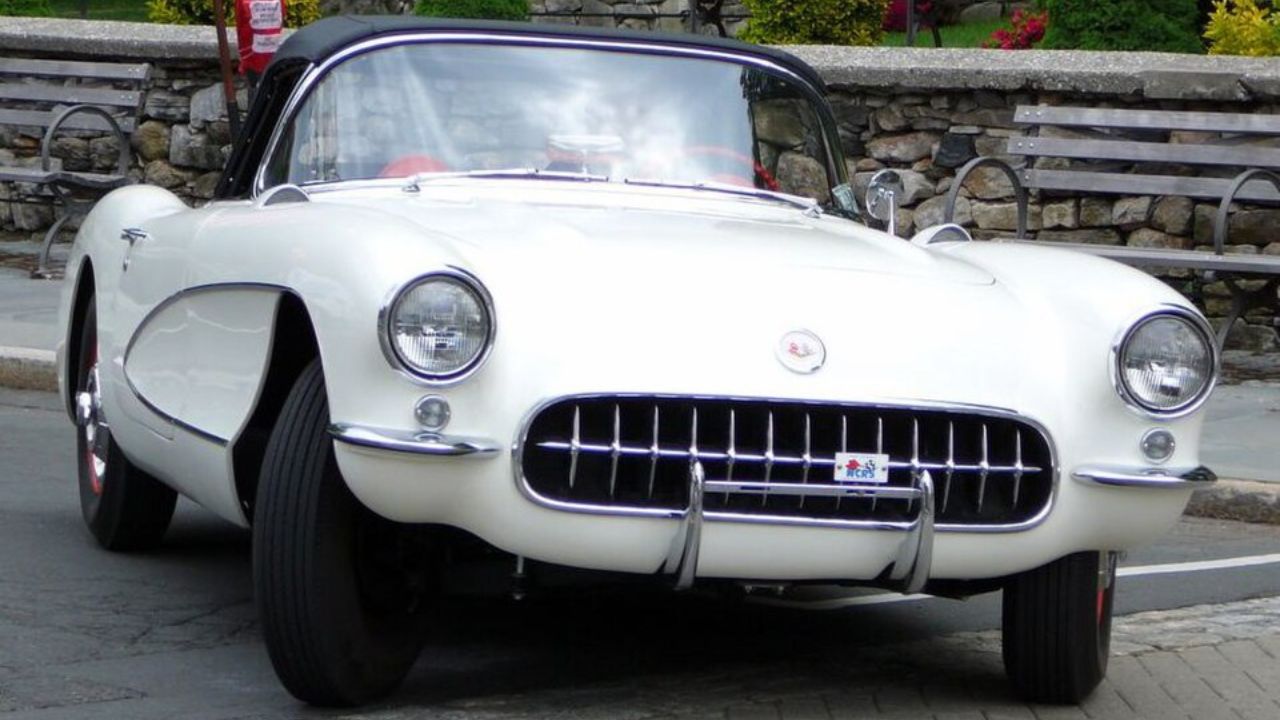
The early Chevrolet Corvette established an important new chapter in American sports-car history. Its fiberglass body, low profile, and two-seat configuration gave it a dramatically different appearance from Chevrolet’s larger models. Once V8 power became available, its performance credentials strengthened considerably. Today, early Corvettes remain major attractions because they represent the beginning of an enduring American performance icon.
Cadillac Eldorado
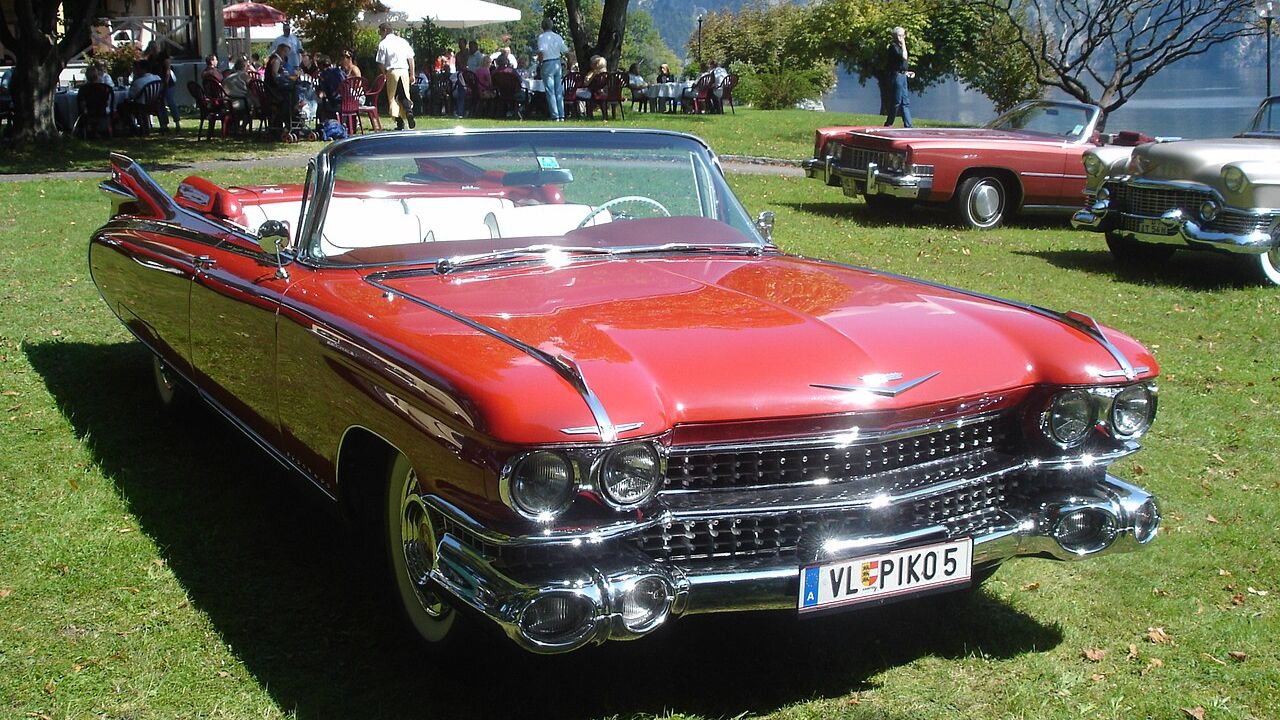
The Cadillac Eldorado represented the extravagant side of 1950s American design. Extensive chrome, dramatic tailfins, distinctive bodywork, and powerful V8 engines gave it an imposing presence. Cadillac used the Eldorado to showcase some of its boldest styling ideas. At a car show, a well-restored Eldorado can still capture attention simply by its size and unmistakable 1950s character.
Chrysler 300
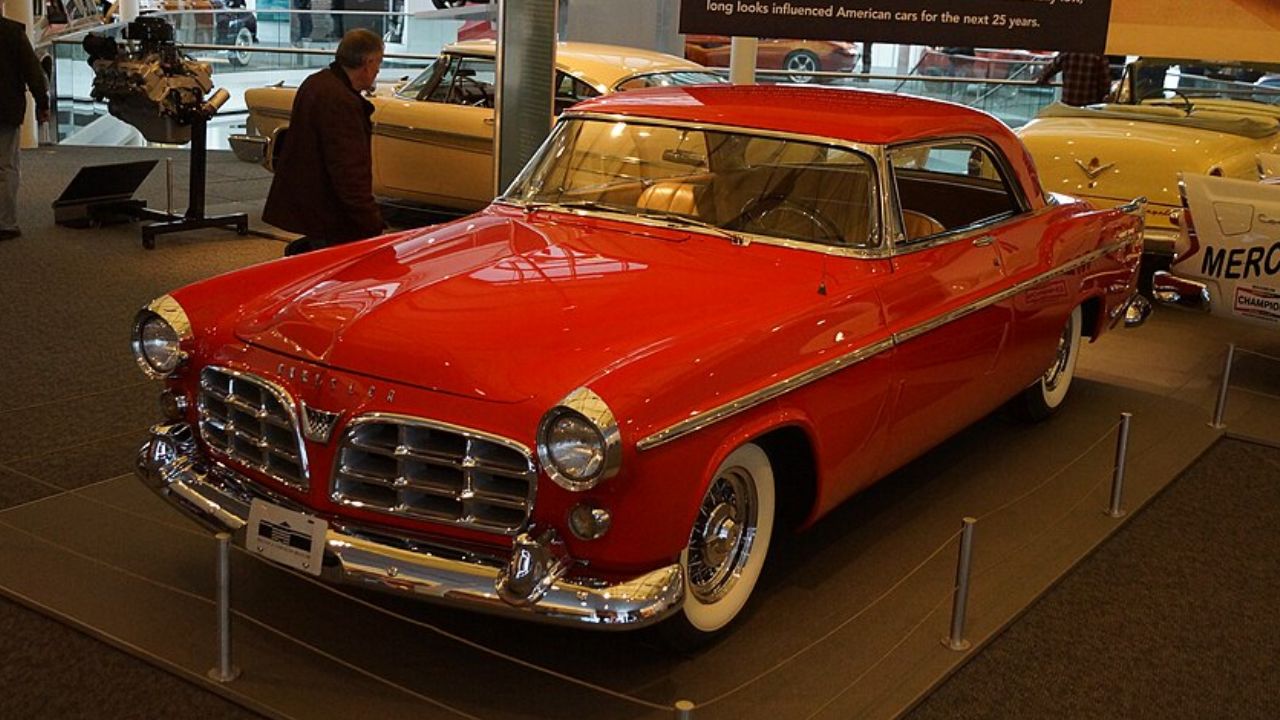
The Chrysler 300 combined luxury with serious performance in a way few American cars could match. Its Hemi V8 provided strong power, while its clean body avoided some of the excessive ornamentation common during the decade. The combination made the 300 an important early American performance car. Its rarity and engineering significance continue to attract knowledgeable collectors.
Studebaker Golden Hawk
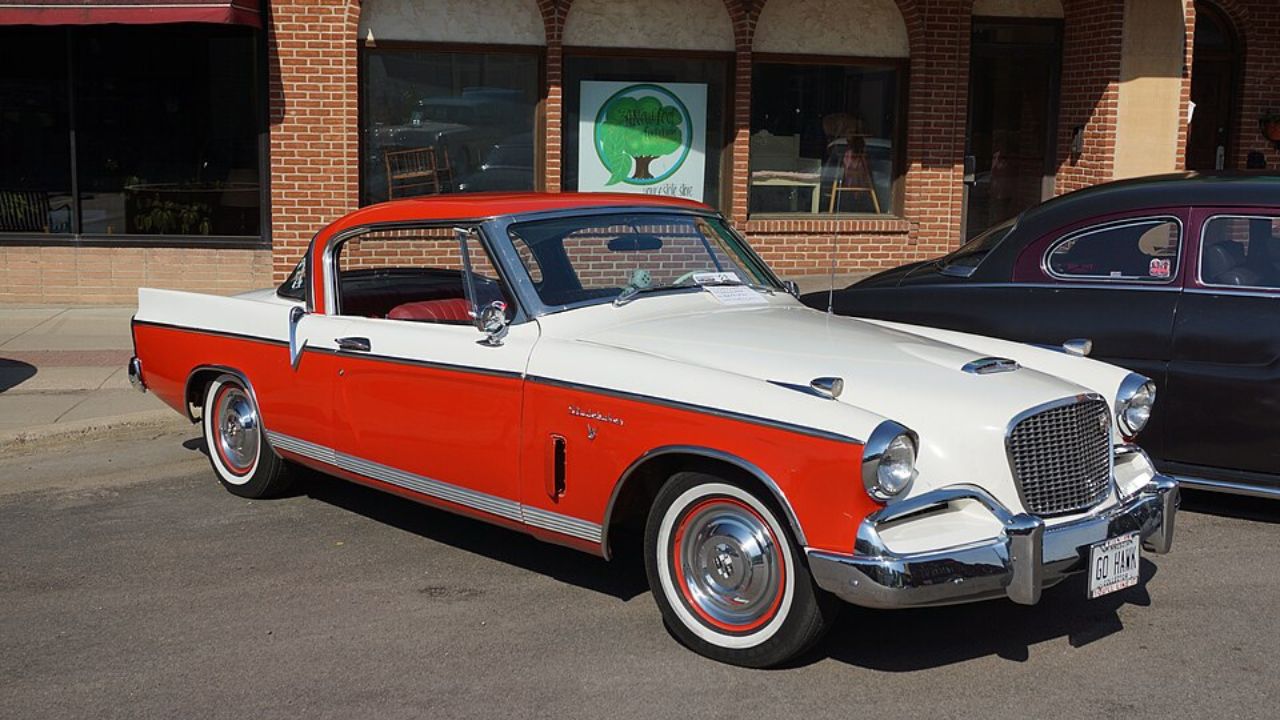
The Studebaker Golden Hawk stood apart from Detroit’s mainstream designs. Its distinctive grille, low roofline, dramatic two-tone paint, and powerful V8 gave it a sporty personality. Studebaker’s independent approach produced a car that looked different from its larger competitors. Surviving examples are relatively uncommon, making a beautifully restored Golden Hawk particularly memorable at a show.
Buick Roadmaster
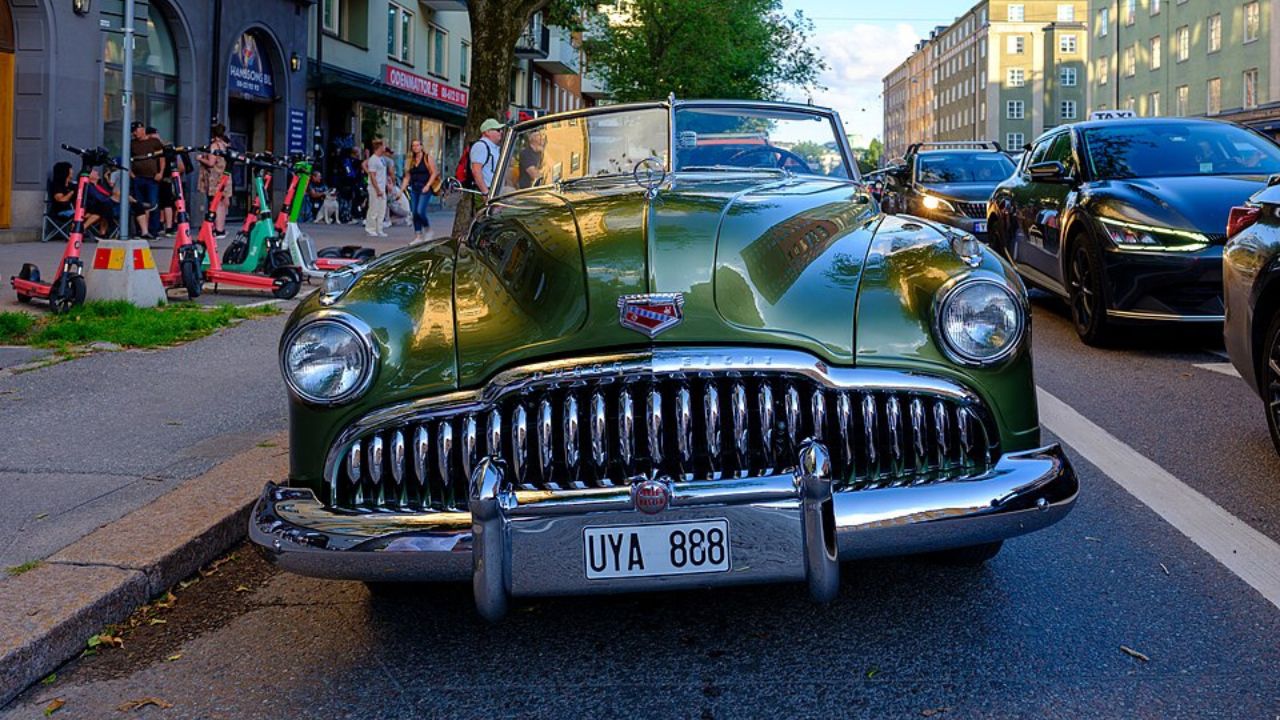
The Buick Roadmaster represented the brand’s upscale image during the 1950s. Sweeping body lines, abundant chrome, and powerful V8 engines created the substantial presence buyers expected from a premium American automobile. Its large dimensions and elaborate styling make it instantly recognizable. A restored Roadmaster provides an excellent snapshot of America’s fascination with size, comfort, and visual excess.
Oldsmobile 88
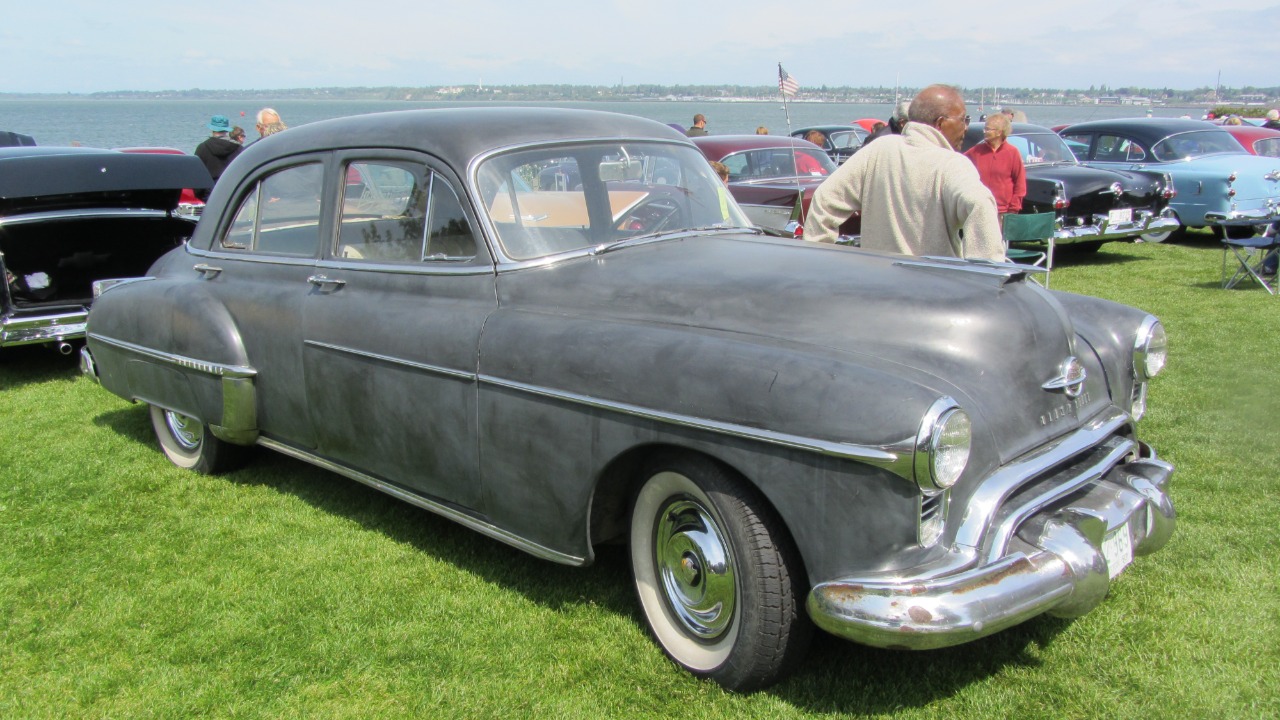
The Oldsmobile 88 became famous for combining a relatively manageable size with strong V8 performance. Its styling gave it a sporty appearance, while its engine provided impressive acceleration for the period. The model helped establish Oldsmobile as a performance-minded GM division. Clean examples remain popular because they capture the transition from conservative postwar design to the performance-focused culture of the late 1950s.
Pontiac Bonneville
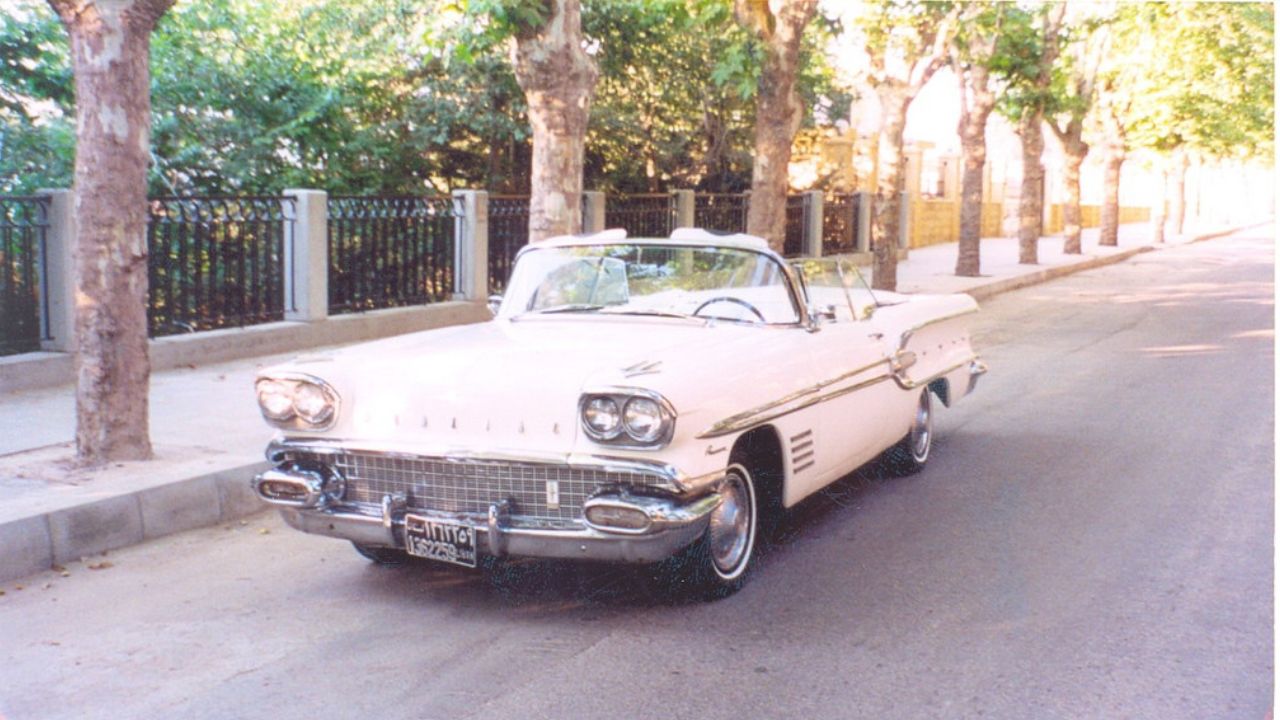
The Pontiac Bonneville represented Pontiac’s growing performance ambitions during the late 1950s. Powerful V8 engines, extensive chrome, and dramatic styling gave it considerable visual and mechanical presence. Limited production on early versions also makes surviving examples desirable. At a show, the Bonneville stands out as an important example of Pontiac’s transformation into a performance-oriented brand.
Ford Fairlane
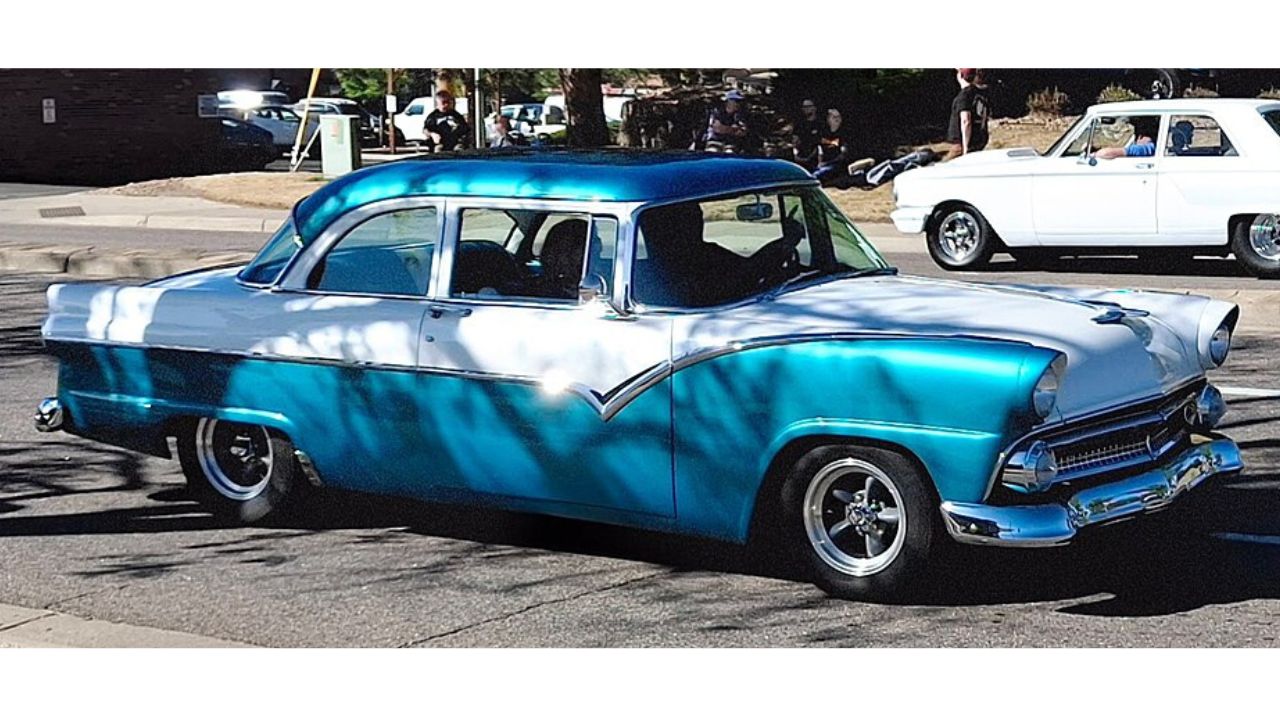
The Ford Fairlane reflected the rapid evolution of American styling during the 1950s. Later versions featured increasingly elaborate chrome, larger proportions, and more powerful engines. The model remained accessible while still embracing the decade’s fascination with dramatic design. Restored Fairlanes continue to attract attention because they show just how quickly American automotive styling changed during the decade.
Mercury Montclair
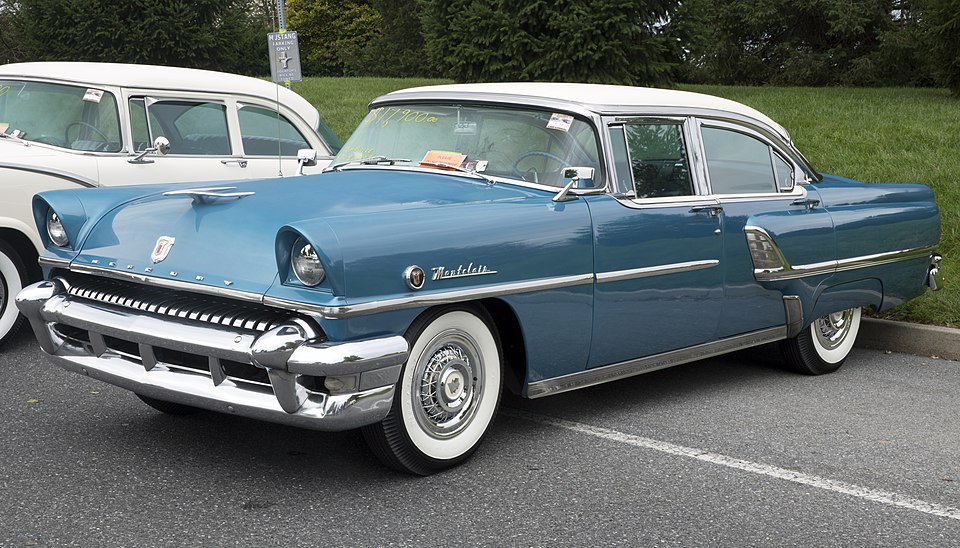
The Mercury Montclair occupied an interesting space between Ford’s mainstream models and more expensive luxury cars. Its V8 power, distinctive styling, and extensive trim gave it a more upscale character. Mercury produced fewer cars than Ford or Chevrolet, making surviving examples less common today. A well-preserved Montclair can therefore be one of the more unusual attractions at a 1950s car show.
Packard Caribbean

The Packard Caribbean represented the final years of Packard’s traditional luxury-car ambitions. Its powerful V8, distinctive styling, and upscale interior separated it from ordinary American automobiles. Production was limited, leaving relatively few survivors. Its rarity, craftsmanship, and connection to the final chapter of independent Packard make the Caribbean especially interesting to serious collectors.
More from Fast Lane Only
- Unboxing the WWII Jeep in a Crate
- 15 rare Chevys collectors are quietly buying
- 10 underrated V8s still worth hunting down
- Police notice this before you even roll window down
*Research for this article included AI assistance, with all final content reviewed by human editors