Some American cars introduced bold ideas long before buyers were ready to embrace them. Whether through advanced engineering, unconventional layouts, or innovative technology, these vehicles challenged industry norms. Although many were overlooked during their time, history has shown that they anticipated trends that would later become mainstream.
Tucker 48
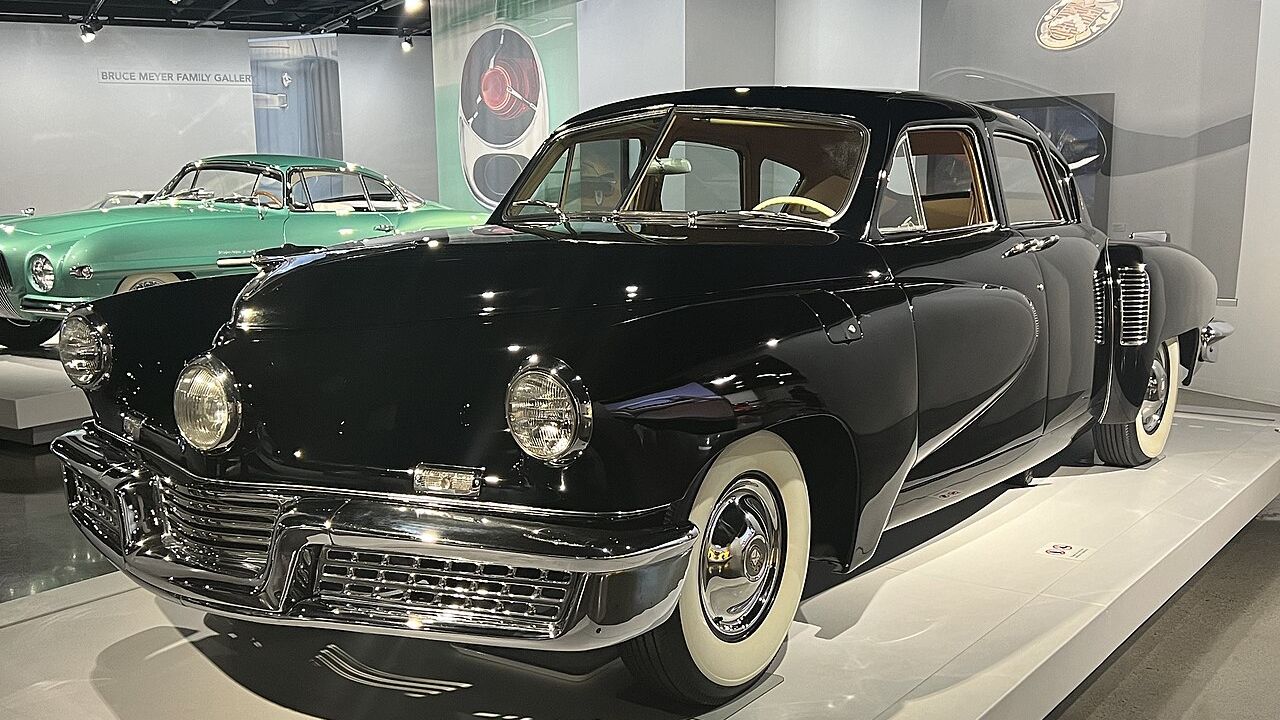
The Tucker 48 introduced groundbreaking safety features including a padded dashboard, a reinforced passenger compartment, and a center-mounted steering headlight that turned with the front wheels. Although production ended quickly, many of its innovations became common decades later, making it one of America’s most visionary automobiles.
Cord 810

The Cord 810 stunned buyers with front-wheel drive, hidden headlights, and streamlined styling years before such features became widespread. Its engineering and appearance looked unlike anything else on American roads. Today, it is recognized as one of the most advanced prewar cars ever built.
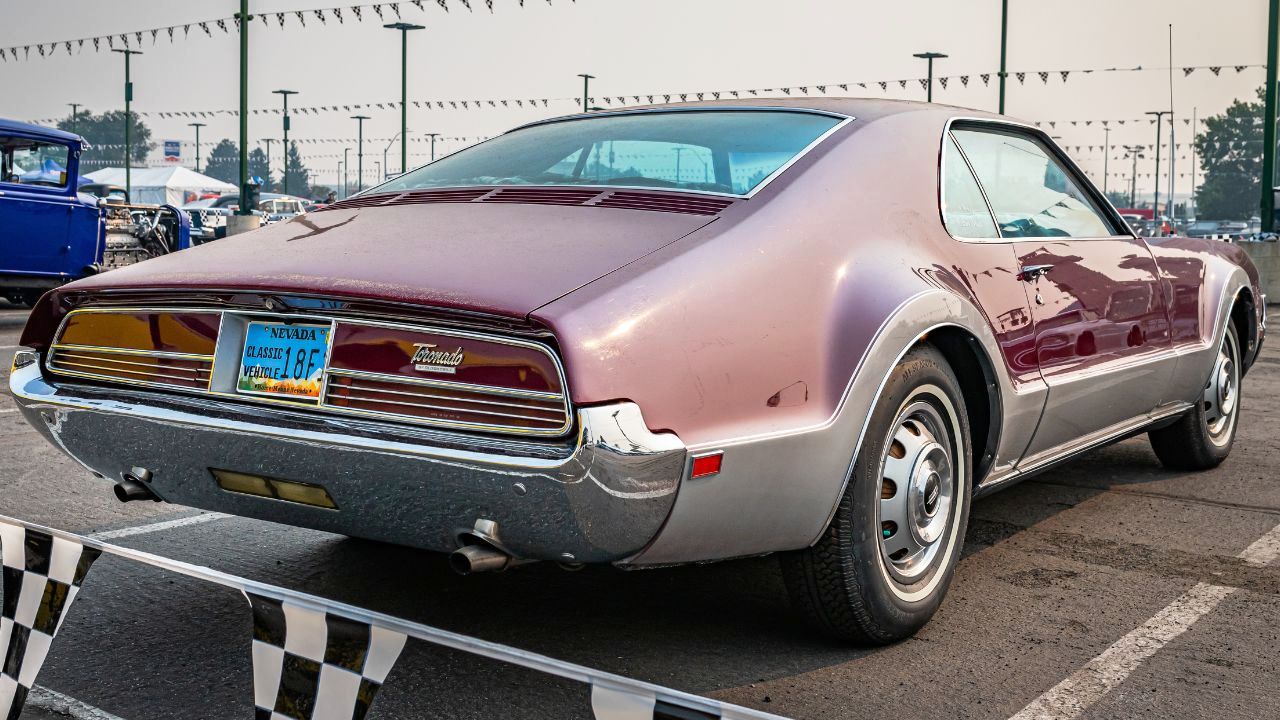
Oldsmobile Toronado

The 1966 Oldsmobile Toronado proved that front-wheel drive could successfully power a large American luxury coupe. Its sophisticated drivetrain and bold styling challenged conventional engineering. The Toronado demonstrated technology that would eventually become standard across much of the automotive industry.
Chevrolet Corvair
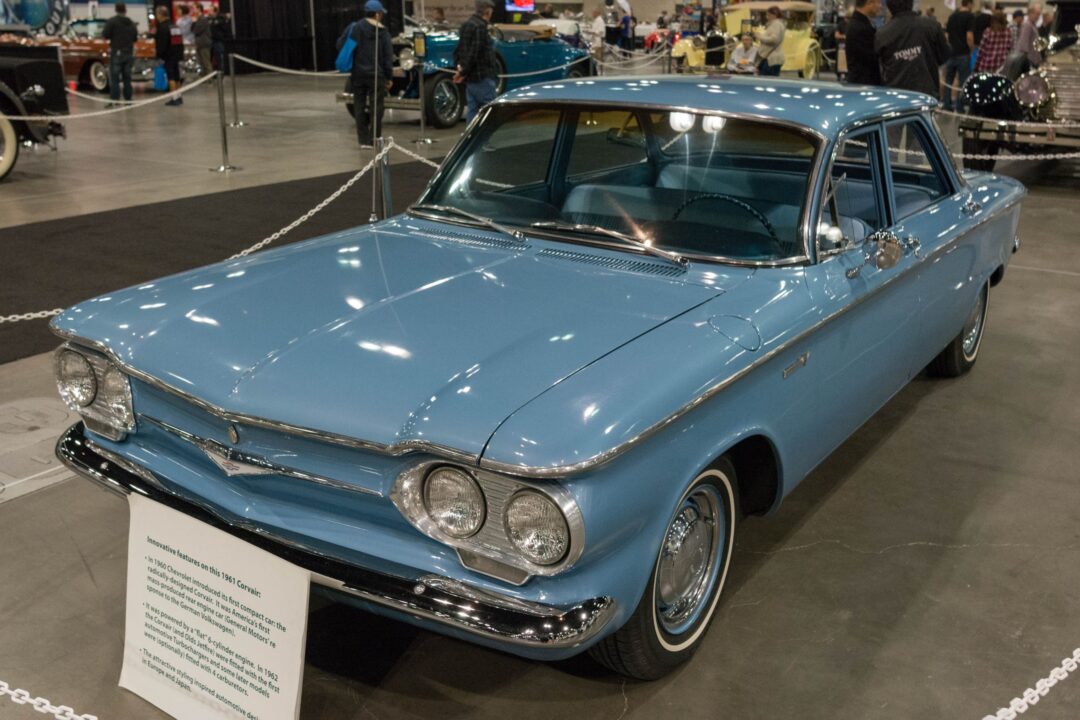
The Chevrolet Corvair broke away from traditional Detroit practice with its rear-mounted air-cooled flat-six engine and fully independent suspension. While controversial, its engineering philosophy anticipated later compact cars that emphasized efficiency, balanced handling, and innovative packaging over conventional layouts.
AMC Eagle
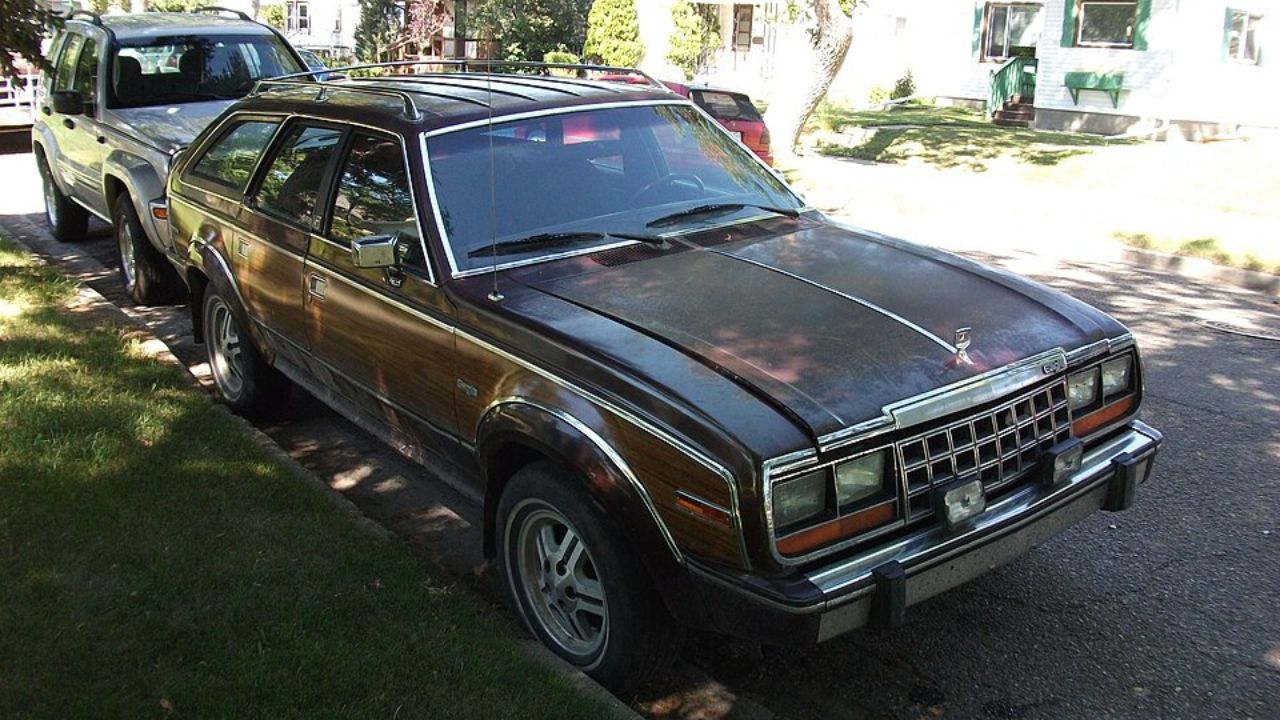
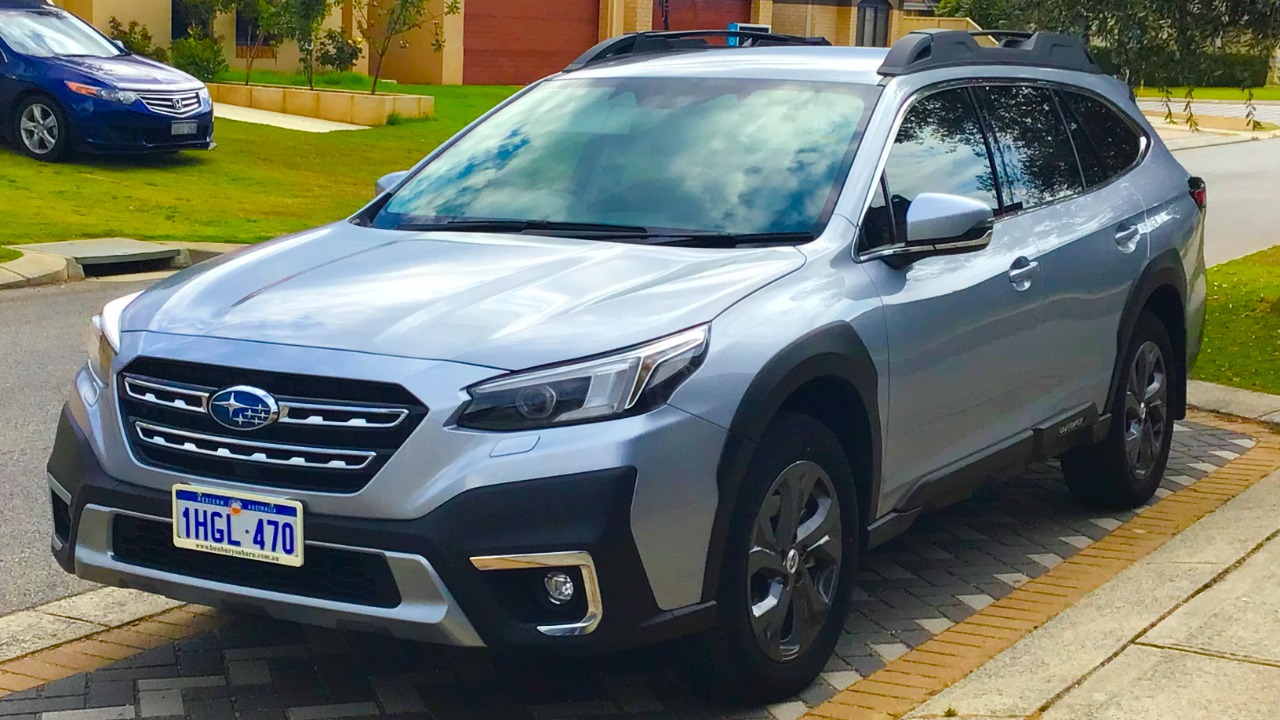
The AMC Eagle combined passenger-car comfort with full-time four-wheel drive years before crossover SUVs became mainstream. Buyers initially struggled to understand its unique concept, but it effectively pioneered the formula that would later dominate the automotive market.
Chrysler Turbine Car
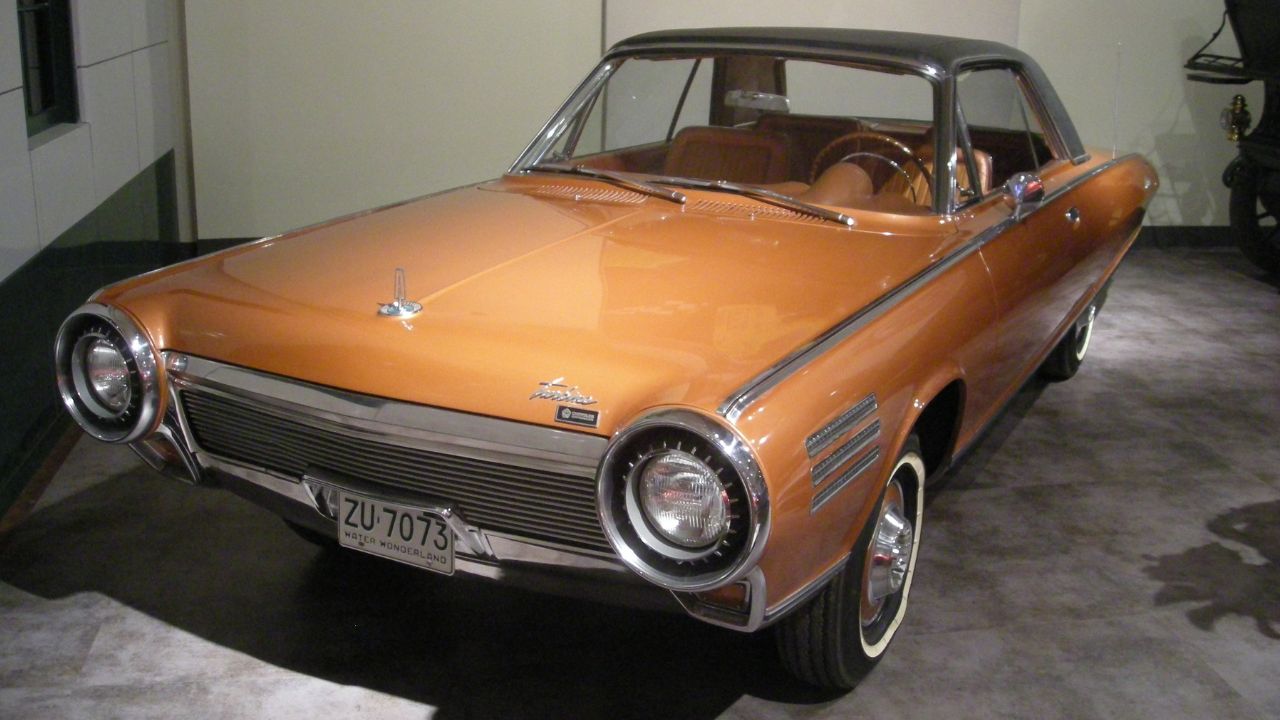
The Chrysler Turbine Car explored gas turbine propulsion with remarkable smoothness and the ability to operate on multiple fuel types. Although never mass-produced, it demonstrated Chrysler’s willingness to explore radically different propulsion systems long before alternative powertrains became a major industry focus.
Cadillac Allanté
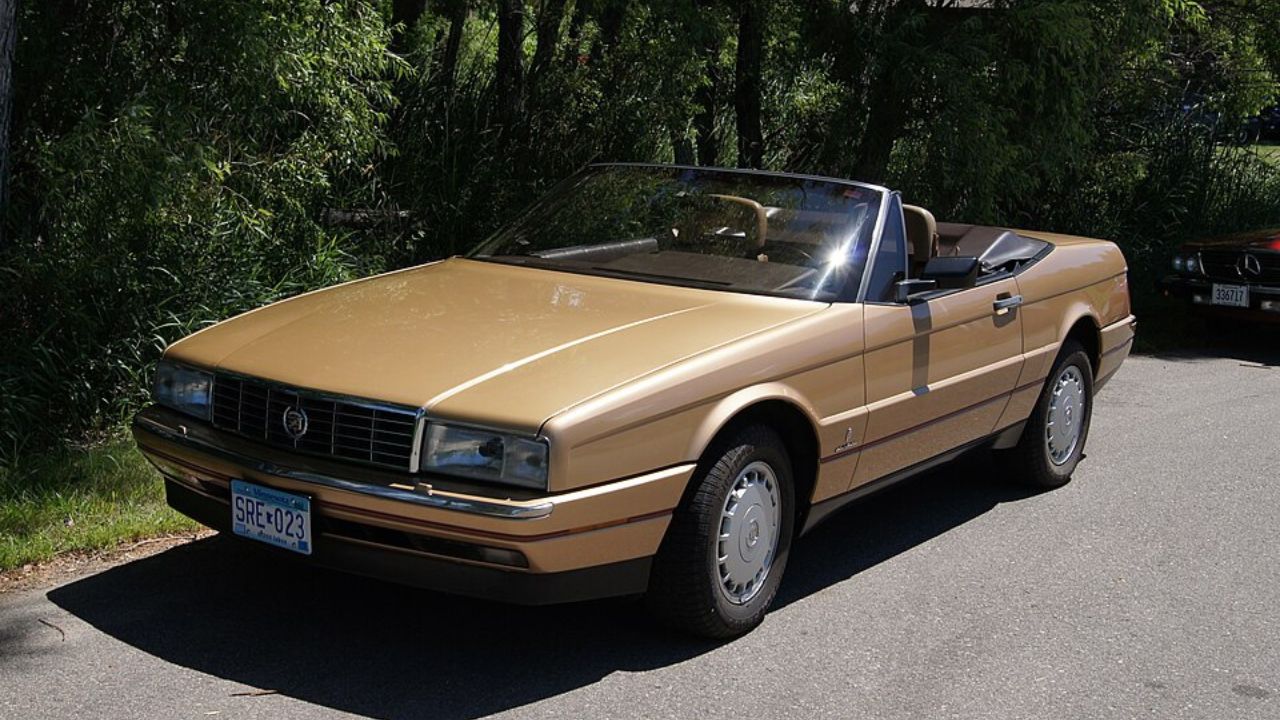
The Cadillac Allanté blended American engineering with Italian coachbuilt body construction, using an international production process unlike any other domestic luxury car. Its sophisticated electronics and premium ambitions reflected ideas that later became common among flagship luxury automobiles.
Pontiac Fiero
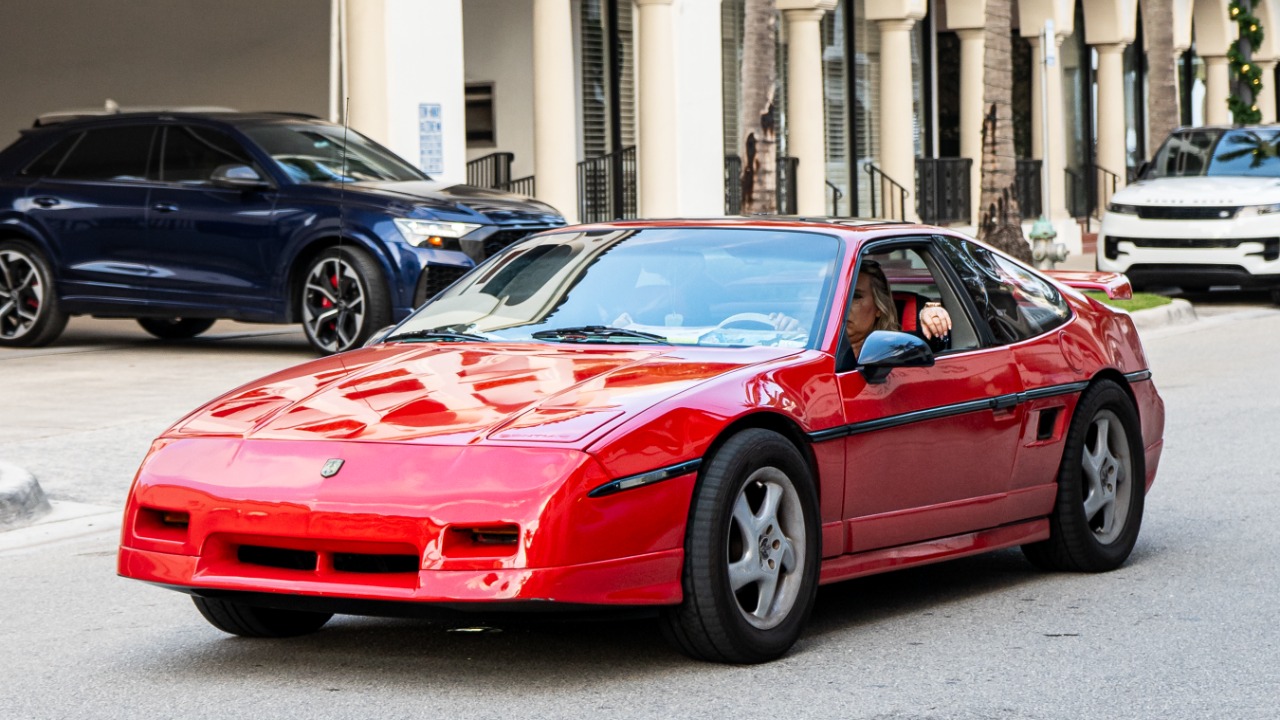
The Pontiac Fiero introduced a mid-engine layout to an affordable American sports car, something almost unheard of at the time. Later improvements transformed it into a capable driver’s car, foreshadowing the growing interest in accessible mid-engine performance that would emerge decades later.
Lincoln Mark VIII
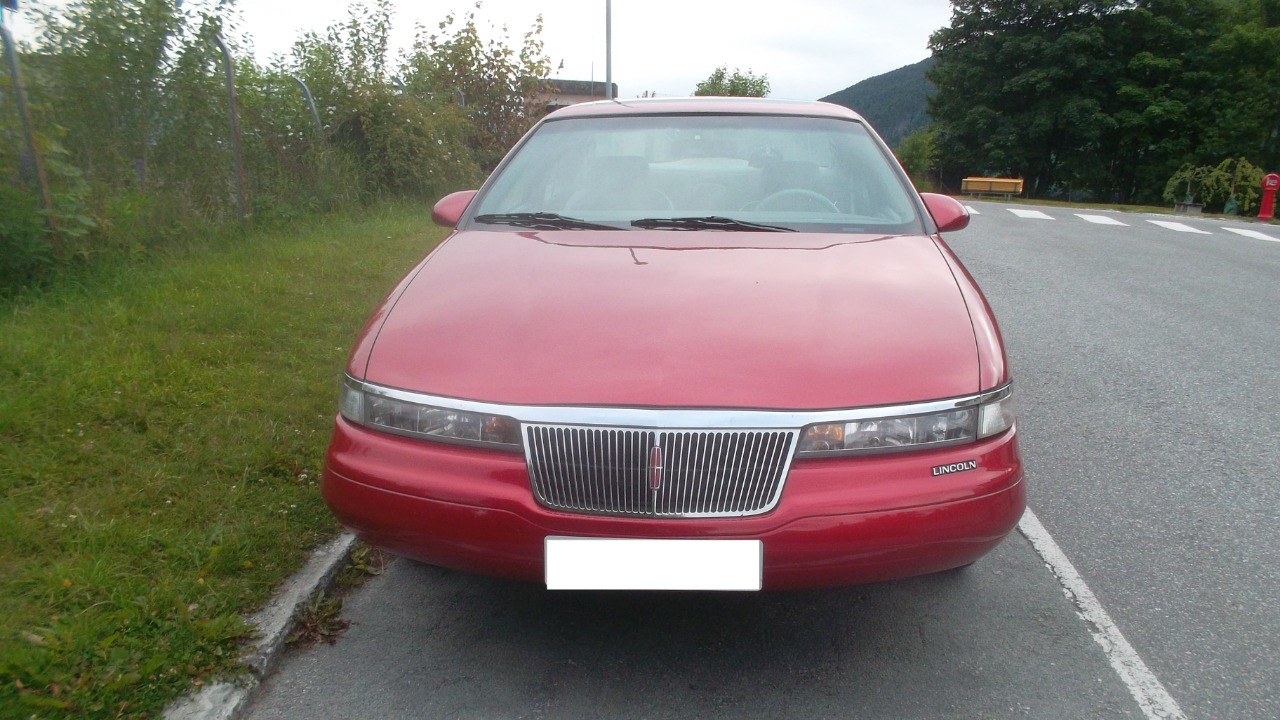
The Lincoln Mark VIII featured advanced aerodynamics, an aluminum DOHC V8, and an adaptive air suspension that automatically adjusted ride height. These technologies became increasingly common in luxury cars years later. The Mark VIII quietly demonstrated how sophisticated American grand touring coupes could become.
Saturn EV1
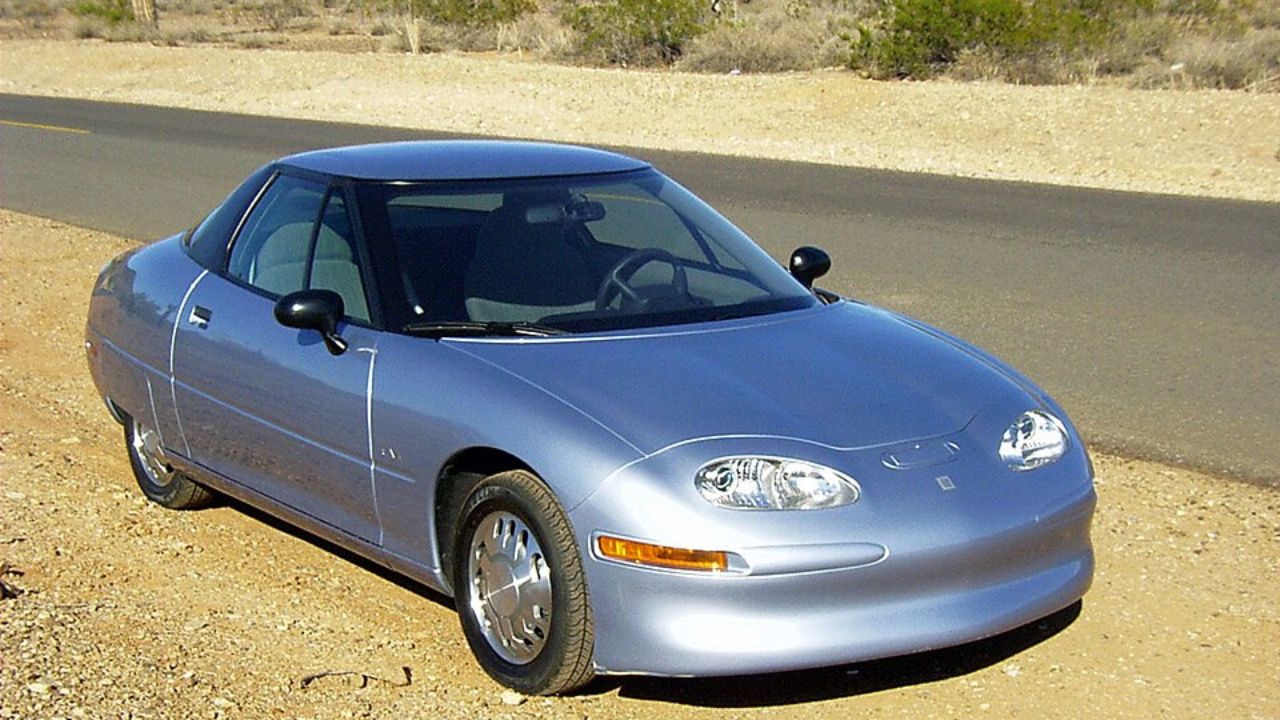
The Saturn EV1 became one of the first modern production electric vehicles, introducing battery-electric transportation well before today’s EV revolution. Its aerodynamic design and innovative engineering showed that practical electric mobility was possible, even if the market was not yet prepared to embrace it.
Buick Reatta
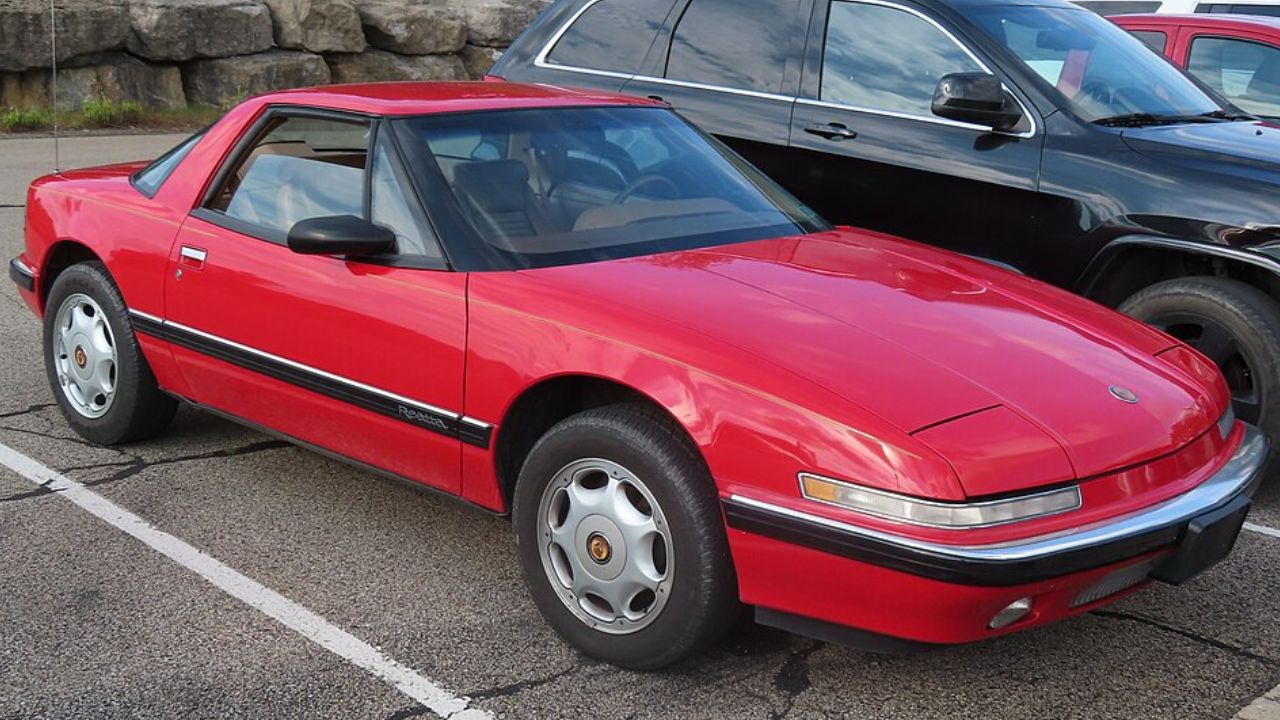
The Buick Reatta combined digital instrumentation, touchscreen controls, and handcrafted assembly in a premium two-seat coupe. At a time when such technology was rare, it hinted at the digital interfaces that would eventually dominate modern automotive interiors.
Ford Taurus SHO
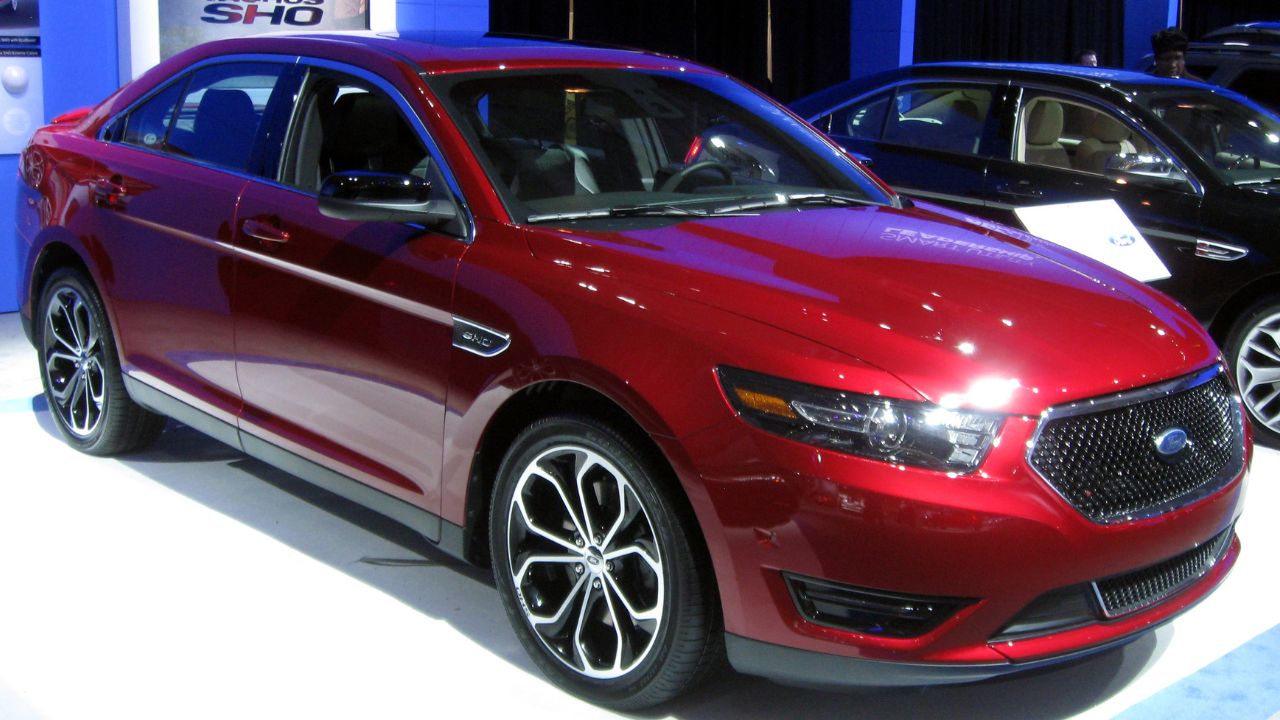
The original Ford Taurus SHO paired an ordinary family sedan with a high-revving Yamaha-developed V6 and sophisticated suspension tuning. Its blend of everyday practicality and serious performance anticipated the modern sport sedan formula that would become increasingly popular throughout the following decades.
More from Fast Lane Only
- Unboxing the WWII Jeep in a Crate
- 15 rare Chevys collectors are quietly buying
- 10 underrated V8s still worth hunting down
- Police notice this before you even roll window down
*Research for this article included AI assistance, with all final content reviewed by human editors